
Practical Ways to Save Money on Horse Care Without Sacrificing Health
Hello fellow equestrians. That sinking feeling when you open another feed bill or schedule a vet call is all too familiar. You want the absolute best for your horse, but your budget is sending clear signals.
I’m here to tell you that smart savings and stellar care are not opposites. Drawing from my own time managing stalls and training horses like the clever Pipin, I’ll show you how. This guide will cover real, actionable steps that protect your wallet and your horse’s well-being.
We’ll dive into key areas where a little knowledge goes a long way:
- Mastering your hay and grain strategy to eliminate costly waste.
- Building a preventative health routine to avoid major vet expenses.
- Using thoughtful turnout as your most affordable wellness tool.
- Selecting durable tack and gear that doesn’t require constant replacement.
I’ve balanced these priorities for years at the barn, proving that frugal and fantastic horse care can go hand-in-hand.
Master Your Feed Budget: Nutrition Without the High Price Tag
Feed costs can devour your budget, but smart choices keep your horse healthy and your wallet intact. I’ve fed everything from fiery thoroughbreds to clever ponies, and the secret is working with nature, not against it.
Start by getting hands-on with your hay supply-it’s the cornerstone of every good diet. Don’t just take a bale from the stack; inspect it. Good hay smells sweet, like a sun-dried meadow, not musty or sour. It should be leafy with flexible, greenish stems, not dusty or hot to the touch. I once saved a small fortune by rejecting a truckload of hay that looked okay from afar but felt damp and smelled off; trust your nose.
Maximizing pasture is your next win. Grass is the most natural and cost-effective feed you have.
- Divide your pasture into smaller paddocks and rotate horses through them. This gives grass time to recover and reduces overgrazing.
- Mow weeds and harrow manure piles regularly to spread nutrients and break parasite cycles. Healthy soil grows resilient grass.
- Test your soil every few years; a small investment in lime or specific fertilizer beats reseeding entire fields.
Before you buy a single supplement jar, reconsider. A plain white salt block and a targeted mineral lick based on your local soil deficiencies often cover the basics. For a shiny coat, a cup of vegetable oil or ground flaxseed works wonders without the premium price tag of specialized powders.
Buying hay by the truckload in season is almost always cheaper, but you must store it right to avoid waste. Keep bales off the ground on pallets, under a tarp or in a shed to prevent bottom rot. I stack mine loosely so air can circulate, which prevents mold from setting in and turning your investment into compost.
Prioritize Hay Quality and Pasture Grazing
Evaluating hay is a skill you can learn. Open a bale and look inside-the outside can be deceptive. You want minimal stems and seed heads, and no signs of mold, which looks like grayish-white fuzz or black spots.
Hay that is overly brown or smells like tobacco has likely been rained on and lost nutrients, so it’s not a bargain at any price. For my easy keeper Rusty, a richer alfalfa mix would be wasteful, while Luna needs the higher protein to maintain her condition.
A simple pasture rotation schedule keeps grass thriving. Use two or three paddocks if you can. Move horses when the grass is eaten down to about three inches, and let it rest until it grows back to six or eight inches. This constant movement mimics natural grazing patterns and drastically cuts your hay needs for much of the year.
Smart Supplementation on a Budget
Most pleasure horses don’t need a pantry full of supplements. Here are natural, affordable additions:
- Beet pulp shreds (soaked first) for safe, digestible calories and fiber.
- Black oil sunflower seeds for skin and hoof health.
- Dried seaweed for a natural source of iodine and trace minerals.
Skip the supplements entirely if your horse is on excellent pasture or quality hay, is at a healthy weight, and isn’t in intense training. Pipin, our Shetland, gets fat on air and certainly doesn’t need a joint supplement. Always base decisions on individual need, not marketing.
Invest in Prevention: Slash Veterinary Bills with Smart Care
An ounce of prevention is worth a pound of cure, and nowhere is this truer than with horses. The upfront cost of routine care saves thousands in emergency colic surgeries or chronic lameness.
Core vaccinations are non-negotiable; they prevent diseases that are expensive to treat and potentially fatal. Work with your vet to establish a schedule. For deworming, stop guessing and start testing. Fecal egg counts tell you exactly which horses are shedding parasites and need treatment, so you don’t waste money or breed resistance. Taken together, this approach helps prevent and control equine parasites effectively. A vet-guided, evidence-based plan targets treatment where it’s needed, protecting herd health and reducing resistance.
Regular dental checkups are another savvy investment. Horses’ teeth constantly erupt and can develop sharp points that cause pain, weight loss, and quidding. An annual float by a qualified equine dentist prevents these issues before they become emergencies.
Finally, decide on your financial safety net. Start a dedicated “horse emergency fund” by setting aside a small amount monthly. Alternatively, research veterinary insurance plans carefully; for some, the predictable premium is worth the peace of mind.
Stick to a Veterinary Preventative Care Schedule
Essential vaccinations include rabies, tetanus, and the Eastern/Western encephalitis series. For horses that travel, add strangles and equine influenza. Senior horses like Rusty need more frequent wellness checks, while young, active Luna benefits from routine lameness evaluations.
Make a habit of the daily “hands-on” check: run your hands down their legs, note their demeanor at feeding time, and monitor manure consistency. Catching a slight heat in a tendon or a dull coat early means a cheaper, simpler fix later.
Dewormer Rotation and Parasite Control Strategies
Modern parasite control isn’t about rotating dewormers blindly every eight weeks. It’s strategic.
- Perform a fecal egg count in spring and fall.
- Deworm only the horses with high counts, using the drug class your vet recommends based on the test.
- Rotate pasture fields to break the parasite life cycle, and harrow in hot, dry weather to kill larvae.
Pasture hygiene is your first line of defense: pick manure from paddocks at least twice a week, especially in smaller spaces. This simple, free habit reduces parasite loads more effectively than frequent, unnecessary chemical use. I’ve seen paddocks transform in a season with diligent mucking. Good manure management across horse pastures helps control parasites. Pairing it with thoughtful grazing rotation keeps pastures healthier for your horses.
Hoof and Dental Care: Affordable Maintenance for Long-Term Savings
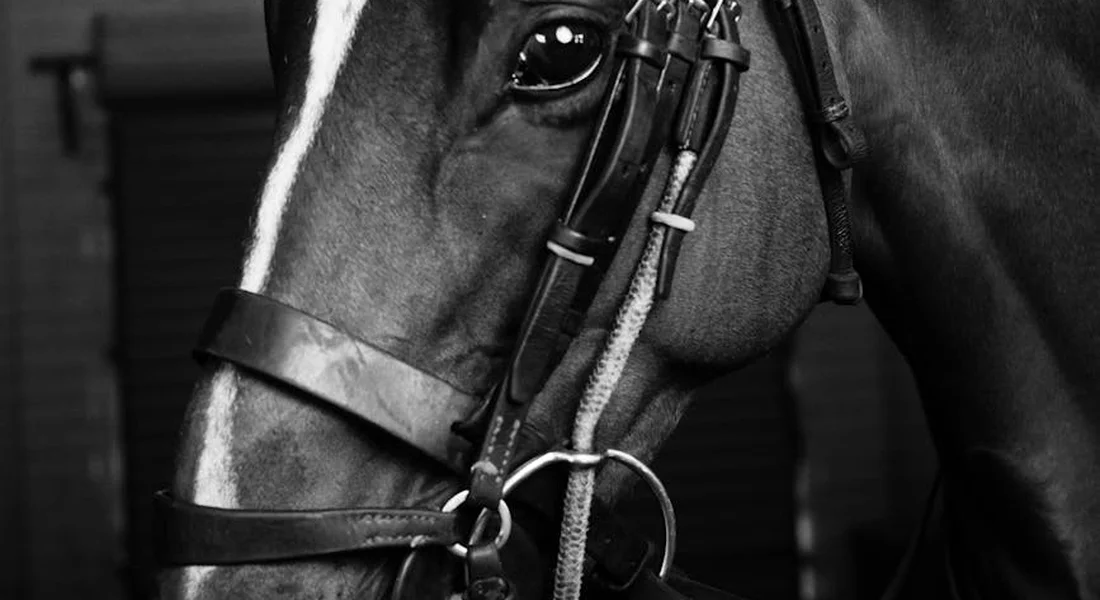
Smart hoof and dental care saves big money over time. It stops small issues from becoming wallet-busting vet bills. I learned this with Pipin, our Shetland pony, who developed thrush from standing in damp bedding. A simple daily pick-and-check routine fixed it and saved a call-out fee.
Consistent hoof picking and moisture control are your best defense against thrush and abscesses, keeping your farrier visits predictable and affordable. For dental work, I always look for certified professionals who offer fair rates. Building a good relationship with them means they might prioritize you in a pinch.
- Extend farrier cycles by keeping your horse on dry ground. Regular turnout on firm, clean footing naturally wears hooves down.
- Pick hooves daily without fail. Feel for pebbles, smell for the sharp odor of thrush, and clear out all the muck to keep the frog healthy.
- Find affordable pros by asking your local feed store for referrals or joining area Facebook groups. A certified farrier or dentist with a solid reputation is worth more than a cheap, unqualified one.
- Act fast if you see lameness, a hot hoof, bloody quicks, or your horse dropping grain. These signs mean drop everything and call your professional.
Extend Farrier Visits with Daily Hoof Care
Your daily touch is a powerful tool. My quick check on Luna, our Thoroughbred, takes two minutes per hoof. Look, pick, and feel.
Run your hand down the leg before you pick to check for heat or swelling-this simple act catches problems early. Then, pick from heel to toe, clearing the sulci around the frog. Feel for any loose shoes or cracks.
- Inspect the hoof wall for cracks, the sole for bruises, and the frog for mushiness or black discharge.
- Trim only the ragged edges of the hoof wall if you’re confident and have proper nippers. For major trimming, imbalance, or shoeing, always call your farrier. Your horse’s soundness depends on it.
Affordable Dental Checkups and Teeth Floating
Sharp points on a horse’s molars hurt. They cause chewing problems and weight loss. Regular floating files those points down. I schedule Rusty’s dental work for late fall, after the busy show season. Many dentists have lighter schedules then and may offer a discount.
Annual floating prevents painful ulcers in the cheeks and allows your horse to properly grind hay, extracting every bit of nutrition from your expensive forage. It’s a cornerstone of preventive care.
- Floating maintains even tooth wear, preventing weight loss and quidding, where food falls from the mouth.
- Book checkups in the off-season. Winter or early spring can be slower for equine dentists, potentially lowering your cost.
Tack and Tool Tactics: Quality Gear Without the Guilt
You do not need a tack room full of shiny new gear. I’ve outfitted horses for years with second-hand finds and basic tools. The key is smart shopping and meticulous care. The satisfying squeak of a well-oiled leather bridle tells you it’s being loved.
Buying quality used tack is an art that pays off, letting you afford better brands that last decades instead of seasons. For blankets and tools, a little maintenance prevents total replacement. Get creative with treats-Pipin goes wild for frozen apple peel popsicles in the summer.
- Search for used tack at reputable tack swaps, consignment shops, or online marketplaces with seller ratings.
- Extend blanket life by washing them at season’s end, repairing small tears immediately with a kit.
- Make DIY treats from apple cores, carrot tops, and stale muffins. For toys, drill holes in a log and stuff it with hay.
- Choose a durable rubber curry comb over a trendy, gimmicky tool. It cleans, massages, and lasts forever.
Find Budget-Friendly Tack and Equipment
Inspecting used saddles is a hands-on job. Feel for dry rot, test the tree for cracks, and check stitching. A bridle should have supple leather, not stiff, cracked straps.
Always bend the billets and girth straps on a used saddle to check for hidden dry rot, which feels like stiff, crumbling cardboard inside the leather. For grooming, focus on the basics that do real work.
- Inspect used saddles: Press on the tree points, check for rusted stirrup bars, and ensure the panels are even. Sit in it on a stand to assess balance.
- Essential grooming supplies: a stiff dandy brush, soft body brush, rubber curry, hoof pick, and a mane comb. Nice-to-haves: specialized shedding blades or fancy shine sprays.
Care for Blankets and Grooming Tools to Make Them Last
Turnout blankets take a beating. A spring cleaning ritual gets them ready for storage. Hose off mud, use a gentle detergent, and let them air dry completely-never in direct sun, which fries the waterproofing.
Store your clean, dry blankets in a rodent-free bin or on a wide, padded hanger to prevent tears and mildew, saving you hundreds next winter. I keep a repair kit with dental floss and a heavy needle for quick fixes.
- Clean blankets in late spring: Remove all straps, wash, reproof, and mend any rips. Check leg straps and belly surcingles for wear.
- Store blankets flat in a plastic tote with cedar chips to deter moths. Hang grooming tools on a pegboard to keep brushes dry and bristles straight.
Pasture and Boarding Wisdom: Lowering Overhead Costs

That green space out back is more than a pretty view; it’s a powerful tool for trimming your feed bill. Maximizing grazing time directly reduces the amount of hay and grain you need to purchase, putting money back in your pocket while letting your horse behave like a horse. I learned this watching Rusty, who would always nose past his grain bucket to get to the long grass, proving that pasture is often the most nutritious and cost-effective feed available.
Efficient management turns average pasture into a reliable resource. Implementing a simple rotation system prevents horses from tearing up the land and forces them to eat evenly, including the less tasty weeds. The sound of contented munching across a healthy field is far better than the crackle of another hay bale being opened. How does this approach work for horses? Are the best rotational grazing systems ideal for them?
Optimize Pasture Management to Lower Feed Costs
Start from the ground up with a soil test. Knowing your soil’s pH and nutrient levels lets you fertilize strategically, avoiding costly guesses that can harm the grass or your wallet. My local co-op does tests for a small fee, and the report saved me from buying unnecessary lime last season.
Reseeding is not a one-time fix but an annual tune-up. Use a diverse mix of grasses and legumes suited to your area; this creates a resilient sward that recovers quickly from grazing and weather stress. After reseeding a worn-out section, I was amazed how quickly Pipin found and devoured the new clover shoots.
- Take soil samples in early spring or fall from multiple locations.
- Follow lab recommendations for amendments, then overseed thin areas.
- Keep horses off newly seeded areas for 6-8 weeks to allow establishment.
Stocking rate is your golden number. Overcrowding is the fastest way to ruin pasture and skyrocket your supplemental feed costs. A general guideline is 1-2 acres per horse, but this depends entirely on your climate and grass type. Knowing exactly how much pasture a horse needs helps you tailor that guideline to your own land. Discover the actual pasture land per horse for your situation.
- Calculate your total usable pasture acreage, excluding shelters and wetlands.
- Divide by the number of horses to see your current rate.
- Use temporary electric tape to create smaller paddocks and enforce rest periods for grazed areas.
Explore Cost-Effective Boarding Arrangements
Full-care boarding is like a luxury hotel, while self-care is a cozy bed and breakfast you run yourself. The financial savings of self-care or partial-care boarding can be substantial, often cutting monthly costs by 50% or more. It demands your time for daily chores, but you gain complete control over your horse’s diet and routine. You may also be wondering how much it costs to board a horse—full board, partial board, or self-care. We’ll explore typical price ranges and what influences them in the next steps.
Consider the trade-offs honestly. Your time has value, but so does the hands-on knowledge you gain from managing every aspect of your horse’s care. When I moved Luna to a self-care facility, the extra effort deepened our bond and let me fine-tune her sensitive diet.
Leasing private pasture land is a hidden gem for budget-conscious owners. You can often rent a few acres from a local farmer for less than a traditional stall, though you’ll be responsible for all fencing, water, and manure management. It’s a great option for the hardy horse who thrives on 24/7 turnout.
Don’t overlook the power of a well-built fence and a simple shelter. Investing in durable materials like galvanized steel posts and pressure-treated lumber upfront prevents constant, costly repairs down the road. A three-sided run-in shed with a deep gravel base provides excellent protection and costs far less than a built barn.
Water systems are not the place to cut corners. An automatic waterer with a reliable heater ensures your horse drinks consistently in winter, preventing colic and saving you from breaking ice twice a day. A large, shared trough with a float valve is a budget-friendly alternative that reduces labor for everyone.
The Barn Community: Sharing and Saving Together
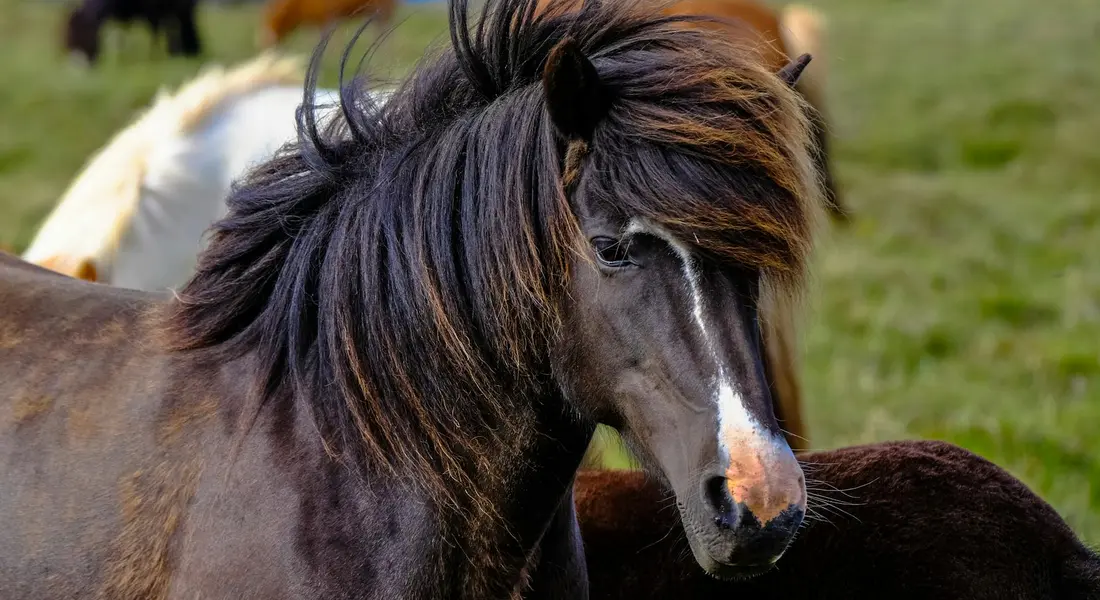
Horses have a way of bringing people together, and that community is your greatest asset for saving money. Pooling resources with other responsible owners spreads costs and reduces waste, letting you afford higher quality supplies for everyone. The shared laughter over a wheelbarrow mishap makes the work feel lighter, too.
Bulk buying is the most straightforward win. Coordinating a group order for hay or shavings often unlocks direct-from-farmer prices that beat any feed store tag. The smell of a fresh hay delivery is even better when you know your share cost 30% less.
Bulk Buying and Group Discounts for Horse Care Products
Setting up a buying group requires a little organization but pays off fast. Designate a point person to communicate with suppliers, collect money, and coordinate delivery, rotating the duty to share the responsibility. We use a simple group chat to confirm orders every month.
- Ideal items for bulk purchase: hay, straw or pine shavings, bagged feed, stall disinfectant, and fly spray concentrate.
- Approach local suppliers as a unified group to negotiate a better per-unit price.
- Have a clear, dry storage plan agreed upon by all members before the truck arrives.
Sharing goes beyond consumables. Creating a barn “library” for specialty items like clippers, sweat scrapers, or a rarely used therapy blanket prevents duplicate purchases. A labeled bin in the tack room works perfectly.
Share Costs on Training and Transportation
Group lessons are not just for beginners. Organizing a clinic or regular training session with a trusted instructor for several horses drastically reduces the hourly fee per participant. It’s also a fantastic way to learn from watching others handle their horses.
Trailer pooling is a game-changer for occasional users. If you need to get to a vet clinic or a show, splitting the cost of a rental trailer or fuel with a barn mate makes the trip affordable. Always agree on a schedule, loading order, and cleaning duties before you hitch up.
Clear agreements are the bedrock of sharing. Put simple rules in writing for shared spaces and equipment, covering cleaning, repair costs, and scheduling to prevent misunderstandings. This protects friendships and ensures the system works for everyone, including high-strung Luna and mischievous Pipin.
Frequently Asked Questions About Saving Money on Horse Care
What are cost-effective alternatives to commercial supplements?
Many whole-food options can provide targeted nutrition at a lower cost. For instance, beet pulp is an affordable source of digestible fiber and calories, while ground flaxseed or vegetable oil promotes a healthy coat. Always assess your horse’s specific needs through diet and forage analysis before adding any supplement.
How can I reduce boarding costs if I don’t own land?
Consider self-care or partial-care boarding facilities, which offer significant savings in exchange for you handling daily chores. Leasing a private pasture with a simple shelter can also be a very affordable alternative for horses that thrive on turnout. Another option is to explore a cooperative barn arrangement where you share responsibilities with other owners to lower overall fees.
How can I find cheaper but reliable insurance for my horse?
Start by comparing quotes from multiple equine insurance providers, focusing on adjustable deductibles and coverage levels that match your horse’s use. Ask your veterinarian or farrier for recommendations, as they often know reputable companies. Some insurers may also offer a discount if you bundle with other policies or if multiple horses from your barn are insured together. Also, consider whether you’re choosing the right horse insurance policy. Let that guide you toward coverage that fits your horse and budget.
Wise Words from a Well-Worn Wheelbarrow
Redirect funds toward foundational needs like excellent forage and routine dental work, and save by mastering basic maintenance yourself. Compromising on your horse’s core nutrition or ignoring those subtle lameness signs is always a false economy that costs more in heartache and vet bills later.
Practice patience with any new budget-friendly routine, ensuring every choice prioritizes calm and safety. Your horse’s behavior and body are the ultimate guidebook to what’s working—learning to read it is the most valuable skill of all.
Further Reading & Sources
- Caring for horses on a budget
- Cutting the costs of horse care – World Horse Welfare
- Emergency funds for horses – What’s your take? | The Horse Forum
- Keeping Horses on a Budget | University of Maryland Extension
At Horse and Hay, we are passionate about providing expert guidance on all aspects of horse care, from nutrition to wellness. Our team of equine specialists and veterinarians offer trusted advice on the best foods, supplements, and practices to keep your horse healthy and thriving. Whether you're a seasoned rider or new to equine care, we provide valuable insights into feeding, grooming, and overall well-being to ensure your horse lives its happiest, healthiest life.
Health