
Horse Mortality Insurance: Evaluating the Need for Financial Protection
Hello fellow equestrians. The peace of a quiet barn can vanish with one phone call from the vet. Worrying about catastrophic injury or illness is a heavy burden every horse owner carries.
Let’s tackle that worry head-on. We’ll walk through exactly what mortality insurance does and does not cover, how to assess your horse’s specific risk factors and value, and a clear cost-benefit analysis using real barn math.
My decisions at the stable, caring for everything from trail veterans to high-strung athletes, are built on this same practical footing.
What Exactly Is Equine Mortality Insurance?
Think of equine mortality insurance as a safety net for your horse’s monetary value. If you’ve ever laid awake listening to the rain on the barn roof, worrying, this policy is for that knot in your stomach. It’s a contract where you pay a premium to an insurer, and they agree to pay you an agreed-upon value if your horse dies or is lost due to covered events. At its core, it’s financial protection for a devastating emotional loss, letting you focus on care rather than cost in a crisis. If you’re wondering, do I choose the right horse insurance policy? This is where comparing coverage and riders helps you pick what truly fits your needs.
It’s Not Just for Equine Death
Many owners hear “mortality” and think it only applies if the horse passes. That’s a common myth. I learned this the hard way years ago with a clever pony who made a hobby of unlatching gates. A standard mortality policy often includes “theft” and “straying” coverage. If your horse is stolen or vanishes without a trace, your policy can provide compensation, which is a relief when you’re posting flyers and checking every back field. Many policies also offer “permanent total disability” endorsements. This means if your horse suffers an injury or illness that permanently ends its use for a stated purpose-like showing or riding-the policy may pay out as if it had died. It’s not just about death; it’s about irreversible loss of function, which is crucial to understand when planning for your horse’s end-of-life care and financial costs.
How It Differs From Liability or Veterinary Care Policies
Mixing up these policies is like confusing a hoof pick with a saddle-they’re for entirely different jobs. Let me break it down plainly.
- Mortality Insurance: Covers the horse itself. It protects your financial investment in the animal’s life or usability. The payout goes to you, the owner.
- Liability Insurance: Covers damage your horse causes to others or their property. If Luna spooks and kicks a neighbor’s fence, liability helps with those bills. It protects your wallet from lawsuits.
- Major Medical/Veterinary Care Insurance: Covers specific medical treatments, like colic surgery or joint injections. It pays the vet bills directly, up to your limit, to keep the horse alive and healthy.
You can have one, two, or all three, but they do not overlap; a vet policy pays for surgery, while a mortality policy would respond if that surgery is unsuccessful.
What Does (And Doesn’t) A Standard Policy Cover?
Policies vary by insurer, but most follow a similar blueprint. You must read yours line by line-the dry, fine print is where the real truths live. Never assume coverage; always verify with your agent, and get confirmations in writing.
Common Types of Losses Covered
A typical “all-risk” mortality policy acts as a broad shield. Here’s what it usually includes:
- Accidental Death: This covers sudden, external events. Think of a trailer accident, a fatal kick in the pasture, or a severe barn fire.
- Death from Illness or Disease: Conditions like severe colic, pneumonia, or laminitis that lead to death or humane euthanasia as advised by a vet.
- Theft: Compensation if your horse is stolen. Documentation like microchips and photos is your best friend here.
- Straying or Disappearance: Coverage if your horse escapes and isn’t found after a specified period, like 30 days.
- Humane Euthanasia: When recommended by a licensed veterinarian to relieve incurable suffering, most policies will cover this as a loss.
Remember, coverage is triggered by a specific, unforeseen event, not old age or gradual decline.
Exclusions Every Horse Owner Must Read
The exclusions list is your critical reading. Ignoring it is like turning Pipin loose in the grain room-asking for trouble. Common exclusions are:
- Pre-existing Conditions: Any illness or injury your horse had before the policy started. Full disclosure during application is non-negotiable.
- Neglect or Malicious Injury: If loss results from your failure to provide reasonable care, like consistent feed, water, or shelter, claims will be denied.
- Certain High-Risk Activities: Polo, racing, or bronc riding might be excluded unless specifically agreed upon and rated for higher premiums.
- War or Nuclear Hazards: Standard legal exclusions, but it shows how detailed these documents get.
- Intentional Slaughter: You cannot humanely euthanize for convenience and claim the value.
I once spent a whole evening with a client’s policy and a highlighter, and we found a clause excluding losses from “rusting metal in pastures.” Your diligence in understanding exclusions is the first and best defense against a denied claim when you’re already heartbroken.
Calculating Your Horse’s Value and Your Policy Cost

This is where the rubber meets the road, or more aptly, where the hoof meets the paddock dirt. Figuring out your horse’s insured value isn’t about sentiment; it’s a clear-eyed assessment of their financial reality. For most of us, it’s the purchase price or current fair market value. For a competitive athlete, it might include training costs, show records, or breeding potential. I once had to insure a young prospect, and the conversation with the agent felt like describing why a piece of art is priceless, but we eventually landed on a number that reflected his proven show winnings and future potential.
The annual premium typically runs between 2.5% to 4% of the insured value, so a $20,000 horse might cost $500 to $800 per year to insure. This isn’t a casual expense, but weigh it against the sheer peace of mind it can buy when you’re looking at a hefty vet bill or the unthinkable. Beyond the price, you’ll want to know what the policy actually covers and how much of a vet bill it will reimburse. Does horse insurance typically cover major injuries and treatments, and what limits or exclusions apply?
Factors That Influence Your Premium
Your quote isn’t pulled from thin air. Underwriters look at your horse’s life like a book, assessing the risk in every chapter.
- Age: Just like human life insurance, younger horses generally have lower premiums. Rates often increase noticeably after age 15.
- Use & Discipline: A Grand Prix show jumper faces different inherent risks than a weekend trail horse. High-impact sports usually mean higher premiums.
- Health & Medical History: Previous colic surgery, chronic lameness, or a history of laminitis will affect your rate, or may be excluded from coverage altogether.
- Breed: Some breeds with known genetic predispositions to certain conditions might see adjusted rates.
- Geographic Location: Where your horse is stabled matters. Areas prone to specific natural disasters or with higher veterinary costs can influence the price.
- Your Management: A facility with 24/7 turnout, safe fencing, and onsite staff may be viewed more favorably than a high-risk environment.
Understanding the Claims Process Before You Need It
You never want to read the manual in a storm. Knowing how a claim works now prevents added anguish during a crisis. The process is methodical, and your clarity is key.
- Immediate Notification: Contact your insurance agent or carrier immediately in the event of a serious injury, illness, or death. Do not wait.
- Veterinary Involvement: A treating veterinarian must be involved. For a mortality claim, a necropsy (animal autopsy) is almost always required to determine the exact cause of death.
- Documentation: You will need to provide a completed claim form, the original purchase contract or bill of sale, all veterinary records related to the incident, and often photos.
- Adjuster Review: An insurance adjuster will review all documents. They may ask for additional information or an independent veterinary examination.
- Resolution: Once approved, the company will issue payment for the insured value, minus any deductible. The entire process can take several weeks, so it is not an instant emergency fund, but a financial recovery tool.
How to Decide: Is This Financial Protection Right For You?
This isn’t a one-size-fits-all answer. It’s a deeply personal calculation that blends finance with emotion. Ask yourself the hard questions while listening to the soft nicker from the stall.
Key Decision Factors for the Average Horse Owner
Walk through this mental checklist with a cup of coffee in the tack room.
- Financial Impact: Could you afford a major surgery costing $10,000 tomorrow? If the answer is a definitive “no,” insurance shifts from a maybe to a must.
- Horse’s Role and Value: Is your horse a primary income source, a major financial investment, or an irreplaceable family member? The higher the stakes, the more sense insurance makes.
- Your Risk Tolerance: Are you a worrier who will lose sleep over “what ifs”? For some, the premium is worth the mental relief alone.
- Management & Environment: Be honest. Does your horse live in a safe setting with excellent care, or are there more hazards? Your management directly influences risk.
For many, the decision crystallizes when they picture facing a catastrophic colic with only a checking account and a hope for the best.
When Mortality Insurance Might Be Less Critical
Insurance is a tool, not a moral obligation. There are scenarios where it may not be the most prudent choice.
- The “Pasture Pet”: Your retired companion has a low monetary value and lives a quiet, low-risk life. The annual premium may outweigh the potential benefit.
- Strong Financial Reserves: You have a dedicated, liquid emergency fund for your horse that could cover a major expense or total loss without impacting your stability.
- Very Advanced Age: For senior horses where premiums become prohibitively high and coverage limits drop, self-insuring (saving that premium money yourself) often becomes the more practical path.
- Low Purchase Price: You acquired a horse for a nominal fee, and while you love them, the cost of insurance doesn’t align with their market value.
I made this choice for my old gelding, Rusty, in his golden years. The premium was high, his value was in memories, and we had a savings buffer. It was the right, albeit tender, calculation for our situation.
Beyond Mortality: Other Equine Insurance Options
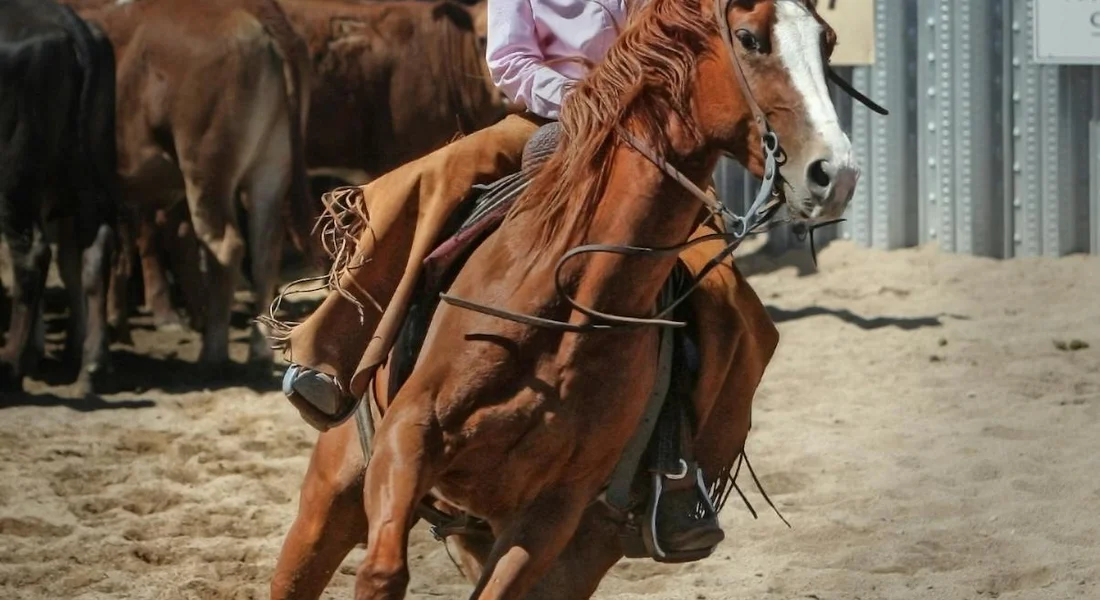
Mortality insurance is a solid foundation, but like a well-fitted saddle, it only covers one part of the ride. The true peace of mind comes from layering coverage that protects against the bumps and bruises of actual horse ownership. Major medical coverage can be a practical next layer, protecting against costly injuries and illnesses. If you’re wondering ‘do I need it?’, you’re not alone—it’s a common consideration for responsible owners. Think of your insurance portfolio as a balanced diet for your finances: mortality is the hay, but these other options are the crucial supplements.
Major Medical and Surgical Coverage
This is the workhorse of everyday crises. It covers diagnostics, treatments, and surgeries for illnesses or injuries that aren’t fatal. I remember the panic when Luna, my sensitive Thoroughbred, came up dead lame after a spirited turnout; the MRI alone was a heart-stopping quote. Major medical meant we could focus on her recovery, not the invoice.
Policies typically have an annual aggregate limit and a per-incident deductible. Here’s what to look for:
- Coverage Scope: Does it include colic surgery, lameness exams, and diagnostic imaging like ultrasounds?
- Exclusions: Pre-existing conditions are almost always out. Some policies exclude certain breeds or high-risk activities.
- Financial Logic: Weigh the annual premium against your emergency fund. For many, it’s cheaper to pay a monthly premium than face a $10,000 surgery bill.
The thud of a hoof against a stall door can mean a simple scratch or a fracture. This coverage turns a financial catastrophe into a manageable vet visit.
Loss of Use Insurance Explained
This is a specialized, often misunderstood policy. It pays out if your horse becomes permanently unable to perform its insured use due to injury or illness. It’s not for every horse. Loss of use is for the performance partner whose career is their primary value.
Imagine your dressage horse suffers a tendon injury that ends his competitive life. He’s still a beloved pasture pet, but his monetary value has plummeted. This policy helps recoup that loss. Key points:
- Strict Definitions: Insurers require veterinary certification of permanent incapacity. They may also retain ownership or require euthanasia.
- Use it or Lose it: You must clearly define the insured use (e.g., “AA-rated show jumper,” “barrel racing”).
- Cost vs. Benefit: Premiums are higher. For a pleasure trail horse like Rusty, it’s likely unnecessary. For a young prospect, it’s a calculation.
The gentle rhythm of retirement is a gift, but losing a competitive investment can strain any barn budget.
Practical Steps to Shop for a Policy
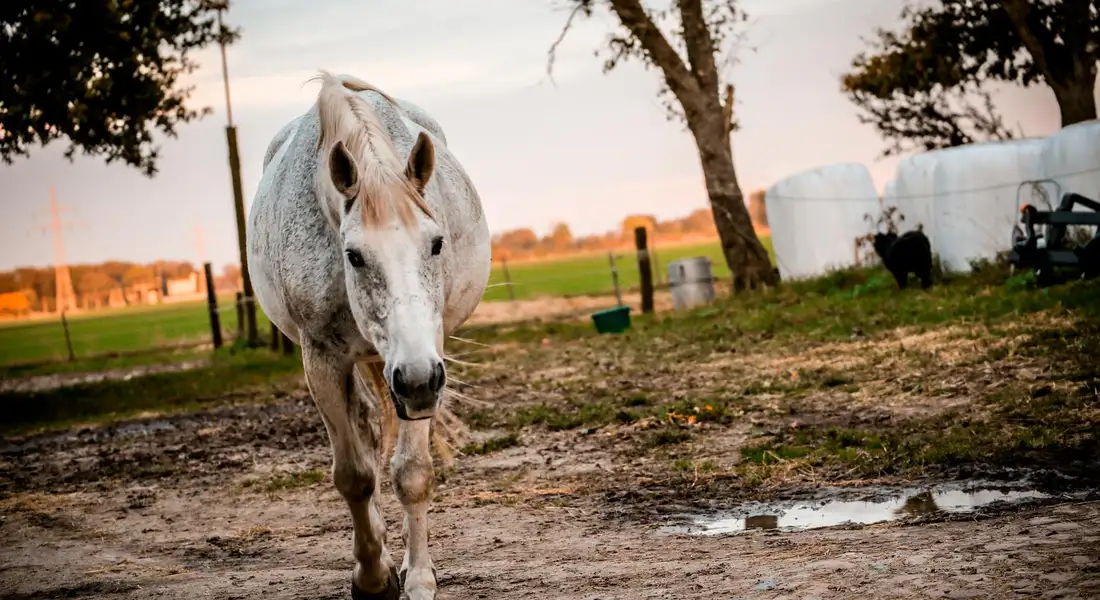
Shopping for insurance feels less like grooming and more like deciphering a vet bill. Break it down into simple steps. Start by getting current health records and a clear valuation for your horse—this is your shopping list.
Questions to Ask Your Insurance Agent
Don’t just listen to the premium quote. Dig deeper. I keep a list in my tack trunk for these conversations. Your agent should answer these without hesitation:
- What is the exact process for filing a claim? How long does it typically take?
- Are there specific veterinarians I must use, or can I use my own?
- How do you define “mortality”? Does it include humane euthanasia on veterinary advice?
- For major medical: What is the per-incident deductible and the annual limit? Are there co-pays?
- What exclusions would apply to my horse’s age, breed (Luna’s Thoroughbred status), or my primary discipline?
- How does renewal work? Can my premium increase based on claims?
The smell of fresh paperwork might not be as nice as hay, but understanding it is the best stable hack there is.
Maintaining Your Policy and Your Peace of Mind
Insuring your horse isn’t a “set it and forget it” task. It requires the same diligent care as checking hooves for stones. Mark your calendar for the renewal date and schedule an annual “policy check-up” when you do spring vaccinations and other care from your spring horse care checklist.
Keep a dedicated barn binder or digital folder with:
- Your complete policy documents.
- All veterinary records, especially renewal exams.
- Dated photographs showing your horse’s condition.
- Updated appraisals if your horse’s value changes significantly.
Notify your insurer of any major changes-a permanent move to a new barn, a change in primary rider, or if you decide to start Pipin in driving lessons. Failing to update your provider can void coverage faster than that pony can unlatch a gate.
Pay premiums on time. Set up auto-pay if you can. The creak of the mailbox opening should bring bills, not cancellation notices. This maintenance is the quiet, behind-the-scenes work that lets you sleep soundly after a long day at the barn.
Frequently Asked Questions: Is Mortality Insurance Necessary for My Horse?
How do I get a horse mortality insurance quote?
To obtain a quote, contact specialized equine insurance providers directly or work through an experienced agent. You will need to provide detailed information about your horse, including its age, breed, primary use, health history, and desired insured value. The insurer will then evaluate risk factors such as location and discipline to calculate your annual premium.
What should I look for in horse mortality insurance reviews?
When assessing reviews, prioritize feedback on the insurer’s claims process efficiency and customer support responsiveness during emergencies. Scrutinize comments about policy transparency, particularly regarding exclusions and how coverage disputes were resolved. Additionally, seek out reviews from owners with horses similar to yours in value or discipline to gauge overall reliability and satisfaction.
Does horse mortality insurance cover a broken leg in California?
Coverage for a broken leg hinges on your specific policy terms, but a standard mortality policy typically covers death or humane euthanasia if a veterinarian deems the injury irrecoverable. Exclusions may apply if the injury resulted from a pre-existing condition or a high-risk activity not listed in your agreement. Always verify with your insurer, as California may have state-specific provisions affecting coverage details and claims.
A Clear-Headed Decision for a Partner
Evaluate your horse’s financial value against your own capacity to absorb a sudden, total loss. A mortality policy is a pragmatic financial tool, not a measure of your love for your equine partner. Also plan for the ongoing costs of insurance and an emergency fund for unexpected veterinary bills. This helps you budget for premiums and potential out-of-pocket expenses.
Whatever you decide, your commitment to their daily care is what truly defines your stewardship. Listen to that quiet voice of practical horsemanship—it will guide you toward the right choice for your stable, especially when you consider the ongoing time and commitment requirements for horse care.
Further Reading & Sources
- Horse Mortality Insurance | Markel
- Horse Mortality & Major Medical Insurance | Equisure
- Insurance for Equine Mortality
- Equine Mortality – Great American Insurance Group
At Horse and Hay, we are passionate about providing expert guidance on all aspects of horse care, from nutrition to wellness. Our team of equine specialists and veterinarians offer trusted advice on the best foods, supplements, and practices to keep your horse healthy and thriving. Whether you're a seasoned rider or new to equine care, we provide valuable insights into feeding, grooming, and overall well-being to ensure your horse lives its happiest, healthiest life.
Health