
How to Plan for Your Horse’s End-of-Life Care and Financial Costs
Hello fellow equestrians. That quiet dread when you look at your aging horse or face a dire prognosis is a weight every responsible owner carries, tangled with fears of steep vet bills and heartbreaking choices.
I’ve felt that same heavy silence in the barn, breathing in the scent of old leather and clean straw while worrying about my own herd. This isn’t just about money; it’s about peace of mind and a dignified goodbye for your horse.
Let’s walk through this together. I’ll show you how to build a practical plan that covers:
- How to honestly assess your horse’s quality of life, beyond just bad days.
- The real-world costs for euthanasia, body removal, and memorial options.
- Simple steps to create a separate savings fund, so finances don’t dictate care.
- Having the right conversations with your vet and family before a crisis hits.
My years managing barns and guiding owners through this very process have taught me that preparation is the ultimate act of love.
Recognizing When It’s Time: Signs and Quality of Life
This part of horse ownership asks for clear eyes and a soft heart. You learn to read the subtle shifts in your horse’s world, much like noticing the first chill in the autumn air. Your daily grooming and handling routine becomes your most trusted tool for spotting the early whispers of change.
Observing Changes in Behavior and Health
Watch for more than just obvious lameness. Look for the small things that add up. I remember Rusty, our reliable quarter horse, starting to pause a beat too long before stepping into his stall. It was a tiny clue his joints were talking to him.
- Physical Signs: Persistent weight loss despite good feed, a dull coat that won’t shine, frequent colic episodes, or labored breathing at rest. Difficulty rising, stumbling on familiar ground, or chronic hoof abscesses are red flags.
- Behavioral Shifts: Loss of interest in treats (a big one for Pipin, our food-motivated pony), reluctance to move or join the herd, a pinned-back ear stance that becomes permanent, or standing isolated in the field for hours.
- Daily Function: Ask yourself: Can they lie down and get up comfortably? Do they still roll and scratch with pleasure? Is eating or drinking a struggle? A horse who stops rolling is often a horse in significant discomfort.
Trust the silence as much as the noise; a horse who has stopped nickering for breakfast is telling you something profound.
Assessing Welfare and Quality of Life
Move from observation to assessment. A quality of life scale isn’t cold data-it’s a structured way to honor your horse’s experience. I kept a simple notebook for Luna, marking good days and bad.
Track five key areas each week on a scale of 1 to 5:
- Pain: Is it controlled with medication?
- Hunger & Thirst: Can they eat and drink easily?
- Hygiene: Are they able to stay clean and avoid sores?
- Happiness: Do they show sparks of their old self, like curiosity or contentment?
- Mobility: Can they move freely to access basics like food, water, and shelter?
When the bad days consistently outnumber the good, you’re facing a welfare decision, not just a medical one. This diary removes the fog of emotion and gives you clear facts to discuss with your vet.
Considering Palliative and Hospice Care
When a cure isn’t possible, your goal shifts to comfort. Palliative care manages pain and symptoms for chronic conditions. Hospice care is its logical extension for the final phase of life. This choice is a active commitment to a peaceful end, not a passive waiting game.
Practical steps for comfort mimic the best parts of turnout:
- Create a deeply bedded, spacious stall with easy access to a small, safe paddock.
- Offer soft, soaked feeds or fresh grass if chewing is hard.
- Adjust blanket weights meticulously; a cold, aching horse declines faster.
- Schedule gentle grooming for connection, not just cleanliness.
I’ve sat in many straw-bedded stalls at midnight, just keeping a old friend company-it’s not wasted time, it’s the core of gentle horsemanship. This care allows for a dignified transition, whether that lasts for weeks or months.
Making the Decision: Euthanasia and Veterinary Coordination
Choosing euthanasia is the ultimate act of stewardship. It’s about trading your own heartache for their peace. Are ethical considerations in horse euthanasia part of that weighing? They invite us to balance mercy with responsibility. Coordinating this day with care is the last gift of responsibility you give your horse.
Understanding Humane Euthanasia Methods
The standard method is a two-step process performed by a veterinarian. It’s designed for absolute peace. First, a heavy sedative is given, often in the vein, so the horse becomes deeply drowsy and may lie down. They experience only a profound sense of sleepiness, not anxiety. Then, an overdose of an anesthetic agent is administered. This quickly stops the heart and brain function. The transition is swift and calm. The entire process, from sedation to passing, typically takes only a few minutes.
Choosing a Veterinarian and Scheduling
Use the vet who knows your horse’s history. If that’s not possible, seek a practitioner known for compassion. Don’t make the call in crisis-have a pre-planning conversation. Ask direct questions: What is your exact protocol? Will you use sedation first? Can I be present? A quick reference guide on when to call the vet for your horse can help shape these decisions as you prepare for the next steps.
When scheduling, choose a time of day when your horse is most calm and the clinic traffic is low. Consider the logistics of aftercare (burial or removal) and arrange that beforehand. A clear plan for the body is a crucial, often overlooked, step that prevents additional stress on you and farm staff. It’s one of those advanced equine medical considerations that every owner should be familiar with.
The Role of Pain Management and Sedation
Pain management leads right up to the final moment. Many horses benefit from increased pain medication in their final days to ensure comfort. On the day, the initial sedation is non-negotiable. Many clinics advise following pre-procedure feeding guidelines to minimize stomach upset during sedation. A light, predictable feeding schedule can support the process and comfort for your horse. This pre-euthanasia sedation ensures your horse feels no fear or discomfort, only a heavy, pleasant drowsiness.
What to expect: Your vet will likely place a catheter in the jugular vein. You’ll see your horse relax, their head lower, and muscles soften. They may sway and gently lie down. The final injection is then given through this catheter. Stay close, speak softly, let them hear your familiar voice. The final breath is often a soft sigh, not a struggle. Focus on the relief you are providing, not the loss you are facing-it changes the weight in the room.
Financial Preparedness: Budgeting, Insurance, and Costs
Facing the numbers is a sobering but necessary part of stewardship. Building a financial plan now ensures you can act with love, not panic, when your horse needs you most.
Estimating Veterinary and Aftercare Expenses
Prices swing widely by location, but from my barn ledger, here is a clear snapshot. Always get three local quotes because the cost of a backhoe or a crematory retort can change with the season.
| Service | Typical Cost Range |
|---|---|
| Euthanasia (Farm Call & Sedatives) | $250 – $750 |
| Body Removal (Rendering Service Transport) | $200 – $1,000 |
| Burial (Backhoe Service & Plot Preparation) | $600 – $3,000 |
| Individual Cremation (Private, Ashes Returned) | $800 – $2,500 |
| Communal Cremation (Group, No Ashes Returned) | $350 – $800 |
The vet’s bill is often just the start. The real financial weight hits with the practical aftercare, a cost I’ve seen many owners underestimate until they’re arranging it in grief.
Exploring Pet Insurance and Emergency Funds
Equine insurance can be a safety net, but it is not a perfect one. Policies often exclude mortality coverage for older horses or have strict limits on end-of-life benefits. Weigh it against a simple savings account.
- Pet Insurance Pros: Manages cash flow through premiums, may cover sudden illness or accident leading to euthanasia.
- Pet Insurance Cons: Frequently denies claims for age-related decline, requires upfront payment and reimbursement, has annual maximums.
- Dedicated Savings Account Pros: Funds are immediately available, no exclusions, you earn a little interest.
- Dedicated Savings Account Cons: Demands personal discipline, offers no help if the event happens before the fund is built.
I use a savings account for my quarter horse, Rusty. Stashing away cash from every lesson I teach means his comfort never depends on an insurance adjuster’s review.
Budgeting Strategies for Horse Care Costs
Treat this fund like a critical part of your feed order. A consistent, automated savings strategy is far more reliable than hoping for spare cash at month’s end.
- Total your high-end cost estimates from the table above.
- Divide that total by the number of months you wish to save over, like 24 or 36.
- Set up a direct deposit from your checking to a separate “Equine Passage” account.
- Add windfalls, like tax returns or bonus checks, to boost the balance.
Even saving the cost of one bag of grain each week adds up. This fund buys you the freedom to choose the most peaceful passing, without debt shadowing your goodbye.
Aftercare Choices: Burial, Cremation, and Memorials
This decision is your final act of care. Handling the physical remains with intention lays a foundation for healing, honoring the partnership you built.
Legal and Logistical Steps for Burial on Property
Burying a horse at home feels traditional, but legality comes first. County regulations often forbid it to protect groundwater, or require permits and specific site inspections. Follow these steps from my own experience.
- Call your local health department and zoning office. Ask for “equine carcass disposal” rules.
- If permitted, select a high, dry spot far from waterways, wells, and fences.
- Dig a grave at least 6 to 8 feet deep to prevent disturbance by animals.
- Line the bottom with quicklime if required or desired for decomposition.
- Refill the grave, packing the soil firmly and creating a visible mound to account for settling.
When we buried Pipin the pony, the sound of dirt on wood was the hardest part. Doing it right, legally and ethically, turns a site of loss into a sacred space.
Comparing Individual and Communal Cremation
Cremation is a common choice when land burial is not possible. The core question is whether you need physical ashes to hold onto, or if a symbolic farewell is sufficient.
- Individual Cremation: Your horse is cremated alone. You receive all the ashes in an urn or box. Cost is higher but allows for keepsakes like fused glass or a locket.
- Communal Cremation: Multiple animals are cremated together. Ashes are communally scattered, often on pastureland. This is a dignified and more affordable option.
Visit the facility if you can. The scent of clean, maintained equipment matters more than you think for trusting the process.
Planning Memorial Services and Keepsakes
A memorial service is for the living. Gathering your barn family to share stories and tears stitches a community blanket of support around you.
Consider these tangible tributes.
- Braid a section of tail hair and seal it in a resin pendant.
- Press a hoof print into clay or take an ink stamp for framing.
- Commission a portrait from a favorite photo of your rides together.
- Donate to a rescue in your horse’s name, funding another’s second chance.
For Luna’s memory, we hung her halter on the stall door and filled it with wildflowers. These acts of remembrance celebrate the life, not just mark the end.
Emotional Support and Communication
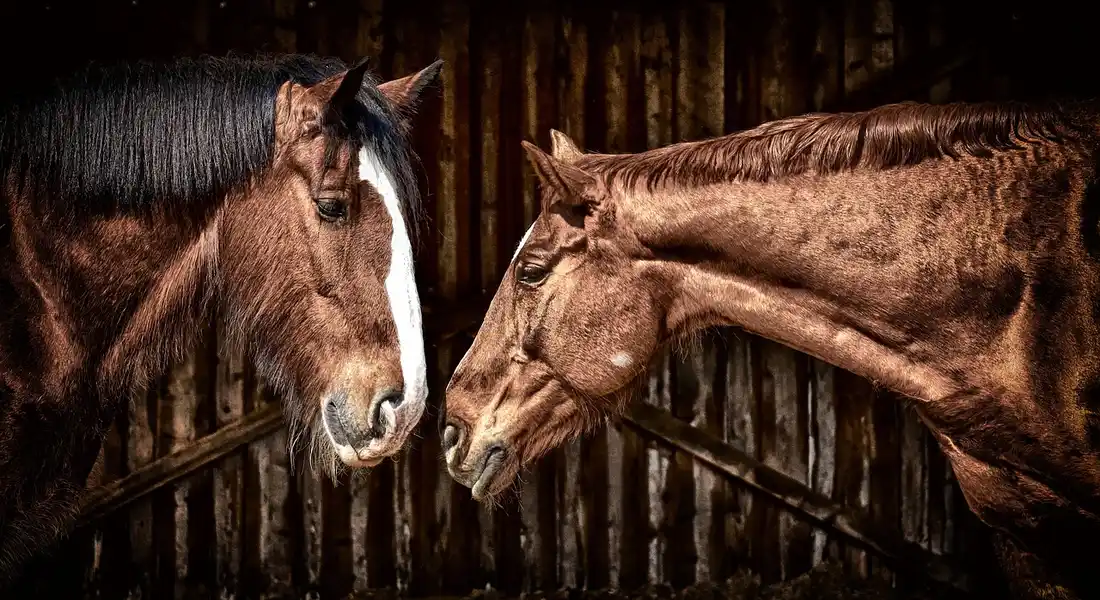
Planning isn’t just about logistics and bank accounts. The emotional weight of this process is its own reality. Giving yourself permission to grieve in advance is a profound act of love, not a betrayal of your horse’s current vitality. I’ve had these conversations with my own family while brushing Rusty, the familiar rhythm of the curry comb grounding us.
Preparing Yourself and Your Family
Start by naming your fears out loud. Are you worried about making “the call” too late or too early? Discuss what a “good day” looks like for your horse now, so you can recognize when they become rare. For children, use clear, gentle language, avoiding euphemisms like “put to sleep” which can cause confusion or fear around bedtime.
Frame it as a final act of stewardship. Say, “We are responsible for making sure Pipin never has a really bad day.” This focuses on protection, not loss. Create a memory box now-save a whisker, a braided tail hair, a worn hoof pick. This activity shifts the focus to celebrating life while it’s here.
Informing Your Barn Community and Support Network
Your barn is your village. Clear, proactive communication prevents well-meaning but stressful speculation. Have a quiet word with key people, providing them with a direct line to you or your appointed coordinator.
- Barn Manager & Trainers: They are your eyes and ears. Provide them with a copy of your plan’s one-page summary.
- Farrier & Veterinarian: Ensure they have your documented wishes on file and know who is authorized to make decisions.
- Close Boarders & Barn Help: Especially those who handle your horse daily. A simple, “If you notice a significant change in Luna, please call me immediately, day or night,” is invaluable.
This network becomes a vital support system, allowing you to share the burden of watchfulness. They can also help manage the barn’s atmosphere when the time comes.
Accessing Grief Resources and Support Groups
Equine grief is a unique, often isolating pain. Seek support before you think you need it.
- Books: “The Loss of a Pet” by Wallace Sife or “Good Grief” by E.B. Bartels offer compassionate perspectives.
- Hotlines & Groups: The Pet Loss Support Hotline or local equine therapy centers often have lists of counselors specializing in animal loss.
- Online Communities: Private Facebook groups for grieving horse owners can provide 24/7 understanding from people who truly get it.
Your grief is proportional to your love, and seeking help is a sign of strength, not weakness. I keep a list of these resources in my barn office, for myself and for any heartbroken boarder who needs it.
Creating Your Horse’s End-of-Life Care Plan
This is where your decisions become action. A written plan removes guesswork during a crisis. Think of it as an owner’s manual for the most difficult day, ensuring your horse’s comfort and dignity are the only priorities. I keep mine in a bright red folder in the tack room, next to the first aid kit.
Documenting Your Wishes and Directives
This is your core document. Be painfully specific. A simple template should cover:
- Primary & Emergency Contacts: Names, relationships, phone numbers.
- Quality of Life Parameters: List 3-5 measurable things your horse must be able to do to enjoy life (e.g., “Can rise easily from lying down,” “Eats hay with interest”).
- Euthanasia Directives: State your preference for location (pasture preferred), who should be present, and aftercare choices (burial, cremation, removal).
- Financial Instructions: Detail which account or method is to be used for related expenses.
Sign and date this document, and give copies to your vet, your barn manager, and your care coordinator. Clarity is the ultimate kindness.
Appointing a Care Coordinator or Power of Attorney
You might be on vacation or incapacitated. Someone must speak for your horse. This person should know your horse, understand your values, and be emotionally resilient. Formalize this with a signed, notarized letter authorizing them to make medical and financial decisions on your horse’s behalf. Discuss every detail of your plan with them over coffee-don’t just hand them the paper.
Choose someone who will honor your wishes without sentimentality. The person who dotes on Pipin with treats might struggle to make a hard call; the pragmatic barn mate who respects your bond is often the better choice.
Reviewing and Updating the Plan Regularly
A plan is a living document. Set a calendar reminder to review it every year, perhaps on your horse’s birthday. Any major change-your horse’s health status, a new vet, a move to a new barn, or a change in your own finances-triggers an immediate update to your care routine, especially for seasonal and routine health needs.
I review mine each spring when the fields green up. It’s a moment of gratitude for another year of hoofbeats and happy nickers, and a quiet commitment to my promise of lifelong care. This habit turns a daunting task into a simple, responsible routine.
FAQ: How to Plan for Your Horse’s End-of-Life Care and Financial Costs
What are the typical costs associated with euthanasia and body disposal (e.g., burial, cremation, rendering)?
Typical costs include veterinary fees for euthanasia, which often range from $250 to $750, plus additional expenses for body removal or aftercare. Burial services can cost $600 to $3,000, while cremation ranges from $350 for communal to $2,500 for individual return of ashes. Always request multiple local quotes, as prices vary significantly by region and service provider.
Are there pre-payment plans or insurance policies that cover end-of-life expenses?
Specialized equine insurance may offer mortality coverage, but policies frequently exclude pre-existing conditions or have age limits that affect end-of-life benefits. Pre-payment plans are uncommon, so establishing a dedicated savings account is a practical and flexible alternative. Consistently funding this account ensures you can cover costs without facing claim denials or financial strain.
How can I emotionally prepare myself and my family for this decision?
Initiate honest conversations about your horse’s quality of life, defining what a “good day” looks like to guide future decisions. Use straightforward language with children, framing euthanasia as a protective act to prevent suffering, rather than using confusing euphemisms. Creating keepsakes or a memory box together can foster shared healing and focus on celebrating your horse’s legacy in advance.
Stewarding Their Peace
Start the conversation with your vet today and create a dedicated fund, however small. The greatest gift you can give your horse is a clear, compassionate plan made from love, not from panic in a crisis.
This path asks for the deepest form of good horsemanship, where listening to your horse’s comfort and dignity overrides every other concern. Your quiet courage in facing this ensures their final chapter is written with grace.
Further Reading & Sources
- Equine End Of Life Planning – Equine Monthly
- Lifetime cost of horse ownership is often 4 times higher than expected | dvm360
- End of Life Planning Large Animals | Veterinarian in Fredonia, WI | Fredonia Veterinary Clinic
- 35 United Horse Coalition: Own Responsibly DISPOSAL OPTIONS FOR EQUINES:
At Horse and Hay, we are passionate about providing expert guidance on all aspects of horse care, from nutrition to wellness. Our team of equine specialists and veterinarians offer trusted advice on the best foods, supplements, and practices to keep your horse healthy and thriving. Whether you're a seasoned rider or new to equine care, we provide valuable insights into feeding, grooming, and overall well-being to ensure your horse lives its happiest, healthiest life.
Health