
Managing PSSM in Horses: A Practical Guide to Diet and Exercise
Hello fellow equestrians. Spotting unexplained muscle tightness or a sudden reluctance to work in your horse is scary, turning simple rides into a source of stress and vet bills.
I will show you how to build a management routine that brings back comfort and confidence, covering decoding the PSSM diagnosis, shifting to a low-starch, high-fat diet, building a safe, consistent exercise program, and tracking daily progress for long-term wellness.
My advice comes from years in the barn aisle and round pen, working with my own horses and developing gentle, effective strategies for conditions like this.
What is PSSM and How is it Diagnosed?
Think of your horse’s muscles like a pantry meant for daily use, but with PSSM, the shelves get jammed with too much of the wrong kind of starch. Polysaccharide Storage Myopathy (PSSM) is essentially a glycogen storage disorder where a horse’s muscle cells hoard abnormal sugars, leading to energy traffic jams that cause stiffness, pain, and poor performance. It’s not just about being “out of shape”; it’s a metabolic hiccup in how the body fuels movement.
- To put it plainly, PSSM means a horse’s muscles struggle to burn sugar efficiently, so excess gets stored as problematic polysaccharides that the muscle can’t easily release. I’ve seen it turn a willing partner like Rusty into a hesitant one on cold mornings, his reliable stride shortening up.
- Your veterinarian is your detective here, typically starting with a blood test to check for elevated muscle enzymes like CK and AST after a controlled exercise test. For a definitive answer, they may recommend a muscle biopsy-a small sample taken from the hindquarter-to see the abnormal sugar deposits under a microscope.
- While both types cause similar trouble, Type 1 PSSM is a genetic condition common in Quarter Horses and drafts, while Type 2 is a broader category seen in many breeds and often linked to other metabolic issues. Knowing which type you’re dealing with shapes your management plan from the start.
Recognizing the Signs of PSSM in Your Horse
The signs can be as obvious as a horse planted like a statue or as subtle as a new sourness when saddling. Learning to read these cues is your first line of defense in managing their comfort and preventing painful episodes. I remember a boarder’s horse who would break into a sudden sweat just from walking out of his stall, a red flag we later traced to PSSM.
- Acute flare-ups often look like “tying-up”: pronounced muscle stiffness, reluctance to move, sweating patches, trembling, or a tucked-up abdomen. The horse may stand with a camped-under stance, their muscles feeling hard as wood to the touch.
- More chronic, day-to-day signs include a general stiffness that loosens with warm-up, a short-strided gait, sore back sensitivity, and an unexpected reluctance to work or move freely. You might notice a new grumpiness during grooming or girthing.
- Behavioral shifts are huge clues: a once-enthusiastic horse like Luna might become anxious or resistant under saddle, not from disobedience but from anticipated muscle pain. Other signs include muscle wasting over the topline despite good feed, and excessive sweating from minimal exertion.
The Foundation of PSSM Management: A Low-Starch Diet
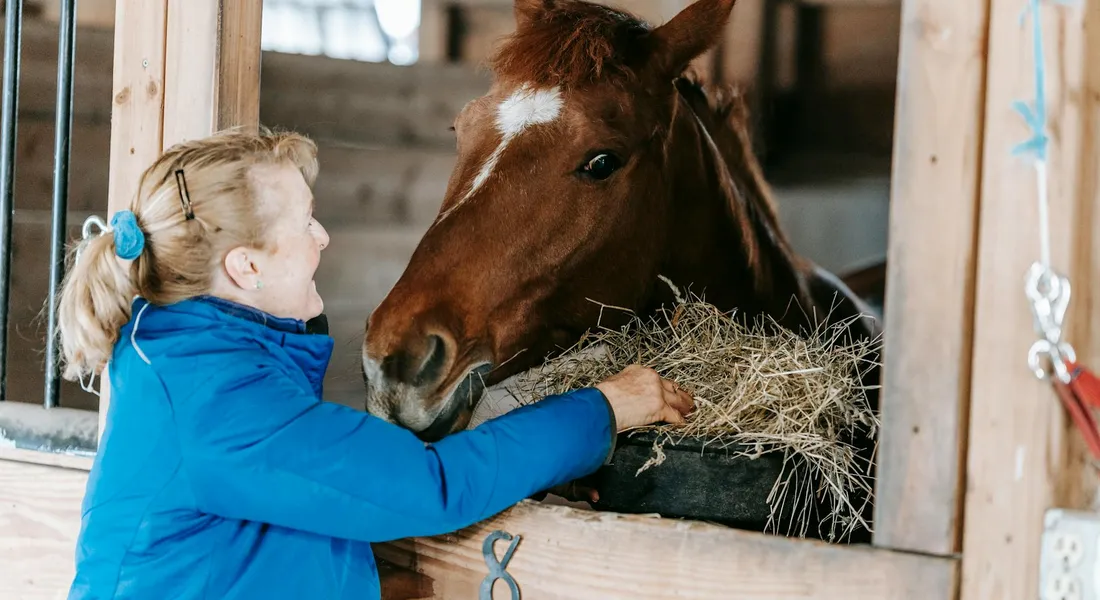
Think of managing PSSM like tuning a delicate engine; the fuel you choose makes all the difference. The core principle is straightforward: slash the starch and sugars, and build your feeding program around fat and fiber. I design every meal for my PSSM horses to mimic what their systems are built for-slow, steady digestion of roughage, not sugar spikes. This approach keeps their muscles from seizing up like a rusty gate hinge.
High starch from grains causes a problematic glycogen overload in muscle cells. For a horse with PSSM, their muscles can’t process this glycogen properly, so it accumulates, leading to stiffness, pain, and the risk of tying-up. Picture it like overstuffing a closet; eventually, the door won’t shut, and everything gets stuck. I saw this with a sensitive Thoroughbred like Luna; a diet too high in NSC made her back tight and her movement hesitant.
Consistency is your best friend. Feed at the same times each day and provide constant access to forage. Their digestive tract is a conveyor belt that should never stop moving, so I ensure hay nets are always full, mimicking natural grazing. The sound of steady chewing is the soundtrack of a comfortable PSSM horse.
Keep a keen eye on body condition. Some PSSM horses are prone to insulin resistance, where extra weight worsens their metabolic control. A lean, fit horse is a healthier horse, so I regularly assess waistlines and adjust portions, even for food-motivated ponies like Pipin. It’s about health, not just appearance. Thinking about buying a horse with PSSM or shivers? Health considerations should guide your evaluation.
Building the Ideal PSSM Meal Plan: Forage, Fats, and Feeds
-
Suitable Forages: Start with the foundation. Use grass hay that has been tested and comes in under 10% ESC + starch. Controlled, slow pasture turnout with a grazing muzzle can work in spring and fall. For hay alternatives, consider soaked hay pellets or beet pulp with no molasses. I always have a batch of soaked timothy hay pellets ready for Rusty on days when his hay needs supplementing.
-
Recommended Fat Sources: This is your safe energy boost. Vegetable oils like corn or soy are simple additions. Rice bran is a palatable option, or use a specialized high-fat supplement. I slowly introduce fat by dribbling oil over Luna’s hay pellets, which she now devours without a fuss.
-
Safe Concentrated Feeds: If you need a balancer or extra calories, seek out commercial feeds specifically labeled “low-starch,” “high-fat,” or for metabolic health. Read the tag: the NSC value should be your guiding number, not just the marketing on the bag.
What to Strictly Avoid in a PSSM Diet
- Eliminate all sweet feeds, traditional grains like oats, corn, and barley, and anything with added molasses. That includes most standard “textured” mixes-they are often sugar bombs in disguise.
- Be wary of supplements or treats high in sugars or non-structural carbohydrates. This includes many apple/carrot treats, some glucosamine formulas, and generic “weight gain” supplements. Even a handful of the wrong treat can set a sensitive horse back.
- Make label reading a ritual. Check for NSC percentages, and look for hidden sugar sources like dried whey, cane molasses, or cereal grains. If you wouldn’t feed it to a diabetic, don’t feed it to your PSSM horse.
Exercise Essentials: Keeping Muscles Moving Safely
For a PSSM horse, movement is medicine. Regular, daily exercise is non-negotiable to keep glycogen from pooling in the muscles. Think of it as daily dusting to prevent metabolic cobwebs from forming. A day off in the stall is a step backward for their muscle health.
Ideal routines prioritize consistency and gradual conditioning. This means daily turnout, even if it’s just hand-walking or time in a small paddock. I contrast this with the risky practice of long stall rest, which is like letting the engine cool and seize up completely. Luna does best with a slow, methodical warm-up under saddle, not sporadic, intense workouts.
Starting or rehabilitating a horse post-rest requires patience. Begin with just 10 minutes of walking daily, increasing by five-minute increments each week. Always listen to your horse; if they seem stiff or resistant, back off and consult your vet. The thud of their hooves on the trail should be rhythmic, not tentative.
Free-choice turnout is the ultimate tool. It allows for natural movement, grazing, and mental well-being. I advocate for as much turnout as possible, because a horse that can wander and roll is a horse whose muscles stay supple. Watching Pipin amble around his paddock, I know his cheeky energy is being put to good use keeping his system flowing. A healthy exercise turnout schedule for horses balances freedom with structured movement. Planned variety helps steady conditioning while preserving exploration.
Handling a PSSM Flare-Up: Immediate Response and Aftercare

-
You walk into the barn and the air feels wrong. Your horse is standing oddly rigid, or worse, reluctant to move at all. Their muscles are hard and bunched, like knotted rope under the skin. You might see excessive sweating, trembling, or a distressed expression. An acute PSSM episode is a metabolic emergency, and recognizing these signs-severe cramping, profound distress, and an inability to walk normally-is your first critical step.
-
Stop everything. Do not ask your horse to move. Your job is to be a calm anchor. Speak softly, keep the environment quiet, and dim the lights if you can. I often sit quietly with Rusty, just letting him hear my voice, when he’s feeling tight. Your immediate actions are to halt all activity, prevent further stress, and call your veterinarian without delay; this is not a time for wait-and-see. If you’re unsure whether to escalate, a quick decision-making guide on when to call your vet can provide clear next steps. It helps you act with confidence in the moment.
-
Your vet will administer pain relief and anti-inflammatory drugs, often through an IV. They may give muscle relaxants and fluids to support circulation. After the acute pain is managed, supportive care includes strict stall rest initially, followed by prescribed hand-walking. I’ve used cold therapy on Luna’s hindquarters with vet guidance. Veterinary intervention is essential to break the pain cycle, and your follow-up care-like controlled walking and monitoring for rebound stiffness-is just as vital.
-
Once the flare subsides, you must adjust the roadmap. This means a permanent shift to a diet very low in soluble carbohydrates and high in fat and fiber. Exercise becomes a non-negotiable, daily medicine. Long-term prevention hinges on converting your horse’s metabolism to burn fat for fuel through consistent diet and exercise, not sporadic workouts.
Daily Management Tips for a Thriving PSSM Horse
-
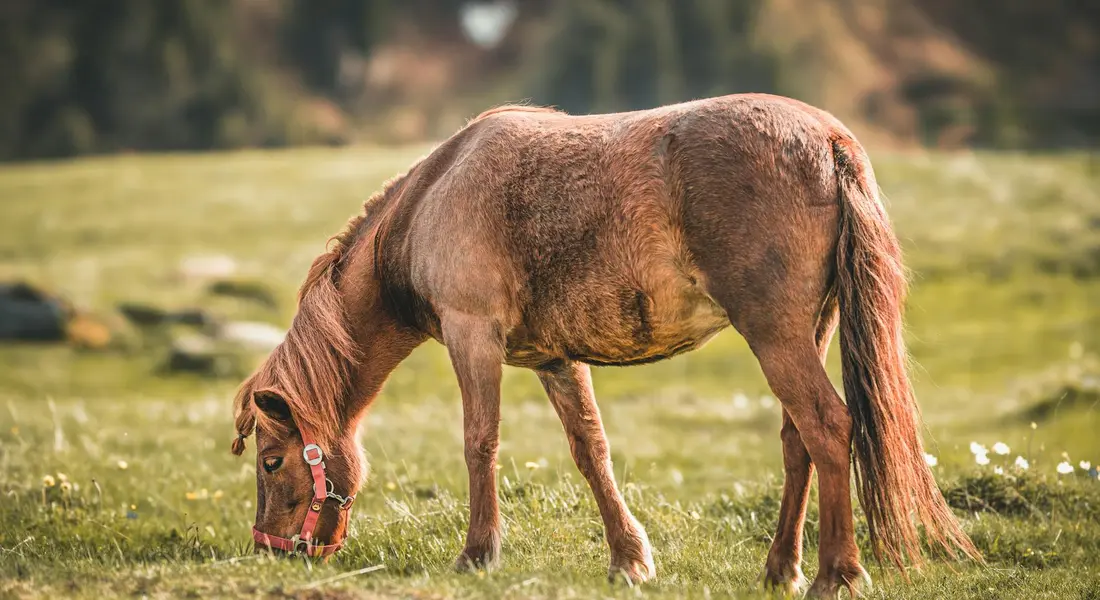
Use a slow-feed hay net to stretch meal times and mimic constant grazing. Keep a detailed journal-I track everything for Pipin, from his hay flakes to his mood on trail. These simple hacks transform guesswork into data, helping you spot tiny changes that signal big problems.
-
Routine is your secret weapon. Feed at the same times, exercise at the same times, and turn out on schedule. A predictable daily rhythm lowers metabolic stress and tells your horse’s body it can relax, which is half the battle with PSSM.
-
Groom with intention and patience. Run your hands over their body to feel for heat or tension before you even pick up a brush. With my sensitive thoroughbred, Luna, I use grooming to map her muscle tone. Gentle, observant handling builds trust and turns daily care into an early-warning system for tightness.
-
Prioritize turnout with companions. I designed my paddocks so even clever Pipin can’t escape but must keep moving. The sound of quiet chewing and walking hooves is the best medicine. A low-stress life with maximum freedom to move is the cornerstone of managing PSSM, turning their environment into a healing space.
FAQ: Understanding and Managing a Horse with PSSM
What are the key dietary principles for managing a horse with PSSM?
The foundation is a low-starch, high-fat diet to prevent abnormal glycogen storage in muscles. Ensure constant access to suitable forage and feed at consistent times daily to support metabolic stability. Regularly monitor body condition and adjust portions to maintain a lean, healthy weight.
How does exercise routine and management differ for a horse with PSSM?
Exercise must be daily and consistent to help muscles utilize energy properly and avoid stiffness. Prioritize free-choice turnout or controlled movement over stall rest to encourage natural, gentle activity. Always begin with a slow warm-up and gradually increase intensity to prevent strain and support muscle health.
What are the signs of a PSSM episode or flare-up, and how should it be managed?
Watch for acute signs like pronounced muscle rigidity, sweating, trembling, or a reluctance to move. Immediately halt all activity, keep the horse calm and quiet, and contact your veterinarian for urgent intervention. Follow veterinary guidance for pain management and aftercare, including rest and a gradual return to controlled exercise. Equally important is recognizing subtle signs of equine pain, which can be easy to miss. By learning to spot these cues early, you can seek timely treatment and support your horse’s recovery.
Steady Steps Forward
Keep your PSSM horse on a low-starch, high-fat diet and prioritize daily, gentle movement like turnout or hand-walking to manage their energy and muscles. A weight-conscious approach supports long-term comfort and helps you stay on track with a balanced intake. Rigorous consistency in their daily routine-what they eat and how they move-is the single most powerful tool you have to prevent painful episodes.
In my barn, managing sensitive souls has taught me that real change happens in the quiet, patient days, not the frantic ones. Your horse’s comfort and willingness are your best feedback, so tune in to their signals and adapt with a gentle hand. A deeper dive into understanding horse behavior psychology through a complete guide can illuminate the why behind the signals. It helps you respond with calm, consistent guidance.
Further Reading & Sources
- Diet Adjustments Provide Relief for PSSM Horses – Kentucky Equine Research
- How to Feed a Horse with Polysaccharide Storage Myopathy (PSSM) | Mad Barn
- Horse Tying Up & PSSM | Purina Animal Nutrition
- Nutrition Library: Feeding and Managing a Horse with Polysaccharide Storage Myopathy
At Horse and Hay, we are passionate about providing expert guidance on all aspects of horse care, from nutrition to wellness. Our team of equine specialists and veterinarians offer trusted advice on the best foods, supplements, and practices to keep your horse healthy and thriving. Whether you're a seasoned rider or new to equine care, we provide valuable insights into feeding, grooming, and overall well-being to ensure your horse lives its happiest, healthiest life.
Health