
How to Create Your First Horse Ownership Budget (Free Template)
Published on: January 25, 2026 | Last Updated: January 25, 2026
Written By: Henry Wellington
Hello fellow equestrians. That first envelope from the equine hospital or the monthly tally for grain and shavings can stir up a real panic. You’re right to feel that knot in your stomach-managing horse money is where daydreams meet reality.
Let’s replace that worry with a clear plan. In this guide, I’ll walk you through building a budget that actually works for stable life. We’ll cover:
- Breaking down fixed costs like board and insurance from variable spends like tack and treats
- Planning for the predictable, from farrier cycles to yearly shots, so nothing sneaks up on you
- Building a smart cushion for colic calls or a pulled shoe before a big show
- Using and adapting your free template to fit your exact horse and situation
I’ve crafted budgets for everything from a one-pony paddock to a full training barn, learning every cost the hard way so you don’t have to.
Why Sketching a Budget is Your First Responsible Horse Care Act
Getting your first horse feels like sunshine after rain, but the price tag can be a cold splash from the trough. That excitement needs a partner: a clear-eyed look at your wallet. Sketching a budget transforms you from a dreamer into a caregiver, ensuring your horse never becomes a financial burden that compromises their well-being. Beyond the basics, there are hidden costs of horse ownership that can surprise even careful budgets. In particular, 15 common expenses many owners overlook can quietly strain your finances. I learned this the hard way with Luna, my sensitive Thoroughbred. Her first winter, I budgeted for extra grain but forgot about the cost of therapeutic bedding for her thin soles. That surprise two-hundred-dollar invoice meant skipping my own farrier visit that month-a stark reminder that horses don’t understand cash flow, only consistent care.
The risks of winging it aren’t just about overdraft fees. They directly impact your horse’s health and your peace of mind. Let’s lay them out plainly, especially when it comes to insurance and emergency funds for your horse.
- Emergency Neglect: Without a plan, an unexpected vet bill can force you to delay routine care, like dentistry or hoof trimming, creating bigger problems.
- Feed Inconsistency: Your horse’s diet becomes a rollercoaster, swinging from premium hay to the cheap, dusty bale when funds are low, upsetting their delicate gut.
- Social Stress: You might be tempted to choose a cheaper boarding situation with limited or no turnout, ignoring a horse’s fundamental need for movement and herd interaction.
- Rider Burnout: The constant financial scramble steals the joy, turning barn time into a source of anxiety instead of solace.
Mapping Your Monthly Must-Haves: Fixed Horse Ownership Costs
These are the expenses that arrive with the steady rhythm of a walking horse. They don’t vanish if you go on vacation or have a busy week. Think of these as the foundation of your horse’s life-skip one, and everything else gets shaky. Here is a breakdown of the typical monthly fixed costs.
| Cost Item | What It Covers | Average Monthly Range |
|---|---|---|
| Board / Stable Fee | Shelter, a designated stall, and use of facilities. This is where turnout policy is critical. | $300 – $800+ |
| Hay | The bulk of your horse’s diet. Quantity depends entirely on weight and activity level. | $120 – $300 |
| Grain / Supplements | Concentrated calories or specific nutrients not met by hay alone. Not every horse needs this. | $40 – $150 |
| Routine Hoof Care | Farrier visits for trimming or shoeing every 6-8 weeks. This is non-negotiable, like a haircut. | $50 – $150 (prorated monthly) |
| Basic Insurance &/or Vet Fund | A monthly set-aside for annual shots, worming, and a cushion for minor issues. | $75 – $200 |
A key decision is board type. DIY board is cheaper but demands your sweat and time for daily feeding, mucking, and turnout. Full-service board costs more but provides consistency, which is worth its weight in gold for a horse like Luna who thrives on routine. Regardless of your choice, a line item for ample turnout space is a core welfare cost, not a luxurious extra-it’s as essential as the hay in their net. Listen for the contented thud of hooves on pasture; that sound is preventative medicine.
A Quick Note on Variables: Geography and Appetite
These numbers dance to a local tune. Hay in arid regions costs more than in grassy counties. Horse size is everything: Luna, a leggy Thoroughbred, consumes nearly double the hay of Pipin, the portly Shetland, but Pipin might need a more expensive metabolic balancer. Always budget for your specific animal, not a mythical average horse.
Planning for the Variables: Seasonal and Routine Care Expenses
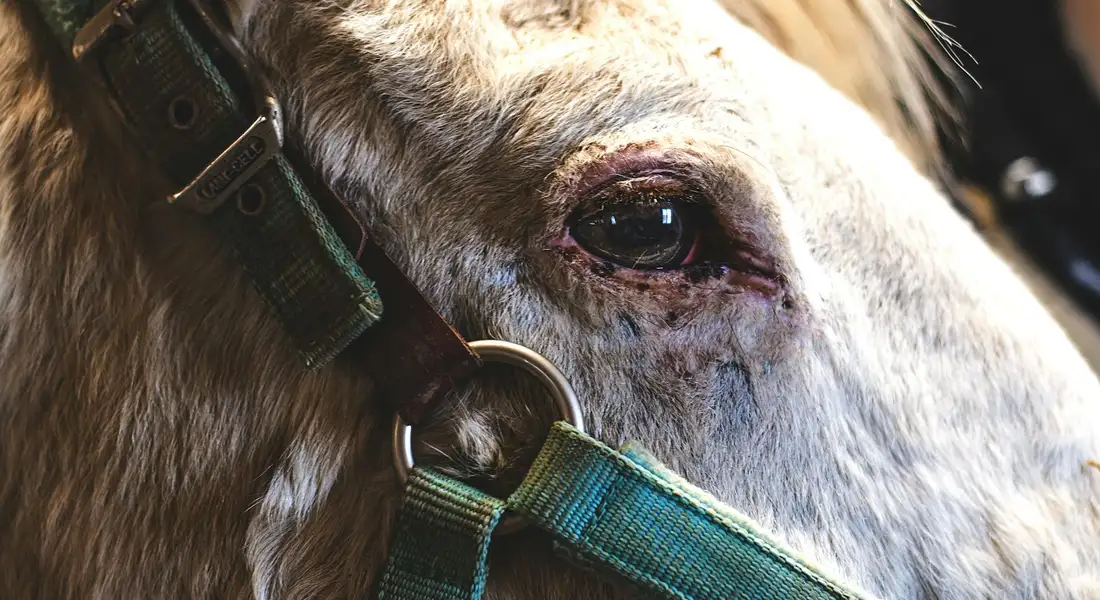
Think of these as the heartbeat of horse ownership-costs that don’t hit every month but have a steady, predictable rhythm. Ignoring them is like forgetting your own car’s oil change; things run fine until they very suddenly don’t. Budgeting for them is what separates a sustainable plan from a financial scramble.
The Predictable Rhythm: Vet, Farrier, and Bedding
These are your core non-negotiables. I set calendar reminders for them based on my herd’s needs. Luna, my Thoroughbred, gets her bodywork sessions, while Pippin the pony needs more frequent hoof attention because he’s crafty at finding ways to wear them down unevenly.
- Veterinary Care: This is wellness, not just emergencies. Annual spring and fall vaccinations, a yearly dental float, and a strategic deworming plan based on fecal egg counts. Skipping the float to save $200 can lead to $2000 in colic surgery from poorly chewed food.
- Farrier Visits: Every 6-8 weeks, like clockwork. A basic trim keeps the hoof mechanism healthy. If your horse is in work or has weak hoof walls, shoes add to the bill. My old guy Rusty goes barefoot in the summer but needs front shoes in the winter for traction.
- Bedding Replacement: You’re not just buying fluffy stuff for looks. Deep, clean bedding protects limbs, provides comfort, and absorbs moisture. I do a full stall strip-out and disinfect quarterly. The cost depends on your material-shavings, pellets, straw.
The most peaceful feeling is writing the check for the spring shots without a second thought because you planned for it months ago. Here’s my barn-office method for smoothing out those annual bills.
- List Every Annual Expense: Grab last year’s records. List each item (Spring Vaccines, Fall Vaccines, Dental Float, 6 Farrier Visits, 4 Bedding Bulk Orders). Write down the total annual cost for each.
- Find Your Monthly Number: Add up all those annual totals. Divide that grand sum by 12. This is the monthly amount you must tuck away. For example, if your annual vet/farrier/bedding total is $1,800, you need $150 per month.
- Create a Separate “Sinking Fund”: Open a separate savings account or even use a labeled envelope. This money is not for emergencies, new tack, or coffee. Its sole purpose is to cover these scheduled expenses.
- Automate and Forget: Set up an automatic transfer from your main account to this fund for that monthly amount right after payday. Out of sight, out of mind, and magically there when the farrier texts “See you Thursday.”
The Slow Fade: Tack and Equipment Maintenance
This is where your tack room whispers its needs. Leather doesn’t scream when it’s dry-it just quietly becomes brittle and prone to breaking. Nylon doesn’t yell when it frays-it just fails one day. A mindful weekly check saves huge replacement costs.
Set a monthly “Tack Spa Day.” I do it on the first rainy Sunday of the month. The smell of neatsfoot oil and saddle soap becomes part of the ritual. You catch small issues before they become big ones. Here’s what wears out and how to maintain it.
- Leather (Saddles, Bridles): Clean with a damp cloth, soap, condition. Check for stretched stitching, cracked panels, and rust on buckles. A $15 bottle of conditioner is cheaper than a new $500 bridle.
- Saddle Pads & Leg Protection: These are consumables. Wash them regularly to prevent sweat and dirt from grinding into fibers. Check for thin spots, lumpy felt, or Velcro that’s lost its grip. Budget for one new base pad per horse per year.
- Blankets & Sheets: Inspect straps and leg arches for wear. Wash and waterproof annually. A torn blanket can be repaired; a neglected, rotten one cannot. I send mine out for professional cleaning once a season.
- Bits & Metalware: Soak in warm water to remove dried saliva. Check for rough spots or copper that’s wearing thin. A sharp edge in a horse’s mouth can create a training setback that takes months to fix.
Budget a small, flexible monthly amount for this category-$25 to $50. Some months you’ll just buy a new bar of soap. Others, you’ll need to replace a worn-out girth. This fund lets you do it without guilt or panic.
Your Financial Safety Net: The Emergency and Savings Fund
I need you to picture this: it’s 2 AM, the barn phone rings, and it’s the night watch. Rusty’s not touching his hay, pacing, and looking at his flank. Your stomach drops. This is the moment your budget either becomes a lifeline or a source of panic. The regular costs are one thing; the unexpected is what defines a prepared owner. An emergency fund isn’t a suggestion for horse owners-it’s a core element of responsible care, as vital as clean water.
The “Colic Fund” Rule of Thumb
Let’s get specific. A basic vet farm call and exam can start at $150. A moderate colic case requiring fluids, medication, and monitoring can quickly reach $1,500. A surgical colic? That can soar from $8,000 to $15,000. My rule, forged from stressful experience, is this: aim to save and maintain a liquid emergency fund equal to one major colic surgery, or a minimum of $5,000, whichever is higher for your area. This fund is for the true crises: sudden lameness requiring imaging, a deep laceration, or a bout of tying-up.
Break that big number down. Set up a separate savings account and automatically divert money each month. Even $50 a week gets you to that $5,000 mark in two years. I treat this fund like a bill that must be paid, right after the hay check.
Insurance as a Financial Lever
A robust savings fund is your first defense. Major medical and surgical insurance is your strategic backup. Think of it this way: your savings cover the deductible and the first layers of a crisis, while insurance prevents you from draining that entire fund in one shot.
- Major medical insurance typically covers accidents, illness, and surgeries after a deductible.
- Mortality insurance is a separate consideration based on your horse’s value.
- Read the fine print on exclusions, particularly for colic in older horses like my guy Rusty.
Insurance is a risk-management tool, not a replacement for savings—you’ll still have deductibles and costs not covered by policy limits. You may also wonder what coverage typically looks like and how much it costs. Does horse insurance typically cover much, and what will the premium be? Call a few equine insurance agents, get quotes, and see if the premium makes sense for your peace of mind.
Beyond Emergencies: Saving for Growth
Once your emergency fund is established, you can breathe easier and plan for the fun stuff. This is where a separate “future goals” savings bucket comes in.
- Professional training sessions for you or your horse.
- Clinics or workshops to sharpen your skills.
- That new saddle you’re meticulously saving for, or a trailer maintenance fund.
- Setting aside money for annual teeth floating and vaccines so they’re never a surprise.
Financial stability in horse ownership means you can respond to a crisis without ruin and invest in your partnership without guilt. It turns panic into a plan, which is especially important when considering financial commitments like buying or leasing a horse. That’s the greatest gift you can give your horse and yourself.
How to Fill Out Your Free Horse Budget Template: A Walkthrough
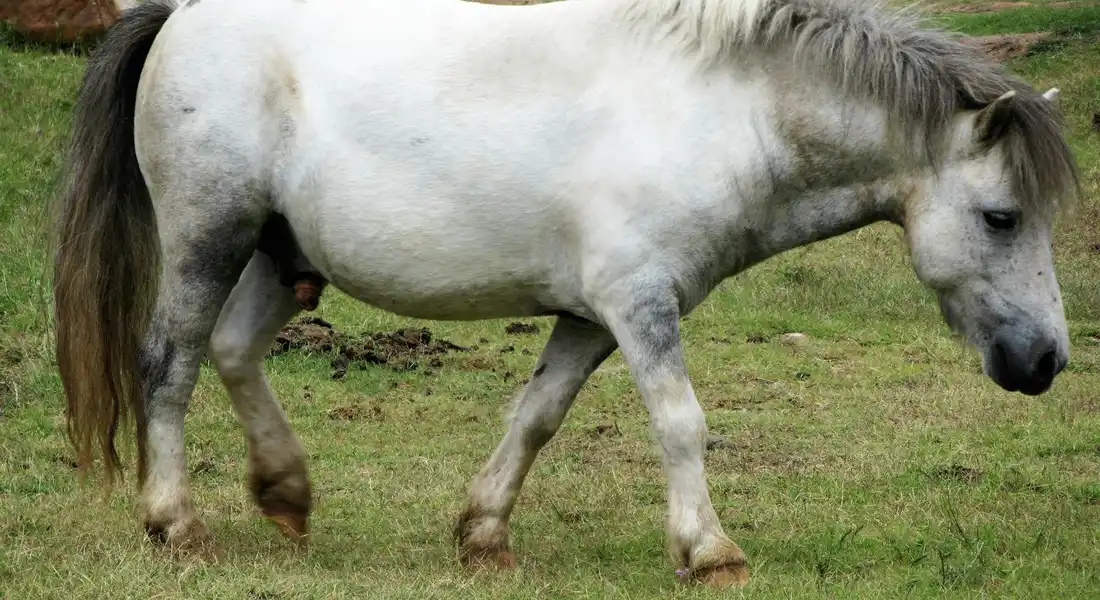
Think of this template as your stable’s financial map. You wouldn’t head out on a new trail without one, and you shouldn’t navigate horse ownership without it either. I’ve used versions of this for years, from budgeting for Luna’s fancy shoes to saving for Pipin’s next great escape repair. Here’s how to make it work for you.
1. Start With Your Income & Horse-Related Income
This is your foundation. List your primary monthly income first. Then, get creative about any horse-specific income. This could be money from giving a few lessons on your reliable guy, Rusty, or boarding a friend’s pony. Every bit shifts the math in your favor. Even a small, steady stream like $50 a month can reliably cover a bag of supplements or your hoof pick supply for the year, especially when combined with income from leasing out your horse.
2. Log All Fixed Costs
Fixed costs are your non-negotiables, the bills that arrive like clockwork. This is where you input your board, your insurance premium, and your scheduled farrier visits. Seeing these numbers in one place is often a revelation. I once thought I was budgeting well until I listed everything and realized Luna’s chiropractic sessions were a fixed cost I’d forgotten. Your horse’s welfare depends on these essentials, so they get top priority in your spending plan.
3. Estimate and Track Variable Costs
This category is the wild card. Variable costs include things like grain, bedding, trailering fees, and that inevitable extra vet call. Start with your best guess, then track every single expense for one month. I mean every one-that quick stop for fly spray, the bag of carrots, the new halter because Pipin chewed through his. You will likely discover your real cash flow is very different from your estimate, and that’s the whole point of this exercise. This is how you find the leaks in your financial bucket.
Tips for Taming the Receipt Chaos
Don’t let scraps of paper overwhelm you. Use a notes app on your phone dedicated to horse spending, or take a photo of every receipt the moment you get it. My old-school method is an envelope clipped to the barn bulletin board labeled “Horse $.” Every feed receipt, invoice, and cash register slip goes in there for my weekly review. Physical or digital, choose a system so simple you’ll actually use it.
4. Allocate Funds to Emergency Savings Immediately
This is the most critical step. After your fixed costs, before any variable “wants,” you pay your emergency fund. Start small, even if it’s $25 a month. Automate it if you can. This fund is not for new saddle pads; it’s for the midnight colic call, the pulled shoe abscess, or the unexpected trailer tire blowout. Building this fund is an act of responsible horsemanship-it ensures you can always say “yes” to necessary care. Watching it grow brings a peace of mind that’s worth more than any new piece of tack.
Seeing It in Action: Sample Horse Ownership Budgets
Numbers on a page can feel abstract. Let’s give them shape, hair, and personalities we know. Your horse’s job and temperament are the biggest drivers of your monthly outlay. A horse’s purpose-be it a steady companion or a competitive athlete-directly dictates where your money needs to go. Here are two very different budgets from my own barn life.
Example 1: The Leisure Horse (Meet Rusty)
Rusty, my 12-year-old Quarter Horse, is the definition of steady. His job is to be a safe, sane trail partner a few times a week. His budget reflects a low-impact lifestyle focused on maintenance and prevention. You won’t find training fees here, but you will see investment in his long-term joint health and happiness.
His monthly costs are a lesson in consistency. For a horse like Rusty, prioritizing quality basic care over performance extras is the key to sustainable, affordable ownership. A financial reality check on the true cost of a free horse can help owners plan for real ongoing expenses beyond the purchase price. That clarity supports sustainable, affordable ownership for years to come.
- Board: Pasture board with a run-in shed ($400/month). Rusty lives outside 24/7, which is perfect for his mind and gut health.
- Feed/Supplements: Grass hay, measured flakes twice daily. A basic joint supplement and a ration balancer to cover any nutritional gaps in our local hay ($85/month).
- Farrier: Basic trim every 7 weeks ($50). His barefoot hooves are tough from living on varied terrain.
- Healthcare: I set aside $100 monthly for his annual vaccines, teeth floating, and a cushion for the inevitable “Rusty-ism,” like a mystery scrap from his adventures.
- Miscellaneous: Treats, the occasional replacement halter, and a new pair of splint boots for our rocky trails ($40/month).
Example 2: The Active Partner (Meet Luna)
Luna, the sensitive Thoroughbred, has a different financial profile. Her high-energy and my goals for her in dressage require more specialized, frequent inputs. Her budget isn’t just about upkeep; it’s about progressive development. With a performance horse, you are investing in a partnership, and that means budgeting for both physical and mental development.
Every line item here supports her job. The stall board provides a calm, dry space for her to digest her richer diet, and the training is non-negotiable for her focus. Ignoring the mental training for a horse like Luna is a fast track to behavioral issues that are far more costly to fix.
- Board: Stall with daily turnout at a facility with an indoor arena ($650/month). The consistent routine and shelter are vital for her.
- Feed/Supplements: Quality grass/alfalfa mix hay, a measured grain ration for energy, a comprehensive joint/hoof/calming supplement bundle ($220/month).
- Farrier: Front shoes with pads to protect her thin soles, reset every 6 weeks ($150).
- Training: Two professional training rides per week to keep her tuned up and progressing ($320/month). This is our largest variable cost and the most impactful.
- Healthcare: $150 monthly set aside for vaccines, chiropractic work every 3 months, and more frequent gastric support.
Smart Adjustments: Refining Your Plan Over Time
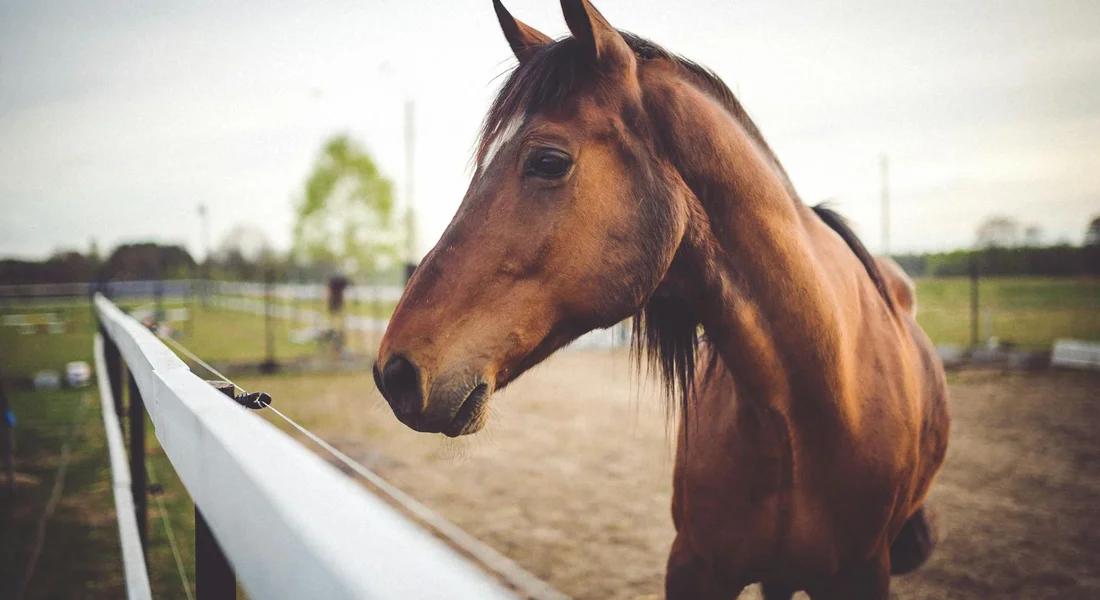
Quarterly Budget Reviews: Keeping Your Plan Fresh
Think of your budget like a horse’s fitness program-it needs regular check-ins to stay effective. I sit down with my records every three months, often to the soundtrack of munching hay, to compare what I planned to spend versus reality. This rhythm catches subtle shifts, like Luna needing more calories in training or Pipin mysteriously going through more hoof conditioner.
Here is where you can trim costs without trimming care:
- Purchase Hay in Bulk: Partner with nearby owners for a full load. The smell of a season’s worth of grass hay in the barn is the scent of smart finance.
- Embrace DIY Grooming: Learning to safely pick hooves, apply simple poultices, or trim bridle paths saves regular fees. I practiced on steady Rusty, who tolerates my fumbling for apple chunks.
- Prevent Problems Proactively: Ample turnout time and a structured deworming plan are investments that avoid massive vet bills later. A horse moving freely in a pasture is a bill you aren’t paying.
- Buy Quality Used Gear: Scout for durable second-hand rugs, buckets, and lesson tack. Just avoid worn-out safety items like compromised helmets or rotten leather.
Resist any temptation to reduce feed quality or postpone farrier visits. Bad hay hurts their guts, and long hooves hurt their legs. I once tried a “bargain” grain that turned my horse’s coat dull-the vet bill for the resulting imbalance taught me a lasting lesson. It’s crucial to understand that even with high-quality forage, grain isn’t always necessary.
The Silent Cost: Depreciation and Replacement Planning
Every brush, blanket, and saddle slowly wears out from daily use. Depreciation is the quiet thud of time against your equipment. Start a separate savings line item now for future replacements, so a cracked tree or a torn blanket isn’t a financial emergency. I drop a small amount into a fund each month, a habit born from the day Luna somehow destroyed a perfectly good fly mask.
Plan for these typical lifespans based on my barn experience:
- Leather Tack (Bridles, Saddles): 5-15 years with meticulous care. Regular conditioning preserves that good leather creak.
- Synthetic Saddles and Pads: 4-8 years. Sun and sweat break down fibers faster than you think.
- Turnout and Stable Blankets: 3-5 seasons. Clips tear and waterproofing fails, even with repairs.
- Everyday Tools (Pitchforks, Hose Reels): 1-4 years. They are durable until the day they simply aren’t.
Anticipating this wear lets you upgrade on your terms. When Rusty’s favorite girth finally gave way, my replacement fund meant we shopped for a better fit, not a panic buy.
FAQ: How to Create Your First Horse Ownership Budget (Free Template)
Is the horse ownership budget template really free, and how do I get it?
Yes, the template is completely free to download and use without any hidden costs. You can access it by following the link provided in the article, typically through a direct download from a trusted source. This allows you to immediately start planning your expenses without financial barriers.
Can I get the budget template in Excel format for easier calculations?
The template is available in Excel format, which enables automatic calculations and customizable formulas for accurate budgeting. This format helps you easily adjust figures for fixed and variable costs as your needs change. You can download the Excel file and use it on any device that supports spreadsheet software.
Is there a PDF version of the template for easy printing and offline use?
A PDF version is offered for those who prefer a printable, static format to fill out by hand or reference offline. This is ideal for keeping hard copies in your barn office or sharing with family members involved in care. Simply download the PDF and print it as needed to track your budget on paper.
Your Barn-Door Budget Blueprint
Grab that free template and map out every predictable cost, from grain to grazing fees. Your financial safety net isn’t complete without a dedicated line item for veterinary surprises-because if a horse can think of a way to injure itself, it will. We’ll also cover emergency vet costs for horses and a practical plan to save for them. Stay tuned for the next steps that show how to build that veterinary emergency fund so you’re prepared when it matters most.
This budget is your first step toward calm, responsible stewardship, freeing you from money worries so you can focus on time together. Trust that watching your horse thrive in good care is the ultimate return on investment, and let that be your guide. Smart budgeting can help you save on horse care without compromising health. Small, preventive steps can keep your horse thriving while stretching your dollars.
Further Reading & Sources
- How to Budget Horse Expenses | Horse Journals
- Master Your Finances With the Horse Budget Spreadsheet
- How to Create a Horse Budget – Pro Equine Grooms
- FOR HORSE OWNERS
At Horse and Hay, we are passionate about providing expert guidance on all aspects of horse care, from nutrition to wellness. Our team of equine specialists and veterinarians offer trusted advice on the best foods, supplements, and practices to keep your horse healthy and thriving. Whether you're a seasoned rider or new to equine care, we provide valuable insights into feeding, grooming, and overall well-being to ensure your horse lives its happiest, healthiest life.
Stable Management