
Horse Fencing Safety: Avoid These 6 Dangerous Mistakes
Hello fellow horse lovers. That sinking feeling when you see a broken fence board or a fresh scratch on your horse’s side is real. A poor fencing choice can lead to terrifying injuries, massive vet bills, and a complete loss of trust in your horse’s safety at home.
Today, we’re looking at the most common-and most hazardous-fencing mistakes I’ve seen in years of managing barns. We’ll cover choosing the wrong material for your horse’s personality, installing fencing with dangerous tension or gaps, ignoring the deadly risk of electric fencing without a proper charger, using posts that can splinter or impale, forgetting about maintenance until it’s too late, and placing fencing where horses can get cast or trapped.
I’ve walked these paddocks with my own herd, from the sensible Quarter Horse to the sensitive Thoroughbred, and learned these lessons through personal, hair-raising moments.
Introduction: Why Your Fence is Your First Line of Defense
Think of your pasture fence not as a boundary, but as a guardian. I’ve watched horses like Luna, full of exuberant energy, test every inch of their space. Your fence is the silent partner in your horse’s well-being, allowing for the turnout time they desperately need while keeping them safe from roads, toxic plants, and their own curious nature.
I learned this lesson early in my barn management days. A client’s seemingly secure fence had one rotten post, and Pipin, our food-motivated Shetland, found it, pushed through, and led a merry escape to the grain bin. Regular, hands-on inspection of your entire fence line is the cheapest insurance policy you can buy.
Good fencing supports gentle horsemanship by reducing anxiety. A horse that feels secure in its pasture is more relaxed under saddle. Investing in a proper physical barrier is an investment in your horse’s mind and body, preventing the panic that leads to most fencing injuries. If you’re evaluating fencing options for horses, you may wonder what the best types of fencing are and their pros and cons. We’ll touch on those considerations in the next steps.
The Silent Snare: Why Wire Fencing is a Nightmare for Horses
Wire fencing is a relic that has no place in a modern horse pasture. From a distance, it looks neat and economical. Up close, it’s a predator waiting for a misstep. Horses do not see fine wire well, and when they spook or play, they can become entangled in a heartbeat. When planning fencing, consider the temperament of your horse breed—some are more reactive or curious than others. Choosing fencing with temperament in mind can reduce spooks and entanglement risks.
The thud of a running horse hitting a taut wire line is a sound you never forget. I’ve cleaned the wounds, and I’ve held the leg while the vet stitched. Even without barbs, wire acts like a cheese cutter on delicate equine skin, creating deep, jagged wounds that are prone to infection and slow to heal.
Consider these critical flaws of wire fencing:
- Visibility: Thin strands blend into the background, especially in low light.
- Lack of Yield: It doesn’t give way on impact, transferring all that force into a slicing action.
- Maintenance Nightmare: A single loose or broken strand becomes a hidden trap.
For horses like my sensitive Thoroughbred, Luna, a sudden flash of birds from a wire fenceline can cause a blind bolt right into the danger. Choosing a visible, forgiving fence material is the simplest way to respect your horse’s flight instinct and keep them whole.
The Brutal Truth About Barbed Wire
Barbed wire is the worst offender, and its continued use around horses baffles me. Those twisted metal barbs are designed to inflict pain and hold fast. Every barb is a hook that can tear muscle, sever tendons, and require extensive veterinary intervention.
I recall Rusty, my steady Quarter Horse, coming in from a field with a barbed wire “nick” that turned out to be a four-inch gash down his cannon bone. The repair bill was astronomical, and the scar is permanent. Barbed wire injuries often involve degloving, where skin is ripped from the tissue beneath, a horrific and painful process for the animal.
If you inherit a property with barbed wire, remove it immediately. Do not try to modify it or use it as a back fence. The risk of a life-altering injury is so high that no amount of cost savings justifies its presence near your horse—especially given how common fencing injuries can be for horses.
The Deceptive Danger of High-Tensile Wire
High-tensile wire is sneaky. It’s smooth, strong, and often used in “non-climb” or electric fencing systems. The danger lies in its incredible strength and thin diameter. When a horse hits high-tensile wire, it rarely breaks; instead, it holds tight and can slice through flesh and bone with terrifying efficiency.
This wire is under extreme tension, and if it does snap, the recoil turns it into a lethal whip. I’ve seen a snapped end embed itself in a tree trunk. For a safety-conscious owner, the unyielding nature of high-tensile wire under load makes it a poor choice for perimeter fencing where a running horse might impact it.
If you use it in an electric fence system, it must be:
- Clearly marked with visible tape or sleeves so the horse can see it.
- Properly grounded and energized so the horse learns to respect it without touching it.
- Regularly checked for tension and integrity-a sagging wire is just as dangerous.
For the safest way to introduce a horse to a new fence, begin with gradual, supervised exposure and clear visual cues. More detailed guidance will be linked in the next steps.
Even then, I reserve it for interior paddocks or temporary grazing, never for my main boundary. The goal is to contain through gentle discouragement, not to create a barrier that can maim on contact.
Too Hard, Too Sharp: The Risks of Rigid and Jagged Fencing
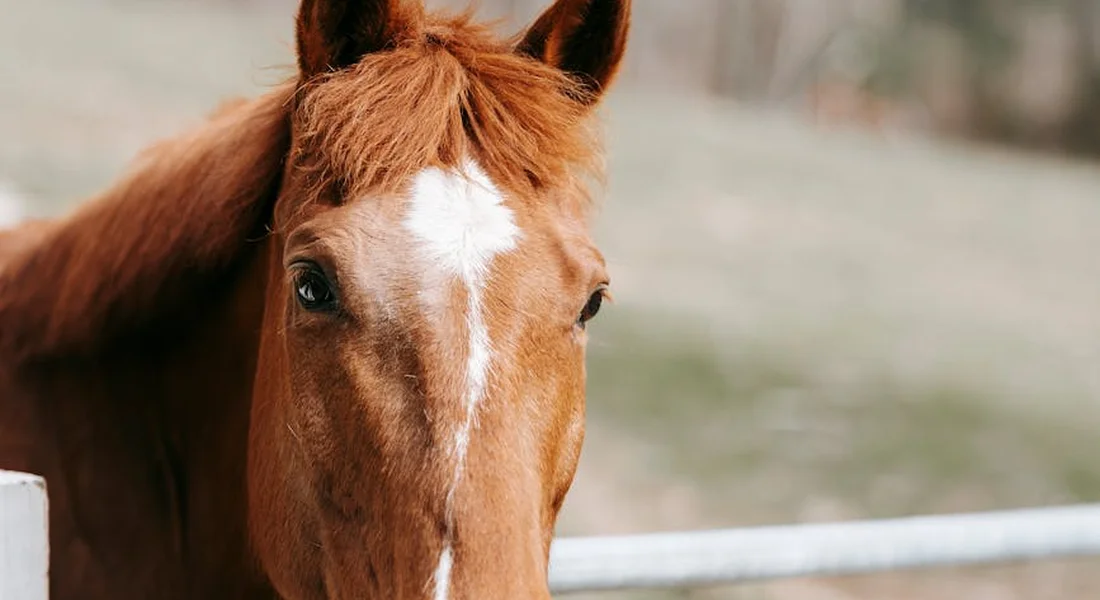
Some fences are just too unforgiving. A horse leaning, rubbing, or even just bumping into a fence shouldn’t result in a vet bill. The goal is to contain, not injure. Fences that don’t give at all transfer all that energy right back into your horse’s body.
I once watched a playful Rusty sidle up to a pipe fence and give it a solid bump with his hip. The hollow *clang* made everyone jump. He was fine, but the sheer, unyielding hardness of it made my heart sink. There was no forgiveness there, only potential for bruised bone or tendon.
Picket, Pipe, and Problematic Rails
Traditional picket fencing, while charming, is a network of potential spear points for a horse that spooks or falls. Pipe and steel cable fencing are massively strong but have zero flex. A horse hitting these at speed meets immovable force. Wooden board fencing is better, but only if the boards are set on the inside of the posts. If a board breaks, the jagged end held by the post becomes a dangerous lance aimed into your paddock, unlike an electric fence that minimizes such risks.
Beware the Bite: Sharp Posts and Poor Construction
The devil is in the installation details. A safe fence design can be ruined by sloppy construction. Walk your fence line and get your hands on it. Run them along every post and rail.
- Are there protruding nails, screws, or bolt ends?
- Are T-posts left uncapped, presenting sharp metal tops at rib-height?
- Is the wood rough, splintered, or showing cracks that can snap under pressure?
These aren’t just eyesores; they are focal points for injury. A horse rubbing an itchy flank on an uncapped T-post can slice itself open in seconds. Every sharp protrusion is a accident waiting for a moment of equine curiosity or discomfort. Always cap T-posts, hammer in or clip off protruding nails, and sand down any rough, splintered wood.
Gaps, Height, and Give: The Geometry of a Safe Fence
Fencing is a three-dimensional puzzle. You have to think about what can go over, under, through, and between. A gap you might not notice can be a glaring invitation to a horse.
Mind the Gap! Spacing That Invites Trouble
Horses are masters of finding the flaw in your system. Assess your fence for these dangerous openings:
- Between Rails: The classic rule is a gap no wider than a soup can. Wider gaps can trap a hoof if a horse paws or gets a leg through. For foals, a lower rail too high off the ground lets them roll underneath it-a deadly scenario.
- At the Gate: The gap between the gate post and the latch mechanism is a classic hoof trap. Use a block or skirt to close this space.
- Under the Fence: This is Pipin’s specialty. A determined pony or a horse searching for greener grass will test how low they can go. Keep the bottom rail or wire within 8-12 inches of the ground.
Your fence should present a continuous, unbroken barrier from the ground up to a safe height.
Is Your Fence Tall Enough and Strong Enough?
Height is relative to your horse’s breed and personality. A 4-foot fence might contain a sedate draft horse but is a mere suggestion to an athletic Thoroughbred like Luna. A good minimum for most light horses is 4.5 to 5 feet. For jumpers or high-spirited horses, aim for 5.5 feet.
Strength isn’t just about rigid posts. It’s about resilience. A loose, wobbly top wire is an irresistible toy for a bored horse. They’ll lip it, lean on it, and get tangled. A fence needs to be taut and secure so a casual investigation doesn’t turn into a struggle session. A sturdy fence communicates a clear boundary; a flimsy one invites a challenge.
Beyond Installation: The Critical Role of Fence Maintenance
The safest fence installed today can become a hazard next month if ignored. Weather, chewing, rubbing, and plain old time take their toll. Make this simple checklist part of your weekly barn routine.
- Walk the Line: Actually walk the entire perimeter. Look don’t just glance.
- Post Check: Push on wooden posts for rot or looseness. Check metal posts for rust and stability.
- Wire and Rail Tension: Are wires tight? Are boards secure or loose, cracked, or chewed?
- Electric Fence Integrity: Is the charger working? Is the wire or tape free of debris? Has insulation rubbed off on posts, creating shorts?
- Clear Debris: Remove fallen branches, piled leaves, or brambles that can push on the fence or ground it out.
Remember, frost heaves posts in winter, and summer sun dries and cracks wood. Your maintenance needs change with the seasons. A repair made today prevents a panic tomorrow.
Choosing Safety: A Quick Comparison of Fencing Materials
| Material | Safety for Horses | Durability | Maintenance Level | Cost |
|---|---|---|---|---|
| Wood Board | Good (if smooth, rounded) | Moderate (subject to rot/chewing) | High (painting, replacing boards) | Moderate to High |
| PVC/Vinyl | Very Good (smooth, flexible) | High (won’t rot, but can brittle in cold) | Low (easy clean, no paint) | High |
| Woven Wire | Fair (good visibility, but small squares can trap hooves) | High | Moderate (can sag, check for loose wires) | Moderate |
| Electric Tape/Rope | Excellent (high visibility, gives on impact) | Moderate (tape degrades in sun) | Moderate (regular tension checks, vegetation control) | Low to Moderate |
Putting It All Together: Building a Peace-of-Mind Paddock
Safe fencing boils down to a few core principles: prioritize high visibility and a degree of “forgiveness,” inspect with a critical eye every single week, and repair issues immediately-no procrastination. The upfront cost of a safer material or proper installation is always less than an emergency vet call.
Choose the horse’s safety over the cheapest option every time. When you get it right, you earn the ultimate reward: the sight of your horse dozing in the sun, belly full, on solid ground, behind a fence you trust completely. That peace of mind, hearing the contented thud of hooves on turf instead of the scream of a siren, is what we’re all working for. Beyond safety, creating a safe, enriching environment for your horse makes that peace a daily reality. Small, thoughtful touches—like consistent turnout and mental enrichment—build trust and well-being.
Gaps, Height, and Give: The Geometry of a Safe Fence
Mind the Gap! Spacing That Invites Trouble
Fence spacing isn’t just about looks; it’s a trap waiting to happen. I learned this the hard way with Pipin, our Shetland pony, who once got his jaw wedged in a gap between two rails trying to reach a particularly enticing clump of grass. The panic in his eyes and the frantic scraping of hooves on dirt is a sound I won’t forget. A gap that seems harmless can become a vice for a hoof, a leg, or a curious head in seconds.
For standard rail fencing, the space between the bottom rail and the ground is your first concern. Too large, and a hoof can slide under, leading to a wrenching stumble or a snapped board. Aim for no more than 8 to 10 inches here. Between horizontal rails, keep spacing tight. A good rule is that a soup can shouldn’t be able to pass through easily-this prevents a hoof from getting caught up to the fetlock.
- Vertical Board Fences: Ensure boards are butted tightly together. Even a two-inch gap from warping or poor installation is an invitation for trouble.
- Wire Grids or Mesh: Opt for grids with openings smaller than 2 inches by 4 inches. Larger squares can catch a shod hoof, turning a simple spook into a catastrophic fall.
- Post-and-Rail: The classic danger is the “V” where rails meet the post. Use angled corner blocks or cap the posts to eliminate this pinch point entirely.
Run your hand along every inch of your fence line. If you feel a space that could fit a hoof or a muzzle, it needs to be closed. Your fence should contain curiosity, not punish it.
Is Your Fence Tall Enough and Strong Enough?
Height is about respect, not just containment. My Thoroughbred, Luna, with her springs-for-legs, taught me that a fence that’s fine for steady Rusty can be a mere suggestion to a high-energy horse. A fence that’s too low invites jumping or climbing, while one that’s too rigid can cause serious impact injuries.
For most light horse breeds, a minimum of 4.5 feet is standard, but 5 feet is safer for known jumpers or young, playful horses. For ponies like Pipin, height is less critical than eliminating toe-holds they can use to clamber over. The true test of strength isn’t in the brute force of the material, but in its intelligent “give.” A fence should flex on impact, absorbing energy rather than rebounding it into your horse’s body.
Consider these pairings for strength and safety:
- Flexible Electric Tape on Sturdy Posts: Gives way on contact, providing a psychological barrier more than a physical one. Excellent for interior paddocks.
- Heavy-Duty Polymer Rails: They bounce back after a strike, are durable, and won’t splinter like wood. I’ve watched Rusty lean on them without a creak.
- Properly Tensed High-Tensile Wire with a Visible Top Rail: The rail adds visibility, while the wire provides the strength. The key is correct tension-too loose, it sags; too tight, it acts like a knife.
Always build for your most athletic or determined resident. A fence that stands up to a spirited canter and a sudden stop is a fence that keeps trust intact.
Beyond Installation: The Critical Role of Fence Maintenance
Installing a safe fence is a promise; maintaining it is the keep. I do a full “fence walk” every week, coffee in hand, listening for the rattle of a loose clip or looking for the tell-tale lean of a weathered post. Neglect here is how minor issues become midnight emergencies.
The elements are your fence’s constant opponent. Sun rots wood, wind loosens fasteners, and rain rusts metal. Your maintenance ritual is your first line of defense against preventable injury. Start by checking all connection points: nails, screws, and clips. They work themselves loose over time with the constant vibration of galloping hooves nearby.
- Monthly: Walk the entire line. Look for sagging rails, protruding nails, or cracked posts. Push on posts to check for rot at the ground line-a spongy feel means trouble.
- Seasonally: After winter, check for frost-heaved posts. After storms, look for debris like fallen branches that can damage the fence or tempt a horse to reach over dangerously.
- Annually: Tighten all wires, replace any suspect boards, and treat wooden fences with a non-toxic preservative. Sand down any rough, splintered edges you find.
Remember Luna’s sensitivity? A single loose wire whipping in the wind can spook a horse into a fence. Maintenance isn’t a chore; it’s an act of care that speaks directly to your horse’s well-being every day they are turned out. That peaceful sight of your horse grazing safely is the direct result of your vigilant eye and timely repairs.
Choosing Safety: A Quick Comparison of Fencing Materials
Picking fencing isn’t about aesthetics first; it’s about imagining your horse at a full gallop or in a playful buck. I learned this the hard way when Luna, feeling spicy on a windy day, decided a standard rail was a launching pad. The right material can mean the difference between a startled jump and a career-ending injury. Let’s walk the fence line together and break down the common options.
Your goal is a barrier that’s visible, durable, and forgiving on impact. Here’s a quick, barn-tested comparison of the usual suspects.
| Material | Why It Can Work | Where It Can Fail | My Barn Verdict |
|---|---|---|---|
| Traditional Wood | Classic visibility, rigid if built well. Feels solid to horses. | Splinters, rot, maintenance hunger. Broken boards create spears. | Great for perimeter fences with daily visual checks. Rusty respects it, but Pipin chews it. |
| Vinyl/PVC | Low maintenance, smooth surface, no splinters. | Can become brittle in cold, expensive upfront. A hard impact may crack it sharply. | A clean, long-term investment for calm herds. Less “give” than I like for young stock. |
| Electric Tape/Rope | Highly visible, psychological barrier, gives on contact. | Requires perfect tension and constant power checks. Can sag or snap. | My go-to for interior safe-grazing strips. Teaches respect without a physical battle. |
| Mesh Wire (V-Mesh) | No gaps for hooves, very strong, contains small ponies. | Must be topped with a rail for visibility. Cheap wire can cut and cause “stocking” injuries. | Essential for houdinis like Pipin, but only use heavy-gauge, horse-specific mesh. |
| Pipe or Cable | Extremely durable, almost zero maintenance. | Extremely rigid with no give. A kick can mean a broken leg, not a broken fence. | I avoid it for turnout. Save it for arenas or handling areas where contact is unlikely. |
Feel the weather-beaten top rail of a wooden fence and you’ll understand the commitment. Your climate and your horse’s personality are the final judges in this trial. My sensitive Thoroughbred, Luna, spooks at the slap of a loose electric tape, while old reliable Rusty leans on a wooden rail to itch his flank without a care.
Beyond the Material: The Fit & Finish
The post you choose and how you secure it matters as much as the rail itself. Round corners are safer than sharp angles, preventing a horse from getting trapped. Always cap T-posts with protectors-those exposed tops are accident waiting to happen. I use bright, slide-on caps that even I can spot from across the pasture during my evening check.
Putting It All Together: Building a Peace-of-Mind Paddock
Building a safe space is like piecing together a puzzle where every piece is labeled “safety first.” It starts with the fence but doesn’t end there. A truly peaceful paddock lets you sleep at night, knowing your herd has what they need for their well-being. Here’s my step-by-step, learned from fixing my own mistakes.
- Map the Terrain. Walk the land when it’s wet and dry. Avoid low spots that become bogs. Ensure a slight slope for drainage-standing water breeds hoof problems and mosquitoes.
- Choose & Install Your Fence. Using your material comparison, install it tight, tall, and visible. For a mixed herd, I often use a wood or vinyl top rail with electric tape inside as a trainer.
- Engineer the Gate. Place it in a corner, not the middle of a run. Use double latches, and always open it toward you, not into the paddock. A gate left swinging is an invitation. I’ve chased Pipin more than once because of a latch I didn’t fully click.
- Consider the Footing. Grass is ideal, but overgrazed mud isn’t. Plan for a “sacrifice area” or dry lot with stone dust or sand to use in wet seasons, sparing your pasture. Good footing prevents slips and supports those precious joints during daily movement.
- Provide Essentials. Shelter from sun and wind, clean water far from the gate to avoid traffic jams, and salt blocks placed where they won’t get trampled. I use two water troughs in opposite corners so Luna doesn’t have to share if she’s feeling prickly.
- Perform the Snag Test. Before turning anyone out, crawl along every inch. Feel for loose wires, protruding nails, or gaps a curious nose could exploit. Do this quarterly-fencing settles and weathers.
The thud of hooves on firm, dry ground is a happy sound. Turnout time is non-negotiable for mental health, and a well-built paddock makes that time safe and low-stress for everyone. I watch my trio now-Rusty dozing, Luna grazing, Pipin plotting-and that peace is worth every ounce of effort it took to build their haven.
Fencing Fails: 6 Common but Dangerous Horse Fencing Mistakes to Avoid – FAQ
What are the most common types of horse fencing that are actually dangerous?
Barbed wire and high-tensile wire are notoriously dangerous due to their cutting and entrapment risks. Other common but hazardous choices include rigid pipe fencing, which offers no forgiveness on impact, and wire mesh with gaps large enough to trap a hoof. Even traditional wood can be perilous if it splinters, has sharp protrusions, or is constructed with unsafe spacing between rails.
How can poor fence visibility lead to serious injuries in horses?
Horses have limited depth perception and cannot easily see thin, single-strand wires like barbed or high-tensile, especially in low light. This poor visibility often leads to accidental collisions where the horse doesn’t slow down or attempt to avoid the barrier. Unlike their generally good vision, this specific limitation results in severe, deep lacerations or the horse becoming entangled in the wire during a panicked struggle.
Why is inadequate fence height or loose wires a critical mistake in horse fencing?
A fence that is too low invites horses to jump or climb over, leading to escape or injury from catching on the top. Loose wires or rails are equally dangerous, as they can entangle a leg or head when a horse investigates or rubs against them. This combination of inadequate height and poor tension fails to provide a clear, secure boundary, encouraging challenges and creating predictable accident scenarios.
Parting Wisdom on Pasture Perimeters
Invest in sturdy, visible fencing without sharp edges, and always design your paddocks with wide, gentle curves. The single most effective habit you can build is a slow, attentive walk of your entire fence line each week, repairing any loose wire, splintered wood, or leaning post before your horse tests it.
Building a safe fence is an act of care that pays off every day your horse grazes in contentment. Trust that a calm, unhurried horse is your best indicator that the boundaries you’ve built are truly secure. Consider how to create a safe turnout area with a thoughtful fencing layout. A well-planned turnout supports consistent grazing and safer boundaries overall.
Further Reading & Sources
- Avoid Horse Fencing Mistakes | BLACKlineHHP
- Seven Fencing Mistakes – Horse Illustrated
- 15 Mistakes You’re Making with Your Electric Horse Fence
- Horse Fencing Mistakes to Avoid, Common Mistakes | Red Brand
At Horse and Hay, we are passionate about providing expert guidance on all aspects of horse care, from nutrition to wellness. Our team of equine specialists and veterinarians offer trusted advice on the best foods, supplements, and practices to keep your horse healthy and thriving. Whether you're a seasoned rider or new to equine care, we provide valuable insights into feeding, grooming, and overall well-being to ensure your horse lives its happiest, healthiest life.
Equipment