
How to Keep Your Horse Mentally Stimulated: 15 Enrichment Ideas
Hello fellow equestrians. Is your horse weaving at the fence or chewing stalls with a bored, vacant look? That restless behavior is more than an annoyance-it’s a sign of a mind with nothing to do, and it can spiral into costly vet visits and safety risks for both of you.
I’ve spent countless hours in the barn aisle, listening to the thud of impatient hooves and watching good horses develop bad habits. My sensitive Luna will spin in her stall, while clever Pipin will engineer an escape if his brain isn’t busy.
We can fix this. You will learn practical, proven ways to engage your horse’s natural curiosity and intelligence. This article breaks down 15 enrichment strategies into key areas you can implement today.
We will focus on:
- Food-based puzzles that slow eating and challenge problem-solving
- Sensory enrichment using safe, novel objects for touch and investigation
- Social and herd dynamics to reduce stress and mimic natural behavior
- Positive reinforcement training games that build focus and partnership
- Turnout innovation that encourages movement and exploration
My years as a barn manager and trainer are built on the belief that a mentally content horse is a healthier, safer partner.
Why Horse Enrichment is Non-Negotiable for Welfare
Picture yourself locked in a bare, white room for hours with no window, no book, no way to move. Your thoughts would race, your muscles would ache, and you might start pacing just to feel something. That is the daily reality for a horse confined to a sterile stall without mental engagement. Horses are nomadic foragers by nature, designed to walk miles while grazing, socializing, and scanning the horizon for interest or danger. The modern stable life, while offering safety from predators and weather, often removes these essential occupations.
This behavioral vacuum isn’t just sad-it’s physically dangerous. Chronic mental boredom directly fuels stress, which can erode stomach lining and lead to ulcers. It also manifests in stereotypic behaviors like weaving or cribbing, which waste energy and strain joints. I learned this lesson with Pipin, our clever Shetland pony. His talent for unbolting gates and reducing buckets to shreds wasn’t just mischief; it was a cry for help. When I swapped his plain hay pile for a slow-feed net and added a treat ball, the frantic chewing vanished. He became purposefully busy. Providing enrichment is a direct intervention against the physical toll of psychological stress.
A horse’s mental state threads through every aspect of their health. A content, engaged horse has calmer digestion, a more robust immune response, and a greater capacity to learn. Turning out your horse with a herd is the gold standard, but even stall-bound horses need their minds cared for. Think of enrichment not as an extra, but as a core component of equine welfare, as non-negotiable as a balanced diet. Enrichment keeps the mind active, reducing boredom and stress. When the mind is cared for, a horse stays calmer, learns faster, and stays healthier overall.
Spotting the Signs: Is Your Horse Mentally Bored?
Horses communicate their boredom loudly, if you know how to listen. The signs range from dramatic, repetitive motions to a quiet withdrawal from the world. Over the years, I’ve kept a mental log of my own crew’s tells. These signals often align with common horse stereotypies—repetitive behaviors veterinarians are still learning to understand. Understanding why they arise can change how we interpret and respond to a horse’s tells.
Watch for these common signals that your horse’s mind is under-stimulated:
- Stereotypic Behaviors: Weaving, cribbing, wind-sucking, or stall-walking. These are compulsive routines born from a lack of outlet.
- Destructive Actions: Chewing wood fences, kicking walls, or mangling buckets. Rusty, my steady Quarter Horse, once gnawed a fence rail smooth during a week of limited turnout.
- Lethargic Disinterest: A horse who stands parked in a corner, ignores passing activity, or shows no curiosity about a new object in their space.
- Hyper-Attentive or Anxious Habits: Door-banging, constant calling, or spooking at familiar sights. My Thoroughbred, Luna, would trace the same path in her stall when her high energy had no positive focus.
- Oral Fixations: Playing with water buckets, scattering hay without eating it, or tasting non-food items like blankets or soil.
Every one of these actions is a request for engagement. Noticing the early, subtle signs-like a dull eye or a reluctance to interact-gives you the chance to act before a habit becomes a hardened vice. Your horse isn’t being naughty; they are telling you their world is too small. It’s our job to widen it.
Forage Enrichment: Turn Mealtime into Playtime
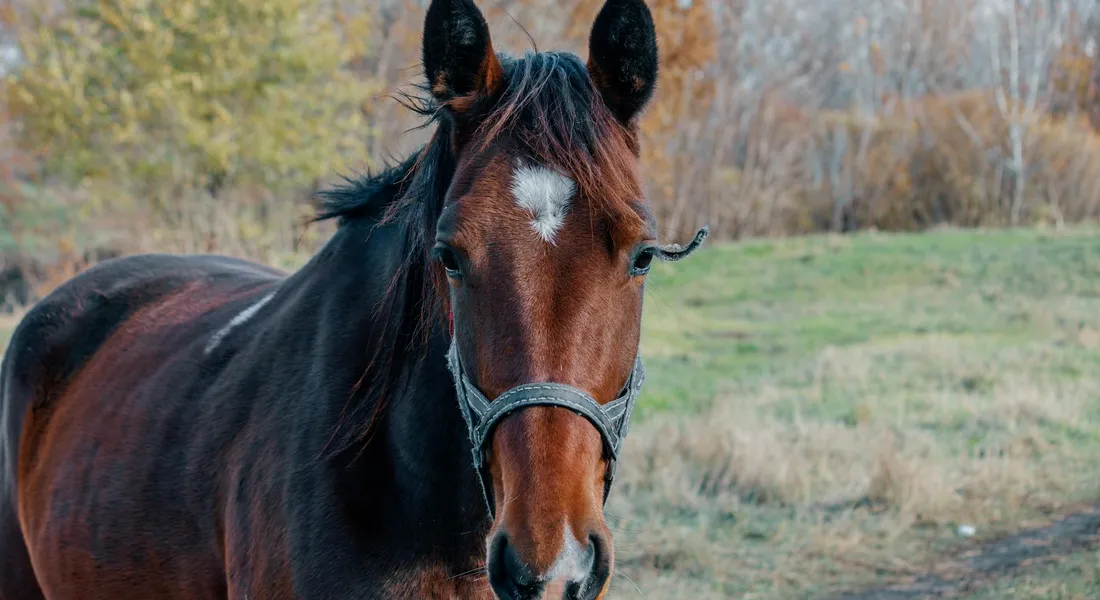
Horses are built to forage, and mimicking that natural behavior in captivity is my number one hack for a happy herd. I’ve spent years watching Rusty methodically search for every last carrot chunk, and it’s clearer than a clean water bucket: a busy mouth is a content mind. Transforming feeding from a passive event into an engaging activity reduces boredom and promotes slower, healthier eating.
Here are five ways to add puzzle power to your pony’s pantry.
- Master the Slow-Feed Hay Net
Slow-feed nets are fantastic, but safety is paramount. I learned this after Luna once got a shoe caught in a poorly hung net. Use nets with holes no smaller than 1.5 inches to prevent frustration. Hang it securely at shoulder height in a traffic-free area, ensuring no dangling straps. Start with a loosely filled net for just an hour to let your horse learn the game without stress.
- Craft a DIY Puzzle Feeder
You don’t need fancy gear. Take a clean, sturdy plastic bucket and drill a dozen or so holes just big enough for a carrot piece to fall out. Put some treats inside, cap it, and let your horse roll it around. I do this with Pipin; the clatter and chase keep him entertained for ages. Always supervise the first few uses to ensure they don’t get destructive.
- Hide Treats in the Paddock
Scatter feeding is the simplest enrichment. On a dry day, I’ll take a handful of low-sugar treats like chopped apples or hay pellets and toss them widely into the grass or safe footing. This encourages natural rooting and grazing behavior. Avoid doing this in sandy areas to prevent ingestion of dirt.
- Reconsider the Grazing Muzzle
A grazing muzzle isn’t just for the easy keeper. For any horse that bolts its feed, a muzzle used for short, supervised periods can turn gulping into grazing, making meal time last longer and providing mental work. Ensure it’s properly fitted with room for jaw movement and always provide a muzzle-free period with access to water. If you’re unsure how to introduce the muzzle without stress, a gradual grazing muzzle acclimation plan can help your horse accept it. A thoughtful, step-by-step plan keeps muzzle time calm and manageable, so your horse won’t hate the experience.
- Rotate Forage Types
Switch up your hay offerings between timothy, orchard grass, or a bit of alfalfa mixed in (if your horse’s diet allows). The different textures and tastes provide sensory novelty. I’ll often put a few flakes of a ‘new’ hay in a separate pile – watching the herd investigate is like seeing them review a new menu. It’s especially interesting when it’s alfalfa, given its unique benefits and considerations.
Environmental Enrichment: Novel Stimuli for Curious Minds
Imagine living in the same room every day. Now, imagine someone adds a new painting, a different rug, or a fun houseplant. That’s environmental enrichment for horses. Introducing safe, novel stimuli satisfies their innate curiosity and can dramatically reduce stable vices like weaving or cribbing. It’s about making their world worth exploring. By focusing on safety and intellectual stimulation, you can create a safe, enriching environment for your horse. This approach supports their well-being and natural curiosity every day.
Try these four modifications to spark some joy in their space.
- Build a Simple Obstacle Course
You need just three things: ground poles, a tarp, and patience. Start by laying poles on the ground in a straight line for walking over. Then, drape a tarp loosely between two jump standards or fence posts. Let your horse sniff and look. On new fences, let the horse get comfortable gradually. With a calm buddy like Rusty leading, most will walk right through. Never force it – let curiosity win the day.
- Weigh the Mirror Option
A securely mounted, unbreakable mirror in a stall or paddock can provide company for a solo horse. The pro is it may reduce separation anxiety. The con is some horses, especially high-strung ones like Luna, might initially see it as a threat. Introduce it slowly in a large space and be prepared to remove it if it causes persistent stress.
- Dig a Sensory Sand Pit
A shallow pit filled with clean, soft sand offers a new texture for rolling, pawing, and digging. It’s a great outlet for playful energy and helps with natural grooming. Ensure the edges are gradual for easy entry and exit, and keep it dry to prevent mud.
- Rotate Turnout Buddies Safely
Social dynamics are powerful enrichment. Changing which horses share a paddock (following proper introductions over a fence line first) creates a new social puzzle to navigate. I rotate Pipin between the big guys; it keeps his clever mind occupied with making friends, not plotting escapes. It’s essential to understand horse herd dynamics to manage these interactions effectively.
Novel stimuli doesn’t mean complicated. It can be a sprig of fresh rosemary tied to the fence, a traffic cone placed in the corner, or even a different radio station playing softly. The goal is to provide something new to smell, see, or interact with, breaking the monotony of their daily routine.
Training Exercises and Brain Games for Problem Solving
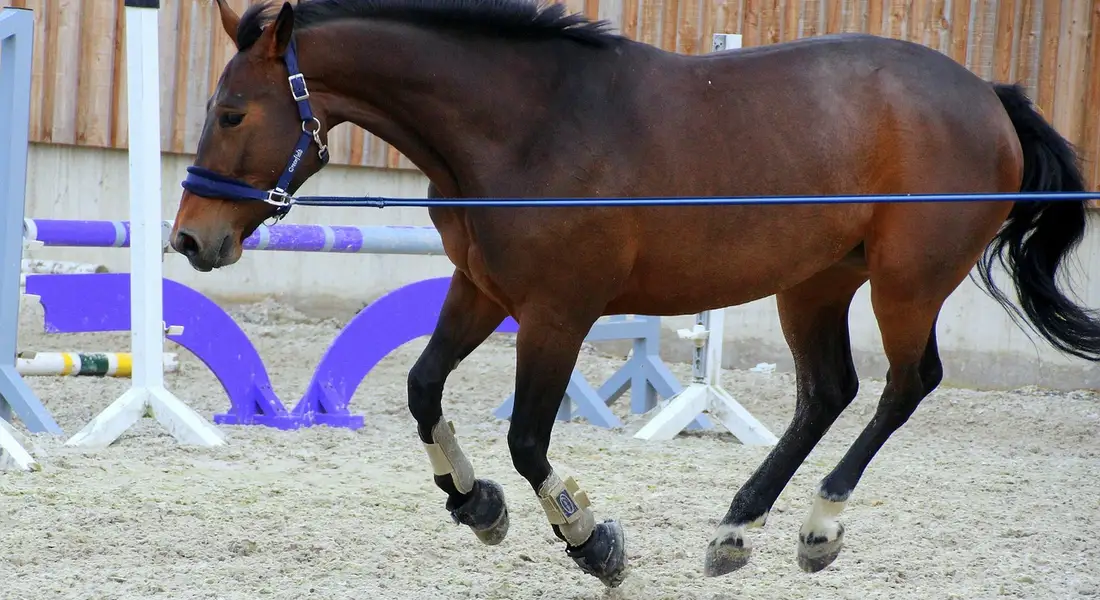
Forget treadmills for the mind; positive reinforcement training is the ultimate cognitive gym session for your horse. It transforms learning from a chore into a conversation, building neural pathways and trust through curiosity and reward. I use it daily in my barn, especially with clever ponies like Pipin who thrive on figuring out the rules of the game. There’s also a practical guide on positive reinforcement training for horses that I reference as you build your own sessions. It helps you translate curiosity into consistent rewards and clear progress.
- Charge the Marker: Find a quiet moment with some tiny treats. Use a clicker or a consistent tongue cluck. Make the sound and instantly give a treat. Repeat until your horse’s ear flicks toward you at the noise, signaling he gets it: that sound equals something good.
- Capture a Action: With your marker charged, just wait. When your horse offers a simple behavior like blinking or shifting his weight, mark and treat. You’re teaching him that his own actions can make good things happen.
- Connect a Cue: Once he’s repeating the behavior, add a verbal cue like “touch” right before he does it. Mark and treat. Soon, he’ll offer the behavior on request, and you’ve built a new skill from scratch.
Start with simple tricks that have practical benefits. Teaching a horse to “target” an object with his nose is a foundational skill that can lead to easier loading or vet exams. Here are two barn-tested starters:
- Target Training: Hold a traffic cone or a lid. The moment the horse investigates it with his nose, click and treat. Gradually ask him to follow it or touch it in different locations.
- Voluntary Hoof Care: Gently run your hand down his leg. The micro-second he lifts his foot, even an inch, mark and reward. This builds a positive association for farrier work.
Desensitization is just problem-solving in disguise. I turned Luna’s fear of rustling tarps into a confidence game by laying one flat in her paddock and sprinkling her grain on it, letting her choose to explore the scary thing for a tasty payoff. Work in short, sweet bursts. Five minutes of engaged focus is far more valuable than twenty of dull repetition.
Interactive Toys and Tools for Safe Challenges
The right tools can turn a stagnant stall into an engaging puzzle box, satisfying that innate need to forage and manipulate. Interactive toys are not frivolous; they are preventative medicine for the stereotypic behaviors born from a dull environment. My rule is simple: if they can eat from it, roll it, or investigate it, it’s probably a win.
Here are four tools I keep in rotation at my barn:
- Heavy-Duty Treat Balls: Commercial balls made of hard rubber require persistent nudging to dispense pellets. They are an investment but can withstand the focused determination of a treat-motivated horse like Rusty.
- DIY Snacker Buckets: Take a sturdy, rubber feed bucket and drill a dozen golf ball-sized holes. Fill with hay cubes or chopped veggies and hang securely. This homemade version is affordable, customizable, and satisfyingly noisy for the horse.
- Push Balls: Large, inflatable or solid plastic balls encourage chase and play. Supervised sessions in the paddock promote movement and can bring out the playful side in even the most reserved horse.
- Investigation Stations: Hang safe, everyday objects like a traffic cone or a knotted rope in a stall for casual exploration. The simple act of sniffing and nudging new textures provides novel sensory input.
While a commercial treat ball is built for years of abuse, a well-made bucket puzzle can be equally engaging. The critical comparison lies in supervision; a homemade bucket should be used during turnout when you can monitor for wear, while a commercial ball is often safe for solo stall time. Always introduce any new toy in a calm, controlled manner.
For push balls, active participation is key. Roll the ball gently yourself and let your horse approach-never throw it at him. Some will herd it, others will stomp it, and that’s okay. It’s their game. Rotate toys every few days to prevent familiarity from breeding contempt. A toy that disappears and reappears feels fresh and exciting.
Every single play session must end with a safety check. Run your hands over every inch of the toy, feeling for cracks, sharp edges, or loose parts that could be ingested, because mental stimulation should never come at the cost of physical safety. If a toy looks chewed or damaged, retire it immediately.
Building an Enrichment Schedule for Stress Reduction
Think of enrichment not as random entertainment, but as part of your horse’s daily care. A loose schedule provides comforting predictability while sprinkling in just enough novelty to spark curiosity. I build mine like a weekly menu, rotating staples and specials.
The key is to anchor the day with predictable, calming activities and introduce new challenges during periods of natural alertness, like early in the turnout or after a meal. Your goal is a relaxed interest, not a frantic search for stimulation.
Watch your horse’s reactions closely. Luna might find a hanging licitice fascinating for a minute before getting over-stimulated, while Rusty will methodically work a puzzle for half an hour. Pipin? He’ll probably figure out how to dismantle it in seconds flat. Their feedback is your best guide.
A Sample Weekly Enrichment Mix
This table blends different categories to prevent boredom without causing anxiety. “Low” activities are calming staples; “Medium” involve mild problem-solving; “High” are novel or physically engaging.
| Day | Morning Turnout / Stall | Evening Feed / Stall Time | Enrichment Level |
|---|---|---|---|
| Monday | Scatter grain in paddock leaf pile | Stable-mounted scratch pad | Low |
| Tuesday | Jolly Ball in pasture | Buried carrot chunks in sandbox | Medium |
| Wednesday | Simple trail walk, hand-graze new grass | Familiar slow-feeder hay net | Low |
| Thursday | Obstacle course with pool noodles | New herb (mint) sprinkled in hay | High |
| Friday | Social grooming with buddy | Frozen watermelon treat | Low |
| Saturday | Introduction to a new scent (lavender sack) | Empty cardboard box in stall | Medium |
| Sunday | Long, relaxed trail ride | Quiet time with familiar music | Low |
Adjust based on your horse’s energy. A spooky day calls for low-level, confidence-building activities. A lazy day might need a fun, medium-level jolt. Consistency in your approach matters more than rigid adherence to a specific toy or day.
Safety First: Ensuring Enrichment Benefits Horse Welfare

All our good intentions mean nothing if our horse gets hurt. I’ve seen a panic over a tangled hay net and a mouth cut on a sharp bucket edge. Welfare is the non-negotiable foundation.
Every new object is a potential hazard until proven safe under your direct supervision. Never introduce a puzzle, toy, or novel feeder and just walk away. Watch for at least 20-30 minutes the first few times.
Non-Negotiable Safety Rules
- Supervise all new introductions. Watch for frustration, fear, or overly aggressive play.
- Use only horse-safe, durable materials. Avoid thin plastic, sharp edges, or toxic paints.
- Eliminate entanglement risks. Secure hanging items so a shod hoof cannot catch. Use breakaway clips.
- Inspect everything daily for wear and tear. A frayed rope or cracked ball becomes a hazard overnight.
- Size matters. Toys must be too large to be swallowed or become a choking risk.
- Know when to quit. If your horse shows fear, deep frustration, or anger, end the session. Try again another day or with a simpler version.
Enrichment should drain stress, not add to it. A fearful horse pawing at a puzzle isn’t learning; he’s suffering. Your ultimate goal is a softer eye, a slower chew, and a contented sigh-the signs of a horse whose mind is as cared for as his body. This is especially true when dealing with anxious or skittish horses that require gentle and patient mental stimulation.
Frequently Asked Questions About Keeping Your Horse Mentally Stimulated
How can I tell if an enrichment activity is effective for my horse?
Observe your horse for positive behavioral changes, such as reduced weaving or cribbing, and increased calm, investigative interactions with the enrichment item. An effective activity will hold their attention without causing signs of frustration, fear, or aggression. Being attuned to your horse’s body language will help you tell if they’re happy with the activity. This awareness guides you in adjusting tasks to keep them content. Over time, you should notice a more content and engaged demeanor during and after the activity.
What are some enrichment ideas for horses with limited turnout or stall rest?
Incorporate sensory stimulation by hanging horse-safe objects like a knotted rope or a traffic cone in the stall for casual exploration. Utilize slow-feed hay nets or puzzle feeders that encourage prolonged, gentle eating without requiring movement. Short, daily clicker training sessions or introducing novel scents, such as lavender in a breathable bag, can provide mental challenge in a confined space.
Can I use food-based enrichment if my horse is on a restricted diet?
Absolutely, by selecting appropriate low-sugar, low-starch treats like chopped carrots or approved hay pellets that fit within their dietary restrictions. Modify puzzle feeders to dispense very small amounts or use them during scheduled meal times to prevent overconsumption. Always balance any added food with their overall calorie intake and consult with an equine professional to ensure nutritional needs are met.
A Happy Horse is a Busy Horse
True enrichment isn’t about fancy toys; it’s about weaving simple, thoughtful choices into your daily routine that honor how your horse thinks and feels. The most impactful change you can make is to maximize their time moving and foraging, turning their environment from a static stall into a dynamic puzzle.
Go slow, introduce new things one at a time, and watch their reactions closely. Your horse’s feedback-a soft eye, a curious snuffle, or a turned tail-is the most important guide you have standing outside that stall door.
Further Reading & Sources
- 9 DIY Enrichment Activities for Horses to Prevent Boredom [LIST] | Mad Barn
- Horse enrichment activities | Blue Cross
- r/Horses on Reddit: Enrichment Ideas?
- Keep Your Horse’s Brain Busy with These DIY Enrichment Activities! | ASPCA
At Horse and Hay, we are passionate about providing expert guidance on all aspects of horse care, from nutrition to wellness. Our team of equine specialists and veterinarians offer trusted advice on the best foods, supplements, and practices to keep your horse healthy and thriving. Whether you're a seasoned rider or new to equine care, we provide valuable insights into feeding, grooming, and overall well-being to ensure your horse lives its happiest, healthiest life.
Behavior