
Train a Lifesaving Emergency Recall: How to Call Your Loose Horse Back
Hello fellow barn folks. That gut-drop when you see an empty stall or a horse bolting across the field is pure dread. A loose horse isn’t just an inconvenience; it’s a direct threat to their well-being and a potential financial nightmare from injuries or damage.
I’ll walk you through the same method I use in my own aisles and paddocks. You’ll get how to choose a unique, consistent sound your horse can’t ignore, the incremental training steps from boring pasture to controlled chaos, and the high-value reward system that makes returning a no-brainer for your horse.
I’ve honed this over a decade of barn management and training, from convincing our escape-artist pony Pipin to trustingly recalling sensitive Luna from a spook.
Why Every Horse Needs an Emergency Recall
I once watched a boarder’s normally placid gelding slip his halter, spook at a plastic bag, and bolt straight for a busy road. The frantic minutes that followed-a chorus of shouts, slamming truck doors, and the terrifying thud of hooves on asphalt-are etched in my memory. That day ended with a vet bill and a shaken horse, but it could have been a tragedy for the animal, a driver, or a child. A loose horse is a projectile of pure panic and muscle, a danger to itself and everyone in its path.
Escape isn’t about a horse being “naughty.” It’s about instinct taking over in a confusing or frightening moment. These moments happen to everyone.
- A halter strap you didn’t notice was frayed finally gives way.
- A visitor doesn’t quite latch the stall door or paddock gate.
- A sudden noise-a backfiring truck, a barking dog-triggers a blind flight response.
- A clever pony like Pipin figures out the slide bolt with his lips for the tenth time.
Training an emergency recall isn’t a party trick. It is a fundamental welfare tool, a way to short-circuit that panic and give your horse a safe, familiar anchor in a scary situation. It turns a potential disaster into a manageable moment.
Gathering Your Tools: Equipment for Training and Safety
You wouldn’t build a fence without posts and rails. Don’t start this training without the right gear. Having everything ready keeps sessions calm, consistent, and safe.
- Your Signal: A dedicated whistle (like a pea-less acme thunderer) or a unique, reserved voice cue like a specific whistle tone or “Here!”
- The Motivator: A pocketful of high-value treats your horse goes crazy for. This is non-negotiable.
- Catching Gear: A well-fitting, sturdy halter and a long lead rope (12-15 feet). You need to be able to secure them the instant they arrive.
- Handler Safety: Sturdy gloves to protect your hands from rope burn and always wear safe, closed-toe footwear. Never train in sandals.
Before you even call your horse, do a barn-area safety scan. Check that any tie rings or posts you might use are solidly anchored, and walk your intended training perimeter to identify any obvious escape routes or hazards. A little prep prevents a big problem, especially when you’re tying your horse.
Choosing Your Primary Signal: Voice vs. Whistle
Your cue must be unmistakable, consistent, and able to cut through chaos. Here’s the breakdown from the arena.
Voice Commands are always with you. The pros? No fumbling for a whistle. The cons? Your voice can crack when you’re scared, get lost in the wind, or sound too much like your everyday chatter. If you use voice, choose one sharp, simple word and never use it for anything else.
A Whistle offers piercing, consistent tone every single time. It doesn’t sound stressed even when you are. The downside is you have to remember it. I keep a coach’s whistle on my keychain. For horses like my sensitive Luna, the clear, emotionless pitch of a whistle can be more reassuring than a shouted voice. Pick one method, commit, and make that sound mean “come get amazing things.”
The Reward Toolkit: High-Value Treats That Work
This is not the time for your horse’s everyday grain. You need the equine equivalent of a gourmet cheesecake-something so good it overrides distraction, especially when weighing grain-free versus traditional feed for your horse’s digestion.
- Fresh apple or carrot chunks (cut to avoid choke)
- Commercial horse cookies with molasses or peppermint
- Handfuls of soaked beet pulp or a scoop of senior mash
- A favourite like watermelon rind or banana (if your horse likes it)
The “high-value” status is personal; figure out what makes your horse’s head whip around and his lips twitch. For Rusty, it’s apple. For Pipin, it’s anything. Use this treat only for recall success. That exclusive association builds a powerful, life-saving habit.
Building the Recall: A Step-by-Step Training Plan
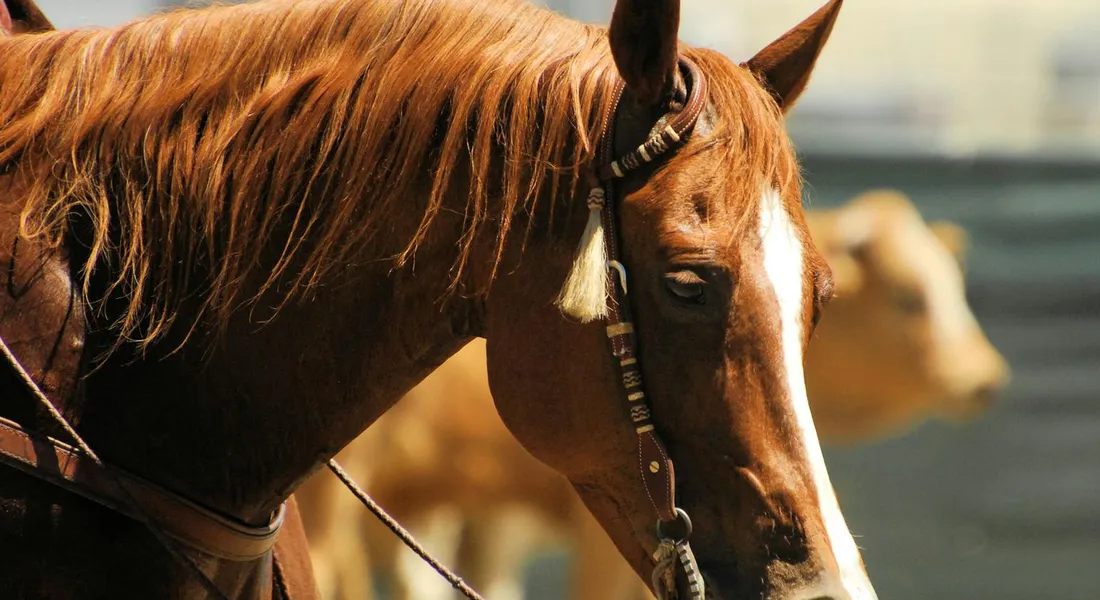
This isn’t a trick you can force. You’re building a reflex of safety and reward. I start every single horse, from the sensitive Luna to the wily Pipin, in a secure space like a round pen or small, enclosed arena. The goal is zero pressure and maximum clarity.
The environment you choose sets the tone for the entire behavior; a calm, contained space tells the horse this is a game, not a chase. Your energy is the most critical piece of equipment you have. Breathe. Keep your shoulders soft. Avoid direct, staring eyes-watch your horse with a soft focus. As you apply these steps, you become a calm, assertive leader for your anxious horse. This mindset helps your horse feel secure and ready to follow. Now, let’s build the steps.
- Choose and Associate Your Cue. Pick a distinct, consistent sound. I use a specific whistle trill. Others use a word like “Here!” or a click. The moment you make the sound, give a high-value treat instantly. Do this 5-10 times in a row, with the horse right beside you. The message is simple: *that sound* = *this amazing thing*.
- Take One Step Back. With the horse facing you, take one single step backward. Give your cue. The horse will likely step forward to get the treat. The instant they move toward you, mark it with a “good!” and deliver the reward right at your chest. You’re now linking the sound to the action of coming to you.
- Increase the “Ask.” Gradually increase to two steps, then five. If the horse doesn’t move, avoid repeating the cue. Instead, gently guide them in with a lead rope, then reward heavily. The walk toward you is the job. The treat is the paycheck. Keep sessions under five minutes, ending on a success.
Phase One: Creating the Positive Association
This phase is pure Pavlovian response. The treat must be irresistible-think peppermints, carrot chunks, or commercial training treats. I’ve seen Pipin learn this in three repetitions because his food motivation is legendary. For Luna, it was about quiet patience and letting her figure out there was no trap.
Timing is everything: the reward must follow the cue within one second for the horse’s brain to connect the dots. Don’t fumble in your pocket. Have the treat ready in your hand or a pouch. The sound is a promise, and you must be a banker who never defaults. Consistency here builds a foundation of absolute trust.
Phase Two: Adding Distance and Distraction
Now we introduce reality. Start in that same secure area but ask for the recall from across the round pen, ensuring you handle the horse safely. If the horse hesitates, I use a 12-foot lead rope draped over their neck or attached to the halter as a gentle suggestion, not a pull.
The long line is a safety net for communication, not a tool of force; a light wiggling of the rope is often enough to remind them of the game. The first distraction could be as simple as a pile of hay placed in the pen. Practice when the horse is mildly interested in something else. Your calm, persistent cue and fantastic reward must become more appealing than that distraction. This is how you build priority.
Practicing for Reliability: Environments and Frequency
An emergency recall practiced only in the arena will fail in the field. You must generalize the behavior. My rule is three short, positive sessions per week, always quitting before either of you gets bored or frustrated. Variety is your training partner.
A reliable recall is a behavior built over hundreds of positive repetitions in dozens of different scenarios, not a command you pull out in a panic. Start in the ultimate controlled environment: the stall. Then the barn aisle. Then a small paddock, a larger pasture, and finally near the gate during turnout. Each new location is a fresh test.
Starting Safe: The Controlled Environment Checklist
- A fully enclosed round pen or small arena: Solid fencing with no sharp edges or gaps to bolt through.
- Quiet, familiar surroundings: Minimal foot traffic, machinery noise, or other spooky stimuli.
- Good footing: Secure and non-slippery to encourage confident movement.
- A mental “buffer zone”: Ensure there’s at least 10-15 feet between your training area and any gates, fences, or hazards. This gives you a reaction cushion.
Proofing the Behavior: Real-World Rehearsals
Proofing means challenging the recall so it holds under pressure. I practice with Rusty while another horse is being led past. I call Luna away from her herdmate at the fence line. I’ll stand near an open gate (but with a chain across it) and call Pipin, reinforcing that coming to me is better than investigating the exit.
Before every new proofing session, do a 60-second risk assessment of the area: scan for loose wire, open water troughs, dropped tools, or unexpected escape routes. These rehearsals are your best defense. The day your horse slips their halter in the parking lot is not the day to hope they remember their training; it’s the day to rely on the proofing you’ve already done.
When Things Go Wrong: Handling a Loose Horse
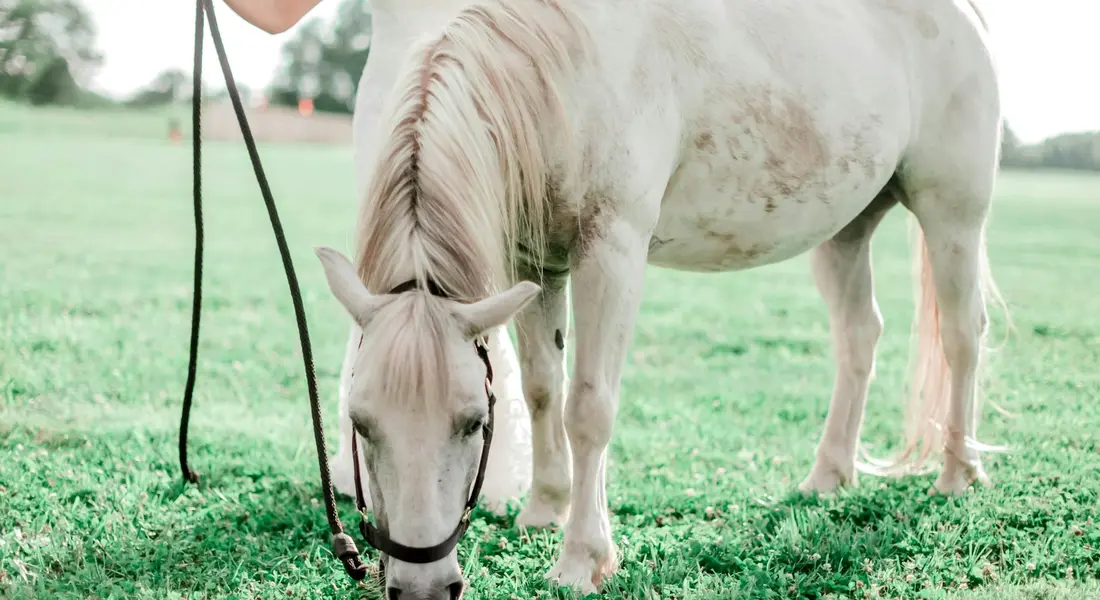
Even with the best training, a gate gets left ajar, a halter breaks, or a spook happens. Your heart leaps into your throat. This is the moment where your plan, not your panic, takes over. Your first and most critical job is to become a calm, boring anchor in their suddenly exciting world. Take a deep breath, move slowly, and avoid loud noises or direct eye contact, which a loose horse can perceive as predatory. Understanding common horse fears and skittish behavior can help you anticipate and respond more calmly. It also frames how to manage anxiety for both horse and handler in these moments.
Your body language is your primary tool. Instead of walking straight at them, which is a pressure they will flee from, angle your approach. Walk on a curve toward their shoulder, or even parallel to them, while glancing away. The goal is to become a “moving fence” that gently encourages them to stop or change direction into a safer area, like a corner of the paddock or back toward their stall. I’ve used this with Luna; walking directly at her amps her up, but angling my body quiets her flight instinct.
Have a backup plan ready. A calm buddy horse, like Rusty, led quietly into the area can be the best lure imaginable. The loose horse’s herd instinct often overrides their fear. Alternatively, the sound of grain shaken in a bucket is powerful-but this is a strategic tool, not a first resort. You must be certain the horse will come to the bucket, not just spin and run further away.
The Calm Containment Protocol
Your immediate actions set the stage for a safe resolution. Think like a quiet, efficient crisis manager.
- Freeze and assess. Where is the horse? Where are the open gates or roads?
- Quietly alert anyone nearby with a calm, low voice. A shouted “LOOSE HORSE!” can trigger a bolt.
- Secure the perimeter first. If possible, have someone slowly close main gates or block driveway access without running.
- Remove other animals from the area if safe to do so. You don’t want a playful Pipin starting a game of chase.
- Gather your tools: a halter, a long lead rope, and that grain bucket. Have them ready, but keep them out of sight until the moment is right.
Chasing is never catching. You are trying to contain the situation, not win a race you cannot possibly run. The thud of running hooves is a trigger for more running; your silent, deliberate movements are the antidote.
Alternative Lures and When to Use Them
Not every horse is motivated by the same thing. Knowing your individual animal is key.
- The Buddy System: As mentioned, a trusted companion is often the most reliable lure. Lead the buddy to a patch of grass or into a stall and the loose horse will often follow.
- The Specific Sound: The shake of their particular grain bin or the crinkle of a peppermint wrapper. I keep a special “emergency only” bucket that only makes that rewarding sound during these drills or real events.
- The Open Door: Sometimes, simply opening the stall door to their own cozy space, with fresh hay visible, is invitation enough.
Be cautious about immediately offering a food reward from your hand upon catching a horse that bolted from fear; you must be careful not to accidentally reinforce the initial flight behavior. Instead, reward the calm catch and haltering, especially in situations where you’re calming a stressed horse. The best reward is often simply relief and a return to normal, quiet routine.
Beyond the Cue: Safety and Handler Mindset
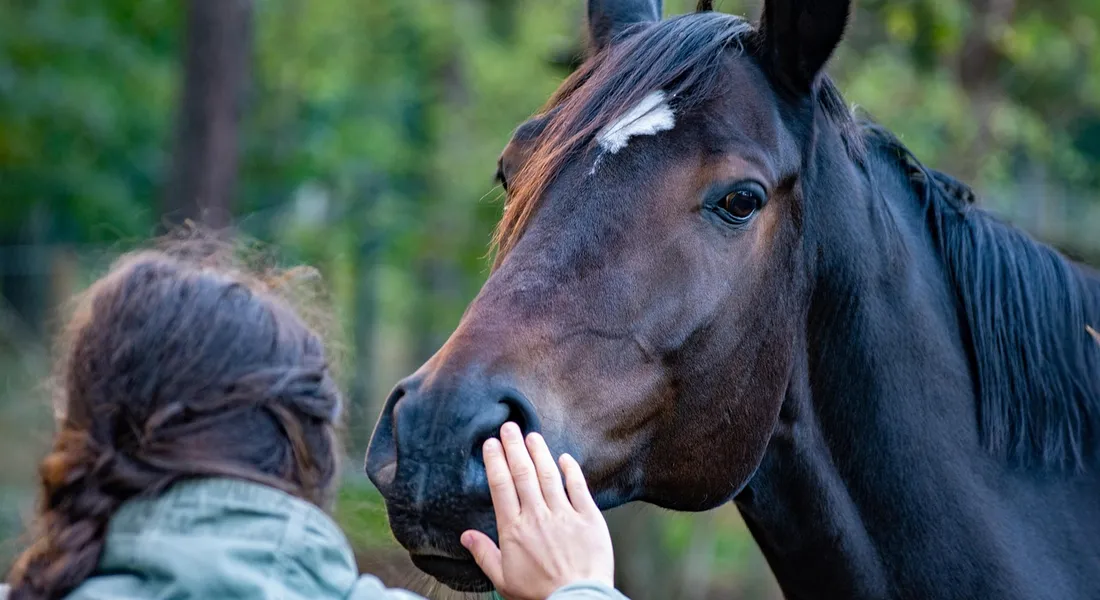
An emergency recall is a powerful tool, but it’s just one part of a safety web you weave every single day. Your mindset and the environment you maintain are what prevent most emergencies before they start.
When the adrenaline is pumping, your own breathing is your steering wheel. Force a slow exhale. Your horse reads your tension, so softening your own body can soften theirs. After any incident, successful or not, go back to basic training in a controlled setting to rebuild confidence for both of you. A short, positive session the next day mends any shaken trust.
Preserving the Power of the Emergency Cue
This cue is sacred. It must never become background noise. The psychological principle is simple: a stimulus paired exclusively with a fantastic, guaranteed reward retains immense power. If you use the same whistle for “please come get caught” and “there’s a truck in the ditch,” the cue loses its urgency and reliability.
For daily interactions, use a different sound or call. Yell “dinner!” or use a common whistle. My horses know a two-tone whistle means grain is in their tub, but the single, sharp blast is the one that makes them snap to attention from anywhere in the field. That one is saved for true need.
Ongoing Risk Assessment for Field Safety
The most common cause of a loose horse is a failure in the environment, not the animal. Make this a weekly ritual—walk your fences and high-traffic areas with a critical eye, and avoid common mistakes with your horse stable setup.
- Check fence posts for lean and wires for tension. Look for sprung boards or chewed rails.
- Test every gate latch and hinge. Are they rusted shut or loose enough to rattle open?
- Inspect tie rings, cross-ties, and hitching posts for weakness or sharp edges.
- Scan for new hazards: fallen branches, washed-out holes, or discarded fencing material.
- Have a “go-bag” ready: a halter and lead rope hanging at every major gate and by the barn door. Seconds matter.
A secure environment is the first and most reliable layer of any containment plan, giving you the peace of mind to enjoy the time you spend with your horse. It’s the quiet work that lets you hear the good sounds-the contented chewing, the soft nicker-without the background worry. Pair that safety with thoughtful enrichment to create a space where your horse can thrive. A safe, enriching environment invites curiosity, confidence, and calm.
FAQ: Train a Lifesaving Emergency Recall: How to Call Your Loose Horse Back
How often should you practice the emergency recall to maintain reliability?
Practice in short, positive sessions about three times per week to keep the response sharp without causing burnout. Always end each session on a successful recall to reinforce the positive association. Consistency over time, rather than lengthy drills, builds the most dependable habit.
In what environments should you begin training the emergency recall?
Always initiate training in a fully enclosed, secure, and familiar space with minimal distractions, such as a stall or small round pen. This controlled environment allows the horse to focus entirely on learning the new cue without external pressures. Beginning here establishes a foundation of safety and success before introducing any complexity.
How do you generalize the emergency recall to different locations and situations?
Systematically practice the cue in every new environment, starting from the stall and progressively moving to the aisle, paddock, and pasture. Introduce mild distractions in each location, ensuring the reward for responding is more valuable than the distraction itself. This process, called proofing, teaches the horse that the cue is relevant everywhere, not just in the initial training area.
A Word Before You Practice
Keep your emergency cue sacred by using it only for its life-saving purpose and rewarding it with the highest-value treat every single time. The power of this recall lives in its exclusive association with an immediate, fantastic payoff.
Train this with patience on a normal day, so it’s rock solid on a bad one. Your horse’s trust is the real foundation of any safety net, so always listen to what they’re telling you during your sessions.
Further Reading & Sources
- FDA Alert ADM Animal Nutrition Recalls Chicken, Swine, Cattle, Horse Feed After Animal Fatality Pet Age
- RECALL: Horse feed, Top of Rockies Alfalfa Cubes, recalled after 45 horses die – MyParisTexas
- Feed Recall – Horse Illustrated
- FDA Cautions Horse Owners Not to Feed Recalled Lots of Top of the Rockies Alfalfa Cubes due to Reports of Illness and Death
At Horse and Hay, we are passionate about providing expert guidance on all aspects of horse care, from nutrition to wellness. Our team of equine specialists and veterinarians offer trusted advice on the best foods, supplements, and practices to keep your horse healthy and thriving. Whether you're a seasoned rider or new to equine care, we provide valuable insights into feeding, grooming, and overall well-being to ensure your horse lives its happiest, healthiest life.
Behavior