
A Good Horse is a Tired Horse: Debunking 5 Exercise and Turnout Myths
Hello fellow equestrians! Does your horse seem fresh, spooky, or develop stall vices like weaving, leaving you worried about safety or mounting vet bills? I’ve spent countless mornings listening to that restless stall-walking thud, knowing a simple mindset shift can change everything.
Let’s saddle up and challenge the old sayings that keep our horses from the movement they crave. We will dismantle the idea that only strenuous riding creates a content horse, explore why turnout is critical exercise, reveal the risks of excessive confinement, connect boredom directly to behavioral issues, and outline kinder fitness-building strategies.
My years of barn management and training horses, from the steady Rusty to the fiery Luna, have taught me that a truly “tired” horse is one whose body and mind are healthily spent.
Introduction: Why “A Good Horse is a Tired Horse” Needs a Second Look
That old barn saying echoes in every dusty arena, often used to justify long workouts or limited turnout. I’ve heard it for years, usually followed by the creak of a tired saddle and the slow plod of exhausted hooves. But framing a horse’s worth by their fatigue is a shortcut that often leads to physical and mental dead ends. The alpha myth is being reconsidered today, reframed as leadership founded on partnership. True partnership isn’t built on exhaustion; it’s cultivated through understanding, appropriate exercise, and most importantly, the freedom to just be a horse.
My own wake-up call came with Luna, my sensitive Thoroughbred. After a vigorous training session, she’d stand quietly, leading many to call her “perfect.” But that stillness wasn’t contentment; it was shutdown. The next day, she’d be tight-backed and sour. This cycle taught me that a quiet horse is not automatically a happy or trained horse-sometimes, they’re just out of gas. Let’s untangle the truth from tradition and put our horses’ well-being first.
Myth 1: A Tired Horse is Always a Well-Behaved Horse
This myth is seductive because it seems to work in the short term. A horse that’s been lunged into a lather or ridden for hours often loses the spark for mischief. What you’re seeing isn’t good manners; it’s depletion, and it masks problems instead of solving them. I learned this with Pipin, the Shetland pony, who would become dangerously quiet before plotting his next great escape, using his conserved energy for Houdini acts.
Behavior stemming from fatigue is brittle and temporary. It doesn’t teach the horse what you actually want. Real training builds a willing mind in a sound body, not a compliant robot running on empty. A horse that’s tired may ignore cues, stumble more easily, or become defensively dull, all of which are safety risks for both of you. Avoiding the common beginner mistakes that create lifelong behavioral problems is part of that approach. Focus on building trust through time, consistency, and proper conditioning.
Is Fatigue the Same as Willingness?
Absolutely not. Willingness is bright-eyed engagement; fatigue is dull resignation. Telling the difference requires reading the subtle signs your horse gives you every day.
Think of Rusty, my Quarter Horse. After a satisfying trail ride, he’ll walk back to the barn with a relaxed swing in his step and a soft eye, still ready to interact. That’s the hallmark of a willing partner: they maintain a connection even when the work is done. A fatigued horse, in contrast, mentally checks out. Their responsiveness vanishes.
Use this simple checklist to spot the difference:
- Willingness: Ears flicking toward you, soft snorts, a forward but manageable energy, chewing the bit softly.
- Fatigue: A fixed, distant stare, ears flopped to the side, tripping over plain footing, heavy leaning on the bit, delayed or no reaction to aids.
Prioritize quality, mindful work over sheer duration. Twenty minutes of focused, positive training does more for behavior than two hours of mindless circling. Your horse’s behavior should improve because they understand, not because they’re too tired to argue. For deeper insight into horse behavior, the understanding horse behavior psychology complete guide offers practical context. It helps connect training choices to how horses learn.
Myth 2: More Exercise Automatically Tames a High-Energy Horse
When Movement Becomes Mindless Drudgery
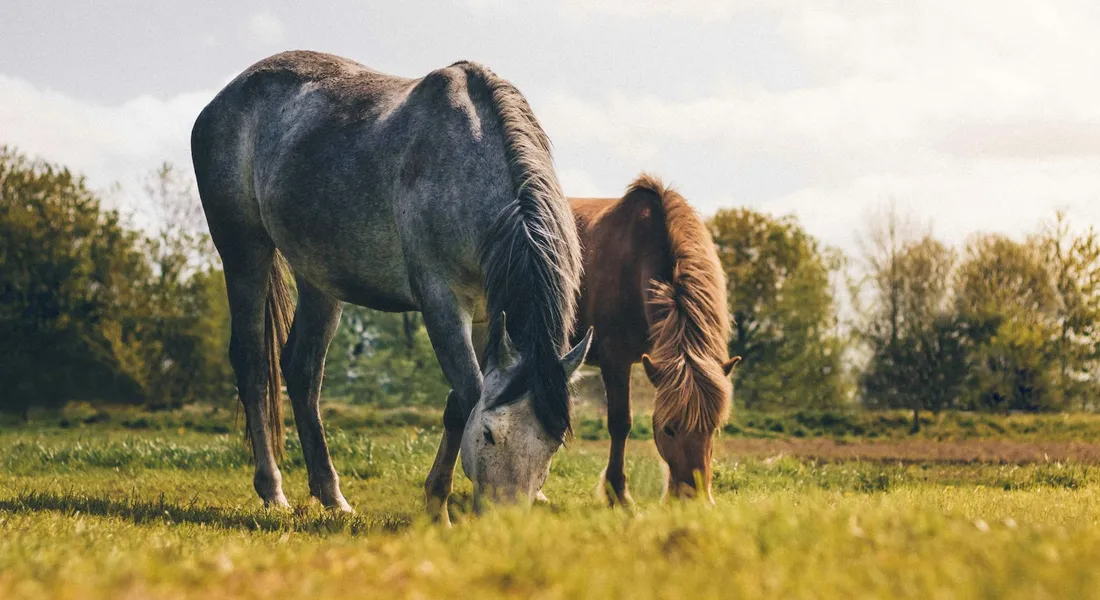
I learned this one the hard way with Luna, my dapple grey Thoroughbred. I thought if I just lunged her until she was damp with sweat, the “spooky” would leave her body. All I created was a fit, tired, and still mentally wound-up horse who was now also bored and annoyed with me. Exhaustion is not the same as relaxation, and a horse that is physically tired but mentally unfulfilled is a ticking clock.
High energy is often a symptom, not the disease itself. That energy can stem from anxiety, excess dietary starch, lack of turnout, or plain old boredom. Mindlessly running a horse in circles just teaches them to brace against pressure and disconnect.
Your goal should be to engage the mind to settle the body. Here’s what actually works:
- Trade Lunging for Learning: Ten minutes of focused groundwork-yielding hindquarters, backing up softly, moving shoulders over-uses more brainpower than thirty minutes of trotting. You’ll see their eye soften and their breathing deepen.
- Change the Scenery: A twenty-minute hand-walk on a different trail, letting them sniff a stump or watch the tractor, does more for a anxious mind than another lap in the arena. Novelty is enriching.
- Scatter Their Meals: Instead of a hay net, toss flakes in small piles around their paddock. This triggers their natural foraging behavior, providing slow, steady mental work that burns nervous energy.
The thud of hooves on the rail should be a thinking rhythm, not a frantic beat. A good partnership tires the mind through gentle challenge, not just the muscles through repetition.
Myth 3: Unlimited Turnout is a Full Substitute for Structured Exercise
How Turnout and Training Work Together for Recovery
Watching my old guy Rusty amble around his paddock, you might think his gentle movement is all he needs. For his retirement, it is. But for a riding horse, turnout and ridden work are a team-they play different, vital roles. Turnout is for physiological and mental recovery; exercise is for targeted strength and conditioning. That leads to a bigger question: do horses enjoy being ridden, and how can we recognize their responses? Understanding those signals can guide humane, respectful riding.
Think of it like this: turnout is their active rest day. It allows for free, choice-driven movement, which is irreplaceable for joint health, digestion, and social bonding. But a horse at pasture is moving on their own schedule, often on uneven ground, building a general kind of fitness. Structured exercise is how you safely build the specific muscles that carry a rider and perform maneuvers without injury.
Here’s how they support each other:
- Turnout Aids Muscular Repair: The slow, constant walking after a workout helps flush lactic acid and reduce stiffness. I always turn Luna out after a hard ride; her loose, strolling movement is the best cool-down.
- Ridden Work Builds Topline: A horse in a field does not engage their core and back muscles the same way as when carrying a balanced rider. Purposeful exercise under saddle develops the strength to carry us properly.
- Mindset Matters: A horse who lives outside is generally more willing and mentally fresh for work. They don’t see you as the jailer releasing them from solitary confinement. Pipin, our Shetland, gets his “structured exercise” via puzzle toys and trick training-it’s still focused mental work he can’t get from just grazing.
The smell of fresh hay and the sound of contented chewing in the field is the foundation. Your training sessions build the house upon that foundation, ensuring it’s strong, balanced, and built to last.
Myth 4: Stall Rest is a Neutral Choice for Horse Management
We often treat the stall as a benign holding cell, a simple pause button. I’ve run entire barns operating on that assumption. The reality is that prolonged confinement is an active stressor, not a neutral state. It’s like asking a marathon runner to live in an elevator.
For a prey animal wired to move, standing still in a 12×12 box is a physiological and psychological challenge we consistently underestimate. Their entire circulatory system is built for near-constant locomotion, which pumps fluid from their legs and supports gut motility. When that stops, problems begin to percolate.
Spotting the Signs of Boredom and Discomfort
The signs aren’t always dramatic. Before a horse starts weaving or cribbing, they offer quieter clues. I learned this watching Luna on a mandatory stall-rest day; her demeanor shifted from bright to dull in hours.
Pay attention to a fixed, vacant stare at the wall or a door-this isn’t quiet contentment, it’s often the early stage of mental check-out. Other signals are more physical, stemming from simple discomfort.
- Constant shifting of weight or resting a hind leg excessively can indicate stiffness from standing too long.
- Repetitive pawing, especially if it creates a trench, signals frustration and a desperate need to move.
- An increase in stall-walking, even small circles, is a clear bid for motion.
- Excessive rolling immediately upon turnout isn’t just a good scratch; it’s often an attempt to relieve back soreness from stagnant muscles.
My fix for a horse on needed stall rest? A slow-feeder net stuffed with low-calorie hay to mimic grazing, a likit or boredom buster, and at least three hand-walks a day just to change the scenery. It’s not turnout, but it’s a lifeline.
Myth 5: Horses Don’t Get Real Exercise on the Pasture
This myth infuriates me because it misunderstands the very nature of a horse. Exercise isn’t just about sweat and heart rates we can measure. It’s about the thousand tiny movements that keep a body healthy. I’ve conditioned horses for events, and I can tell you the foundation came from 24/7 turnout, not the hour I spent riding.
Pasture life provides a low-intensity, constant musculoskeletal workout that no scheduled riding session can ever replicate. The simple act of walking to water, then to shade, then back to a friend is the ultimate in cross-training.
The Unseen Workout: Grazing, Playing, and Herd Dynamics
Watch a herd for an hour. You’ll see a full fitness class unfold. The head-down, neck-stretched grazing posture is a core and topline builder. The sudden sprint and twist when Pipin decides to spook at a leaf works the cardiovascular system in short, natural bursts.
Play is serious business; the mock fighting, chasing, and bucking sequences build muscle, coordination, and bone density in a perfectly balanced way. Herd dynamics mean they’re almost never standing still in one position, which prevents the stiffness we see in stalled horses.
- Grazing on varied terrain strengthens tendons and ligaments far better than a flat arena.
- Social grooming sessions require balance, flexibility, and gentle core engagement to maintain position.
- Even the act of dozing while standing, shifting weight fluidly from leg to leg, is a subtle form of active recovery.
- Running from flies counts! Those quick, irritable stomps and tail-swishes are isometric holds.
I measure a horse’s fitness by the spring in their step at pasture, not just their stamina under saddle. I also measure a horse’s fitness recovery time after exertion to see how quickly he returns to baseline. This quick recovery check complements the spring in his step and helps track true fitness progress. A horse that moves freely and playfully with his herd is building the resilient, balanced body every rider dreams of. Your job is just to open the gate.
Crafting Your Horse’s Balanced Week: Exercise, Turnout, and Rest
Building a good schedule isn’t about filling every minute with work. It’s about weaving together different threads of movement, mental stimulation, and plain old-fashioned horse time. Think of it like a good stew: you need the right mix of ingredients, and it simmers better over low heat. A frantic, packed schedule just burns everyone out.
Key Components of a Sustainable Routine
Your horse’s week should have a mix of these elements. None of them work in isolation.
- Mandatory Daily Movement: This is non-negotiable. Even on a “day off,” your horse needs to move its body freely. Twenty-four/seven turnout is the gold standard, but if that’s not possible, aim for a minimum of 12 hours of paddock or pasture time daily to let joints lubricate and minds unwind.
- Focused Work Sessions: These are your rides, groundwork, or liberty sessions. Quality trumps quantity every single time. A solid 45 minutes of engaged, thoughtful training does more than two hours of mindless circling.
- Active Recovery Days: This is hand-grazing on fresh grass, a leisurely walk on a long line, or a slow hack on a loose rein. The goal is circulation and relaxation, not fitness. I often take Rusty for a “sniffari” walk around the property; he decides the pace and what to investigate.
- Mental Enrichment: A bored horse is a destructive horse. Simple toys like a slow-feed net, a hanging salt lick, or even just scattering hay in piles around the paddock encourages natural foraging behavior and keeps their brain busy.
- True Rest: Horses need deep sleep, which usually happens lying down. They need a safe, comfortable space to do this, whether in a deeply bedded stall or a dry, sheltered spot in the field. Pipin taught me this-I’d find him flat out in his run-in shed every afternoon, snoozing like a sunbeam.
Adjusting for the Individual Horse
This is where your eye as an owner becomes vital. A one-size-fits-all plan fails every horse differently.
For my steady-eddy Rusty, his week includes three trail rides, one light arena day for suppling, and the rest as turnout with his herd. This keeps his mind happy and his body sound. For a horse like him, consistency and low stress are the pillars of his fitness; he thrives on a predictable routine that doesn’t spike his adrenaline.
My sensitive Luna needs a different approach. Two intense dressage schools a week are her max. The other days are long, slow hacks or turnout where she can just be a horse. If she seems tense, we swap a ride for groundwork or bodywork. Pushing a tense horse through a planned workout is a recipe for physical and mental injury; learning to read the “no” is a critical skill.
And little Pipin? His exercise is managing his waistline. His routine is all about restricted, slow-fed turnout and encouraging movement through play. We use puzzle feeders and spread his hay over an acre to make him walk.
Age, fitness, job, and personality dictate the recipe. A young horse in training needs more structured sessions. An older retiree needs more joint-friendly movement and less intensity. Watch your horse the day after a workout: are they bright and moving freely, or dull and stiff? Your horse’s feedback is the most important data point you have. Understanding heart rate and respiration during and after work adds another layer of insight into their fitness and recovery. This helps you tailor training to each horse’s needs and prevent overexertion.
FAQ: A Good Horse is a Tired Horse: Debunking 5 Exercise and Turnout Myths
Is it true that a tired horse is always a good horse?
No, a tired horse is not always well-behaved, as fatigue can mask underlying issues and lead to dull, unresponsive behavior. True willingness comes from mental engagement and a positive partnership, not from physical depletion. Focusing on quality, mindful exercise is key to building a reliable and safe horse without relying on exhaustion.
Is unlimited turnout a substitute for structured exercise?
Unlimited turnout is not a full substitute for structured exercise, as they serve complementary but distinct roles in a horse’s care. Turnout supports mental well-being, joint health, and recovery through free movement and social interaction. Structured exercise, however, is essential for building specific muscles, conditioning for riding, and ensuring balanced development under saddle. It’s important to create a progressive conditioning plan that complements turnout for optimal results.
Can too much stall rest be harmful to a horse’s behavior and health?
Yes, excessive stall rest can be harmful, causing physical stiffness, stress, and behavioral problems like weaving or cribbing. Prolonged confinement is an active stressor that disrupts natural movement and mental stimulation. To promote health, incorporate regular turnout, enrichment activities, and gradual movement to prevent these negative effects.
Truths from the Tractor Seat
Scrap the idea that exhaustion equals good behavior; focus on consistent, varied movement and make daily turnout, for both body and mind, the non-negotiable cornerstone of your horse’s care. If you notice signs your horse is overworked—ongoing fatigue, stiffness, or reluctance to move—these can signal the need for more varied, purposeful exercise rather than more rest. Even a small increase in well-planned activity can help restore energy and prevent burnout. A balanced routine beats a tired one every time.
Trust the process, prioritize safety for you both, and remember that the best training program is the one your horse willingly participates in. Their comfort and willingness are your most honest feedback.
Further Reading & Sources
- Temporary Turnout for Free Exercise in Groups: Effects on the Behavior of Competition Horses Housed in Single Stalls – ScienceDirect
- Turnout Time Vs. Exercise – Pasture Time for Conditioning
- Guide to Turnout for Horses: Benefits, Safety & Schedules | Mad Barn
- How Much Turnout Should a Horse Have? – My New Horse
At Horse and Hay, we are passionate about providing expert guidance on all aspects of horse care, from nutrition to wellness. Our team of equine specialists and veterinarians offer trusted advice on the best foods, supplements, and practices to keep your horse healthy and thriving. Whether you're a seasoned rider or new to equine care, we provide valuable insights into feeding, grooming, and overall well-being to ensure your horse lives its happiest, healthiest life.
Exercise