
Horse Vision Myths Debunked: What They Actually See and How to Ride Safely
Hello fellow equestrians! Has your horse ever jumped sideways at a shadow you barely noticed, or acted oblivious to a pole right in front of them? That sudden spook or hesitation isn’t stubbornness-it’s often a vision puzzle, and solving it is key to your safety and their confidence.
Let’s settle the barnyard debates for good. We’re going to cover: the precise anatomy of a horse’s eye and where their real blind spots are, the truth about color perception versus grayscale myths, how their vision directly impacts groundwork and riding cues, and simple adjustments you can make today for a calmer, more connected partner.
I’ve based this on years of saddle time and barn management, where learning to see the world from the back of a horse like Rusty or through the sensitive eyes of a Thoroughbred like Luna changed everything.
Introduction: A Tale from the Tack Room
I was cleaning Luna’s stall last spring, the smell of fresh pine shavings filling the air, when I set a new water bucket just inside the door. As my sensitive dapple grey approached, she suddenly threw her head up, snorted, and skittered sideways like I’d dropped a snake. This classic spook at a familiar object is where the persistent myth that horses are blind right in front of them gets its legs. We’ve all seen it-the horse who seems to not see the pole on the ground, or the one who startles when you walk up too directly. It’s not clumsiness or defiance; it’s anatomy. My goal here is to untangle barn lore from biology, using both solid science and years of muddy-boot experience.
The Blind Spot Truth: Location, Size, and Everyday Impact
Let’s cut to the chase: horses do have a blind area. It’s a cone of space directly in front of their forehead and another directly below their muzzle, spanning from their chin out about four to six feet. This blind zone is why your horse might bump his nose on a gate he’s looking at, or why Luna didn’t recognize that bucket until she tilted her head. It also explains why horses wear masks, fly veils, and blinders. The impact is incredibly practical and affects daily routines more than we realize.
- Blind Spot vs. Grazing View: When a horse drops its head to graze, it brings the ground into the binocular vision field of its lower eyes. The blind spot is primarily when the head is level or elevated.
- Ground Feeders: A bucket placed directly between a standing horse’s front legs is in the blind spot. They’ll often use their whiskers and nose to find it, or step back to see it.
- Riding Implications: A jump pole or trail obstacle directly at their toes can vanish from sight. They rely on you, their rider, and their memory of stride.
Approaching a horse without startling them requires working around this blind spot. Here’s my barn-tested method:
- Always approach from the side, at an angle towards the shoulder, where they can see you best.
- Speak softly or make gentle noise to alert them with sound before you enter their personal space.
- Allow them to lower or turn their head to bring you into focus. Watch their ears-they’ll point toward you.
- Avoid sudden, direct approaches head-on, especially with quiet horses like Rusty who might stand stoically but are still guessing your location.
Why Evolution Designed It This Way
This vision trade-off wasn’t a design flaw. As prey animals, horses survived on open plains by prioritizing panoramic, nearly 360-degree detection of stalking predators. Their eyes set on the sides of their head gave them this magnificent peripheral view. The cost was a smaller field of binocular vision straight ahead-the kind we use for depth perception. They sacrificed detailed front sight for the ability to spot a coyote’s movement in the grass from almost any angle without turning their head.
Natural Compensation: Head Tilt, Ears, and Nose
Horses are brilliant at working with what they’ve got. They don’t just stumble through life blind in front; they have a toolkit of compensations. Watch any horse investigating a new object: they’ll first tilt their head to bring one eye’s monocular vision to bear, then likely swing their whole head to use both eyes. This balance underpins how a horse walks and navigates obstacles. We’ll explore that connection as we look at movement and decision-making. Here’s how they fill in the gaps:
- Head Movement: A slight lift or lowering of the head shifts the blind spot. They constantly scan by moving.
- Radar-Dish Ears: Their hearing is directional. Pricked ears tell them exactly where a sound is coming from, painting an audio picture.
- Whiskers and Sniff: The sensitive vibrissae on their muzzle are feelers. Their powerful sense of smell identifies objects and people long before they’re seen clearly.
I see this every day with Pipin, our Shetland pony. That cheeky escape artist will hear the grain bin lid from three pastures away, his ears locked on the sound, long before he sees the scoop. Understanding this isn’t just trivia; it’s a foundation for patience and safer handling.
How Equine Eyes Work: Binocular, Monocular, and Field of View
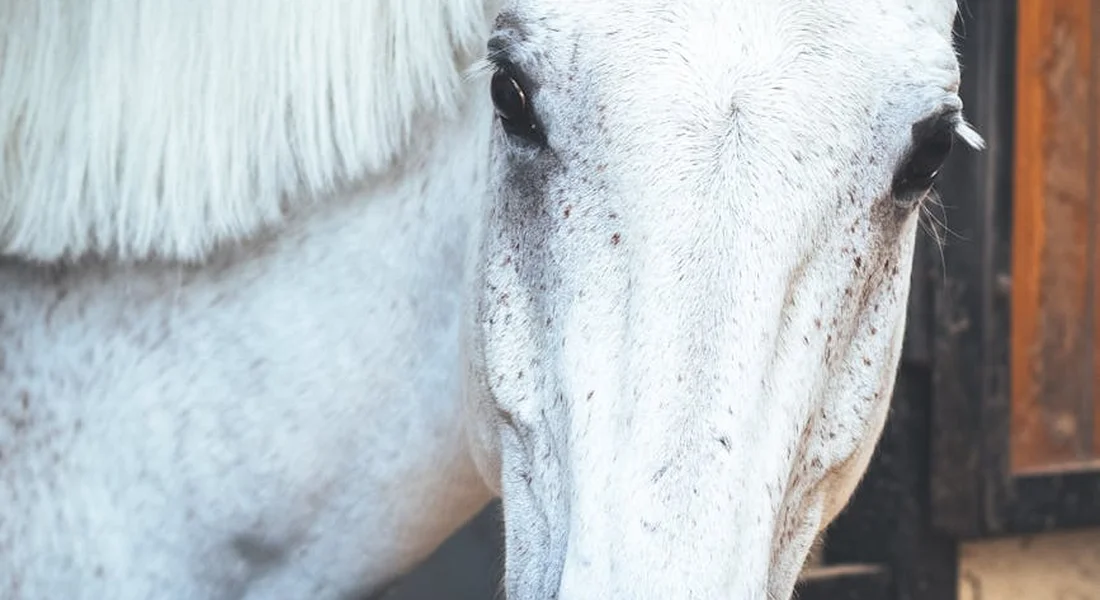
To understand why your horse might spook at a butterfly to the left while walking straight, you need to know about their two visual systems. Binocular vision is their narrow, forward-facing zone where both eyes work together to judge depth, essential for navigating jumps or tight trails. Monocular vision is the wide, independent view each eye has on its side, letting them scan for predators while grazing.
- Binocular vision: Think of it as a focused spotlight right between their eyes, covering about 60-70 degrees. It’s for precision work, like figuring out where to place their feet on rocky ground.
- Monocular vision: This is like having wide-angle lenses on the sides of their head. Each eye sees a separate, nearly 180-degree picture, so they can spot Rusty sneaking up for a treat without turning their head.
Put it all together, and horses have a nearly 360-degree field of view, with only small blind spots directly behind and right in front of their nose. That wide panorama is why your horse can see you approaching from the side even when it looks like he’s staring at the hay net. I’ve watched Luna spot a plastic bag drifting in the wind with her left eye, while her right eye was locked on the mounting block, ready to bolt either way.
Two Eyes, Two Images? Brain Integration Explained
Yes, your horse can literally see two different things at the same time-a bird on the left with one eye and a gate ahead with the other. Their brain doesn’t merge these into one seamless picture like ours does; instead, it processes them as separate streams of information, prioritizing motion and change. This is why a sudden movement in their peripheral vision can trigger a jump before the brain fully identifies it. From a horse anatomy biology perspective, the eye’s structure and neural wiring shape these quick responses.
I use this knowledge every time I handle Pipin. If I approach his blind spot behind his tail, he might kick, but if I come into his monocular vision first, talking softly, he just flicks an ear. Patience here is key: when a horse shies, they’re often reacting to a real visual cue in their side vision that you missed. These observations tie into teaching your horse basic ground manners, which lay the groundwork for calm, respectful handling. Starting with solid ground manners makes handling safer and more predictable. Gentle repetition teaches them to check in with you before overreacting.
Color, Light, and Motion: The Horse’s Visual Palette
Forget the rainbow we see. Horses have dichromatic vision, meaning they see the world in shades of blue and yellow primarily. Reds and greens appear as muddy browns or grays. Understanding how horses perceive colors helps us predict their reactions and choose cues they can actually see. This is why a red traffic cone might look like a vague, shadowy lump to your horse, while a blue one stands out clearly. I learned this painting poles; Luna always hesitated at the rust-colored ones but trotted confidently over the bright yellows.
Their vision excels at detecting motion and seeing in dim light. A structure called the tapetum lucidum-a reflective layer behind the retina-acts like a built-in night vision amplifier, similar to a dog’s eyes. This superior motion detection means your horse will see the barn cat darting through the shadows long before you do, explaining that evening spookiness. It’s not them being naughty; it’s biology.
Here’s how this translates to your daily routine at the barn:
- Choose obstacle colors with care: Use blue or yellow for jumps and trail markers. Avoid reds and greens that might fade into the background for them.
- Respect the dusk and dawn factor: Their enhanced low-light vision makes shadows deeper and movements sharper. Ride with extra softness during these times.
- Introduce new gear gradually: Place a new blanket or saddle pad in their binocular field first, allowing them to inspect it with both eyes to reduce fear.
- Read the head position: A horse lifting its head high is often switching to binocular vision to focus on a distant object. Give them a moment to process before asking for forward movement.
Barn Safety 101: Handling with Vision in Mind
-
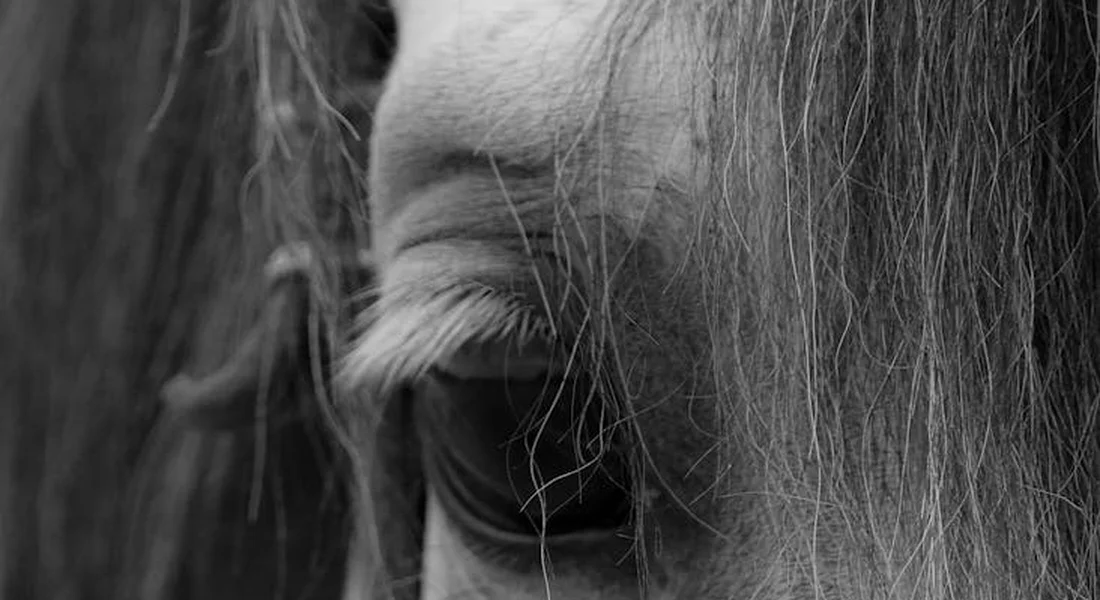
Essential safety rules change when you see the world from between two ears. Follow these to prevent starts and spills.
- Always approach from the shoulder, angling in so they can watch you with one eye. Walking straight into their blind spot is like jumping out from behind a corner.
- Talk softly in a low, consistent tone as you move. Your voice is a beacon that tells them where you are before you’re fully in view.
- Avoid quick gestures in their blind zones, especially directly behind or too close in front of their nose. Sudden motion there is pure surprise.
Routine predictability is the bedrock of barn safety for a animal wired to flee first and ask questions later.
-
I practice this daily with Rusty, my sorrel Quarter Horse. Before I ever touch his face with a brush, I present it to his shoulder for a good sniff. I wait for the soft, warm puff of air on my hand and the subtle drop of his head. That moment of consent makes all the difference between a calm grooming session and a head-shy horse. Many riders find that mindful grooming touch deepens the bond by building trust and clear communication. When done with consent, grooming becomes a shared language between you and your horse.
Leading and Lunging Without Surprises
-
Your position is your communication. Stay where your horse can see you to keep both of you confident.
- When leading, plant yourself by the horse’s shoulder, your body even with theirs. This keeps you in their sightline and out of the kick zone.
- Maintain a gentle drape in the lead rope. Constant pressure blurs their vision focus into anxiety about the pressure itself.
- For lunging, begin with a wide, forgiving circle. A tight circle forces them to constantly adjust to see you, which can feel like being followed. Use clear voice cues they recognize.
Good leadership isn’t about force; it’s about being a visible, reliable landmark in their field of view.
Training with Insight: Patience for the Spooky Horse
-
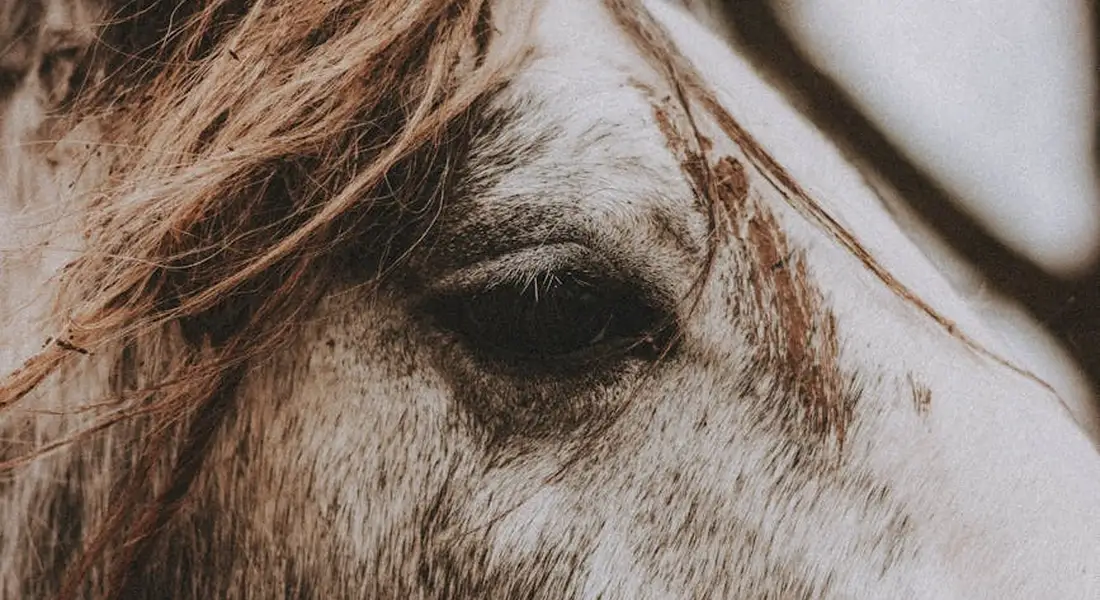
Desensitization isn’t about bombproofing; it’s about building curiosity. When a new tarp or cone appears, let them investigate on their own clock.
- Place the novel object at a distance and just go about your business. Let their natural curiosity draw them in.
- Mark and reward any step toward investigation, even a single glance. A quiet “good” and a treat can reshape their entire reaction.
- Connect the dots: that sudden leap sideways is often a object appearing abruptly in their peripheral vision, not defiance.
What we call ‘spooky’ is often just a horse seeing the world in slices and reacting to a unexpected piece.
-
Simple trust exercises rewire their expectations. Hand-feed treats from the side, near their muzzle but not directly in front. With Luna, my dapple grey Thoroughbred, I rest a carrot slice on my palm at her shoulder level. She chooses to take it, learning my hands are safe without anything invading her frontal blind area. This side-door approach to rewards builds positive association without pressure.
FAQ: Mythbusting Horse Vision
Are horses completely blind directly in front of their noses?
No, horses are not completely blind there, but they do have a blind spot in that area. This blind spot is a cone-shaped space directly in front of their forehead and below their muzzle, extending several feet out. They often use head movements or other senses to detect objects in this zone, so it’s not a total lack of vision.
How do horses compensate for the blind spot in front of them?
Horses naturally compensate by tilting or turning their heads to bring objects into their visual field. They also rely on their directional hearing and sensitive whiskers to gather information about nearby items. Additionally, they may step back or sideways to gain a better view, using their monocular or binocular vision as needed. This naturally leads to a look at how their senses compare with human senses. Do horses perceive the world differently from humans?
Can horses see color?
Yes, horses can see color, but their perception is different from humans. They have dichromatic vision, meaning they primarily distinguish blues and yellows clearly. Reds and greens typically appear as muted browns or grays, which affects how they interpret their surroundings and obstacles. Understanding equine color vision and perception helps explain these differences. It also informs training, safety, and how handlers present cues and obstacles to horses.
Seeing the World Through Their Eyes
Understanding your horse’s unique vision means approaching from the side and using consistent voice cues to navigate their blind spots. The most critical habit you can build is to always gently touch their shoulder or speak before you move directly into their front or rear field of view, turning potential surprises into moments of connection. Talking with your horse and listening to their responses is how you understand them and build better communication. Over time, this ongoing dialogue turns ordinary handling into a mutual language you both trust.
Patience and observation are your best tools for building a safer partnership with your horse. Their comfort and confidence start with you listening to what their eyes and posture are already communicating. That awareness helps you tell if your horse is happy by understanding their body language. With that insight, you can respond more calmly and build trust.
Further Reading & Sources
- Frontiers | Horse vision through two lenses: Tinbergen’s Four Questions and the Five Domains
- Horse vision through two lenses: Tinbergen’s Four Questions and the Five Domains – PMC
- Horse Podcast Ep 191: Horse Vision – Through the Horses Eyes
- TOP 5 HORSE MYTHS DEBUNKED – OklahomaHorses Magazine
At Horse and Hay, we are passionate about providing expert guidance on all aspects of horse care, from nutrition to wellness. Our team of equine specialists and veterinarians offer trusted advice on the best foods, supplements, and practices to keep your horse healthy and thriving. Whether you're a seasoned rider or new to equine care, we provide valuable insights into feeding, grooming, and overall well-being to ensure your horse lives its happiest, healthiest life.
Behavior