
Best Horse Breeds for Eventing: A Practical Guide to Your Perfect Partner
Published on: August 5, 2026 | Last Updated: August 5, 2026
Written By: Henry Wellington
Hello fellow equestrians. That moment of hesitation as you eye a complex combination fence on the cross-country course often starts much earlier, in the simple question of whether your horse’s breed is truly built for the triple threat of dressage, speed, and jumping. I’ve seen the frustration and felt the worry over a mismatch-it’s a real concern that touches everything from safety in the start box to your confidence over every pole.
Let’s put those concerns to rest. In this article, I’ll provide clear, barn-proven insights on:
- The specific physical and mental attributes that create a reliable eventing prospect
- Detailed breed profiles that excel in the dressage arena, across country, and in the show jumping ring
- How to pair a horse’s innate personality with your goals for a happier, more successful team
You’re getting this from someone who has spent years as a barn manager and trainer, balancing the fiery heart of a Thoroughbred like Luna with the steady savvy of a Quarter Horse like Rusty.
What Makes a Great Eventing Horse?
An eventing horse isn’t just a good jumper or a flashy mover. It’s an equine triathlete, needing a specific blend of mind, body, and heart to thrive across three diverse disciplines. You’re looking for a true partner, one whose engine and attitude can handle the long game.
The Core Triathlon Traits
The perfect mental recipe includes bravery, trainability, and a dash of sensible grit. A horse must be confident enough to tackle a spooky ditch on cross-country, yet supple and willing to perform a precise dressage test. They need the stamina for the roads and tracks and the quick-thinking agility for the show jumping finale. The best event horses possess a certain pragmatic intelligence; they’re problem-solvers, not panickers, when faced with a challenging fence or a noisy arena.
I’ve seen brilliant jumpers who lacked the focus for dressage, and lovely movers who were too timid for the cross-country start box. The magic is in the mix. A horse like my Thoroughbred, Luna, has the incredible heart and stamina, but her sensitivity requires a rider with soft, consistent hands to keep her focused in the first phase.
Anatomy and Conformation Clues
Look for a frame built to efficiently absorb impact and propel forward. Key points include:
- A Powerful Engine: A strong, slightly sloping shoulder and well-angled hindquarters provide the scope for jumping and the impulsion for dressage.
- Durable Foundation: Short, strong cannon bones and well-defined tendons mean less strain over tough ground. Good feet are non-negotiable-no hoof, no horse.
- A Balanced Frame: The topline should be strong and the neck set on well, allowing for proper collection. A horse that’s built uphill generally finds carrying a rider in balance easier.
You can often spot an eventing prospect by its “rangy” yet powerful build-it’s the look of an endurance athlete with springs in its legs. Avoid the horse that’s extremely heavy on the forehand or has very upright pasterns; they’ll struggle to stay sound over the punishing terrain.
Top Contenders: Breeds Built for the Three Phases
While talented individuals come from all breeds, certain bloodlines have been selectively shaped for the demands of eventing. Your choice often balances classic stamina against modern power.
The Thoroughbred: The Classic Stamina Machine
The Thoroughbred is the historical backbone of the sport, and for good reason. Bred for galloping and heart, they bring unmatched cardiovascular fitness and innate speed to the cross-country phase. Their lean build and deep girth allow for maximum oxygen intake. The Thoroughbred horse breed carries a legacy of speed and stamina, shaping modern competition. This heritage helps explain its enduring versatility in the sport. A good Thoroughbred will give you everything it has, often long after other breeds have emptied their tanks.
The trade-off can be a more sensitive temperament and a lighter frame. They may require more meticulous conditioning and skillful riding to develop the muscle and calm focus needed for dressage. My Luna is a prime example: her work ethic is incredible, but her training requires patience to channel that energy into precise movements.
The Warmblood Powerhouses
Modern warmbloods are often the sport’s superstars, selectively bred to combine athleticism with a more manageable temperament. They typically offer more natural power and presence in the dressage arena and a powerful, careful jump.
Hanoverian, Dutch Warmblood, and Holsteiner
These breeds are known for their elegant, ground-covering movement and powerful hindquarters. They tend to excel in dressage and show jumping. Their strength can make them feel like they’re jumping “out of a catapult” over solid fences. They often have a calmer mind suited for the precision work, though some lines can be more physically powerful than a rider first expects.
Selle Français, Irish Sport Horse, and Trakehner
This group often brings a sharper dash of Thoroughbred blood, which adds agility and stamina to the warmblood power.
- Selle Français: Known for incredible scope, athleticism, and a sometimes fiery character.
- Irish Sport Horse: A legendary cross, frequently Irish Draught x Thoroughbred. They are revered for their soundness, brave hearts, and pragmatic “can-do” attitude across country. They are the ultimate “doers,” often possessing a cleverness that helps them think their way out of a tricky fence.
- Trakehner: Lighter and often more refined, they offer brilliant movement and grace, sometimes needing careful management for top-level cross-country durability.
Other Noteworthy Athletes
Don’t overlook these talented crosses and breeds. The right individual can be a perfect match.
- Quarter Horse Crosses: A QH crossed with a Thoroughbred can produce a sensible, sturdy partner with a good brain. They might lack the extreme scope for the highest levels, but for many riders, they offer a reliable, trainable mount with a comfortable ride.
- Anglo-Arabians: This blend of Arabian and Thoroughbred yields a tough, intelligent horse with excellent endurance and often surprising agility. They can be quick learners and fiercely loyal partners.
Never underestimate a well-bred cross or a talented “off-breed” horse with the right mind and movement; eventing history is filled with them. The cheeky intelligence of my Shetland, Pipin, reminds me daily that heart and brain often outweigh pure pedigree. When shopping for a horse, breed-specific questions can uncover fit, temperament, and movement.
Considering Temperament and Daily Care Needs
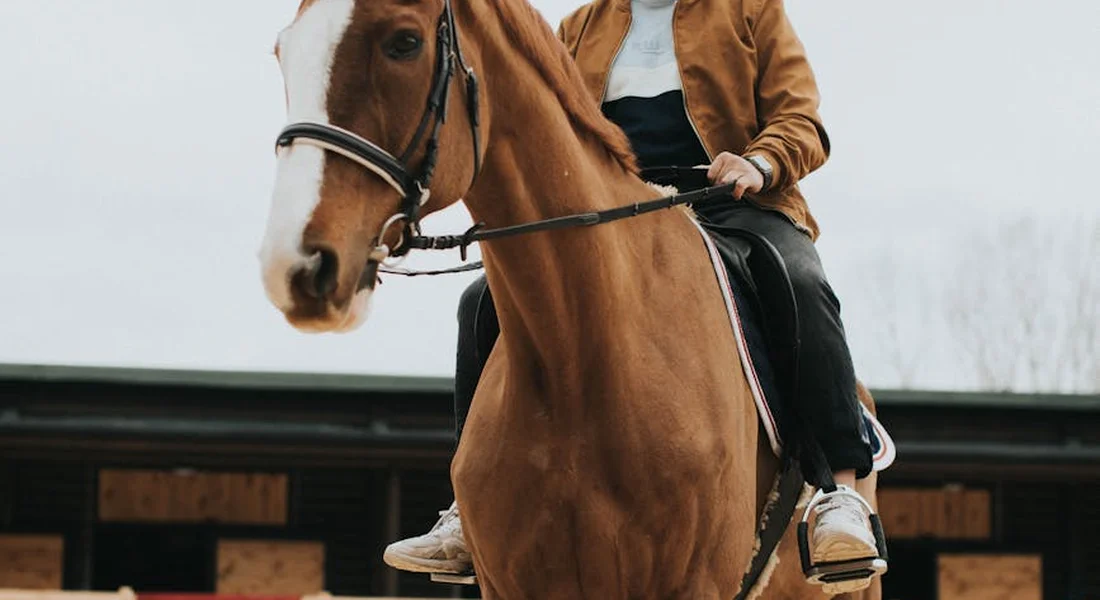
Choosing an eventing partner isn’t just about jump scope or stride length. It’s about finding a heartbeat that syncs with your daily life at the barn. I’ve spent years matching horses to riders, and the most successful pairs always consider the 24/7 care behind the 10-minute test.
Matching Energy Levels to Your Routine
My Thoroughbred, Luna, can power a small village before breakfast. My old reliable, Rusty the Quarter Horse, conserves energy like a savvy retiree. Their daily care plans are worlds apart. Your horse’s natural engine dictates your entire chore routine, from feed times to paddock size.
High-energy breeds like Thoroughbreds or some Warmbloods need more than just physical exercise. They require mental drainage to prevent stall vices and anxiety. Exercise and activity requirements vary among different breeds, making it essential to tailor their care accordingly.
- Prioritize maximum turnout. A spacious, rolling pasture is cheaper than therapy and better for their joints.
- Split their grain into three or four smaller meals to mimic natural foraging and steady their blood sugar.
- Incorporate low-impact “thinking” work on off days, like hill walking or groundwork in the arena.
For the steadier mounts, the focus shifts. A calmer temperament often means a more efficient metabolism, so you must watch their weight like a hawk to avoid cresty necks and founder. Rusty lives on measured hay and a bare paddock, while Luna gets free-choice hay to keep her busy.
Keeping Your Athlete Sound and Happy
Soundness is built in the quiet hours between rides. It’s in the consistency of their routine and the quality of their downtime. I learned this after Pipin the Shetland taught me about fence-checking the hard way-twice. Preventative care is your best defense against the vet bill boogeyman.
Your eventer’s legs are their fortune. Here’s how to protect that investment every single day.
- Make post-workout cool-downs non-negotiable. A proper walk until their breathing settles and their coat is dry is the simplest form of insurance.
- Invest in quality hoof care. A balanced trim every 5-6 weeks is more critical than any fancy supplement. I’ve seen more lameness from long toes than from tendon strains.
- Become a bedding connoisseur. Deep, supportive stall bedding isn’t a luxury; it’s essential for preventing hock sores and allowing proper rest.
Never underestimate the healing power of simply being a horse. Ample turnout on good footing is the ultimate recipe for a physically resilient and mentally content athlete. It promotes circulation, reduces stiffness, and lets them just be-grazing, rolling, and watching the world go by. However, it’s essential to strike a balance between exercise and turnout; a good horse is not just a tired horse.
Finding Your Match: Breeds for Different Rider Levels
The dream of eventing shouldn’t start with a battle of wills at the mounting block. Your experience level should guide your breed choice, ensuring your first forays into the sport are built on confidence, not crisis management.
Best Eventing Horse Breeds for Beginners
For your first eventer, you want a teacher, not a tornado. Look for a breed known for a forgiving mind and a sturdy body that can handle a few imperfect distances. A beginner’s horse must have the patience to tolerate rider error and the constitution to thrive on straightforward care.
These types often make the best introductory partners.
- Irish Sport Horse Crosses: Often blessed with the sense of an Irish Draught and the athleticism of a Thoroughbred. They tend to be sensible, brave, and maintain soundness on less intensive feeding programs.
- Quarter Horse or Draft Crosses: Think of a more muscular version of Rusty. They bring bone density, calm nerves, and generally easy-keeping metabolisms to the table, perfect for learning the ropes.
- Older Thoroughbreds (Off-the-Track): Not all are like Luna. A seasoned, lightly-raced TB who has been re-schooled can be a gem. They know a job, but you must commit to their higher need for tailored nutrition and mindful leg care.
Stepping Up the Levels
When you’re aiming for Prelim or beyond, the criteria shifts. You need a horse with greater innate scope, quicker reflexes, and the mental fortitude for pressure. With this increased capability comes a need for more nuanced, almost surgical, daily management.
These athletes are fine-tuned instruments. Their care requires a sharper eye.
- Purebred Thoroughbreds: The classic choice for speed and heart. Their care hinges on managing their high-strung nature and leaner build. Expect to feed premium calories, provide constant turnout, and become an expert in monitoring for subtle signs of stress or strain.
- European Warmbloods (Dutch, Hanoverian): Bred for power and elasticity. Their larger frames demand meticulous attention to joint health through supplements like glucosamine and tailored warm-up routines. Their skin can be more sensitive, requiring careful grooming and tack fitting.
- Anglo-Arabians: A brilliant blend of endurance and agility. They often have energetic but clever personalities. Their care involves balancing substantial fuel for stamina with activities that engage their intelligent minds to prevent boredom.
Remember, the horse at the top levels lives a highly managed life. Your daily routine must evolve from general maintenance to proactive performance support, always anchored by that non-negotiable freedom of turnout.
Beyond the Breed: Evaluating an Individual Horse
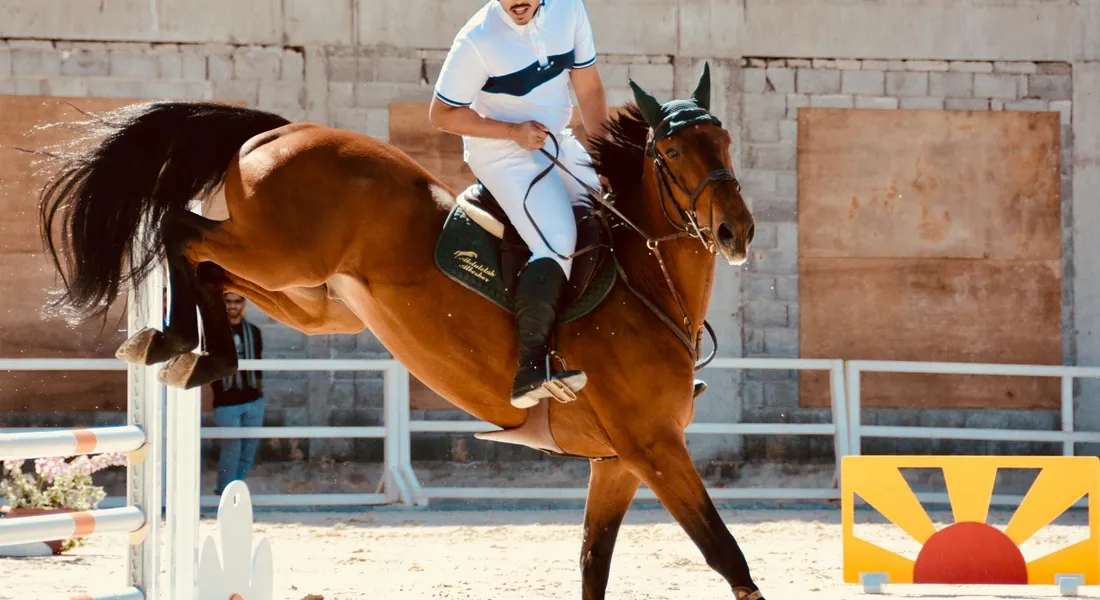
Finding the right eventer is like matchmaking; the breed gives you a good starting point, but the individual horse tells the real story. I’ve seen flashy pedigrees fizzle in the start box and modest backgrounds blossom into confident partners. Your job is to look beyond the paper.
The Pre-Purchase Checklist
Before you fall in love with a kind eye, get practical. A systematic look saves heartache later. Always start with a professional pre-purchase exam by a vet experienced with sport horses-this is non-negotiable for an athlete facing the rigors of cross-country. But your eyes and instincts are just as critical during the trial.
- Movement and Mechanics: Watch them move on a hard surface and in a soft arena. Look for fluid, even strides in all three gaits. A short, choppy trot might struggle in dressage, while a horse that drags its toes could be a tripping hazard on course.
- Soundness and Structure: Run your hands down every leg, feeling for heat, swelling, or old bumps. Check hoof balance and shoeing. I remember a lovely gelding who passed his vet check but had one foot slightly more upright than the other, a clue to future strain.
- Baseline Manners: Can you pick up all four feet easily? Does he stand quietly for grooming and tacking? A horse that fights the cross-ties in a quiet barnyard will not find patience at a hectic event.
- Test the Brain: Introduce novel objects. Drop a plastic bag near him, rattle a fence. You want curiosity, not blind panic. The best eventers have a “see it, deal with it” mentality.
Temperament Over Pedigree Every Time
A fancy pedigree might impress your friends, but a willing temperament will get you home safely from a tricky cross-country course. I’ll take a horse with a good head over perfect papers any day. The heart and mind of the horse are what you’ll rely on when the dressage test goes sideways or the rain makes the jumps look bigger.
My Thoroughbred, Luna, taught me this. She’s bred to run, but her sensitive nature meant our early events were about building trust, not chasing ribbons. Her pedigree said “racehorse,” but her temperament needed a partner, not a pilot. Conversely, I’ve schooled horses with unremarkable breeding who approached new fences with a steady, pragmatic confidence that you can’t breed for. Look for a partner who wants to try, not one you have to convince.
Caring for Your Eventing Prospect

Once you’ve found your partner, their care becomes your blueprint for success. Eventing is a marathon, not a sprint, and their management must reflect that. Think of it as building a resilient athlete from the ground up.
Training and Fitness Foundation
Fitness for eventing is built in layers, like stacking hay bales. You start with a base and add carefully. A strong cardiovascular foundation from steady hill work and trot sets protects tendons and ligaments when you later add jumping and speed. Rushing this stage is how injuries happen.
- Build the Engine: Weeks of long, slow distance work-think 45 minutes of walking and trotting over varied terrain. This conditions the heart and lungs without pounding joints.
- Add Strength: Incorporate gymnastics over poles and small grids. This isn’t about height; it’s about teaching the horse to use its body, engage its core, and snap its legs up neatly.
- Practice the Pieces Separately: School dressage on Tuesday, jumping gymnastics on Thursday, and go for a hack in the fields on Saturday. Keep the brain fresh and the body guessing.
Daily Management for Peak Performance
Peak performance is forged in the daily routine, not just the training session. The smell of clean bedding and the sound of contented chewing are the background music of a healthy horse. Maximum turnout is your best tool for physical health and mental sanity-a stiff, stalled horse is an injury waiting to happen. Especially when you recognize signs your horse is overworked or needs more exercise.
Their diet should be simple and forage-based. I skip the high-energy grains for most unless they’re a hard keeper in heavy work; good grass hay and a balancer often do the trick. Watch their water intake like a hawk, especially after hard work. Check legs every single day for any hint of filling or heat, catching issues before they become problems. Finally, prioritize hoof care with a consistent schedule; the thud of a healthy hoof on solid ground is the sound of reliability.
FAQ: Best Horse Breeds for Eventing Competitions
How do I find a reputable breeder for an eventing prospect?
Start by contacting breed associations like the American Hanoverian Society or eventing organizations for trusted breeder lists. Attend local events and ask trainers for referrals to breeders with a history of producing sound, capable horses. Always schedule farm visits to evaluate the breeder’s practices and observe the horses’ living conditions and temperaments firsthand. Your veterinarian can also refer you to reputable breeders or rescue programs that place well‑adjusted, healthy horses. If you’re open to alternatives, vetted rescues can be a humane, reliable option worth considering.
What are the key temperament qualities to look for in an eventing horse?
A successful eventing horse must be brave enough to handle cross-country obstacles yet calm and focused for precise dressage work. They should exhibit high trainability and a willing attitude, paired with sensible grit to manage competition pressure without panicking. Ultimately, seek a partner with a pragmatic, problem-solving mind that fosters safety and confidence across all three phases.
Which horse breeds are most suitable for riders new to eventing?
Beginner-friendly breeds often include Irish Sport Horse crosses, known for their sensible nature and durability in learning environments. Quarter Horse or draft crosses are also excellent, offering calm temperaments, sturdy builds, and low-maintenance care that suits novice routines. Re-schooled Thoroughbreds can be an option, but they require more experienced handling and tailored management to thrive.
Finding Your Eventing Partner
Select a horse whose mind and conformation suit your current skill level, then build a daily care routine that supports the intense physical demands of the sport. The right breed gets you in the door, but your consistent management of fitness, nutrition, and recovery is what keeps an eventing horse sound and eager for the job.
Progress takes time, so celebrate the small victories in your training and your horse’s care. Your ultimate advantage isn’t just the breed written on the papers; it’s the partnership you build by listening to what your horse tells you every single day.
Further Reading & Sources
- Eventing: The Ultimate Guide
- 20 of the Best Horse Breeds for Competitive Riders (by Discipline) – Farm House Tack
- Popular Olympic Eventing Horse Breeds – The Equinest
- What’s the best breed for eventing? | The Horse Forum
At Horse and Hay, we are passionate about providing expert guidance on all aspects of horse care, from nutrition to wellness. Our team of equine specialists and veterinarians offer trusted advice on the best foods, supplements, and practices to keep your horse healthy and thriving. Whether you're a seasoned rider or new to equine care, we provide valuable insights into feeding, grooming, and overall well-being to ensure your horse lives its happiest, healthiest life.
Choosing the Right Breed