
Average Horse Height and Weight by Breed: Your Practical Guide to Equine Health
Published on: August 30, 2026 | Last Updated: August 30, 2026
Written By: Henry Wellington
Hello fellow equestrians. Staring at your horse and wondering if they’re too lean or too heavy is a nagging concern that hits every responsible owner. That uncertainty can spiral into feed issues, saddle fit problems, and preventable vet visits, which is why getting a clear picture matters so much.
This article will cut through the confusion by focusing on:
- Why knowing breed-specific ranges is better for your horse than a generic weight chart
- How to get reliable height and weight measurements using simple barn-side methods
- Translating those numbers into real-world decisions about feed, tack, and turnout
My years in the barn managing everything from sturdy quarter horses to finicky thoroughbreds have taught me that these fundamentals are the bedrock of gentle, effective horsemanship.
Making Sense of Hands and Pounds: Equine Size Basics
Knowing your horse’s true size is more than barn bragging rights. It tells you how much dewormer to pour, what blanket size to buy, and if that saddle will actually fit. I learned this the hard way with Luna; her dapple grey elegance hid a deceptively narrow build that standard tack pinched. A quick horse size height calculator can help you find your perfect match. It’s a handy way to translate measurements into gear that truly fits. Accurate measurements prevent discomfort and keep your horse healthy, from feed bin to farrier visit.
How to Measure Height in Hands Properly
Forget guessing at the stall door. A “hand” is four inches, measured from the ground to the highest point of the withers. You need a level surface, a proper measuring stick, and a calm horse. I always bribe Pipin with a carrot to stand square for his annual measurement.
Follow these steps for a true reading:
- Position your horse on firm, level ground, like a concrete aisle or packed dirt.
- Ask them to stand square, weight evenly on all four feet. A helper with a treat works wonders.
- Place the measuring stick perpendicular to the ground, touching the withers. The stick should not tilt.
- Read the measurement in hands and inches. For example, 60 inches is 15 hands (60 divided by 4).
A crooked stance or soft footing can add imaginary inches, leading to a misfitted saddle and a sore-backed partner. The creak of a measuring stick and the smell of dusty hair are my annual rituals for Rusty and Luna.
Estimating Weight Without a Scale
Most stables don’t have a livestock scale. I use a weight tape and my eyes every week to track condition. Run a soft tape measure around the heart girth, just behind the elbow and withers. The number in pounds is an estimate, but it’s close enough for calculating feed and medication.
Combine the tape with a body condition score for a full picture. Look for these signs:
- Ribs that are easy to feel but not see indicate ideal weight.
- A slight crest on the neck or spongy fat over the ribs means cut back on grain.
- Prominent ribs or a sunken top line call for more calories from hay.
Regular weight checks catch slow changes your eyes might miss, letting you adjust diet before a health issue gallops in. I keep a chart for each horse’s body condition score, noting changes with the seasons and workload.
Breed-Specific Size Ranges: From Light Ponies to Heavy Drafts
Breed standards give you a ballpark, but individual horses vary wildly. My reliable Rusty, a Quarter Horse, is stockier than most, while Luna the Thoroughbred is all leggy refinement. These differences illustrate how a breed is defined. Treat these averages as a starting point, then measure your own animal.
Quarter Horse and Arabian: Popular Light Horse Averages
These breeds form the backbone of many stables. Quarter Horses, like my Rusty, are compact powerhouses. Arabians are finer-boned endurance athletes.
| Breed | Average Height (Hands) | Average Weight (Pounds) |
|---|---|---|
| Quarter Horse | 14.3 – 16 | 950 – 1,200 |
| Arabian | 14.1 – 15.1 | 800 – 1,000 |
That weight range is why you must measure: a 1,200-pound Quarter Horse needs significantly more hay than a 900-pound one. Arabians often need tailored nutrition to maintain weight on their lean frames.
Thoroughbred and Appaloosa: Height and Weight Profiles
Thoroughbreds, like my sensitive Luna, are built for speed. The thoroughbred horse breed is famed for racing roots and selective breeding for speed. Appaloosas are sturdy, known for their hardiness and spotted coats.
| Breed | Average Height (Hands) | Average Weight (Pounds) |
|---|---|---|
| Thoroughbred | 15.2 – 17 | 900 – 1,100 |
| Appaloosa | 14.2 – 16 | 950 – 1,150 |
Luna sits at 16.1 hands but weighs only 1,050 pounds-she’s a light load for her height. Thoroughbreds can be tricky to keep weight on, requiring constant access to good forage and gentle digestion support. Appaloosas tend to be easy keepers, so watch their grain intake.
Draft Horse Dimensions: Understanding the Giants
Draft horses are in a different league. Their sheer mass requires specialized tack, extra-wide stalls, and careful footing management. Draft horses differ from other types in their strength and size, which demands unique care and handling.
- Common Draft Breeds: Belgian, Percheron, Clydesdale.
- Average Height: 16 to 18 hands, often taller.
- Average Weight: 1,500 to 2,200 pounds.
Working with drafts taught me to listen for the deep thud of their hooves-it signals ground that needs more bedding for joint comfort. Their size demands proactive hoof care and joint support to prevent strain from simply carrying their own weight. They are gentle giants, but every aspect of their care scales up.
Why Size Directly Impacts Your Daily Care Routine
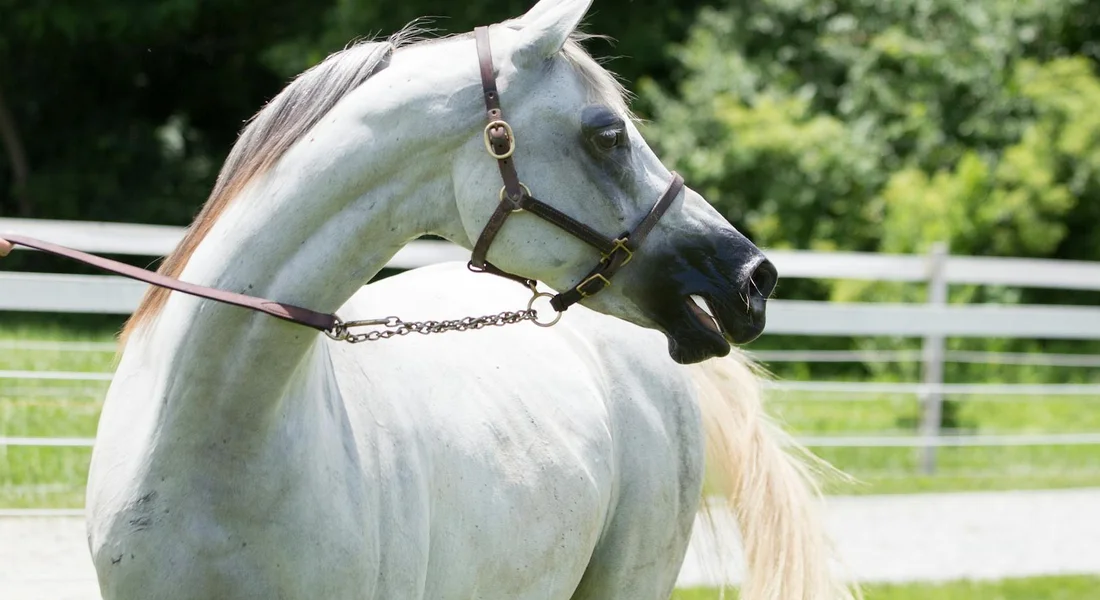
You don’t just ride a number; you partner with a living, breathing animal whose dimensions dictate every chore, from mucking out to medicating. Ignoring a horse’s true size is like trying to wear someone else’s boots-you might manage, but the blisters and frustration are inevitable. I learned this early on when I tried to blanket a growing colt with a standard-sized rug; the resulting shoulder rub was a silent, costly lesson in measurement and sizing.
Calculating Feed and Forage by Weight
Feeding by the scoop is a sure path to a pudgy pony or a lean thoroughbred. Your hay scale and weight tape are your best friends here. Always base your calculations on a horse’s current weight, not their ideal or breed average, as metabolisms vary wildly. My gelding Rusty, a solid Quarter Horse, maintains his condition on 1.8% of his body weight in forage, while the sleek Luna needs careful monitoring to keep her weight up.
Use this simple checklist to adjust feeding:
- Weigh your hay with a hanging scale; flake size is notoriously inconsistent.
- For concentrates, measure by pounds, not quarts, using a kitchen scale.
- Monitor body condition score every two weeks, feeling for ribs rather than just looking.
- Adjust for workload and turnout time; a horse on 24/7 pasture often needs less hay.
Tack Fitting Fundamentals: Bridles, Bits, and Saddles
A bit that’s a quarter-inch too wide or a noseband that’s one hole too tight can turn a willing horse into a resistant one. The creak of leather should signal comfort, not constriction, starting with the space around the poll and cheekbones. I’ve spent hours adjusting bridles for Luna’s refined Thoroughbred head versus Rusty’s broader profile-the difference in browband length is more than you’d think.
Fit issues to spot immediately:
- Bridle: You should fit two fingers between the throatlatch and jaw, and the bit should just wrinkle the lips.
- Bit: The width should allow no more than a 1/4-inch slide on either side; a too-narrow bit pinches.
- Saddle: The tree width must match the wither shape, not just the back length. A saddle that bridges or rocks causes soreness.
Blanket Sizing Based on Breed and Back Length
Blanket tags lie. A “78-inch” rug can fit three different breeds in three different ways. Measure from the center of the chest to the point of the buttock, and always account for a horse’s unique silhouette-a stocky draft needs more front coverage than a rangy warmblood. For Pipin, our Shetland, we buy pony-specific covers; a dog blanket is closer to his size than a horse sheet.
Space and Shelter Needs for Different Sized Horses
Think of your stall as a horse’s bedroom; a Shetland pony in a 12×12 feels like a palace, but a 17-hand draft in the same space can’t turn around comfortably. Ample space prevents stiffness and reduces the risk of cast injuries, especially for larger, less agile bodies. Our barn rule is simple: if a horse can’t lie down and stretch out fully without touching walls, the stall is too small.
Minimum space recommendations for wellbeing:
- Ponies (Under 14.2 hands): 10×10 foot stall, 1/2 acre paddock.
- Light Horses (14.2 to 16 hands): 12×12 foot stall, 1 acre pasture per horse.
- Drafts and Warmbloods (Over 16 hands): 14×14 foot stall, 1.5 acres of turnout.
Safe Fencing and Handling for Powerful Drafts
Handling a draft horse isn’t just about strength; it’s about physics and respect for their immense power. Your fencing must be both visible and physically substantial-a leaning Percheron can test the tensile strength of a rail in ways a Thoroughbred never will. I always use double-latched gates and avoid quick-release knots in areas drafts frequent; their playful head rub can undo what a smaller horse couldn’t.
Essential safety protocols for large breeds:
- Fencing: Use sturdy post-and-rail or closely spaced mesh wire, at least 5 feet high. Electric tape alone is a temporary deterrent.
- Handling: Stand at the shoulder, not directly in front, to guide rather than block their movement.
- Groundwork: Reinforce manners at the hitching post; a draft that pulls back has the weight to take the whole barn with them.
Using Size as a Health Indicator, Not Just a Number
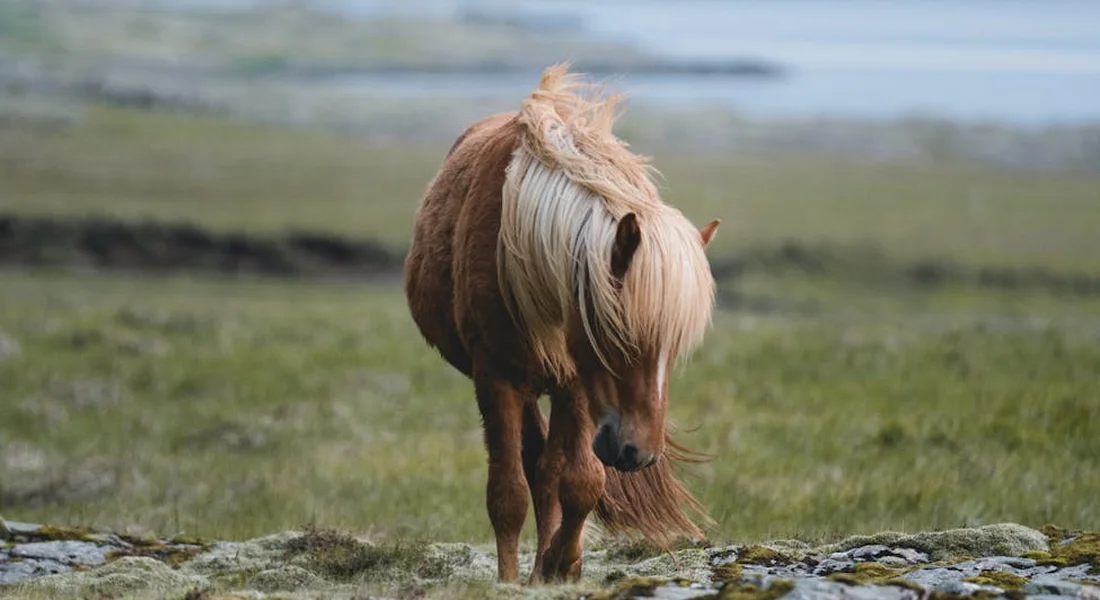
Staring at a height chart or a number on a scale only gives you half the story. Your horse’s dimensions are a living, breathing report card on their overall well-being, and learning to read it is your superpower as an owner. I’ve spent more mornings than I can count with a weight tape in one hand and a curry comb in the other, using simple measurements to catch tiny problems before they became big ones.
Your Hands and Eyes Are the Best Tools
While breed averages are a helpful starting point, your daily observations are what truly matter. A “normal” weight for a 15-hand Quarter Horse can look terribly wrong if it’s all belly and no top line, a sure sign of metabolic trouble. Knowing the average weight for a Quarter Horse provides a useful baseline, even as you monitor day-to-day condition. Individual horses vary, so use the average weight as a guide, not a rule. I learned this with Luna; her racehorse build meant she could look sleek but still be under-muscled, requiring a focus on protein, not just pounds.
Run your hands over your horse’s body weekly. You should feel a subtle padding over the ribs, not sharp bones, but still be able to find them with gentle pressure. The dip behind the shoulder, the roundness of the hindquarters, and the firmness along the neck all tell a tale of nutrition and workload. The thud of hooves on hard ground sounds different when a horse is carrying fit muscle versus excess fat.
Simple Steps for a Health Check at Home
You don’t need fancy equipment. Here’s my barn routine:
- Use a weight tape around the heart girth every two weeks. Record the number in a barn log or your phone notes to track trends.
- Perform a hands-on body condition score. Feel for fat cover at the ribs, tailhead, withers, and neck.
- Stand back and look. Does your horse have a smooth, flowing shape from nose to tail, or are there unexpected dips and bulges?
- Monitor their silhouette against the sky at turnout. The shape of a healthy back, from poll to croup, becomes a familiar, comforting line.
When the Numbers Start to Shift
Sudden changes are a flashing light. Unexpected weight loss, even if the horse falls within “average” for its breed, is one of the first and clearest signs that something is off, from dental issues to parasite load. Rusty once dropped 50 pounds in a month despite eating normally; it turned out to be a subtle abscess brewing. Because we tracked his size, we caught it early.
Conversely, slow, creeping weight gain can be just as insidious. That extra inch on the weight tape might mean you need to adjust hay quality or increase movement, not just cut grain. This is where advocating for maximum turnout time is non-negotiable. Constant, gentle movement on good pasture is nature’s best regulator for weight and digestion.
Beyond Feed: The Role of Gentle Horsemanship
Mental state directly impacts physical size. A stressed horse burns calories needlessly. Creating a low-stress environment with predictable routines and kind handling encourages a healthy metabolism and a body that can truly thrive. Pipin, our clever pony, teaches us that even a easy keeper needs mental engagement to stay fit; his size is managed through puzzle feeders and play, not just diet restriction.
Remember, the goal is a horse that is fit for its job and life. A resilient, comfortable horse isn’t defined by the ruler or the scale, but by the bright eye, the willing stride, and the overall picture of contentment they present every single day.
FAQ: Average Horse Height and Weight by Breed
How do I convert my horse’s height from hands to feet and inches?
One hand equals four inches. To convert, multiply the hand measurement by 4 to get the total height in inches. For example, a 15-hand horse is 60 inches tall, which is equivalent to 5 feet.
Is a horse’s height measured differently when it is not standing square?
Yes, an incorrect stance will give a false measurement. A horse must stand square on level ground for an accurate reading. The official height is always taken at the highest point of the withers, not the head or rump.
Can I estimate a horse’s healthy weight just by knowing its height?
No, weight is not determined by height alone, as build and breed dramatically affect it. A 16-hand draft horse will weigh far more than a 16-hand Thoroughbred. You must use a weight tape and body condition scoring to assess an individual horse’s healthy weight range.
Your Horse’s True Measure
Breed charts offer a helpful starting point, but your daily decisions must be rooted in your own horse’s specific height and weight. Consistently using a weight tape and a height stick yourself is the only reliable way to manage feed, tack, and health effectively. A weight-management diet tailored to your horse’s needs will help you stay on track. Regularly checking weight lets you adjust feed and exercise as required.
Take your time with these measurements-accuracy thrives on a calm, safe approach for both of you. The best data always comes from listening to your horse and observing their unique build and bearing.
Further Reading & Sources
- Common Horse Breeds Heights and Weights Chart
- A Look at Different Horse Heights – Horse Illustrated
- How Tall Are Horses? Understanding Equine Measurements and Breed Heights
- Horse Height & Weight: A Guide
At Horse and Hay, we are passionate about providing expert guidance on all aspects of horse care, from nutrition to wellness. Our team of equine specialists and veterinarians offer trusted advice on the best foods, supplements, and practices to keep your horse healthy and thriving. Whether you're a seasoned rider or new to equine care, we provide valuable insights into feeding, grooming, and overall well-being to ensure your horse lives its happiest, healthiest life.
Choosing the Right Breed