
What is a Thoroughbred Horse Breed? Managing Their Spirit for a Successful Partnership
Published on: August 26, 2026 | Last Updated: August 26, 2026
Written By: Henry Wellington
Hello fellow equestrians, have you ever admired a Thoroughbred’s athleticism but felt a knot in your stomach about their reputation for being high-strung or accident-prone? You’re right to pay attention-those concerns about spookiness, thin skin, and high maintenance are common in the barn aisle.
Getting to know the breed beyond the stereotypes is your key to confidence. We’ll walk through the specifics that make them unique and how to work with, not against, their nature:
- the historic roots in selective breeding for speed and how it defines their modern mindset
- their precise physical blueprint: from a deep girth for stamina to fine bones that demand vigilant care
- decoding the sensitive temperament and building trust with soft hands and clear communication
- thriving second careers after racing, proving their versatility in many equestrian disciplines
- non-negotiable care routines centered on ample turnout, proper nutrition, and gentle horsemanship
My years in the saddle and managing barns have been shaped by horses like my own dapple grey Luna, teaching me that a Thoroughbred’s heart is won through patience and understanding.
The Thoroughbred Unveiled: Breed Snapshot and Key Traits
Defining the Racing Horse: Core Attributes and Uses
Include a bullet list of key facts: origin as English Thoroughbred, primary use in turf racing, traits like speed and endurance.
When you hear the thud of hooves on the track, that’s the Thoroughbred’s signature sound. This breed was crafted in England for the singular pursuit of speed, transforming from desert stock into the world’s premier racing athlete. Their entire being-from mind to muscle-is fine-tuned for performance.
- Origin: Known formally as the English Thoroughbred, the breed emerged in the 17th and 18th centuries from a selective blend of imported stallions and local mares.
- Primary Use: They dominate flat turf racing globally, but their versatility shines in eventing, show jumping, and even as trusted trail partners after retirement.
- Key Traits: They are defined by explosive acceleration, profound stamina, and a keen intelligence that demands a thoughtful rider.
Physical Quick Facts: Colors, Height, and Build
List common colors such as bay, chestnut, and gray; describe the athletic, refined conformation with long legs and lean build.
A Thoroughbred’s physique is pure function. Their lean, angular build is designed for aerodynamic efficiency, with every line suggesting motion even at a standstill. I remember grooming Luna, my dapple grey, and admiring how her coat highlighted every rippling muscle.
- Common Colors: You’ll see plenty of bay, chestnut, and gray. Black and brown are less frequent, while roan or pintos are not recognized for registry.
- Height: They typically range from 15.2 to 17 hands, standing tall on long, clean legs that seem to go on forever.
- Build: Look for a deep heart-girth, a sloped shoulder for stride length, powerful hindquarters for drive, and a refined head with expressive eyes. They are light-boned but incredibly strong.
Roots and Registry: A History Shaped by Bloodlines
From Desert Ancestors to Modern Champions
Trace the Arabian ancestry and foundation sires; mention the development of standardized racing temperament.
The breed’s fire was lit by desert horses. Three foundation sires-the Darley Arabian, Godolphin Arabian, and Byerly Turk-imported in the 1600s and 1700s, provided the genetic spark of speed and spirit. Breeders crossed them with English mares to add substance and create a consistent type.
Working with off-track Thoroughbreds has taught me that their “hot” temperament is often misunderstood. That high-strung sensitivity is really a deep capacity for focus, channeled through patience and soft hands. It’s a standardized trait bred for centuries to create a horse that wants to win.
The Role of the Jockey Club and Stud Book
Explain the breed registry system, lineage tracking, and its importance for sire and dam records.
Imagine a birth certificate that traces your lineage back 300 years. The Jockey Club in each country maintains the Stud Book, a closed registry that documents every foal’s parentage back to those original foundation sires. This system is the bedrock of the breed’s identity.
- Breed Registry System: For a horse to be a registered Thoroughbred, both its sire and dam must already be in the Stud Book. This closed book ensures genetic purity.
- Lineage Tracking: Every mating, birth, and race result is recorded. This creates a detailed map of bloodlines, showing which sires and dams produce champions.
- Importance for Records: This isn’t just about pedigree snobbery. It allows for informed breeding decisions, helps track genetic health trends, and protects the integrity of the breed for future generations.
Built for Speed: Conformation and Temperament Insights
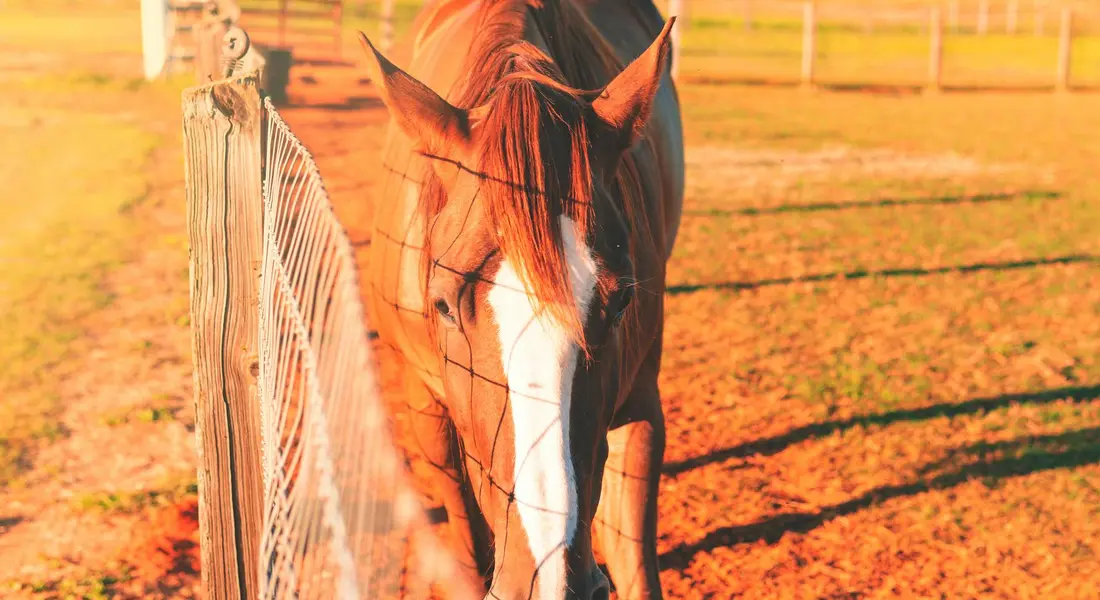
Anatomy of an Athlete: Conformation Details
Describe how refined conformation affects care; discuss common leg and hoof considerations for horse health.
That leggy, elegant frame isn’t just for show. A Thoroughbred’s conformation is a blueprint for speed, but it demands a tailored care plan. Their long, slender legs and relatively light bone structure mean they carry more stress per square inch. I’ve spent countless hours with my grey mare, Luna, tracing the lines of her tendons, feeling for the faintest hint of heat or swelling after a ride. That deep chest allows for immense lung capacity, but it also means they can be prone to tying-up if their electrolyte balance is off. It’s essential to monitor these common horse health issues related to their anatomy carefully.
Their care must be as refined as their build, with a sharp eye always on their foundation-the legs and hooves. You learn to listen to the subtle sounds: the clean thud of a healthy hoof on soft ground versus the hesitant tap that might signal soreness.
Common leg and hoof considerations include:
- Thin Hoof Walls: Many Thoroughbreds have thin, sensitive soles. This isn’t a flaw, but it requires proactive care. Regular, skilled farrier work every 5-6 weeks is non-negotiable. I’ve found using a hoof sealant in dry weather and ensuring a clean, dry stall prevents brittleness.
- Straight Pasterns: This design transfers concussion directly up the leg. Combine this with high-energy movement, and you have a recipe for tendon and ligament strain. Excellent footing-not too deep, not too hard-is your first line of defense against soft tissue injuries.
- Fine Skin and Minimal Fat: They feel every fly, every uneven blanket seam. You’ll become an expert in fitting smooth, seamless tack and using lightweight, breathable sheets. Luna taught me that a poorly adjusted girth can cause a week of sullenness.
Understanding the Thoroughbred Mind
Detail the high-energy, sensitive temperament; offer tips for gentle handling and patience-based training.
Think of a Thoroughbred’s mind as a highly calibrated sensor. They feel everything-your tension, a shift in the wind, a bucket out of place. This sensitivity makes them brilliant partners and occasionally baffling puzzles. Luna can sense my mood before I’ve even clipped on her lead rope. This isn’t stubbornness; it’s a constant, live feedback system.
Working with this temperament is about channeling their energy, not suppressing it. Force creates fear, and fear shuts down learning. Your goal is to become a steady, predictable source of calm.
Tips for gentle handling and patience-based training:
- Routine is Your Ally: Feed, turn out, and work at consistent times. This predictability helps settle a racing mind. The barn rhythm soothes them.
- Use a Whisper, Not a Shout: Your aids should be subtle. A light leg pressure, a soft closing of the fingers. If they don’t respond, check your communication before increasing force. Often, they did feel it-they just need a moment to process.
- Turnout is Non-Negotiable Therapy: Stall confinement amplifies every nervous thought. Daily turnout in a safe pasture allows them to mentally decompress and be a horse. I structure my barn day around turnout time; it’s as critical as feeding.
- End on a Good Note: Finish every session, even a short grooming, with something positive. A scratch on the withers, a quiet word. This builds trust incrementally.
Caring for Your Athlete: Daily Management and Health
Diet and Nutrition for Peak Performance
Provide step-by-step feeding guidelines emphasizing quality forage, grains, and hydration; list specific feed types.
Feeding a Thoroughbred is about fueling a furnace without causing a meltdown. They often have a higher metabolism but can be picky or prone to digestive upset. The foundation is always forage.
Start with the stomach and work backwards: the horse’s digestive health dictates everything else. Follow these steps to ensure your horse is in optimal condition, including understanding how a horse’s digestive system works.
- Weigh Your Hay: Don’t eyeball it. A 1,200-pound horse needs 18-24 pounds of hay daily. Use a scale. I keep a hanging scale in my feed room-it changed everything.
- Soak If Necessary: For dusty hay or easy chewers, a quick soak reduces respiratory irritants and slows consumption. It’s a simple hack for better gut health.
- Add Grain Only If Needed: Many pleasure Thoroughbreds don’t need concentrated grain. If you do add it for weight or energy, choose low-starch, high-fat options. Split into multiple small meals, never more than 4 pounds at once.
- Water is the First Nutrient: Check buckets twice daily. In winter, use heated buckets. A dehydrated horse is a colic risk waiting to happen.
Specific feed types I rely on:
- Forage: Timothy hay, Orchard grass, or a mixed grass hay. Alfalfa can be used sparingly as a supplement for extra calories and protein.
- Concentrates: Beet pulp shreds (soaked!), rice bran, or a commercial feed designed for “easy keepers” or “metabolic support.”
- Supplements: A plain salt block, and maybe an electrolyte in summer sweat. I avoid the kitchen-sink approach; more isn’t always better.
Exercise, Turnout, and Stable Management
Advocate for ample turnout time; outline exercise regimens and stable hacks for comfort and safety.
Confinement is the enemy of the Thoroughbred body and mind. I design my entire management scheme around maximizing safe turnout. It prevents ulcers, reduces anxiety, and keeps joints fluid. My rule is simple: if the weather is safe, they are out. A muddy horse is healthier than a stressed one pacing a stall.
A balanced exercise regimen for a non-racing TB includes:
- Daily Movement: This can be turnout in a hilly pasture. Walking over uneven ground builds strength without concussion.
- Structured Work: Start with a 15-minute walking warm-up. Incorporate long, low trotting to stretch the topline. Canter work should be in balanced, short intervals. Always cool down with a walk until breathing is normal.
- Cross-Training: Trail riding is excellent mental and physical therapy. The varied terrain and sights engage their brain differently.
Stable hacks for comfort and safety:
- Deep, Clean Bedding: Use ample shavings or straw to encourage lying down. A well-rested horse is a sounder horse.
- Fans for Airflow: Install safe, caged fans in summer stalls. Good circulation prevents respiratory issues and cools them down.
- Slow Feed Nets: Use them both in the stall and field. They mimic grazing, prolong meal times, and keep the mind occupied. This one tool has done more for preventing stall vices in my barn than any other.
Common Health Issues and Preventive Care
List frequent health concerns like leg problems; include prevention steps and when to call a vet.
Knowing what to watch for lets you act fast. Thoroughbreds are prone to specific issues, but much is preventable with vigilant management.
Frequent health concerns:
- Soft Tissue Injuries: Bowed tendons, suspensory ligament strains. Prevention hinges on progressive training and perfect footing.
- Gastric Ulcers: Stress and intermittent feeding are key culprits. Constant forage access and reducing stall stress are preventive measures.
- Tying-Up (Exertional Rhabdomyolysis): Often related to electrolyte imbalance or overexertion. Ensure proper warm-up/cool-down and provide a balanced diet with adequate selenium and Vitamin E.
- Poor Foot Quality: Cracks, thin soles, abscesses. A consistent farrier schedule and a clean, dry environment are critical.
Prevention steps are your daily routine:
- Palpate legs daily for heat or swelling.
- Monitor manure output and consistency.
- Ensure fresh water is always available.
- Maintain a regular deworming and vaccination schedule with your vet.
Call your vet immediately if you see acute lameness, signs of colic (pawing, looking at flank, no manure), or any sudden change in behavior or appetite. Do not wait to see if it “passes.” With these athletes, early intervention is everything. I’ve learned that a phone call in doubt is always cheaper than an emergency visit at midnight.
The Breeding World: Sire, Dam, and Lineage Essentials
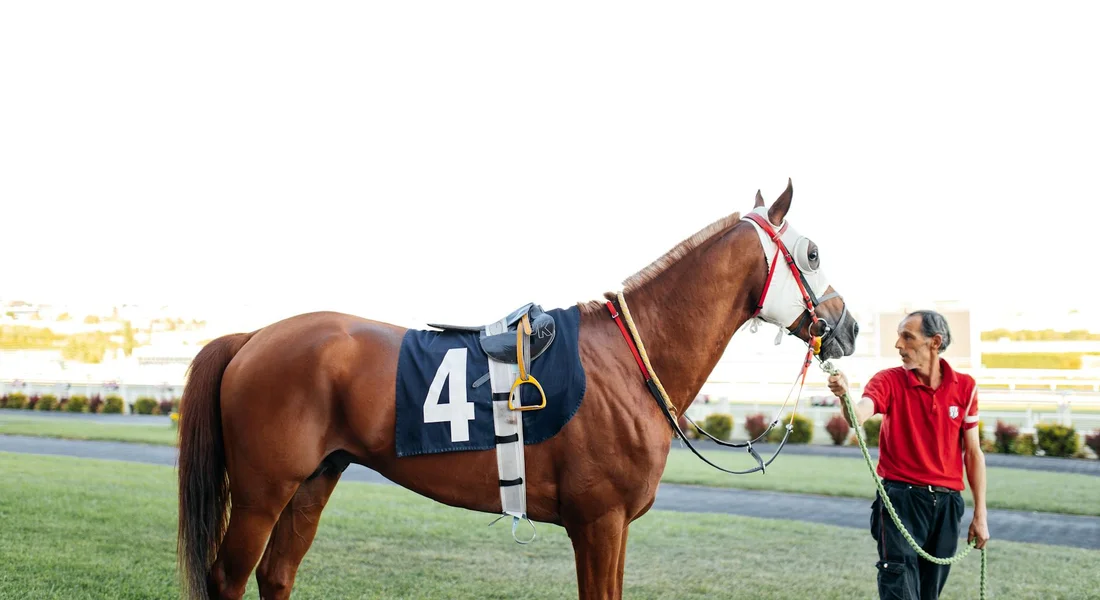
Lineage Breeding and Selection Techniques
Breeding a Thoroughbred isn’t just about putting two fast horses together. It’s a chess game of the genetics of horse breeding, focused on amplifying speed and stamina across generations. Selecting a Thoroughbred for breeding starts with a deep dive into past performance records, scrutinizing not just the individual but its entire family tree for consistency. Breeders often use linebreeding to concentrate desirable traits, like a powerful hindquarter or efficient cardiovascular system, from a celebrated ancestor. Are genetic considerations central to horse breeding? Understanding heredity helps explain why pedigrees matter as much as performance.
I learned this firsthand reviewing Luna’s papers. Her dam’s side was packed with mile winners, hinting at her innate endurance. To assess lineage, you look at race times, stakes wins, and how progeny perform under pressure. Always request the sales catalogue ‘cheat sheet’ or use online pedigree databases to trace how often speed figures like Beyer Numbers appear in the bloodline.
- Speed Selection: Prioritize sires and dams with proven records at the desired distance. Sprinters come from different lines than routers.
- Endurance Markers: Look for ancestors known for soundness and recovery rates, not just raw speed. A horse that runs well at two might break down by four.
- Trait Assessment: Study conformation photos and veterinary reports of close relatives. Do they share the same strong cannons and deep girth?
Modern techniques include genetic testing for markers linked to muscle composition and injury risk. Remember, a flawless pedigree on paper doesn’t guarantee a sound mind; I’ve seen nervous traits passed down just as reliably as speed.
Navigating Breeders and Registry Standards
Finding a reputable breeder is your first defense against heartache and financial loss. A good breeder prioritizes the horse’s welfare from day one. Your first visit should be to the pasture, not the office—watch how mares and foals interact, and note the cleanliness of the stalls and the quality of the hay.
Ask pointed questions about their breeding philosophy. Do they push early training, or allow foals ample turnout for natural development? I walked away from a “fancy” operation once because the weanlings were all stalled separately, pacing anxiously. Always request references from previous buyers and their attending veterinarians to get the unvarnished truth.
Verification is non-negotiable. In the United States, The Jockey Club is the sole breed registry. You must cross-check the horse’s lip tattoo or microchip number against The Jockey Club’s online database to confirm its registered name, sire, and dam. This step prevents fraud and ensures you’re getting the lineage you paid for. Other countries have their own registries, like Weatherbys in the UK.
- Red Flags: Breeders who avoid site visits, lack transparent veterinary records, or cannot explain their choices of sire and dam pairings.
- Green Flags: Breeders who discuss genetic diversity, offer post-sale support, and have horses with registered, race-proven parents.
- Paperwork: Ensure you receive a signed transfer certificate from the registry upon purchase. No certificate, no deal.
Making the Match: Is a Thoroughbred Right for You?
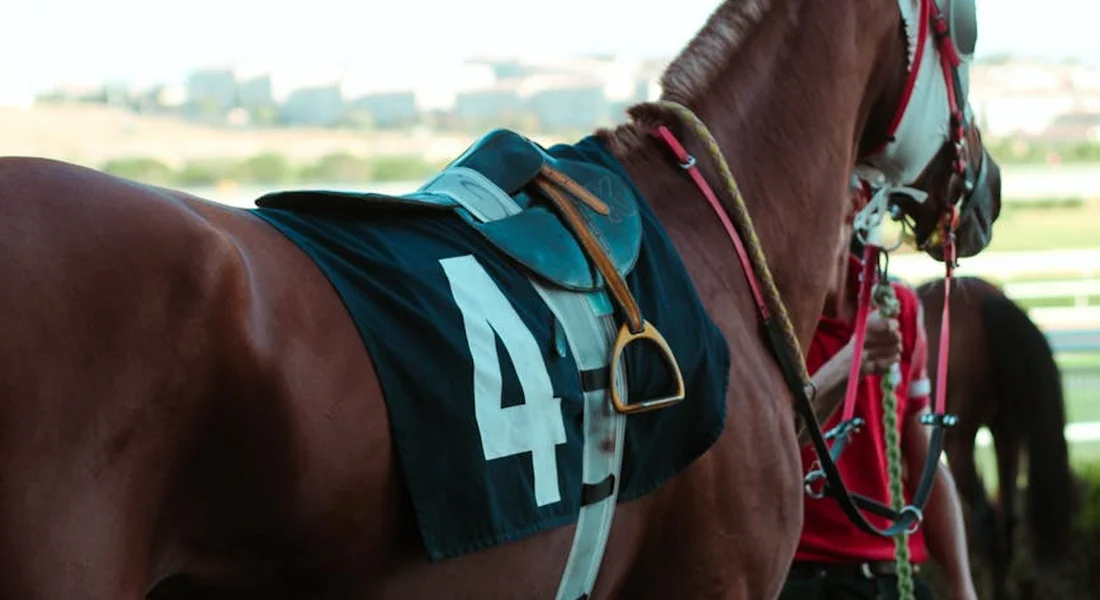
Assessing Suitability for Different Owners
Thoroughbreds are athletic marvels, but their wiring is often fine-tuned for the track. This makes them a complex match for a beginner. Their sensitivity, which makes them brilliant under an experienced rider, can feel like overreaction to someone still mastering their seat. A horse like Luna requires soft hands, predictable routines, and endless patience.
Compare this to my old reliable Quarter Horse, Rusty. If Luna is a sports car, Rusty is a steady pickup truck. For a novice, the forgiving nature of a calm Quarter Horse or a sturdy draft cross often builds confidence faster than managing a Thoroughbred’s high octane energy. Thoroughbreds excel with riders who provide clear, consistent communication and aren’t rattled by sudden movement.
Consider your daily routine. Are you prepared for the mental engagement they demand? I advocate for maximum turnout time; a Thoroughbred stuck in a stall is a recipe for anxious behaviors like weaving or cribbing. They need space to move and decompress.
- Good Match: Experienced riders, sport horse competitors, or dedicated horsemanship students seeking a project.
- Poor Match: First-time horse owners, casual weekend riders, or those lacking facilities for daily turnout.
- Breed Comparison: For trail riding, a Quarter Horse’s calm demeanor often beats a Thoroughbred’s potential spookiness. For eventing or show jumping, a Thoroughbred’s heart is unmatched.
Costs and Commitments: Purchase and Upkeep
The price tag is just the entry fee. A Thoroughbred off the track can cost anywhere from $1,500 to $10,000, while a proven sport horse or breeding prospect can soar into six figures. Budget at least as much for the first year’s care as you do for the purchase price, because retraining and rehabilitation are common. To gauge initial outlays, a costs-by-breed guide can be a helpful reference as you shop. It helps you compare what different breeds typically cost before you buy.
Ongoing upkeep is where the real commitment lies. Here’s a basic monthly breakdown for a horse in full training:
| Expense | Estimated Monthly Cost |
|---|---|
| Board (with turnout) | $400 – $800 |
| Grain & Supplements | $100 – $200 |
| Hay | $150 – $300 |
| Farrier (every 6-8 weeks) | $80 – $150 per visit |
| Routine Veterinary & Deworming | $50 – $100 |
| Training/Leasing Fees | $300 – $600 |
Always have an emergency fund covering at least one colic surgery-around $5,000-because Thoroughbreds can be prone to digestive upsets. Insurance is a wise consideration for a major investment. Also, understand what insurance costs horse owners should expect and how it complements your emergency fund.
My budgeting tip is to prioritize welfare items first. Skimping on quality hay or farrier care to afford a fancy saddle is a false economy that leads to vet bills. Smart budgeting can also save money on horse care without compromising health. Prioritize preventive nutrition and routine maintenance. Buy feed in bulk with barn mates, learn basic first aid, and consider a part-lease to offset costs. Remember, the cheapest part of horse ownership is often the purchase. Their daily care, your time, and your patience are the priceless currencies.
Frequently Asked Questions: What is a Thoroughbred Horse Breed?
How do I find and evaluate Thoroughbred horse breeders near me?
Start your search with the national breed registry, The Jockey Club, which provides directories of member breeders. It is crucial to visit any farm in person to assess the condition of the horses and facilities firsthand. A quick grounding in horse breeding fundamentals—covering genetics, conformation, and reproductive management—will help you evaluate breeders more effectively. Always ask for and contact references from their veterinarian and past clients to gauge their reputation and animal husbandry practices. With that foundation, your farm visits and reference checks can focus on responsible breeding practices and foaling outcomes.
What should I look for in a reputable Thoroughbred horse breeder in the USA?
A reputable breeder in the USA will have a transparent operation registered with The Jockey Club and openly discuss their breeding goals and the proven race or sport records of their sire and dam lines. They prioritize the health and correct conformation of their horses over simply producing a high volume of foals. Expect them to provide comprehensive veterinary records and offer post-sale support, demonstrating a commitment to the lifelong well-being of the horses they produce. They also understand their legal responsibilities as breeders. This includes compliance with animal welfare laws, licensing, and accurate record-keeping.
What is a Thoroughbred horse breed group, and why is it important?
A Thoroughbred horse breed group refers to a specific, influential family within the broader breed, often descending from a particularly successful foundation sire or mare, which consistently produces horses with desirable traits. Understanding these groups, such as the Northern Dancer or Mr. Prospector lines, is vital for pedigree analysis as it helps predict potential racing distance aptitudes and conformational tendencies. This knowledge is a key tool for breeders aiming to make informed matings and for buyers assessing a horse’s genetic potential for a specific discipline. These lineages often form through strategic matings of a proven stallion with a careful broodmare, shaping the next generation. Understanding how sire and broodmare pairings influence trait transmission helps breeders select matings for desired outcomes.
Navigating the Journey with Your Thoroughbred
Managing a Thoroughbred successfully hinges on respecting their innate sensitivity through predictable routines, thoughtful tack fit, and a forage-focused diet. The single greatest gift you can give your off-track talent is ample, daily turnout to let their mind and body simply be a horse.
Progress is rarely a straight line, so celebrate the small victories and let your horse’s feedback guide your training timeline. A trusting partnership, built on patience and clear communication, will transform that high-octane athlete into a willing and steady partner.
Further Reading & Sources
- Thoroughbred Horse Breed: Characteristics, Health & Nutrition Guide | Mad Barn
- Equine Temperament: Nature, Nurture Or Both?
- horseOlogy | What to Know About Equine Psychology
- Thoroughbred Horse | Animalife
At Horse and Hay, we are passionate about providing expert guidance on all aspects of horse care, from nutrition to wellness. Our team of equine specialists and veterinarians offer trusted advice on the best foods, supplements, and practices to keep your horse healthy and thriving. Whether you're a seasoned rider or new to equine care, we provide valuable insights into feeding, grooming, and overall well-being to ensure your horse lives its happiest, healthiest life.
Choosing the Right Breed