
Buying a Horse with Kissing Spine or Bone Cyst: Your Guide to a Smart Decision
Hello fellow equestrians. That exciting prospect of a new horse can turn daunting fast when you hear terms like “kissing spine” or “bone cyst.” You’re right to pause and think about future comfort, mounting vet bills, and whether this partnership can be safe and sound.
I’ve stood in that barn aisle, running my hand over a horse’s back while the owner explained a complicated diagnosis, feeling that same mix of hope and hesitation. It’s a big step, but with the right knowledge, it can be a manageable one.
This guide will walk you through the essentials, focusing on:
- Translating the veterinary jargon into plain talk about what these conditions mean for riding and day-to-day care.
- Conducting a thorough pre-purchase exam that goes beyond the basics to assess true long-term viability.
- Building a realistic management plan centered on equine welfare, including tailored exercise and crucial turnout time.
- Budgeting for the long haul, because the initial price is just the start of the financial conversation.
You’re getting this advice from someone who has managed barns and trained horses for years, helping sensitive souls like Luna and steadfast partners like Rusty work through physical challenges with patience and gentle horsemanship.
Understanding Kissing Spine and Bone Cysts
Let’s break down these two complex-sounding conditions into plain barn language. While both affect bone and can cause lameness, they are very different problems with distinct implications for a horse’s comfort and career. One common issue in horses’ bones is ringbone, which can lead to significant discomfort.
Think of kissing spine like train tracks that are laid too close together; they aren’t meant to touch, and when they do, it creates friction, inflammation, and pain. Bone cysts, on the other hand, are more like a weak, spongy pocket within the bone itself, a structural flaw that can lead to sudden failure under pressure.
Common risk factors can include conformation, previous injury, the intense demands of certain disciplines, or simply the genetic lottery. A horse with a very straight, upright back or one asked for extreme collection might be more prone to kissing spines. A young horse growing rapidly could develop a cyst.
What is Kissing Spine in Horses?
Picture the long line of bones that make up your horse’s spine. Those bumpy tops you can feel are the dorsal spinous processes. In a healthy back, they have a respectful amount of space between them.
With kissing spine, that space narrows or disappears. The bones literally touch or rub. This impingement damages the sensitive tissue between them, causing significant back pain. It’s a major source of subtle lameness that often gets missed.
This condition turns the backbone from a flexible support beam into a source of constant, grating discomfort, often showing up as a profound dislike for work that requires a rounded topline. I’ve seen talented horses written off as “lazy” or “stubborn” when the real issue was this silent, bony conflict in their back.
What are Bone Cysts in Horses?
A bone cyst is a fluid-filled cavity that forms within the bone, typically under a joint surface. It creates a weak spot, like a bubble in a concrete foundation.
These cysts often occur in high-stress areas like the knees or stifles. They can be present from a young age and may not cause issues until the horse enters serious training, when the forces of weight and movement become too much for the weakened structure.
A bone cyst can turn a promising young prospect into a heartbreaking vet case overnight if it fractures, which is why their location and size are so critical. They are not just a simple “owie”; they are a fundamental structural concern that demands a clear management plan.
Recognizing the Warning Signs and Getting a Diagnosis
The signs are often there, whispering before they start shouting. The trick is learning to listen to what your horse’s behavior and body are telling you, rather than chalking it up to attitude. Understanding their body language can help you tell if your horse is happy.
Behavioral and Physical Red Flags
Watch for these clues. A single one might be nothing, but a pattern is a red flag.
- Saddling Sensitivity: Flinching, swishing tail, or even cow-kicking when the girth is tightened or the saddle pad is placed.
- Riding Resistance: Hollowing the back, refusing to move forward freely, or outright bucking when asked to engage the hindquarters.
- Performance Changes: A sudden inability to maintain a lead, pick up a correct canter, or jump cleanly.
- Altered Movement: A visibly shortened stride, stiffness when turning, or a general lack of impulsion.
- Mood Shifts: A normally willing horse like Rusty becoming grumpy about work he used to enjoy.
Any of these signs point to a horse trying to communicate discomfort, and it’s our job to be their translator, not their critic.
The Diagnostic Process: From Hands-On Exam to Radiographs
Diagnosis starts on the ground. Your vet will perform a thorough lameness evaluation, watching the horse move in straight lines and circles, often on a hard surface and a soft one. They’ll flex joints to localize pain. This is crucial in determining if your horse is lame.
Palpating the back muscles is key. I’ve felt the hard, clenched knots of muscle spasms over a kissing spine lesion-the body’s attempt to splint the painful area.
The absolute, non-negotiable step for confirming these conditions is imaging, specifically radiographs (X-rays). For kissing spine, lateral views of the entire thoracic spine are needed. For a bone cyst, detailed views of the specific joint are required. In complex cases, a bone scan or MRI might be the next tool to map the full extent of the issue.
You cannot diagnose these by guesswork. Investing in a proper diagnostic work-up is the only way to know exactly what you’re dealing with and to formulate any kind of realistic management or treatment plan.
Treatment Options, Prognosis, and Associated Costs

Facing a diagnosis of kissing spines or a bone cyst isn’t an endpoint. It’s the start of a management plan. Your path forward depends on the condition’s severity, the horse’s job, and your resources. The goal is rarely a magical “cure,” but rather achieving a comfortable, usable horse through diligent, often lifelong, care. I’ve walked both the conservative and surgical roads with clients’ horses, and honesty about the long haul is vital.
Kissing Spine Treatment Paths
Treatment typically starts conservatively, escalating if needed. Success isn’t just about pain relief, but restoring athletic function.
- Targeted Exercise & Physiotherapy: This is the cornerstone. The aim is to build topline muscle to “lift” the spine and create space. Think of it as internal scaffolding. This involves:
- Groundwork over poles.
- Correct lunging in a pessoa or side reins.
- Ridden work with a focus on stretching into the bridle and engaging the hind end.
I spent six months doing mostly walk-trot hill work with a mare named Luna to rebuild her back. It’s slow, but it reshapes the horse.
- Mesotherapy & Chiropractic Care: Mesotherapy uses micro-injections to relieve local pain and muscle spasms. Chiropractic adjustments can address compensatory issues. These are tools for comfort during retraining, not standalone fixes.
- Surgical Intervention (Interspinous Ligament Desmotomy): This surgery cuts the ligament between the touching spines. It’s often recommended for moderate-to-severe cases. The recovery is lengthy: 3-6 months of controlled hand-walking and walking under saddle before a gradual return to work. Prognosis for a return to previous performance levels is good, around 70-80%, but it’s not a guarantee.
Post-surgery, the real work begins-you must commit to the strengthening exercises to prevent the problem from simply migrating elsewhere. Costs range wildly: conservative management can run $500-$2000 annually for therapies. Surgery alone often falls between $3,000 and $7,000, not counting the months of boarding and rehab.
Bone Cyst Management Strategies
Here, the approach is more “watchful waiting” or targeted intervention. A cyst found incidentally in a sound horse may never need treatment.
- Monitoring & Conservative Management: This involves regular vet checks, maintaining optimal hoof balance, and using anti-inflammatory medication during flare-ups. The horse may need a reduced workload or a change in discipline to lower joint stress.
- Surgical Intervention (Cyst Debridement): Surgery scopes out the cyst to stimulate healing. It’s considered when the horse is chronically lame. The key factor is the cyst’s location and whether it’s affecting a joint surface. Recovery involves strict stall rest followed by controlled exercise over 9-12 months.
Long-term, even after successful surgery, this horse will always have a weaker spot in that bone, making consistent, thoughtful footing and conditioning non-negotiable. Costs for monitoring are low, mostly exam fees. Surgical debridement can range from $2,500 to $5,000 per joint, with rehab costs adding significantly more.
The Pre-Purchase Exam (PPE): Your Essential Investigation
This is where you switch from hopeful buyer to informed investigator. A standard PPE won’t cut it. You must tailor it. Think of the PPE not as a pass/fail test, but as a risk assessment report you commission to make your final decision. I never skip a single step, especially after missing a subtle issue years ago that cost a friend dearly.
What to Request and Disclose During the PPE
Transparency is your only ethical path. Start the conversation with your vet before they even see the horse.
- Disclose the full known history to your vet. If the seller mentions “some back soreness” or “past joint injections,” your vet needs to know.
- Insist on a full spinal radiographic series (14-18 views) to assess every thoracic and lumbar spinous process. Don’t just X-ray the “ouchy” spot.
- For a known or suspected cyst, require detailed radiographs of the entire limb. A cyst in the fetlock doesn’t rule out issues in the knee or coffin joint.
- Request flexion tests of the affected area and watch the horse move on hard and soft ground.
Pay for the films and the vet’s time to review them with you. This conversation is more valuable than the report itself.
Interpreting the Veterinary Report and Radiographs
The vet’s report will list findings, not judgments. Your job is to understand the prognosis. Key terms for kissing spines include “overriding” or “impinging” spinous processes, and “sclerosis” (hardening of bone). For cysts, you’ll see “subchondral bone cyst” or “lytic lesion.” The severity is graded.
Ask your vet to draw direct lines between the findings and the horse’s intended use. A grade 2 kissing spine finding in a trail horse prospect is a very different risk than the same finding in a future upper-level jumper. Look at the whole picture: a horse with a cyst but a flawless, sound movement may be a better risk than a horse with “clean” X-rays but a history of mysterious lameness. The vet provides the map, but you must decide if you’re equipped for the journey.
Weighing the Decision: Risks, Costs, and Realistic Outcomes
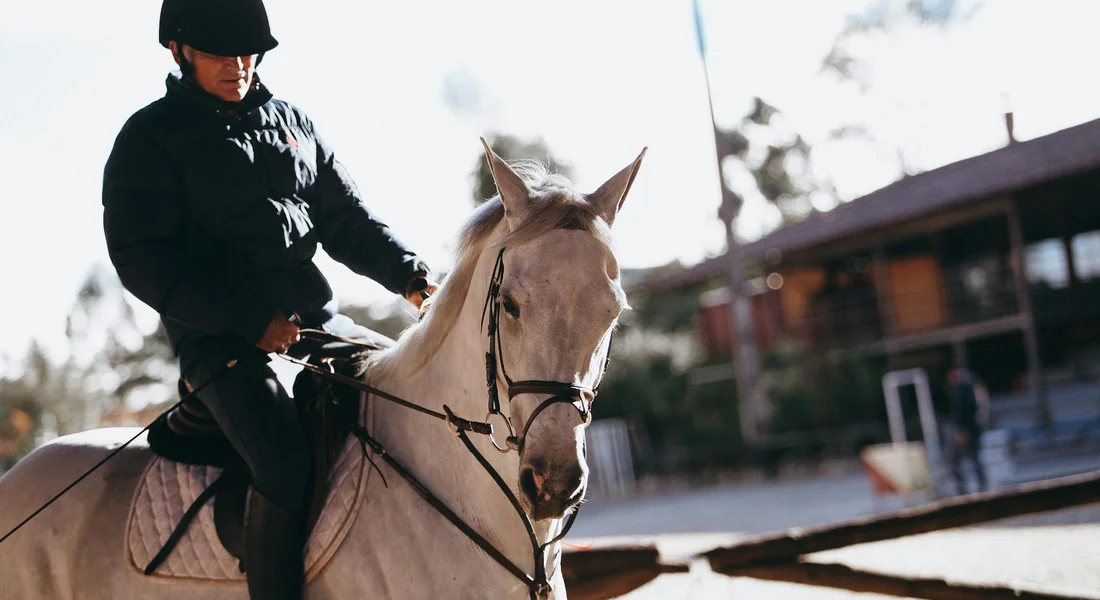
Adopting a “buyer beware” mindset is not pessimism; it’s practicality. You must match the horse’s physical reality with your own dreams. I once considered a lovely gelding for light jumping, but his spinal issues made that a poor fit-he became a cherished trail companion instead. Your intended use is the compass for this decision: a quiet trail horse role is far more achievable than a high-level sport career. Be brutally honest about your emotional readiness for a horse that may have lifelong limits. In practice, that means choosing the right horse for your experience level and lifestyle. This alignment will guide your next steps as you explore options.
Assessing Financial and Long-Term Care Commitment
The purchase price is just the entry fee. Upfront diagnostics like bone scans or MRIs can cost thousands. Ongoing costs are the real story. Here’s a breakdown of potential annual expenses beyond standard board:
- Regular therapeutic bodywork or chiropractic sessions: $800-$2,000
- Specialized saddle fitting and possible custom pads: $500-$1,500 initially, with regular checks
- Joint supplements or prescribed medications: $600-$1,200
- Potential for future injections or shockwave therapy: $300-$800 per treatment series
Compare this to the initial cost. A $5,000 horse needing $3,000 yearly in extra care is a different financial picture than a $15,000 sound horse. Budget for the worst-case scenario, not just the hopeful one, to avoid heartbreaking choices down the road. This includes accounting for insurance and emergency fund costs.
Performance Potential and Management Demands
Can they still perform? Yes, but with a rewritten definition of performance. My friend’s mare with a bone cyst happily tackles beginner dressage tests with diligent management. The key is accepting inherent limitations. These horses often thrive in consistent, low-impact work but may never tolerate the repetitive strain of upper-level competition. The maintenance demand is high: daily pre-ride stretches, meticulous warm-ups, and an eagle eye for off days. It’s a commitment to management, not just riding.
Long-Term Management for a Horse with Kissing Spine or Bone Cyst
Long-term success hinges on gentle, consistent horsemanship that prioritizes the horse’s comfort over rigid schedules. Ample turnout is non-negotiable-it allows for natural movement that keeps muscles supple and prevents stiffness. I’ve seen stalled horses with these issues deteriorate quickly, while those with 24/7 pasture access often maintain better condition. Think of management as creating a lifestyle, not just administering treatments.
Daily Care and Monitoring Routine
Your daily routine becomes your primary tool for prevention. It’s about observation and gentle intervention. Here is a core checklist:
- Begin each day with a visual check for stiffness or reluctance to move.
- Incorporate gentle hand-walking or controlled turnout before saddling.
- Check saddle fit monthly, as muscle changes can alter fit dramatically.
- Run your hands over their back and neck daily, feeling for heat, tension, or flinching.
- Note subtle signs: pinned ears during grooming, tail swishing under saddle, or a dip in appetite.
Catching a minor flare-up early is the difference between a few rest days and a major veterinary bill. This vigilant care builds a deep bond; you become finely attuned to your horse’s normal.
Exercise and Therapy for Maintenance
Exercise must be strategic. The goal is to build supportive muscle without causing pain. I’ve had great success with these low-impact exercises for horses like Rusty, my trail-savvy Quarter Horse. These routines are designed to build muscle effectively while protecting joints. They lay the foundation for steady, pain-free strength.
- Walking over gentle hills to engage the hindquarters and back muscles.
- Large, sweeping circles in a field or arena to promote bending without tight turns.
- Backing up in a straight line for a few steps to encourage core engagement.
- Ground pole work at a walk to improve coordination and lift.
Supportive therapies are part of the maintenance roster. Regular massage can release held tension, and modalities like acupuncture have helped sensitive souls like Luna manage discomfort. These therapies are best used proactively, not just as a crisis response, to maintain a baseline of comfort. The rhythm of care-movement, therapy, rest-becomes the steady beat of your partnership.
FAQ: Buying a Horse with Kissing Spine or Bone Cyst: What to Know
What should I do if my horse’s back is still sore after mesotherapy treatment for kissing spine?
Persistent soreness may indicate incomplete pain relief or severe impingement needing further evaluation. Consult your vet to discuss additional diagnostics, like radiographs, and adjust the treatment plan. Combining mesotherapy with a structured exercise program and physiotherapy can enhance muscle support and long-term comfort.
Can a horse with kissing spine safely participate in jumping?
Jumping requires careful consideration, as impact and collection can stress the spine and worsen pain. With veterinary guidance and a gradual rehab program focused on core strength, some horses can manage low-level jumps. However, expectations should be realistic, as high-intensity jumping may not be sustainable for long-term soundness. Supportive care can support horses recovering from injury or surgery by promoting a gradual, controlled return to activity. Coupled with veterinary guidance and a structured rehab program focused on core strength, it helps ensure a safer transition back to work.
Why might a horse with kissing spine start bolting, and how can it be managed?
Bolting often stems from pain or anticipation of discomfort during riding, especially when asked to engage the back. Address this by ensuring effective pain management through veterinary care and modifying workouts to avoid painful movements. Consistent, calm retraining with positive reinforcement can help rebuild trust and reduce anxiety-related behaviors.
A Clear-Eyed Decision
Always hinge your purchase on a specialized pre-purchase exam that charts the exact condition and its implications. Your ability to provide consistent, informed management will define your partnership far more than the initial price tag.
Move forward with patience, letting your horse’s comfort and feedback dictate every new saddle pad and trail ride. The best horsemanship is a quiet conversation, not a command.
Further Reading & Sources
- Baastrup disease | Radiology Reference Article | Radiopaedia.org
- Kissing spine syndrome: An often underdiagnosed cause of back pain | Eurorad
- Baastrup Syndrome – Physiopedia
- (PDF) Baastrup’s disease (kissing spines syndrome): a pictorial review
At Horse and Hay, we are passionate about providing expert guidance on all aspects of horse care, from nutrition to wellness. Our team of equine specialists and veterinarians offer trusted advice on the best foods, supplements, and practices to keep your horse healthy and thriving. Whether you're a seasoned rider or new to equine care, we provide valuable insights into feeding, grooming, and overall well-being to ensure your horse lives its happiest, healthiest life.
Health