
Can Horses with Cushing’s or Laminitis Eat Grass? Smart Management for Safe Grazing
Published on: September 25, 2026 | Last Updated: September 25, 2026
Written By: Henry Wellington
Hello fellow equestrians. That sinking feeling when your horse with Cushing’s or laminitis looks longingly at the pasture is a shared barn-yard stress. You’re caught between wanting them to enjoy natural behavior and dreading a metabolic crisis or a founder flare-up.
I’ve spent countless mornings debating this over feed tubs, watching owners fret about locking their best friends away. The good news is that total grass exile isn’t always the answer-but smart, controlled management absolutely is.
Here, I’ll break down the practical stall-side strategies I’ve used for horses like my sensitive Luna. We’ll cover why spring and fall grass is particularly tricky, how to implement strip grazing or timed turnout without chaos, and the essential role of soaked hay and targeted supplements. You’ll get a clear plan that prioritizes your horse’s comfort and welfare.
This advice comes from over a decade of barn management and gentle horsemanship, finding that balance between vital turnout time and meticulous health care.
Why the Grass Question Isn’t Simple
Grass is not a uniform green carpet. Its sugar and fructan content swings wildly with the weather, the season, and even the time of day. Managing a metabolically sensitive horse means you’re not just managing a horse, you’re managing a pasture’s microclimate. I learned this the hard way with Luna; a seemingly innocent morning turnout on a sunny day after a cold night sent her energy levels soaring and my worry-meter pegging.
Think of grass like a solar panel. Sunlight builds sugars, and cool nights slow the plant’s growth, leaving those sugars packed and ready. A breezy, sunny spring day can turn your pasture into a candy store, while a consistently overcast, warm period might make it safer for nibbling. You must become a grass detective, observing not just the horse, but the field.
Your horse’s individual response is the final, critical piece. I’ve seen two horses on the same patch: one perfectly fine, the other showing subtle signs of discomfort within hours. This isn’t about banning turnout, but about engineering smart, safe access that honors their need to be a horse. Rusty, my steady Quarter Horse, can handle a bit more than high-strung Luna, but even he gets monitored when the seasons change — especially when I assess his body condition.
- Season: Spring and fall grass is often highest in risky sugars.
- Time of Day: Sugar levels are typically lowest late at night through early morning.
- Weather: Bright days after frosty nights are major red flags.
- Grass Type: Some varieties are simply bred to be sweeter and more digestible.
Special Diet Considerations for Horses with PPID (Cushing’s)
PPID changes the game. The hormonal imbalance often leads to insulin dysregulation, making your horse incredibly efficient at storing those sugars from grass as fat, and inflaming the delicate laminae in the hooves. Your primary dietary goal shifts from simple nutrition to metabolic pacification. It’s less about calories and more about chemistry.
Can a Horse with Cushing’s Disease Eat Grass?
The short, frustrating answer is: it’s complicated, and usually “yes, but only under strict guard.” Unlimited grazing is almost always off the table. For many Cushing’s horses, grass must be treated as a concentrated treat, not a staple food source. I use a grazing muzzle for Pipin, our food-motivated Shetland, which slows him down enough to enjoy the psychological benefits of turnout without the physical danger.
Total pasture deprivation isn’t the answer either-it creates frustration and defeats the purpose of gentle horsemanship. The key is controlled, timed access during lower-risk periods, paired with constant vigilance for any signs of footiness or stiffness. I’ll often turn Luna out in a dry lot first thing in the morning with a pile of tested hay, letting her onto a sparse grassy area only for a limited evening session when conditions are safer.
Building a Safe Plate: Feed and Forage Focus
Since grass is restricted, your hay becomes the cornerstone. Not just any hay-you need forage that’s been tested for its non-structural carbohydrate (NSC) content. Aim for hay with an NSC value below 10-12% for horses with active insulin issues or a history of laminitis. Soaking hay for 30-60 minutes in cool water can leach out even more sugars, a stable hack I use for every meal during high-risk seasons. With wet hay, safety matters: feed it promptly and discard the soaking water to reduce bacterial growth. Always ensure your horse has access to clean water and monitor for any signs of digestive upset.
Their complete diet should look like a boring, safe, and wonderfully consistent plate. Base everything on that low-sugar forage, then add only what’s necessary to maintain weight and provide targeted nutrients. This often means a ration balancer instead of a grain, and supplements like magnesium and chromium which may support insulin function, always under veterinary guidance.
- Forage First: Provide 1.5-2% of body weight in low-NSC hay daily, split into multiple nets to mimic grazing.
- Skip the Sweet Feed: Choose a plain, pelleted ration balancer or a commercial feed specifically formulated for metabolic health.
- Soak It: Make hay soaking part of your daily routine to reduce sugar intake reliably.
- Track Everything: Keep a simple log of turnout times, weather, and your horse’s demeanor to spot patterns.
Remember, the thud of hooves on pasture is a wonderful sound, but with PPID, it must be the sound of controlled enjoyment. Your diligence in building this safe plate is the ultimate act of preventative care, letting your horse enjoy more comfortable years ahead. It’s a daily commitment, but watching a horse like Rusty amble contentedly in his muzzle, pain-free, makes every soaked hay net worth it.
Special Diet Considerations for Horses with Laminitis
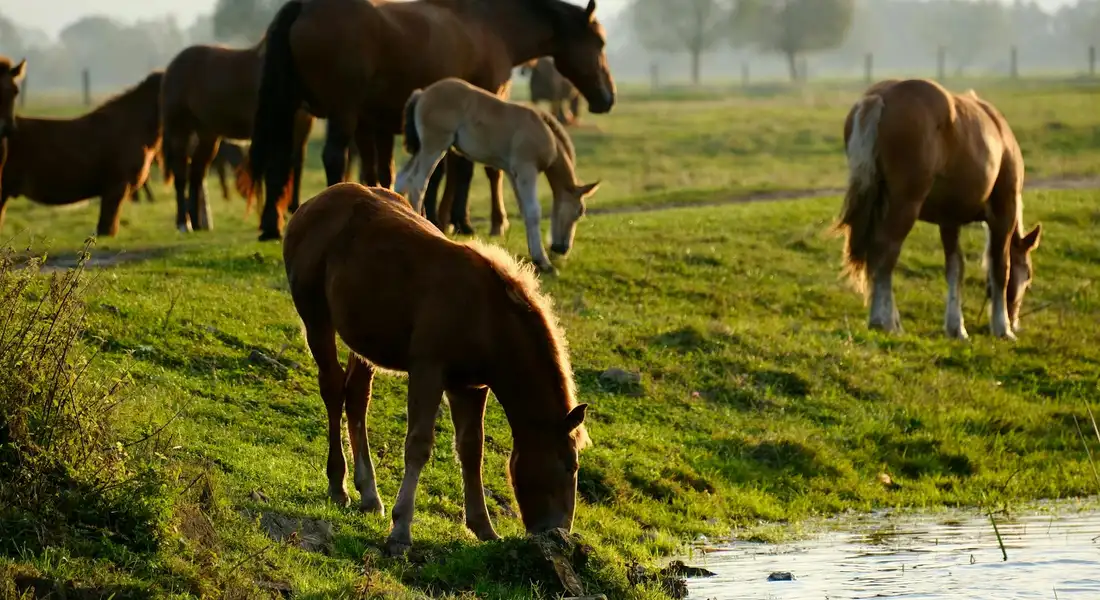
Managing a laminitic horse feels like walking a tightrope between their joy and their health. I’ve spent countless hours with horses like Luna, whose sensitive metabolism demands a watchful eye. The right diet isn’t just about food; it’s about crafting a lifestyle that keeps them sound and comfortable. Understanding what goes into a horse’s diet is crucial for their well-being.
Can a Laminitic Horse Ever Graze Again?
This question keeps many owners up at night. The short answer is yes, but grazing must be reinvented, not just resumed. I remember the careful dance of reintroducing Rusty to grass after a mild bout. We didn’t just open the gate; we strategized every minute.
Returning to pasture is a marathon, not a sprint, and it requires a plan built on observation and patience. The goal is to provide mental enrichment and movement without triggering a painful inflammatory response.
- Start with a “Dry Lot” Period: After the acute phase, begin with turnout in a bare paddock or sand area for several weeks. This allows freedom and social contact without dietary risk.
- Employ a Grazing Muzzle: This tool is a lifesaver. A well-fitted muzzle lets your horse wander, nibble, and play while drastically reducing grass intake. It takes training, but it’s worth it.
- Time the Turnout: Grass sugars are lowest in the early morning and late evening. Schedule grazing sessions during these windows, and never on frosty or stressed pasture.
- Monitor Relentlessly: Watch for increased digital pulses, heat in the hooves, or shifting weight. If you see any warning signs, pull them off grass immediately.
The Foundational Diet for Laminitis Prevention
Prevention hinges on what goes in the bucket every single day. For metabolic horses, think of their diet as a steady, uneventful stream-no sugary surges allowed. To keep them healthy, manage your horse’s weight with a balanced, consistent diet. Small, steady adjustments to portions and forage can make a big difference over time.
The cornerstone of a safe diet is forage that is low in non-structural carbohydrates (NSCs), which means minimal sugars and starches. I’ve learned to treat each hay bale like a prescription, not an assumption.
- Hay is King: The bulk of the diet must be hay. Aim for mature, late-cut grass hay like Timothy or Teff. Avoid lush alfalfa mixes or early-cut ryegrass.
- Soak to Save: Soaking hay for 30-60 minutes in cold water can leach out significant sugars. For high-risk cases, hot water or longer soaks (up to 12 hours) may be needed. Always discard the soak water.
- Skip the Grain: Most laminitis-prone horses do not need cereal grains. If they require additional calories, use a balanced, low-NSC complete feed or soaked beet pulp.
- Supplement Smartly: A plain vitamin/mineral balancer and maybe some magnesium can support metabolism without adding sugars. Always choose products designed for insulin-resistant horses.
Practical Pasture and Hay Management Tactics
This is where theory meets the muddy boots reality of daily care. Good management turns stress into strategy, letting you breathe easier at feeding time.
Smart Turnout Strategies for Metabolic Horses
Denying turnout harms welfare, but uncontrolled grazing harms health. The solution is creative confinement. Pipin, our cheeky pony, taught me that a small, well-managed space is better than a lush field he can’t handle.
Creating a safe turnout environment often means sacrificing acreage for control, giving your horse the social and mental benefits without the dietary danger. Listen to the contented thud of hooves on safe ground, and make sure to focus on the fencing and layout to ensure safety.
- Build a Track System: Create a narrow, bare-dirt or sand track around the perimeter of your pasture. This encourages movement for miles without access to rich grass.
- Use a “Starve” Paddock: Maintain a sacrificial area that’s eaten down to the roots. This is your go-to spot for longer turnout sessions when grass growth is aggressive.
- Rotate with Caution: If you have multiple paddocks, rotate horses so your metabolic horse follows the grazers, eating the already-mowed, lower-sugar leftovers.
- Never Turn Out Alone on Fresh Grass: The excitement and binge eating can spike insulin. Introduce new grass in tiny, timed increments with a muzzle already on.
Choosing and Preparing the Right Hay
Not all hay is created equal, and for these horses, guessing isn’t good enough. The smell of good hay should be sweet, but its sugar content needs to be soberly assessed. To determine which types of hay are best for horses, a complete comparison can help.
Investing in a hay analysis is the single best thing you can do for a metabolic horse; it turns guesswork into a concrete feeding plan. For horses prone to founder, following founder hay feeding guidelines is essential to manage risk and keep hoof health on track. These guidelines help translate analysis results into safer, steady intake. I keep the reports for Luna filed right with her vet records.
- Select by Sight and Feel: Look for hay that is coarse, stemmy, and has a high leaf-to-stem ratio. It should feel dry and rustle, not feel soft or damp.
- Ask About Cutting: Late-cut hay (second or third cutting) is generally lower in sugars than early, vegetative first cuts.
- Prepare with Purpose:
- Soaking: Reduces sugars but also loses some minerals. Feed soaked hay immediately to prevent spoilage.
- Steaming: A good alternative if soaking isn’t practical; it can reduce mold and dust without significant nutrient leaching.
- Double-Netting: Use small-hole hay nets to slow consumption, mimicking natural grazing and preventing boredom.
- Store for Stability: Keep hay in a cool, dry, dark place. Heat and moisture can cause sugar levels to fluctuate or mold to develop.
Your Essential Team: Vet, Monitor, Adjust
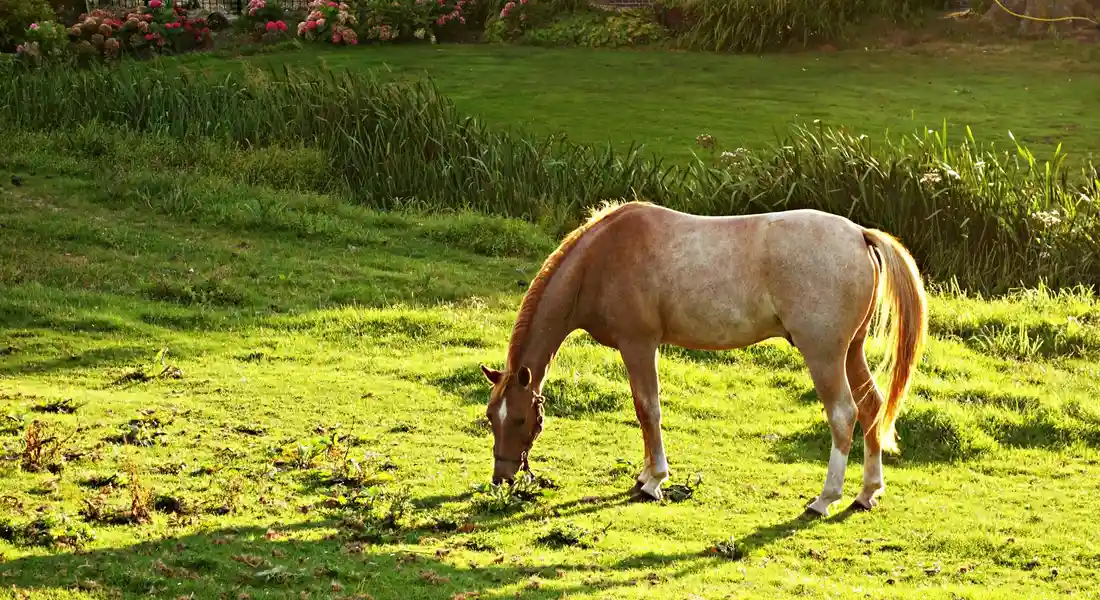
Managing a metabolic horse is not a solo mission. It’s a partnership, a daily dance between you, your veterinarian, and the horse in your care. I’ve learned that success hinges on this triad: expert guidance, sharp observation, and the willingness to change course when needed.
Why Veterinary Guidance is Non-Negotiable
Think of your vet as the lead strategist. They diagnose the specific issue, set baseline protocols, and prescribe critical medications like pergolide for Cushing’s. A vet’s diagnosis is the compass that guides every single dietary decision you will make, turning guesswork into a targeted plan. They understand how laminitis develops at a cellular level and can interpret bloodwork that looks like a foreign language to most of us.
Self-diagnosing or borrowing a barnmate’s treatment plan is a dangerous path. For example, my sensitive Thoroughbred, Luna, and the sturdy Quarter Horse, Rusty, would have wildly different medication dosages and dietary thresholds, even if they presented with similar symptoms. Your vet creates a plan for your horse’s unique physiology, weight, and stage of disease. They are your authority on when to test ACTH levels, how to properly fit a grazing muzzle, and what emergency signs warrant an immediate call.
Daily Monitoring: Your Most Important Tool
You are the vet’s eyes and hands on the ground. While they provide the map, you are navigating the trail day by day, watching for mudslides and low branches. This daily surveillance is what prevents a minor stumble from becoming a full-blown crisis.
Create a simple, consistent checklist. Your most reliable tools aren’t expensive; they are your hands, your eyes, and a notebook.
- The Hoof Check: Before and after turnout, pick out each hoof. Feel for heat in the wall and coronet band. Listen for a pounding digital pulse behind the fetlock-a throbbing rhythm here often screams “inflammation!” more clearly than lameness itself.
- The Cresty Neck Gauge: Run your hand down your horse’s neck. A firm, cresty feel (like a stiff roll) is a major red flag for insulin issues. On Rusty, I monitor this as closely as his weight.
- The Weight & Welfare Watch: Is your horse moving comfortably or parked in one spot? Is their demeanor bright or dull? Sudden changes in behavior are often the first alarm. A feed scale and a weight tape are non-negotiable for objective tracking.
Your daily logs-notes on grass height, muzzle time, hoof pulse, and attitude-are the data that help your vet refine the strategy, making your adjustments intelligent rather than reactive. It’s the difference between saying “he seems off” and “his digital pulse spiked to a 3 out of 4 on Tuesday after 4 hours on fresh pasture.”
Adjustment is the final, constant step. If your monitoring shows increased pulses, you adjust by shortening turnout. If weight creeps up, you adjust the hay ration. This isn’t failure; it’s responsive, intelligent care. The goal is a calm, comfortable horse whose world is managed for their safety, not restricted out of fear. Understanding horse body condition scoring helps tailor these adjustments—feed can be adjusted accordingly. Regular checks keep feeding aligned with the horse’s changing needs.
FAQ: Can Horses with Cushing’s or Laminitis Eat Grass? Special Diet Considerations
What are the general guidelines for allowing metabolic horses to graze?
Grass access is about controlled management, not complete restriction. The key is to allow turnout during safer periods, typically late night through early morning when sugar levels are lowest. Using tools like a grazing muzzle or a bare “dry lot” paddock can provide essential mental and physical benefits while minimizing dietary risk.
What is the most important part of the diet for a horse with Cushing’s?
The foundation is consistently low-sugar forage, such as hay tested to have low Non-Structural Carbohydrates (NSC). Soaking this hay can further reduce sugar content and is a critical daily practice. The overall diet should be built around this safe forage, using a ration balancer instead of sweet feed and only adding targeted supplements under veterinary guidance.
What is the primary dietary focus for a laminitis-prone horse?
Prevention hinges on a low-NSC diet to avoid spikes in insulin and inflammation. This means providing mature, late-cut grass hay as the main food source and avoiding all cereal grains. Soaking hay and using a balanced vitamin/mineral supplement designed for metabolic issues are essential supportive steps.
Your Pasture Management Protocol
For horses with Cushing’s or laminitis, grass access must be strategically limited to reduce sugar intake and prevent crises. Creating a safe routine involves using a grazing muzzle during turnout and basing the diet on low-NSC hay, with all changes made under veterinary guidance.
Managing these conditions is a marathon, not a sprint, demanding your observant eye and a commitment to daily consistency. The most reliable sign you’re on the right track is a comfortable, content horse, so let his feedback be your primary guide.
Further Reading & Sources
- Is pasture ever safe for horses with PPID?
- Laminitis and Equine Cushing’s Disease – Horse Health Programme
- A horse owner’s guide to pasture-associated laminitis | OSU Extension Service
- Strategies to Prevent Laminitis in Grazing Horses | N.C. Cooperative Extension
At Horse and Hay, we are passionate about providing expert guidance on all aspects of horse care, from nutrition to wellness. Our team of equine specialists and veterinarians offer trusted advice on the best foods, supplements, and practices to keep your horse healthy and thriving. Whether you're a seasoned rider or new to equine care, we provide valuable insights into feeding, grooming, and overall well-being to ensure your horse lives its happiest, healthiest life.
Nutrition