
Fall Laminitis: Understanding and Preventing the Autumnal Spike
Hello fellow equestrians. That slight hesitation over firm ground or the unexpected heat in your horse’s hoof this autumn isn’t just a fluke-it’s a common red flag for laminitis. The fear of escalating vet bills and a long road to recovery is a weight I know well from countless evenings in the barn.
This guide will give you a clear action plan, breaking down:
- The specific triggers in fall pasture and weather that spike risk
- How to conduct a hands-on check for early, subtle signs
- Straightforward changes to feeding and turnout that protect hoof health
My advice comes from a tack trunk filled with years of barn management, where prioritizing gentle care and prevention has kept horses like my sensitive Thoroughbred, Luna, comfortable through many seasonal changes.
The Autumn Perfect Storm: Why Laminitis Risks Spike
Spring gets all the laminitis warnings, but autumn holds its own deceptive dangers. The risk boils down to a simple, deadly equation: cool nights plus sunny days equals stressed grass pumping out stored sugars, called fructans.
Here’s the barn science. When nights dip below 40°F, the grass stops growing. Sunshine the next day allows photosynthesis to continue, but with nowhere to send the produced sugars, they stockpile in the stalks. This creates a carbohydrate bomb in your pasture. When a horse like Pipin hoovers it up, the resulting sugar overload can trigger insulin dysregulation and painful inflammation in the laminae of the hoof.
This perfect storm targets specific equines. I watch Pipin, our Shetland, like a hawk during frosty mornings. The usual suspects are always at highest risk:
- Ponies and miniature horses (their efficient metabolism is a curse here)
- Overweight horses and “easy keepers”
- Horses with a history of laminitis
- Those diagnosed with Metabolic Syndrome or Cushing’s disease
Don’t assume fall grass is safer just because it looks browner or thinner.
| Spring Grass Risk | Fall Grass Risk |
|---|---|
| Driven by rapid, lush growth and high moisture. | Driven by temperature stress (frost) causing sugar storage. |
| Often more obvious to owners as a threat. | Stealthier, as grass is less visually impressive. |
| Can affect a broader range of horses. | Concentrates danger on metabolically sensitive individuals. |
Managing autumn grazing is less about the calendar and more about watching the thermometer for those first cold snaps.
Spotting Trouble: Early Signs of Laminitis to Never Ignore
Laminitis is a veterinary emergency, and catching it in the first few hours changes everything. Your daily hands-on check is your best defense. Start at the ground and work your way up. In an emergency, basic first-aid steps you can take before the vet arrives matter. Stay with the horse, keep them calm, and call your veterinarian immediately.
First, feel for heat. Run your hand down the back of your horse’s pastern and over the hoof wall. Compare all four feet-one might be noticeably warmer. Next, find the digital pulse. Press your fingertips gently on the inside and outside of the fetlock, just behind the sesamoid bones. A strong, pounding pulse here, often described as “throbbing,” is a major red flag, even before lameness appears.
Watch them move. A laminitic horse will often be short-strided, stiff, or “walking on eggshells.” They may hesitate to turn, especially in tight circles. The classic sign is the “founder stance,” where they rock back onto their hindquarters, stretching their front feet forward to relieve pressure in the painful front hooves.
I once caught a potential episode with Luna, our sensitive Thoroughbred, not from her feet, but from her attitude. She was oddly quiet at dinner, shifting her weight constantly and showing zero interest in her grain-a sure sign something was wrong. A quick hoof check revealed that telltale heat. Trust those subtle behavioral changes; your horse is talking to you.
Make this your daily monitoring checklist:
- Hoof Wall Heat: Compare all four with the back of your hand.
- Digital Pulse: Know what a normal, barely-there pulse feels like so you can spot the abnormal.
- Movement & Posture: Observe on firm ground for stiffness, reluctance, or an abnormal stance.
- Behavioral Shifts: Note any loss of appetite, unusual anxiety, or depression.
If you note heat, a strong pulse, and lameness together, call your vet immediately-do not wait to see if it improves overnight.
Managing Your Fall Pasture: Grass, Grazing, and Gates
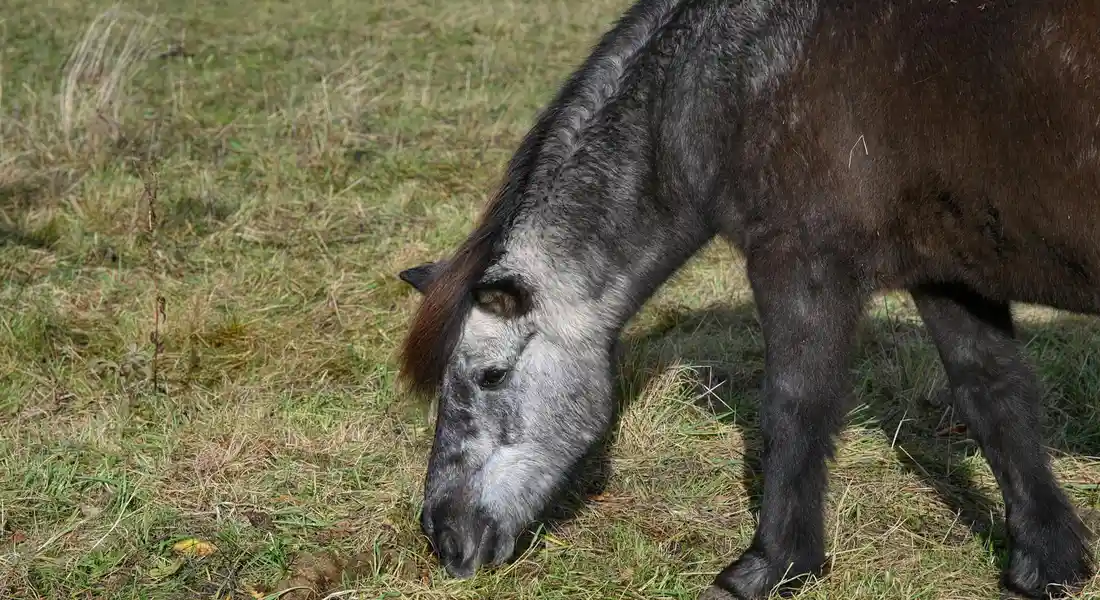
Understanding the Fructan Rollercoaster
Think of grass not as a simple plant, but as a solar-powered sugar factory with a storage unit. During sunny days, it produces fructans (a type of sugar) through photosynthesis. This “sugar bank” in the base of the grass blade fills up when the plant is active but can’t use the energy for growth, which is exactly what happens during cool, bright autumn days. The real danger comes at specific, predictable times.
Fructan levels are highest in the afternoon and early evening after a sunny day. They are lowest just before dawn. A frost or a drought shocks the grass, causing it to pump stored sugars into its stem for survival. Grazing during these high-sugar windows is like serving your horse a concentrated sugar cube, directly fueling a laminitic episode. The highest-risk times are on sunny afternoons following a cold night (<40°F/4°C), during a drought, or immediately after a frost.
Practical Turnout Strategies
You don’t have to lock them up entirely, but you must become a gatekeeper. Here is my numbered protocol for managing my own herd, especially Rusty and the ever-opportunistic Pipin.
- Embrace the Grazing Muzzle: This is your best friend for the easy keeper. It allows movement and socialization while slashing grass intake by up to 80%. Ensure it fits well and monitor for rubs.
- Create a Dry Lot: A dirt or sand paddock without grass is a lifesaver. This is where my at-risk horses spend their time during high-risk weather. It’s boring, but safe. Add a slow-feed hay net to keep them busy.
- Time Your Turnout: Let them onto pasture during the lowest-sugar windows-typically overnight from late evening until mid-morning. Lock them back on the dry lot by 10 a.m. on bright days.
- Mow and Harrow: Keep pastures mowed to 3-4 inches to discourage mature, stemmy seed heads, which are higher in sugars. Harrowing breaks up manure piles, encouraging more even grazing of less mature grass.
I rotate Pipin between a muzzle on the low-traffic areas and time in the dry lot, because his Shetland metabolism is a laminitis engine waiting for a single spark. Rusty gets monitored for any cresty neck development, which is my first visual clue to tighten his management.
Feeding for Safety: Diet Adjustments to Lower Risk
Mastering Body Condition Scoring
Your eyes can deceive you, especially under a fuzzy winter coat. Your hands are your most honest tools. Body Condition Scoring (BCS) is a hands-on assessment, not just a glance. You should be able to feel your horse’s ribs easily with light pressure, like running your palm over the corduroy of a jacket, but you should not see them glaringly defined. A cresty neck that feels spongy or hard, fat pads around the tailhead, and a gutter along the back are all red flags.
- Ribs: Apply light pressure along the barrel. They should feel like the back of your hand, not your knuckles or the palm.
- Neck Crest: Run your hand down the top. It should be firm. A soft, bulging crest stores inflammatory fat.
- Tailhead: Feel around the base. It should be bony, not padded with soft fat.
For most breeds, a BCS of 5 on the 1-9 scale, where ribs are felt but not seen, is the safe target to dramatically reduce metabolic strain.
Building a Safe Fall Diet
When pasture grass becomes a threat, your hay and feed program becomes your primary control point. The goal is to provide necessary roughage without the sugar spike.
First, switch to a tested low-NSC (Non-Structural Carbohydrate) hay, ideally under 10%. If you can’t test it, soaking hay is a powerful hack. Soaking hay for 60 minutes in warm water can leach out up to 30% of the sugars, making a questionable hay much safer for a sensitive horse.
Eliminate high-starch grains or sweet feeds. If you need a carrier for supplements or to provide calories for a hard keeper, use a handful of soaked beet pulp or a commercial low-starch balancer pellet. Safe, supportive supplements can include magnesium for insulin sensitivity and chromium, but always discuss these with your vet first.
A sample daily ration for a 1,000 lb at-risk horse in light work might look like this: 20 lbs of soaked, grass hay (divided into 3-4 nets), 2 cups of a balanced vitamin/mineral pellet, and a magnesium/chromium supplement, with all access to pasture controlled via a muzzle or dry lot schedule. This meets nutritional needs while avoiding the fructan trigger. For more details on feeding hay, check out our guide on how much hay a horse should eat daily.
Emergency Action: What to Do If You Suspect Laminitis
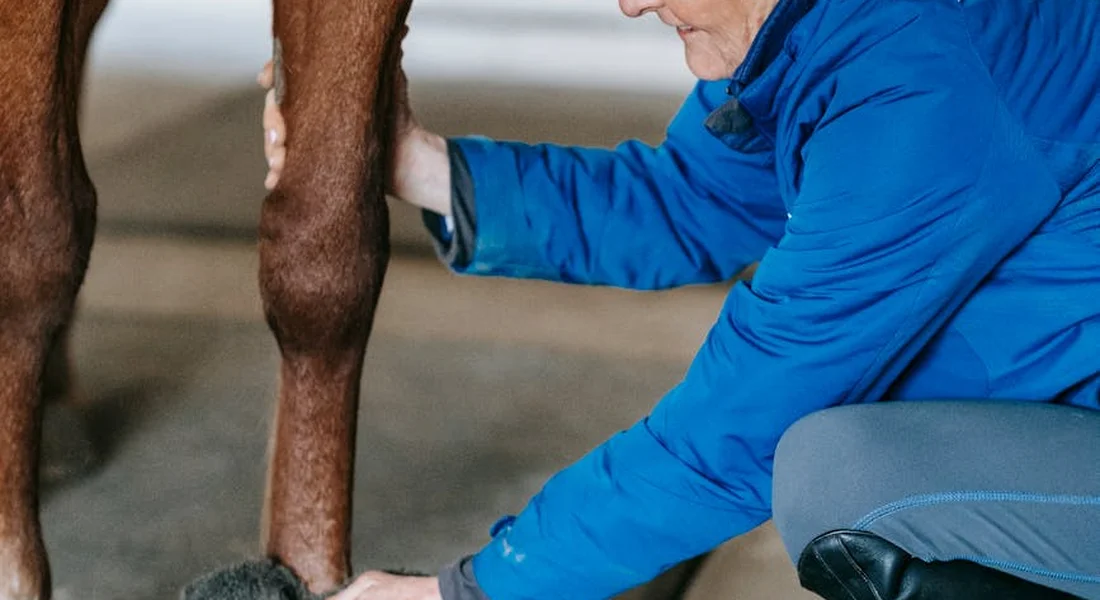
Spotting laminitis early is key-think sudden lameness, a sawhorse stance, or hooves hot to the touch. I learned this the hard way with Rusty one damp fall morning; he was reluctant to move and standing camped out. Your first move is always to get your vet on the phone, as this is a painful, time-sensitive crisis.
- Call your veterinarian immediately. Describe everything: hoof temperature, digital pulse, and how your horse is bearing weight. Do not delay.
- Move the horse to a soft, deeply bedded stall. Use a thick layer of shavings or sand to support the entire foot. I keep one stall prepped with extra bedding for emergencies.
- Cold hose or ice the hooves. Aim for 30-40 minutes at a time to reduce inflammation. Commercial ice boots are great, or a simple bucket of ice water works.
- Remove all feed but provide ample, clean water. Pull any hay, grain, or treats to halt sugar intake, but ensure they stay hydrated.
Your vet will focus on potent pain relief and stabilizing the hoof structures. Managing pain isn’t just kindness; it’s critical to preventing further physical damage and shock.
Beyond the Crisis: Long-Term Hoof Care and Prevention
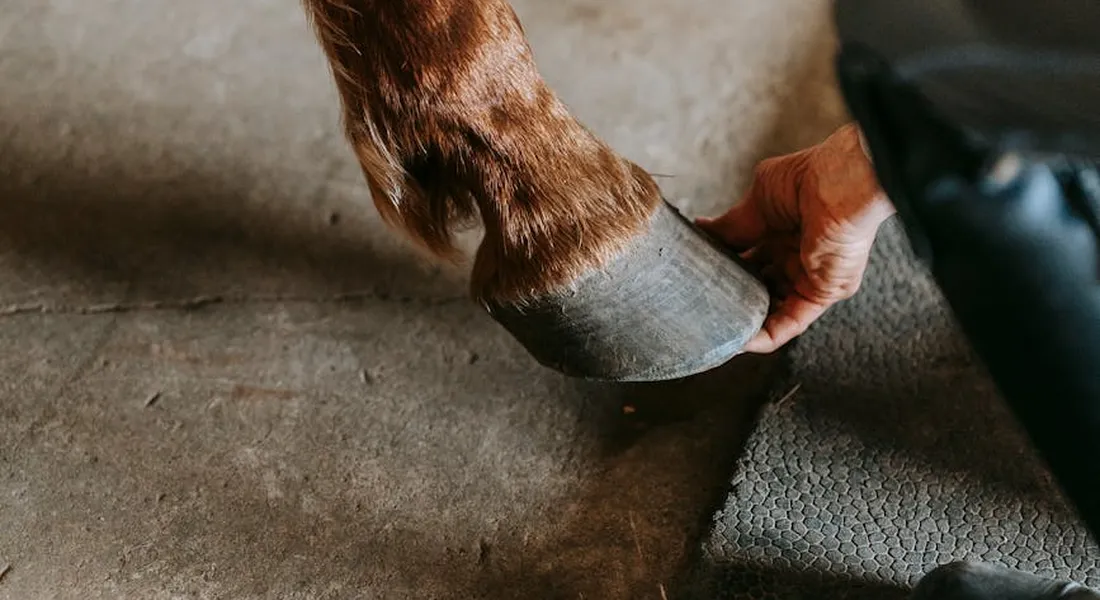
The Farrier’s Role in Prevention
Schedule trims every 5-7 weeks like clockwork. This isn’t just a pedicure; it’s preventive medicine. My farrier’s regular visits for Pipin catch minor flares before they become major problems. Consistent trimming maintains proper hoof balance, which directly lessens mechanical stress on the inflamed laminae.
A good farrier will also monitor sole thickness and hoof wall integrity. Ask about a rolled toe or a mustang roll to improve breakover and reduce pulling forces on the toe with each step.
Supporting Hoof Health from the Inside Out
You can’t grow a good hoof from the outside alone. Think of nutrition as the foundation. Focus on a balanced diet that prioritizes these key builders for the hoof capsule.
- Biotin: This B-vitamin is crucial for strong hoof horn. Many quality supplements include it.
- Amino Acids: Especially methionine and lysine-the protein building blocks for keratin.
- Zinc: Supports cellular repair and overall hoof wall integrity.
Gentle, consistent movement is non-negotiable for circulation. Even a daily 15-minute hand-walk, feeling the steady thud of hooves on soft ground, boosts blood flow to the feet.
During recovery, supportive hoof boots can be a game-changer. They offer sole cushioning and comfort, allowing for necessary movement without pain—a rehab hack I used for Luna with great success. Choosing the right ones made all the difference.
FAQ: Fall Laminitis: Understanding and Preventing the Autumnal Spike
What is the recommended protocol for introducing a horse to autumn pasture?
Begin by offering very short, supervised grazing sessions during low-risk times like early morning. This is especially important for foundered horses, where careful grazing can help prevent flare-ups. Gradually increase access over several days while consistently using a grazing muzzle for at-risk horses. Always have a dry lot available as a safe retreat to prevent overconsumption of sugary grass.
How does the fructan content in grass change during autumn, and why is this significant?
Fructan levels surge in autumn grass during sunny days following cool nights, as the plant stores sugars it cannot use for growth. This is significant because high fructan intake can directly trigger laminitis in metabolically sensitive horses by causing insulin spikes and hoof inflammation. Recognizing this pattern is key to timing pasture access to avoid peak sugar periods.
What role does body condition scoring play in fall laminitis prevention?
Body condition scoring helps identify overweight horses that carry inflammatory fat, increasing laminitis risk. Maintaining an ideal score reduces metabolic strain on the hoof structures and overall system. Regular scoring allows for early dietary interventions to keep horses at a safe weight through the risky autumn season. Understanding horse body condition scoring and how to adjust feed accordingly is essential for turning these scores into practical feeding decisions. Tailoring the diet to each score helps support a healthy weight and hoof health through seasonal changes.
Final Thoughts from the Stable
Protecting your horse from fall laminitis comes down to managing pasture access and monitoring their overall diet. Be proactive by using a grazing muzzle or providing a dry lot during high-risk times, like after a frost or on sunny autumn days, to drastically reduce dangerous sugar intake. Knowing the five pasture management mistakes that can lead to laminitis can help you spot and avoid issues in your grazing plan.
Stay patient and watch for the subtle signs-your horse’s comfort is your best guide. Gentle horsemanship means adapting your routine to their needs, ensuring they step soundly into winter.
Further Reading & Sources
- A horse owner’s guide to pasture-associated laminitis | OSU Extension Service
- Laminitis prevention basics
- Laminitis: how to spot the signs, plus treatments and ways to prevent it
- Keys to Preventing Laminitis
At Horse and Hay, we are passionate about providing expert guidance on all aspects of horse care, from nutrition to wellness. Our team of equine specialists and veterinarians offer trusted advice on the best foods, supplements, and practices to keep your horse healthy and thriving. Whether you're a seasoned rider or new to equine care, we provide valuable insights into feeding, grooming, and overall well-being to ensure your horse lives its happiest, healthiest life.
Hoof Care