
Hidden Costs of Horse Ownership: 15 Expenses You Didn’t Budget For
Hello fellow equestrians, does your heart sink a little when you open another invoice from the vet or farrier? You’re not alone if those surprise charges make your carefully planned horse budget feel suddenly fragile.
I’ll guide you through the most common financial surprises that sneak up on owners, covering key areas like emergency veterinary care beyond standard check-ups, corrective farrier work for hoof issues, year-round parasite control programs, and constant tack repair and replacement. We’ll also tackle seasonal feed and supplement shifts, arena and footing maintenance, trailer insurance and repairs, and biosecurity and quarantine costs.
My years in the saddle and running a barn have given me a front-row seat to these expenses, and I’m here to share that hard-won, practical knowledge.
1. The Constant Drip of Routine Care
You plan for board and tack, but the scheduled upkeep is what quietly empties your pockets. These regular appointments often cost far more than your first estimate, especially for an aging partner like my Quarter Horse, Rusty, whose maintenance needs have increased steadily.
| Expense | Typical Frequency | Average Cost Range |
|---|---|---|
| Farrier (Trim) | Every 6-8 weeks | $40 – $80 |
| Farrier (Full Set of Shoes) | Every 6-8 weeks | $120 – $300 |
| Dental Float | Annually (6 mos. for seniors) | $150 – $350 |
| Deworming Treatment | 2-4 times yearly | $20 – $60 per dose |
| Core Vaccinations | Annually | $100 – $250 |
Add it up for a year. A shod horse can easily surpass $1,800 annually in farrier bills alone, and that’s if everything goes perfectly.
Hoof Care: More Than Just a Trim
That regular trim is the baseline, not the ceiling. A simple visit can uncover the need for corrective shoeing, pads, or special nails for issues like thin soles or cracks, instantly doubling your cost. I’ve had bills jump when the farrier heard a concerning sound on the hoof tester.
Plan for ongoing support. Hoof supplements with biotin and methionine are a common add-on, running $30 to $70 a month for a quality product. This is a preventative measure that can stave off more expensive interventions later.
Dental Dollars: The Quiet Budget Buster
An annual float is non-negotiable for comfort and proper digestion. Sharp points and hooks develop silently, causing pain, weight loss, and wasted hay. I once managed a gelding who started losing condition; the culprit was a painful molar hook missed for a year.
Emergency care costs more. A routine $250 float can become a $600 procedure if extensive work or tooth extraction is needed. For older horses, budgeting for twice-yearly checks is a smart move.
Parasite Control and Vaccinations
Modern deworming isn’t about random rotation. Start with a $20-$30 fecal egg count to target treatment effectively and avoid costly resistance. Blanket dosing wastes product and money.
Vaccines are a predictable line item. Core vaccines like Tetanus, Eastern/Western Encephalitis, and West Nile Virus are yearly essentials for every horse. Your location and your horse’s job may add requirements for Rhino/Flu or Strangles, adding to the annual tally. A complete, practical schedule is outlined in the essential horse vaccinations complete schedule guide. It helps you plan annual immunizations at a glance.
2. Feed, Hay, and the Supplement Slippery Slope
Hay and grain are just the opening act. Feeding a sensitive athlete like my Thoroughbred, Luna, demands premium concentrates and constant adjustment, which hits your wallet hard. The cost of keeping a horse fed properly is a master class in supply and demand.
The price of hay bales whispers the story of the season’s weather. A wet summer that ruins hay crops or a drought that stunts growth can send your feed budget soaring with little warning. Storage loss from mold or pests is money literally tossed out.
The True Cost of Quality Forage
Buying hay is an art. Purchasing by the truckload seems economical, but without a dry, rodent-proof storage space, you risk losing a huge investment to spoilage. The smell of spoiled hay is the scent of wasted dollars.
Pasture isn’t free feed. Fertilizing, rotational grazing, and weed control are ongoing costs that maintain that precious green space. Testing your hay’s nutritional value, for about $50, tells you exactly what you’re paying for and what you need to add.
Supplements: When Enough is Never Enough
It begins with one jar for joints, then a scoop for hooves, then a pump for coat shine. Supplement costs accumulate faster than mud in a spring pasture, and it’s easy to overlook the total monthly drain. Always talk to your vet or an equine nutritionist first; sometimes a better base diet solves the problem.
Compare products by serving cost, not container price. A $80 bucket of joint supplement might last three months, while a $50 bag of another brand is gone in one, making it far more expensive. Even my easy keeper, Pipin the pony, gets a ration balancer to fill nutritional gaps in his pasture.
- Joint Support (Glucosamine/MSM): $40 – $120 per month.
- Hoof Builder (Biotin/Zinc): $25 – $75 per month.
- Digestive Aid (Probiotics/Prebiotics): $30 – $80 per month.
- Calming Supplement: $20 – $60 per month for situational use.
3. Tack and Gear: The Replacement Cycle
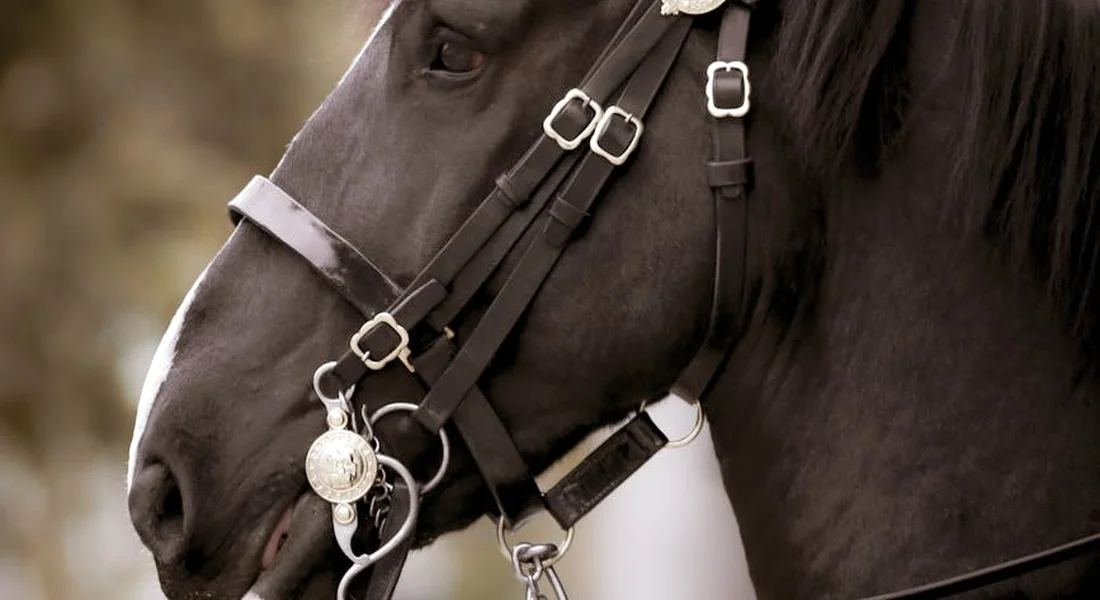
You budget for the initial purchase of a saddle, bridle, and blankets. What sneaks up on you is the relentless, quiet degradation of all that equipment. Leather dries and stretches, nylon sun-rots, and hardware fails. It’s not an ‘if’ but a ‘when.’ A new bridle might last years, but the items under constant friction need vigilant replacement.
I inspect tack every single time I use it, running my hands over every inch. You should, too. Focus on these high-wear items:
- Girths: Elastic loses its give, stitching frays, and billet straps can develop weak spots you can feel but not always see.
- Stirrup Leathers: They stretch unevenly and develop creases where metal meets leather, a prime spot for a catastrophic break.
- Halters & Lead Ropes: Left on in turnout, they catch and break. Sun exposure makes nylon brittle. A broken halter is an invitation to a pasture escape.
- Blankets: They are consumable items, not heirlooms. Rips, broken buckles, and worn-out surcingles are constant.
I learned about billet strap failure the hard way on a trail ride with Rusty. We were walking along a creek bed when I heard a soft *pop*-not a gunshot, but a sickeningly quiet sound. The off-side billet strap on my saddle had given way where it folded under the buckle bar. The saddle slid, I dismounted quickly, and we walked the long mile home. It was a cheap lesson that could have been very expensive. Now, I replace billets and girths on a schedule, not when they look bad.
Blanket Maintenance and Repair
Think of a blanket not as a single purchase, but as a yearly subscription service. A good turnout blanket can cost $300+, but the upkeep adds up fast.
- Seasonal Wardrobe: Many climates require a lightweight sheet, a medium-weight, and a heavy-weight blanket. That’s three per horse before you even talk about rain sheets or coolers.
- Professional Washing: Mud and sweat grind fibers down. Most commercial machines can’t handle a horse blanket. Professional wash fees run $30-$60 per blanket, and you should do it at least once per season.
- Repair Costs: A small rip from a fence becomes a gaping hole if ignored. Repair shops charge by the inch for sewing and $10-$25 per broken buckle or clip replacement.
A poorly fitted blanket is a health expense waiting to happen. A blanket that’s too tight creates brutal shoulder rubs that can bleed and scar. One that’s too long trips them. You must check fit every time you blanket, as a horse’s weight and muscle change with the seasons. Also watch for signs that a blanket needs replacing—frayed edges, torn seams, or thinning fabric. These usually mean it’s time for a new blanket.
Saddle and Bridle Upkeep
Quality leather tack can last decades with proper care, but that care isn’t free. Neglect turns it into a safety hazard. That care also extends to cleaning and maintaining horse tack blankets. Regularly cleaning blankets helps prevent dirt and sweat from degrading leather over time.
Regular professional maintenance is non-negotiable:
- Deep Cleaning & Conditioning: A pro service ($80-$150) gets into places you miss, preserving the leather’s integrity.
- Saddle Reflocking: The wool padding inside your saddle compresses over time, creating pressure points. Reflocking ($200-$400) every few years is a welfare issue for your horse’s back.
- Bit Fittings: Your horse’s mouth changes. A consultation with a fitter ($50-$150) can solve riding problems and prevent discomfort.
Watch for these signs your leather needs replacing, not just conditioning: Deep, dry cracks that feel stiff, a spongy or stretched feel where billets fold, or any discoloration that indicates rot. A growing young horse like Luna was at four will need an entirely new saddle. An older horse like Pipin, who’s lost topline, may need a different tree width.
4. Health Emergencies and Insurance
Routine vet bills are predictable. The emergency call is not. Colic surgery can soar past $10,000. A simple pasture injury requiring stitches and antibiotics can easily be $1,500. Hoping for the best is not a financial plan.
You need a two-pronged strategy: a liquid emergency fund and a clear understanding of insurance. One covers the immediate crisis; the other can help with catastrophic costs.
- Step 1: List your baseline emergency costs: farm call fee, exam, sedation. This is your “just to look” number.
- Step 2: Research costs for common emergencies in your area: overnight hospital stay, colic medical management, radiographs for lameness.
- Step 3: Set a monthly automatic transfer to a dedicated savings account. This money is for the horse, not for new boots.
The Emergency Fund: Your Financial First-Aid Kit
A good rule is to keep $3,000-$5,000 accessible for immediate use. A more tailored formula is to save the cost of your horse’s purchase price or current value, up to $10,000. This covers most major medical crises without insurance intervention. When planning, consider emergency vet costs for horses.
I keep my fund in a separate high-yield savings account, and it saved Rusty one terrifying winter night. He was showing early signs of colic-pawing, looking at his flank. The vet came, administered fluids and pain relief, but wanted to monitor him at the clinic. That emergency farm call, treatment, and overnight observation bill was over $2,000. Writing that check from the emergency fund caused stress, but not panic. I could focus on Rusty, not my credit card limit.
Understanding Equine Insurance Policies
Insurance shifts risk. You pay a premium for peace of mind. Know what you’re buying.
| Policy Type | What it Covers | Key Consideration |
| Mortality | Pays the horse’s agreed value if it dies from illness or accident. | Required by most lenders. The base for adding other coverage. |
| Major Medical/Surgical | Covers diagnostics, treatment, and surgery for accidents and illnesses. | Often has a deductible and a per-incident or annual limit (e.g., $7,500). |
| Liability | Protects you if your horse causes property damage or injury. | Essential if you board, give lessons, or ride on public land. |
You must read the exclusions in the fine print. Many policies exclude certain types of colic, pre-existing conditions, or specific breeds for certain issues. They also have waiting periods. Understand your deductible and if it’s per claim or per year. A policy with a $7,500 surgical limit won’t touch a $15,000 colic surgery-you’d need your emergency fund for the difference.
5. Facility and Boarding Hidden Fees
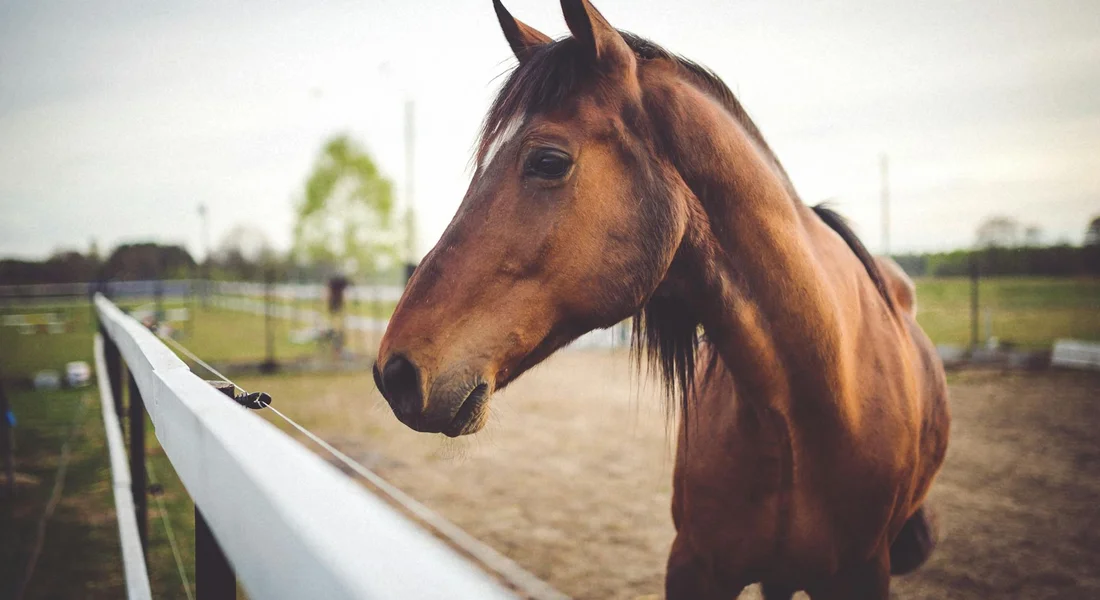
Your monthly board check might feel hefty, but it’s rarely the full story. I learned this the hard way when I moved Luna to a fancier barn, only to find a separate invoice for “environmental services” and “specialized turnout.” Base board often covers just a stall and basic hay, leaving a pasture of other charges quietly grazing on your budget. Beyond the rent, you’re often on the hook for barn maintenance repairs, like fixing chewed fence boards from clever escapees like Pipin or upgrading a frozen waterer in winter.
Advocating for maximum pasture time isn’t just good for your horse’s brain; it’s a savvy financial move. More hours outside can mean less bedding used, fewer stall cleaning fees, and a happier, healthier horse. An honest comparison of stall boarding vs pasture boarding reveals how each option affects your horse’s well-being. This insight helps you decide what’s best for your horse.
Bedding and Waste Management
Shavings, straw, or pellets-your choice directly hits your wallet. A single bag of quality shavings can cost between $5 and $8, and a standard stall might need two or more per week. Investing in heavy-duty rubber mats can dramatically reduce your bedding use and cost over time, creating a cleaner, drier base for your horse. Straw is often cheaper upfront but can be dustier and less absorbent, leading to more frequent total changes.
Then there’s the aftermath. Manure disposal isn’t magic; many facilities charge a monthly removal fee or require you to manage a compost pile. For my small farm, hiring a monthly scoop service for three horses adds a predictable line item. A good stable hack is to establish a routine mucking schedule to keep waste manageable and odors down, which barn managers appreciate.
Boarding Add-Ons and Supervision
Read your contract closely. Common add-ons include fees for holding your horse for the farrier or vet, administering daily supplements, or providing extra turnout sessions. That $10 “hold fee” for the farrier, twice a month, adds $240 to your annual costs without you even saddling up. For a horse like Rusty, who needs his joint supplements religiously, that daily service charge is non-negotiable.
Quality supervision has a price, but it’s worth every penny. A barn that charges for checking on a colicky horse overnight or for separating horses at feeding time is investing in safety. I happily pay a small premium for the peace of mind that comes with knowing someone with soft hands is keeping an eye on sensitive Luna during a storm.
6. Training, Travel, and Lifetime Costs
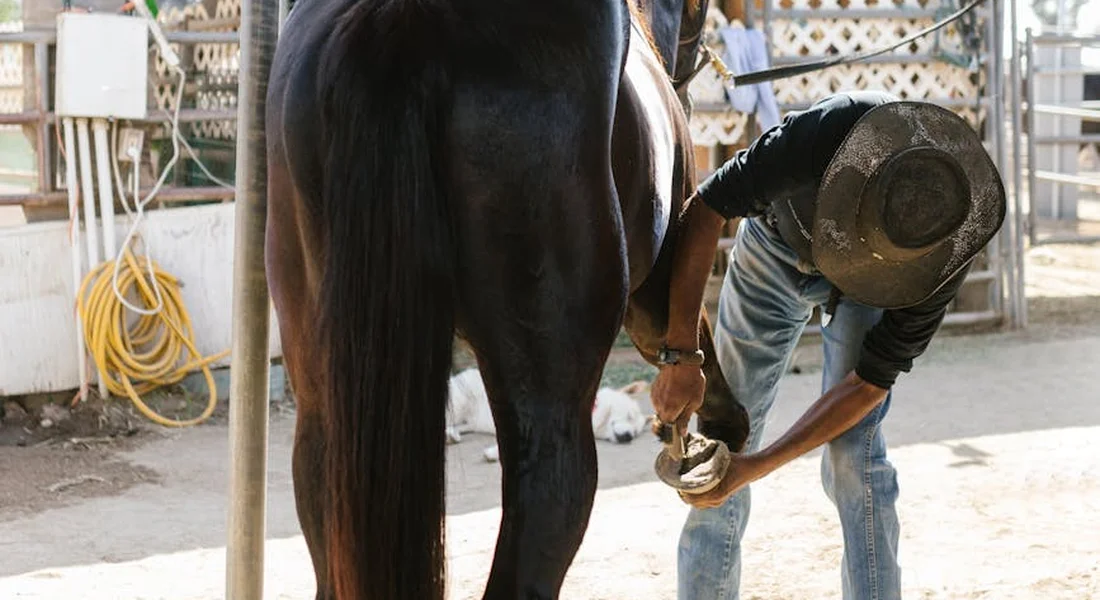
Owning a horse is a journey of continuous learning, and that education has a tuition. Whether it’s fixing Pipin’s gate-opening antics or helping Luna find confidence, professional guidance is an investment in safety and partnership. Beyond lessons, you must plan for the literal journey-hauling to trails or shows-and the very long road to a dignified retirement. These are the costs that shape your horse’s entire quality of life.
Investing in Skills: Trainer and Clinic Fees
An hour with a reputable trainer can range from $60 to $150, and that’s before clinic registration, which can hit $200 for a weekend. That price tag can prompt a closer look at the actual cost of lessons. So, how much do horse training lessons really cost, and what influences the final bill? Even groundwork for a food-motivated pony like Pipin can benefit from a pro’s tips to keep him engaged and safe. To find affordable training, consider swapping barn chores for lesson credits, organizing group sessions to split costs, or utilizing reputable online courses for supplemental learning between in-person tune-ups. I budget for a monthly session like it’s a utility bill-it’s that essential for progress.
Transportation and Activity Costs
If you own a trailer, remember maintenance: tire replacements, brake checks, and annual inspections are mandatory, not optional. Fuel for a single day trip can easily cost $50 or more. Comparing DIY hauling to hiring a professional service often reveals that the convenience of a pro shipper can be cost-comparable when you factor in your time, vehicle wear, and stress. For show days, hidden fees lurk: association memberships, office fees, and professional braiding that can cost $75 per horse before you even enter the ring. It’s not just about the physical strain but also the financial aspect of transporting horses and trailers for such events.
Always factor in the lifetime arc. Setting aside funds now for eventual retirement board or a compassionate end-of-life service is the ultimate act of responsible ownership. It ensures your horse, like my old trail partner Rusty, has comfort and care through every season of life.
Frequently Asked Questions: The Hidden Costs of Horse Ownership
Are emergency veterinary costs really that different from standard care?
Yes, emergency care is vastly more expensive than routine check-ups. A simple colic episode can cost thousands in diagnostics, fluids, and overnight monitoring. These unplanned bills require a dedicated savings fund separate from your annual wellness budget.
What are some common boarding facility fees that aren’t in the base rate?
Many barns charge extra for holding your horse for the vet or farrier, administering daily supplements, or providing blanketing services. You may also face separate charges for specialized feed, additional turnout time, or manure removal from your stall.
How should I financially plan for my horse’s long-term care and retirement?
Start setting aside funds early for future needs like senior feed, increased veterinary care, and specialized hoof maintenance. Retirement board can sometimes cost more than regular boarding due to increased management needs. Planning for end-of-life care is also a critical, though often unspoken, responsibility.
Your Financial Tack Room
View your horse budget like a well-organized tack room: map out every expected cost on the shelf, but always keep space on the hook for the unexpected. The most critical piece of gear you can own is a dedicated emergency fund, as vet bills wait for no one’s payday.
Approaching this financial journey with the same patience you use in the saddle builds a more sustainable partnership. True horsemanship means listening, both to your horse’s needs and to the honest numbers in your ledger, especially when buying or leasing a horse.
Further Reading & Sources
- r/Horses on Reddit: How much does it cost you a year to own a horse or two? How does it breakdown?
- How Much Does It Cost To Own a Horse? – Farm House Tack
- Special Feature: How Much Does It Cost to Own a Horse?
- The true cost of horse ownership.
At Horse and Hay, we are passionate about providing expert guidance on all aspects of horse care, from nutrition to wellness. Our team of equine specialists and veterinarians offer trusted advice on the best foods, supplements, and practices to keep your horse healthy and thriving. Whether you're a seasoned rider or new to equine care, we provide valuable insights into feeding, grooming, and overall well-being to ensure your horse lives its happiest, healthiest life.
Equipment