
Stall Boarding vs. Pasture Boarding: An Honest Comparison for Your Horse’s Well-being
Published on: May 10, 2026 | Last Updated: May 10, 2026
Written By: Henry Wellington
Hello fellow equestrians. Choosing between a private stall and open pasture for your horse is a decision that weighs heavily on any responsible owner. That knot in your stomach about rising vet bills, injury risks, or unexplained cribbing is a clear sign you care deeply about getting this right.
I’ve stood in that same muddy barn aisle, clipboard in hand, debating what’s truly best for the horses in my care. The smell of fresh hay and the sound of contented munching from the pasture often clash with the perceived safety and convenience of a clean stall.
This guide will provide a clear, side-by-side look at both worlds. We will explore the following key areas to give you actionable insights:
- The real cost breakdown, including hidden fees and long-term health savings
- How daily movement impacts everything from hoof quality to metabolic function
- Behavioral red flags linked to confinement and the benefits of herd life
- A simple checklist to match your horse’s personality to the ideal setting
My advice comes from over a decade of barn management and training, where I’ve tailored care for everything from steady Quarter Horses to sensitive Thoroughbreds, always with their natural needs at the forefront.
Understanding the Basics: Stall vs. Pasture Defined
Stall boarding means your horse lives primarily in a confined indoor or outdoor enclosure, with scheduled meals, mucking, and limited time outside. It’s a highly managed system where every aspect of the horse’s day is structured by human hands. Pasture boarding, or field boarding, means your horse lives primarily outdoors with a herd, grazing freely and following a more natural daily rhythm dictated by sunlight and weather.
| Aspect | Stall Boarding | Pasture Boarding |
|---|---|---|
| Location | Individual stall inside a barn or shed. | Open field or paddock, often with run-in shelter. |
| Human Involvement | High. Staff provide all feed, water, and clean bedding. | Lower. Staff monitor health and condition, but the horse cares for itself within the herd. |
| Daily Structure | Fixed schedule: feeding, turnout, mucking, bringing in. | Fluid, natural pattern: grazing, resting, and socializing at will. |
In stall boarding, barn staff are directly responsible for your horse’s daily needs. In pasture boarding, the barn manager’s role shifts to overseer, ensuring the land, water, and herd dynamics are safe and healthy. The core philosophy boils down to control versus freedom-a meticulously controlled environment versus one that prioritizes promoting natural equine behavior.
What Does Stall Boarding Really Mean?
A typical stall is a 12×12 foot box, though sizes vary, bedded deeply with shavings or straw to absorb waste and provide comfort. The daily hum involves a staff member mucking out manure, throwing fresh hay over the door, and filling the water bucket twice a day. Turnout might be for just a few hours in a small paddock. I’ve spent years managing stalls, and the routine is predictable: the scrape of the fork, the smell of pine shavings, and the soft nicker when grain buckets rattle. The level of human oversight is constant, which can be reassuring for horses needing medication or precise diets.
What Does Pasture Boarding Really Mean?
Life in a field is defined by the herd. Horses establish a pecking order, doze together under a tree, and wander miles a day just grazing. They have continuous access to forage, be it grass or hay, and face all weather, which builds a tough, resilient constitution. Across landscapes, horses have adapted to survive by using different foraging and shelter strategies. This adaptability lets them thrive in deserts, mountains, and plains. The barn manager isn’t handling them daily but is watching-scanning for lameness, checking fence lines, and ensuring the group gets along. It’s a hands-off approach that trusts the horse to be a horse.
Health Impacts: Physical and Mental Well-being
Choosing between stall and pasture boarding isn’t just about convenience; it’s a direct decision affecting your horse’s health. Let’s weigh the impacts on their bodies and minds, because true equine welfare means looking at the whole animal. Flooring in stalls is a big part of that equation, influencing dust, moisture, and hoof health. A quick look at the best flooring horse stall materials compared can help you weigh options before your next decision. I remember a winter where our stall-kept Thoroughbred, Luna, developed a cough from dusty hay, while out in the pasture, Rusty’s soles got soft from constant mud-each setup has its trade-offs.
Physical Health: Hooves, Lungs, and Body
Hoof health swings on moisture. Dry stall bedding can lead to brittle, cracked hooves, while perpetually damp pasture grass invites thrush. Respiratory health favors pastures, where fresh air dilutes allergens, unlike a dusty stall that can harbor mold spores in hay, especially for those learning how to manage respiratory issues in horses. For exercise and weight, pasture life means near-constant, slow movement aiding digestion and fitness, whereas stalled horses rely on scheduled workouts and controlled feedings to avoid obesity.
Stall-Related Health Factors
Mitigating stall risks requires diligent management. You must insist on adequate barn ventilation, spotless bedding, and a non-negotiable daily turnout period for movement. Without these, risks escalate:
- Stall confinement injuries from kicking walls or getting cast.
- Colic from sudden grain meals or insufficient roughage intake.
- Stiffness and poor circulation from limited movement.
Pasture-Related Health Factors
Keeping a pasture-kept horse healthy is about proactive land care. A good program includes rotational grazing to prevent overgrazing, strategic deworming based on fecal counts, and maintaining a dry, grassy loafing area to combat mud. Common risks to watch for include:
- Weather extremes like sunburn or chilling rain without proper shelter.
- Injury from unseen holes or rough play in the herd.
- Laminitis from too-rich spring grass if intake isn’t managed.
Mental Well-being and Behavior
A horse’s mind thrives on stimulation and social contact. Pasture life naturally provides both through herd interaction and the endless job of grazing, which staves off boredom and stress behaviors. Stall living, without careful enrichment, can lead to weaving, cribbing, or door-kicking from frustration and isolation. I’ve seen our clever Shetland, Pipin, figure out stall latches when bored, a sure sign he needed more to do. Social needs are profound; horses are herd animals, and solitary confinement in a stall can make them anxious or depressed. This naturally leads to the question: do horses play, and how does their social play reflect their understanding of peers? Exploring this could illuminate how play supports learning, relationships, and enrichment decisions.
For stalled horses, mimic natural foraging to keep their minds engaged. Try hanging a slow-feed hay net, hiding carrot pieces in a tub of large pebbles, or providing a sturdy toy they can nudge and roll. Even simple changes, like varying their turnout buddy or hanging a mirror, can offer mental relief. The goal is always to honor their nature, whether inside four walls or under an open sky. There are 15 enrichment ideas to keep your horse mentally stimulated.
Daily Management and Your Responsibilities
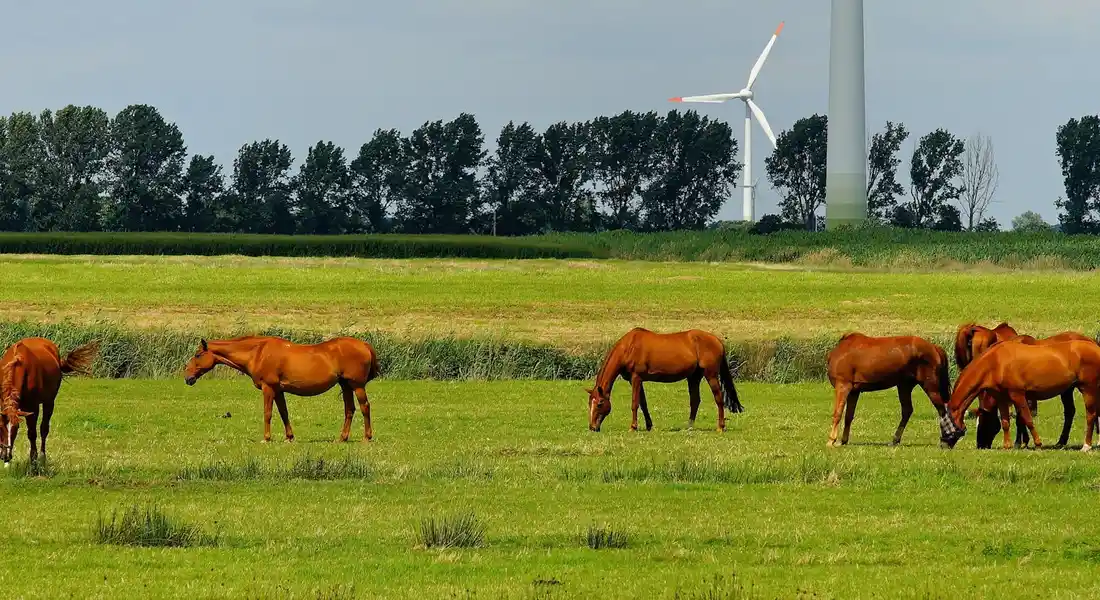
Your choice between a stall and a pasture dictates the rhythm of your days and your horse’s life. I’ve spent years in both systems, and each requires a different kind of vigilance. A good management plan isn’t about which is easier for you-it’s about what keeps your horse physically sound and mentally content.
Stall Maintenance and Care Routine
Stall care is a detailed, daily dance. When I manage Luna’s stall, the routine is non-negotiable. Her sensitive nature means a clean, predictable environment is everything.
- Muck out thoroughly twice daily, removing all wet spots and manure to prevent ammonia buildup and thrush.
- Refresh bedding completely every few days, ensuring a deep, dry layer for comfort and joint support.
- Perform a hazard check each morning: feel for loose boards, secure latches, and remove any chewed or frayed edges.
- Empty, scrub, and refill water buckets with fresh water-never just top them off.
The most critical part of stall care is the turnout schedule; a horse without daily freedom is a horse set up for physical and psychological stress. I never let a day pass without giving Luna, and even old Rusty when he’s inside, several hours to just be a horse.
Pasture Management and Oversight
Pasture management is less about daily cleaning and more about constant observation. Watching over Rusty and the cheeky pony Pipin teaches you to read the land and the herd.
- Walk the entire fence line daily, putting hands on posts and wires to test for weakness or escape routes.
- Check water troughs for algae, debris, and proper flow; in winter, breaking ice is a morning ritual.
- Observe herd dynamics during feeding times to ensure every horse, even the low-ranking ones, gets access to hay.
- Implement pasture rotation every 4-6 weeks to rest grasses and disrupt parasite life cycles.
Parasite control shifts from a calendar-based deworming to a smarter, fecal-test-driven strategy, as pastures are the perfect incubator for worms. You’ll also learn to battle seasonal mud with strategic gravel placement and ensure summer shade and winter windbreaks are always available.
Cost Considerations and Budgeting
Let’s talk money without flinching. The board fee is just the entry ticket; true cost is in the details of care. I always explain to owners that you’re not just renting space-you’re funding a lifestyle for your horse.
Breaking Down Stall Boarding Costs
Stall boarding often appears as one clear monthly number, but it’s a package deal. From my ledgers, here’s what that fee typically covers.
- Stall Rent: The base cost for the enclosed space and usually shared facility use.
- Bedding: A recurring expense for shavings or straw, with costs fluctuating with market prices.
- Grain & Hay: Often included in “full-care” board, but premium feeds or special supplements are extra.
- Labor: The significant cost of daily mucking, feeding, and turning out-saving you time but adding to the bill.
Hidden costs can surface as increased veterinary attention for issues like colic or stocking up, which is why that turnout time you’re paying for is non-negotiable for health.
Breaking Down Pasture Boarding Costs
Pasture board usually has a lower monthly fee, but the responsibilities-and expenses-shift directly to you. Budgeting for Rusty’s field taught me to think like a farmer, especially when considering pasture maintenance costs.
- Pasture Maintenance: Regular mowing, fertilizing, and reseeding to maintain nutritional grass quality.
- Supplemental Feed: Hay costs can skyrocket in winter or drought, easily matching summer board fees.
- Herd Health Care: Group vet visits for vaccines are efficient, but injury from a kick or a tangled fence line is an unpredictable cost.
- Infrastructure Upkeep: You’re funding the wear and tear on fences, gates, waterers, and run-in sheds.
You are investing in preventative health through movement and socialization, which can mean fewer vet bills for ulcers or anxiety-driven behaviors down the road.
Choosing the Right Fit for Your Horse
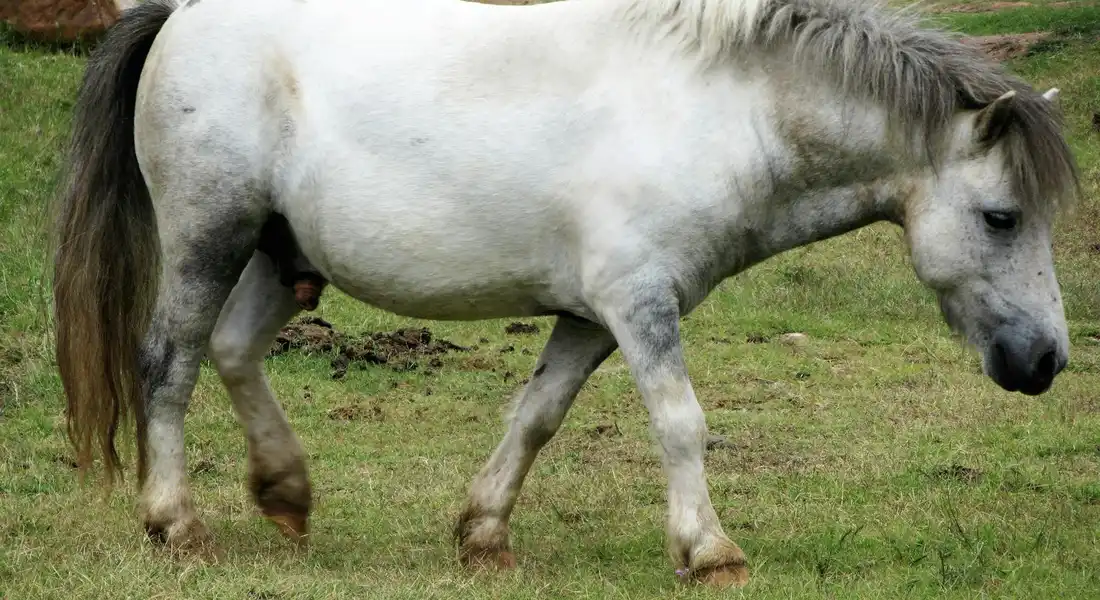
Picking a boarding style isn’t about checking a box; it’s about listening to your horse. I’ve spent years watching how a change in environment can soothe a nervous mare or spark joy in a bored gelding. Match your horse to their habitat by weighing their individual quirks and needs, not just the barn’s brochure. It’s essential to create a safe and enriching environment for your horse.
Use this quick diagnostic list to start your assessment. Think about where your horse falls on these spectrums.
- Age and Mobility: A young, growing horse needs space to develop coordination, while a senior with arthritis might need easier access to flat, dry ground.
- Mental Temperament: Is your horse a calm keeper like Rusty, or a high-strung thinker like Luna? Anxiety thrives in the wrong setting.
- Physical Health: Conditions like metabolic issues, allergies, or a history of colic will immediately narrow your options.
- Diet and Metabolism: An easy keeper gets fat on air, while a hard keeper needs every calorie monitored closely.
The ideal scenario often lives in the middle. Advocating for hybrid solutions that mix stall and pasture time is, in my experience, the single best thing you can do for your horse’s overall well-being. On the pasture kept vs stabled debate, myths abound. The best horse housing myths guide helps sort fact from fiction.
Horses Best Suited for Stall Boarding
Stall boarding serves a specific purpose for horses that need close management. Remember, a stall is a tool for care, not a cage, and zero turnout is a red flag for any horse’s mental health. I managed a stall-bound horse post-surgery, and his daily 30 minutes of hand-grazing was non-negotiable for his spirit.
- High-Performance Athletes in Work: Horses in demanding training often need strict diet control, temperature management, and protection from pasture-play injuries.
- Medical Recovery Cases: Horses needing stall rest, frequent vet care, bandage changes, or isolation for contagion risk.
- Poor Herd Candidates: The severe bully or the relentless victim. Sometimes, separate but equal turnout is the safest answer.
- Special Needs Seniors: An older horse who struggles to compete for food or needs soaked meals multiple times a day may benefit from stall-based care.
Horses Best Suited for Pasture Boarding
For many horses, pasture life is simply what they are built for. A true pasture boarding setup requires more than a fence; it needs robust, accessible shelter and a thoughtful rotation plan to prevent a dirt lot. Watching Pipin the pony live out year-round taught me that constant movement keeps minds and joints supple. But it’s not just about the physical space; creating an enriching pasture environment plays a crucial role in their well-being.
- Easy Keepers and Hardy Breeds: Horses and ponies that maintain weight easily on grass and hay are perfect candidates for 24/7 turnout.
- Retired or Lightly Worked Horses: The pleasure trail horse or content retiree often finds their deepest peace in a herd with room to roam.
- Social Butterflies: Horses that thrive on herd interaction and become stressed when isolated.
- Youngsters Developing Confidence: Pasture life teaches vital social skills and provides a natural gymnasium.
Combination Boarding: The Middle Path
This blend is the gold standard for equine welfare in a domestic setting. Combination boarding provides routine, individualized care while honoring the horse’s need for social contact and free movement. The most common and successful schedule I’ve used is daytime turnout with overnight stalling.
Here is how to seek out and secure a good combination setup:
- Ask About the Standard Protocol: Look for barns advertising “stall with daily turnout.” Get the specifics is it 6 hours, 12 hours, or more?
- Understand the Logistics: How are turnout groups formed? Is there enough space per horse? Observe the morning turnout ritual for smooth, low-stress handling.
- Negotiate for Your Horse: A good barn will adjust. Luna needed a smaller, calmer paddock group, while Rusty was happy with the whole herd.
Vet Your Boarding Facility: Key Questions to Ask
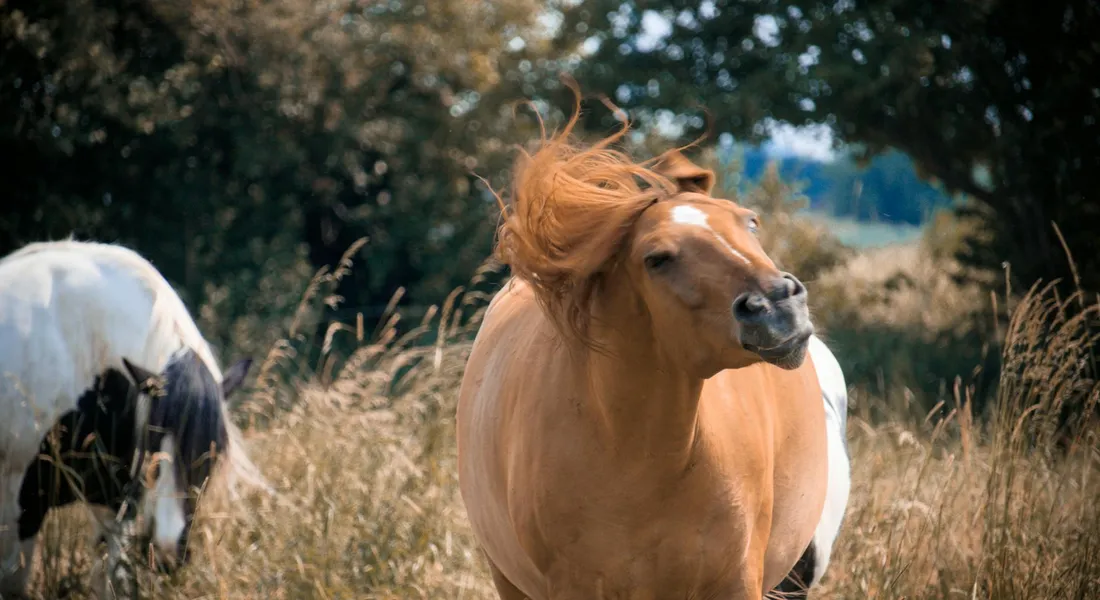
Tour a barn with your eyes wide open and your notebook ready. The condition of the horses already living there is the most honest review you will ever get. Look for bright eyes, calm demeanors, and a general lack of stall vices or fence-walking.
For Stall Boarding Facilities
Dig beyond cleanliness and ask about the quality of life inside those four walls. Ammonia smell in a barn is a failure of ventilation, not just a sign of a dirty stall. Bring this list on your tour.
- What is the minimum daily turnout time, and what is the wet-weather or winter policy?
- How many times per day are stalls mucked, and how is soiled bedding disposed of?
- Is there active cross-ventilation, windows, or fans to ensure air flow?
- What is provided for mental stimulation (e.g., slow-feed nets, toys, regular grooming)?
- How do you monitor each horse’s appetite, water intake, and manure production daily?
For Pasture Boarding Facilities
Pasture management is a science. Ask to see the sacrifice area or dry lot a facility’s plan for bad weather tells you everything about their long-term pasture health strategy. These questions separate good operations from risky ones.
- What is the acreage per horse, and how are herds dynamically grouped by personality and need?
- Can you show me the all-weather shelter? Is it sized for all horses to use it at once?
- What is the schedule for pasture rotation, mowing, and manure removal to control parasites?
- How are individual horses observed and caught for daily health checks or feeding?
- What is the plan when the grass is gone or the field is a mud pit?
FAQ: Stall Boarding vs. Pasture Boarding
Which option is better for my horse’s mental health?
Pasture boarding generally supports better mental health by providing constant social interaction and natural grazing, which reduce boredom and stress. Stall boarding can lead to anxiety and stereotypic behaviors like weaving if not supplemented with enrichment and regular turnout. For optimal well-being, a combination of both environments often balances security with social and foraging opportunities.
What are the cost differences between stall and pasture boarding?
Stall boarding usually has higher monthly fees covering labor, bedding, and controlled feed, but it may incur hidden costs from health issues like colic or stiffness. Pasture boarding often has lower base costs but requires budgeting for pasture maintenance, winter hay, and potential herd-related injuries. Over time, pasture boarding might reduce veterinary expenses by promoting natural movement and lowering stress-related conditions.
Can a combination of stall and pasture boarding be arranged?
Yes, many facilities offer combination boarding, such as daytime turnout with overnight stabling, which is considered a gold standard for equine welfare. This approach allows for personalized care while fulfilling the horse’s need for herd life and free movement. When arranging this, inquire about turnout duration, group composition, and facility adaptability to ensure it suits your horse’s temperament and health.
Making the Right Choice for Your Herd
When evaluating boarding options, your horse’s need for movement and forage must come first. The absolute best choice is always the one that maximizes your horse’s turnout time with safe companions and reliable fencing.
Trust the feedback your horse gives you through his behavior and condition. A content horse, whether in a stall or a field, is the truest sign you’ve found a good fit.
Further Reading & Sources
- Stall versus Pasture Boarding – Ed Dabney
- A Look at What Different Types of Horse Boarding Stables Can Offer
- Southwind Farm, Inc. A Premier Horse Boarding Facility located in Damascus, Maryland.: Pros and Cons of Pasture Boarding vs. Stall Boarding for Your Horse
- Horse Boarding 101 (What it Costs, Types, FAQs) – Horse Rookie
At Horse and Hay, we are passionate about providing expert guidance on all aspects of horse care, from nutrition to wellness. Our team of equine specialists and veterinarians offer trusted advice on the best foods, supplements, and practices to keep your horse healthy and thriving. Whether you're a seasoned rider or new to equine care, we provide valuable insights into feeding, grooming, and overall well-being to ensure your horse lives its happiest, healthiest life.
Stable Management