
Core Ethical Principles of Horse Welfare and Ownership: Your Barn-Tested Guide
Hello fellow equestrians. Ever find yourself staring at the stall door, worrying if you’re doing enough for your horse? The financial strain of vet bills, the safety fears when behavior flares, and the guilt over limited pasture time are burdens we all carry.
Let’s replace that anxiety with a clear plan. This article walks you through the fundamental ethics that transform worry into confident care. We will cover these key principles:
- Making a lifelong commitment to your horse’s care, beyond riding seasons
- Prioritizing ample daily turnout for physical health and mental peace
- Choosing training and handling methods that respect the horse’s mind and body
- Advocating for their comfort in every decision, from feed to farrier work
I share this from years of barn management and training, lessons learned in the mud, the smell of fresh hay, and the quiet trust of horses like my own.
The Five Freedoms: Your Horse’s Bill of Rights
Forget abstract ideals; real welfare is built on a practical foundation. The Five Freedoms framework is that bedrock, turning good intentions into daily actions you can see and feel at the barn. These aren’t lofty goals but measurable standards for a life worth living, from Rusty’s reliable contentment to Luna’s delicate sensitivity.
Freedom from Hunger and Thirst
This seems obvious, but it’s about quality and consistency, not just presence. It means constant access to clean, palatable water-not a frozen bucket in winter or a slimy tank in summer. For forage, it’s the right amount of the right stuff, based on a honest body condition score, not just a scoop of what’s handy.
I check on this by watching the horse’s attitude at mealtime. A horse that barges in eagerly versus one that picks half-heartedly is telling you a story. Old Rusty is a walking gauge; if he ever turns his nose up at his senior mash, I know to check his teeth and his water first, because for him, skipping a meal is a five-alarm fire.
- Provide fresh, clean water, checked and scrubbed daily.
- Offer forage (hay/pasture) at 1.5-2% of body weight, adjusted for workload and metabolism.
- Learn to body condition score. A 5 on the Henneke scale is your target.
Freedom from Discomfort
Discomfort is the slow drip of a poor-fitting saddle, the damp chill of a soiled stall, or the relentless buzz of flies with no relief. Physical comfort is a right, not a luxury. Your horse’s environment should be a sanctuary, not a source of constant, low-grade irritation.
Think of it like your own home: you need a dry place to sleep, shelter from storms, and clothes that don’t pinch. A quick stall and pasture audit each morning takes two minutes: check for protruding nails, secure latches, clean bedding, and intact fencing. It’s the boring stuff that prevents the big accidents.
- Stall/pasture safety audit: Dry bedding, no sharp edges, secure gates, reliable shelter from sun/wind/rain.
- Tack must fit. A saddle should bridge the spine, not pinch the withers. A bit should sit quietly without pulling the corners of the mouth.
- Provide regular hoof care and dental checks-foundational comfort starts from the ground up and the inside out.
Freedom from Pain, Injury, and Disease
This freedom moves us from reactive to proactive care. It’s not about waiting for a limp; it’s about the partnership with your vet and farrier that prevents the limp altogether. It’s recognizing the whispers before they become screams.
Pain is often subtle. Is Luna standing parked out, shifting her weight oddly? Is Pipin, normally a chowhound, taking longer to finish his grain? These tiny changes in posture or habit are your horse’s only way of saying, “Something hurts.” Learning that language is your most critical responsibility.
- Maintain a strict schedule for vaccinations, deworming, and farrier visits.
- Know your horse’s normal vital signs and baseline demeanor.
- Signs of pain can include: reluctance to move, changes in eating, pinned ears at rest, a fixed stare, or excessive sweating without cause.
Freedom to Express Normal Behavior
This is the freedom I advocate for most fiercely. Horses are not meant for 23-hour stall confinement. They are designed to walk, graze, socialize, roll, and play. Denying this causes profound psychological and physical harm.
The sight of a herd grazing, one horse standing head-to-tail with another swishing flies, a playful buck on a spring morning-this isn’t just scenery. This is the benchmark of true welfare. Daily turnout with compatible friends is non-negotiable medicine for the equine soul. Watching Luna canter and snort with her pasture mate does more for her anxiety than any calming supplement ever could.
- Prioritize maximum turnout in safe, spacious areas.
- Ensure equine companionship. Horses are herd animals; isolation is stress.
- Allow for behaviors like mutual grooming, rolling, and free movement. A horse that can’t be a horse is a horse in distress.
Freedom from Fear and Distress
We build trust through predictability and patience, not force. This freedom is about mental safety. It means your horse shouldn’t live in anticipation of being hurt or confused. For a sensitive Thoroughbred like Luna, a raised voice can be as damaging as a raised whip.
Gentle horsemanship is reading the map of their body language. I once saw Luna’s eye widen and her breath quicken as a plastic bag blew into the arena. By noticing that tension before she spun, I could stop, let her look, exhale deeply myself, and show her it wasn’t a threat. Managing the environment starts with managing your own reactions.
- Move with calm, deliberate energy. Your nervousness becomes their fear.
- Use positive reinforcement. Reward the try, especially with fearful or green horses.
- Provide a consistent routine. Horses find comfort in knowing what comes next.
Your Daily Duty: The Owner’s Non-Negotiable Responsibilities
Ethics are meaningless without action. Your daily chores are the translation of principle into practice. It’s the smell of fresh hay, the sound of clean water filling a bucket, the feel of a smooth coat under a brush. This is where ownership shifts from hobby to stewardship, one muck bucket at a time.
Nutrition and Hydration Fundamentals
Start with forage. For most horses, good grass or quality hay is all they need. Grain is a supplement, not a staple. Your first job each day is to assess what’s in the hay net and what’s in the water tank.
I run my hands through the hay bale-it should smell sweet, not dusty or moldy. I scrub water tanks weekly to prevent biofilm buildup. Compare my two: Rusty gets a soaked senior pellet to keep weight on and aid his digestion, while Luna’s diet is strictly measured grass hay to fuel her energy without fizzy excess. Their needs are opposite, but the principle is the same: tailored, forage-first nutrition.
- Hay Quality 101: It should be leafy, greenish, and smell fresh. Avoid dust, mold, or excessive stems.
- Water: Clean automatic waterers or buckets daily. In winter, break ice and consider heated buckets.
- Feed by weight, not volume. A “scoop” of grain and a “scoop” of pellets have vastly different weights.
Grooming as Health Monitoring
Grooming is not a beauty pageant. It’s your daily, hands-on physical exam. The curry comb loosens dirt, but your fingers are searching for bumps, swellings, heat, or tenderness. The hoof pick clears pebbles, but your eyes are checking for cracks, thrush, or a shifted shoe.
Running a hand down Luna’s fine legs lets me feel for any filling before it becomes a stocked-up issue. Thorough grooming builds your bond and your diagnostic eye-you’ll notice that tiny cut or the early sign of a rainrot patch long before it becomes a vet call.
- Start with a rubber curry in circular motions to bring dirt and debris to the surface.
- Use a stiff dandy brush to sweep it all away.
- Finish with a soft brush for a polish.
- Pick out all four hooves, cleaning the sole, frog, and checking the hoof wall integrity.
- Feel legs for consistent coolness and run hands over the body for any abnormalities.
Safety and Situational Awareness
A safe horse is a product of a safe environment and a mindful handler. This means tidy aisles without trip hazards, fencing without weak spots, and a culture of calm. Your head must be on a swivel, anticipating the spook before it happens. For horse owners, horse owner safety responsibility is an ongoing duty that benefits from regular training and gear checks. Simple routines and proactive planning help prevent accidents before they start.
Managing Pipin, our Shetland escape artist, taught me this. We didn’t just fix the fence he broke; we asked why he was testing it. Proactive problem-solving-like adding a hot wire along a known cribbing board or storing grain in a pony-proof bin-is what separates a manager from a constant crisis responder. Safety is a mindset of prevention.
- Barnkeeping: Sweep aisles, coil hoses, put tools away. Clutter is a hazard.
- Handling: Use a halter and lead rope that are in good repair. Don’t wrap the lead around your hand.
- Think like your horse: What looks scary? What looks like a toy? Anticipate and adapt.
Beyond Band-Aids: Proactive Health and Veterinary Ethics
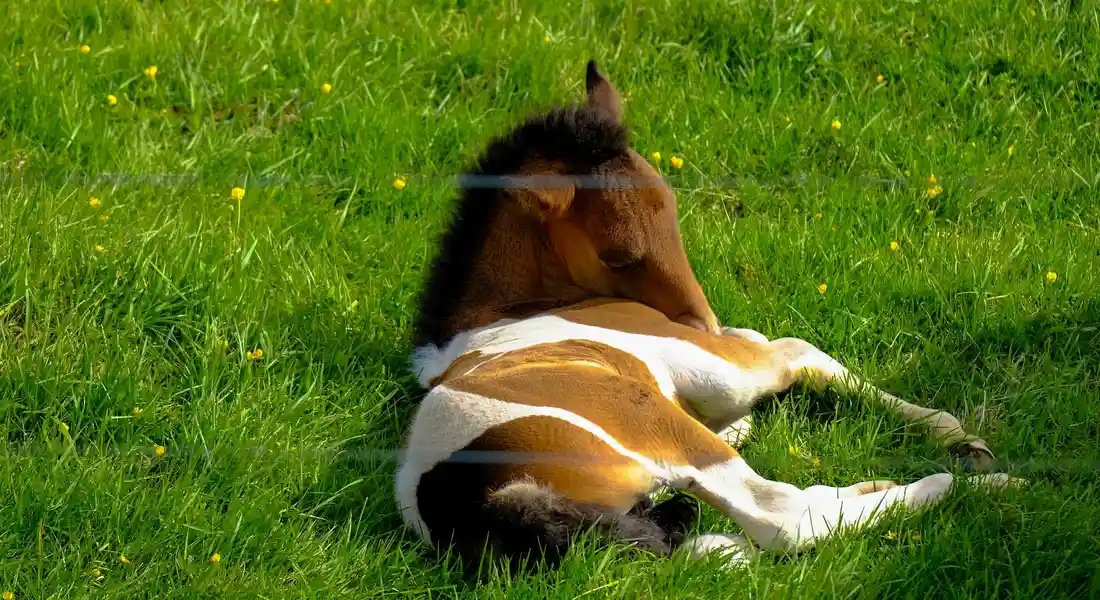
Waiting for a limp or a cough to act isn’t care; it’s crisis management. True ethical ownership means swapping the firefighter’s helmet for the gardener’s hat-nurturing wellness so problems don’t sprout in the first place. Your vet should be a partner in health, not just an emergency contact, with scheduled visits that prioritize prevention over panic. This proactive mindset saves your horse stress, your wallet strain, and your peace of mind.
Here is your immediate action plan to move from reactive to proactive:
- Schedule, Don’t React: Book your farrier, dentist, and vet visits for the entire year ahead. Put them in your phone calendar with loud alerts.
- Track Everything: Keep a simple barn log on a clipboard. Jot down deworming dates, shot records, and even subtle changes in appetite or attitude you notice during daily chores.
- Invest in Daily Observations: Those five minutes watching your horse chew hay or roll in the paddock are your most powerful and free diagnostic tool.
The Preventive Care Calendar
Think of this as your horse’s yearly rhythm, synced to the seasons and their unique challenges. A consistent, seasonal schedule is the backbone of proactive care, turning guesswork into routine. Use this framework as a starting point and adapt it with your own veterinarian.
| Season | Key Tasks | Why It Matters |
|---|---|---|
| Spring | Core vaccinations (EEE/WEE, Tetanus, West Nile). Deworming based on fecal egg counts. Schedule a dental check. | Mosquito season arrives, bringing insect-borne diseases. Fresh pasture growth means new parasite exposure. A dental check ensures efficient grazing. |
| Summer | Farrier visit every 6-8 weeks. Rigorous fly control. Monitor hydration and hoof moisture daily. | Hard, dry ground can crack hooves; frequent trims maintain balance. Heat stress demands vigilant water intake. I always watch my Thoroughbred, Luna, for sweat patterns in the heat. |
| Fall | Pre-winter vaccinations (Flu/Rhino). Body condition scoring before cold hits. Strategic deworming. | Prepares the immune system for stable-bound months where viruses spread easily. Ensures enough fat reserves for winter warmth. My old reliable, Rusty, gets his joints evaluated now. |
| Winter | Dental float if needed. Continue farrier on schedule. Check for weight loss and proper blanket fit weekly. | Cold horses may chew less efficiently; dental issues can cause a dangerous weight drop. Snow and ice require sound hoof care. The cheeky pony Pipin gets extra hay to fuel his internal furnace. |
Being Your Horse’s First Responder
Colic doesn’t start with dramatic rolling; lameness isn’t always a pronounced head-bob. The early signs are quiet whispers—a missed grain meal, a hesitant step on the left lead, a half-hearted nicker. Are these early warning signs of colic in horses? Recognizing them early helps you act fast. Knowing your horse’s unique normal is the ethical bedrock of ownership, and it starts with mastering a few basic skills. Learn to take these vital signs yourself; it’s easier than you think.
- Temperature: Normal is 99-101°F. Use a digital thermometer with a string clip. A high temperature often signals infection before any other obvious symptom appears.
- Heart Rate: Normal is 28-44 beats per minute. Feel the artery under the jaw or use a stethoscope behind the left elbow. Practice when your horse is dozing in the sun.
- Respiratory Rate: Normal is 8-16 breaths per minute. Watch the flank rise and fall for 15 seconds. Anxiety or pain will spike this number fast.
- Gut Sounds: Listen with a stethoscope on both sides of the barrel. Consistent gurgles and pops are good; eerie silence is a red flag for colic.
Last winter, I nearly dismissed Pipin, the Shetland, standing oddly quiet in his stall. No pawing, no sweating. But his eyes had a flat, dullness I’d never seen, and he turned his nose from a carrot. My gut tightened and said ‘call the vet.’ It was a mild impaction colic-caught early because of that subtle shift in demeanor. Trusting that unease isn’t paranoia; it’s a fundamental duty of partnership. A late-night vet call is always worth the peace of mind, and often, it’s what keeps a small issue from becoming a catastrophe.
Home Sweet Home: Shelter, Space, and Social Herds
Your horse’s home is not a storage unit for a living animal. I’ve managed barns where tidy, convenient stalls were prioritized, and the horses paid the price with anxious behaviors and stiff limbs. Suitable living conditions are defined by the horse’s innate needs to move, forage, and connect, not by what makes your chore schedule easier. This means sometimes choosing the muddy field over the clean stall, because that’s where life happens for them.
Let’s compare stall and pasture life, with a firm nudge toward the latter. A stall can protect from severe weather and simplify care, but it is a profound compromise. Pasture life, with its room to roam, is the gold standard.
- Stall Living: Pros include controlled feeding and easier injury monitoring. The cons are heavy: restricted movement stifles circulation and digestion, while stagnant air invites respiratory trouble. I’ve listened to too many coughs echo in poorly ventilated aisles.
- Pasture Living: Pros are the horse’s natural state: constant movement, social grazing, and mental stimulation. Cons require your diligence: secure fencing, parasite management, and a reliable run-in shelter. My old gelding Rusty embodies this-he’s at his best with miles of trail and friends to watch his back.
Your goal is maximum turnout. A horse standing still in a box is a horse slowly breaking down. Use stalls as short-term tools, not long-term housing.
Designing a Safe Haven
When a stall or shelter is necessary, its design must serve the horse, not just contain them. Think of dimensions first-a 12×12 foot stall is a minimum for an average horse to lie down and roll safely. Proper ventilation is the difference between healthy lungs and a chronic cough; it means moving air without a direct draft on the horse. I fixed a dusty corner in Luna’s stall with a basic exhaust fan, and her nervous head-tossing eased almost overnight.
Bedding is your insurance policy against sores and chill. Aim for deep, absorbent layers that you can keep dry through regular mucking. Here are the core components of a true safe haven:
- Space: Enough to move freely without rubbing on walls.
- Airflow: Vents high and low to let ammonia and heat escape.
- Comfort: A deep, banked bed of shavings or straw, not just a scattering.
For quick comfort hacks, try placing rubber mats under bedding for joint support, or hang a salt lick in a traffic area to encourage movement. An open top door, weather permitting, lets your horse see and smell the herd, cutting stall boredom in half. Even Pipin the pony is less of an escape artist when he can watch the comings and goings. These ideas are part of creating a safe, enriching environment for your horse. Next steps will show how to connect these tips with practical resources.
The Social Imperative: Herd Life and Turnout
Horses are not meant for solitary confinement. Their brains are wired for the herd. I’ve watched my trio for years: Luna calms when she can touch Rusty, and Pipin learns boundaries through their interactions. Companionship is not a luxury; it is a critical pillar of equine mental well-being that directly impacts physical health. Deny this, and you invite a cascade of issues.
Isolation and lack of movement are the root of many “bad” behaviors. These are distress signals, not acts of defiance. Common problems include:
- Stereotypies: Repetitive actions like weaving, cribbing, or stall-walking. Luna began weaving her first week in a solo paddock.
- Anxiety-Driven Aggression: Biting, kicking, or pinning ears during handling, born from pent-up frustration.
- Apathy: A dull eye, slumped posture, and little interest in treats or attention.
- Physical Degradation: Poor hoof quality from standing in damp bedding, or digestive upset from irregular eating patterns.
The solution is simple: provide a friend and space to move. Even if your turnout is a small dry lot, a compatible buddy makes it a world of difference. The sound of contented munching side-by-side is the true mark of a welfare-first home.
The Working Agreement: Ethics in Training and Competition
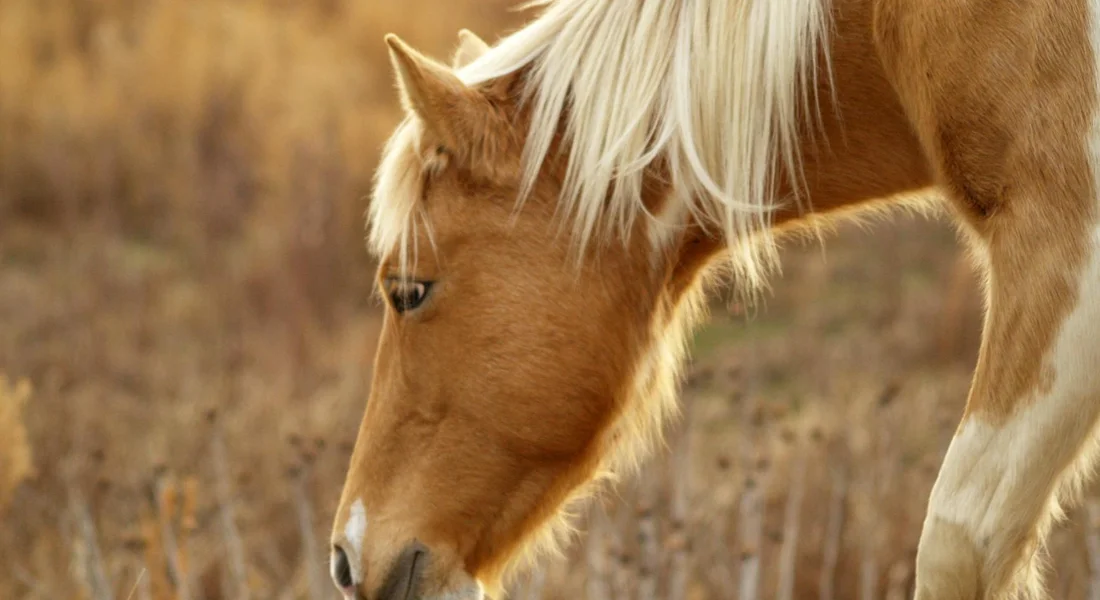
Putting a horse to work, whether for a quiet trail ride or an Olympic event, creates a unique contract. It shifts from basic care to an active partnership where our ethics are tested daily. The central question becomes: are we building a willing participant or manufacturing compliance? True partnership means the horse’s mental and physical state carries as much weight as the training goal itself. I’ve seen the difference in my own barn; Rusty, with his steady mind, will tolerate a lot, but Luna’s tense back tells me in an instant when my timing is off.
This partnership mindset must extend back to the very beginning. Responsible breeding is the first act of ethical horsemanship in sport. Breeding for extreme conformation that prizes a dramatic knee action or a hyper-flexed neck over sound tendons and a balanced mind sets the horse up for a lifetime of struggle. We have a duty to breed for durability, temperament, and genetic health, not just for ribbons or a trendy look. It’s about producing an athlete built for longevity, not just a photo opportunity. That starts with the horse breeding fundamentals—genetics, temperament, and conformation. When these basics guide every mating, the result is longevity and true performance.
Principles of Humane Training
Humane training isn’t a specific method; it’s a collection of principles that honor the horse as a sentient learner. It’s the quiet patience it took to teach Pipin to stand for the farrier without treats, building trust instead of bribery.
- Clear, Consistent Communication: Your aids should be a language, not a puzzle. Confusion creates anxiety, and an anxious horse cannot learn.
- Patience as a Policy: Learning isn’t linear. Some days the connection is seamless; other days, it’s like the signal is lost. Pushing through frustration helps no one.
- Respecting the Horse’s “No”: A horse that balks, shies, or pins its ears is giving feedback. It might mean pain, fear, or confusion. An ethical trainer investigates the “why” before insisting on the “what.”
- Constructive Learning vs. Fear-Based Control: The goal is to have the horse seek the right answer for the release of pressure, not to avoid a punishment. There’s a world of difference between that soft give on the bridle and a head pulled in from fear of a harsh bit.
Stewardship in Sport and Work
Competition is the crucible where our ethics are most visible. The pressure to perform can cloud judgment, making us see a “problem” in the horse instead of a partner communicating a problem.
Welfare here is a holistic chain, each link vital:
- Fitness Preparation: Asking for peak performance without building the cardiovascular and muscular foundation is like running a marathon without training. It’s a shortcut to injury.
- Mitigating Travel Stress: Long hauls, unfamiliar stalls, and strange water are huge stressors. Proactive stewards practice loading, provide constant forage during travel, and bring familiar water from home to prevent colic.
- The Retirement Plan: Every horse that enters a job deserves a clear exit strategy. Whether it’s a second career as a lesson horse or a peaceful pasture retirement, we owe them a safe, dignified life after sport.
The ultimate act of stewardship is listening. The slight head tilt, the short stride, the reluctance to engage-these are all data points. Choosing to hear that feedback over the roar of the crowd or the desire for a ribbon is the purest form of ethical ownership. It’s the day you scratch from a show because your horse feels “off,” even when you can’t pinpoint why. That’s the agreement in action.
The Hardest Choice: Ethical End-of-Life Decisions
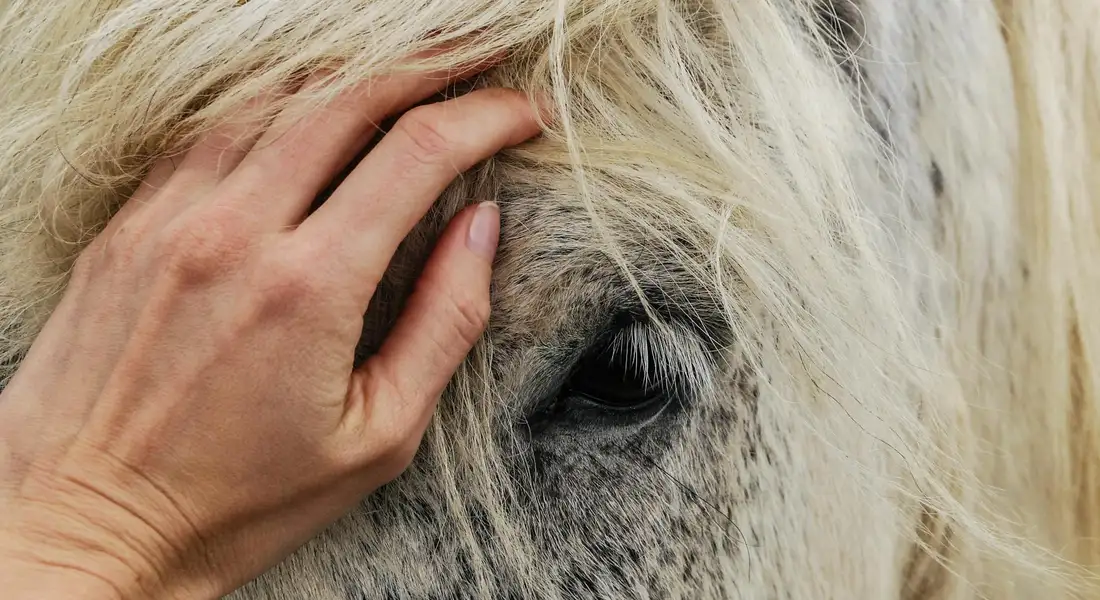
Let’s talk about the one responsibility we all hope to avoid. Making end-of-life decisions for your horse is heart-wrenching, but it’s where true ownership meets its deepest ethic. This choice isn’t a failure; it’s the final, profound act of love and responsibility we owe to our equine partners. I’ve stood in that quiet stall more than once, and I can tell you that guiding a horse to a peaceful end is as much a part of caretaking as feeding them at dawn.
Reading the Signs: Assessing Quality of Life
Horses are stoic, but they whisper their pain. You must become fluent in those whispers. Look for the days when the sparkle in their eye dims, and the simple joy of a carrot or a sunny pasture seems lost to them. With practice, you can recognize subtle signs of equine pain before they escalate. This awareness helps guide timely care. Concrete signs that suffering may outweigh comfort include:
- Persistent pain that medication cannot reliably manage.
- Chronic weight loss or inability to maintain body condition.
- Difficulty rising or lying down without struggle.
- No longer greeting you or showing interest in their herd mates.
- Labored breathing or frequent colic episodes that lower their baseline comfort.
I remember helping an old gelding, much like our steady Rusty, through his last months. His arthritis made every step a trial, and the day came when he stopped meeting me at the gate. He’d just stand, head low, watching but not participating in life. That moment of quiet withdrawal was his way of telling me his quality of life had faded. Making the call for him was about honoring his dignity, not prolonging his discomfort.
Navigating the Decision with Compassion
Once you see the signs, action is a kindness. Here’s how to walk this path with grace and ensure your horse’s final moments are filled with peace, not panic.
- Consult your veterinarian. They provide the medical truth. Discuss pain levels, prognosis, and what a “good day” realistically looks like for your horse now.
- Plan the logistics. Decide on burial or cremation ahead of time. Know the costs and options. A calm, planned day is far better than a crisis.
- Create a peaceful goodbye. Hold it in a familiar place. Let them munch on their favorite treats until the very last moment.
- Allow yourself to grieve. You’ve lost a friend. Cry, remember the good rides, and don’t let anyone minimize your loss.
A timely, planned goodbye is the ultimate gift of mercy-it is the opposite of abandonment. It’s you taking on the pain so they don’t have to. I’ve found that choosing a sunny afternoon for a final grooming, with the smell of hay and the sound of birds in the rafters, brings a sad peace to an impossible day.
FAQ: Core Ethical Principles of Horse Welfare and Ownership
What are the core ethical principles of horse welfare?
The core ethical principles center on a lifelong commitment to the horse’s holistic well-being, integrating physical care with mental and emotional support. They involve ensuring freedoms from hunger, discomfort, pain, fear, and the ability to express natural behaviors through daily practices. Ultimately, these principles guide owners to advocate for the horse’s comfort in all aspects of care, from turnout to training.
Why is understanding equine behavior important for welfare?
Understanding equine behavior is vital as it allows owners to interpret subtle signs of stress, pain, or distress that horses communicate through body language and habits. It informs management decisions, such as providing social turnout and enrichment, to prevent psychological issues like stereotypic behaviors. This knowledge fosters a respectful partnership, enabling proactive welfare interventions that enhance the horse’s quality of life. Understanding horse behavior and psychology is foundational for this process.
How does responsible breeding align with ethical principles?
Responsible breeding aligns with ethics by prioritizing genetic health, sound conformation, and stable temperaments over mere aesthetics or performance extremes. It aims to produce horses with durability and resilience, reducing the risk of hereditary conditions that lead to suffering. This approach upholds welfare from birth, ensuring each horse has a foundation for a healthy, fulfilling life in line with ethical stewardship.
Living the Principles Every Day
True welfare is measured in the daily details: quality forage, preventative care, and time with herdmates. Nothing replaces the profound physical and mental benefit of daily turnout on safe, varied footing.
Good horsemanship requires patience and the humility to always put the horse’s experience first. Your partnership deepens when you make listening your primary skill.
Further Reading & Sources
- The Horse Industry’s Responsibility to Animal Welfare | Equine Science Center
- FEI CODE OF CONDUCT FOR THE WELFARE OF THE HORSE
- AAEP Principles of Equine Welfare – AAEP
- How equestrians conceptualise horse welfare: Does it facilitate or hinder change? – PMC
At Horse and Hay, we are passionate about providing expert guidance on all aspects of horse care, from nutrition to wellness. Our team of equine specialists and veterinarians offer trusted advice on the best foods, supplements, and practices to keep your horse healthy and thriving. Whether you're a seasoned rider or new to equine care, we provide valuable insights into feeding, grooming, and overall well-being to ensure your horse lives its happiest, healthiest life.
Health