
Winter Horse Care: A Grounded Guide to Keeping Your Equine Comfortable and Healthy
Hello fellow barn buddies! That first deep freeze of the season always brings a knot to your stomach, doesn’t it? You watch your horse in the field and wonder if they’re shivering or if that runny nose is trouble. Worrying about their comfort, their weight, and potential colic or hoof issues is the mark of a responsible owner, and it’s a feeling I know well from countless winters spent in the barn.
Let’s shake off that chill. In this article, I’ll break down exactly how horses are built for the cold and what you can do to support them. We’ll cover:
- The ingenious science of their winter coat and when to blanket.
- Why feeding more hay, not just grain, is your best tool for generating internal heat.
- Shelter essentials that provide real respite without locking them in a stall.
- Proactive hoof and health checks to prevent seasonal problems before they start.
My advice comes from years of hands-on barn management and training, keeping everything from sensitive thoroughbreds to hardy ponies like my own Pipin happy through sleet, snow, and howling winds.
How Horses Naturally Handle the Cold: Adaptations
Physiological Adaptations: The Built-In Heating System
Winter Coat and Insulation
Watch a horse in late autumn, and you’ll see magic happen. Their summer sleak vanishes under a fluffy, standing-up coat. This isn’t just hair; it’s a precision-engineered insulation system. Each hair traps a layer of warm air against the skin. I run my hands over Rusty’s thickening sorrel coat every October, feeling that plush, dense layer come in. That winter fur is so effective that snow can sit on their back without melting, proving how well it holds body heat in. Temperature is a key cue, but I also watch wind and shelter. Blanket decisions come only when cold persists. Blanketing too early interrupts this natural process, so I always let the coat come in fully unless a horse is clipped or very old.

Fat Reserves and Metabolism
Think of a horse’s body condition as its battery bank for winter. A little extra fat over the ribs and rump in fall isn’t a flaw; it’s fuel. As temperatures drop, their metabolism can subtly increase to burn calories for warmth. A lean horse like Luna, with her thoroughbred metabolism, has less padding and burns energy faster. Monitoring weight every week with your eyes and hands is more reliable than any scale, letting you catch subtle changes before they become problems. This isn’t about obesity, but about having adequate reserves for the deep cold.
Behavioral Adaptations: Smart Moves for Staying Warm
Seeking Shelter and Herd Behavior
Horses are not stupid about weather. Given the choice, they’ll use a tree line, a shed, or even the solid side of the barn as a windbreak. Herd behavior is a survival tactic. On bitter mornings, I find my group parked shoulder-to-shoulder, with Pipin, the wise pony, tucked neatly in the middle. They share body heat and protect each other from the wind’s bite, which is why forced isolation in a stall can sometimes do more harm than good. Your job is to provide that shelter option, not force them to use it. Think about building a safe shelter that provides real shade for hot days. A shaded, sturdy shelter gives your horse a choice and helps prevent heat stress.
Foraging and Movement
Digestion is a central heating furnace for a horse. The slow fermentation of fiber in their gut generates significant warmth. To stay hot, they need to eat almost constantly. You’ll see them nosing through snow for grass stems or pacing a paddock between hay piles. This constant, gentle movement keeps blood circulating and muscles generating heat, which is why 24/7 turnout is often a horse’s best winter blanket. I’ve watched Luna pace a snowy paddock, her breath making clouds, and known she was warmer than if she stood still in a box.
Your Winter Care Checklist: Shelter, Feed, and Water
Providing Essential Shelter from Wind and Wet
A proper shelter has three sides, a dry floor, and faces away from the prevailing wind. It doesn’t need to be heated. The goal is to break the wind and stop driving rain or snow from soaking them to the skin. I use deep, dry wood shavings in our run-in shed. Remember, a wet horse in a breeze chills rapidly, so focus on dryness over warmth every time. If you see your horses using it sparingly, don’t worry-they’re often just checking in between foraging bouts.
Winter Nutrition: Fueling the Internal Furnace
Forage Quality and Availability
Summer’s rich pasture is a memory. Winter feed is all about hay, and its quality is non-negotiable. Dusty, stemmy hay won’t cut it. You want leafy, green, sweet-smelling hay that makes them eager to eat. Good hay is the cornerstone of winter health, providing both calories and that crucial digestive heat. I feed a mix of grass and alfalfa to my crew, giving Luna the extra protein she needs to maintain condition without the jitters.
Hay Feeding Strategies
How you feed is as important as what you feed. Dump all the hay at once, and they’ll gorge and then stand cold. My method is simple:
- Use slow-feed nets or multiple piles to stretch eating time.
- Increase hay by at least 25% when temperatures plummet below freezing.
- Feed on dry ground or mats, not directly on snow or mud.
Always have hay in front of them before they clean up the last bite, because an empty horse is a cold horse. Rusty’s reliable appetite is my best gauge for how much to put out.
Managing Hydration: The Key to Winter Health
Ensuring Water Intake
Cold horses drink less, and dehydration leads to impaction colic-a top winter danger. Water must be tempting. I offer lukewarm water twice a day, and the sound of them gulping it down is a relief. Check for dehydration by pinching skin on the neck; if it tents for more than two seconds, they need fluids fast. Adding a sprinkle of salt to their grain can also encourage drinking, mimicking the salt they’d seek in nature. Winter hydration tips can help with that. Seven practical tricks can keep your horse drinking even in freezing temperatures.
Preventing Frozen Buckets
Breaking ice with a hammer is a classic barn chore, but it’s not reliable enough. I use heated water buckets or tank heaters with auto-shutoff features. Safety first: secure cords out of reach. For a low-tech hack, a floating rubber ball in a large trough can slow freezing. Invest in a quality heater-it’s cheaper than a vet visit for colic. I learned this the hard way one frigid morning with a very reluctant drinker, and now every bucket has a guardian.
To Blanket or Not? Making the Right Choice
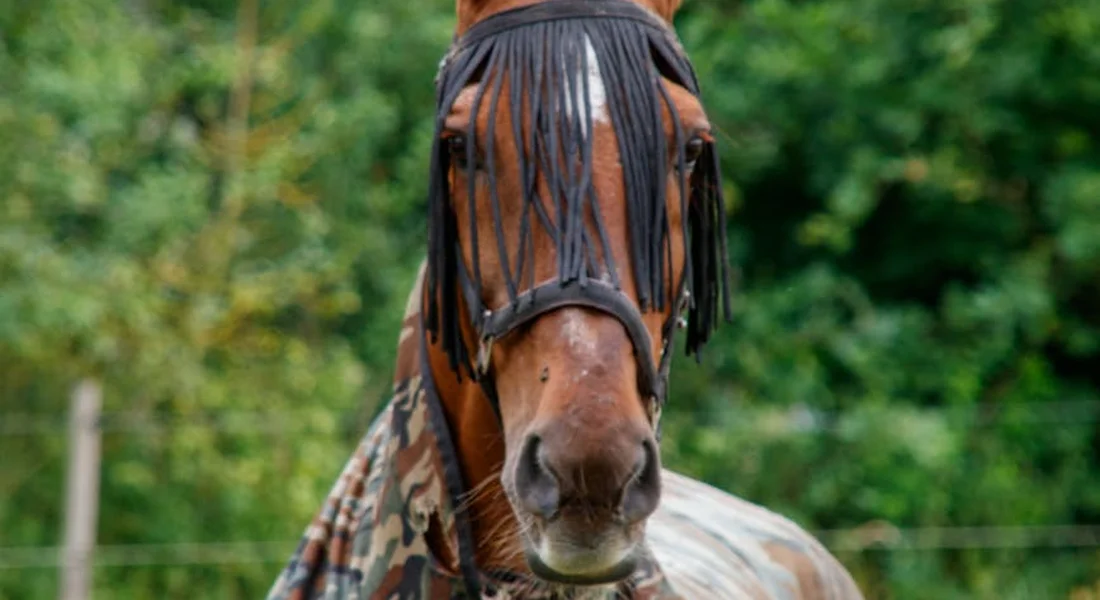
This winter question sparks more barn aisle debate than any other. I’ve leaned on frosty fence rails for years, watching my own herd, and the answer is never one-size-fits-all.
Your decision must center on the individual horse in front of you, not the temperature on your phone. A robust, acclimated horse with a full winter coat is often perfectly equipped by nature.
Factors in the Blanketing Decision
Think of it like dressing yourself: you match your layers to the exact weather and your own activity level. Your horse is no different.
Coat Condition and Acclimatization
That fluffy winter coat is incredible insulation. My Quarter Horse, Rusty, grows a dense, shaggy layer that keeps him warm without any help. Horses naturally adapt to dropping temperatures when allowed consistent turnout, but it’s important to know what temperature is too hot or too cold for horses to ensure safe riding conditions.
Putting a blanket on too early can actually hinder your horse’s ability to grow a proper, insulating coat. You’re short-circuiting their natural thermostat. There are many myths about horse blankets, but this is one of the most harmful.
Evaluate these key points:
- Age and Body Condition: Senior citizens like my pony Pipin, or harder-keeping horses, may need a blanket to help conserve precious calories.
- Haircoat Integrity: A horse who is body-clipped for riding has lost his natural defense and will require blanketing.
- Natural Shelter: A horse with a sturdy run-in shed can often weather a storm on his own terms.
Assessing Wind Chill and Weather
Dry cold is manageable. The real challenge comes from wind and wet. Wind whips away the warm air layer trapped in the coat. Wetness is the true foe.
A cold rain or wet snow can saturate the hair, flattening it and destroying its insulating power in minutes. This is when I always blanket my fine-skinned Thoroughbred, Luna.
Use this simple field guide:
- Dry and Calm: Many horses, especially those with good coats, are fine without.
- Windy but Dry: A lightweight, windproof sheet can make a big difference in comfort.
- Wet and Chilly: This is the non-negotiable scenario for a waterproof, breathable turnout blanket.
Proper Blanket Fit and Care
A bad fit causes rubs, sore shoulders, and can even be dangerous. I once had a blanket slip on Rusty, and the chest strap almost caught his hoof-a lesson learned.
You should easily slide your hand under the blanket at the withers and across the chest; there should be no tight pressure points. The tail flap should cover the dock without restricting movement.
Maintaining your blankets is a safety and health issue:
- Check fit and placement every single day, feeling for any moisture or heat under the straps.
- Take the blanket off regularly to groom and inspect the skin for any chafing or irritation.
- Follow cleaning labels to maintain waterproofing; a damp, non-breathable blanket is colder than no blanket at all.
Winter Hoof and Health Watch
Winter challenges a horse from the ground up. Your daily routine needs to shift with the season to prevent bigger problems.
Hoof Care in Mud, Ice, and Snow
The thud of a hoof packed with a solid ice ball is an unmistakable, concerning sound. Mud hides thrush, and snow can ball up painfully.
Daily hoof picking is your most important winter chore, without exception. I do it at every visit, often hearing the satisfying *plink* of ice dislodging from Pipin’s small, clever feet.
Manage the messy terrain with these tactics:
- Snow Balls: Apply a smear of petroleum jelly to the soles before turnout to prevent snow from compacting.
- Mud Zones: Create a drained, graveled or sand-based loafing area to give hooves a daily break from the muck.
- Farrier Faithfulness: Keep up with trims. Balanced hooves are less likely to develop cracks from dry, brittle winter horn.
Recognizing Cold Stress and Hypothermia
Horses are resilient, but they give clear signals when they’re losing the fight against the cold. You must learn to read their body language to understand how much cold they can tolerate.
Body Language of a Cold Horse
A cold horse conserves energy. They may stand hunched, with muscles tense and their tail clamped down. They’ll often turn their hindquarters directly into the wind.
A noticeable drop in activity or interest in food can be a quiet early sign that your horse is using all its energy just to stay warm. I’ve seen Luna, normally a pacing fence-line watcher, become utterly still in her shelter when deeply chilled.
Look for these subtle cues:
- Ears that are held still or drooping, not actively swiveling.
- A general appearance of being “drawn up” or stiff.
- Standing away from the herd, often in a sheltered corner.
When Shivering is a Warning Sign
Light, occasional shivering is a normal thermogenic response. Persistent, whole-body tremors are a serious distress call.
Violent, continuous shivering means your horse’s internal furnace is struggling and requires your immediate intervention.
If you see this, move calmly and quickly:
- Lead the horse to a dry, sheltered spot out of the wind immediately.
- Dry them off if wet, and layer on dry blankets or towels.
- Offer small sips of lukewarm water to help gently raise core temperature.
- Contact your veterinarian for further advice; hypothermia is a medical emergency.
Special Horses, Special Care: Seniors, Ponies, and More
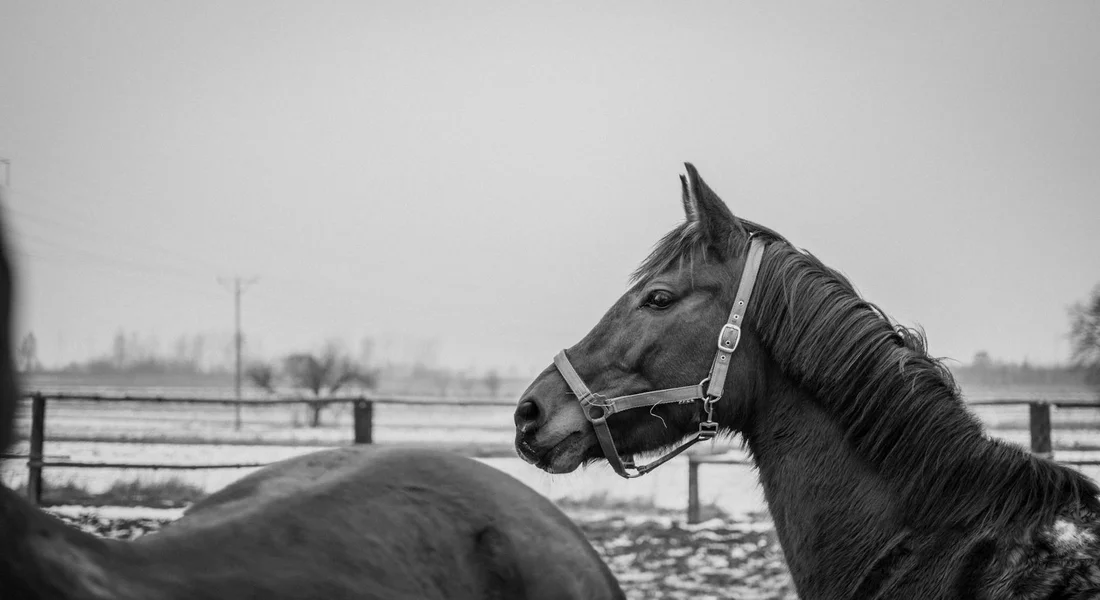
Care Adjustments for Senior Horses
My old friend Rusty, at 12, isn’t quite a dinosaur, but he’s starting to show his years. Winter stiffness hits him faster now. For seniors, cold weather amplifies every little ache and can slow digestion. I add a senior-specific vitamin pellet to his soaked beet pulp, which makes a warm, mushy meal that’s easy on his teeth and keeps him hydrated. Daily, gentle hand-walking before turnout does wonders for warming up stiff joints and preventing that “frozen statue” stance in the morning. Blanketing becomes non-negotiable; a good, waterproof turnout rug with extra coverage over the kidneys helps him conserve every calorie for warmth, not shivering.
Arthritis management is key. I keep a close eye on footing, avoiding icy patches where he might slip. Adding a joint supplement year-round paid off for Rusty; his movement is freer now when the mercury drops. You must feel their ribs regularly-weight loss can be sneaky in old horses as their ability to process hay diminishes. If the coat looks dull or they’re slow to eat, it’s time to call the vet for a dental check and discuss calorie-dense feeds.
Managing Hardy Ponies and Easy Keepers
Now, Pipin the Shetland Pony would happily get rotund on air and snowflakes if I let him. For these easy keepers, winter is not a buffet invitation. I use a slow-feed hay net inside his shelter to stretch his foraging time without overloading him with calories. Restricting pasture access or using a grazing muzzle on drier days prevents laminitis, a real winter danger for pudgy ponies. Their natural, fluffy coats are often insulation enough; blanketing an easy keeper can cause them to overheat and sweat, which is worse than the cold.
Focus on fitness, not food. I ensure Pipin gets plenty of movement through playful turnout with a buddy and encouraging him to wander for his hay. Monitor their body condition score every week, aiming to keep a hand on their ribs without seeing them. For minerals without extra calories, a plain white salt block and a tailored vitamin block are better than rich grain mixes.
Supporting Thin or Underweight Horses
Luna, my Thoroughbred, is the classic “hard keeper.” Her metabolism runs like a furnace, burning calories just to stay warm. For horses like her, I start boosting calories well before the first frost. I add soaked alfalfa cubes or a high-fat rice bran pellet to her meals. Always provide free-choice, high-quality hay-they need to be able to munch almost constantly to generate body heat. A well-fitted, heavyweight turnout blanket is essential armor against the wind, locked on when temperatures plunge or the rain turns icy.
Shelter is their best friend. I make sure Luna’s stall is deeply bedded and her run-in shed faces away from the prevailing wind. Feed them more often: three or even four smaller meals a day are easier on their system and keep a steady stream of energy flowing. Watch for shivering; it’s a clear sign they’re burning precious energy reserves and need more fuel or a better blanket immediately.
Staying Active Safely: Turnout and Exercise in Winter
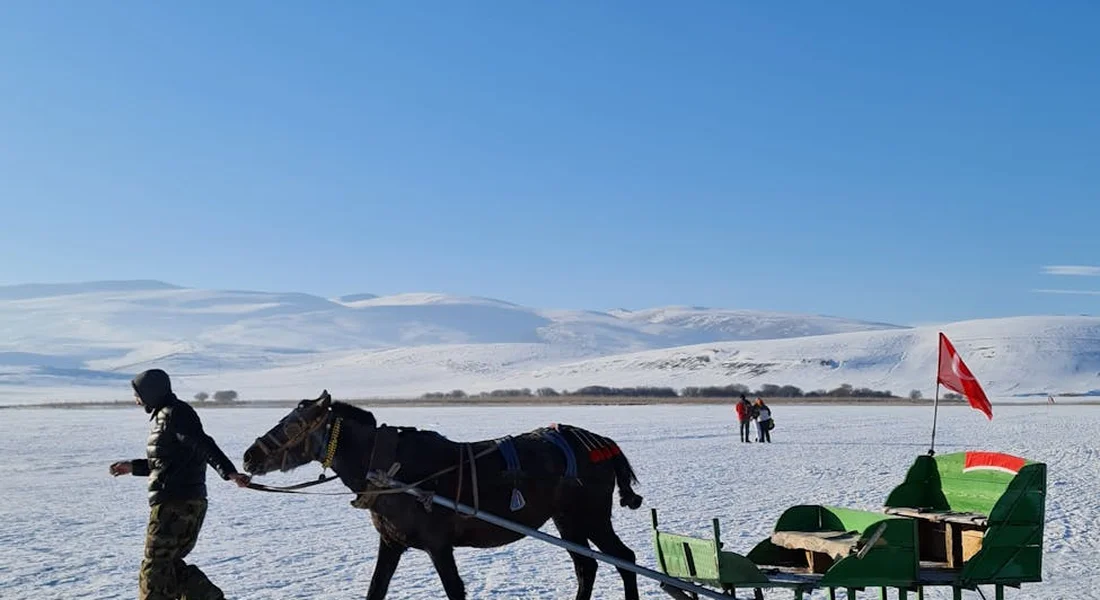
Safe Turnout Practices in Winter Conditions
Pasture Management and Footing
Ice is the enemy. I spend mornings breaking up ice in water troughs and on pathways. For pastures, I use a drag harrow when the ground is soft to break up manure piles that become slippery hazards when frozen. Create a designated “winter paddock” on higher, well-drained ground to prevent a bog of mud that can lead to hoof abscesses and thrush. If you must use an arena, check the footing thoroughly; that frozen, rutted surface can cause tendon strains.
Consider using snow pads in their shoes or going barefoot if possible for better traction. For all our horses, I pick hooves twice daily to remove packed snow and ice balls. A sprinkle of non-stick cooking spray or petroleum jelly on the sole can help prevent snow from balling up, a simple trick that saves a lot of wobbles.
Sheltering from Wind During Turnout
Wind chill is what truly bites. A three-sided shed positioned to block the north wind is worth its weight in gold. I watch where the snow drifts; that tells me exactly where the wind is whipping through. If natural shelter is sparse, a line of sturdy round bales or a manufactured windbreak fence can make a pasture usable on bitter days. Remember, horses will often stand with their tails to the wind, so ensure their shelter allows for that.
Blanketing choices hinge on wind and wetness. A damp, windy 35°F is far more dangerous than a dry, calm 25°F. I feel under Luna’s blanket at the withers regularly to check for sweat. Turnout time should be flexible-sometimes a few shorter sessions on the worst days are safer than one long, exposed period. They still need the mental stimulation and movement, even if it’s just huddling together in the lee of the barn.
Winter Exercise Routines for Health
Movement keeps everything working: gut, joints, and mood. When it’s too nasty for riding, I focus on groundwork. Twenty minutes of longing in the indoor or even brisk hand-walking up and down the barn aisle gets the blood pumping. Consistency trumps intensity; a little movement every day is better than a long, strenuous workout once a week on frozen muscles. I always take extra time to warm up and cool down, walking until their breath evens out and any sweat is dry.
Under-saddle, keep it interesting to ward off boredom. We do lots of walking serpentines, leg-yields, and gentle hill work if the footing is safe. After a ride, a wool cooler blanket is my go-to for wicking moisture away while they dry, preventing a chill. For the horses, I notice Rusty is more willing after a slow warm-up, and Luna’s brain engages better when we mix up the routine. Listen to your horse-if they’re tense or slipping, call it a day and try again tomorrow.
Frequently Asked Questions: How Do Horses Handle Cold Weather and Winter Conditions?
How do horses naturally cope with cold weather without human intervention?
Horses evolve a thick winter coat that traps insulating air layers to retain body heat efficiently. They instinctively seek shelter from wind and rain and gather in herds to share warmth through body contact. By foraging almost constantly, they generate internal heat from digestive processes and stay active to maintain circulation. These traits show how horses have adapted to survive in different environments. Understanding these adaptations helps explain their versatility across climates and landscapes.
What are the key factors to consider when deciding to blanket a horse in winter?
Evaluate the horse’s individual needs, such as age, health, and coat condition, with clipped or thin horses often requiring blankets. Weather severity, especially combinations of wetness and wind chill, can break down natural insulation and necessitate waterproof protection. Always ensure blankets fit properly to prevent rubs and allow for daily removal to check for moisture or skin issues. Timing is key, and the ‘When to blanket your horse‘ section in our temperature care guide offers practical tips. This helps you decide when a blanket is truly needed as weather shifts.
How should horse care in cold weather be adapted for regions like Australia?
In Australia’s variable climates, focus on providing windproof shelter and dry footing, even during milder winters, to prevent chill. Adjust feed to include more hay during cooler snaps, as pastures may lack nutrients, and monitor water sources to ensure hydration. Be vigilant for cold stress signs, such as shivering or reduced activity, particularly in southern highland areas where frosts are common.
Winter Wisdom from the Barn
Prepare for cold by maximizing turnout for movement, providing ample forage to fuel internal warmth, and blanketing only when necessary. Your primary daily duty is breaking ice and offering lukewarm water to encourage drinking and stave off dehydration.
Watch your horse more than the thermometer-a bright eye and calm demeanor often mean they’re perfectly content. This season is about thoughtful stewardship, not just management.
Further Reading & Sources
- Winter horse care tips – World Horse Welfare
- Caring for your horse in the winter | UMN Extension
- Winter Horse Care & Routine | The British Horse Society
- WINTER HORSE CARE TIPS – Equestroom
At Horse and Hay, we are passionate about providing expert guidance on all aspects of horse care, from nutrition to wellness. Our team of equine specialists and veterinarians offer trusted advice on the best foods, supplements, and practices to keep your horse healthy and thriving. Whether you're a seasoned rider or new to equine care, we provide valuable insights into feeding, grooming, and overall well-being to ensure your horse lives its happiest, healthiest life.
Stable Management