
Why Do Horses Rub Their Heads on You? Decoding Affection, Itches, and Signals
Hello fellow equestrians. That solid thud of a horse’s head against your shoulder can feel like a sweet gesture one moment and a confusing behavioral puzzle the next, sparking worries about rudeness, pain, or missed communication.
Let’s settle your curiosity and concern right at the gate. I will walk you through the hoof beats of this common behavior, covering key insights like:
- The simple, itchy reasons behind most head-rubbing episodes that have nothing to do with manners.
- How to tell if it’s a trusting bond or a pushy boundary test by reading the rest of their body.
- Practical ways to respond that keep you safe and your horse happy without squashing their friendly overtures.
- When that rubbing is a silent shout for help related to tack, teeth, or health.
My years of barn management and gentle horsemanship, filled with everything from Rusty’s treat-seeking nudges to Luna’s sensitive requests, have taught me how to listen to what a horse’s head is really saying.
The Whys and Wherefores: Understanding Head Rubbing
That slow, deliberate head press against your shoulder isn’t just random. It’s a conversation. In the herd, horses communicate through touch, and they’re extending that language to you. Decoding this behavior starts with recognizing five core equine motives, whether conveyed through touch or vocalizations.
- Social Grooming Imitation: Horses often mutually groom, using their teeth to scratch each other’s withers and backs. A head rub on you is their version of offering a scratch, inviting you into their social circle.
- Scent Exchange: Horses recognize each other by smell. By rubbing their head, especially their scent-rich glands near the eyes and muzzle, on you, they are mingling scents. It’s their way of saying, “You’re with me.”
- Itch Relief: Sometimes, it’s just that simple. A sweaty browband, a pesky fly bite, or an old patch of dry skin needs addressing. Your sturdy leg or offered hand is simply a convenient scratching post.
- Affectionate Bonding: This is the quiet, seeking nuzzle. It’s a gesture of trust and comfort, often accompanied by a soft sigh. My old reliable Rusty does this after a long trail ride, leaning in gently as if to say thanks.
- Attention-Seeking: This is where it gets clever. A horse learns that a cute head rub often earns a pat or a treat. It becomes a learned, polite way to ask for something.
Watch horses in the pasture. You’ll see one stand quietly while another nibbles along its crest. That head rub against you is a direct translation of that herd bonding behavior. They are choosing to include you in their most fundamental rituals of care and connection, which suggests they recognize and love their owners.
My shetland pony, Pipin, is a master of the strategic head rub. He’ll amble over, all innocence, and nestle his forehead against my knee with closed eyes. The moment I’m lulled into giving cheek scratches, his muzzle is stealthily working toward my pocket for the mint he knows is there. It’s affection blended with pure, food-motivated cunning.
Affectionate Behavior or Bossy Nudging? How to Tell the Difference
Not all head contact is created equal. The line between a sweet gesture and a pushy demand is written in their body language. Learning to read it keeps your interactions safe and respectful.
Signs of Gentle Affection and Trust
Look for a suite of calming signals. The movement is slow and purposeful, not jarring. The horse’s entire demeanor will be soft, from the droop of a lower lip to the lazy blink of their eyes.
- Eyes: Soft, partially closed, or blinking slowly. You won’t see the whites showing.
- Mouth & Lips: Relaxed, maybe even dripping slightly. No tension or pinching.
- Movement: A seeking nuzzle that leans and rests, not a shove. It’s an invitation, not a command.
- Companion Behaviors: Listen for a gentle sniff or a soft blow against your hand. They might stand with a hind leg cocked, the picture of contentment.
When the Rub is a Red Flag
A head rub can be the first clue your horse is physically uncomfortable. It shifts from a social behavior to a targeted attempt to solve a problem. Frantic, repetitive rubbing on a single spot is a cry for help, not a request for cuddles.
- Frantic Action: It’s hurried, insistent, and focused. The horse seems distracted by the itch or pain.
- Focused Spot: They keep returning to the same area, like behind an ear or under the forelock.
- Skin Flinching: If you touch the area and they jump or twitch their skin, sensitivity is high.
This behavior often points to external irritants. I’ve traced it back to a bridle browband that was a hair too tight, leaving a faint pressure mark. Other times, it’s summer itch from gnats or a patch of skin sore from dried sweat and dirt. Identifying common skin conditions in horses helps you recognize issues early. Early signs are easier to spot during a quick post-work groom. Always check your tack fit and your horse’s skin condition after a sweaty workout-a quick groom can prevent a world of itch.
Your Safe Response: Do’s and Don’ts When a Horse Seeks Contact
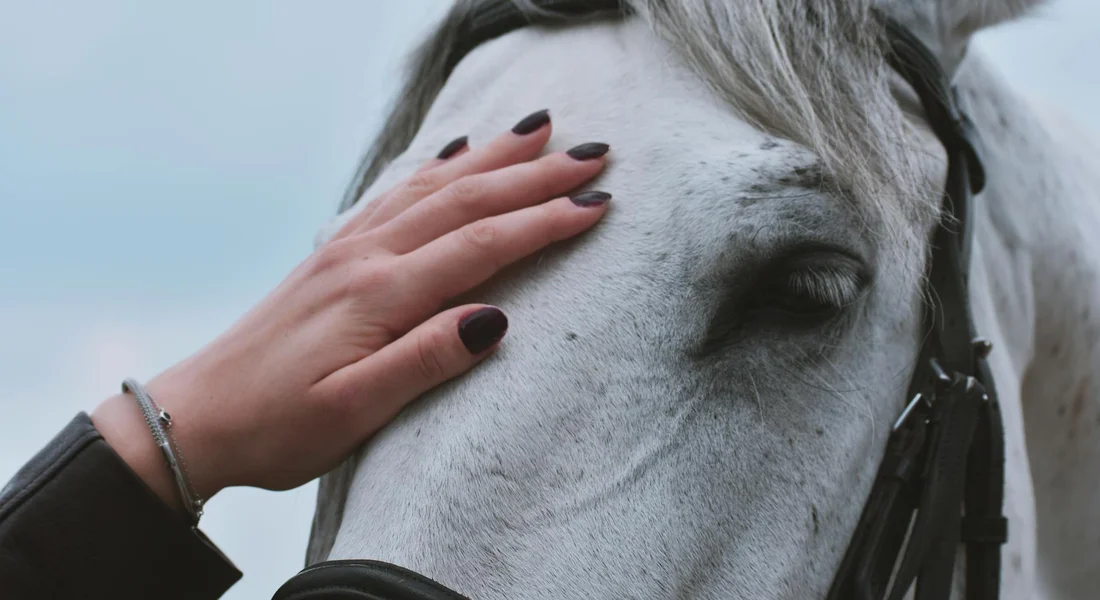
When a horse leans in for a rub, your reaction teaches them what’s acceptable. This is where gentle horsemanship meets common sense. I’ve had Luna try to use my entire body as a scratching post after a ride, and while it’s endearing, it’s not safe if left unchecked. Here’s how to respond.
- Do keep your feet planted and your core engaged to avoid being pushed off balance. A horse doesn’t know its own strength. Brace slightly, like you’re expecting a friendly nudge from a large dog, so you can hold your space without seeming aggressive.
- Do redirect the gesture to a safe scratching session on the neck or shoulder. I step to the side, place a firm hand on their neck, and give a good scratch where they can’t knock my hat off. The satisfying scritch-scratch sound usually becomes the new goal, and they forget about my zipper.
- Don’t let the horse make contact with your face or head for safety reasons. This is non-negotiable. A sudden swing of a heavy head can mean a broken nose or a concussion. I gently block any upward motion with my forearm and redirect downward.
- Don’t punish the attempt at communication, but do set a clear physical boundary. Shoving or yelling at a horse for being friendly creates confusion and distrust. Instead, be a polite but immovable object. Consistent, calm boundary-setting is a cornerstone of a respectful relationship.
Beyond the Itch: When Head Rubbing Signals a Health Issue
Not all rubbing is created equal. As a barn manager, my first question is always: is this behavior, or is this a symptom? The line between a love bug and a sick horse can be thin but critical. Cribbing is a specific behavior with its own causes and risks. Understanding its triggers can guide practical, humane solutions.
- Detail the critical difference between normal rubbing and pathological “head pressing.” Normal rubbing is sporadic, often interactive, and stops when the itch is relieved. Head pressing is different-it’s a relentless, focused drive to push the head against a wall, fence, or person with steady, abnormal pressure. This is a major red flag for neurological issues, toxins, or severe metabolic distress and requires an immediate emergency vet call.
- List symptoms that require a vet call: persistent rubbing, loss of coordination, or dull demeanor. Watch for rubbing that’s focused on one spot (like an ear), is accompanied by head shaking, or leaves bald patches. If your usually bright-eyed horse seems dull while doing it, or shows any stumbles or clumsiness, pick up the phone. I once caught a sinus infection in Pipin because he wouldn’t stop rubbing one specific fence post.
- Discuss common physical culprits like ear infections, dental problems, or allergic dermatitis. Itchy ears from mites or infection will have them rubbing on anything. Sharp points on teeth causing jaw or gum pain can lead to head-rubbing as they try to alleviate the discomfort. Seasonal allergies or insect bites can drive a horse to find relief on the nearest rough surface-which might be your denim jacket. A vet can rule these out, turning a mystery into a manageable treatment plan.
Cultivating Connection Without the Crowding: Practical Training Tips
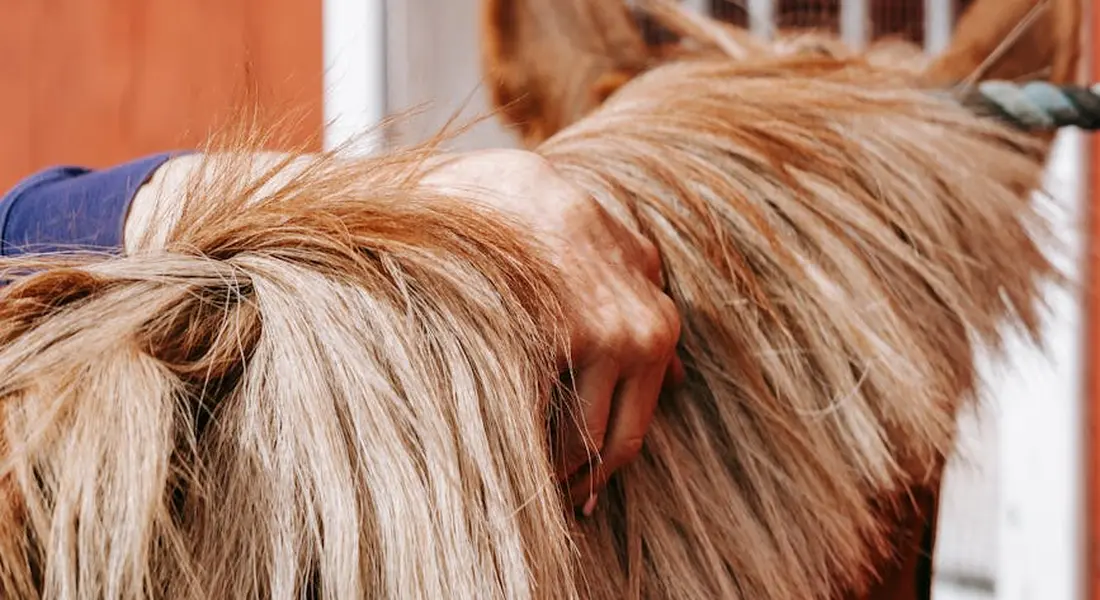
Establishing Polite Boundaries
That warm, heavy head leaning into your chest can feel like pure affection. But let it become a default greeting, and you might find yourself steadied against a fence by a 1,200-pound friend who forgot his manners. Clear boundaries are a kindness, not a rejection; they prevent accidents and build a language of respect between you and your horse. Start with these steps to encourage polite interaction.
- Teach a “head down” cue using gentle pressure and release, not force. I rest my fingers lightly on the poll, the spot between their ears, and wait. The instant their head dips even slightly, I release all pressure and murmur a praise. With Rusty, I pair this with a soft “easy” cue. It transforms a pushy nudge into a calm, controlled behavior you can ask for.
- Use consistent body language to claim your personal space, like a step forward. When Pipin the pony tries to bulldoze into my space for treats, I don’t yell. I exhale, square my hips toward him, and take one deliberate step into his shoulder. It’s a conversation in movement that says, “My space matters here.”
- Reward calm standing with scratches or praise, reinforcing the behavior you want. The reward comes when all four feet are planted and the head is still. I scratch the favorite spot just behind the withers, where they can’t reach. This teaches your horse that stillness and patience, not invading your bubble, yield the good stuff.
Alternative Bonding Rituals
Horses are social, tactile creatures by nature. If we don’t give them an approved outlet for that need, they’ll invent their own-often on our zippers. Offering structured, positive rituals satisfies their social cravings and directs energy away from using you as a living scratching post. For a deeper understanding of why these rituals work, the Understanding Horse Behavior Psychology Complete Guide explains the psychology behind them. Here are my barn-tested alternatives to head rubbing.
- Suggest structured grooming sessions with long-handled curries to satisfy the itch. The deep, circular work of a rubber curry on sweaty spots mimics the mutual grooming horses do in the field. Spend extra time on the neck and shoulders, listening to the contented sighs. This addresses the physical itch so they don’t seek relief on you.
- Advocate for hand-grazing or quiet time in the pasture as non-physical bonding. The simple act of standing together while your horse tears at a clump of clover is powerful. You’re not directing, brushing, or riding-just sharing space and the smell of fresh earth. This builds trust in silence.
- Share an anecdote about teaching Luna to wait patiently for attention instead of nudging. My sensitive thoroughbred Luna used to poke my back with her nose like a relentless doorbell. I began turning my shoulder away from the pokes and only turning back when she stood quietly, her head lowered. Now, she meets me at the gate and rests her chin on the top rail, waiting. The change took weeks of consistent silence from me, but the result is a horse who seeks connection without crowding.
Frequently Asked Questions About Why Horses Rub Their Heads on You
Is head rubbing always a sign of affection in horses?
No, head rubbing is not always affectionate and can have various causes. It may simply be for itch relief from sweat or flies, or a learned behavior to seek attention or treats. Observing the horse’s overall demeanor, such as soft eyes or relaxed lips, helps clarify if it’s a bonding gesture. Proper grooming touch, done calmly and respectfully, can deepen your connection with your horse.
What should I do if a horse rubs its head on me aggressively?
Stay balanced and avoid being pushed by keeping your feet planted and core engaged. Redirect the motion to a safe scratching session on the neck or shoulder, and never allow contact with your face for safety. Set clear, calm boundaries without punishment to maintain respect and prevent accidents.
When does head rubbing become a concern for my horse’s health?
Head rubbing is concerning if it becomes frantic, repetitive, or focused on one spot, which may indicate pain or irritation. Watch for additional signs like skin flinching, bald patches, or changes in behavior such as dullness. In such cases, consult a vet to rule out issues like allergies, dental problems, or infections.
Final Thoughts from the Stable
Head rubbing is often a sweet gesture, but your first move should always be a quick check for simple causes like a dirty halter or a pesky fly. These calm, affectionate moments can signal a growing bond between you and your horse. They often reflect how connected you feel during everyday care and handling. True affection is clear when the behavior is gentle and happens during calm, connected moments, not when your horse is frustrated or seeking relief.
Building a relationship where this behavior is a happy signal takes time, clear boundaries, and a lot of scratched withers. Your horse’s actions are their voice; learning to listen is the heart of good horsemanship. That’s how you build a strong bond and trust your horse. When that bond is there, reading signals becomes intuitive.
Further Reading & Sources
- Responding to Horses who Rub their Head on Humans | LearningHorses.com
- How do you deal with your horse rubbing their head on you? | The Horse Forum
- r/Equestrian on Reddit: how do you feel about a horse using your body to rub their head?
- horse rubbing his head on you | New Rider Forum
At Horse and Hay, we are passionate about providing expert guidance on all aspects of horse care, from nutrition to wellness. Our team of equine specialists and veterinarians offer trusted advice on the best foods, supplements, and practices to keep your horse healthy and thriving. Whether you're a seasoned rider or new to equine care, we provide valuable insights into feeding, grooming, and overall well-being to ensure your horse lives its happiest, healthiest life.
Behavior