
The Ultimate Winter Horse Care Guide: To Blanket, Feed, and Exercise Safely
Hello fellow equestrians! That first icy snap in the air does more than nip at your nose-it sparks a familiar dread about your horse’s comfort and health. You’re right to be concerned about weight loss, frozen water buckets, and the risky slip on a frosty path that can lead to injury or a staggering vet bill.
This guide is your roadmap to a secure and healthy winter for your horse. We’ll break down the three core areas that need your attention:
- Blanketing: Mastering the art of when, what, and how to blanket to avoid rubs, sweat, and chills.
- Feeding: Adjusting hay, grain, and supplements to fuel warmth and maintain ideal body condition.
- Exercise: Planning safe riding and turnout routines to keep muscles supple and minds content in the cold.
I’ve managed barns through nor’easters and trained horses in frozen arenas for years, learning from every shiver and sigh from my own herd, and I’m here to give you the straightforward, stall-proven advice you need.
The Winter Baseline: Understanding Your Horse’s Natural Adaptations
How Horses Stay Warm: The Coat and Metabolism
That thick, fuzzy winter coat isn’t just for looks-it’s a marvel of natural insulation. Each hair traps a layer of warm air against the skin, like a down jacket you can’t take off. I watch my crew fluff up on frosty mornings, and the difference between a full coat and a clipped one is stark. The key to leveraging this coat is letting it do its job by staying dry and fluffed up, which is why windbreak shelter is more critical than a heated barn.
Heat comes from the inside out, thanks to the fermentation of forage in the hindgut. This is why constant access to good hay is a non-negotiable winter fuel source. Digestion is their internal furnace. When you hear the steady crunch of hay on a cold night, you’re listening to your horse stoking its own central heating system.
Not all horses manage cold equally. Stress factors include age, health status, and body condition. My senior pony, Pipin, needs a sharper eye. At 15, his metabolism isn’t what it was, and he can drop weight quickly in a cold snap. My fit Thoroughbred, Luna, generates more metabolic heat but has a finer coat and a nervous energy that burns calories. You must assess each horse individually; a one-size-fits-all approach leaves the old, thin, or ill horse dangerously vulnerable. That’s especially important when considering how horses deal with cold weather and winter conditions.
Providing Essential Shelter and Turnout
A horse can tolerate incredible cold if it’s dry and out of the wind. The moment wet and wind combine, that insulating coat collapses, and hypothermia risk soars. Shelter is a welfare basic, not a luxury-it’s about giving them a choice to escape the elements.
The best option is a three-sided run-in shed facing away from prevailing winds. It offers protection while preserving airflow and freedom. A well-ventilated stable is fine for overnight, but 24/7 stall confinement creates a host of other issues like stiffness and boredom. I prioritize turnout with shelter every single day; their mental and physical health depends on movement and choice.
Do this quick check every morning when you feed:
- Is the roof leaking or are there drips forming inside?
- Is the bedding dry and deep, or damp and matted?
- Are the walls solid without protruding nails or splinters?
- Is the entrance clear of ice or deep mud?
- Is there clean, unfrozen water accessible nearby?
To Blanket or Not to Blanket: A Sensible, Horse-Centered Approach
Decoding the Blanketing Decision: It’s More Than Just Temperature
Blanketing is a judgment call, not a calendar event. I use a simple mental checklist: Temperature, Wind, Rain, Coat, and Health (T.W.R.C.H.). A windy 35°F feels colder than a still 25°F, and a soaking rain at 45°F is far more dangerous than a dry day at 30°F. The goal is to prevent excessive shivering and weight loss, not to keep them toasty warm at the expense of their natural adaptations.
Take a recent drizzly, 40°F day. My Quarter Horse, Rusty, has a dense coat and good weight. He stayed dry under his run-in shed, so he went naked. Luna, with her finer hair and higher metabolism, was starting to pace and shiver. She got a lightweight, waterproof sheet. Two horses, same weather, two different needs-always let the horse in front of you be the guide.
Follow this logic:
- Is the horse clipped? If yes, blanketing is almost always needed.
- Does it have a full, dry coat and good fat cover? It likely needs no blanket until well below freezing.
- Is it wet, windy, and cold? A waterproof, windproof layer may be necessary.
- Is the horse old, young, sick, or underweight? Plan for earlier blanketing.
Finding the Perfect Fit: Avoiding Rubs and Restriction
A poorly fitted blanket causes rubs, pressure sores, and can trip a horse. It should move with them, not against them. Here’s how to fit it right:
- Drape the blanket over the horse’s back, centered. The front seam should sit ahead of the withers.
- Check wither clearance. You should be able to fit your hand vertically between the blanket’s wither area and the horse’s bone.
- Fasten the front chest buckles. There should be enough room to slide your flat hand sideways between the buckle and the horse.
- Observe shoulder freedom. Watch the horse walk. The blanket should not pull tightly across the shoulders or restrict stride.
- Adjust the surcingles. They should be snug enough not to dangle, but loose enough to fit a fist’s width underneath.
Common problems and fixes:
- Rubs at the withers or shoulders: The blanket is too tight or lacks a shaped design. Try a style with a contoured neck or gusset.
- Blanket slides back: The chest is too loose, or the horse has low withers. Use a breastplate attachment.
- Pressure marks when removed: The fit is too tight, or the blanket is too heavy for the conditions.
- Hind legs catching on leg straps: Cross the leg straps between the hind legs to prevent chafing.
Blanket Maintenance and Safety Checks
That blanket is on your horse for hours; a daily undercover inspection is mandatory. I do mine at evening feed. Run your hands over the withers, shoulders, and chest for heat or swelling. Feel for any dampness that could mean a leak. This two-minute check can reveal a hidden rub or a wet spot long before it becomes a serious problem.
Every night, before you leave the barn, perform this safety scan:
- Inspect all straps for fraying, especially leg straps and surcingles.
- Ensure buckles are fastened securely, not caught in matted hair.
- Look for any rips, hooks, or loose threads that could snag.
- Verify the blanket hasn’t twisted, especially if the horse rolls.
At season’s end, clean and store properly. Hose off mud, wash with a mild detergent, and let it air dry completely. Never store a damp blanket; mildew ruins waterproofing and creates a nasty smell you’ll discover next fall. Fold it loosely and store in a rodent-proof bin, ready for another year of service.
Fueling the Furnace: Winter Nutrition and Hydration Secrets
Hay is Heat: The Critical Role of Increased Forage
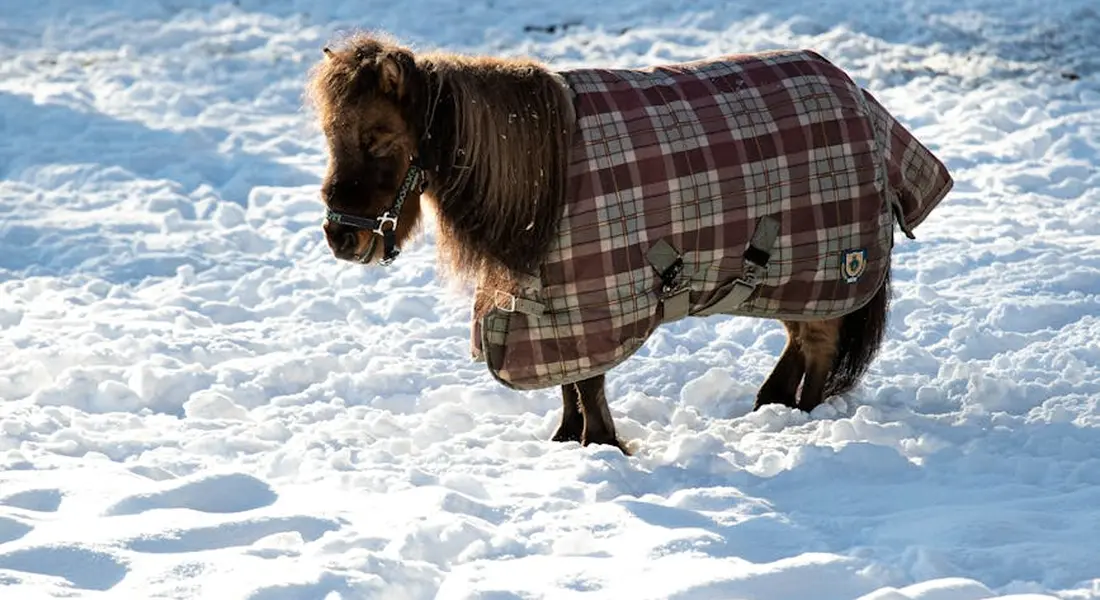
Your horse’s best winter coat isn’t the one you buckle on; it’s the one they digest. Forget piling on more grain-the real key to keeping your horse warm is unlimited access to high-quality hay. Horses create internal heat through microbial fermentation in their hindgut, a process fueled by fiber. When the temperature plummets, their bodies burn more calories just to stay warm, and hay is the slow-burning log on that fire. During cold snaps, temperature should blanket a horse, providing external insulation that complements their internal warmth. A properly fitted blanket can make that chilly balance easier on even the most resilient horses.
I learned this the hard way with Luna, my sensitive thoroughbred. One frigid week, I upped her grain thinking it would help, only to see her energy spike while she still felt chilly. Swapping to extra flakes of hay made her content and toasty within days. Your horse likely needs 1.5 to 2% of their body weight in hay daily when it’s cold, so for a 1000-pound horse, aim for 15-20 pounds of hay.
Not all hay is created equal for winter duty. Here’s a quick comparison:
- Grass Hay (Timothy, Orchard): Perfect for steady, long-lasting heat. This is what I give Rusty for his easy-keeping metabolism.
- Legume Hay (Alfalfa): Higher in protein and calories, ideal for hard keepers or older horses. Luna gets a mix to maintain her weight.
- Mixed Hay: The best of both worlds for many horses. Watch ponies like Pipin on richer mixes-too much can lead to founder.
Keeping Water Flowing: The Battle Against Ice
All that dry hay is useless if your horse won’t drink. Dehydration in winter is a leading cause of impaction colic, as the gut can’t move that increased forage without moisture. The sound of a horse crunching ice is a problem, not a novelty. You need a strategy.
My barn routine involves a dawn check with a rubber mallet. Here are the methods that work:
- Submersible Tank Heaters: The gold standard for large troughs. Ensure cords are chewed-proof and grounded.
- Insulated Buckets: A simple hack-placing a bucket inside another with straw in between buys you extra time.
- Frequent Breaking: No heater? Break ice at least twice daily and offer a bucket of lukewarm water. Horses often drink more if it’s not freezing.
I make it a rule to offer warm water after every ride, watching the steam curl up as Rusty takes long, grateful drafts. This small act encourages hydration and feels like a shared moment of care against the cold.
Supplements and Salts: Supporting Winter Wellness
Winter diets can lack spark. Plain white salt is the most overlooked supplement in the cold season, as horses still sweat during work and lose critical sodium. A frozen mineral block is practically useless, as licking it is uncomfortable and inefficient.
I keep a coffee can of loose salt in each stall. I mix a tablespoon into daily feed for my guys, ensuring they get what they need. For electrolytes, skip the sugary versions unless your horse is in heavy work. A simple mix of table salt and light salt (potassium chloride) can replenish what’s lost on a brisk winter ride.
For a weekly hydration boost and morale lifter, try a warm bran mash. Here’s my barn recipe:
- Add two cups of wheat bran to a bucket.
- Pour in just-boiled water to make a loose, porridge-like mix.
- Stir in one tablespoon of plain salt.
- Let it steep and cool until it’s warm to your wrist, not hot.
Pipin hears the bucket clang and comes trotting-it’s a smell that means comfort. This mash adds moisture, provides a gentle fiber source, and is a perfect carrier for any powdered supplements. It’s a small ritual that says winter won’t get the best of us.
Moving in the Cold: Safe Winter Exercise and Footing
The Non-Negotiable Warm-Up and Cool-Down
Winter warm-ups are a different beast than summer routines. I plan for at least twenty minutes of pure walking before asking for a trot, letting the horse’s circulatory system wake up slowly. Think of cold muscles and tendons like frozen rubber bands; they need gentle, persistent movement to become pliable without snapping. With Luna, I spend extra time on large, loopy figures at a walk, encouraging her to stretch her neck down and swing through her back. You’ll know your horse is properly warmed up when you feel their stride loosen, hear their breathing become rhythmic, and see a faint sheen of sweat at the base of their neck. Summer might allow a brisk five-minute walk, but winter demands this deliberate patience.
Cool-downs are just as critical. I never put a sweaty horse back in a cold stall. A proper cool-down means walking until their breathing is normal and their coat feels dry to the touch behind the ears. I often hand-walk Rusty on a long lead in the barn aisle, letting him steam off while I pick out his feet. Contrast this with a hot day, where a quick hose-down might suffice; in winter, drying completely is non-negotiable to prevent chills.
Navigating Snow, Ice, and Mud: Footing Safety First
Assessing footing is your first duty before any winter workout. Walk the area yourself first-if your boots slide or sink past your ankles, it’s no place for your horse. Listen for the tell-tale crackle of ice under a thin layer of snow, a sure sign of a hidden skating rink. I learned this the hard way with Pipin, who once bolted after hitting a frozen patch he couldn’t see. For arena riding, if the surface is frozen solid like concrete, cancel your ride. The concussion on their legs isn’t worth the risk.
When the ground is questionable, switch to these safer alternatives:
- Hand-walking: Use a long lead rope in a cleared area for low-impact movement.
- Groundwork: Practice yielding hindquarters, backing up, and shoulder-in from the ground to build muscle and focus.
- Liberty play: In a safe, enclosed space, let your horse move freely around you, turning it into a game of trust and movement.
For necessary outdoor movement on slippery trails, I swear by hoof boots with removable studs. They provide traction on ice and protect the sole from frozen, uneven ground, much like winter tires for your car. Rusty wears his for every snowy trail walk, and his confidence-and my peace of mind-soars.
Indoor Exercise Ideas for Blustery Days
When the weather is truly foul, bring the workout inside. Mental stimulation is key to preventing the pacing and wood-chewing that come from stall boredom. Even in a confined space, you can maintain your horse’s flexibility and engagement with simple, daily exercises. I spend stormy mornings doing this with all our boarders, and the difference in their demeanor is night and day.
Start with these in-stall or aisle-safe activities:
- Carrot Stretches: Lure your horse to touch their hip, knee, and between their front legs with their nose to promote lateral flexion.
- Tail Pulls and Back Lifts: Gently wiggle the tail while applying light pressure to the croup to encourage core engagement.
- Pole Work: Lay a single pole on the aisle floor for them to step over carefully, enhancing proprioception and coordination.
For a clever mind like Pipin’s, I hide pellets in a slow-feed net or scatter them in his shavings to mimic natural foraging. Turning dinner into a puzzle is a fantastic way to work their brain and slow their eating, reducing boredom and supporting digestive health. A little creativity indoors keeps everyone safe, sound, and sane until the sun returns.
Hooves, Skin, and Vigilance: Winter Wellness Checks
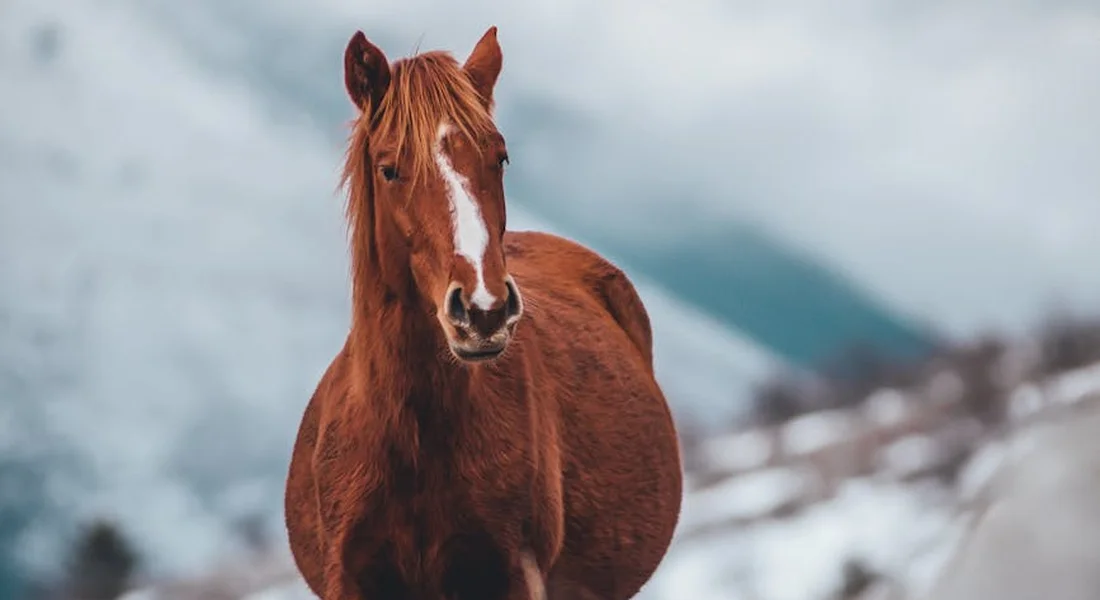
Winter turns your barn routine into a dance with mud, frost, and extra layers. Your vigilance during these cold months is what separates a cozy horse from one dealing with sneaky health niggles. I learned this the hard way with Pipin, our Shetland escape artist, who once used a frozen mud pile as a stepstool to unlatch a gate. Managing muddy conditions is crucial to ensure they don’t just step out of bounds, but also stay healthy.
Winter Hoof Care: More Than Just Picking Feet
Think of the hoof wall like a fingernail that constantly gets soaked and then freeze-dried. This wet-dry cycle is a primary cause of brittle, cracked hooves when the ground swings from sloppy to concrete-hard. Then there’s the menace of ice balls, those hard-packed snow wedges that form in the sole, making every step like walking on a golf ball.
Your Daily Defense: The Hoof-Picking Ritual
This isn’t a quick tap-out. Before and after turnout, pick each hoof thoroughly. Run your finger around the collateral grooves and the frog to check for hidden pebbles or the black, pasty signs of thrush that loves damp bedding. For horses like Rusty, who despises puddles, I make a game of it with a carrot reward to keep him steady while I check.
- Secure your horse on level, dry footing.
- Pick from heel to toe, clearing all debris from the frog and sulci.
- Inspect the sole for punctures or cracks and the hoof wall for splits.
- Feel for unusual heat or pulses, which can signal inflammation.
- Apply a non-caustic hoof conditioner to the wall only, if hooves are extremely dry, to maintain flexibility without softening the sole.
Farrier Visits and the Shoe Debate
Stick to your regular farrier schedule, but communicate about winter challenges. A good trim every 6-8 weeks manages growth and prevents cracks from traveling up the hoof wall. Many owners pull shoes for winter to avoid ice ball formation and let the hoof expand naturally on softer ground. This works for idle horses, but for those in work or with poor hoof quality, consider rim pads or snowball pads on shoes. I keep Luna, my sensitive Thoroughbred, shoeless in her winter paddock time to give her feet a breather.
Skin and Coat Health Under Blankets
A blanket is a microclimate, and a warm, moist environment is a paradise for fungi and bacteria. Rain rot starts as little scabby tufts, often where sweat and moisture get trapped under a blanket that’s too heavy for the day’s temperature. Blanket rubs, typically at the shoulders or chest, are a fit issue, not an inevitability.
Preventing Rain Rot and Blanket Rubs
- Fit is everything: You should be able to slide your flat hand easily under the blanket’s withers and chest. A too-tight fit guarantees rubs.
- Use a moisture-wicking liner or a lightweight sheet under a heavier blanket to manage sweat and reduce direct friction.
- Check for dampness daily, especially after a warm spell. Feel under the blanket for sweat at the base of the neck and along the back.
- At the first sign of a rub, apply a thin layer of coconut oil or a commercial anti-chafe balm to the area, and reassess your blanket’s fit.
The Blanketed Horse Grooming Routine
You don’t need to strip the blanket daily for a full spa session. Every morning, I run my hands over Luna’s back and shoulders under her blanket, feeling for any new lumps or patches of damp hair. Every few days, take the blanket off and use a soft curry in circular motions to stimulate the skin and lift dirt. Pay special attention to the girth and shoulder areas. A stiff-bristled dandy brush then removes the loosened debris, keeping the coat healthy and promoting natural oils.
The Hands-On Weight Check
Winter coats and bulky blankets are master disguises for weight loss. Once a week, slip your hand under the blanket and firmly feel along the ribs and over the top-line; you should feel a slight cushion over the ribs, not a sharp, bony definition. If you’re unsure, use a weight tape without the blanket for a more accurate measure. I caught Rusty dropping a few pounds this way last January; a slight feed adjustment had him back to his sturdy self in weeks.
Shelter and Turnout Management: A Daily Commitment
Maximizing Safe Turnout Time
Your horse needs to stretch their legs every single day, even when the air bites and the ground is hard. A short, brisk walk in the paddock is worth more than a full day stuck in a stall. It keeps their joints fluid, their gut moving, and their mind from turning to mischief. Daily movement, even for just thirty minutes, is non-negotiable for physical health and mental peace. I make it a point with every horse in my care, from high-strung Luna to steady old Rusty.
Create a designated “loafing area” near the shelter. This is a space with excellent, well-drained footing where they can amble, roll, and simply be horses. Good footing isn’t just about dirt; it’s about safety. I use a mix of coarse sand and wood chips to prevent freezing into a slick, dangerous sheet. The goal is a surface that gives secure traction and drains quickly after snow or rain. You’ll hear the satisfying, solid thud of hooves instead of the scary slip-scrape of a near fall.
Secure fencing is paramount. I learned this the hard way with Pipin, our food-motivated Shetland escape artist. One frosty morning, I found him not in his paddock but happily head-deep in the grain bin. He’d nosed a loose board until it gave way. A regular fence check for loose boards, weak posts, and tricky latches is your best defense against a clever pony’s midnight snack run. That incident cost me a bag of oats and taught me that winter weather can weaken even the sturdiest-looking fence.
Stable Environment and Bedding Basics
A clean, dry stall is a warm stall. Deep bedding acts like a mattress, insulating your horse from the cold earth and providing a comfortable place to rest. Skimping here is a false economy. Pile it high and keep it dry to create a crucial thermal barrier against the frozen ground. I’ve seen horses like Luna, who are naturally tense, visibly relax when they have a deep, inviting bed to nestle into.
Not all bedding is created equal when it comes to locking away moisture. Straw is traditional and provides great loft, but it can mat down. Pine shavings are super absorbent and offer a pleasant, fresh scent. Wood pellets are highly absorbent and low-dust, but they require initial watering to fluff up. Choose your bedding based on your horse’s habits and your ability to manage wet spots daily. A messy drinker like Rusty might need a more absorbent option under his water bucket.
Ammonia from urine is a silent enemy. That sharp smell in a poorly maintained stall isn’t just unpleasant; it burns delicate respiratory tissues. To manage ammonia, you must remove wet bedding completely every day, getting down to the stall floor. In my barn, I sprinkle a thin layer of hydrated lime on the cleaned, damp clay floor before adding fresh shavings. It neutralizes odors without creating dust. The smell of clean hay and fresh wood shavings should greet you, not the eye-watering punch of ammonia.
Busting Winter Care Myths: What Really Works
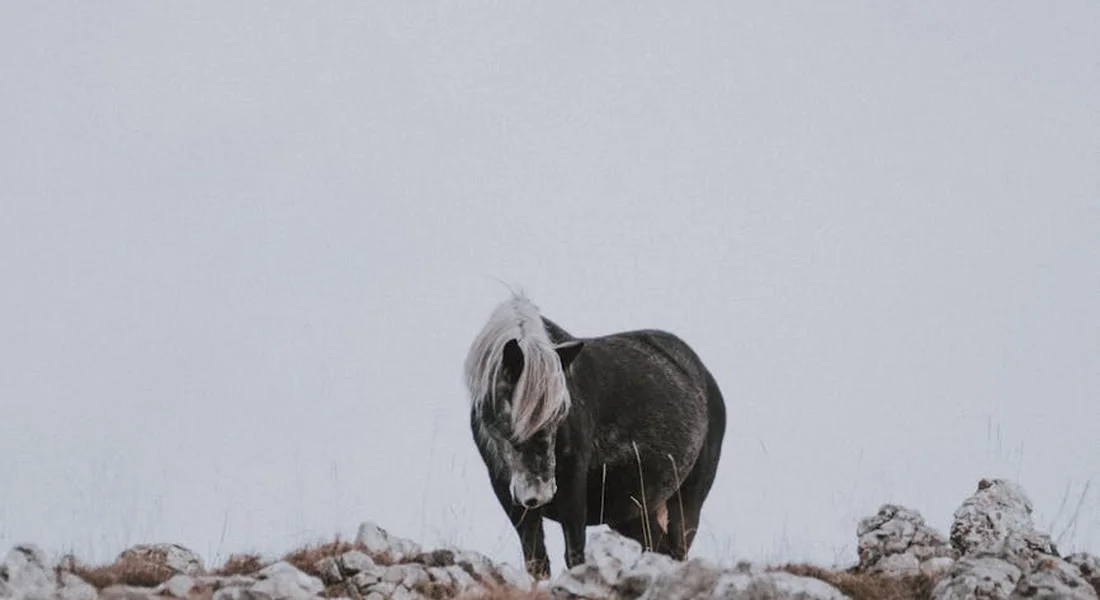
Winter stables are full of well-meaning advice, but some old sayings can lead you and your horse into a chilly predicament. Let’s sort the fact from the fiction.
Common Misconceptions and the Truth Behind Them
Myth: “Horses don’t drink as much in cold weather.”
This is a dangerous assumption. A dehydrated horse is at serious risk for impaction colic. While they may not sweat as visibly, the air is dry, hay is dry, and water sources are often frigid. A horse will drink significantly less if their water is near freezing, not because they don’t need it, but because it’s painfully cold to ingest. You can find some tricks to keep your horse drinking in freezing temperatures. I learned this watching Pipin, who would rather go thirsty than dip his muzzle into an icy bucket. The solution? Heated buckets or tank de-icers. You’ll hear the satisfying gulps return immediately.
Myth: “A fat horse is a warm horse.”
This myth confuses condition with insulation. Yes, a layer of fat provides some insulation, but obesity strains the heart, joints, and metabolic systems. The real warmth generator is forage digestion. The microbial fermentation in your horse’s hindgut is like a built-in furnace, and stoking it requires a steady supply of good-quality hay. Luna, my lean Thoroughbred, stays perfectly warm with a thick woolly coat and free-choice hay, while a pasturemate who is overly fat struggles with stiffness. Aim for a body condition score of 5, not 7.
Myth: “You must blanket every horse when it gets cold.”
Blanketing is a management tool, not a universal law. A healthy horse with a full winter coat, access to shelter, and good body condition often needs no blanket at all. Putting a heavy blanket on a fuzzy, unclipped horse can cause them to overheat and sweat under the rug, leading to a dangerous chill. My Quarter Horse, Rusty, grows a coat like a grizzly bear. He only gets a lightweight, waterproof sheet in prolonged, wet cold. Observe, don’t just automate—especially when it comes to blanketing your horse.
Listening to Your Horse: The Best Guide of All
The most valuable tool in your winter kit isn’t a thermometer or a blanket chart-it’s your own eyes. Your horse is talking to you all the time.
Watch for sustained, full-body shivering. This is a clear sign your horse is cold and their metabolic furnace needs more fuel or a windbreak. Check for signs of being too warm under a blanket: sweating behind the ears, a damp chest, or general lethargy. Is your horse standing hunched and miserable at the gate, or are they peacefully dozing in their shelter?
Their behavior tells a more accurate story than any temperature threshold on a chart. A horse’s needs change with age, health, coat density, and acclimation. The rulebook is helpful, but your horse’s feedback is gospel. Trust what you see, feel, and hear in the quiet of the winter barn.
FAQ: The Ultimate Winter Horse Care Guide
Is it true that horses don’t need their hooves trimmed as often in winter?
This is a common myth, as hooves continue to grow throughout the cold months. Skipping regular farrier appointments can lead to imbalances and increased risk of cracks or abscesses. Maintain a consistent 6-8 week trimming schedule to ensure hoof health and prevent lameness.
What are some key tips for maintaining a horse’s mental health during winter?
Incorporate enrichment tools like treat balls or hanging licks to combat stall boredom and reduce stress. Schedule regular, safe turnout with herd mates to encourage natural social behaviors and movement. Rotating grooming routines or introducing gentle massage can also provide mental stimulation and strengthen your bond.
How should I prepare my horse for winter carriage rides to ensure safety?
Acclimate your horse gradually to colder temperatures and ensure it is properly conditioned for the added work. Thoroughly inspect all tack and harnesses for stiffness or damage that cold weather can worsen. Always plan routes with secure footing, avoiding areas prone to ice or deep snow, and keep rides shorter to prevent overexertion. To tie these tips into a broader plan, consult your horse’s first winter complete preparation acclimation guide. It helps connect conditioning, gear checks, and route planning into a cohesive winter routine.
Steady Through the Season
Your winter plan boils down to thoughtful blanket choices, adjusted feed for warmth, and adapting exercise for safe footing. The most critical step is observing your individual horse and making small changes based on their condition and the weather, rather than following a rigid calendar. That also includes knowing when to blanket, a nuance explored in our ‘When to Blanket Your Horse‘ temperature care guide. An implicit link to that guide will appear in the next steps.
Winter asks for a little more patience and a lot more attention to detail. Your horse’s feedback—a thick coat, good weight, and sound steps—is the truest measure of your care. It requires more effort than summer horse grooming.
Further Reading & Sources
- Winter horse care tips – World Horse Welfare
- Caring for your horse in the winter | UMN Extension
- Winter Horse Care & Routine | The British Horse Society
- WINTER HORSE CARE TIPS – Equestroom
At Horse and Hay, we are passionate about providing expert guidance on all aspects of horse care, from nutrition to wellness. Our team of equine specialists and veterinarians offer trusted advice on the best foods, supplements, and practices to keep your horse healthy and thriving. Whether you're a seasoned rider or new to equine care, we provide valuable insights into feeding, grooming, and overall well-being to ensure your horse lives its happiest, healthiest life.
Health