
How Horses Learn: A Practical Guide to Equine Training and Conditioning
Hello fellow equestrians! Have you ever felt that flash of frustration when your horse blanks on a cue you’ve drilled for months, or that knot in your stomach when a new, unwelcome behavior threatens your safety? You’re right to be concerned-miscommunication in training can lead to confusion, resistance, and even injuries that are hard on your heart and your wallet.
Let’s clear the air and get back to basics. In this article, I’ll share the straightforward, effective methods that align with how your horse’s mind actually works. We’ll cover:
- The core principles of equine learning: instinct, pressure, and release
- How to use positive reinforcement without creating a pushy horse
- Why daily turnout is the secret foundation for a willing, focused partner
- Conditioning routines that build fitness while respecting your horse’s physical and mental limits
My advice is steeped in long days at the rail, learning from steadfast geldings like Rusty and clever escape artists like Pipin, gathered over years of hands-on barn management and training.
The Equine Mind: How Horses Perceive and Learn
Understanding Their World
A horse’s brain is not a smaller, simpler version of ours. It’s a specialized processor built for survival, taking in a flood of sensory data we barely notice. Their eyes sit on the sides of their head, giving them a nearly panoramic view but leaving two blind spots—directly behind and just in front of their nose. This means a sneaky approach from behind isn’t just rude; it triggers a hardwired flight response they must learn to override. Their hearing picks up the rustle of a snake in grass we’d call silent, and their sense of smell tells them who was in the paddock hours before we arrived.
Learning, for them, is less about abstract thought and more about cataloging sensory details into a mental map of safety and danger. Think of their memory not as a book but as a highly detailed, smell-augmented map. A single plastic bag fluttering on a fence might be logged as a “possible predator” until proven otherwise. I see this with Luna; the sudden crackle of a treat wrapper is fine, but the identical sound from a stray chip bag sends her sky-high.

Learning Through Association and Memory
Horses are masters of association. They constantly link actions, objects, and sounds with outcomes. The creak of the feed room door means dinner. The sight of the vet truck? That depends on their past experiences. This associative learning is why consistency from us is non-negotiable; confusing signals create a confused and anxious partner. Understanding these principles is crucial for any horse owner.
Their long-term memory is exceptional, especially for spatial and negative experiences. My old gelding, Rusty, exemplifies this. After a winter off the trails, he can still recall every low-hanging branch, every muddy patch he dislikes, and the exact spot where he once saw a deer. He doesn’t just remember the route; he remembers the sensations. This is why a single traumatic experience with, say, a forceful bit or a painful saddle fit can have lasting effects that require patient retraining.
The Social Herd Influence
You are never training just one horse. You’re working with an animal whose instinct is to watch and learn from the herd. A young horse learns to cross a stream by following a trusted elder. A nervous horse can gain confidence from a calm buddy standing quietly at the mounting block. This social learning is a powerful tool for introducing new concepts, but it cuts both ways-fear spreads faster than gossip in a herd.
I use this to my advantage. When introducing a scary blue tarp, I’ll let Pipin, my curious Shetland, investigate it first. The other horses, seeing his nonchalance, often relax. But the reverse is also true. Bringing a new, anxious horse into the herd requires careful management in a large, visible paddock, not a cramped stall, so they can learn safe social cues from a distance without feeling trapped. All of this is part of creating a safe, enriching environment for your horse. By shaping experiences this way, you build trust and curiosity, not fear.
The Building Blocks: Habituation and Conditioning
What is Habituation?
Habituation is simply the process of learning not to react to something because it’s proven to be harmless. It’s how a horse goes from spooking at every trash can to ignoring them. The key is incremental exposure without overwhelming the horse, always prioritizing their sense of safety. You’re not forcing acceptance; you’re allowing curiosity to replace fear.
To habituate a horse to a common stressor like a plastic tarp or the sounds of clippers, follow these slow steps:
- Place the object (e.g., a folded tarp) at a distance where the horse notices it but remains calm. Reward calmness with your own relaxed posture and a soft voice.
- Gradually decrease the distance over multiple sessions, never moving closer if the horse is tense. Let them sniff and investigate.
- Gently touch the horse with the object, starting on less sensitive areas like the shoulder, pairing each touch with a familiar, pleasant event like a scratch.
- Very slowly build up to the full experience-the tarp rustling, the clippers running-while the horse stands still.
Classical Conditioning: Creating Positive Associations
This is the “Pavlov’s dog” principle. You pair a neutral signal with something the horse already loves, until the signal itself predicts good things. It’s about building reflexive calm, not asking for a behavior. I use this all the time to make vet and farrier visits less stressful.
Here’s how to create a “calm cue” for vet visits:
- Choose a distinct, calm signal you don’t use often-a specific word like “steady” or a soft, consistent tongue click.
- During peaceful moments at the barn, say your cue and immediately give a high-value treat. Repeat this dozens of times over days.
- Once the horse brightens up at the sound, start using the cue just before mildly pleasant things, like feeding or turnout.
- When the vet arrives, use your cue before they approach. The horse has learned this sound means good things are coming, dialing down anxiety before handling even begins.
Operant Conditioning: The Four Quadrants
This is how horses learn from consequences. The “quadrants” describe adding or removing good or bad things to influence behavior. For ethical training, we focus heavily on reinforcement (encouraging behavior) and use punishment only with extreme caution, as it can damage trust. Here’s a practical breakdown:
| Quadrant | How It Works | Barn Example |
|---|---|---|
| Positive Reinforcement (R+) | Adding something good to increase a behavior. | Giving a treat when Luna stands quietly for grooming. |
| Negative Reinforcement (R-) | Removing pressure to increase a behavior. | Releasing leg pressure the moment Rusty moves forward on the trail. |
| Positive Punishment (P+) | Adding something aversive to decrease a behavior. | A sharp “no” after Pipin nips (used sparingly). |
| Negative Punishment (P-) | Removing something good to decrease a behavior. | Walking away and ending a session if a horse is pushing you rudely for treats. |
The most welfare-friendly training builds a dialogue using clear, timely pressure release (R-) and rewards (R+). For instance, teaching a horse to back up: you apply light chest pressure, and the instant they shift back, you release the pressure and might add a reward. This combination tells the horse exactly what you want while making them a willing participant in their own learning.
Your Training Toolkit: Key Principles for Success

The Golden Rule of Timing
Think of a horse’s mind like a camera with a very fast shutter speed. You must capture the correct behavior within three seconds with a reward or a release of pressure, or the photo becomes blurry and the lesson is lost. I honed this with Luna, my sensitive Thoroughbred, who viewed mounting blocks with suspicion. The moment her feet stilled, I’d offer a soft “good” and a piece of apple. That immediate mark told her exactly what earned the treat. Wait too long, and she’d think standing still had nothing to do with the surprise in my pocket.
Consistency is Your Secret Weapon
Horses are creatures of habit, finding comfort in the predictable rhythm of feed time and turnout. Your cues should be as reliable as the creak of the barn door at dawn-same word, same tone, same expected outcome every single time. Inconsistency is the quickest way to confuse a willing horse. I’ve seen riders mix up leg aids or change the meaning of a cluck, leaving their partner anxious and guessing. Your steadiness builds a foundation of trust. That trust is the seed for a strong bond with your horse. With consistency, you can build that bond and truly trust your horse in every ride.
Common inconsistencies that sabotage training:
- Using different voice commands for the same request, like “whoa” and “halt.”
- Changing the intensity of a leg aid from a nudge to a kick without clear reason.
- Sometimes correcting a behavior and other times ignoring it.
- Altering daily routines so the horse never knows when work, food, or rest comes.
Short Sessions and Clear Progression
A horse’s focus wanes quickly, much like ours after a long day. Cap your focused training at fifteen to twenty minutes to keep their mind fresh and willing, ending on a small win. Break every new skill into tiny, digestible steps. For teaching “back up,” start with the lightest suggestion of pressure. Celebrate the slightest try. With my old reliable Rusty, we spent a whole week just on the understanding that leaning back from my finger on his chest meant the pressure vanished. Patience is crucial to avoid common beginner mistakes.
A sample progression for teaching “back up”:
- Stand facing your horse, apply gentle, steady pressure to the center of their chest.
- The instant they shift their weight backward, even an inch, release all pressure.
- Pair the release with a verbal reward like “yes” or a gentle scratch.
- Next session, wait for one clear step back before the release and reward.
- Only after they understand the physical cue, add a verbal command like “back.”
Popular Methods Explained: From Pressure to Clickers
Pressure and Release (Negative Reinforcement)
This is the language of touch and space. Apply a clear, steady pressure to ask a question; the instant release when the horse responds is the ‘yes’ that teaches them the answer. It’s the foundation of most riding aids-your leg asks for go, the go relieves the leg. The safety rules are non-negotiable. Always start with the lightest possible touch, like a feather, and increase gradually only if needed. A release that is late or incomplete teaches frustration, not understanding.
- Apply pressure calmly and increase it slowly, never with a jerk or a shout.
- Release completely the *moment* you get the desired response, even if it’s imperfect.
- Never use pressure to punish or inflict pain; it is a signal, not a weapon.
- Ensure your horse can find the right answer by making your cues obvious and fair.
Positive Reinforcement and Clicker Training
This method trades demands for invitations, using rewards to build a game. A distinct sound, like a clicker or a tongue click, acts as a bridge to precisely mark the behavior you want, telling the horse a reward is coming. It’s brilliant for clever, food-motivated souls like Pipin, my Shetland pony. I started by teaching him that a click meant a carrot bit was on its way. Soon, he was offering to touch cones and lift his feet for the sound, his ears pricked with engagement.
Steps to start clicker training:
- Charge the clicker: Click, then immediately give a treat. Repeat until your horse’s head turns at the sound.
- Mark a simple, offered behavior. Click the second Pipin looks at a target stick.
- Deliver the treat within three seconds to solidify the connection.
- Shape complex behaviors by marking and rewarding closer approximations each time.
Groundwork and Liberty Work
These practices remove the tack and talk directly to the horse’s instincts. Groundwork establishes polite boundaries and clear communication through body language, while liberty work is the ultimate test of trust, where the horse chooses to follow you without any ropes. It starts with simple conversations. Asking a horse to yield its hindquarters from a light tap teaches it to respect your space and listen to your posture. Watching a horse’s eyes soften and its head lower during this work is more rewarding than any ribbon.
Foundational groundwork exercises for every horse:
- Yielding the hindquarters: Teach them to step their back end away from gentle pressure near their flank.
- Leading with respect: They walk when you walk, stop when you stop, without dragging or lagging.
- Desensitization: Introducing tarps, bags, or ropes until the initial snort turns into a curious sniff.
- Backing up from soft pressure on the chest or a raised hand, building impulse control.
Shaping Behavior and Managing Anxiety
Step-by-Step Desensitization
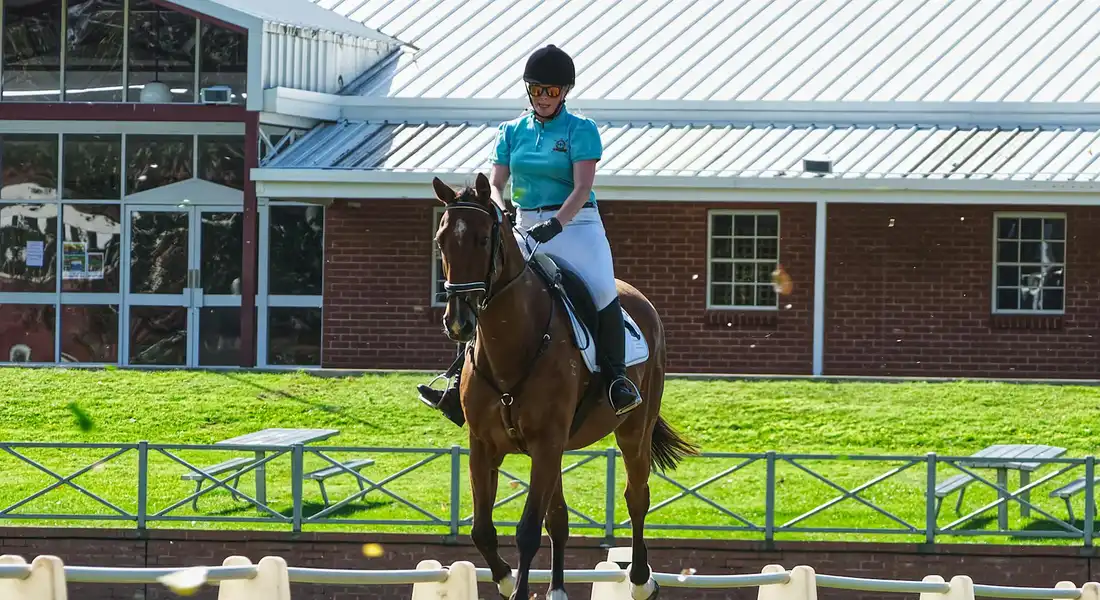
Introducing a new, scary object-like a flapping tarp or a clattering bucket-requires patience. I learned this with Luna, my dapple grey Thoroughbred. Her eyes would widen at a plastic bag, and her whole body would tense. Rushing her would have been a mistake. Instead, we break it down.
The goal is curiosity, not compliance; you want the horse to think, not just tolerate.
Here is a numbered process that works for most spooky items.
- Start at a Distance: Place the object where your horse can see it but doesn’t react. For Luna, that meant a bag tied to a fence post 50 feet away. Let them observe. Watch for a soft eye, a lowered head, or a sigh-signs they’re processing.
- Move Closer in Increments: Only step nearer when they’re relaxed. If they snort, freeze, or try to leave, you moved too fast. Stay put until they relax again. This might take minutes or sessions.
- Allow Investigation: Let the horse sniff the object on their terms. Hold it loosely so it doesn’t jump at them. The moment they touch it with their nose, remove the pressure-take the object away. This rewards bravery.
- Add Gentle Movement: Slowly wiggle the object. Keep sessions short, under ten minutes. End on a good note, even if progress seems small.
Reading body language prevents flooding-overwhelming the horse into shutdown. Ears pinned flat, whites of the eyes showing, or a rigid, trembling neck mean fear. Back off. A horse that’s “shut down” stands still but is terrified; this is not learning, it’s survival. Look for chewing, licking, or a relaxed tail swing as signs of acceptance.
Building Reliable Cues from the Ground Up
A cue is a conversation, not a command. The most reliable cues pair a physical signal with a verbal word. This builds redundancy so if one fails, the other can work. Teaching “whoa” is a perfect example.
Start with a physical cue your horse already knows, like a light pull on the lead rope to stop. Here’s how to add the word.
- Set Up the Success: On a lead rope, ask for a halt with your body and a slight rope pressure. The moment all four feet stop, say “whoa” in a calm, clear voice.
- Immediate Reward: Release the pressure and give a scratch or a treat. The timing is everything. The horse links the word with the action and the relief.
- Repeat and Fade the Physical: Do this dozens of times over days. Gradually use less physical pressure. Soon, try saying “whoa” just before you would apply pressure. If they stop, huge reward! If not, gently use the physical cue, then say the word.
- Test in Different Settings: Practice in the barn aisle, then the paddock, then on a trail walk. Consistency across environments builds a rock-solid cue.
I used this with Rusty on trails. Now, if he spots a puddle he dislikes, a simple “whoa” from me gets a steady stop, no tug needed. This method works because it respects the horse’s need for clarity and positive reinforcement.
When Learning Stalls: Identifying Fear vs. Stubbornness
A horse that balks at the stall door isn’t always being naughty. Fear and stubbornness look similar but need different approaches. Fear shows in the body: tense muscles, flared nostrils, a high head, and quick, shallow breathing. Stubbornness often comes with a lazy, deliberate attitude-like Pipin, my Shetland, who would plant his feet and give me a smug look when he wanted extra hay. Understanding common horse fears and skittish behavior helps in managing anxiety. By recognizing fear cues vs. stubbornness, you can tailor your responses to calm the horse.
An anxious horse is asking for help; a stubborn one is testing boundaries.
For fear-based hesitation:
- Check the stall for shadows, strange sounds, or a slippery floor that spooked them.
- Lead them up calmly, let them look, and retreat before they panic. Build positive associations by feeding a treat inside.
- Never force them in. This can create a lasting phobia. Patience here prevents future injuries.
For unwillingness or stubbornness:
- Apply consistent, gentle pressure on the lead until they take one step forward, then immediately release.
- Be a brick wall of quiet expectation. No yelling, just persistent calm.
- Ensure basic needs are met-sometimes “stubborn” is pain from ill-fitting tack or sore feet.
I remember a boarder’s horse terrified of a new stall mat. We spent a week letting him sniff it and eat grain off it. His fear melted. Labeling behavior correctly saves your relationship and your horse’s trust. There are common mistakes that break your horse’s trust—avoid them. Understanding what to avoid helps preserve the bond.
Conditioning for Health and Performance
Physical Conditioning Basics
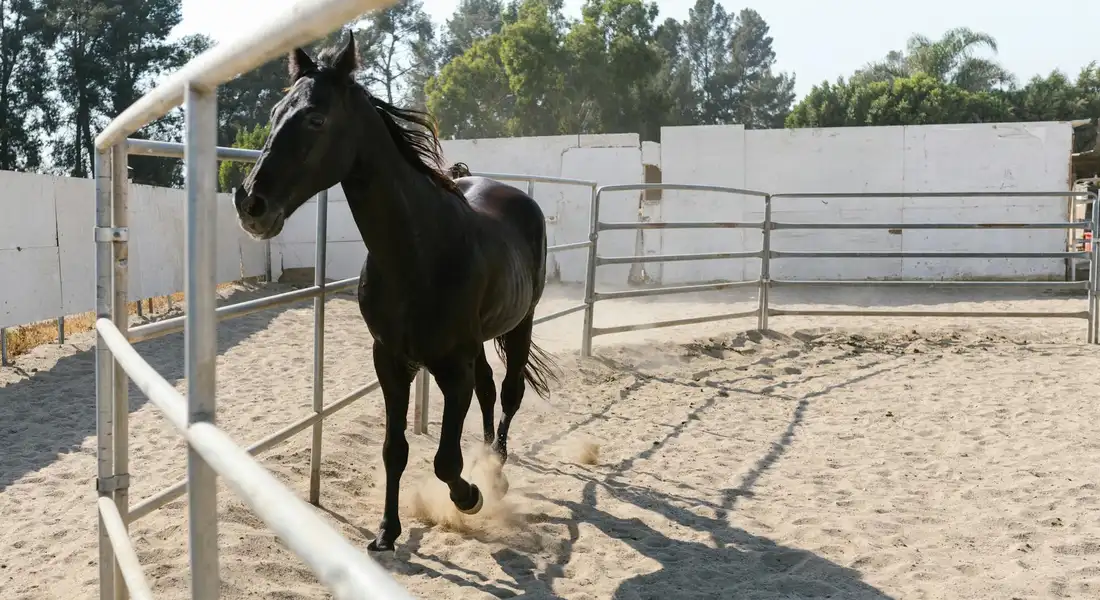
Fitness isn’t just about ride time. Ample turnout is the unsung hero of conditioning. Horses are built to move almost constantly. A 24/7 stall life makes muscles stiff and minds dull. Start there-ensure your horse has space to walk, trot, and roll daily. Pairing that daily turnout with a healthy exercise schedule helps establish consistent conditioning. A thoughtful turnout-to-work plan keeps the horse moving, joints flexible, and spirits engaged.
Turnout is not a luxury; it’s the foundation of sound legs and a calm mind.
A sensible fitness plan for a horse coming off a break, like my old guy Rusty, looks like this.
- Weeks 1-2: Foundation: 20-30 minutes of walking, five days a week. Do this under saddle or in hand. Focus on straight lines and gentle turns. This wakes up tendons and ligaments without strain.
- Weeks 3-5: Add Trotting: After a warm-up walk, include 5-minute intervals of steady trot. Keep the rhythm even. Listen for regular breathing-if they’re huffing, slow down.
- Weeks 6-8: Introduce Canter and Hills: Add a few canter strides on soft ground. Gentle hill walking builds hindquarter strength. Always increase workload by no more than 10% per week.
Monitor for swelling or heat in legs. A tired horse is more prone to missteps. Condition the body like you’d season a cast iron pan-slowly and with consistent heat.
Mental Conditioning for Focus
A bored horse is an accident waiting to happen. Mental stamina comes from varied practice that engages their problem-solving skills. This isn’t just about longer rides; it’s about smarter ones. Enrichment is essential for your horse’s mental health, helping keep their minds active and reducing stress. When their environment offers varied challenges, horses stay calmer, more curious, and more responsive to training.
Routine drills create robots; novel challenges create partners.
Incorporate these exercises to sharpen focus.
- Trail Obstacles: Walk over poles on the ground, around cones, or past “spooky” stations like flags. This teaches them to watch their feet and trust your guidance.
- Backing and Side-Passes: Ask for three steps back from a light chest press. Or guide them sideways along a fence. This engages their brain in precise movement.
- Change of Scenery: If you always ride in the arena, hack out on a trail. The new sights and sounds require constant mental processing.
With Luna, our sensitivity training doubles as mental work. Navigating a course of tarps and barrels makes her think, which actually drains her nervous energy more than a hard gallop. A mentally tired horse is a calm, willing horse.
Integrating Training into Daily Care
You don’t need extra hours to train. Make every interaction count. The daily chores are golden opportunities to reinforce manners and build trust.
The barn routine is your training schedule-use it.
Here are simple moments to teach.
- During Grooming: Ask your horse to stand square while you curry. Touch their ears and belly gently, rewarding calmness. This desensitizes for vet visits.
- At Feeding Time: Have them wait politely outside the stall until you give a release cue. This reinforces patience and respect for space.
- Leading to Turnout: Practice halting and backing up a step before you open the gate. It instills impulse control.
- While Picking Hooves: Use a consistent verbal cue like “foot” before lifting each leg. Hold the hoof only as long as they are balanced, then release.
I teach this to every horse I handle. Pipin, the escape artist, learned to wait at his stall door after just a week of consistent feeding-time pauses. These small lessons weave obedience into the fabric of their day, so it feels natural, not forced.
FAQ: How Do Horses Learn? Understanding Equine Training and Conditioning
What is equine facilitated learning and how does it differ from traditional equine training?
Equine facilitated learning (EFL) is a therapeutic approach that uses horse interactions to promote human personal development, focusing on emotional growth rather than riding skills. Unlike traditional training centered on equine obedience and performance, EFL emphasizes non-riding activities like groundwork to foster mindfulness, communication, and trust in participants. This method leverages the horse’s sensitivity to human emotions, making it valuable for coaching, therapy, and educational settings.
Where can I find accredited equine facilitated learning training courses in the UK?
Accredited EFL training courses in the UK are offered by organizations such as the Horseback UK and the Equine Facilitated Learning Academy, which provide certifications for practitioners. These courses typically cover equine behavior, facilitation skills, and ethical guidelines, often involving hands-on sessions at approved centres across the country. Prospective students should look for programs endorsed by bodies like the UK Board of Equine Facilitated Learning to ensure quality and professional recognition.
Are equine facilitated learning training courses available online or through the NHS in the UK?
Yes, some UK providers offer online EFL training courses, allowing remote study of theory components, though practical elements usually require in-person attendance at partner facilities. The NHS does not routinely fund or provide EFL training courses, but it may refer individuals to equine-assisted therapy programs for specific mental health support under local commissioning agreements. For those seeking qualifications, researching online options from accredited institutions is recommended, while NHS involvement is typically limited to therapeutic referrals rather than training.
Your Partnership in Progress
Training succeeds when you pair consistent, understandable cues with immediate reinforcement for even the smallest try. Remember, a horse learns what you teach in the moment-so reward the effort, not just the perfect outcome. This approach is a key aspect of positive reinforcement training for horses.
True horsemanship isn’t about a checklist; it’s about reading the animal in front of you, whether it’s a thoughtful quarter horse or a spirited thoroughbred. The most important tool you have is your ability to listen, ensuring every lesson ends with a softer horse than when you began.
Further Reading & Sources
- USEA | Conditioning the Event Horse at the Novice and Training Levels
- Guide to Conditioning Horses: Exercises & Plans for Optimal Performance | Mad Barn
- Spring Conditioning Your Horse | Horse Journals
- Conditioning training for horses | Bhoof
At Horse and Hay, we are passionate about providing expert guidance on all aspects of horse care, from nutrition to wellness. Our team of equine specialists and veterinarians offer trusted advice on the best foods, supplements, and practices to keep your horse healthy and thriving. Whether you're a seasoned rider or new to equine care, we provide valuable insights into feeding, grooming, and overall well-being to ensure your horse lives its happiest, healthiest life.
Behavior