
Why Mental Enrichment is the Key to Your Horse’s Calm and Contentment
Hello fellow equestrians! Does your horse crib on the fence, stall-walk incessantly, or seem dull and unresponsive under saddle? These aren’t just bad habits; they are clear signals of a bored and frustrated mind, leading to potential safety risks and expensive, stress-related health issues.
Let’s change that. In this article, I’ll guide you through actionable, gentle strategies to nurture your horse’s mental well-being. We’ll cover:
- The direct link between mental stagnation and common behavioral problems
- Simple, do-it-yourself enrichment tools using everyday barn items
- Transforming routine turnout into engaging brain games
- Practical signs that your horse is mentally satisfied and engaged
My recommendations are forged from years of barn management and training, where I’ve learned that a thoughtfully engaged horse is always a safer and happier partner.
The Unspoken Need: Why Enrichment is a Welfare Essential
Think of your horse’s mind like a muscle that needs exercise. Without stimulation, it grows sluggish, and that boredom leaks straight into the body. A bored mind fuels a restless body, leading to pacing, weaving, or digestive upset. I’ve seen it firsthand with Luna; on days she’s stuck inside, her energy boils over into nervous ticks and a tight back, making our next ride a challenge.
Contrast this with life on the open range. A wild horse walks for hours, foraging on dozens of plant species, solving social puzzles, and navigating terrain. Your stable is a safe haven, but it can also be a sensory desert: same four walls, same hay, same view. Enrichment isn’t a luxury; it’s the bridge we build to span that gap between captivity and their natural instincts.
The benefits of a engaged mind are tangible and transform daily care:
- Reduces stress behaviors: It gives nervous energy a positive outlet, cutting down on destructive habits.
- Preents established vices: A busy horse is less likely to start cribbing or weaving in the first place.
- Improves trainability: A mentally stimulated horse is more focused, curious, and willing to learn new tasks.
- Enhances overall mood: You’ll see a brighter eye, a more relaxed posture, and a partner eager to see you.
Providing enrichment is a direct act of care that says you see your horse as a thinking, feeling being, not just a pasture ornament.
Decoding the Signals: Signs of Boredom and Stress in Your Horse
Horses shout their discontent with their bodies. The classic signs are hard to miss, but the subtler ones often get written off as “quirks.” Listen to what they’re telling you. Rusty, my steady trail horse, will rhythmically bang his stall door with a hoof when he’s been in too long—his version of tapping his watch—and it’s often a telltale sign your horse could be overworked or needs more exercise.
Here are the common behavioral red flags that scream boredom or anxiety:
- Stereotypies (vices): Weaving, cribbing, wind-sucking, or stall-walking.
- Oral fixations: Chewing wood, licking walls, or mouthing empty buckets.
- Repetitive actions: Pawing, head-nodding, or circling in the stall.
- Lethargy: A horse standing like a statue, head down, with a disinterested “glazed over” look.
Now, tune into the quieter whispers of stress. These are often missed:
- Excessive tail-swishing while standing still in the stall.
- Ignoring a new flake of hay or a visitor at the gate.
- Shallow, quick breathing when no physical exertion has occurred.
- A tendency to startle easily at normal barn sounds.
Chronic mental stress always writes itself on the physical body. You might see unexplained weight loss, a dull coat that won’t shine despite good feed, or slow-healing minor cuts. A happy mind supports a resilient body. When Pipin the pony is mentally engaged, his coat gleams like black ice; when he’s bored, he looks dusty and tucked up, no matter how much he eats.
Rooted in Instinct: How Enrichment Mimics Natural Behaviors

The Foraging Imperative
Think about the steady crunch of hooves on grass during a day out on pasture. A horse’s digestive system and mind are built for that slow, constant harvest. Stalled life often means hay delivered in a swift pile, eaten in an hour. Slow feeder nets or hiding hay in multiple piles around the paddock directly copy the hours of grazing their gut and brain expect. I watch Rusty methodically work through his net, and it’s the same focused rhythm he uses on the trail.
Puzzle feeders add a layer of mental spice. In the wild, food isn’t always underfoot; it’s tucked into brush or on uneven ground. A treat ball or a snuffle mat recreates that ‘seek and find’ challenge, turning a simple meal into engaging problem-solving that wards off boredom.
The Social and Movement Drive
Horses are not meant to be alone. The quiet nickers and mutual grooming you see in a herd are not just cute; they are fundamental to equine mental balance. Providing a safe companion, whether another horse, a goat, or a donkey, satisfies a deep-seated need for social security that no amount of human attention can fully replace. Understanding why horses thrive in groups highlights the importance of herd dynamics and social bonds. In practice, recognizing this need helps owners design turnout and companionship plans that support welfare.
Without a job or space, confined horses often develop stable vices like weaving. Strategically placing a hanging toy or a few logs to step over encourages purposeful walking and investigation, transforming that nervous energy into curious exploration. I’ve seen Luna’s aimless stall-walking stop completely when she has a jolly ball to push around her run.
Your Enrichment Toolkit: Types and Ideas for Every Horse
Feeding and Foraging Enrichment
This is your easiest entry point. The goal is to make eating take longer and require more thought. Start with one of these simple tools to instantly add mental stimulation to your horse’s day.
- Slow Feeder Nets: The classic. They mimic grazing pace and are durable for daily use.
- Treat Balls: Fill with a handful of pellets; your horse must roll it to get rewards.
- Snuffle Mats: Excellent for mimicking ground foraging; hide treats in fabric strips.
- The Hidden Treasure Tub: Bury carrot chunks in a shallow tub of clean, shredded paper or peat moss.
You can create a simple puzzle in minutes. This DIY treat bottle is a barn hack I use for Pipin when the weather keeps us inside.
- Take a clean, empty 1-liter plastic bottle with a secure screw-top lid.
- Use a drill or sharp knife to create 10-12 holes around the body, each about the size of a dime.
- Fill the bottle with a cup of low-sugar treats or chopped apple.
- Screw the lid on tightly and place it in your horse’s stall or a safe paddock.
- Show them how it works by rolling it once. Most figure out the nudge-and-chase game quickly.
Environmental and Sensory Enrichment
Change what your horse sees, touches, and smells. Novelty is the key to a engaged mind. Rotating these items every week or two prevents them from becoming invisible background objects, much like what you would do when creating sensory enrichment zones in your horse’s environment.
- Hanging Toys: A traffic cone or a sturdy rubber ball secured with a thick rope provides a satisfying batting target.
- Texture Variety: Mount different brushes on the wall-a stiff dandy brush, a soft mitt, a rubber curry-for a satisfying scratch station.
- Safety Mirrors: An acrylic mirror can reduce separation anxiety by giving the illusion of companionship.
- Scent Exploration: Add a handful of dried, horse-safe herbs like mint or chamomile to bedding for a new olfactory experience.
Social and Exercise Enrichment
This category is non-negotiable for welfare. Turnout with a compatible buddy is the single most effective form of enrichment, offering social interaction, free movement, and mental relaxation in one package. Even if it’s just for a few hours, it lets them be horses.
When ridden work isn’t on the schedule, try mental exercise. Simple groundwork games, like asking your horse to step onto a mat or back through a pattern of cones, build focus and trust. Hand-grazing in a new corner of the property is also superb enrichment; the novelty of different grasses engages all their senses.
The Safe Introduction: How to Start Enrichment Without Fright

-
Start every new introduction with the object outside your horse’s living space. Hang a likit on the fence or set a puzzle box in the aisle. Let them watch it during quiet time. I do this with every new item for my herd. This distance lets them process the new sight and smell without feeling trapped, turning potential fear into curiosity. Over time, this gradual exposure also helps desensitize spooky horses to new objects and sounds. Keep sessions calm and brief to reinforce positive associations.
-
Your hands are the best safety tool. Before any toy meets a muzzle, inspect it thoroughly. Feel for seams that could split and check for hard plastic edges. Everything must be durable enough to withstand a curious bite and too large to be a choking hazard. If it fits easily in your feed bucket, it’s probably too small for safe, unsupervised play.
-
Stay present for those first few minutes. Observe the subtle signs: pinned ears mean frustration, a wide eye and flared nostrils signal fear. A gentle sniff is a win; frantic pawing means it’s time to pause. Close monitoring lets you step in before a scare becomes a lasting negative memory.
-
I remember introducing Luna to a large jolly ball. She spooked, spun, and refused to go near it. So, I left it by her paddock gate for a week. I’d occasionally roll it a foot while she ate her hay nearby. One rainy afternoon, I saw her approach, bump it with her knee, and then follow it as it rolled. The victory wasn’t in her playing with the ball immediately, but in her choosing to investigate it on her own terms.
Building a Routine: How Often to Provide Mental Stimulation
-
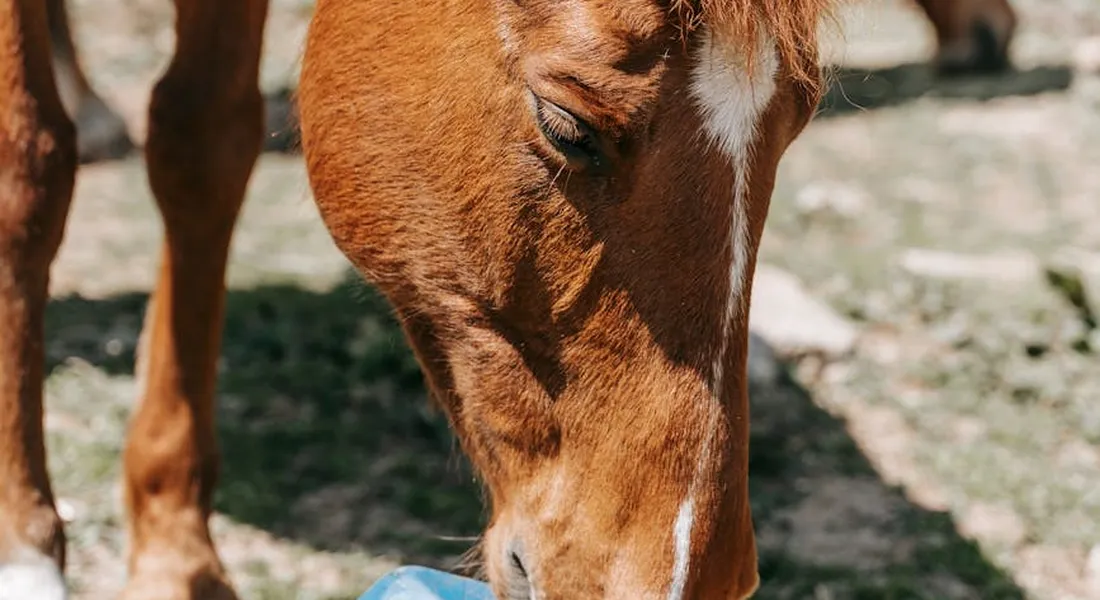
Enrichment is a daily commitment, not a sporadic novelty. It should be as regular as your morning feed check. Mental exercise needs consistency to truly combat stable stress and prevent stereotypic behaviors.
-
Treat it like providing fresh water. It’s non-negotiable and expected. This predictability is comforting. A horse’s world should have reliable moments of engaging fun, not just work and rest. Bonding activities are crucial for building a strong relationship.
-
For a horse spending significant time in a stall, weave enrichment into the day’s fabric. Morning hay goes in a slow-feeder net. Midday, swap in a stuffed treat ball. Schedule afternoon hand-grazing or paddock time with a friend. This simple, varied daily plan keeps their mind occupied and mimics a natural rhythm of forage and social interaction.
-
Adjust the pace based on your horse’s personality. My guy Rusty is happy with one new challenge per day, while Luna needs shorter, more frequent engagements to manage her energy. Watch their feedback-a bored horse will ignore the toy, while an overstimulated one may become anxious.
FAQ: Why is Enrichment Important for Your Horse’s Mental Health?
Why is enrichment important for a horse’s mental health?
Enrichment exercises your horse’s mind, preventing boredom that can lead to stress-related behaviors and health issues. It fulfills natural instincts, promoting mental engagement and reducing the risk of developing stable vices. This results in a calmer, more focused horse that is safer and more enjoyable to work with. To keep your horse mentally stimulated, try 15 enrichment ideas. These practical ideas can be woven into daily routines for easy implementation.
What are the signs of boredom or stress in horses?
Look for obvious behaviors like weaving, cribbing, or stall-walking, which indicate mental distress. Subtler signs include lethargy, excessive tail-swishing, or ignoring food and social interactions. Early recognition of these signals allows for timely intervention to improve your horse’s mental well-being. Equally important is understanding your horse’s body language to tell when it is happy and relaxed. With this knowledge, you can notice genuine calm cues and reinforce them.
How often should I provide enrichment for my horse?
Enrichment should be a daily, consistent part of your horse’s routine to effectively prevent boredom and stress. Integrate varied activities, such as foraging puzzles or social time, throughout the day to mimic natural rhythms. Adjust the frequency based on your horse’s individual needs to maintain engagement without overwhelming them.
Putting It All Together
Enrichment is about providing variety within a safe routine, from puzzle feeders to novel obstacles on a trusted trail. The most critical step is simply observing your horse; if they seem bored or stressed, it’s time to try a new form of engagement. To support that goal, create a safe, enriching environment for your horse. This foundation helps every interaction stay calm, curious, and rewarding.
Patience is your greatest tool, as every horse discovers curiosity at their own pace. Your most important job is to watch and listen, letting their reactions guide you toward a happier, healthier partnership.
Further Reading & Sources
- 12 ways to improve mental stimulation for horses | Alltech
- Upping Your Horse’s Mental Game
- Engaging the Equine Mind: The Importance of Mental Stimulation for Horses – Rocky Valley Veterinary Service
- Keep Your Horse’s Brain Busy with These DIY Enrichment Activities! | ASPCA
At Horse and Hay, we are passionate about providing expert guidance on all aspects of horse care, from nutrition to wellness. Our team of equine specialists and veterinarians offer trusted advice on the best foods, supplements, and practices to keep your horse healthy and thriving. Whether you're a seasoned rider or new to equine care, we provide valuable insights into feeding, grooming, and overall well-being to ensure your horse lives its happiest, healthiest life.
Behavior