
How Much Cold Can Horses Tolerate? (Complete Temperature Guide)
Published on: October 10, 2026 | Last Updated: October 12, 2026
Written By: Henry Wellington
Hello fellow equestrians. Are you watching the mercury drop and worrying if your horse is bundled up enough out there? That knot in your stomach is familiar-fearing a chilled horse can lead to weight loss, colic, or a staggering vet bill.
Let’s settle those nerves right now. This guide will walk you through the practical, barn-tested facts so you can make confident decisions this winter. We’ll cover:
- How a horse’s coat, age, and breed dramatically change their cold threshold.
- The specific temperature ranges where most horses need your intervention.
- Simple adjustments to feed, shelter, and blanketing that make all the difference.
- Clear signs your horse is actually cold, not just frisky in the crisp air.
My years of barn management have taught me how to read a shiver or a snow-crusted back, from reliable Rusty to fine-boned Luna.
The Equine Thermostat: Understanding Natural Cold Tolerance
Your horse’s tolerance for cold isn’t a mystery-it’s a brilliant piece of natural engineering. Their entire system is designed to generate heat and conserve it, a fact I’ve watched in action through countless winters at the barn. Do horses handle cold weather winter conditions? They generally cope well when acclimated and provided with shelter, warmth, and good nutrition. Think of it like this: a healthy, acclimated horse with a good winter coat is often more comfortable in crisp air than in a humid summer barn.
How a Winter Coat Works Like a Built-In Blanket
Run your hands over a winter coat. That dense, fuzzy layer isn’t just hair; it’s a personalized climate control system. Each strand stands up via tiny muscles, trapping a layer of warm air close to the skin. It’s the same principle as a puffy jacket. I test this on Pipin; on a cold morning, his black coat is fluffed up an inch thick, creating a perfect insulator that no store-bought blanket can truly replicate.
This coat is also waterproof at the surface, letting rain and snow bead up and roll off. The key to this system is natural oils from the skin, which is why overwashing with soap in winter can strip this protection and leave your horse chillier. A good curry and brush to lift dirt is almost always better than a bath.
Factors That Change a Horse’s Cold Threshold
Not all horses experience cold the same way. Watching my three teaches me this daily. Their individual needs mean a one-size-fits-all blanketing policy is a recipe for discomfort.
- Body Condition: A horse with good fat cover, like Rusty, has natural insulation. A lean, high-metabolism Thoroughbred like Luna burns calories faster and feels the chill sooner.
- Acclimatization: A horse gradually exposed to cooler temperatures will develop a more efficient coat and metabolism. A sudden plunge is harder on them.
- Age & Health: Very young foals and older seniors, like Pipin at 15, often struggle to regulate temperature. Any horse with health issues is more vulnerable.
- Hair Coat & Breed: A dense, native coat beats a clipped one. Draft breeds are cold-weather pros, while fine-coated breeds feel it faster.
- Wind & Wetness: This is the game-changer. A damp coat or a howling wind strips away that warm air layer much faster than dry cold alone.
Your most important job is to assess the combination of these factors for your individual horse, rather than just reacting to the thermometer.
Decoding the Shivers: Signs of Cold Stress in Horses
Shivering is the obvious red flag-it’s the body burning energy to make heat. But waiting for shivers means your horse is already losing the warmth battle. You need to become a detective of quieter cues.
Beyond Shivering: Subtle Signals to Watch For
Learn to read your horse’s posture and habits. A cold horse is trying to conserve every bit of warmth.
- The Hunched Guard: A tight, tense body with a tucked tail and clamped-down neck. They look “closed up,” unlike their relaxed, grazing posture.
- The Shelter Stayer: If a horse that normally roams is constantly parked in the lee of the barn or a windbreak, they’re telling you something.
- Lethargy or Unusual Quiet: While some energy conservation is normal, a pronounced drop in alertness or responsiveness can signal the body diverting all resources to staying warm.
- Cold Ears and Flank: Feel the base of the ears and the area behind the elbow. If these spots are cold to the touch, core warmth is being pulled away from extremities.
- Reduced Manure: A slowed gut can be a sign the body is prioritizing heat production over digestion.
I once missed Luna’s subtle signs-she just stood stock-still by the gate, ears a bit droopy. I thought she was being stubborn. When I finally felt her icy flank, I realized her stillness wasn’t attitude; it was a survival tactic to minimize heat loss. Now, I know to look for that frozen, concentrated posture on bitter days.
The Great Blanket Debate: A Practical Guide to Rugging

Standing in the barn aisle with a blanket over my arm, listening to the wind howl, I’ve had many internal debates. To rug or not to rug? The answer isn’t universal; it’s a conversation between you, the weather, and your horse’s individual needs. Blanketing should always be about the horse’s comfort, not our own anxiety about the cold. A healthy, furry horse is often better off without a rug, as their natural coat lifts to trap warm air. But for clipped, old, or thin horses, a blanket is a kind necessity.
I watch my three for clues. Rusty, with his dense coat, often stays toasty without help. Sensitive Luna shivers in a damp breeze. Cheeky Pipin, if blanketed incorrectly, will find a way to shred his wardrobe. Your horse’s behavior is the most honest gauge of their comfort level.
Blanket Types and Their Best Uses
Not all rugs are created equal. Using the wrong one can do more harm than good, leading to sweat, chill, or restricted movement. Here’s my barn breakdown:
- Turnout Sheets: These are your waterproof and breathable workhorses. They have tough outer shells to resist rips from rolling or branches. Use a lightweight turnout sheet for windy, chilly rain when temperatures are above freezing. I have one for Luna for drizzly days that make her clammy and miserable.
- Stable Blankets: Built for comfort indoors, not weather warfare. They are often softer and more insulating but lack waterproofing. A wet stable blanket is a cold, heavy sponge that will steal your horse’s body heat. These are perfect for a dry stall on a bitterly cold night, especially for a retired guy like Rusty who appreciates the extra coziness.
- Filled Turnouts (Light, Medium, Heavy): This is where weight matters. Fill is measured in grams. A light fill (100g) is for cold, dry weather. Medium (200g) suits wet, icy cold. Heavy fill (300g+) is for brutal, sub-zero winds. Remember, a soaked heavy blanket loses all insulation. For Pipin, I use a medium turnout because his pony metabolism is fierce, but the wind on our hill is fiercer.
The best blanket is a clean, dry, and well-fitting one. Check for rubbing at the shoulders and chest daily. That faint gray line of dirt on a white coat is your first sign of friction.
My Barn-Tested Blanketing Decision Chart
This isn’t just about the thermometer. Wind and wetness are the true villains. Use this simple chart before you head out to the pasture.
| Temperature | Conditions | Horse Type | My Action |
|---|---|---|---|
| 40°F (4°C) and above | Dry, little wind | Healthy, full coat | No blanket. Let that coat do its job. |
| 30°F to 40°F (-1° to 4°C) | Windy, OR wet (rain/sleet) | Clipped, thin, or senior | Lightweight turnout sheet. Blocks the chill factor. |
| 20°F to 30°F (-7° to -1°C) | Dry and windy | Most horses | Medium-weight turnout. Focus on windbreak. |
| Below 20°F (-7°C) | Any condition | Clipped, very young/old | Heavy-weight turnout. Check for dryness twice daily. |
| Any freezing temp | Wet and windy | All horses | Waterproof medium/heavy blanket. This is the most dangerous combo. |
Your final check is always a hand under the blanket at the withers after a few hours. It should feel warm and dry, not hot or damp. A sweaty horse is an emergency; remove the rug immediately and dry them off.
Winter Fortification: Feed, Water, and Shelter Essentials
Blankets are just a layer. Real cold weather prep happens from the inside out and in the environment you provide. Think of winter care as building a fortress with three walls: hydration, nutrition, and protection. If one wall fails, the whole structure gets shaky.
Hydration Hacks for Freezing Temperatures
A horse will not drink enough ice-cold water. Dehydration in winter leads to impaction colic, a serious risk. Your job is to make water appealing and accessible. Here’s how we keep the liquid flowing: In winter, small tweaks can help your horse drink more in freezing temperatures. Our winter hydration guide—7 tricks to keep your horse drinking in freezing temperatures—offers a concise plan.
- Invest in a safe, thermostatically controlled bucket heater or a heated automatic waterer. It’s the single best purchase for winter wellness.
- Break ice at least twice a day, but more is better. The sound of your ice chopper will become a welcome noise to your herd.
- Offer warm water mashes. Stir a gallon of hot water into their evening feed. This trick doubles as hydration and a comforting treat that steams in the cold air. Even Pipin, picky about his water, devours his warm mash.
- Ensure salt is always available. A white salt block or loose salt in a feeder encourages drinking, which keeps their gut moving.
The Hay-Based Heat Engine: Adjusting the Winter Feed Plan
Forget piling on the grain. The real furnace is in the hay. Digesting fiber through fermentation in the hindgut generates significant internal heat, a process called thermogenesis. More good hay means more stored fuel for warmth. Here’s my winter feed shift:
I increase roughage by at least 15-20% once temperatures consistently drop below freezing. For a 1,000-pound horse, that’s adding 2-3 extra flakes of grass hay per day. Spread it out into more frequent, smaller meals to mimic natural grazing and keep that heat engine stoked overnight.
I opt for mature grass hay over rich alfalfa for my main forage. It creates more chew time and longer, slower digestion, producing steady heat. Luna gets a portion of alfalfa for calories, but too much makes her hot-literally and figuratively. Monitor body condition weekly by feeling for ribs, not just looking. A fuzzy winter coat hides weight loss until it’s severe.
Creating Effective Shelter and Windbreaks
Shelter isn’t just a luxury; it’s a necessity. Horses need a dry place to escape driving rain and wind, which strip body heat far faster than cold air alone. A proper windbreak can reduce the wind chill temperature by ten degrees or more.
A three-sided run-in shed, open to the south, is ideal. It offers choice, which is key to welfare. I’ve seen Rusty stand dozing in the doorway, while Luna tucks deep inside. Ensure it’s large enough for all herd members to use without conflict, and keep the footing dry with thick bedding.
No shed? Get creative. A dense line of evergreens, a sturdy fence lined with straw bales, or even a strategic wood pallet wall can break the wind’s force. The goal is to stop the wind from cutting across your pasture, not to create an airtight barn. Good ventilation prevents moisture and ammonia buildup, which is worse for respiratory health than the cold. Remember, a dry horse is a warm horse. Let them grow their coats, provide the tools, and trust them to use their instincts.
Hoof and Body Care in the Cold
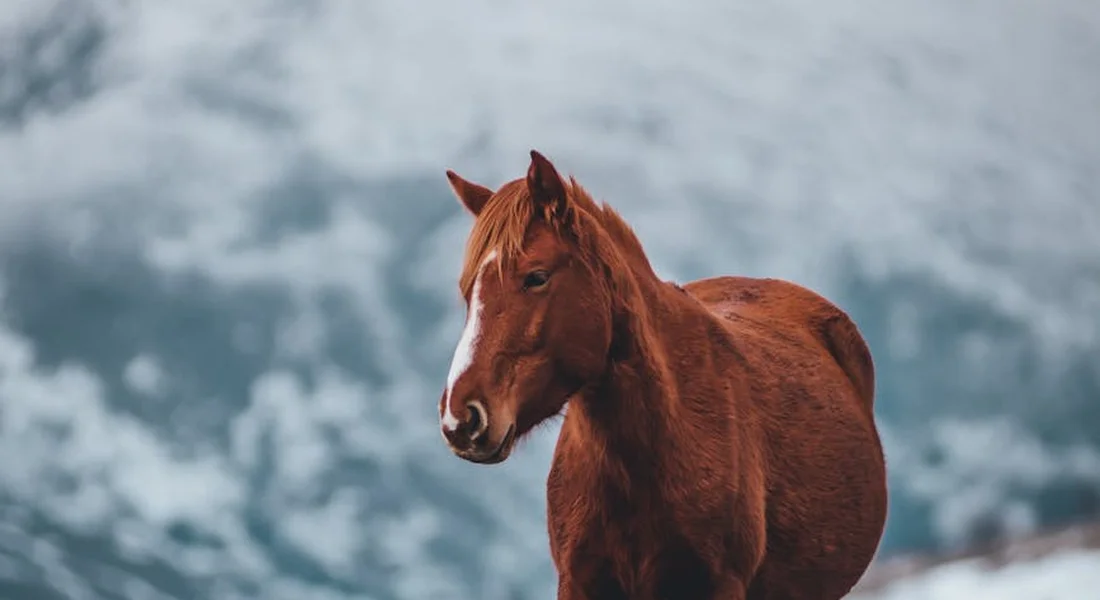
The chill in the air changes everything from the ground up. Your horse’s daily care routine needs a winter-minded shift to keep them comfortable from hoof to withers. Part of that shift is knowing when to blanket your horse as temperatures drop. A temperature care guide on when to blanket your horse can help you time it just right.
Preventing Frozen Ground and Ice Ball Issues
I spend more time looking at the ground in winter than at the horses sometimes. Frozen terrain is a master at hiding trouble. Winter hoof care is essential for protecting your horse’s feet in cold weather. Regular cleaning and picking, along with timely trimming, help prevent ice buildup and cracking. Preventing ice balls in the hooves is a daily, sometimes hourly, chore that can save your horse from a nasty slip or strained tendon. That tell-tale *clunk-clunk* sound of a horse walking on ice-filled feet is your cue to act.
For shod horses, consider asking your farrier about pad inserts or “snowball” pads that prevent packing. For barefoot horses, a daily spray of non-stick cooking oil or a commercial hoof anti-snowball product in the sole can work wonders.
Your turnout area needs scrutiny, too. A deeply frozen, rutted paddock is an ankle-twisting nightmare.
- Break up large ice sheets in high-traffic areas near gates and water troughs.
- Use sand or non-clumping, clay-free kitty litter (not ashes, which can be caustic) on icy pathways for traction.
- Ensure proper drainage in the fall to prevent standing water from becoming a skating rink.
Frostbite Prevention and Skin Care
Frostbite is a real threat, especially to horses with thin skin or those recently clipped. Ears, the sheath, udder, and lower legs are vulnerable. Your best defense is a dry horse and a well-fitting, waterproof turnout rug that breaks the wind and sheds moisture. A soaking wet blanket is worse than no blanket at all. Water trapped in a wet blanket can chill the horse and complicate handling. We’ll cover safe handling of a wet blanket and waterproofing tips in the next section.
Winter skin is delicate. Bathing becomes a luxury you often can’t afford when temperatures plummet.
- Opt for thorough grooming with a stiff brush to redistribute oils and lift dirt.
- For a spot clean, use a damp towel with a bit of equine grooming spray, then dry the area completely.
- Pay special attention to areas under tack and blankets; sweat and moisture can lead to chafing and dermatitis.
- Apply a moisture barrier ointment, like petroleum jelly, to the inside of the ears and around the pasterns to protect from mud and ice burn.
I always check Luna’s grey muzzle for chapping and Pipin’s feathers for packed ice mud. That daily hands-on check is your early warning system.
Special Vigilance: Caring for Seniors, Foals, and Health-Challenged Horses
Winter doesn’t treat all horses equally. Some herd members need a warmer safety net and a sharper eye from you.
My old guy Rusty fits here. Senior horses often have less fat cover, poorer teeth leading to reduced feed efficiency, and creakier joints. Arthritis pain is amplified by cold, damp conditions, making ample deep bedding and optional stall confinement on vile days an act of mercy, not coddling. This is especially important for senior horses with special care needs. I add a senior-specific feed to his diet for easily digestible calories and ensure his water is always warm to encourage drinking.
Foals are another high-priority group. Their tiny bodies lose heat fast, and they haven’t yet developed a robust winter coat or fat stores.
- A foal and its dam need access to a dry, deeply bedded shelter out of the wind.
- Monitor the foal’s energy levels; a lethargic foal in the cold is a red-alert emergency.
- Consider a foal-sized blanket if the dam cannot provide sufficient warmth, but only if it fits perfectly and is monitored constantly.
Horses with health challenges like Cushing’s disease (PPID) or a history of colic need tailored plans. A Cushing’s horse may not shed their coat properly, requiring clipping and blanketing to prevent sweat chilling. Any horse with a history of impaction colic needs you to be a water tyrant, ensuring warm water intake is constant to keep their digestive contents moving. For these horses, winter care is less about general rules and more about managing their specific condition with extra layers of protection.
Frequently Asked Questions: How Much Cold Can Horses Tolerate?
How do I properly measure my horse’s comfort level in cold weather beyond just temperature?
Observe your horse’s behavior for subtle cues like a hunched posture or reluctance to leave shelter. Physically check key areas such as the base of the ears and flank for coldness, which indicates heat loss. Consistently assess these signs alongside weather conditions like wind and wetness to gauge true comfort.
What are the risks of over-blanketing a horse, and how can I prevent it?
Over-blanketing can cause sweating that dampens the coat, leading to rapid chilling and potential health issues like skin infections. It may also compress the natural winter coat, reducing its insulating ability by preventing air trapping. Prevent risks by selecting appropriate blanket weights, ensuring proper fit to avoid rubbing, and checking regularly for moisture or signs of overheating.
Can horses adapt to colder climates over time, and how long does it take?
Horses can acclimate to colder climates through gradual exposure, typically over several weeks as temperatures drop. This adaptation involves physiological changes like a denser coat and increased metabolic efficiency for heat production. Supporting this process with proper nutrition and shelter helps horses build resilience without undue stress. This broader perspective invites exploring how horses have adapted to survive in different environments. Such adaptations vary with climate, terrain, and resource availability.
Your Horse’s Cold Weather Comfort
Focus on providing windproof shelter, monitoring body condition, and ensuring free-choice forage. Quality hay is your best tool, as the digestive heat it produces is far more effective than any blanket.
Let your horse’s behavior—not just a thermometer-guide your daily decisions. Good horsemanship means adapting with patience and putting their well-being first. A complete guide to understanding horse behavior psychology can deepen how you read their cues. It helps you respond with calm, informed consistency.
Further Reading & Sources
- Caring for Horses in Cold Weather | USU
- The Hardy Horse: How Horses Handle Winter – The Horse
- Caring for your horse in the winter | UMN Extension
- The Temperature Range Horses Can Tolerate: What Every Horse Owner Need – FiTST4
At Horse and Hay, we are passionate about providing expert guidance on all aspects of horse care, from nutrition to wellness. Our team of equine specialists and veterinarians offer trusted advice on the best foods, supplements, and practices to keep your horse healthy and thriving. Whether you're a seasoned rider or new to equine care, we provide valuable insights into feeding, grooming, and overall well-being to ensure your horse lives its happiest, healthiest life.
Stable Management