
How Much to Breed or Castrate a Horse: A Clear Cost Breakdown for Owners
Hello fellow equestrians. That exciting idea of breeding a foal or the responsible plan to geld your colt likely just bumped into the stark reality of veterinary estimates and barn logistics. It’s smart to feel a knot in your stomach about the costs-this is a major decision for your horse’s health and your finances.
Let’s cut through the confusion. In this guide, I’ll give you a grounded, barn-floor look at what you’re really signing up for. We’ll cover:
- The core veterinary fees for live cover, AI, and castration surgery.
- Essential pre-procedure costs like breeding soundness exams and vaccines.
- The real price of aftercare, from pain meds to months of controlled turnout.
- How your horse’s age, temperament, and location swing the final bill.
- Practical budgeting strategies to prepare without financial panic.
I’ve negotiated these costs for everything from reliable Quarter Horses to sensitive Thoroughbreds, always putting the horse’s comfort and a owner’s peace of mind first.
The Two Paths: Breeding or Gelding – A Cost Overview
Let’s get straight to it. Choosing between breeding and gelding is a financial fork in the road. Gelding is a focused, one-time veterinary procedure. Breeding is a multi-year investment with a price tag that multiplies faster than a barn fly population. From my years managing budgets and barns, I can tell you that gelding is often the most affordable and welfare-conscious choice for a horse not destined for a breeding program. I’ve seen too many well-meaning owners underestimate the true cost of producing a single, healthy foal, especially when compared to keeping a stallion as a pet.
Think of gelding as a definitive solution. You pay for the vet, maybe a few days of aftercare, and you’re largely done. Breeding? That’s opening a ledger that won’t close for over a year, filled with line items you might not have considered. Even with gelding, ongoing veterinary costs are a reality of horse ownership. Routine care, vaccines, and potential emergencies can keep costs accumulating long after the initial procedure. Your decision should always start with the horse’s best life in mind, not just your bank account or a cute foal photo.
What Goes Into the Cost to Breed a Horse?
Breeding a horse is not a side project. It’s a capital-intensive endeavor that demands your time, knowledge, and cash. If you’re considering this path, you must be ready to commit financially from the first heat cycle to the foal’s first haltering. I learned this the hard way early in my career, overseeing a mare whose breeding bill could have bought a decent used truck.
The Price of Potential: Stud Fees and Service Costs
This is your first major outlay. Stud fees can range from a few hundred dollars for a local pleasure horse to tens of thousands for a proven champion. But the fee is just the ticket to the dance. You must also budget for the method of service, which drastically affects both cost and risk when dealing with stud horses.
- Live Cover: The traditional route. Costs include transporting your mare to the stallion’s facility, board for her stay, and “collection fees.” It’s often more expensive upfront due to transport and boarding.
- Artificial Insemination (AI): Popular and often safer. You’re paying for chilled or frozen semen shipment, specialized veterinary insemination, and precise timing. While it may save on mare transport, it adds vet tech costs.
I remember coordinating AI for a sensitive thoroughbred mare. The semen shipment alone was a nail-biting event, requiring precise coordination with the vet. Always factor in a contingency fund for multiple cycles; even with perfect timing, conception is not guaranteed.
Veterinary Investment: Exams, Procedures, and Pregnancy Care
Your vet becomes a frequent visitor. This isn’t optional maintenance; it’s critical for a viable pregnancy. Skimping on vet care here is a fast track to heartbreak and much higher costs down the line.
The checklist is substantial:
- Pre-Breeding Exam: Your mare needs a thorough reproductive soundness check. This includes cultures, ultrasound, and a general health review. Any issues must be addressed first.
- Cycle Monitoring & Insemination: Multiple ultrasounds to pinpoint ovulation. The vet fee for each AI procedure.
- Pregnancy Checks: An initial check at 14-16 days, then another at 45 days to confirm a heartbeat. Each ultrasound costs.
- Ongoing Care: Vaccinations and deworming schedules must be meticulously kept, tailored for a pregnant mare.
The quiet hum of the ultrasound machine bringing that first grainy image of a heartbeat is a joy, but that joy has a very real price attached to it.
The Hidden Expenses: Mare Maintenance and Foaling Prep
This is where budgets silently bleed. Your mare is eating for two, but her needs change dramatically through each trimester. Her nutritional plane must be elevated with premium hay and specific supplements, which is a steady, monthly drain your feed bill wasn’t used to.
- Enhanced Nutrition: More high-quality alfalfa or orchard grass hay. Specialized pre-natal vitamins and minerals. No cutting corners.
- Bedding & Comfort: Deeper, cleaner bedding as she grows heavier. More stall cleaning labor or shavings cost.
- Foaling Kit: You’ll need iodine for the umbilical stump, enemas, towels, a foal thermometer, and a watchful eye. I keep a dedicated tub ready.
- The Big Night: Will you hire a foaling watch service or install a camera system? Both cost money. Being there yourself costs sleep.
I advocate for as much turnout as possible for a pregnant mare-gentle movement is vital-but that pasture must be impeccably safe. That safety starts with designing a safe, effective horse pasture—balancing secure fencing, shade, water, and forage. A well-designed pasture reduces risk and supports turnout for pregnant mares. One hidden cost I’ve faced? Re-fencing a paddock because a clever mare like Pipin decided to test boundaries, and a pregnant horse should never be scrambling through a loose wire. Plan for the unknowns. A straightforward birth is the goal, but having emergency vet funds is non-negotiable.
Typical Price Ranges for Horse Breeding
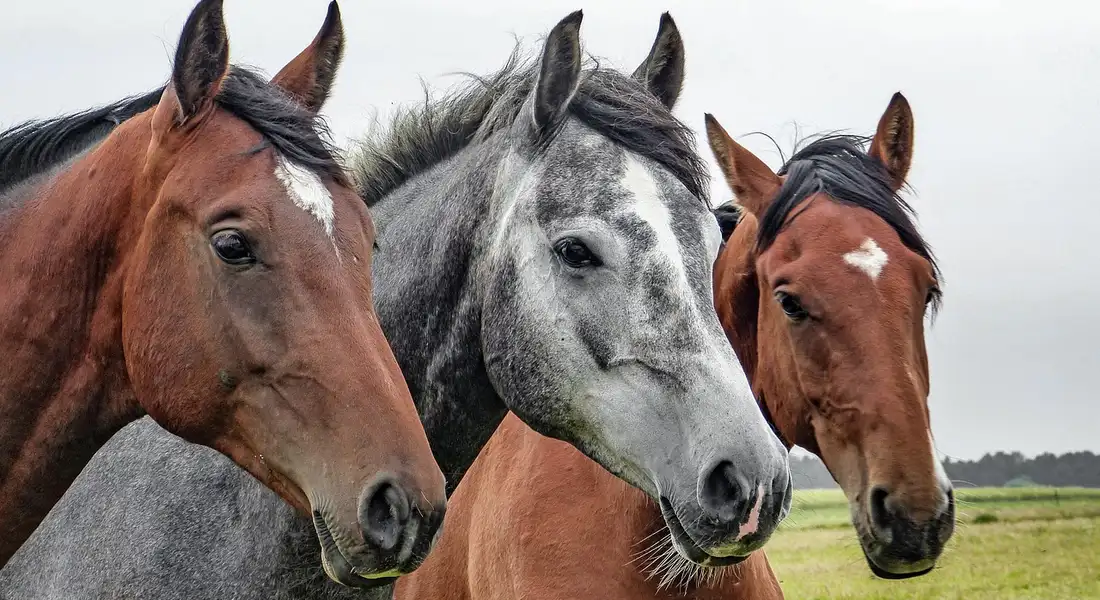
Let’s talk numbers, and I’ll be straight with you: breeding a horse is rarely a simple transaction. You’re not just paying for a moment in a stall; you’re funding an entire biological project with a year-plus timeline. I’ve helped foal out everything from surprise barn babies to meticulously planned warmbloods, and the checkbook tells the real story. The total cost to produce a single, healthy foal can swing from a few thousand dollars to the price of a new house, with most hobby breeders landing somewhere in the $5,000 to $15,000 range before that foal even hits the ground.
Budget-Friendly Breeding: When Costs Are Lower
This is the realm of the experienced do-it-yourselfer with a good-natured mare and a local stallion. Costs stay down through simplicity and personal sweat equity. Picture using your own trustworthy mare, handling her daily care yourself, and opting for live cover with a nearby stallion of similar breeding.
- Stud Fee: $500 – $2,500 for a local, unproven, or older stallion.
- Veterinary Pre-Breeding Exam: $200 – $500 for culture, ultrasound, and basic health checks.
- Live Cover Boarding: $30 – $60 per day for the week or two your mare visits the stallion’s farm.
- Basic Prenatal Care: Ultrasounds to confirm pregnancy, maybe a booster shot or two. Budget $300 – $800.
- Foaling Supplies: Iodine, enemas, tail wraps, your own sleepless nights. About $100 – $300.
The biggest savings here come from using your own facility and labor, but remember: you are now the 24/7 foaling watch team, equine midwife, and neonatal ICU nurse all rolled into one. This was how we handled my old Quarter Horse mare years ago; the anxiety of waiting for her to foal was its own form of currency.
High-End Horse Breeding: When Costs Skyrocket
Here, you’re investing in proven genetics, advanced science, and professional oversight every step of the way. This is for producing sport horse prospects or preserving elite bloodlines. The numbers ascend quickly.
- Stud Fee: $5,000 – $50,000+ for a proven performance or halter champion. Frozen semen from a deceased legend can command premium prices.
- Reproductive Vet & AI: Frequent ultrasounds, hormone therapies, semen collection and shipment, and precise artificial insemination. Plan for $1,500 – $5,000 per cycle.
- Mare Care Board: Specialized broodmare facilities charge $800 – $2,500+ per month for tailored nutrition, expert monitoring, and foaling suites.
- Embryo Transfer: Using a surrogate mare? Add $10,000 – $20,000 for the procedure and recipient mare care.
- Health Guarantees & Insurance: Fertility guarantees, mare infertility insurance, and foal mortality insurance can add thousands more for peace of mind.
When you operate at this level, you’re not just breeding a horse; you’re commissioning a potential athlete, and the budget reflects that immense potential and risk. The process feels less like barn work and more like a coordinated clinical trial.
What Goes Into the Cost to Castrate a Horse?
After the complexity of breeding, gelding seems straightforward. In principle, it is. But the cost isn’t just for the snip; it’s for a safe surgery and a smooth recovery. Having held many a wobbly colt coming out of sedation and monitored countless incisions, I can tell you that skipping on proper care is a false economy. A well-done castration is a bargain for a lifetime of a more manageable, happier horse, but a botched one is a nightmare of vet bills and heartache.
The Procedure Itself: Surgical Fees and Anesthesia
The vet’s bill covers their skill, drugs, and your horse’s safety under sedation. A standing sedation with local anesthetic is common for simple cases, while a full general anesthesia is needed for retained testicles or older horses.
- Farm Call Fee: $50 – $150. The vet has to get to your barn.
- Basic Standing Castration: $200 – $500. This covers sedation, local anesthetic, the surgery, and basic pain meds. This is typical for a young, healthy colt with both testicles descended.
- General Anesthesia (for cryptorchids): $800 – $2,500+. A “rig” or horse with a retained testicle requires hospitalization, full anesthesia, and potentially abdominal surgery to find it.
- Pre-Surgical Bloodwork: $100 – $250. Crucial to check clotting function and organ health before administering drugs.
Always choose your vet based on their surgical experience and emergency protocol, not the lowest quote-this is not a place to bargain hunt. A clean surgery in a dust-free environment minimizes infection risk from the start.
Aftercare Essentials: Post-Op Care and Complications
Your job starts when the vet drives away. Good aftercare is non-negotiable and involves daily hands-on checks. I set a phone alarm for twice-daily incision inspections for at least ten days.
- Daily Monitoring: Check for excessive swelling, heat, or discharge. A little drainage is normal; a foul smell or pus is not.
- Controlled Movement: Hand-walking is vital to reduce swelling. No turnout until the vet gives the all-clear, usually after 10-14 days.
- Pain Management & Antibiotics: Your vet will provide these. The cost is usually included, but follow the dosage schedule religiously.
The most significant hidden cost is complication management: a post-op infection, excessive hemorrhage, or herniation can easily double or triple your original bill and require emergency care. I’ve seen a simple $400 gelding turn into a $1,500 ordeal due to a stubborn infection from premature turnout. Your vigilance is the best insurance policy.
Typical Price Ranges for Horse Castration
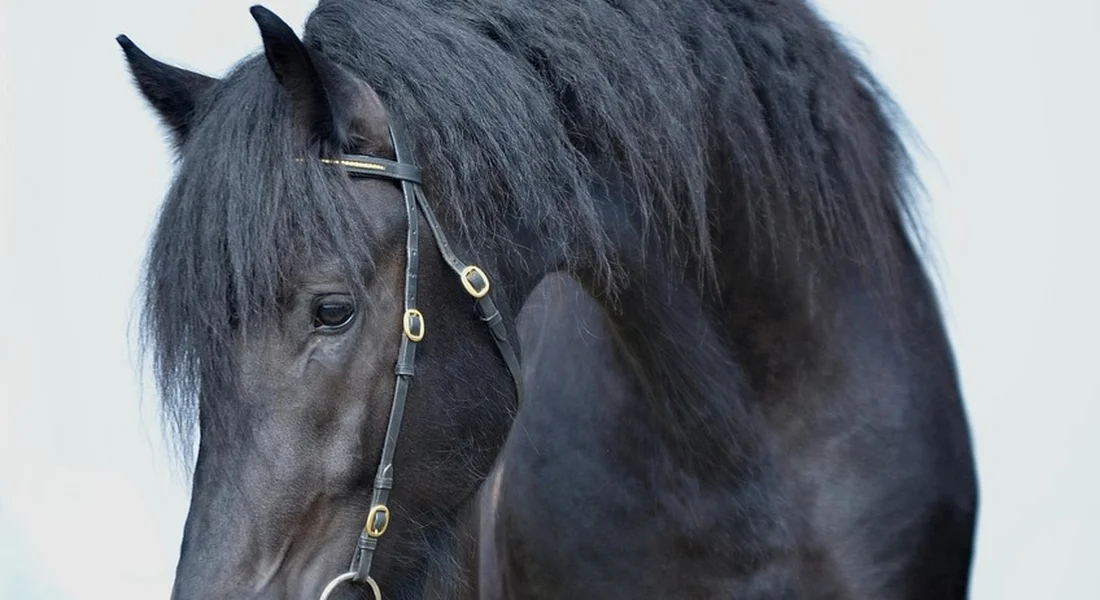
Let’s talk numbers. The bill for gelding can swing wider than a gate in a stiff wind, largely based on location and your vet’s specific protocol. I’ve written checks for this more times than I’d like to admit, watching young colts transform into steady partners.
Standard Gelding Costs for a Healthy Colt
For a straightforward, standing castration of a healthy yearling or two-year-old with both testicles fully descended, you’re looking at a baseline. This assumes no major complications during or after the procedure.
- Veterinary Procedure Fee: $200 – $500. This is the core fee for the surgery itself.
- Sedation & Local Anesthetic: $100 – $250. This keeps your horse calm and pain-free during the process.
- Pain Management & Antibiotics: $50 – $150. Usually includes a dose for the day of and a few days following.
- Farm Call Fee: $50 – $150. Unless you haul to the clinic.
All told, a standard gelding often totals between $400 and $1,000, with many owners landing in the $500-$700 range. It’s one of the most cost-effective decisions you’ll make for your horse’s long-term management and temperament.
When Castration Costs More: Complications and Special Cases
Not all procedures go by the textbook. Some situations require more time, expertise, and medication, which inevitably adds to the invoice.
- The Cryptorchid (“Rig”): This is a big one. If one or both testicles are retained in the abdomen, it becomes abdominal surgery. Costs can skyrocket to $1,000 – $2,500+ due to general anesthesia, longer operating time, and a more complex recovery.
- Older or Larger Horses: Bigger bodies need more sedation and anesthetic. A draft cross or a five-year-old stallion will typically cost more to geld than a petite yearling.
- Post-Op Complications: Infection, excessive swelling (proud flesh), or hemorrhage can require emergency vet visits, additional antibiotics, and intensive wound care, adding hundreds to your total.
- Clinic vs. Farm: Taking your horse to a surgical clinic for general anesthesia is safer for complex cases but adds facility and anesthesia monitoring fees.
Always get a detailed estimate from your vet beforehand, and budget an extra 20% for the unexpected-it’s cheaper than panic when something goes sideways. I learned this the hard way with a cheeky colt who decided to roll in the sand pen right after his surgery.
Smart Budgeting for Your Horse’s Future

Whether you’re dreaming of a foal or planning a gelding, look beyond the single vet bill. The true cost is in the full journey, not just the starting gate.
Creating a Realistic Budget for Breeding
Breeding is a marathon, not a sprint. The stud fee is just your entry ticket. Here’s what else to pencil into your ledger.
- Pre-Breeding Vet Work: Mare culture, cytology, and reproductive exam ($200-$500).
- Board & Care: Specialized breeding farm board for live cover or meticulous handling for AI often exceeds regular boarding rates.
- Ultrasounds & Monitoring: Regular vet checks to confirm ovulation and pregnancy (multiple visits, $50-$150 each).
- Gestation & Foaling: Eleven months of premium nutrition, vaccinations, and finally, foaling attendance or monitored camera system.
- The First Year: Foal vaccinations, deworming, farrier visits, and weaning costs. This is where the real investment begins.
You are not just paying for a procedure; you are funding a two-year project with no guaranteed outcome. Have a deep savings cushion before you begin.
Planning for a Smooth Gelding Process
For gelding, smart budgeting is about preparedness, which directly influences your horse’s comfort and recovery speed.
- The Contingency Fund: Set aside at least an extra $300-$500 over the estimate for potential complications. Hope you don’t need it, but sleep better knowing it’s there.
- Pre-Op Prep Costs: A clean, safe, and small recovery paddock or stall. Purchase fly spray for the season and fresh, absorbent bedding.
- Aftercare Kit: Stock up on antiseptic spray, clean towels, and a rectal thermometer. Your vet will thank you, and your horse will heal better.
- Time Investment: Budget your own time for twice-daily wound checks, hand-walking, and keeping the patient quiet for 10-14 days.
The cheapest part of owning a horse is often the initial purchase price; responsible budgeting for their care is what defines a true horseman. I keep a separate savings account just for “horse nonsense,” and it has saved my sanity more than once.
FAQ: How Much Does it Cost to Breed or Castrate a Horse?
What are the biggest cost components when budgeting to breed a horse?
The largest expenses are the stud fee and the veterinary procedures for achieving and confirming pregnancy. You must also budget for the mare’s specialized nutritional upkeep and foaling preparations. These combined costs often far exceed the initial stud fee alone.
Is a breeding contract necessary, and where can I find a template?
Yes, a detailed contract is essential to protect all parties-the mare owner, stallion owner, and resulting foal. A proper contract outlines stud fees, live foal guarantees, and ownership terms. You should consult an equine attorney for a draft, but breed associations often provide foundational templates for members. However, knowing what terms to include in a horse breeding contract is equally important.
Why does the cost to breed a horse vary so much “near me”?
Local costs fluctuate due to regional differences in veterinary service rates and boarding expenses for live cover. The availability and prestige of stallions in your area also heavily influence the stud fee. Always get detailed, written estimates from local vets and breeding farms for an accurate picture.
Your Bill of Stall Wisdom
Budget for the entire journey, not just the vet’s initial visit, as hidden costs in aftercare and complications define the real price. Prepare a dedicated emergency fund for unpredictable veterinary emergencies, so you’re not caught off guard by urgent treatments. The most critical step is having a financial cushion for the unexpected, because a horse’s recovery never follows a perfect spreadsheet.
Whether you’re planning for a foal or a gelding, let patience and your veterinarian’s expertise guide your timeline. Your horse’s comfort and healing are the only true measures of a procedure’s success, so listen to them more than your calendar. Understanding the gelding procedure and aftercare can help you anticipate needs during recovery. Following a structured post-procedure care plan supports healing and long-term welfare.
Further Reading & Sources
- Before You Breed Your Horse: Costs and Considerations – The Horse
- The Real Costs of Breeding Your Mare – Equine Legal Solutions
- r/Equestrian on Reddit: What is the total cost of breeding one mare these days?
- What it Costs to Breed a Horse | Equimed – Horse Health Matters
At Horse and Hay, we are passionate about providing expert guidance on all aspects of horse care, from nutrition to wellness. Our team of equine specialists and veterinarians offer trusted advice on the best foods, supplements, and practices to keep your horse healthy and thriving. Whether you're a seasoned rider or new to equine care, we provide valuable insights into feeding, grooming, and overall well-being to ensure your horse lives its happiest, healthiest life.
Health