
How to Identify Your Horse’s Breed: A Practical Guide for Owners
Published on: March 1, 2026 | Last Updated: March 1, 2026
Written By: Henry Wellington
Hello fellow equestrians! Staring at your horse and wondering about their roots is a common stable-side puzzle. Without knowing their breed, you might miss cues for their ideal diet, struggle with training approaches, or overlook genetic health predispositions.
I will walk you through a clear, step-by-step process to uncover your horse’s lineage. We’ll cover:
- Decoding physical blueprints: from body type to hoof shape
- Interpreting behavior and movement as breed fingerprints
- Utilizing resources from old-fashioned paperwork to modern DNA kits
My years in the barn as a manager and trainer, working with everything from steady Quarter Horses to clever ponies like Pipin, have shown me how breed knowledge transforms daily care and partnership.
Why Bother Identifying Your Horse’s Breed?
Knowing your horse’s breed isn’t about bragging rights at the tack store. It’s a practical roadmap to their care. I learned this with Rusty, my Quarter Horse. His wide chest and low center of gravity scream “durable trail partner,” so I didn’t push him into the fancy dressage work my friend’s lanky Warmblood excels at. Identifying breed traits directly informs realistic expectations for training, workload, and long-term soundness.
Think of it as learning your horse’s native language. A Thoroughbred like my Luna communicates with high-strung energy and a need for meticulous fuel, while a draft cross might tell you they’re bored by leaning on the bit with calm, stubborn strength. Getting this right prevents frustration for both of you.
- Health & Care Predictions: Some breeds are prone to specific issues. Knowing this lets you be proactive with diet, hoof care, and vet checks.
- Tailored Training: You wouldn’t train a clever, stubborn Shetland like Pipin the same way you’d train a people-pleasing Arabian. Breed clues you into their learning style.
- Management & Costs: A hard-keeping Thoroughbred may need more calories than an easy-keeping Mustang, affecting your feed budget and turnout strategy.
- Preserving History & Purpose: It connects you to your horse’s story-were they built for cattle work, endurance, or pulling a plow? Honoring that build is a kindness.
Scrutinize the Physical Blueprint: Conformation and Color
Forget the paperwork for a moment and just look. Stand back and really see your horse from nose to tail. The true clues are etched in their shape, their angles, and the way they move. A horse’s conformation is the architectural blueprint left by generations of selective breeding for a purpose, reflecting the intricate details of their anatomy and biology.
Size and Bone Structure: The Foundation
This is your first big clue. Get a measuring stick for height, but don’t stop there. Run your hand down the back of their cannon bone. A stout, round bone with a short, sturdy leg suggests a breed built for power and concussion absorption, like a Quarter Horse or a Cob. A finer, flatter bone on a longer, lighter leg hints at speed breeds like Thoroughbreds or Arabians.
Compare my barn mates: Pipin the Shetland is all compact power on short, strong legs. Luna the Thoroughbred is light and angular, built like a rangy distance runner. Rusty falls in between-substantial bone, but not heavy, with a muscular build that says “burst of speed” not “marathon.” The amount of bone beneath the knee directly relates to a horse’s ability to carry weight and withstand physical stress over time.
The Head-to-Tail Tour: Profile and Proportions
Now, take a head-to-tail tour. Look at the profile. A dished face and delicate, dished face suggests Arabian ancestry. A straight or slightly convex “Roman” nose might point to a draft or Baroque breed influence. Check the neck length and how it ties into the shoulder. A long, nicely sloped shoulder allows for that floating, ground-covering trot you see in sport horses.
- Neck & Throatlatch: A clean, well-defined throatlatch allows for better flexion and breathing. A thick, cresty neck is a halter breed hallmark.
- Withers & Back: Prominent withers help hold a saddle in place. A short, strong back is a power center; a longer back can be more flexible but less strong.
- Hindquarters: This is the engine. Rounded, muscular “apple” quarters are for propulsion and sprinting (think Quarter Horse). Long, flat muscles are for stamina (think Arabian).
- Movement: Watch them trot. High, flashy knee action? Think Hackney or Saddlebred influence. Long, low, sweeping strides? That’s a dressage or endurance build.
Coat, Markings, and the Myth of Color
Color is the fun part, but it’s the least reliable identifier. You can’t register a “Breed” based on color alone. I once met a palomino with the lanky build and nervous energy of an off-track Thoroughbred-no Quarter Horse in him at all. While some colors are associated with certain breeds, they should be the last piece of the puzzle, not the first. That brings the broader topic of horse breeds, colors, and appearance into focus. Considering color alongside build, movement, and markings gives a clearer sense of breed traits.
Use markings as descriptive details, not definitive proof. A bald face or high white socks aren’t breed-specific. However, unique patterns can be clues:
- Appaloosa Patterns: Leopard spots, a blanket, or mottled skin are strong indicators of Appaloosa breeding.
- Paint/Pinto Patterns: Distinct, sharp-edged patches of white (tobiano, overo) suggest Paint Horse or other pinto breed ancestry.
- Dun Factors: A dorsal stripe, leg barring, and shoulder stripes often signal the presence of the dun gene, common in mustangs, Quarter Horses, and many primitive breeds.
Look at the whole picture. A steel-grey coat on a fine-boned, elegant mare points toward breeds like the Andalusian or Lipizzaner, while that same grey on a massive, feathered-legged horse shouts “Percheron or other draft breed.” Let the physical structure tell the main story, and let color add the accent – understanding horse coat colors and patterns can help with this.
Listening to Behavior: Temperament as a Tell

After mucking out more stalls than I can count, I’ve learned a horse’s breed often announces itself in their everyday attitude, not just their papers. Observing how a horse reacts to wind, work, and treats can give you brilliant clues about their lineage. My old reliable, Rusty the Quarter Horse, will stand like a statue for hoof picking but will dance a dramatic two-step around a puddle, a classic mix of steadiness and quirk from his breed.
High-strung Thoroughbreds like my Luna and laid-back draft crosses handle the same barn noise with totally different energy. Turnout time is my non-negotiable rule for reading temperament fairly; a horse stuck in a stall all day can’t show you their true nature. Watch how they interact with herd mates at pasture-is they a leader, a follower, or a peaceful wanderer?
Common Behavioral Threads
While every horse is an individual, some breed tendencies are strong. Here’s what I’ve seen consistently in my herd and others: friendly and calm horses tend to be favored by families.
- Stock Types (Quarter Horses, Paints): Often possess a “steady-eddy” brain. They are work-focused, sensible, and can seem unflappable on the trail or in a busy arena.
- Hot-Blooded Breeds (Thoroughbreds, Arabians): Typically more reactive and sensitive. They feed off your energy, requiring soft hands and patient training to channel their brilliance.
- Draft and Cross Breeds: Frequently gentle giants, known for remarkable patience and a slower, thoughtful approach to new tasks.
- Ponies (like my Pipin): Notoriously clever and resourceful. Their intelligence is often paired with a strong sense of self-preservation, which we sometimes call stubbornness.
Gentle horsemanship starts by respecting these innate tendencies, not fighting them. I never try to train the “Thoroughbred” out of Luna; instead, I work with her sensitivity to build a more confident partner. A horse’s breed-inclined behavior is a roadmap, not a barrier.
Watching the Walk: Gait and Movement Signatures
The thud of hooves on clay tells a story. Before you even look up, the rhythm can hint at the horse coming down the aisle. Gait is a physical fingerprint, shaped by centuries of selective breeding for specific jobs. Watching Luna move is seeing efficiency; her long, sweeping Thoroughbred stride eats up ground with minimal effort, a legacy of the racetrack.
Compare that to the quick, tight pivots of a stock horse bred for cutting cattle. For accurate observation, always watch your horse move on a loose line or free in a flat, safe area where they can move naturally. Sound is key-listen for the crisp, four-beat cadence of a true walk versus the shuffling slip of a horse in discomfort.
Decoding the Walk
The walk is the most revealing gait because it’s the hardest to fake. Here’s how to break it down:
- Track Width: Does the horse place their hind feet directly into the prints of the front feet? This is common in many light riding horses. Wider-set breeds, like some drafts, may have a slightly wider hind track.
- Shoulder Action: Watch the front leg swing. A loose, fluid shoulder allows for a longer, more ground-covering step. A short, choppy walk often signals a stiffer shoulder or conformational trait.
- Overstride: In some breeds, like the Tennessee Walking Horse, the hind foot steps well beyond the front print, creating that famous smooth glide.
- Overall Impression: Is the movement straight, or do legs wing in or out? Clean, straight travel is a sign of sound breeding and good conformation.
I spend rainy afternoons watching my trio in the paddock. Rusty has a purposeful, economical walk. Pipin, the Shetland, has a rapid, bustling stride that perfectly matches his busybody personality. Understanding these movement signatures isn’t just about identification; it’s about ensuring your tack and riding style don’t inhibit their natural, comfortable way of going. A saddle that pinches a wide-moving shoulder is a recipe for trouble, no matter the breed.
Following the Paper Trail: Pedigrees and Documentation
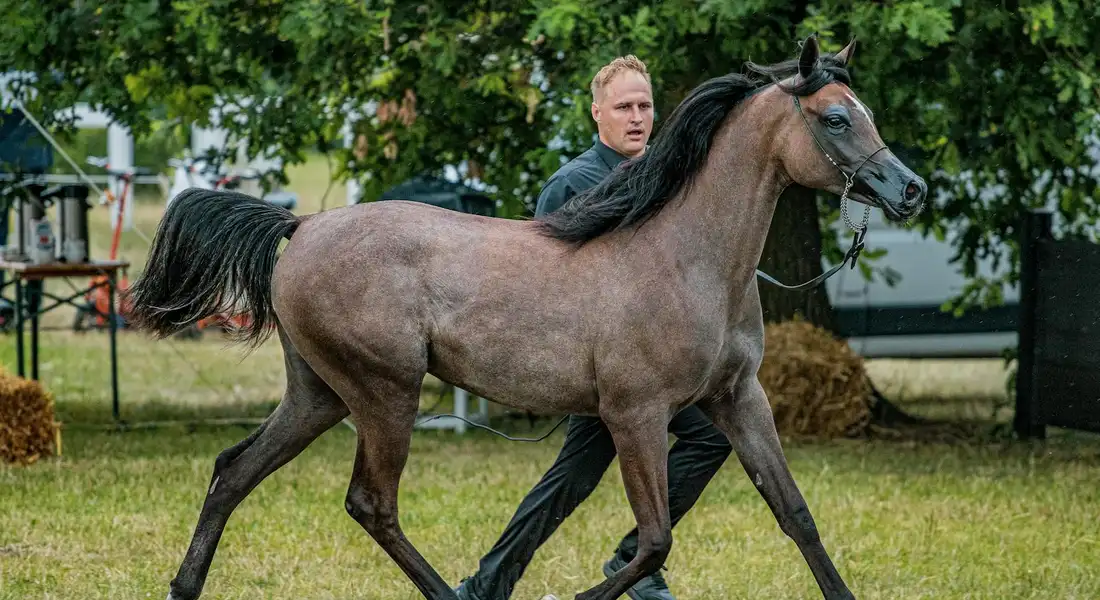
If your horse comes with papers, you’ve got a huge head start. Registration certificates from organizations like the AQHA, Jockey Club, or ApHC are the gold standard. They don’t just list a breed-they trace family history. That history includes where the breed originated and how regional needs shaped its traits. Understanding those origins of specific horse breed types can help you interpret what your horse is naturally suited for. I once helped a client trace her gelding’s lineage and discovered a famous cutting horse sire three generations back, which explained his incredible cow sense.
A pedigree can explain a lot about your horse’s potential size, work ethic, and even health predispositions, making it more than just a fancy document.
But many wonderful horses, like my old project pony Pipin, have zero paperwork. This is where you become an archival detective. Check for any old bills of sale, vet records, or even coggins tests. Previous owners might have casually mentioned “he’s got some Percheron in him” on a faded receipt. Scour every document for clues.
Your Breed Detective Toolkit: A Step-by-Step Process
Identifying a mystery horse is one of my favorite barnyard puzzles. It requires looking at the whole picture, not just one feature. Grab a notebook and your phone’s camera, and let’s start the investigation.
Step 1: Assemble All Evidence
Before you even touch the horse, gather your clues. Create a dedicated folder on your phone or computer. This isn’t just busywork; it helps you spot patterns you might miss in the moment.
- Photographs: Take clear, well-lit photos from all angles: both sides, front, rear, and a direct head shot. Capture them standing on level ground.
- Video: Short clips at the walk and trot are invaluable. Breed-specific movement, like a high-stepping Hackney trot or a smooth Quarter Horse jog, is a dead giveaway.
- Historical Intel: Talk to every previous owner, trainer, or barn worker. Ask what they were told, no matter how casual. “The auctioneer said he was a Mustang mix” is a starting point.
- Paper Trail: Collect every scrap of veterinary paperwork, old sale ads, or breeding farm receipts you can find.
Organizing your visual and historical evidence first prevents you from jumping to conclusions later when you’re hands-on with the horse.
Step 2: Perform the Hands-On Inspection
Now, head to the barn with your measuring tape and a critical eye. Look at your horse not as a familiar friend, but as a collection of specific traits. Feel the bone, note the proportions.
- Measure and Weigh: Use a weight tape and measure height at the withers. A 17-hand, 1,300-pound animal points to draft influence, while a fine-boned 14.2-hand horse suggests something lighter.
- The Head Study: This is often the most telling. A dished face indicates Arabian ancestry. A straight or Roman nose suggests draft or Baroque breeds. Look at eye shape and ear set.
- Body Build: Assess the overall silhouette. Is it stocky and muscular with a broad chest (Stock Horse type), lean and rangy (Thoroughbred), or compact and powerful (Pony)? Run your hand over the withers-are they prominent or rounded?
- Coat & Markings: Note unique patterns like roaning, appaloosa spots, or champagne dilution. While color alone never defines a breed, certain patterns are strong indicators.
- Mane & Tail: Is the hair fine and silky or coarse and thick? Some breeds, like Friesians, are known for their luxurious hair, while others have thinner manes.
Your hands will tell you stories your eyes miss, like the dense bone of a cold-blooded breed or the silky skin of a Saddlebred.
Step 3: Consult the Experts and Guides
After you’ve gathered your own data, it’s time to bring in the consultants. You don’t have to figure this out alone, and a fresh set of expert eyes is invaluable.
- Your Veterinarian: They see hundreds of horses and are skilled at noticing breed-specific conformations or common health links. They might feel a unique jaw structure or hoof shape that you overlooked.
- An Experienced Trainer or Breeder: Someone who has dedicated their life to a specific breed can spot the subtleties-the way a Morgan carries its tail, the specific arch of an Andalusian’s neck.
- Breed Identification Guides: Use reputable online databases or illustrated books. Compare your photos and measurements side-by-side with breed standards. Pay more attention to structure and proportion than color.
- DNA Testing: For a definitive answer, consider a genetic test from a company like UC Davis or Animal Genetics. It can pinpoint predominant breeds in a mixed-breed horse and satisfy that burning curiosity.
An expert’s opinion can connect the dots between the sturdy build you noted and the draft cross they instantly recognize, turning your guess into a confident identification.
From Identification to Improved Care
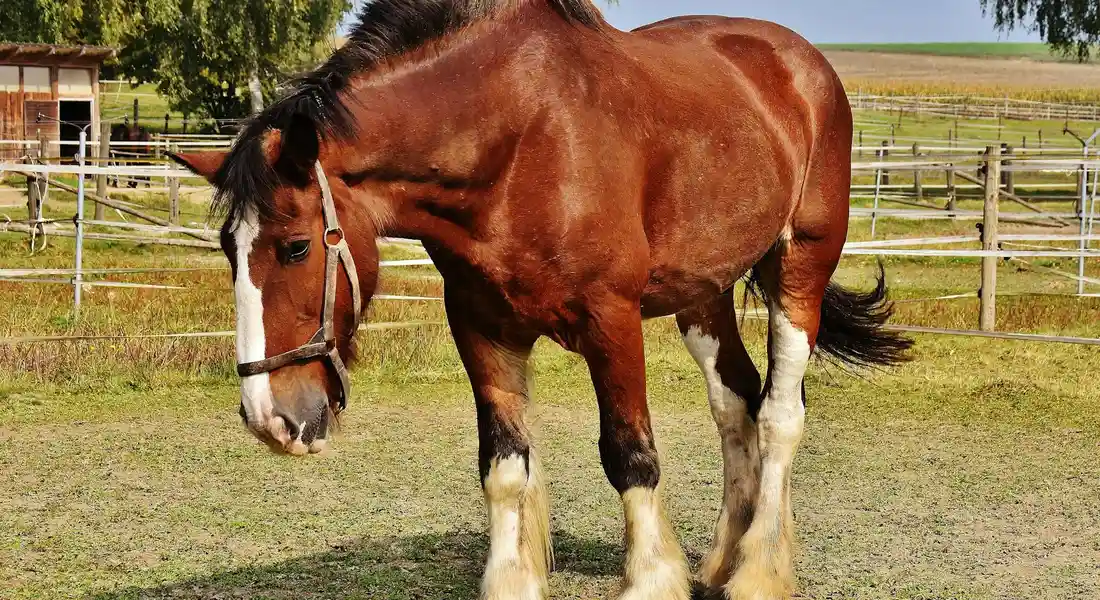
Knowing your horse’s breed isn’t just for bragging rights at the feed store. It’s the blueprint for their well-being. I learned this the hard way early in my managing days, trying to feed a hot-blooded thoroughbred the same calm ration as a steady quarter horse. The resulting energy explosion was, let’s say, educational. Tailoring your care to breed-specific traits prevents problems and builds a happier, healthier partnership.
Feed and Forage: Not All Mouths Are Equal
That thud of hooves at feeding time sounds the same, but what’s in the bucket shouldn’t be. A breed’s metabolism and build dictate its nutritional needs. High-strung breeds often thrive on lower-sugar, higher-fiber fuels to avoid fizzy behavior. My sensitive Luna gets a soaked hay pellet base with a fat supplement for calm energy, while good-natured Rusty does fine on quality grass hay and a vitamin balancer. Always let forage be the foundation, and adjust concentrates based on your breed’s actual workload, not its reputation.
- Light-Breed Types (Thoroughbreds, Arabians): Often benefit from non-heating feeds like beet pulp or rice bran. Watch starch intake.
- Stock-Breed Types (Quarter Horses, Drafts): Can be easy keepers. Monitor weight closely; they may need restricted grazing or a metabolic hay.
- Hardy Ponies (Like Pipin): Famous for efficient metabolism. A handful of pony nuts usually suffices; too much grain is a recipe for laminitis.
Movement and Turnout: Honor Their Instincts
I am a fierce advocate for maximum turnout. How a breed uses that space, though, changes everything. A confined thoroughbred might pace and worry, while a Shetland plots a gate escape. Providing turnout that matches innate energy levels is a cornerstone of gentle horsemanship and prevents stable vices. For Luna, a long, narrow paddock encourages movement without crazy galloping. Rusty prefers a quiet buddy and a rolling hill to amble over. Pipin? His paddock needs Fort Knox-level fencing and a slow-feed net to keep his clever brain busy.
Hoof and Health Watch: Breed-Specific Red Flags
Each breed carries its own manual for potential issues. Knowing this lets you spot tiny changes before they become big vet bills. The smell of a healthy hoof is one thing; the sight of a subtle crack or change in angle is your early warning system. Routine care becomes proactive prevention when you know what your breed is predisposed to.
- Quarter Horses & related stock breeds: Be vigilant for signs of metabolic syndrome and monitor hoof health for navicular changes.
- Thoroughbreds & other light-legged breeds: Prioritize strong hoof wall integrity and watch for subtle lameness from sleeper injuries.
- Draft crosses & heavier types: Pay extra attention to leg swelling and joint care, especially during stall rest.
Training and Tack: Fit the Mind and Body
That creak of leather should come from a well-fitted saddle, not pinched skin. Breed structure dictates tack fit. A wide tree for a broad-backed Quarter Horse, a different balance point for a downhill Thoroughbred. An ill-fitting saddle causes pain and resistance, undermining all your gentle training efforts. Mentally, match your approach. Soft, patient repetition works for Luna’s sensitivity. Rusty appreciates clear, confident cues. For Pipin, training is a game-keep it short, fun, and reward-based.
From feed to footing, your horse’s breed is your guide. Use that knowledge not to limit them, but to create a care plan that lets their true, comfortable nature shine. It’s the difference between managing an animal and understanding a partner. That same approach applies when you raise a horse as a pet. Proper care turns that partnership into daily joy.
FAQ: How to Identify Your Horse’s Breed
What are the key physical characteristics to look for?
Focus on size, bone structure, and body proportions, as these are reliable indicators shaped by selective breeding. Examine the head profile, such as a dished face for Arabians or a Roman nose for drafts, and assess the hindquarters for muscle type. Also, note unique features like hoof shape or hair texture, which can provide clues beyond color alone.
What are typical temperaments of different breeds?
Breeds often exhibit consistent behavioral traits, like the steady, sensible nature of stock horses such as Quarter Horses. Hot-blooded breeds like Thoroughbreds tend to be more reactive and sensitive, requiring patient handling, while draft crosses are typically calm and gentle. Ponies are known for intelligence and stubbornness, so observing daily interactions can reveal these ingrained tendencies.
Where can I get a professional evaluation or DNA test?
Consult with experienced professionals like veterinarians or breed-specific trainers who can spot subtle conformational details. For definitive results, consider genetic testing from reputable companies such as UC Davis or Animal Genetics to identify breed composition. Additionally, breed registries and online databases can offer guidance, but expert input is invaluable for accurate assessment.
Your Horse, Your Journey
While a horse’s build, coat, and movement offer the best clues to their breed, their unique personality will always be your final and most important piece of the personal puzzle. The most reliable identification blends the textbook traits you can see with the individual temperament you learn every day in the paddock.
Take your time with this process, and let your curiosity about your horse’s background improve your care and deepen your bond. A breed label might give you a helpful starting point, but the horse in front of you, with all their quirks and preferences, is the only truth that truly matters. While it can be helpful to ask breed-specific questions, remember that individual care is essential.
Further Reading & Sources
- Horse Breeds 101: Understanding the Differences
- NVAP Reference Guide: Equine Identification | Animal and Plant Health Inspection Service
- How to Accurately Identify Horse Breeds
- Can You Identify These Horse Breeds? Image Trivia Quiz – Quiz & Trivia
At Horse and Hay, we are passionate about providing expert guidance on all aspects of horse care, from nutrition to wellness. Our team of equine specialists and veterinarians offer trusted advice on the best foods, supplements, and practices to keep your horse healthy and thriving. Whether you're a seasoned rider or new to equine care, we provide valuable insights into feeding, grooming, and overall well-being to ensure your horse lives its happiest, healthiest life.
Choosing the Right Breed