
Equine Liability Decoded: Your Guide to Legal Protection as a Horse Owner
Published on: October 11, 2026 | Last Updated: October 12, 2026
Written By: Henry Wellington
Hello fellow horse owners and barn buddies. That cold sweat when a visitor wanders into a stall uninvited, or the gut-punch worry after a call about your horse startling on the trail-this is about more than a bad day; it’s the sharp reality of legal responsibility.
Let’s walk through this together. I’ll clear the fog around your duties, covering the core legal concepts like negligence and “equine activity statutes,” how to shield yourself with solid insurance choices, the undeniable importance of clear signage and bulletproof waivers, and your step-by-step action plan the moment an accident happens.
My years of barn management and training, from keeping Pipin in his paddock to reading Luna’s subtle signals, have been built on preventing trouble before it starts-for everyone’s welfare.
The Bedrock of Responsibility: Equine Liability and Your Duty of Care
Equine Liability Explained: It’s More Than Just Accidents
When most people hear “liability,” they picture a riding accident. But the legal web is much wider. Liability simply means legal responsibility for harm or damage. With a horse, this can mean injury to a person, damage to someone else’s property, or even harm to another animal. It’s not just about what happens in the saddle; it’s about every interaction facilitated by your ownership. I’ve seen a loose horse, spooked by a plastic bag, plow through a neighbor’s garden fence—that’s a liability claim waiting to happen, even though no person was hurt.
Your duty of care is the standard of action you are legally expected to take to prevent foreseeable harm. Think of it as the baseline of sensible, responsible horse ownership. The law generally expects you to act as a reasonably careful horse owner would in the same situation, considering the known nature of your specific animal. Luna, my sensitive Thoroughbred, requires different handling around loud noises than steady old Rusty; my duty of care adjusts to accommodate her known reactivity.
The Non-Negotiable Daily Duties of Horse Ownership
This duty isn’t abstract; it’s lived out in the mud and manure of daily chores. Courts will look at whether you upheld these fundamental obligations. They are the pillars of defensible ownership.
- Provision of Basics: Consistent access to clean water, adequate nutrition (forage first!), and appropriate shelter from extremes.
- Preventative Health Care: Regular veterinary care, farrier work, deworming, and vaccinations. A neglected hoof abscess that leads to a fall is a textbook liability failure.
- Safe Confinement: Maintaining fences, stall latches, and gates. That wobbly post you’ve been meaning to fix? It’s a legal invitation for trouble if Pipin the pony exploits it and gets onto the road.
- Honest Representation: Accurately disclosing a horse’s training, health, and vices to anyone you sell, lease, or allow to handle them. Selling a known kicker as a “child-safe angel” is negligent.
- Competent Supervision: Matching a horse’s experience level with the handler’s, and providing oversight for novices. You can’t hand Luna’s reins to a first-time rider and walk away.
Daily hoof picking isn’t just cleanliness; it’s a liability inspection, a chance to catch a loose shoe or a brewing thrush case before it becomes a soundness or safety issue. Your chore list is your first line of legal defense.
Common Ground for Lawsuits: Where Horse Owners Face Liability
Premises Liability: When Your Property Causes Harm
This area trips up many well-meaning owners. You are responsible for the condition of your property where visitors are concerned. An “attractive nuisance” like a horse can draw people onto your land, even uninvited. A jury will ask if you kept your place reasonably safe.
- A rusted piece of farm equipment in the paddock.
- A poorly maintained gate hinge that fails and drops a beam on someone’s foot.
- Slippery mud or ice in a high-traffic grooming area.
- A hole in a pasture that causes a horse to stumble while being led.
The echoing crack of a broken fence board is the sound of your premises liability risk increasing exponentially; regular property walk-throughs are non-negotiable risk management. I walk my fence lines after every major windstorm, without fail, because I’ve seen what one stray board can do. A broken board is often a symptom of broader fencing flaws that can let a horse slip free or stumble. Understanding the six common, dangerous fencing mistakes to avoid can help you shore up safety before disaster strikes.
Inherent Risk Versus Negligence: The Critical Horse Owner’s Guide
What Inherent Risks Are Covered by Equine Activity Statutes?
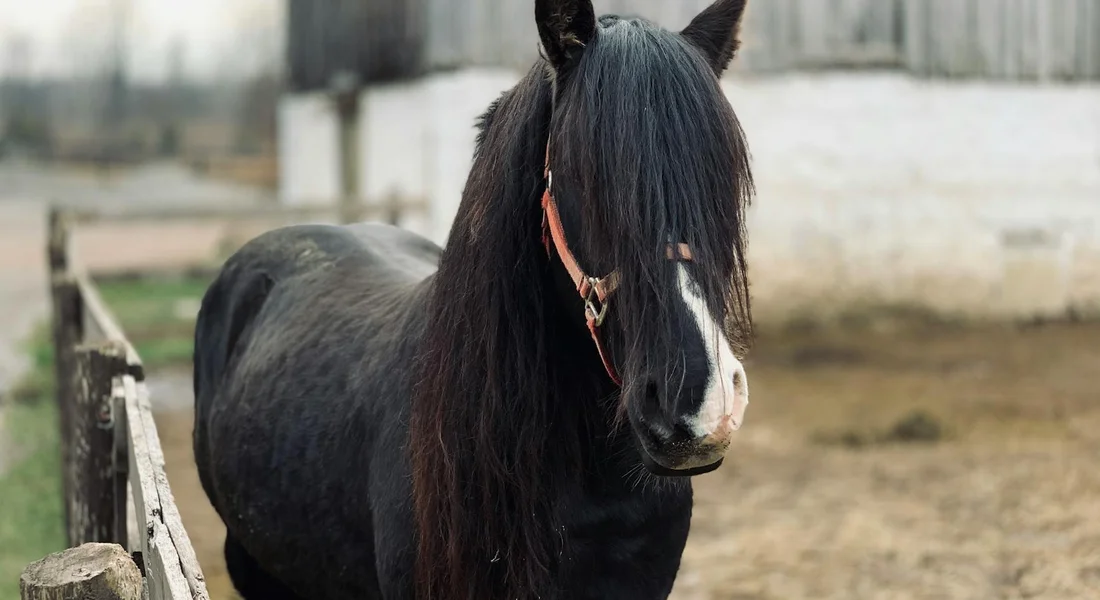
Think of equine activity statutes as the law’s way of saying, “horses will be horses.” These laws shield you from lawsuits for the unpredictable, natural behaviors of these animals. Inherent risks are the unavoidable dangers woven into every interaction with a horse, no matter how careful you are. I’ve watched my thoroughbred, Luna, transform a harmless leaf into a jumping jack stimulus; the statutes typically cover that spontaneous reaction.
These laws vary by state, but their core is similar. They assume participants understand that horses can spook, stumble, buck, or bite without warning. The key protection lies in acknowledging that you cannot control every environmental factor or animal instinct. When Rusty, my quarter horse, plants his feet at a familiar puddle, that’s the inherent risk of trail riding in action.
- The horse’s normal physiological responses, including shying, rearing, or kicking out.
- Ground conditions, weather changes, or unexpected wildlife encounters.
- Another person’s actions, like a novice rider accidentally pulling the reins too hard.
- The simple fact that equine activities can lead to falling, regardless of skill.
When Your Actions (or Inaction) Cross into Negligence
Negligence is where your legal shield cracks. It happens when you fail to meet the standard of care a reasonable horse owner would provide. If inherent risk is the possibility of a slip on wet grass, negligence is ignoring a gaping hole in that pasture. Your protection under the law evaporates if your carelessness directly causes harm. Using frayed rope for cross-ties or knowing your pony nips strangers without intervention are clear examples.
My shetland, Pipin, is a master escape artist. Early on, his great breakouts taught me a hard lesson. Negligence often boils down to what you knew was wrong and didn’t fix, or what you should have reasonably anticipated and prepared for. A broken stall latch you’ve been meaning to repair for weeks is a liability waiting to happen.
- Providing faulty or ill-fitting tack that causes injury.
- Failing to disclose a horse’s known dangerous vice to a buyer or lessee.
- Leaving manure piles in high-traffic areas, creating a slip hazard.
- Not having clear rules for helmet use or supervision for green riders.
Regular, documented maintenance is your ally. Keep a simple barn log noting fence repairs, training sessions, and health checks; it’s tangible proof of your responsible management. A quick daily walk-through to listen for loose boards or spot tangled fencing can prevent a world of trouble.
Building Your Legal Fortress: Waivers, Releases, and Proactive Management
Crafting a Rock-Solid Equine Liability Release
A liability release is not a magic bullet, but a vital layer of your defense. A good waiver does two things: it educates participants about real risks and gets their informed acknowledgment. Always have an attorney familiar with your state’s livestock laws draft or review your document. I keep mine in a binder at the barn entrance and verbally summarize it with every new visitor.
Your release should be specific, readable, and thorough. Avoid vague legal jargon that confuses people.
- Explicitly list activities covered, from riding to simply being in a stall.
- Detail inherent risks using plain examples from your own farm.
- Include an assumption of risk clause where the participant accepts these dangers.
- Clearly state that liability is released for all claims, except those arising from your negligence.
- Require a signature and date for every adult participant.
For minors, the rules are strict. A parent or legal guardian must sign on behalf of any participant under 18; a child’s signature alone carries no legal weight. I’ve found that taking two minutes to go over the waiver builds trust and sets a professional, safety-first tone.
Daily Barn Routines That Minimize Legal Exposure
Your everyday practices are the strongest bricks in your legal fortress. Consistency shows you operate with diligence. Start with turnout: a horse with regular movement and social time is mentally healthier and far less prone to volatile behavior. Luna’s sensitivity is managed with ample pasture time, which directly reduces the risk of a handling incident.
Incorporate these simple, proactive steps into your daily chart.
- Conduct a morning safety patrol. Check for loose wires, protruding nails, and wet or icy patches in aisles.
- Implement a tack inspection ritual. Feel for weak stirrup leathers and check girth billets for stress before saddling.
- Post visible, friendly signage. “Please Close Gate” or “Hard Hat Area” reminders promote shared responsibility.
- Maintain an incident log. Jot down any near-misses, like a loose horse or a slip, and the action you took.
Gentle, predictable handling is a legal safeguard. Working patiently with Rusty’s fear of puddles builds his confidence and prevents a panic-driven accident. Your daily commitment to low-stress horsemanship is compelling evidence of your reasonable care if ever questioned. Even sweeping hay from walkways after feeding shows attention to detail a court would recognize.
Open communication seals the deal. Telling a helper about Pipin’s latch-picking hobby turns a potential liability into a team effort. Transparency about your horses’ personalities and your farm’s rules is one of the most effective, and often overlooked, risk management tools you have. The creak of the barn door opening should signal a space built on care, not just caution.
Navigating the Patchwork: State Equine Liability Laws
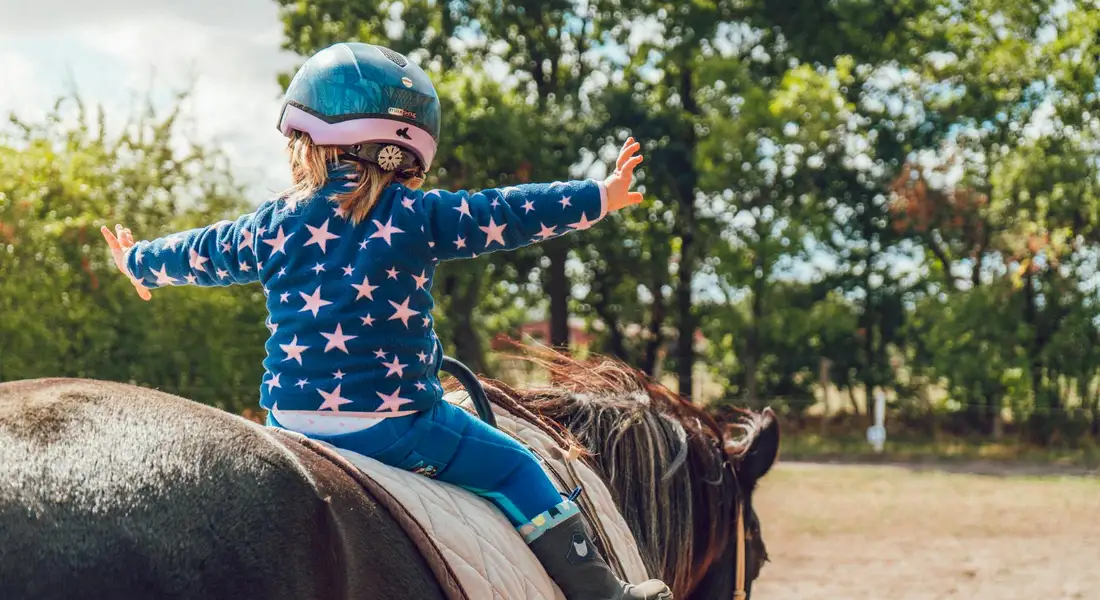
Riding laws change at the state line, much like the accent of a new farrier. I learned this after a trail-riding guest took a spill from steady Rusty-who, true to form, shied at a puddle, not a predator. The resulting confusion wasn’t about the mud on their jeans, but about who was responsible. It’s also worth knowing whether it’s legal to ride a horse on public roads in your area. You’ll want to understand the specific safety and sharing-the-road rules that apply. Your legal exposure as a horse owner depends almost entirely on your zip code, making it your first stop for understanding your own peace of mind.
Key Protections in Most Equine Liability Statutes
While each state crafts its own rules, many share a common spirit: acknowledging the inherent risks of being around horses. These laws often limit your liability if someone gets hurt, but they aren’t a blanket pardon for negligence. Beyond liability, many of these statutes also establish essential safety requirements for riders and handlers—things like helmet use, proper tack, and training standards—that aim to prevent harm. Think of these statutes as a protective fence; they keep out frivolous claims, but a broken gate of careless management can still leave you exposed.
Most statutes include provisions like:
- Inherent Risk Definition: The law lists activities where danger is obvious, like a horse spooking, bucking, or biting. Luna’s sudden whirl at a plastic bag? That’s typically considered inherent.
- Warning Requirement: You must often post clear signs at your barn entrance. The wording matters-I use the exact phrase mandated by my state, not a homemade poster.
- Assumption of Risk: Participants generally accept these inherent risks by engaging in the activity. This is why a signed waiver, while not ironclad, is your essential first layer of paperwork.
- Protection for Providers: These laws usually cover you, your employees, and your property if you’re offering equine activities, even informally.
Remember, these laws don’t protect you if your tack fails from poor maintenance or you put a novice on a known rogue. Gentle horsemanship and safe facilities are your non-negotiable legal foundation, not just ethical ones.
How to Find and Understand Your State’s Specific Rules
Don’t rely on barn gossip or a friend from two states over. Finding your rules is a straightforward chore, like picking hooves before a ride. Start with a search for “[Your State] Equine Activity Liability Act” on your state legislature’s official website. The legalese can be thick, so break it down step-by-step.
- Go to the Source: Pull up the actual statute text. Look for sections titled “Equine Activity Liability” or similar.
- Print and Highlight: I keep a printed copy in my barn office. Use a marker for key terms: “inherent risk,” “warning,” “participant,” “liability limited.”
- Cross-Check with Your Waiver: Ensure your liability release form mirrors the language and requirements of your state’s law. A generic form from the internet might miss crucial local clauses.
- Make a Quick Call: If the text leaves you puzzled, a short consultation with an attorney familiar with agricultural or equine law is money well spent. It’s cheaper than a lawsuit.
When Pipin figured out his stall latch, his great escape was funny until a neighbor’s child tried to pet him unsupervised. Knowing my state’s specific rules helped me navigate that conversation calmly and correctly, focusing on the pony’s welfare, not just the panic.
Insuring Your Horse Life: Essential Coverage for Peace of Mind
Insurance is the safety net that lets you enjoy the ride. I treat my policies like vital tack: chosen with care, checked regularly, and essential for operation. The right coverage means you can focus on the smell of fresh hay and the thud of hooves on the trail, not the thundercloud of potential financial ruin.
Liability Insurance: The Cornerstone of Your Protection Plan
This is your most critical policy. If someone is injured or their property is damaged because of your horse, liability insurance handles the legal fees and settlements. Your homeowner’s policy often excludes or severely limits equine-related claims, so a standalone equine liability policy is non-negotiable.
Look for a policy that covers:
- Care, Custody, and Control: This protects you if a horse in your care, like a boarder’s horse, is injured or dies due to your negligence.
- Premises Liability: Covers incidents on your property, like a visitor tripping over a feed bucket.
- Personal Injury: This can include scenarios like slander or wrongful eviction of a boarder.
- Defense Costs: Ensure legal fees are covered outside your policy limit, so a lawsuit doesn’t drain your coverage before a settlement is even reached.
I increase my coverage when I host clinics or have more young riders on the property. Review your policy limits annually-the cost of care and lawsuits only goes up, and your coverage should, too.
Beyond Liability: Other Insurance Policies to Consider
Liability insurance protects others from your horse. These policies protect your investment in your horse. Building a full insurance portfolio is how smart horse owners sleep soundly, knowing both their assets and their animals are guarded.
Consider these additions based on your horse’s role and value:
- Mortality Insurance: Acts like life insurance for your horse, providing a payout if the horse dies from accident, illness, or sometimes theft.
- Major Medical/Surgical Insurance: Helps cover vet bills for colic surgery, serious injuries, or illnesses. For a high-strung Thoroughbred like Luna, this has been a financial lifesaver.
- Loss of Use Insurance: Provides a benefit if your horse becomes permanently unable to perform its intended use, like a trail horse becoming lame.
- Trailer Insurance: Often an add-on to your auto policy, this covers physical damage to your trailer and can include liability for horses in transit.
Weigh the premiums against the potential cost. For old, reliable Rusty, I might skip mortality but keep major medical. Always advocate for equine welfare by choosing policies that allow you to say “yes” to the best veterinary care, not just the most affordable.
FAQ: Understanding Equine Liability
How can a horse owner protect themselves from liability?
Horse owners can build a strong defense through proactive daily management and proper documentation. Maintaining safe facilities, providing consistent training, and using clear signage are fundamental steps. In addition to safety, focus on creating a safe, enriching environment for your horse to thrive. That means thoughtful turnout, training that engages the mind, and gentle, consistent handling. Securing a robust equine liability insurance policy and having all participants sign a well-drafted release form are critical legal safeguards.
What does an equine liability release or waiver typically cover?
A strong waiver clearly informs participants of the inherent risks involved in equine activities. It typically includes an assumption of risk clause where the signee acknowledges these understood dangers. Crucially, it releases the owner from liability for accidents arising from those inherent risks, but not from injuries caused by the owner’s proven negligence.
What types of insurance should a horse owner consider?
Every owner should secure a standalone equine liability policy, as homeowners insurance often excludes such coverage. Mortality and major medical insurance are vital to protect your financial investment in the horse itself. Additional policies to consider include loss of use insurance and specific trailer coverage for safe equine transportation. It’s important to understand what insurance horse owners need to properly safeguard their equine assets.
A Stable Foundation of Trust
Shield your equine partnership by securing solid liability insurance and keeping your property in safe, obvious repair. Your most critical legal duty is to have every person who interacts with your horse sign a clear, specific liability release—it’s the bedrock of your protection. Additionally, it’s crucial to understand the insurance requirements for horse owners and breeders to ensure comprehensive coverage.
Consistent, gentle handling and proactive care are the heart of risk management. Your horse’s comfort and communication are your best guides; listening to them fosters the mutual respect that keeps everyone safer.
Further Reading & Sources
- Private Horse Owner Liability – LEGIS Equine
- Private horse owner liability
- Individual Horse Owner Liability – AgriBusiness® – Great American Insurance Group
- Personal Equine General Liability Insurance | Equisure
At Horse and Hay, we are passionate about providing expert guidance on all aspects of horse care, from nutrition to wellness. Our team of equine specialists and veterinarians offer trusted advice on the best foods, supplements, and practices to keep your horse healthy and thriving. Whether you're a seasoned rider or new to equine care, we provide valuable insights into feeding, grooming, and overall well-being to ensure your horse lives its happiest, healthiest life.
Competing