
What is a Cutting Horse in Equestrian Sport?
Hello fellow equestrians, have you ever watched a horse and rider work in perfect sync to separate a single cow from the herd and felt a mix of awe and confusion? Understanding the specialized world of cutting horses can feel daunting, with its unique terminology and high-stakes maneuvers that seem to blur the line between instinct and training.
In this guide, I’ll break it down for you, covering the precise role and heritage of the cutting horse, the innate ‘cow sense’ that drives their athletic performance, and the gentle training philosophies that protect both the horse’s mind and body.
My decades in the barn managing and training everything from stoic Quarter Horses to sensitive Thoroughbreds have shown me that true horsemanship in any sport starts with respect for the animal’s nature.
Cutting Horse Basics: From Ranch Work to Arena Sport
A cutting horse is a bovine specialist trained to isolate a single cow from a herd. This isn’t just riding; it’s a precise dance of anticipation and control between horse, cow, and rider.
The term “cutting” comes directly from essential ranch work. Think of sorting cattle for veterinary care-the horse must gently “cut” one animal from the group without stirring up the others. It’s a practical skill that became the heartbeat of a competitive sport.
This discipline evolved from a daily ranch necessity to a formalized equestrian event in the mid-20th century. The shift from open range to judged arena spotlighted the horse’s innate intelligence and independence.
Contrast this with a trail horse’s job. My quarter horse, Rusty, is a steady eddie on paths, but his skills end at puddle-avoidance. A cutter’s duty is reactive and cerebral, focused on living, unpredictable cattle rather than a set trail.
The Core Mission: Reading and Outthinking Cattle
At its core, cutting requires innate “cow sense”-a horse’s natural ability to read and predict bovine movement. This instinct is non-negotiable; you can encourage it, but you can’t install it with training alone.
It’s like a skilled soccer defender anticipating a striker’s move. The horse doesn’t just react; it analyzes the cow’s shoulders and eyes, positioning itself before the animal even commits. Success is a silent conversation of pressure and retreat, all executed at a simmer.
The Ideal Cutter: Physical and Mental Blueprint
The American Quarter Horse is the breed most synonymous with cutting, thanks to a build forged for ranch work. Their compact frame delivers the agility and power needed to mirror a cow’s quick bursts and stops, specifically bred for tasks like working on ranches and managing livestock.
- Low Center of Gravity: Provides stability for rapid lateral moves and deep stops.
- Powerful Hindquarters: Acts as the engine for explosive sprints and pivots.
- Agile Forehand: Allows for lightning-fast shoulder movement to match a cow’s feints.
The essential temperament is a blend of keen intelligence and calm responsiveness. A good cutter must be “hot” enough to engage but “cold” enough not to panic under pressure-a balance I’ve spent years fostering in sensitive souls like Luna.
Color is purely cosmetic. A flashy paint or a solid bay has no advantage over another. Choosing a horse for its markings over its mind or conformation is a sure path to frustration in the arena.
Why Athleticism and Attitude Must Meet
Those powerful hindquarters directly enable the jaw-dropping slides and turns. The low center of gravity lets the horse sit down and stop on a dime. Without this specific physique, the horse simply lacks the toolkit for the job, no matter how much cow sense it has.
But a perfect body is worthless with the wrong mind. A nervous horse wastes energy on worry, while a dull one won’t react. I advocate for ample turnout time to nurture a calm, willing attitude; a horse stuck in a stall rarely develops the cool-headedness this sport demands. The magic happens when physical gift meets mental grit.
Inside the Pen: How a Cutting Competition Unfolds
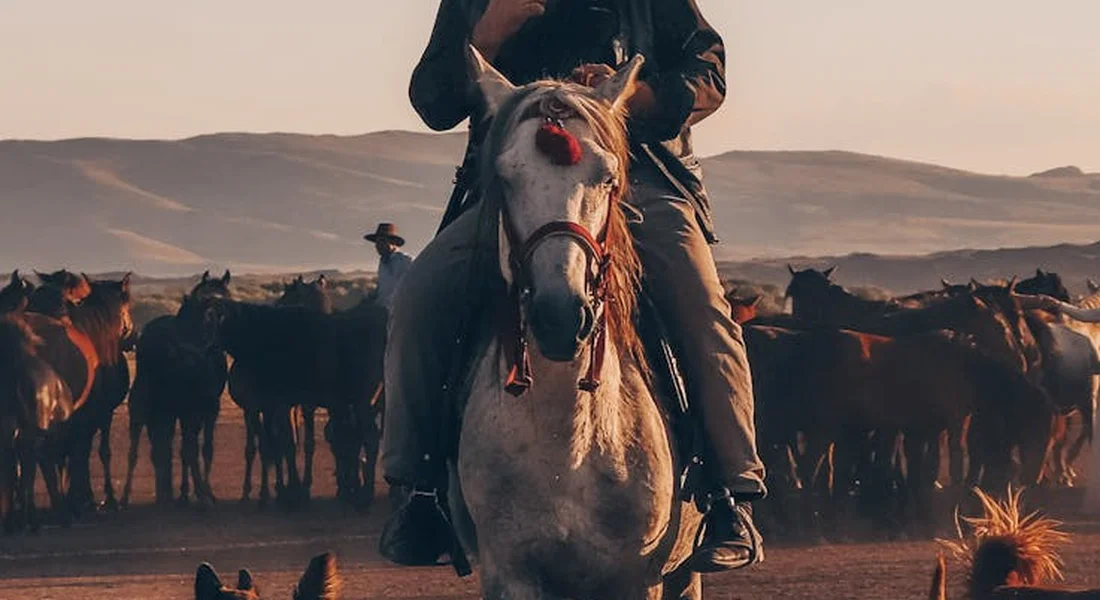
The arena is quiet, tense. You have a rider, a horse, a small herd of cattle, and two or three judges watching every twitch. The clock is set for two and a half minutes, and in that time, a story of instinct and partnership is written.
The basic pattern is a dance of three acts.
- Entering the Herd: The rider guides their horse calmly into the cattle. The goal is to separate, or “cut,” one specific cow from the group without disturbing the rest. A good horse walks with a soft, predatory focus.
- Making the Cut: The horse identifies and isolates a cow. The rider then drops their rein hand to the horse’s neck, signaling a shift. This is the moment of truth, where the rider becomes a passenger and the horse takes the lead.
- Holding the Cow: For up to two and a half minutes, the horse must mirror the cow’s every juke and sprint, preventing it from returning to the herd. The horse works low in the hindquarters, with incredible stops and turns, all while watching the cow’s every move.
Scoring is all about the horse. Judges award points based on the horse’s athleticism, its “cow sense” (anticipation and reaction), and its apparent degree of difficulty. A rider visibly reining will lose points. The highest praise is for a horse that works with such independence and style that the rider seems merely decorative.
Competitions typically run in multiple rounds, weeding out teams until only the sharpest remain. Each run demands intense, explosive effort. By the finals, you’re watching equine athletes at the peak of their mental and physical game, thinking for themselves with breathtaking precision.
The Rider’s Role: Subtle Guidance and Trust
My job on a cutting horse feels less like driving and more like programming a brilliant software and then trusting it to run. In the pen, my role is almost entirely preparatory.
I use my legs and seat to position the horse before the cut, helping pick the right cow. Once the horse engages, my cues shrink to micro-adjustments. I become a balancing weight, a slight shift in the seat for encouragement, or a whispered verbal cue we’ve practiced a thousand times in the round pen. The ultimate act of horsemanship here is knowing when to do nothing-to let the training you’ve built together take over completely. Any heavy-handed correction in the middle of a run breaks the spell and costs you points, not to mention your horse’s trust.
- Leg Pressure: Used to direct the horse’s shoulders toward or away from the cow before the cut.
- Seat and Weight: A deep, settled seat encourages a hard stop; a slight lift can signal readiness to move.
- Voice: A low, steady “whoa” or a cluck for energy. This is a constant, gentle dialogue.
- Rein Hand: Once dropped on the neck, it stays there. Lifting it again is an admission of failed preparation.
Training Fundamentals: Building a Partnership with Cattle
- Lay the Foundation. None of this works without a horse that yields to pressure, moves off your leg, and respects your space on the ground. I spend months on basic maneuvers-backing up, hindquarter yields, soft stops-before a cow is ever in the picture. A responsive horse is a safe horse.
- Introduce Cattle Slowly. Start by letting the horse just watch cattle from a distance in a pasture. Then, work in a large pen with a few quiet, “doggy” cows. Let the horse observe and get curious. The first goal isn’t to work a cow, but to simply be calm around them.
- Teach the Basic Stop and Turn. Using flag work or a slow-moving cow, teach the horse to stop deep in its hindquarters and turn to face the “pressure” (the cow). This is pure pressure-and-release. The cow moves, creating pressure; the horse learns to relieve it by mirroring and containing that movement.
- Practice Reading Movement. I use a mechanical cow or a flag for this. It’s about teaching the horse to focus on the shoulder of the “animal.” Where the shoulder goes, the body follows. A horse that learns to watch that shoulder point is learning to predict the future.
- Advance to Holding a Cut. This is about patience. Ask the horse to quietly separate one cow from a small group and just hold it on the fence. Let the horse figure out the distance and the timing. My job is to sit quiet and breathe, rewarding the smallest try. This builds the “let me think” muscle.
- Condition for Intensity. Cutting is a series of explosive sprints. Fitness is non-negotiable. We build cardiovascular health with trot and canter work, and specific muscle with rollbacks and stops in the sand. A tired horse is a mentally dull horse, and a dull horse makes mistakes.
Common Training Pitfalls to Avoid
- Don’t Over-Face Your Horse. Throwing a green horse into a fast, frantic cow situation is a recipe for panic. It’s like asking a kid who just learned fractions to do calculus. Build complexity slowly, always setting them up for success.
- Keep Sessions Short and Positive. Twenty minutes of focused, successful work is worth more than an hour of drilled, frustrated drilling. I’d rather end a session with my horse wanting more than with him mentally checking out. I learned this with my clever pony, Pipin; the moment his ears flick back in boredom, the lesson is over.
- Force Creates Resistance. Yanking a horse around to follow a cow might seem effective in the moment, but it teaches the horse to wait for the yank instead of using its own mind. Gentle horsemanship-asking, waiting, releasing-builds a willing partner who works with you, not for you. The goal is a horse that finds joy in the game itself.
Caring for Your Cutting Athlete: Health and Maintenance
-
Outline a conditioning program that balances arena work with turnout time.
I build fitness like a wave, with peaks of intensity and valleys of rest. Your cutter needs three serious arena days each week for drills and cattle work. Fill the other days with full turnout on good pasture, where they can move naturally and let their minds unwind. This balance prevents muscle fatigue and keeps them mentally sharp. Luna’s thoroughbred brain taught me that without daily pasture time, her arena work became tense and counterproductive.
-
Detail nutritional needs: quality forage first, supplemented for energy demands.
Start with the hay. A cutting horse should consume at least 1.5% of their body weight in quality forage daily. That daily hay benchmark is the foundation you’ll find in a complete feeding guide on how much hay a horse should eat daily. Only after that solid base do you add concentrated feeds like oats or a performance pellet to meet higher energy needs. I keep Rusty on a mostly forage diet with a small grain boost during heavy training-it keeps his gut happy and his energy steady.
-
List crucial hoof care: regular trimming and potential for supportive shoeing.
Never skip a farrier visit. Schedule trims every six to eight weeks to maintain perfect balance. For athletes making rapid pivots, discuss with your farrier about adding rim shoes or pads to absorb concussion and provide extra support. A poorly trimmed hoof can twist on a dime turn, risking strain or worse.
-
Highlight common health monitors: joint stress, tendon health, and respiratory fitness.
Your hands are your best tools. After each ride, feel for heat in the knees, fetlocks, and tendons. Listen closely to their breathing during cool-down; a clean, swift return to normal indicates strong lung capacity. That same attention helps identify and manage respiratory issues in horses before they become problems. Early signs like coughing or labored breathing can guide intervention. I give all my performance horses a daily joint supplement, but I watch Pipin’s ponies for early signs of stiffness more than any pill can fix.
-
Emphasize mental care: ample pasture time to prevent burnout, a lesson from managing high-energy horses like Luna.
Burnout sneaks up quietly. Cutting requires intense focus, so their downtime must be truly relaxing. Uninterrupted turnout with a buddy is the best therapy for a horse’s mind, preventing sourness and anxiety. Luna would pace her stall if confined, but after a day in the field, she meets me at the gate eager to work.
The Daily Check-In: Barn Manager’s Routine
-
Morning observation for stiffness or attitude changes.
I walk the barn at first light, coffee in hand, watching for how each horse stands and greets me. A horse resting a hind leg or turning away from their breakfast can be your first clue to soreness or discomfort. This quiet moment tells me more than any later exam.
-
Post-workout cool-down protocol: walking, checking for heat or swelling.
Walk them until their coat is dry and their nostrils aren’t flaring. Then, run your palms down every leg, comparing for warmth or filling that wasn’t there before the workout. I spend extra time on the tendons, feeling for any subtle puffiness that needs icing.
-
Evening feed and stall check, ensuring clean bedding and fresh water.
My last round is about comfort. I strip wet patches, fluff bedding, and scrub water buckets. The smell of fresh hay and the sight of a deep, clean bed ensures your athlete recovers fully overnight. It’s a simple act that says you care.
Essential Gear for the Cutting Arena
-
List necessary tack: a cutting saddle (deep seat, forward hung stirrups), bridle, and bit.
Your core kit is minimal: a purpose-built cutting saddle, a bridle, and a bit. The saddle has a deep seat and forward stirrups to lock you in place during sudden stops, letting your horse move independently. You’ll hear the creak of good leather as you settle in-that’s the sound of readiness.
-
Explain the purpose of each item: saddle for security, bit for subtle communication.
Each piece serves a clear function. The saddle anchors you without restricting the horse’s shoulder. The bit, often a grazing shank or loose-ring snaffle, allows for light, precise cues so you can guide without grabbing. Heavy hands ruin a cutter’s sensitivity faster than anything.
-
Note protective equipment like bell boots or splint boots for arena work.
Always boot up for practice. Bell boots prevent overreach injuries, and splint boots shield the cannon bones. Think of them as essential armor for the explosive starts and hard turns of cutting work. I learned this after a close call with Luna; now her boots go on like clockwork. Proper protection starts at the boots.
-
Advise on fit: how poor saddle fit can cause soreness and hinder movement.
A bad saddle fit is a thief of performance. It causes back pain and stiff gaits. You should see clear daylight along the entire withers when the saddle is girthed, with no pressure behind the shoulder blades. An unhappy back makes a horse reluctant to drop its hind end and stop hard.
-
Recommend simple, durable gear over fancy accessories; function always wins.
Ignore the glitter. Choose gear that is strong, clean, and fits perfectly. A simple, well-oiled bridle and a tough pair of boots will outlast and outperform any trendy accessory. My gear trunk is filled with dependable items that have seen years of use, just like reliable Rusty.
FAQ: What is a Cutting Horse in Equestrian Sport?
How does the definition of a cutting horse influence its specialized care routine?
As bovine specialists bred for explosive bursts and sharp turns, cutting horses require tailored care to maintain peak physical and mental condition. Their daily management must include structured conditioning that balances intense arena work with ample pasture time for mental recovery. This approach prevents burnout and supports the agility needed for their reactive role in the herd.
What key temperament traits defined in a cutting horse affect its health and handling?
The ideal cutting horse temperament-a mix of keen intelligence and calm responsiveness-demands care that nurtures both focus and relaxation. Providing consistent mental enrichment through varied training and social turnout helps avoid anxiety or dullness. Regular observation for behavioral changes is crucial to address stress early, ensuring the horse remains a willing partner in high-pressure scenarios. Understanding common horse fears and skittish behavior helps tailor approaches to managing anxiety. Recognizing these signals early allows for targeted, steady exposure and reassurance.
How does the physical definition of a cutting horse impact its nutritional and hoof care needs?
With a compact, muscular build designed for rapid movements, cutting horses have elevated energy requirements that start with high-quality forage as a dietary foundation. Supplemental feeds are carefully added to fuel performance without disrupting digestive health. Additionally, frequent hoof trimming and potential supportive shoeing are vital to absorb concussion from hard stops and pivots, preventing lameness.
Partners, Not Performers
Remember, a cutting horse is an athlete with a job that demands explosive power and deep focus, which shapes their daily care needs. The most critical advice is to see their training as a part of their whole life, providing them with the tailored mental and physical outlets they need to stay sound and satisfied.
Progress with any equine partner is built in small, consistent steps, always prioritizing their comfort and willingness. The best cue you’ll ever get comes from your horse-make time to listen to what they’re telling you in the pen and at the stall.
Further Reading & Sources
- Cutting (sport) – Wikipedia
- Cutting horse – Wikipedia
- Cutting Horses: History, Equestrian Competition & Rules – [Discipline Guide] | Mad Barn
- What is Horse Cutting | The Discipline Explained | Ariat
At Horse and Hay, we are passionate about providing expert guidance on all aspects of horse care, from nutrition to wellness. Our team of equine specialists and veterinarians offer trusted advice on the best foods, supplements, and practices to keep your horse healthy and thriving. Whether you're a seasoned rider or new to equine care, we provide valuable insights into feeding, grooming, and overall well-being to ensure your horse lives its happiest, healthiest life.
Competing