
When Can You Start Riding a Horse? Your Guide to a Safe and Confident Start
Hello fellow equestrians, deciding when to first ride a horse or restart riding after time off is a common source of worry. You’re right to be careful. Starting too early can lead to physical strain, behavioral problems, and avoidable vet bills.
In this article, I’ll walk you through the key factors to consider: evaluating your horse’s physical maturity and age, building a foundation of trust through gentle groundwork, and getting the all-clear from a veterinarian. We’ll ensure you have a clear, step-by-step plan.
I’ve spent years as a barn manager and trainer, guiding everything from sensitive thoroughbreds like Luna to reliable veterans like Rusty through this very process with patience and their welfare always in mind.
Understanding Age Requirements: It’s More Than Just a Number
You see a date on a horse’s papers and think, “Great, he’s three, let’s saddle up!” Hold your horses. Age is a guideline, not a green light. A horse’s skeleton matures on its own schedule, not our calendar. Pushing a young horse under saddle before his growth plates close is like asking a kid to run a marathon; you risk lasting damage to joints and bones.
Most light horse breeds, like Quarter Horses, aren’t skeletally mature until about five or six. Horses generally stop growing and reach full size in these years. My reliable Rusty wasn’t started seriously until he was four, and even then, it was just walking under saddle for short periods. His mind was willing, but his body needed time. Bigger draft breeds can take even longer.
Contrast that with sensitive Luna, my Thoroughbred. At six, she’s physically ready for work, but her mental maturity required extra patience. We spent months on ground exercises before I ever swung a leg over. True readiness blends physical development with emotional stability, and you cannot rush either one.
This is where advocating for ample turnout time is non-negotiable. Hours spent roaming and grazing in a pasture build bone density, tendon strength, and a sane mind far better than any forced exercise program. A horse who knows how to just be a horse first will always be a better partner later. Pairing that freedom with a healthy exercise turnout schedule helps sustain long-term fitness and temperament. When paired with a thoughtful routine, turnout becomes part of a comprehensive plan for a sound, athletic horse.
Ground Handling Basics: Your First Steps with a Horse
Riding begins long before you ever touch a saddle. It starts the moment you step into the paddock with a lead rope. If you can’t communicate safely and clearly from the ground, you have no business being on their back. Groundwork is the foundation of all trust, and it’s where you learn to read your horse’s silent language.
I’ve seen too many people fumble with the basics and create a nervous horse. Remember, every interaction teaches something. With Pipin, our food-motivated Shetland, a consistent routine of gentle handling turned his cheeky escape attempts into a willingness to follow my lead-most of the time! Knowing the 7 beginner horse training mistakes that create lifelong behavioral problems can help you avoid the same traps and keep progress steady.
Step-by-Step: Mastering the Lead Line and Beyond
This isn’t just about clipping on a rope and walking. It’s about establishing respect and clarity. Here’s how to build that foundation.
Approach with confidence, but leave your urgency at the gate. Walk up to the shoulder, not the head, which can feel threatening. Offer a gentle scratch, not a sudden pat. Speak in a low, steady voice. Let them smell the lead rope before you clip it on.
Once the lead is attached, your practice begins. Use short, clear sessions.
- The Follow. Ask the horse to walk with you. You should lead from the shoulder, not drag from the front. If they lag, a gentle tap of the rope behind them is better than a hard pull.
- The Halt. Say “whoa” and stop your own body. A slight pressure on the lead reinforces it. Release immediately when they stop. This teaches them to watch your movements.
- The Turn. Practice moving their hindquarters and forequarters away from gentle pressure. This is your first lesson in steering from the ground.
- Stand Tied. Teach patience. Use a quick-release knot and a sturdy post. Start with just a minute while you groom nearby, building duration slowly.
Beyond the lead line, introduce the sensations of future riding. Run your hands everywhere a girth or bridle will go. Drape a saddle pad over their back. Let them hear the creak of leather. Pair every new experience with a calm voice and a reward. Luna needed this slow, repetitive introduction to overcome her initial spookiness.
Finally, practice these skills in different environments-the calm aisle, the busy yard, the open field. A horse that leads politely past flapping tarps and barking dogs is giving you a preview of a trustworthy mount under saddle. This groundwork isn’t a pre-ride checklist; it’s the ongoing conversation of gentle horsemanship.
Safety Gear and Stable Rules: The Non-Negotiable Kit
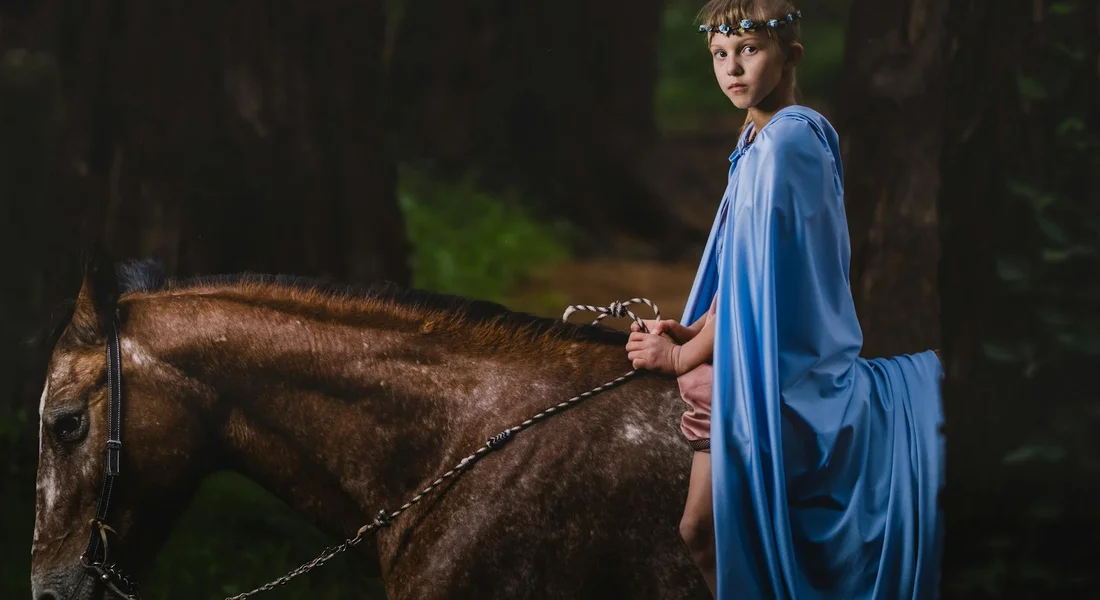
Walking into a barn to ride for the first time is thrilling, but the rules and gear aren’t just suggestions-they’re the product of hard-won experience. Treat every safety protocol as a sacred barn law, written not to spoil your fun, but to ensure you and the horse get to enjoy many more rides together. The smell of hay and leather is inviting, but a respectful awareness of your surroundings is your true first line of defense.
Your Pre-Ride Checklist: From Helmet to Heels
Before you even think about fetching a horse, your personal kit must be sorted. This isn’t about fashion; it’s about function and fracture prevention.
- Helmet: Must be certified (ASTM/SEI). It should fit snugly, not rock side-to-side, and sit level on your head. I’ve seen a well-fitted helmet turn a potential disaster into just a loud *thunk* and a story.
- Boots: A defined, one-inch heel is non-negotiable to prevent your foot from sliding through the stirrup. Rubber muck boots can work in a pinch, but proper paddock or riding boots are best.
- Gloves: Thin, grippy leather or synthetic gloves protect your hands from blisters and give you better rein control. Your grip shouldn’t come from brute force, but from friction.
- Pants: Close-fitting, durable fabric without a thick inner seam. Trust me, denim seams can chafe you raw after twenty minutes in the saddle.
Now, for the stable rules. These are universal:
- Always speak calmly when approaching a stall. Sudden movements are for predators.
- Never walk directly behind a horse. A friendly kick from Pipin the pony still hurts just as much as one from a draft horse.
- When leading, keep your right shoulder aligned with the horse’s head, and never wrap the lead rope around your hand. If Luna spooks, you need to let go, not get dragged.
Your alertness is your greatest safety asset; a quiet barn is not always a calm barn, so listen for the tell-tale snort or shift in hoofbeats that signals a change in the herd’s mood.
What to Expect in Your First Riding Lesson
Your first mounted lesson is less about steering and more about learning to move *with* another living being. Forget Hollywood scenes of immediate gallops. The foundation of all good riding is built on a secure, independent seat and the delicate balance of giving effective aids without creating tension. You’ll likely start in a secure, enclosed arena on a trusted schoolmaster like Rusty, whose steady walk feels like a comfortable rocking chair.
Building a Foundation: Seat, Balance, and Gentle Guidance
The instructor will first ensure your stirrups are the right length and talk you through the basic position. You’ll feel awkward. This is normal. Your focus will be in three places:
- Your Seat: Sit on your seat bones, not your tailbone. Imagine sinking your weight down into your heels, creating a long, tall line from ear to hip to heel.
- Your Balance: You’ll hold the reins and likely a chunk of mane or the saddle’s front (the “pommel”). This isn’t for steering yet-it’s to keep you from grabbing the reins for balance, which yanks the horse’s sensitive mouth.
- Your Guidance: You’ll learn to start and stop using your seat and voice, not just your reins. A gentle squeeze with your calves, a cluck, and a release when the horse walks on is your first conversation.
The goal of this first lesson is not distance or speed, but developing a feel for the horse’s rhythm and learning that your quiet confidence is the best cue you can offer. You’ll learn to post the trot by letting the horse bounce you out of the saddle, finding that sweet spot of momentum. It will feel like a clumsy dance at first, but when you find that first moment of harmony-where you move as one without fighting-it clicks. It’s the reason we keep coming back, covered in arena dust and grinning like fools.
Special Considerations for Adult Beginner Riders
Starting to ride as an adult is a different journey. Your body might not bounce like it used to, and your brain can overthink the simple joy of a walk. I’ve coached many adults from their first nervous moment in the stirrup to confident trail rides on Rusty, who seems to sense a beginner’s tension and slow his pace accordingly.
Your physical comfort is non-negotiable, and listening to your body will make you a better partner for the horse. Focus on building core strength and flexibility off the horse with simple stretches; it prevents that stiff, sore feeling after a lesson. Just as it’s essential to build muscle for your horse, you need to maintain your own physical health for optimal performance.
Here is what I tell every adult beginner in our barn:
- Invest in a quality, properly fitted helmet and boots with a defined heel-your safety gear is your best friend.
- Start with shorter, more frequent lessons rather than marathon sessions to let your muscles and mind adapt.
- Choose a school horse known for steadiness. A calm horse like Rusty is a teacher in himself.
- Communicate any old injuries or fears openly with your instructor so they can adjust exercises.
Mental patience is your secret weapon, as horses respond to quiet confidence, not force. It’s okay to feel nervous; I’ve seen seasoned riders take a deep breath before mounting Luna, whose sensitive nature demands a calm presence. Think of yourself as a calm, assertive leader for an anxious horse. This mindset helps your horse stay present and responsive rather than reactive.
Your learning curve is not a race. Celebrate small wins, like maintaining a balanced trot for a full circle or finally mastering that stubborn buckle on the girth.
Choosing a Riding School: Prioritizing Safety and Equine Welfare
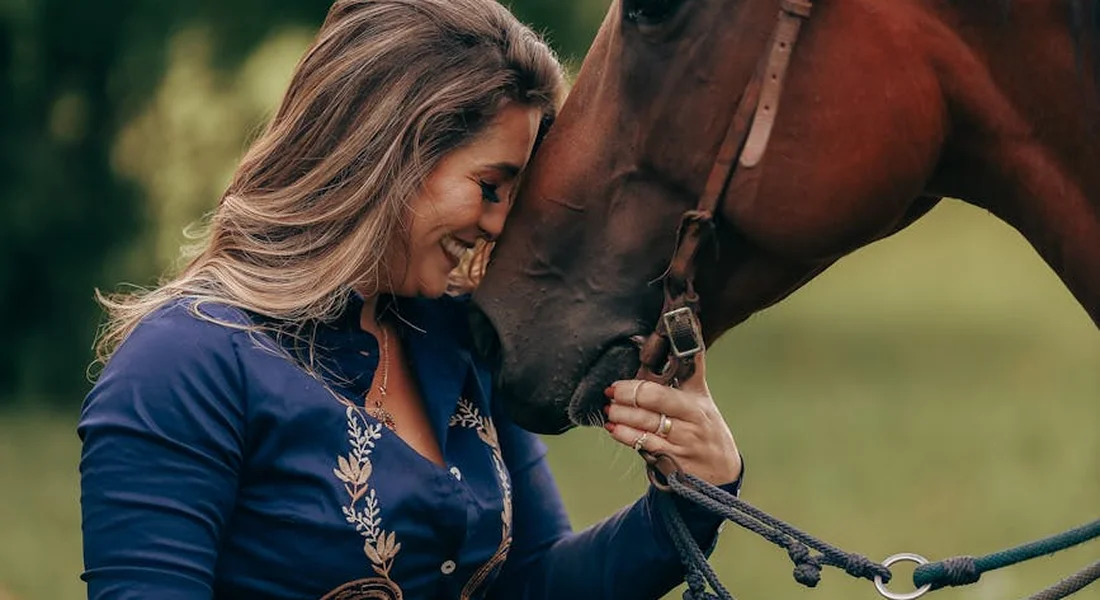
Picking the right barn is the most critical step for you and the horse. A good school’s priority is visible in the shine on the horses’ coats and the quiet hum of content animals in their paddocks.
Always visit during a normal lesson time and watch the horses, not just the riders, to see if they are relaxed and willing. Look for the smell of fresh hay, not ammonia, and listen for the soft thud of hooves on good footing, not the frantic pacing of stalled animals. Understanding their body language can help you determine if they’re truly content.
Use this checklist to evaluate a potential riding school:
- Turnout Time: Ask, “Do your horses get daily turnout?” If the answer is vague or no, walk away. Horses like Pipin need that time to be horses; it’s essential for their mental health.
- Horse Condition: Look for bright eyes, healthy weight, and smooth movements. Lesson horses should not be sore or lethargic.
- Tack Fit: Peek at the tack room. Saddles should be clean and stored properly, not left on horses for hours. Ill-fitting tack causes pain and behavioral issues.
- Instructor Approach: Listen to how they speak to students and horses. Commands should be clear and kind, never shaming or forceful.
A reputable school will happily discuss their feeding program, veterinary care, and training philosophy without hesitation. I’m proud that at our facility, every horse, from high-strung Luna to cheeky Pipin, gets a tailored care plan that includes ample pasture time.
Notice the little things. Are there quiet, patient horses for beginners? Is the arena footing maintained to cushion steps? These details show a deep commitment to equine welfare that directly impacts your safety and learning.
FAQ: When Can You Start Riding a Horse?
How can I find places to start riding horses near me?
Begin by searching online for local stables or riding schools with beginner lesson programs. Prioritize facilities that emphasize safety, certified instruction, and visible horse welfare. Contact them directly to schedule a visit and observe a lesson before committing.
What should adults look for when starting riding horses near me?
Adults should seek riding schools that offer lessons specifically designed for older beginners, such as private or small-group sessions. Ensure the school uses calm, experienced lesson horses and instructors familiar with adult learning curves. Discuss any physical considerations upfront to tailor your experience for comfort and safety.
Where can I start riding horses near the San Francisco Bay Area, CA?
In the San Francisco Bay Area, explore equestrian centers in areas like Marin County, Sonoma, or the Diablo Range for beginner-friendly options. Check resources like the California State Horsemen’s Association or local riding club listings for certified instructors. Reach out to barns to inquire about introductory lessons and their approach to horse care and student progression.
Saddling Up with Sense
The right time to ride hinges on your horse’s physical maturity, completed ground training, and a clear bill of health from your vet. Rushing this process risks both safety and trust, so let their development, not a date on the calendar, dictate your timeline. A 12-month progression from groundwork to saddle is a common, practical path for a young horse. The next steps will outline that timeline and how to pace training accordingly.
True partnership is built in the quiet moments of patience, not the rush to get in the saddle. Your horse’s voice is in their body language—a soft eye, a steady chew—so make listening your most important skill. Talk to your horse in calm, clear language and listen for their response. When you understand their signals, you build trust and better communication.
Further Reading & Sources
- A Beginner’s Guide to Horseback Riding
- 13 Tips on Horseback Riding for First-Timers
- r/Equestrian on Reddit: Learning horse riding with no experience
- Start Riding | US Equestrian
At Horse and Hay, we are passionate about providing expert guidance on all aspects of horse care, from nutrition to wellness. Our team of equine specialists and veterinarians offer trusted advice on the best foods, supplements, and practices to keep your horse healthy and thriving. Whether you're a seasoned rider or new to equine care, we provide valuable insights into feeding, grooming, and overall well-being to ensure your horse lives its happiest, healthiest life.
Exercise