
What Is the Most Beautiful Horse Breed? A Barn Manager’s Guide to Choosing Wisely
Published on: February 14, 2026 | Last Updated: February 14, 2026
Written By: Henry Wellington
Hello fellow horse lovers! Have you ever been mesmerized by a horse’s elegant form, only to feel overwhelmed by the sheer number of stunning breeds? Choosing a companion based on beauty alone is a heartfelt challenge, but it can lead to mismatched partnerships and unexpected care needs.
In this article, I’ll help you navigate that very question by exploring what “beautiful” really means in the equine world. We’ll cover the practical traits beyond color and conformation that define a breed’s appeal, celebrated breeds that turn heads for good reason, and how to ensure a horse’s beauty is matched by a sound mind and manageable needs.
I’ve managed barns and trained horses for years, from sensitive Thoroughbreds to reliable Quarter Horses, so I bring grounded advice from the grooming stall to the pasture.
Beauty in the Barn: It’s More Than a Pretty Face
The most breathtaking horse I ever saw wasn’t in a show ring. She was a muddy draft mare, turned out in a spring pasture, rolling with pure joy. True equine beauty radiates from health and happiness, not just a shiny coat or perfect markings. It’s in the sound of steady chewing on hay and the sight of a herd dozing together in the sun.
I judge beauty by the hoof first. A horse standing on balanced, well-trimmed feet is beautiful, even if its back is swayed or its nose is Roman. I spend hours with the farrier, because no amount of grooming hides the discomfort of poor hoof care.
That bloom on a coat comes from within. You can’t brush in top line or muscle tone; they are built through consistent, thoughtful work and rest. Luna’s dapple grey coat shines brightest when she’s getting daily turnout, not when I layer on the polish.
Gentle horsemanship creates a visible calm. A soft eye and a relaxed lower lip are the ultimate accessories, earned through trust and patience. I’ve seen “plain” horses become head-turners simply because they were content and understood their job, which often comes from understanding horse behavior and psychology.
Breeds Celebrated for Their Looks: A Keeper’s Catalog
Some breeds are famous for turning heads. Owning one means committing to the specific care that preserves their iconic look and, more importantly, their well-being. Here’s a practical guide from the barn manager’s ledger.
The Elegant Athletes: Light Horse Breeds
These horses are all flowing lines and aerodynamic grace. Maintaining that refined physique requires meticulous attention to diet and exercise. They are often hot-blooded, needing a job to stay sane and sound. That connection between form and function also touches on lifespan and health, prompting questions about how conformation affects longevity. In other words, a horse’s build can influence how long and well it stays sound.
- Arabian: That dished face and high tail carry a spirited mind. They need mental engagement to prevent weaving or cribbing. Their fine skin sunburns easily.
- Thoroughbred: Long legs and a deep chest hide a fast metabolism. They often require more calories but can be nervous eaters. Slow-feed hay nets are a stable hack to keep them grazing calmly.
- Andalusian: The arched neck and thick mane demand daily grooming to prevent tangles and skin fungus. They thrive on structured, varied work to channel their intelligence.
I learned with Luna that a Thoroughbred’s beauty fades without turnout. Her sleek coat dulled and her muscles tightened after just three days in a stall. Freedom to move restored her glow.
The Gentle Giants: Draft and Heavy Horse Breeds
Their beauty is sheer power and tranquil strength. Caring for them is a lesson in logistics, from hoof support to calorie management. Every task requires scale-appropriate tools.
- Clydesdale: Feathered feet are stunning but trap moisture. Daily leg cleaning is non-negotiable to prevent painful scratches. Their massive size needs a diet heavy in forage, not grain.
- Percheron: That gleaming black coat needs regular brushing, but their real beauty is a steady temperament. Their weight demands a perfectly fitted, wide tree saddle to avoid pressure points.
- Shire: The ultimate gentle giant. They require extra-wide stalls and strong fencing. I always check their hay for quality, as digestive issues in a horse this large are a major concern.
I managed a pair of Percherons for driving. The thud of their healthy hooves on the arena dirt was a sound of perfect, cared-for power. Their comfort depended on proactive joint supplements and ample space.
The Colorful & Unique: Ponies and Specialty Breeds
Flashy colors and unique traits make these breeds popular. Their distinctive looks often come with specific care needs that every owner must know. Beauty here is high-touch.
- Appaloosa: Spotted coats and striped hooves are gorgeous. Many have a genetic predisposition to vision problems, making annual eye exams critical. Pink skin under white spots needs sunscreen.
- American Paint Horse: No two patterns are alike. Beyond the paint, they are often sturdy partners. White leg markings require vigilant cleaning to guard against scratches.
- Friesian: Jet black with flowing manes and feathering. That dramatic hair is a magnet for dust and mud, needing near-daily washing and drying to prevent skin infections.
- Shetland Pony: Like my Pipin, they are compact and clever. Their beauty is sabotaged by easy weight gain. A strict diet measured by weight, not volume, and a pony-sized grazing muzzle keep their figure fit.
Pipin’s cheeky personality is part of his charm, but it demands creativity. I use slow-feed balls for his grain to engage his mind and prevent gulping his meals. A bored pony is an escape artist, not a beauty.
Grooming to Glow: Practical Steps for Every Coat Type

That show-ring shine starts in the daily routine, not just before a photo shoot. A glossy coat is a health certificate, telling you your horse is well-fed, parasite-free, and getting enough turnout to roll and regulate their skin oils. I spend my mornings in the aisle with a curry comb in hand, and each horse teaches me something new. An essential daily grooming routine for a healthy horse makes care a daily habit, not a last-minute touch-up. When you groom every day, you catch subtle changes in coat condition, skin health, and turnout needs. Rusty’s sorrel coat responds to vigorous circular grooming, which he leans into like a massage. Luna’s fine dapple grey skin requires a softer touch; a rubber curry would irritate her, so I use a grooming mitt. Pipin’s pony coat is a thick, waterproof marvel that needs persistent brushing to remove packed mud. The goal is to stimulate the skin and distribute natural oils, which is why regular grooming beats a once-in-a-while deep clean every time.
Your tools matter as much as your technique. Build a simple kit and use it in this order to work with the hair’s natural lay:
- Start with a curry comb (rubber for most, soft mitt for thin-skinned breeds) to loosen dirt and dead hair.
- Follow with a stiff dandy brush to flick that debris away.
- Use a soft body brush to sweep away remaining dust and polish the coat.
- Finish with a separate, soft brush for the face and a clean cloth for the muzzle and eyes.
Turnout is your silent grooming partner. Horses who can roll and move freely develop healthier skin and a more resilient coat. I always prioritize pasture time over stable time, because no brush can replicate the conditioning of sunshine, grass, and good old-fashioned dirt. Especially when you understand why horses love to roll.
Managing Magnificent Manes and Tails
Tangled manes and tails are a battle of patience, not strength. Yanking creates breakage and teaches your horse to hate grooming. For Luna’s silky Thoroughbred tail, I use a detangling spray and my fingers to work out knots before any brush comes near. Pipin’s coarse, thick mane requires a different tactic: a wide-tooth comb and a spray bottle with water and a drop of conditioner. Always work from the bottom of the tail hairs upward, holding the section above to avoid pulling on the sensitive tailbone.
For everyday maintenance and to encourage growth, adopt these gentle habits:
- Braid or loosely band manes for turnout to prevent wind and fence damage.
- Keep tails up in a mud-tail bag during wet seasons to avoid a solid, muddy block.
- Apply a light conditioner or silicone-free detangler after washing, but avoid the roots to prevent greasy buildup.
- Use your hands to separate hairs more than combs; you can feel snags before they turn into knots.
I learned the hard way with Rusty, who used to swish his tail angrily. When I slowed down and used my fingers, he started to relax and even doze off. A horse that stands quietly for grooming is displaying a beauty that runs deeper than any ribbon.
Bathing for Brilliance Without the Stress
Bathing should not be a rodeo. The key is warm water, a calm environment, and positive associations. Luna used to spook at the hose’s hiss, so I started by just letting her sniff it, then rubbing her with a wet sponge for weeks before a full bath. Now, she tolerates it well. Always use a sweat scraper to remove excess water; leaving a horse soaking wet in cool weather is an invitation for chills. If you’re new to this, a step-by-step guide on properly bathing your horse can help. A concise guide will be linked in the next steps for easy follow-along.
Follow this sequence to keep bath time safe and effective for both of you:
- Secure your horse on a non-slip surface with a quick-release knot.
- Start with the legs and work upward, using lukewarm water. Avoid blasting the face; use a sponge instead.
- Dilute shampoo in a bucket of water before applying. A little goes a long way.
- Rinse thoroughly. Soap residue is a major cause of itchiness and dullness.
- Scrape water off efficiently, then walk your horse in the sun to dry completely before returning to stall or pasture.
For a between-baths refresh, I swear by a bucket of warm water with a cup of apple cider vinegar. A quick wipe-down cuts grease and leaves the coat bright without stripping natural oils. This simple hack keeps Pipin’s black coat looking jet-bright without the weekly soap-and-water drama he so cleverly tries to avoid.
Beyond the Shine: How Temperament Defines True Beauty
A polished exterior means little if the horse behind it is anxious or sour. True beauty shines from a confident, kind eye and a willingness to connect. I’ve seen stunning horses whose nervous tension made them difficult to handle, and plain horses whose gentle curiosity made them absolutely luminous. Rusty’s patient, steady gaze as he waits for his treat is more beautiful to me than any perfectly clipped show coat.
This temperament is nurtured by how we keep and handle them. A horse with ample turnout, consistent gentle handling, and mental stimulation develops a serenity that transforms their appearance. Luna’s high-strung nature softens into brilliant focus when she’s given time to just be a horse in the pasture first. Pipin’s cheeky intelligence is beautiful because it’s engaged, not frustrated. Advocating for 24/7 turnout isn’t just about welfare; it’s the foundation for a calm, psychologically beautiful animal.
Gentle horsemanship practices directly shape this beauty. Compare these approaches:
- Forcing a head-shy horse vs. patiently de-sensitizing with touch and rewards.
- Jerking the lead rope vs. using rhythmic pressure and release to ask for movement.
- Stabling in isolation vs. providing herd companionship for social well-being.
The result of patience is a horse that meets you at the gate, lowers its head for the halter, and works with you. That partnership is the ultimate gloss. When you prioritize a horse’s mental peace, you cultivate a beauty that no grooming product can ever replicate.
Choosing Your Companion: Aligning Beauty with Practical Care
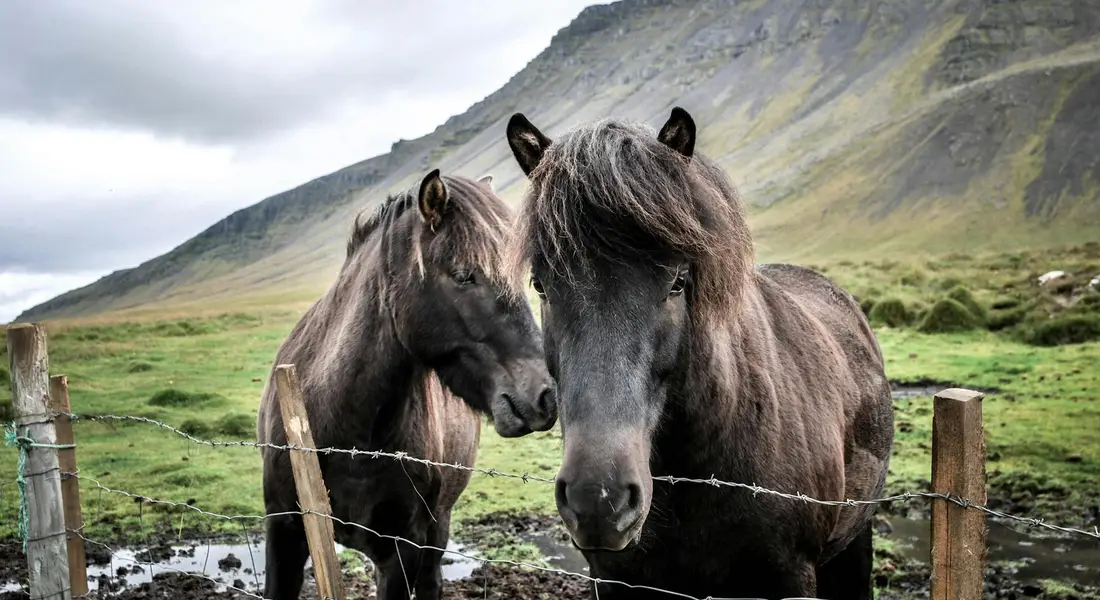
That flashy coat or elegant profile might catch your eye, but true beauty in a horse partnership means matching their needs with your lifestyle. I learned this early on mucking stalls and watching owners struggle. Your dream horse should fit seamlessly into your daily routine, not become a source of constant worry and extra work. Think about the sound of contented munching at dusk and the sight of a horse rolling freely in turnout. That’s a different, deeper kind of beauty.
My quarter horse, Rusty, isn’t the fanciest looker in the barn, but his low-maintenance sorrel coat and steady mind make every day a pleasure. Choosing a companion is less about pedigree and more about predictable care that keeps you both happy and sane. Always prioritize traits like a calm demeanor and hardy constitution over fleeting visual appeal. A temperament guide for matching horse personality with your riding style can be a practical next step.
Common Care Challenges with “High-Maintenance” Lookers
Some breeds turn heads for a reason, but that stunning look often demands meticulous upkeep. Take my sensitive thoroughbred, Luna: her dapple grey coat is gorgeous but shows every speck of dirt and requires careful management to avoid skin issues. That photogenic beauty can mean hours of grooming and specialized feeding just to maintain basic health. The thud of hooves on the trail is worth it, but only if you’re prepared for the work.
Here are typical hurdles with these eye-catching equines:
- Coat and Skin: White markings, grey coats, or fine hair need frequent washing, stain prevention, and fly sheet protection to avoid sunburn or dermatitis.
- Digestive Sensitivity: Many refined breeds have picky metabolisms, requiring precise grain mixes and constant access to high-quality hay to prevent ulcers.
- Exercise Requirements: A high-energy horse bred for performance will develop vices or anxiety without ample turnout and consistent mental stimulation.
- Hoof Quality: Some bloodlines have brittle feet, needing expensive supplements and perfect stall conditions to hold a shoe.
Managing this isn’t impossible, but it requires a plan. Budget extra time for grooming, invest in quality protective gear, and never skimp on their forage-it’s the foundation of both their health and that gleaming coat. I keep Luna on a strict turnout schedule; that freedom to move does more for her shine than any polish.
Adopting Beauty: The Allure of Mustangs and Rescues
Now, let’s talk about a beauty that runs deeper than the surface: the kind you find in a mustang’s wise eyes or a rescue’s grateful nuzzle. Adopting a horse rewrites the definition of beauty, focusing on resilience, character, and the profound bond built through patience. The smell of fresh hay takes on new meaning when you’re watching a once-neglected animal learn to trust again.
Consider my Shetland, Pipin. He was a clever, food-motivated rescue with a cheeky spark. His compact frame and intelligent gaze hold a unique charm. These horses often possess a rugged, functional beauty and a work ethic forged from hard experience. Adopting is a direct commitment to equine welfare, giving a horse a second chance at a good life.
If you’re drawn to this path, here’s how to start:
- Research reputable rescue organizations or Bureau of Land Management adoption events.
- Be brutally honest about your skills. A mustang or trauma-case needs a gentle, confident handler.
- Prepare for a slower start. Build trust through consistent, quiet routines before asking for anything.
- Celebrate small victories. The first time they take a treat gently or stand quietly for the farrier is pure beauty.
Turnout time is non-negotiable for these horses; it allows them to decompress and simply be a horse, which accelerates their healing. Pasture and paddock offer different benefits for recovery and behavior. The right turnout environment can enhance healing and deepen the partnership.
FAQ: What Is the Most Beautiful Horse Breed?
Where can I see pictures of the beautiful horse breeds mentioned?
For high-quality images, breed registry websites and reputable equine magazines are excellent resources. Pinterest and curated social media accounts from equestrian photographers also offer stunning visual catalogs. Always prioritize sources that also provide accurate care information alongside the photos.
Is there a PDF guide with beautiful horse breed names and pictures?
Yes, many breed associations and educational equine websites offer downloadable PDF fact sheets. These guides typically include official breed photos, key characteristics, and origin details. Creating your own personal reference guide by saving images and notes from trusted sites is also a practical option, especially for understanding specific horse breeds and their origins.
Where can I find beautiful free horse photos for personal use?
Websites like Unsplash, Pexels, and Pixabay offer a wide range of high-resolution, royalty-free horse images. Always check the specific license for each photo to ensure proper usage, especially for commercial projects. These sites are ideal for finding artistic shots that capture the beauty of different breeds in natural settings.
The Care Behind the Beauty
A glossy coat and elegant stride are wonderful, but they spring from consistent, mindful husbandry. True beauty is a symptom of wellness, so invest your energy in the fundamentals of ample turnout, a species-appropriate diet, and proactive hoof care above all else.
Every horse, from a steady Quarter Horse like Rusty to a fiery Thoroughbred like Luna, teaches us that beauty deepens with trust. Listen closely to your partner-their comfort and contentment will always be the most striking feature in the barn. Build a strong bond with your horse, and trust grows from patient, consistent care. Let that trust guide your every ride.
Further Reading & Sources
- 10 Prettiest Horses in the World – A-Z Animals
- The Gypsy Vanner. “Most beautiful horse breed I’ …
- The 10 Most Beautiful Horse Breeds In The World | Strathorn Farm Stables
- 10 Most Beautiful Horse Breeds
At Horse and Hay, we are passionate about providing expert guidance on all aspects of horse care, from nutrition to wellness. Our team of equine specialists and veterinarians offer trusted advice on the best foods, supplements, and practices to keep your horse healthy and thriving. Whether you're a seasoned rider or new to equine care, we provide valuable insights into feeding, grooming, and overall well-being to ensure your horse lives its happiest, healthiest life.
Choosing the Right Breed