
Mounting from the Left: The Practical Safety Behind a Timeless Tradition
Hello fellow equestrians! That quiet moment at the mounting block, with the smell of fresh hay and the creak of leather, can suddenly feel complicated if you’ve ever wondered why we always step up from the left. Whether you’re a new rider concerned about safety or an experienced hand troubleshooting a horse that swings its hindquarters away, this question taps right into the heart of practical horsemanship.
I’ll clear up the mystery and give you usable advice, covering the key reasons behind this universal practice. We’ll look at:
- The historical roots in cavalry and everyday tack design that started it all.
- How consistent left-side mounting supports your horse’s training and mental comfort.
- Proven safety techniques to prevent accidents for both rider and equine.
- Smart exceptions to the rule for specific horses or situations.
My years as a barn manager and trainer, filled with mornings teaching gentle mounting to sensitive souls like Luna and patient veterans like Rusty, have shown me how these details build trust and prevent problems.
The Unspoken Rule: Why Left-Side Mounting is Standard
The Foundation of Equestrian Etiquette
Walk into any barn or training yard, and you’ll witness a quiet ballet of riders always approaching their horse’s left flank to get on. This practice is the default in disciplines from dressage to reining, creating a universal script that horse and rider can follow without confusion. I’ve seen it at shows where the announcer calls classes, on busy trails where space is tight, and in every beginner lesson I’ve ever taught. The rule applies in common scenarios that keep our equine partners settled.
- At horse shows, where predictability prevents spooks in crowded warm-up rings.
- On group trail rides, ensuring everyone mounts efficiently without surprising other horses.
- During riding lessons, allowing instructors to give consistent, clear safety cues.
- In everyday barn life, where handling from the left is simply how we communicate “work time.”
This uniformity streamlines communication, turning a simple mount into a clear, calm signal for the horse. My old gelding Rusty would swing his head toward me the moment I stepped to his left, knowing the creak of the saddle and the routine that followed.
How This Routine Aids Horse Handling
Consistency isn’t just for our convenience; it’s a cornerstone of gentle horsemanship that directly reduces equine anxiety. Horses are creatures of habit, and a predictable mounting routine tells them they are safe and that you are a reliable leader. I learned this with Luna, my sensitive Thoroughbred; mounting from her right side once caused a tense dance of confusion, while the left brought a relaxed sigh. This routine offers tangible benefits for the horse’s mental state, especially when dealing with horse anxiety and skittish behavior.
- Predictable cues prevent startle reflexes, making the horse less likely to shift or move away.
- A calmer demeanor during tack-up and mounting, which carries over into the ride.
- Builds trust through repetition, reinforcing that your actions are non-threatening.
- Minimizes daily stress, which is crucial for overall equine welfare and turnout readiness.
Sticking to the left side is a small kindness that pays off in a more willing partner. Think of it as speaking your horse’s native language, avoiding the mental friction of mixed signals.
A Slice of History: Where This Tradition Began
From Battlefield to Barnyard
The reason we mount from the left is a direct hand-me-down from centuries of military cavalry. Historically, a soldier’s sword was worn on the left hip, so swinging a leg over from the right side would be a dangerous, clumsy tangling of steel and steed. Mounting from the left kept the weapon out of the way, allowing for a swift, clean ascent into the saddle-a matter of life and death on the battlefield. This practical origin is rooted in a few key points about ancient horsemanship.
- Most soldiers were right-handed, leading them to carry their heavy swords on the left side for a cross-body draw.
- Mounting from the left prevented the sword’s scabbard from hitting the horse’s flank or the rider’s leg.
- It allowed the rider’s right (or weapon) hand to remain free to manage the reins or a shield.
- This method became standardized in military training manuals, which then influenced all civilian riding.
The thud of hooves in formation required absolute uniformity, and this habit stuck. That military efficiency forged a tradition that outlasted the battlefield itself.
Why the Tradition Stuck in Modern Horsemanship
Old habits die hard, especially when they are reinforced by the very tools we use. Modern tack design and training curricula have perpetuated the left-side standard, making it the path of least resistance for generations. Saddles are often billeted and girthed from the left first, and horses are trained from the ground on that side. I even fit my saddles starting on the left, checking for clearance and balance before moving to the right. This historical habit cemented itself through several channels.
Training manuals for every discipline, from hunters to Western pleasure, consistently illustrate and describe left-side mounting. This creates a self-fulfilling cycle where instructors teach it, so horses learn it, and then riders must follow it. Tack like stirrup leathers and billet straps are broken in from consistent left-side use, and many horses develop a slight muscular memory that makes mounting from the other side feel odd to them. The tradition stuck because it works, creating a universal shorthand that keeps both horse and human safe in a world far removed from ancient cavalry charges.
Beyond Habit: The Safety Logic of Left-Side Mounting
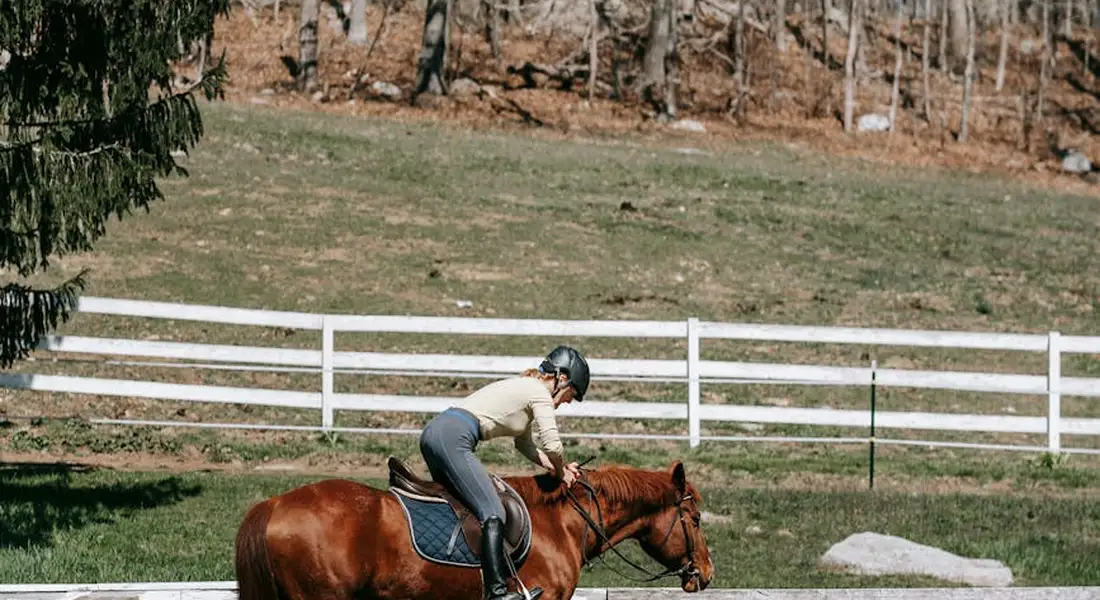
Equipment Designed for the Left Approach
Your tack expects you from the port side. I’ve lost count of the saddles I’ve cleaned and adjusted, and their design consistently favors a left-side mount. The billet straps, which hold the girth, are often positioned and angled with the left-side approach in mind, creating a smoother pull that doesn’t twist the saddle pad. Checking this alignment is a five-second habit that prevents saddle slip and discomfort for your horse, and it’s a crucial step in properly saddling a horse.
Look at your stirrup leathers. They are typically run through the saddle’s tree bars in a way that lets the left iron hang freely for you to catch, while the right might be tucked up. This isn’t random. It’s engineering for efficiency and safety. A saddle set for the left allows for a stable, predictable platform as you put your weight in the stirrup.
Before you swing up, do a quick gear check. Run your hand down these points:
- Billet strap alignment: The left-side straps should lie flat, not twisted, against the horse’s barrel.
- Stirrup placement: The left iron should be at a consistent length and hanging straight down from the saddle.
- Girth buckle position: The left-side buckles are often slightly forward, making them easier to reach and tighten from that side.
- Saddle pad symmetry: Ensure it’s not pulled more to one side, which can create pressure points.
My old reliable, Rusty, will stand like a statue for a left-side mount, but if the pad is bunched, he’ll let out a sigh that speaks volumes. Listening to those subtle cues is what keeps partnership honest.
Secure Rider Position and Balance
Your body is part of the system. Mounting from the left aligns with most riders’ natural dominance and the horse’s training, creating a fluid motion. You face the horse’s flank, which gives you a clear view of their posture and a stable plane to push off from. This position lets you use your leg strength effectively instead of just hauling yourself up with your arms.
The biomechanics are simple. Your left foot enters the iron, your weight transfers smoothly, and your right leg clears the cantle without kicking the horse’s hindquarters. It’s a dance step both of you know. This is how you lead and steer your horse with calm, precise cues. With practice, you’ll learn to guide your horse smoothly and confidently through every step. Here’s how to lead it safely:
- Stand facing your horse’s left side, near their shoulder. Hold the reins in your left hand and a bit of mane or the saddle’s neck for stability.
- Place your left foot securely in the stirrup. Turn your toe downward so it doesn’t poke the horse’s rib.
- Bounce on your right foot once, then spring up, keeping your body close to the saddle. Don’t pull on the cantle; it can twist the tree.
- Swing your right leg gently over, and lower yourself into the seat. Avoid plopping down-think of settling, not collapsing.
- Immediately place your right foot in its stirrup and gather your reins. Praise your horse for standing quiet.
With a sensitive soul like Luna, a jerky mount can set the tone for a nervous ride. A calm, balanced mount tells your horse, “We’re a team,” before you even ask for the first step.
Breaking the Mold: When Mounting from the Right is Okay
Common Exceptions for Horse and Rider Safety
Blind tradition serves no one, especially not the horse. There are clear times when insisting on the left is more about ego than equine welfare. I’ve had to mount from the right more than once, and each time it was for a practical, safety-first reason. Adapting to your horse’s needs is a sign of skilled horsemanship, not a broken rule.
Consider these scenarios where the right side becomes the smart side:
- Left-side injury or soreness: A horse with a sore shoulder, splint, or tender girth area on the left deserves a break from that pressure.
- Uneven or hazardous footing: If the left side of the mounting block is on a slope or near a fence, using the right side prevents a dangerous slip.
- Essential training exercise: Teaching a horse to accept mounting from both sides promotes flexibility and reduces spookiness.
- Rider injury or limitation: A rider with a knee or hip issue on one side may find mounting from the right far more stable.
- Trailside necessity: When dismounted on a narrow path with a drop-off on the left, using the right side is simply common sense.
My cheeky pony, Pipin, once had a minor abscess on his left heel. Mounting from the right for a week kept him comfortable and willing, which is the entire point.
Assessing Your Horse’s Condition and Environment
Don’t just default to a side. Pause and read the situation. This quick mental checklist takes seconds but builds a lifetime of trust. Start by running your hands over your horse’s left side, feeling for heat, tension, or flinching. Your touch is the first diagnostic tool you have, and it’s always available. This practice helps you spot early signs of illness or injury in your horse, giving you a chance to act before problems worsen. Trust your hands — they guide timely care.
Next, scan the ground. Is it level and firm where you stand? Is your mounting block solid? Now, look at your tack. Is the saddle sitting evenly without pinching? Finally, check your horse’s demeanor. Are their ears relaxed, or are they tense and anticipating discomfort? A horse that sidesteps away from the mounting block is often telling you something hurts.
Here’s your go-to evaluation list. If you answer “no” to any, consider the right side:
- Is the horse free from soreness or sensitivity on the left flank, shoulder, and girth area?
- Is the footing stable, level, and clear of obstacles on the left side?
- Is the saddle centered and balanced, with no uneven pressure points?
- Is the horse standing calmly and squared up, not leaning away?
Gentle horsemanship means the rulebook is written in pencil, not stone. Your priority is always the comfort and confidence of the animal standing beside you.
Building a Versatile Partner: Training for Bilateral Mounting

Teaching your horse to be mounted from either side isn’t about discarding tradition; it’s about building a more confident, resilient, and safer equine partner. This skill turns a potential spook into a non-event, which is the ultimate goal for any trail rider or barn manager who values predictability. I’ve found horses like Pipin, the clever escape artist, actually thrive on this kind of mental gymnastics—it channels their intelligence into productive work when combined with proper training and conditioning.
Laying the Groundwork for Confidence
Before you ever think about swinging a leg over the right side, you must build a foundation of trust on the ground. Rushing will backfire. The entire process is governed by your horse’s comfort level, not your timeline for checking a task off a list. Your patience here pays off in spades later, especially with sensitive souls like my Thoroughbred, Luna, who needed extra time to process each new step.
Guidance: Outline preliminary steps: desensitizing the horse to touch on both sides, using a mounting block. Stress a slow, patient development.
Start with your normal grooming and tacking routine, but become deliberately bilateral. Spend extra time running your hands, the brush, and the saddle pad over his entire right side, from flank to shoulder. Listen for the subtle sign of acceptance: a deep sigh, a lowering head, or a soft lick of the lips tells you he’s relaxed and not just tolerating pressure.
Introduce the mounting block on his familiar left side until he stands perfectly still, then slowly walk it around his front and let him inspect it near his right shoulder. The goal is to make the block itself a neutral piece of “street furniture” in his world. Always position your mounting block on firm, level footing to prevent any scary shifts or wobbles as you introduce new concepts.
Step-by-Step Guide to Introducing the Right Side
This is where we translate that groundwork into action. Keep sessions short, sweet, and successful-five positive minutes are better than twenty fraught ones. Have some of Pipin’s favorite treats in your pocket; food motivation is a powerful tool for a willing attitude.
Guidance: Provide a clear, numbered step process for training. Include handling the stirrup, leaning weight, and full mounting. Highlight safety and positive reinforcement.
- Stand and Reach: With your horse calmly standing at the block on his RIGHT side, gently run your right hand down the saddle. Lift the right stirrup leather and let the iron tap softly against his belly. Reward him for standing still. This gets him used to the new sound and feel from this unfamiliar angle.
- Weight in the Stirrup: Face the saddle, place your left foot in the right stirrup, and lean your weight over the seat without attempting to swing your leg. Bounce gently, then release. The key is to make this weight transfer a boring, repetitive part of the routine that doesn’t lead to mounting every single time. This builds immense trust.
- The Partial Mount: When step two is solid, lean over and drape your belly across the saddle. Pat your horse on his far side, talk to him, then carefully disengage and step down. You’re now completely over his back, which is a major milestone.
- The Full Mount: Only proceed here if your horse is a statue for the previous steps. Execute a normal mounting motion from the right side, but settle into the saddle gently. Sit for a moment, give lavish praise and a treat, then immediately dismount on the same right side. Your first several full mounts from the right should be “mount and dismount” drills, not cueing to walk off, to reinforce that standing still is the desired behavior.
- Integrate and Alternate: Once he’s proficient, start alternating sides randomly. Make it a game. This cures the “one-sided” mentality for good and proves you’re a fair and predictable rider.
For ultimate safety, I insist my horses ground tie for all mounting block work; a dropped rein shouldn’t mean a wandering horse, especially when you’re leaning across the saddle from the “wrong” side. This training, done right, doesn’t just teach a trick-it forges a deeper, more communicative partnership based on mutual understanding rather than rigid routine.
Why You Mount a Horse from the Left Side: Understanding Tradition and Safety – FAQ
What is the historical reason for mounting from the left?
The tradition stems directly from military cavalry practices. Soldiers, who were typically right-handed, wore their swords on the left hip to facilitate a cross-body draw. Mounting from the left prevented the weapon from tangling with the horse or rider, allowing for a swift and safe ascent into the saddle.
How does mounting from the left relate to safety?
Modern tack is often designed and broken in with a left-side approach in mind, providing a more stable and predictable platform. This consistency helps prevent the saddle from twisting during the mount, which protects the horse’s back and ensures rider balance. A routine left-side mount also aligns with the horse’s training, minimizing sudden movements or spooks.
Are there exceptions to mounting from the left?
Yes, skilled horsemanship involves adapting for the well-being of both horse and rider. Common exceptions include a horse having a left-side injury or soreness, hazardous footing on the left, or a rider’s physical limitation. The primary rule is always safety and comfort, not blind adherence to tradition.
Ride Safe
The tradition of mounting from the left is a fantastic default for safety and consistency. For true equine welfare, spend time training your horse to accept a rider from both sides to ensure their long-term soundness and your safety in any situation. This is one of the many essential skills covered for beginners learning to ride.
Take it slow and make it positive, with plenty of praise and patience. Your horse’s comfort and confidence are the final, most important measure of your horsemanship. Remember, even small mistakes can undermine your horse’s confidence.
Further Reading & Sources
- Majestic Left Side Mounting Kit – Safety Pilot – LMK-SP – Northline Express
- Left Side Mounting Bracket – Safety Products – Evangeline Specialties
- WTF? (why the frame?)- Slide mounted levers vs. frame mounted levers [Archive] – pistol-forum.com
- Manual Safety Install – left side only | SIG Talk
At Horse and Hay, we are passionate about providing expert guidance on all aspects of horse care, from nutrition to wellness. Our team of equine specialists and veterinarians offer trusted advice on the best foods, supplements, and practices to keep your horse healthy and thriving. Whether you're a seasoned rider or new to equine care, we provide valuable insights into feeding, grooming, and overall well-being to ensure your horse lives its happiest, healthiest life.
Equipment