
7 Beginner Horse Training Mistakes That Create Lifelong Behavioral Problems
Hello fellow equestrians. Does your horse brace against the bit or shut down when you pick up a lead rope? That resistance often starts with a few well-meaning but incorrect training choices made early on.
Watching a simple head-tossing habit evolve into a dangerous rear is a gut-punch-it threatens your safety and leads to expensive calls for the vet or behaviorist.
I will guide you through fixing the seven most common errors I see in the barn every season. We will cover inconsistent daily cues that confuse your horse, rushing the relationship before trust is built, skipping fundamental groundwork, missing subtle signs of pain or discomfort, using punishment instead of clear communication, neglecting systematic desensitization, and accidentally rewarding the very behavior you want to stop.
My years managing a busy barn and training everything from off-track Thoroughbreds to clever ponies have given me a front-row seat to how these patterns start-and how to prevent them.
Why Good Intentions Aren’t Enough: The Foundation of Safe Training
You love your horse. You want the best for them. But in the quiet routine of daily care, the foundation for future problems is often laid, not with malice, but with a simple lack of consistency. Good intentions must be backed by a clear, predictable framework that your horse can understand, or you are teaching confusion by accident. Understanding equine behavior is crucial because behavior is the only indicator of how a horse interprets its world.
Mistake 1: Inconsistent Rules and Handling
This is the silent killer of good behavior and the number one issue I see in well-meaning barns. It’s not about being a drill sergeant; it’s about being a reliable leader your horse can trust.
The Domino Effect of Mixed Signals
Think of your horse’s mind like a simple computer: it learns through cause and effect. If the effect is random, the behavior becomes random. Here’s how the dominoes fall.
One day you let your horse crowd you at the gate for a carrot. The next day you’re in a hurry and push him away. He is not being “naughty” later when he barges through-he’s testing which rule is in play today. Every time you allow an unwanted behavior “just this once,” you are not being nice; you are resetting the training clock back to zero. I learned this the hard way with Pipin, our Shetland. Letting him nibble my sleeve “because it’s cute” quickly taught him that all clothing was edible, a dangerous game with a 1000-pound animal.
This inconsistency creates anxiety. A horse never knows what to expect, so they become tense, anticipatory, or pushy. Luna, our sensitive Thoroughbred, would startle and spin if one person clipped her quietly and the next approached with sudden movements. Her “spookiness” was a direct result of unpredictable handling.
The Daily Rituals Where Consistency Matters Most
- Space Invaders: Do you allow leaning in the cross-ties? Do you move your feet when they push into your space? Your body position is your most powerful tool. Stand your ground.
- Treat Protocol: Hand-fed from the palm always, or only in a feed tub? Throwing treats over the fence teaches mugging. I keep treats for Rusty in a bucket at his stall door, so he learns to wait there, not on top of me.
- Grooming & Tacking: Do you tolerate tail-swishing during hoof picking one day but scold the next? Be clear about standing quietly for care. It’s a safety issue.
- Gate & Door Manners: The most critical for safety. Do you always make them stop and wait before walking through any threshold? This single habit prevents bolting.
The rule is simple: Decide what your boundaries are, communicate them with calm clarity, and then uphold them every single time, no matter your mood or the time of day. Your horse will relax, knowing what you ask is what you mean. That predictability is the bedrock of trust and the first step in preventing lifelong behavioral issues. Think of yourself as a calm, assertive leader for your anxious horse. That stance reinforces your guidance and steadies your horse in tense moments.
Mistake 2: Ignoring the Clock: Poor Timing of Pressure and Release
The One-Second Rule for Clear Communication
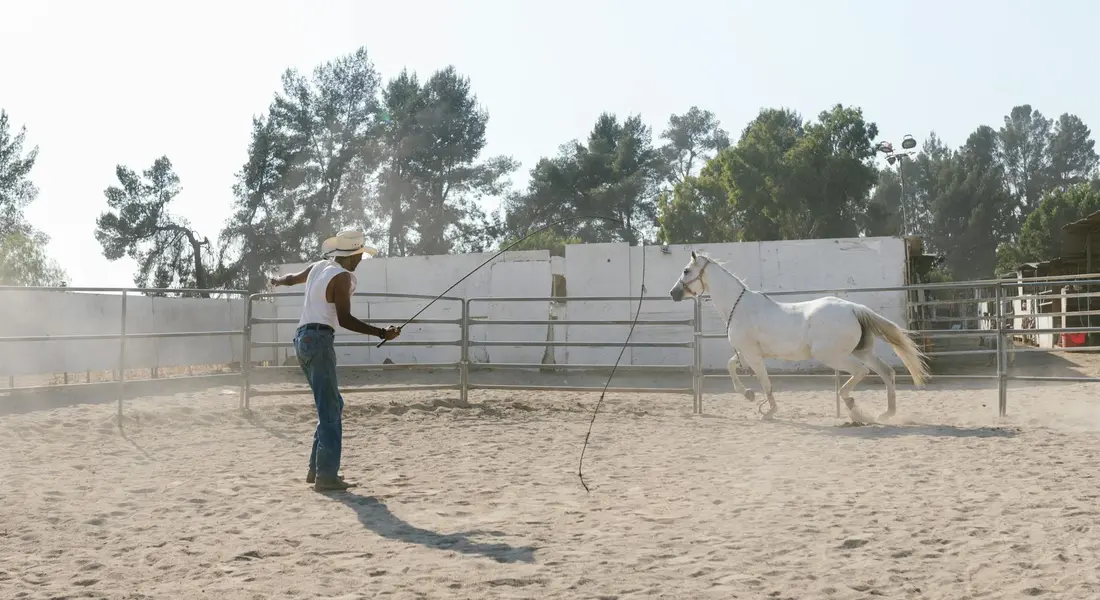
Think of pressure and release like a conversation with your horse. You ask a question with pressure, and they answer with movement. If you talk over them or miss their reply, the conversation breaks down. Poor timing is the fastest way to teach your horse that trying doesn’t pay, and that confusion leads to stubbornness, rushing, or shutting down. I still cringe remembering a session with young Luna where my sluggish release after she yielded to leg pressure taught her to brace against me instead of move freely.
Your release of pressure is the reward. It tells the horse, “Yes, that exact thing you just did is what I wanted.” The marker needs to be instant. Apply the “one-second rule”: the moment you feel the slightest try or see the correct movement, release all pressure immediately, ideally within a single second. This clarity builds trust and makes training logical for the horse.
Here is a simple drill to sharpen your timing at the halt:
- Stand facing your horse’s shoulder, applying light, steady pressure on the lead rope to ask them to step over.
- The millisecond you feel their weight shift or see a foot begin to move, drop all pressure completely.
- Pair the release with a soft voice praise or a scratch. Wait a full three seconds before asking again.
Common timing errors I see every week in the barn include holding pressure “just to be sure,” releasing in phases, or rewarding the wrong thing. A late release teaches the horse that the correct response is to keep moving past where you wanted, which is how you create horses that lean on your hands or blow through your aids. Your horse’s brain is a supercomputer for cause and effect; make sure you’re programming the right software.
Mistake 3: Reading the Whispers: Misunderstanding Horse Body Language
Horses shout with their bodies, but in a language of subtle shifts. Misreading a pinned ear as stubbornness or a head toss as disobedience, when they’re actually signals of pain or confusion, creates behavioral ghosts that are hard to banish. Learning to see the whispers before they become screams is the cornerstone of gentle, effective horsemanship and critical for equine welfare. By learning to converse with horses and read their signals, we build better communication. This ongoing dialogue builds trust and smoother cooperation. Pipin the pony taught me this by escaping his stall repeatedly; I was frustrated until I saw his constant pacing and realized his “cheeky” behavior was stress from insufficient turnout.
Your horse is communicating every second. Here are key whispers beginners often miss:
- The Tension Triangle: Watch the muscles between the eye, ear, and nostril. Tightness here often shows anxiety or discomfort long before a head toss or swish.
- Tail Swishing (when not fly-related): A stiff, rhythmic swish during work, especially under saddle, is a major sign of irritation or pain, not just “attitude.”
- Weight Distribution: A horse standing with hind legs camped under or repeatedly lifting a front foot at the mounting block isn’t being lazy. They’re often signaling back or hoof discomfort.
To practice, spend ten minutes a day just observing your horse in the field. Turnout time is not just for physical health; it’s your best classroom for seeing natural herd dynamics and relaxed body language, which gives you a baseline to spot stress or anxiety. It’s essential to understand their body language to tell if they’re truly happy. Note the soft eye, the low head carriage, the easy swish of a content tail. Compare that to the pinned ears and clamped tail of a horse defending hay. This daily study makes you fluent. When you start to see the whispers, you can adjust your tack, your ask, or call the vet before a small issue becomes a dangerous habit.
Mistake 4: Skipping the Schoolroom: Neglecting Groundwork Fundamentals
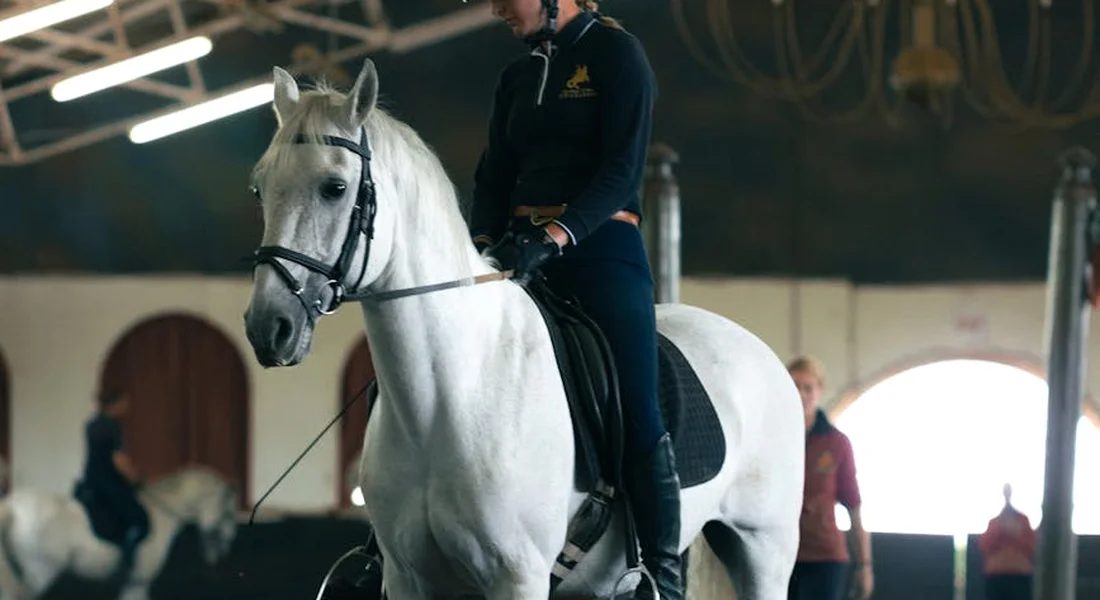
I see it too often: a keen new owner, saddle pad in hand, heading straight for the stall. The horse is an afterthought, a vehicle to be mounted. This skips the most important conversation you’ll ever have. Groundwork isn’t just “leading practice”; it’s the shared language you build before a single hoof hits the trail. Every issue you see under saddle has its roots on the ground, and fixing it there is safer, clearer, and builds lasting trust.
Think of it like this. Would you get into a car with a stranger who doesn’t speak your language, then be surprised when they don’t understand “turn left”? Your horse needs to learn your cues, your pressure, and your release in a calm, controlled environment. The soft thud of hooves on the gravel driveway during a lesson is a far better sound than the nervous stomping in the crossties because you skipped this step.
Three Foundational Groundwork Lessons Every Horse Needs
Start here, in the quiet of the arena or even the paddock. Have a halter, a long lead, and a pocketful of patience. These aren’t one-time tricks; they are daily check-ins.
-
Respect for Personal Space (The Bubble)
Your horse must understand where your space is and move their feet to respect it. Stand at their shoulder, apply gentle pressure to the lead rope, and ask them to step their hindquarters away. Release instantly when they move. This simple exercise teaches them to yield to pressure politely, a skill that prevents them from crowding, stepping on you, or swinging their hindquarters into your space. My gelding, Rusty, is a saint, but even he gets lazy; a daily “move your hips” reminder keeps us both safe.
-
Forward, Stop, and Back-Up from Light Pressure
This is your basic steering and brakes. From a walk, a slight squeeze on the lead should mean “go.” A gentle backwards pressure on the lead means “whoa.” A firmer, rhythmic pressure asks for a back-up. The magic isn’t in the pull, but in the immediate release of pressure the moment they try. This is how you teach “softness.” Luna, my sensitive Thoroughbred, taught me that a feather-light suggestion works better than a firm request.
-
Desensitization to Life’s Scary Things
This isn’t about flooding them with fear. It’s about introducing novel objects-a tarp, a balloon, a flapping coat-with calm persistence. Let them sniff. Then, rub them with it. Start on their confident neck, not their nervous face. The goal is a bored sigh, not forced stillness; you want them to learn that strange things are harmless because you say they are. Pipin the pony used to spook at his own shadow, but now he’ll stand while I rustle plastic bags near his feet, all because we took the time on the ground.
Mistake 5: The Moving Goalpost: Unclear or Shifting Boundaries
Inconsistency is the ultimate trust-killer. It makes you unpredictable, and for a prey animal, unpredictable is dangerous. If jumping on you for treats is cute on Tuesday but gets a scolding on Friday, you haven’t taught your horse a rule-you’ve taught them that your moods are confusing and scary. I learned this the hard way by being lax about nipping during grooming; it took months to undo that fuzzy boundary.
Horses crave clear, black-and-white rules. It’s not about being harsh; it’s about being a reliable, steadfast leader. The rules you set for handling, feeding, and behavior must be the same every single time, from every single person. That creak of the feed room door should signal calm anticipation, not a frantic, pushy stampede.
Here are common areas where boundaries get fuzzy:
- Feeding Time: Do they mug you at the gate, or do they wait patiently until the bucket hits the ground? One method teaches manners; the other teaches mugging.
- Personal Space in the Stall: Are they allowed to turn their hindquarters to you while you muck, or do they always move over when you enter their space? Allowing it sometimes makes it a dangerous habit.
- Ground Tying: Does “whoa” mean “stand still until I return” or “stand still until you get bored”? If the rule isn’t absolute, the command is meaningless.
- Treat Giving: Hand-feeding from pockets creates nippers. Always place treats in a bucket or feed tub; this separates food rewards from your fingers and teaches patience.
Mistake 6: Letting Emotions Take the Reins: Reacting Instead of Responding
Your horse is not being “bad.” Your horse is having a conversation. When you react with immediate frustration or anger, you’re speaking a language of conflict they understand all too well. I learned this the hard way with Luna, my sensitive Thoroughbred. A slammed door would send her spinning, and my initial, tense grip on the lead rope only confirmed her belief that the world was indeed ending.
Horses are masters of biofeedback. They feel the quickening of your pulse through the reins, the stiffening of your posture in the saddle, the sharp intake of your breath. Your primary job as a trainer is to be the calm, consistent center of the universe, especially when their world feels chaotic. Reacting is emotional and instant; responding is thoughtful and deliberate.
The Barn Manager’s Guide to De-escalation
When the energy spikes, your first action should be to regulate your own system. Breathe out longer than you breathe in. Soften your eyes and your jaw. This isn’t mystical-it’s physiological communication.
- Hit Pause, Not Punishment: If Pipin snatches at the cross-ties or Rusty plants his feet, don’t yell or jerk. Simply stop. Ask for one simple, quiet thing-a step back, a head lower. Reward the slightest try. You’re interrupting the pattern.
- Find the “Why” Behind the “What”: Is the horse fresh from two days in a stall? Scared of a new tarp? In discomfort from poor saddle fit? A “behavioral issue” is often a symptom, not the disease.
- The 10-Second Rule: Before you correct, count to ten in your head. Use that time to assess. This tiny gap transforms a reaction into a response. It moves you from adversary to leader.
I keep a halter and lead rope by every stall, not just for convenience, but as a reminder. That leather is a tool for connection, not a weapon for correction. The thud of hooves moving willingly beside you is a greater victory than any show ring ribbon.
Mistake 7: The Marathon Sprint: Rushing the Training Process
We live in a world of instant results, but horses operate on pastoral time. You cannot download trust. Rushing creates fragile horses. It’s like building a barn on a foundation of sand-it looks complete, but the first storm reveals the weakness.
True training is the accumulation of hundreds of tiny, successful conversations. It’s the daily ritual of quiet grooming, the patient repetition of yielding a hindquarter, the consistency of feed time. Rushing skips the relationship to check off the skill, and that debt always comes due with interest.
Building a Timeline for Trust, Not Just Tasks
Forget arbitrary deadlines like “must canter under saddle in 30 days.” Your timeline should be based on the horse’s confidence, not the calendar. Break every large goal into microscopic steps.
For example, loading onto a trailer isn’t one task. It’s a sequence of a hundred:
- Walking past the parked trailer calmly.
- Sniffing the ramp.
- Placing one foot on the ramp for a treat.
- Standing with two feet on.
- Backing off calmly.
Any step can be the day’s victory. Some days, the win is simply ending on a good note and putting the horse away happy.
| Phase | Focus | What Success Looks Like |
|---|---|---|
| Foundation (Weeks 1-4+) | Safety, Handling, Bonding | Horse leads, ties, picks up feet, accepts grooming and blankets calmly. Sees you as a source of security. |
| Introduction (Month 2-4+) | Desensitization, Basic Pressure | Acceptance of saddle pad, girth, rope around legs. Understanding of “move away from pressure” for yield exercises. |
| Development (Months 4-12+) | First Rides, Consolidation | Quiet acceptance of weight in stirrup, then rider. Establishing clear walk-halt-walk transitions in a controlled space. |
The smell of fresh hay and the quiet content of a chewing horse are the cornerstones of a solid mind. A horse that trusts the process will try for you when things get hard. They won’t panic because you’ve never given them a reason to. This patience is the ultimate act of gentle horsemanship, and it builds a partnership that lasts a lifetime. It’s not something that happens overnight, but with consistent care and effort.
Turning Mistakes Into Breakthroughs: The Path to a Willing Partner
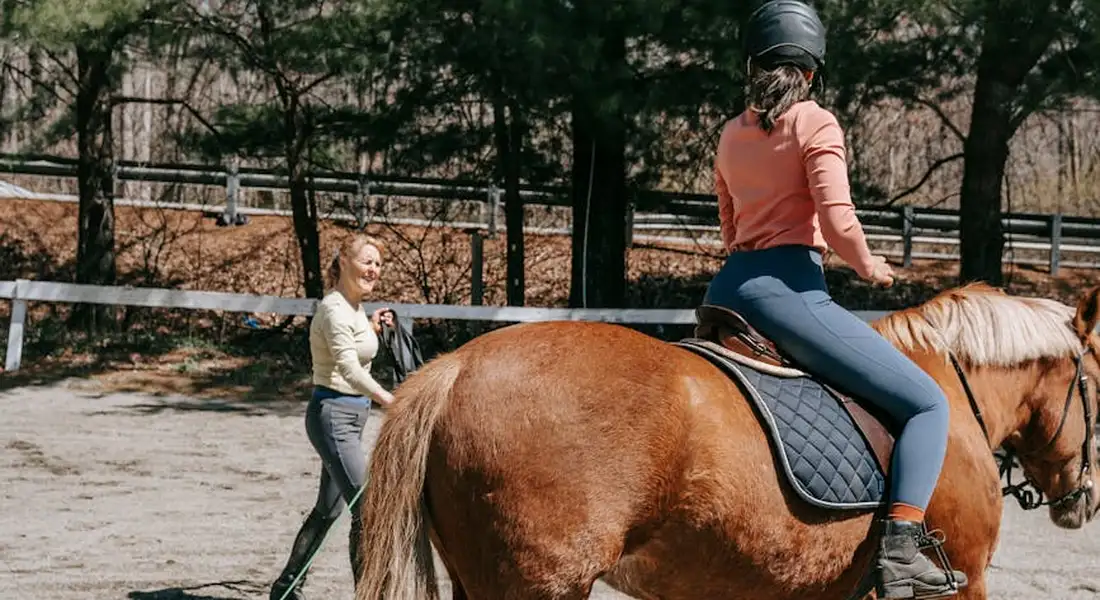
I remember the first time I rushed Pipin’s deworming, turning a simple task into a head-tossing battle that lasted weeks. My mistake wasn’t the tube of paste; it was my haste. Every training error is a conversation you didn’t listen to, and the real breakthrough starts when you apologize with your patience. Your horse isn’t giving you a hard time; they’re having a hard time, and your job is to figure out why.
Shift From Correction to Connection
When Luna spooks at a flapping tarp, your instinct might be to hold her tighter or correct the movement. I’ve done it. This often teaches the horse that the scary thing *and* your reaction are both threats. Instead, turn a reactive moment into a training opportunity by asking for a simple, familiar task like a soft head lower or a step back. This redirects their brain from fear to focus, rebuilding confidence in your leadership.
Here’s how to reframe common missteps:
- Mistake: Repeating a cue louder when ignored.
- Breakthrough: Ask once, then gently make the right idea easy and the wrong idea difficult through body pressure, not force.
- Mistake: Ending a session on a negative note after a fight.
- Breakthrough: Find one tiny thing they did right-a single calm breath-and reward that before you put them away.
- Mistake: Using tack or equipment to restrain a behavior.
- Breakthrough: Address the root cause, which is often anxiety or confusion, through groundwork and desensitization.
Build Trust Through Daily Rituals
Training isn’t just the 30 minutes in the arena; it’s every interaction. Rusty taught me that trust is built in the quiet moments-the way you approach in the field, the rhythm of your grooming, the predictability of dinner. Ongoing time commitments—daily grooming, turnout, and checks—keep that trust alive. Consistency in your daily care is the bedrock of a willing partnership, turning you from a commander into a safe harbor. Horses thrive on predictable patterns, which reduces their stress and prevents defensiveness from taking root.
Implement these stable hacks to build rapport:
- Spend five minutes of non-demanding companionship at turnout each day. Just stand there.
- Handle all four feet every time you see your horse, even if you just pick and set them down.
- Feed treats from a bucket, not your hand, to discourage mugging while still rewarding.
When to Press Pause and Reset
You’ll hit days where frustration boils over. The smell of fresh hay is suddenly overpowered by your own sweat, and the thud of a resistant hoof makes your jaw clench. The most powerful tool you have is the ability to stop, untack, and go for a quiet hand-grazing walk. This isn’t quitting; it’s strategic compassion. It tells your horse that working with you is not about conflict, preserving their mental soundness for a lifetime.
I once spent a whole week just sitting on a mounting block with Luna after a saddling drama. No riding, no pressure. By Friday, she was sighing and resting a hind leg. The breakthrough wasn’t a perfect mount; it was the visible relaxation in her shoulders. Your goal is a thinking partner, not a performing robot, and that requires valuing the quiet steps as much as the grand gestures.
Frequently Asked Questions: 7 Beginner Horse Training Mistakes
What are the 7 beginner horse training mistakes that create lifelong behavioral problems?
The seven foundational mistakes are inconsistent rules and handling, poor timing of pressure and release, misunderstanding horse body language, neglecting groundwork fundamentals, setting unclear or shifting boundaries, reacting emotionally instead of responding thoughtfully, and rushing the overall training process. Each error undermines trust and clarity, teaching the horse confusion or anxiety instead of willing partnership. Addressing these areas proactively, especially in light of common mistakes that break your horse’s trust, prevents issues like barging, spooking, and resistance from becoming permanent.
How does inconsistent handling affect a horse’s behavior long-term?
Inconsistent handling creates anxiety and unpredictability, making a horse tense, pushy, or defensive. When a horse cannot rely on the same response to its actions every time, it learns to test boundaries constantly, leading to dangerous behaviors like crowding or bolting. This erodes the trust required for safe training, as the horse sees its handler as an unreliable leader rather than a source of security. It’s one of those mistakes that can really undermine your horse’s confidence.
Why is rushing the training process considered a major mistake?
Rushing prioritizes checking off skills over building a relationship, creating a fragile foundation that cracks under pressure. It skips the essential, incremental conversations that teach a horse to trust the process and look to you for guidance when challenged. This approach often leads to setbacks, fear-based reactions, and a partner who is mentally unprepared for the demands placed upon it.
Steady Hands, Steady Progress
Correcting common errors means prioritizing consistent, pressure-and-release cues over confusion or force. Skipping foundational groundwork to advance quickly often plants the seeds for evasions like barging or spooking that are far harder to fix later.
Training is a dialogue, and your horse is always speaking through his posture and expressions. True horsemanship means putting his confidence and comfort first, ensuring every session strengthens your bond and helps him learn effectively. How do horses learn? Understanding the principles of equine training and conditioning is essential for successful communication.
Further Reading & Sources
- 5 Horse Training Mistakes You’re Making & Need to Avoid
- Common Horse Training Mistakes – Horse Illustrated
- What are some common mistakes people make when training their first horse? Can you offer any advice on how to avoid these mistakes? – Quora
- Six Common Mistakes Made By Beginner Horse Riders And Their Friends
At Horse and Hay, we are passionate about providing expert guidance on all aspects of horse care, from nutrition to wellness. Our team of equine specialists and veterinarians offer trusted advice on the best foods, supplements, and practices to keep your horse healthy and thriving. Whether you're a seasoned rider or new to equine care, we provide valuable insights into feeding, grooming, and overall well-being to ensure your horse lives its happiest, healthiest life.
Behavior