
Why Do Horses Roll? Understanding and Assessing This Normal Behavior
Hello fellow equestrians! Spotting your horse in a full, grunting roll in the middle of the paddock can instantly spark a wave of questions. Is this a sign of playful contentment or a silent scream of pain that could lead to a colic scare and vet bills?
We’re going to demystify that dusty display right now. In this guide, we’ll walk through the key reasons for this behavior so you can confidently know what’s normal and what needs action:
- The everyday, harmless explanations like scratching a hard-to-reach itch or drying a sweaty coat.
- How rolling acts as a social signal and a sign of pure relaxation in the herd.
- The critical difference between a happy roll and a roll that warns of colic or discomfort.
- Immediate, practical steps to take if you’re ever concerned about your horse’s rolling.
I’ve managed barns and trained horses for years, spending countless afternoons observing my own geldings like Rusty roll with joy after a long trail ride-that lived experience is what I share with you.
The Simple Joy of a Good Roll: Understanding Normal Equine Behavior
Watch a horse roll in the paddock, and you are seeing pure, unscripted contentment. That full-body flop and joyful grunt is a cornerstone of natural behavior. Allowing your horse regular turnout to roll is not a luxury; it is a non-negotiable pillar of their mental and physical health. I’ve lost count of the afternoons spent leaning on the fence, smiling as Rusty lets out a satisfied sigh before heaving himself over for a good, thorough grind. That balance—keeping a horse active without fatigue—frames the good horse, tired horse conversation. It also ties into the five turnout myths we debunk about exercise and turnout.
Itching Relief and Skin Health
A horse’s back is a vast landscape they simply cannot scratch. Rolling is their built-in back scratcher. It dislodges dead skin, loose hair, and dried sweat that can irritate. Think of a roll as your horse’s way of giving themselves a deep, satisfying exfoliation from withers to tail. After a sweaty trail ride, I always turn Rusty out; his immediate roll in a sandy spot is his way of saying “ahhh” and preventing itchy sweat patches.
This action also helps distribute natural oils across their coat for waterproofing and shine. For skin health, regular rolling can be more effective than constant brushing.
- Targets hard-to-reach spots like the spine, shoulders, and belly.
- Removes pesky dander and environmental allergens stuck to the coat.
- Stimulates blood flow to the skin, promoting a healthier hair follicle.
Muscle Relaxation and Joint Flexibility
That dramatic flop onto the ground and subsequent rocking motion is a full-body stretch. It loosens tight backs, flexes the spine, and mobilizes stiff joints. Rolling is akin to your horse doing their own version of yoga, releasing tension after work or a long stand in the stall. I watch my thoroughbred, Luna, roll meticulously after a training session; it is her cool-down ritual.
The motion encourages synovial fluid to circulate in the joints, which is vital for mobility, especially in older horses. It stretches the longissimus dorsi muscle along the back, a common area for soreness.
- The horse lowers itself with a controlled bend, engaging core muscles.
- The sideways rock massages and stretches the entire torso.
- The push back up to standing engages the hindquarters and abdomen.
Social Signals and Communication
In a herd, rolling is rarely a private affair. It is a social signal. A horse rolling comfortably in the open communicates a sense of safety and relaxation to the others. When your horse rolls in their pasture, they are often leaving their scent on the ground, creating a familiar, comforting marker in their environment. Our Shetland, Pipin, will often roll in a particular spot after breakfast, essentially staking his claim on the sunniest corner of the paddock.
This scent marking is a low-stakes form of communication. Other horses may sniff the spot or even roll over it themselves, mingling scents and reinforcing herd bonds.
- Signals non-aggressive presence and contentment to pasture mates.
- Can denote a favored, “safe” resting area within their territory.
- In mares, rolling may spread scent during estrus as a subtle signal.
Decoding the Dust Bath: Rolling in Mud, Dirt, and Grass
The medium a horse chooses for their roll is no accident. Each substance-mud, dry dirt, or grass-serves a distinct purpose in their self-care repertoire. Before you despair at a mud-caked coat, understand that your horse is engaging in sophisticated, instinctual skincare. The choice of rolling spot is deliberate.
The Protective Mud Bath: More Than Just a Mess
A fresh mud wallow after a rainstorm is equine heaven. This isn’t just about getting dirty; it’s about creating a protective barrier. Mud acts as a natural, cooling insect repellent and sunscreen, shielding sensitive skin from flies and UV rays. I always notice fewer fly bites on Luna’s white coat when she’s allowed to apply her own muddy “paste.”
The moisture in the mud also soothes minor skin irritations and hot spots. It’s a reason why preventing rolling with blankets can sometimes do more harm than good in bug season.
- Cakes on to deter biting insects like flies and mosquitoes.
- Provides a physical sunblock for pink skin or thin coats.
- The cooling evaporation relieves discomfort on warm days.
Dry Dust for Skin and Coat Care
In arid conditions or a dry paddock, dust is the tool of choice. Fine, dry dirt is brilliant at absorbing excess sweat and sebum. A good dust bath works like a dry shampoo, soaking up oils to leave the coat cleaner and less greasy. Rusty, who has a thicker coat, seeks out the dustiest corner in summer to help manage his natural oils.
This absorption helps prevent chafing from tack or rugs by keeping the skin underneath drier. It’s a self-regulating grooming technique.
- Horse seeks out fine, loose soil or sand.
- The dust absorbs sweat and excess coat oils as they roll.
- They stand and shake, dislodging the now-dirt-laden dust.
Grass Rolling and Scent Marking
Rolling in lush grass is often the purest expression of pleasure. It also has a communicative function. By crushing grass beneath them, horses release the plant’s oils and mix their own scent with it, creating a potent olfactory signature for their herd. Pipin is a master of this, leaving perfect pony-sized circles in the dewy morning grass.
This behavior is deeply rooted in instinct. It marks a grazing area as familiar and safe, and the act itself feels good on the coat. The sound of a contented horse rolling in tall grass is a true barn symphony. A deeper look into the psychology behind these actions awaits in our understanding horse behavior psychology complete guide. It explains how instinct, reward, and social cues shape daily horse behavior.
- Combines the joy of scent marking with the tactile pleasure of soft vegetation.
- Often done in preferred grazing spots, reinforcing herd identity.
- Provides a cleaner roll option that still offers back stimulation and stretch.
Post-Bath Plop: Why Horses Roll When Wet
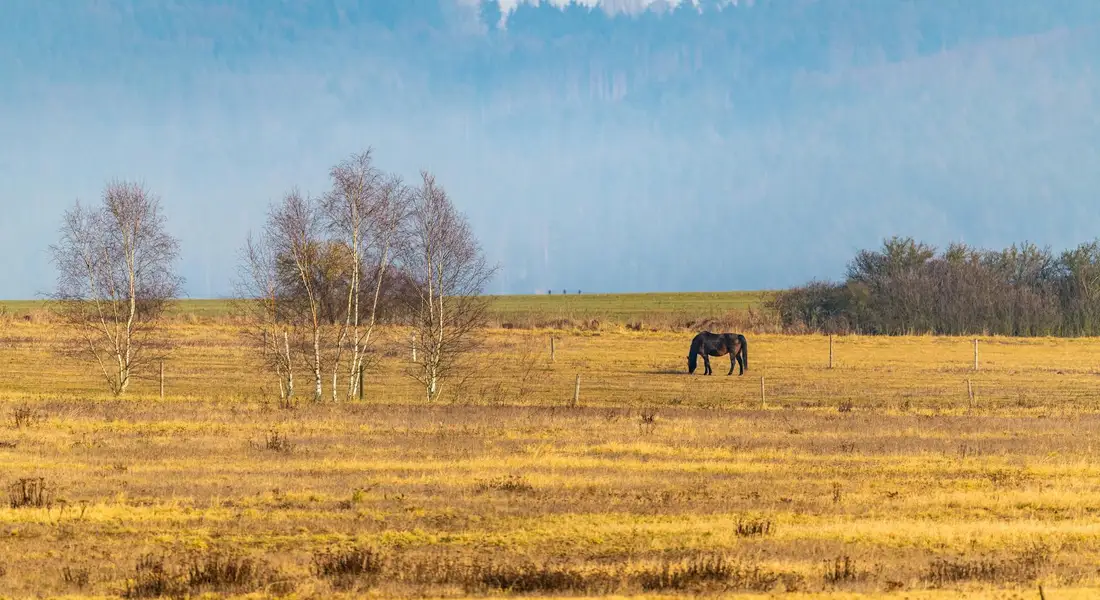
You just spent an hour bathing your horse. The coat gleams. You turn away for one second, and there they are, flat on their back in the dirt. I’ve lost count of how many times I’ve watched Rusty, shiny and clean, make a beeline for the sandiest spot in the paddock. It feels like a personal insult, but it’s pure horse logic.
Horses roll when wet to dry their skin and dislodge that “too-clean” feeling. Their coats hold natural oils for waterproofing and protection. A thorough bath strips those away. Rolling in dry dirt acts as a natural blotter, soaking up moisture and helping to restore a more familiar, protective layer to their skin. It’s their version of using a giant, earthy towel.
Think of it as a full-body scratch. That post-bath itch is real. The tactile sensation of dirt and grit moving across their skin feels fantastic, especially in hard-to-reach places along the spine and withers. I’ve seen Luna, the thoroughbred, roll with particular gusto after a rinse, almost sighing in relief.
Beyond comfort, this behavior is rooted in herd instinct. In the wild, masking the scent of soap or shampoo with earth smells is a basic camouflage tactic. Your horse isn’t ruining your work; they are following an ancient program to smell like the herd and the land, which makes them feel secure. Should you ever need to safely clean the face, ears, or other sensitive areas, use a soft cloth and a mild cleaner, avoiding the eyes and inside the ears. Pat them dry afterward and ensure they’re fully dry before turnout. Next time, try turning them out with a sweat scraper and letting them air dry in a clean, dry stall for a bit first-it might save you a groan.
When Rolling Signals Trouble: Identifying Health Red Flags
Normal rolling is a happy flop. Trouble rolling has a different look: frantic, repetitive, or paired with obvious distress. Your job is to know the difference. Watching for these red flags is a cornerstone of gentle, attentive horsemanship.
Excessive Rolling and Colic Concerns
This is the big one. Colic means abdominal pain, and a horse in severe pain will often roll violently to try and alleviate the pressure. It’s not a leisurely scratch; it’s desperate. Recognizing the signs early and knowing what to do can save a life. This topic covers how to recognize and treat colic in horses and the steps you should take next.
Look for these signs clustered with rolling:
- Frequent attempts to lie down and roll, often getting up and down repeatedly.
- Looking at or biting at their flank.
- Sweating profusely without physical exertion.
- Lack of manure production or signs of straining.
- Loss of interest in food and water.
If you see this pattern, call your veterinarian immediately-do not wait to see if it “passes.” Time is critical. I learned this the hard way with a boarder’s horse years ago; delaying that call by even twenty minutes made the situation much more serious. For horses, recognizing the signs that require urgent veterinary input—such as severe pain, inability to stand, or sudden weakness—helps ensure you act quickly. A fast call to the vet can be life-saving.
While you wait for the vet, keep the horse walking gently if it is safe to do so, and prevent them from rolling violently, which can twist a gut. Remove all food. Your calm presence is a comfort. These moments call for quick, basic first aid actions before the vet arrives. For a concise pre-vet checklist, see the emergency first aid steps for horses.
Skin Irritation and Parasite Problems
If your horse is rolling specifically to scratch an intense itch, you’ve got a detective job on your hands. This isn’t about relaxation; it’s about relief.
Common culprits include:
- External Parasites: Lice, mites, or pinworms can drive a horse crazy. Pipin, our Shetland, once had a bout of mites that had him rolling on every fence post and gate latch he could find.
- Fungal Infections: Like rain rot or ringworm, which create itchy, crusty patches.
- Allergies: To insect bites, pollen, or even certain bedding.
A consistent, focused rolling spot often points directly to a localized skin issue, so part the hair and investigate the skin underneath for redness, bumps, or loss of hair. A good fly spray program, clean blankets, and regular manure management to break parasite cycles are your best defenses. Sometimes, the simplest fix is a vet-prescribed dewormer or medicated shampoo.
Pain and Discomfort from Tack or Injury
Rolling can be a direct response to musculoskeletal pain or pressure from poorly fitted equipment. A horse might be trying to “adjust” a sore back much like we wiggle in a stiff chair.
Consider these sources of pain:
- Ill-Fitting Saddle: A saddle that bridges or creates pressure points can cause significant soreness. After a ride, does your horse drop to roll immediately? That’s a clue.
- Muscle Soreness: From overwork, improper conditioning, or an old injury.
- Girth Gall or Sore: A tender spot from a dirty or tight girth.
I make it a rule to watch Luna after I untack. If she seems overly keen to roll on her back, I check her for any heat or sensitivity along her withers and back. Proactive care means checking your tack fit every few months, as horses change shape with the seasons and training. A few minutes with a qualified saddle fitter can prevent a world of discomfort and those tell-tale, pain-related rolls.
Safety First: Assessing the Risks of Rolling
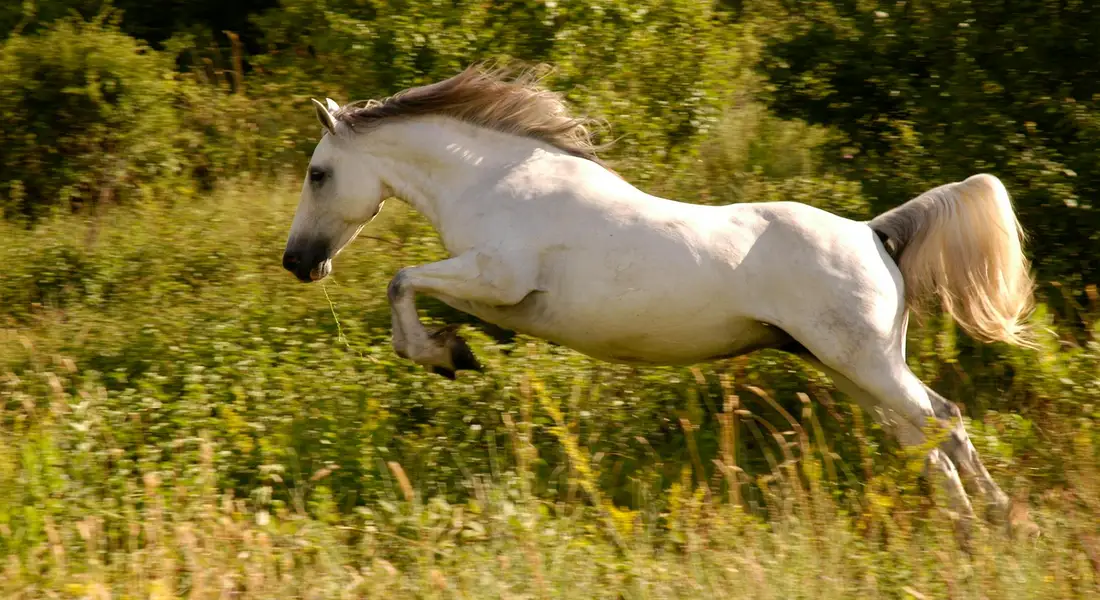
While rolling is a healthy instinct, it demands a smart eye for safety to prevent happy grunts from turning into vet calls. I’ve learned this through years of mucking stalls and watching the herd.
Dangers in Confined Spaces and Around Fences
A horse needs room to flop and rise; a standard stall often doesn’t provide it. The main danger in tight spaces is casting, where a horse rolls and gets stuck on its back with legs against a wall, leading to panic and potential colic or injury. I check every stall for clear floor space, a lesson hardened after finding Pipin the pony half-rolled under his manger one busy morning.
Pasture fences require the same scrutiny, especially wire or board with protruding nails. These are among the most common fencing injuries in horses, and many can be prevented with regular inspection and maintenance. Staying proactive now helps keep horses safe and reduces risk of injuries. Always walk your fence lines to feel for sharp edges or loose wires that could snag a rolling horse’s leg or back. Opt for rounded corners and smooth materials, and prioritize generous turnout so the behavior happens in open, safer ground.
The Peril of Rolling with Tack On
This is a non-negotiable rule in my barn: tack comes off before any chance of a roll. A saddle can twist, damaging its tree and creating painful pressure points on your horse’s back. Unbuckle the girth and remove the saddle immediately after dismounting, long before you reach the pasture gate.
Bridles pose a severe risk to the delicate mouth and poll. Make a habit of removing the bridle in a designated, quiet area to prevent a horse from dipping its head to roll while still wearing the bit. I once had to quickly intercept Luna as she began to drop after a ride, the creak of leather a sharp reminder to never rush the untacking process.
To Stop or Not to Stop: Managing Your Horse’s Rolling Behavior
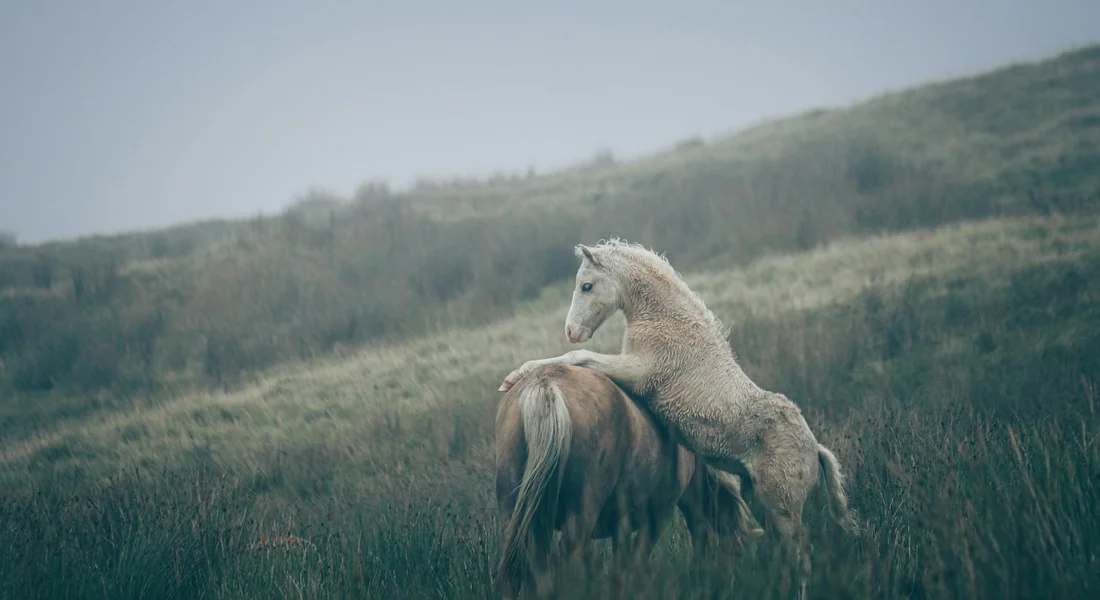
Your goal isn’t to eliminate rolling, but to manage its timing and location for everyone’s well-being. It’s a dance of understanding and gentle direction.
When to Encourage Natural Rolling Behavior
Rolling is a sign of a content, comfortable horse. Actively encourage it after exercise or during turnout to help them shed sweat, scratch, and stretch. Providing a soft, sandy spot in the paddock invites your horse to roll safely and satisfies that deep-rooted instinct. I love seeing Rusty head straight to his favorite dusty hollow after a trail ride-it’s his version of a cool-down stretch.
If your horse rolls during a grooming session, see it as a compliment. Allowing a brief, supervised roll in a safe space can strengthen your bond and reinforce positive associations with handling. Just sweep your brushes and hoof pick out of the way first!
Gentle Guidance for Undesirable Rolling
Undesirable rolling happens when you’re leading, tying, or in a busy aisle. Punishment creates fear, but calm redirection teaches manners.
- Keep your horse’s feet moving with a confident “walk on” and steady pressure on the lead rope.
- If they start to drop, apply an upward cue on the halter and step forward briskly to shift their balance.
- Once they’re walking again, offer verbal praise to reward the change in focus.
- For a horse prone to testing, carry a dressage whip to tap lightly behind you as a forward cue, not a punishment.
This approach works with sensitive souls like Luna because it provides clear communication without a fight.
Creating a Safe and Rolling-Friendly Environment
Good management means designing spaces where rolling is a feature, not a bug. Your horse’s welfare depends on it.
- Turnout Areas: Ensure at least one large, open section with well-draining, soft footing like sand or fine gravel.
- Stall Setup: Use deep, banked bedding on the walls and keep the center clear of feeders and toys to prevent casting.
- Pasture Maintenance: Regularly harrow and inspect rolling spots to break up manure and remove hidden rocks.
- Social Time: Horses often roll together; allow herd turnout so they can express this natural behavior socially.
Ample turnout time is the cornerstone, letting horses be horses-grazing, playing, and rolling to their heart’s content. Different turnout environments—a pasture or a paddock—offer distinct benefits for grazing, exercise, and safety. Understanding how pasture versus paddock supports joints, behavior, and overall health helps tailor care for each horse. The thud of hooves and clouds of dust in our big pasture are the sounds of a healthy, happy barn.
FAQ: Why Do Horses Roll? Understanding This Common Equine Behavior
Is rolling a sign of a healthy horse?
Yes, gentle rolling typically indicates a healthy, content horse engaging in natural self-care. It reflects their comfort in their environment and ability to perform essential behaviors like scratching and stretching. However, sudden changes in frequency or intensity can be a red flag requiring closer attention.
Why do horses sometimes roll and then get up and shake?
Shaking after rolling helps dislodge excess dirt, dust, or debris trapped in their coat during the roll. This quick motion aids in distributing natural oils and promoting a cleaner, more insulated fur layer. It’s a final step in their grooming process that leaves them feeling comfortable and alert.
Can rolling be dangerous for a horse?
Rolling can pose dangers in unsafe conditions, such as in tight stalls where a horse may become cast against a wall. Hazards like sharp fencing or uneven terrain can lead to cuts or musculoskeletal injuries during the roll. Always ensure turnout areas are clear and spacious to allow for safe expression of this behavior.
A Roll in the Right Direction
Watch for the context: a happy, post-ride roll in the dirt is normal, while frantic rolling or signs of distress require immediate action. The single most important thing you can do is know your horse’s baseline so you can spot the difference between a routine scratch and a potential crisis.
Good horsemanship means celebrating the harmless, quirky behaviors that make our horses who they are. Your patience and observation are the best tools you have for keeping your partner safe and comfortable.
Further Reading & Sources
- Why Do Horses Roll? | Chewy
- Wellbeing: Does your horse have a healthy rolling behavior? | Malgré Tout Media
- Why do horses roll? H&H explains… – Horse & Hound
- Why Do Horses Roll? Possible Reasons, Benefits & Dangers
At Horse and Hay, we are passionate about providing expert guidance on all aspects of horse care, from nutrition to wellness. Our team of equine specialists and veterinarians offer trusted advice on the best foods, supplements, and practices to keep your horse healthy and thriving. Whether you're a seasoned rider or new to equine care, we provide valuable insights into feeding, grooming, and overall well-being to ensure your horse lives its happiest, healthiest life.
Behavior