
How Do You Recognize and Treat Colic in Horses?
Hello fellow equestrians. That knot in your stomach when your horse turns away from his hay or lets out a quiet groan while looking at his side? It’s a dread we all know. Colic is more than a scare; it’s a pressing health crisis that threatens your horse’s comfort and can lead to daunting vet bills.
Let’s turn that worry into prepared action. This guide will walk you through the entire process, from first suspicion to aftercare. You will learn to identify the critical early signs, execute safe immediate steps, know precisely when to call the vet, understand common treatment options, and build daily routines for prevention.
I’ve managed barns for over a decade, from guiding colicky veterans like Rusty through a crisis to monitoring sensitive Luna for the slightest belly ache, and I’m here to share that hands-on knowledge with you.
Know the Signs: From Subtle Worry to Obvious Distress
The Early Warning Signals
Colic rarely starts with a horse thrashing on the ground. It often begins as a quiet change in behavior, a flicker of discomfort you might miss if you’re not tuned in. Spotting these early whispers of pain is your single best chance to intervene before a simple bellyache becomes a crisis. Time is gut tissue, and every minute counts. Feeding routines matter, and small changes can prevent big trouble. A quick look at the top 7 feeding mistakes that greatly increase your horse’s colic risk can help you spot pitfalls.
Here are the subtle shifts to watch for in your horse:
- Restlessness and Frequent Posture Changes: They can’t get comfortable. They might stand stretched out like a urinating horse, then shift weight, then point a hind toe.
- Flank Watching or Biting: A horse will turn its head to stare at or nip at its side, as if something inside is bothering them.
- Reduced or Absent Manure Output: You know your horse’s normal schedule. If hours pass with no piles in the stall or on the trail, take note.
- Loss of Interest in Food: When a treat-motivated horse like my pony Pipin turns his nose up at a carrot, my internal alarm bells start ringing.
- Unusual Lip Curling (Flehmen Response) Without a Mare Nearby: This can sometimes indicate nausea or abdominal discomfort.
- Increased Lying Down and Getting Up: More frequent than their normal pattern of rest.
The “Call the Vet Now” Symptoms
If the early signs escalate, hesitation is dangerous. If you see any combination of these symptoms, stop reading and call your veterinarian immediately. This is the point where your job shifts from observer to crisis manager.
- Violent, Uncontrolled Rolling or Thrashing: This risks a gut torsion or injury.
- Profuse Sweating for No Reason: A cold sweat on their neck and flanks, unrelated to heat or exercise.
- Relentless Pawing or Kicking at the Abdomen: The pain is intense and constant.
- Looking at the Flank with Obvious Anxiety: The look in their eye is one of panic, not curiosity.
- Rapid, Shallow Breathing and Elevated Heart Rate: You can often see the pulse pounding in their neck or flank.
- Curling Up in a Ball or Adopting a “Sitting Dog” Pose: They are trying to relieve severe pressure.
Your First Response: What to Do Before the Vet Arrives
Step 1: Secure the Scene and Your Horse
The moment you suspect serious colic, your priority is safety. A panicked horse is a danger to itself and to you. Move the horse to a safe, enclosed space like a deeply bedded stall or a small, dirt-based paddock where they cannot injure themselves on fences or hard ground. Remove all hay, grain, and water. I keep a stall specifically padded for this purpose-it’s seen more than one emergency.
If the horse wants to lie down quietly, let them. Your goal is to prevent violent rolling, not all movement. You can walk them slowly if it seems to calm them, but never force a thrashing horse to march. If they go down to roll, try to encourage them to stand with a calm voice; if they are violent, give them space so you don’t get hurt.
Step 2: Gather Critical Information for Your Vet
While you wait for the vet, be their eyes and ears. Having concrete facts speeds up diagnosis immensely. Your vet will ask for three key things: heart rate, gut sounds, and gum color. Here’s how to check them like a pro.
- Heart Rate (Pulse): Feel for the artery under the jawbone or inside the back leg. Count the beats for 15 seconds, then multiply by four. A normal rate is 28-44 beats per minute. Anything persistently over 60 is a major red flag.
- Gut Sounds: Press your ear or a stethoscope against both flanks. You should hear gurgles, pops, and rumbles-like a distant washing machine. Silence is a bad sign. Note if you hear sounds on one side but not the other.
- Gum Color & Capillary Refill Time (CRT): Lift the lip. Healthy gums are moist and pink like a person’s. Pale, blue, or dark red gums indicate shock. Press your thumb firmly on the gum above a front tooth to blanch it, then release. The color should snap back in one to two seconds; slower refill indicates dehydration or poor circulation.
Step 3: The “Do Not” List
In your worry, the desire to “do something” is powerful. Resist it. Incorrect action can turn a manageable colic into a surgical emergency. Let this list be your guide.
- Do not administer any medication unless specifically instructed by your vet. Giving a painkiller can mask symptoms and prevent a proper diagnosis.
- Do not force the horse to exercise or walk endlessly. This can exhaust a horse in pain. Slow, calm walking is only for mild, restless cases.
- Do not offer food or water to a horse showing severe signs. If surgery is needed, a full gut is a major complication.
- Do not assume it’s “just gas” and will pass. Always err on the side of calling the vet. I’ve never regretted making the call, only the times I waited too long.
- Do not put yourself in danger. A colicky horse is not itself. Stay clear of flying hooves and keep your own safety paramount.
Common Causes: Why Does Colic Happen?
Management-Related Culprits
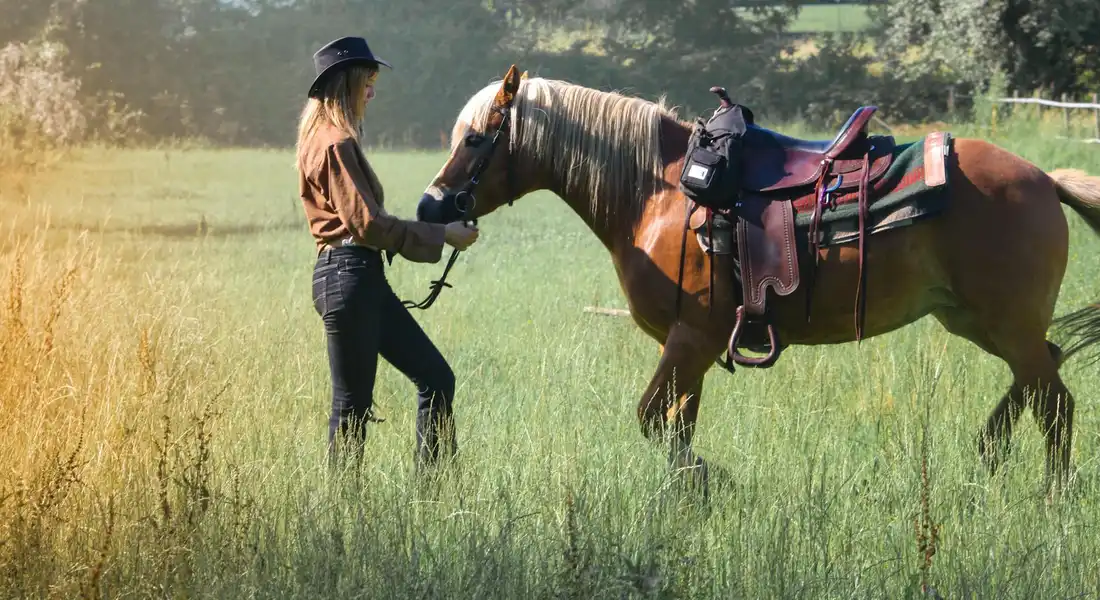
Most colic cases I’ve walked into on a chilly morning trace back to our daily routines. Think of it as the horse’s gut giving feedback on its care. The good news? Many of these causes are within your control.
Impaction colic often starts with dehydration or poor-quality forage. That dusty, stemmy hay left from last season? It can lodge in the large colon like a clogged pipe. Always ensure free access to clean, unfrozen water, especially in winter, and soak hay if it’s particularly dry to keep things moving smoothly. I learned this the hard way with Rusty one dry summer; his water bucket was tipped over, and a few hours later, he was pacing his stall.
Gas colic is the bellyache from a digestive party gone wild. It happens when feeds ferment too quickly in the gut. Common triggers include:
- Lush spring grass or a grain overload.
- Feeding moldy or spoiled hay.
- Access to grain bins or apple trees-Pipin the pony is a notorious offender here.
Sudden feed changes are a major disruptor. A horse’s microbiome is a delicate ecosystem. Switching hay types, pastures, or grain amounts should always be done over 7-10 days, mixing the old with the new to let those gut bacteria adjust. I transition Luna slowly every fall when she comes off pasture, and it keeps her sensitive system settled.
Medical and Anatomical Causes
Some colics stem from internal physical problems that aren’t about management. This is exactly why you must call your vet-they can diagnose what you can’t see.
Torsion, often called a twisted gut, is where a section of intestine twists on itself. Enteritis is inflammation of the intestinal lining, sometimes from infection. Strangulation occurs when part of the gut gets trapped, say, in a natural body pocket. These conditions cause severe, often unrelenting pain and typically won’t resolve with simple pain medication alone. They are surgical emergencies.
Your vet uses their expertise and tools like ultrasound to differentiate a gas bubble from a life-threatening twist. This distinction is why monitoring your horse’s pain response after the vet gives medication is a critical part of the process.
Veterinary Treatment: What Happens Next
On-Farm Medical Management
When your vet arrives, they have a toolkit to try and resolve the crisis right in your barn aisle. The goal is always to fix the problem without a trailer ride to the clinic.
First, they’ll administer strong analgesia-pain relief. Watching your horse settle after that injection is a huge relief, but it’s not the all-clear. The vet is assessing if the pain is masking or if the medication truly fixes the underlying spasm or blockage.
Passing a nasogastric tube is common. This long, flexible tube goes up the nostril and down into the stomach. It can:
- Relieve pressure by siphoning off gas or fluid.
- Administer warm water and electrolytes to rehydrate an impaction.
- Deliver mineral oil, which acts as a lubricant to help move a blockage along.
Your job becomes monitoring. The vet will give you clear instructions on what to watch for: manure production, gut sounds, and return of pain. Keep your horse walking gently if advised, and remove all food until the vet gives the okay to reintroduce hay.
When Surgery Becomes the Option
Surgery isn’t a first resort, but it’s a vital lifesaver. The decision for referral is based on clear warning signs that medical management isn’t working.
Indicators for surgery include severe pain that rebounds quickly after pain medication, a diagnosis of a torsion or strangulation via exam or ultrasound, or a nasogastric tube that refluxes large amounts of fluid. Time is intestinal tissue; delaying a surgical decision can reduce the chance of a successful outcome.
The process involves transporting your horse to a surgical facility. There, under general anesthesia, surgeons explore the abdomen, correct the problem, and may remove damaged intestine. Recovery is intensive, involving stall rest, hand-walking, and careful monitoring for complications. While the thought is frightening, modern equine surgery has high success rates, and many horses return to full work after a careful rehabilitation period. It’s a tough road, but one that offers hope when other options are gone. Owners and caregivers play a key role in recovery after surgery, following rehab plans and veterinary guidance. Support resources for horses recovering from injury help optimize healing and a safe return to work.
Prevention is Your Best Medicine
Daily Routines that Build Gut Health
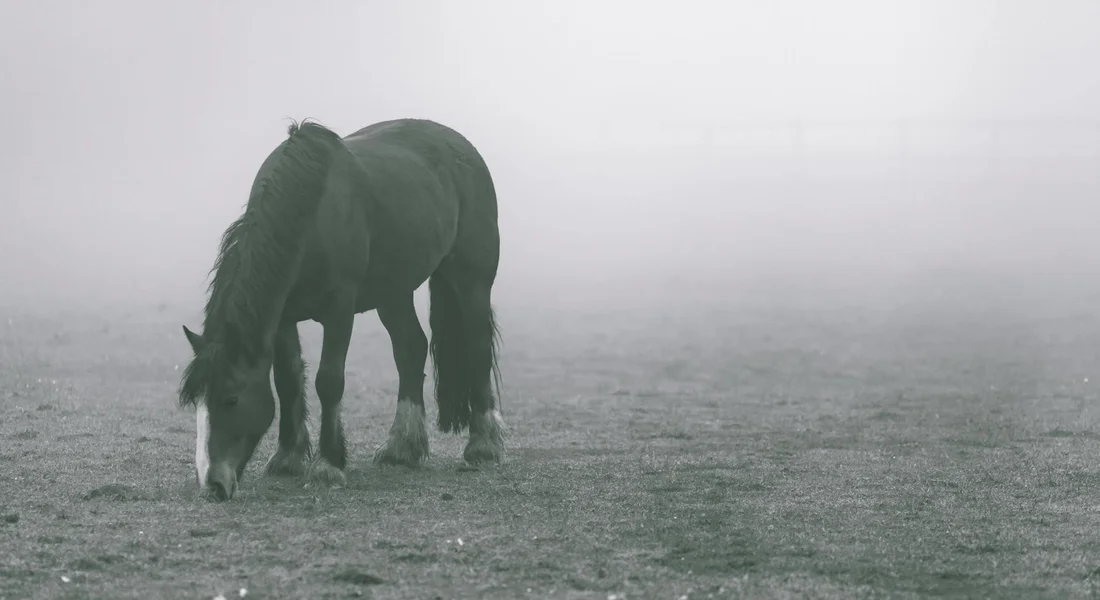
Think of your horse’s gut like a well-tuned clock. It thrives on predictable, gentle rhythms. Building a consistent daily routine is the single most effective thing you can do to keep colic at bay. I learned this the hard way years ago when a busy week led to erratic feeding times for my old gelding, Rusty. The resulting mild colic was a wake-up call heard from the hay loft to the tack room.
These are the stable hacks I live by now, born from mucking out stalls and watching the herd.
- Constant Clean Water
- Maximum Turnout
- Clockwork Feeding
- Slow Feed Hay Nets
- Bi-Annual Dental Checks
Water isn’t just a drink; it’s the river that keeps the digestive landscape flowing. I check and scrub buckets twice daily, and in winter, I use heated troughs without fail. The steady *clink* of the tank heater kicking on is a sound of peace for me.
Turnout is non-negotiable. Horses are meant to move. Regular, daily movement stimulates gut motility and reduces stress, a huge colic contributor. Even my high-strung Thoroughbred, Luna, finds her calm when she can just be a horse in the field. A healthy exercise turnout schedule for horses helps structure those moments of movement. I’ll share practical tips in the next steps.
Feed on a strict schedule. Their stomachs produce acid continuously, so going too long without forage can lead to ulcers and discomfort. I feed at the same times every day, rain or shine, which keeps Pipin from turning into a pawing, gate-rattling pony tornado.
Slow feed hay nets are a game-changer. They mimic trickle grazing, preventing bolting and boredom. Listening to the steady, slow *crunch* from a net, rather than a frantic ten-minute feast, tells you you’re doing right by their digestion.
Sharp teeth can’t chew properly, leading to poorly digested food. A horse with dental pain is a prime candidate for impaction colic. My vet files Rusty’s molars every spring and fall without exception.
Feed and Forage Fundamentals
What goes in the front end dictates what happens in the gut. Getting this wrong is like putting diesel in a gasoline engine-it will seize up. Your horse’s diet should be built on the simple principle of forage first, everything else second.
Start with hay quality. Good hay smells sweet, like a sun-warmed meadow, not dusty or musty. Break open a bale and look for leafy, green stems with minimal seed heads; your horse’s hindgut will thank you for it. I reject any hay that feels overly warm or smells of fermentation, as it can disrupt the delicate cecal microbiome.
Any change in diet must be slower than a lazy Sunday. The golden rule is to take at least a week to transition to new hay or grain, mixing in increasing amounts of the new with the old. Luna’s sensitive system taught me this; a quicker switch once led to a gassy, uncomfortable mare.
Limit high-concentrate meals. Large grain meals can overload the small intestine. If you must feed grain, split it into three or more small servings throughout the day to keep the digestive load light. For many horses, a balancer pellet over a heap of grain is a smarter choice.
Mimic natural grazing whenever possible. A horse should consume 1.5 to 2% of its body weight in roughage daily, whether from pasture or hay. This constant fiber intake produces heat in the hindgut through fermentation and keeps everything moving smoothly. I structure all my feeding around this forage baseline before a single cup of grain is measured. Straw can be used as roughage in some settings, but it is less nutritious than hay. Understanding roughage in equine diets, particularly how straw fits into a balanced strategy, helps inform overall feeding plans.
FAQ: How Do You Recognize and Treat Colic in Horses?
How can I distinguish subtle colic signs from normal horse behavior at home?
Look for consistent patterns of discomfort, such as repeated yawning or teeth grinding, which are not typical resting behaviors. Pay close attention to your horse’s mouth as well, since dental problems can often manifest as subtle signs of pain. Notice if your horse isolates itself from the herd or shows a sudden lack of interest in grooming, indicating underlying pain. Pay attention to minor changes in manure consistency or frequency over several hours, as this can signal early digestive issues.
What specific signs should I monitor after initial colic treatment to ensure recovery?
Track the return of regular gut sounds and normal manure output, which confirm digestive function is restoring. Observe your horse’s willingness to eat small amounts of hay or drink water without signs of discomfort or reluctance. Check vital signs like capillary refill time and heart rate periodically to ensure they remain stable without veterinary intervention. Understanding their digestive system can help you identify subtle signs of improvement or concern.
Are there signs that indicate whether colic is mild gas or a more severe impaction?
Mild gas colic often involves intermittent pain with temporary bloating that may lessen during gentle walking. Impaction colic typically shows a gradual increase in discomfort, coupled with firm, dry manure or no manure at all for extended periods. Severe cases like torsion involve uncontrollable rolling and pain that escalates rapidly, not relieved by basic measures.
Your Next Steps When Colic Strikes
Know your horse’s baseline so you can spot the early warnings-restlessness, lack of gut sounds, or repeatedly lying down. Your most vital action is to call your veterinarian the moment you suspect colic, as professional intervention is the only path to safe treatment.
Hold your nerve and keep the horse as calm and safe as possible while you wait for help. True horsemanship is found in these quiet, watchful moments of putting their needs first. If the horse begins to buck or shows signs of stress, a calm, steady approach can help stop bucking and keep you safe. Learning practical ways to calm a stressed horse and stop bucking is a core part of responsible handling.
Further Reading & Sources
- Colic in Horses: Signs, Treatment, and Prevention
- Signs Of Colic In Horses: Scone Equine Hospital
- Colic in Horses – Horse Owners – Merck Veterinary Manual
- Colic: medical treatment and management in horses
At Horse and Hay, we are passionate about providing expert guidance on all aspects of horse care, from nutrition to wellness. Our team of equine specialists and veterinarians offer trusted advice on the best foods, supplements, and practices to keep your horse healthy and thriving. Whether you're a seasoned rider or new to equine care, we provide valuable insights into feeding, grooming, and overall well-being to ensure your horse lives its happiest, healthiest life.
Health