
Why Do Horses Eat Their Own Manure? Practical Insights on Coprophagy
Hello from the stable. Catching your horse eating manure can make your heart sink, mixing worry about their nutrition with dread of unseen health issues.
Let’s talk straight about this messy habit. I will cover the surprising biological reasons it happens, especially in foals, key signs that distinguish normal behavior from a red flag, and simple adjustments to diet and environment that can make a difference.
I have spent years in the barn as a manager and trainer, where observing behaviors like this with my own herd taught me to prioritize the horse’s well-being first.
What is Coprophagy in Horses?
Coprophagy is the scientific term for eating manure, and in horses, it often means nibbling on their own droppings. Think of it as nature’s way of “seeding” their gut garden. A horse’s digestive system relies on a bustling community of microbes to break down tough plant fibers. By consuming fresh manure, especially as foals, they introduce these vital bacteria to their intestines, kickstarting the fermentation process. This behavior is a normal, instinctual part of developing a healthy gut ecosystem, not a bizarre quirk. Understanding this is as important as knowing how often horses poop for monitoring their digestive health.
Let’s clear up some common myths right now:
- It is not always a sign of starvation or neglect.
- It does not mean your horse is “dirty” or has a behavioral problem.
- In many cases, it is a natural digestive strategy, not a crisis.
Why Do Horses Eat Their Own Manure?
Seeing your horse eat manure can be puzzling, but there are straightforward reasons behind it. Here are the core causes, broken down for easy understanding:
- Microbial Rebalancing: To replenish gut bacteria after events like deworming or antibiotic treatment.
- Nutrient Recycling: To extract undigested fiber and nutrients, like B vitamins, from waste.
- Behavioral Triggers: Boredom from limited turnout or lack of mental stimulation.
At its heart, this behavior ties directly to the horse’s role as a hindgut fermenter. Their cecum and colon are fermentation vats that require a stable microbial population to function. Does a horse’s digestive system work as it should to maintain that balance? Understanding how hindgut fermentation normally operates helps explain how the system is meant to function. When that internal balance is off, a horse might seek a quick reset from the most available source: manure.
Gut Health and Microbial Balancing
Imagine your horse’s gut as a thriving city of bacteria. After a dewormer or antibiotic course, it is like a storm swept through, leaving the population diminished. Eating manure acts as a “probiotic boot camp,” rapidly recruiting new microbial citizens to restore order. I have seen this with Luna, my sensitive Thoroughbred; after her annual deworming, she will often take a curious sniff and occasional bite of fresh droppings in her paddock, the earthy scent drawing her in. This is her body’s innate wisdom at work, not a cause for alarm.
Nutritional Gaps and Behavioral Cues
If a horse’s diet is lacking, manure-eating can be a red flag. Low-quality hay, insufficient roughage, or missing minerals can drive this behavior. Contrast a bored horse in a stall with one on pasture: the stalled horse, like Pipin the pony on a rainy day, might nibble manure out of sheer boredom, while the turned-out horse is too busy grazing. Ample turnout time is one of the simplest preventatives, keeping both mind and gut occupied.
Common dietary triggers include:
- Hay that is too stemmy or low in digestible fiber.
- Grain-heavy diets that lack sufficient long-stem forage.
- Deficiencies in key minerals like phosphorus or copper.
- Sudden changes in feed that disrupt digestion.
Is Coprophagy Normal? Foals vs. Adult Horses
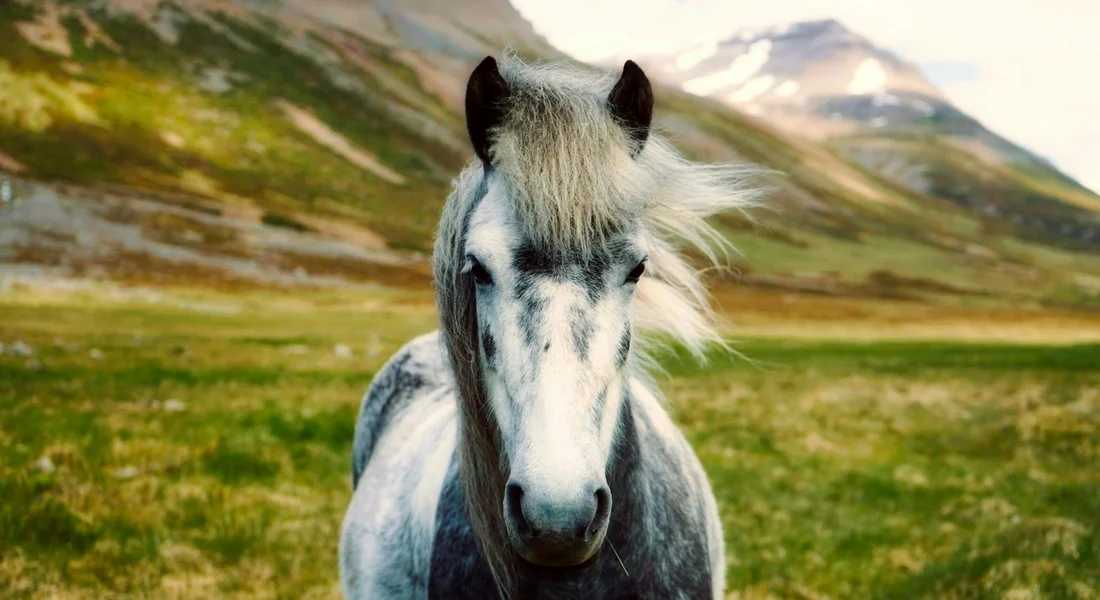
Seeing a horse eat manure can stop you in your tracks. The key is knowing who’s doing it. Foals and adults have very different reasons. Use this quick guide to spot the difference.
| Aspect | Foals | Adult Horses |
|---|---|---|
| Typical Age | From birth up to 3-4 months old. | Any age post-weaning. |
| Primary Purpose | To ingest essential microbes for gut development. | Not a normal biological function; often a signal. |
| Frequency & Duration | Common, brief phase that self-resolves. | Uncommon; persistent behavior is a red flag. |
| Level of Concern | None. It’s a healthy, natural process. | Low for a rare, curious bite; high for habit. |
Foals: Building a Healthy Microbiome
I’ve sat in the straw watching newborn foals, and their first forays into manure eating are a purposeful act of nature. A foal is born with a sterile gut. By consuming their dam’s fresh droppings, they ingest the beneficial bacteria and protozoa needed to ferment forage. This microbial colonization is vital, turning them from milk-drinkers into future hay-eaters. Think of it as inoculating their digestive system. I saw this with Pipin years ago; his brief manure phase was just textbook foal behavior. This behavior typically peaks in the first few weeks and almost always disappears by the time they’re four months old and steadily grazing.
Managing Coprophagy: Should You Intervene?

Seeing this behavior can set off alarm bells, but your first move shouldn’t be to scold or panic. Your job is to play detective. Start by observing when and which horse is doing it; a detailed log of the ‘who, when, and where’ is your most powerful tool for finding the root cause. Most adult horse manure-eating stems from a gap in their management we can fix. Here’s a sensible step-by-step approach.
- Assess the Diet: Is your horse getting enough long-stem fiber? Is the hay of decent quality, or is it more like dusty straw? Check their feeding schedule for long gaps without forage.
- Ensure Ample Turnout: This is non-negotiable. A horse standing in a sterile stall 23 hours a day is a prime candidate for developing odd behaviors out of sheer boredom and digestive malaise.
- Provide Mental Enrichment: If stall time is mandatory, give their brain and mouth something else to do. A bored mind seeks activity, even if it’s gross.
- Consult Your Vet: If steps 1-3 don’t shift the habit within a few weeks, or if the horse shows any other signs of ill health, call your veterinarian. A fecal test and blood work can rule out parasites or serious deficiencies.
Dietary Fixes and Supplementation
The fix often starts in the feed room. I’ve watched horses stop this habit simply by switching from a mediocre grass hay to a lush, leafy mix. Think of hay as the foundation of their mental and physical health; cheap, stemmy hay is like us trying to live on stale crackers-we’d go looking for nutrients elsewhere too. Aim for that 1.5-2% of their body weight in roughage daily, spread out. For precise daily amounts, see our complete feeding guide on how much hay a horse should eat daily. It walks you through weight, age, and activity to tailor the roughage to each horse.
Beyond hay, consider these additions:
- Probiotics: These direct reinforcements for the gut microbiome can help a horse better digest and extract nutrients from their primary feed, reducing the drive to seek them from secondary sources.
- Balanced Vitamin/Mineral Supplement: A quality ration balancer or well-formulated supplement can fill in the gaps, particularly for B-vitamins, which are synthesized in the hindgut and can be lacking in stressed or poorly-fed horses.
- Soaked Beet Pulp: For an easy-to-digest fiber boost that adds gut-friendly moisture, a handful of soaked beet pulp can be a great “top dressing” for their evening meal.
Environmental Enrichment and Turnout
More turnout is almost always the answer. I’ve never seen a horse on 24/7 pasture with buddies exhibit this habit unless there was a medical issue. The sound of a herd grazing is one of the most therapeutic sounds I know; it means everything is as it should be. If full turnout isn’t possible, get creative.
- Use a slow-feeder net to make their hay last longer and mimic natural grazing patterns.
- Install a sturdy salt lick in the stall or paddock.
- For stalled horses, try a boredom buster toy-a Jolly Ball or a treat-dispensing ball they can nudge around.
- Ensure they have a calm equine neighbor they can see and touch. Social isolation is a profound stressor.
My favorite barn hack for a stall-bound horse is a “popsicle.” I freeze chopped apples and carrots in a bucket of water; it gives them a chilly, time-consuming project on a hot day that has nothing to do with manure piles.
When to Step Back and Accept It
Not every instance requires a full-scale intervention. Sometimes, the wisest and kindest thing is to simply observe and let it be. Constantly chasing a healthy foal or a horse for a day or two after deworming away from manure creates more stress than the behavior itself warrants. Here are the scenarios where I take a deep breath and leave my halter on the hook.
- Healthy foals under three months old. This is a normal part of their development for establishing gut flora.
- An adult horse for a brief period (24-48 hours) after a strong antibiotic or dewormer treatment, as their gut biome recovers.
- A horse that does it very infrequently, shows no other behavioral or physical issues, and is otherwise on a perfect diet with maximum turnout.
Monitor, but don’t micromanage. My Shetland, Pipin, will occasionally nibble a fresh pile in the spring. Given his stellar health, endless turnout, and perfect diet, I chalk it up to his inner goat asserting itself and redirect his clever mind with a scratching session instead.
FAQ: Why Do Horses Eat Their Own Manure? Understanding Coprophagy
Does coprophagy indicate a dietary deficiency?
Coprophagy can indicate a dietary deficiency, such as lack of fiber or essential minerals like phosphorus. However, it is not solely a sign of deficiency and may also result from boredom or gut microbial rebalancing. A thorough diet review with a professional is advised if the behavior is habitual.
What nutritional benefits might horses get from eating manure?
Horses may gain undigested fiber and B vitamins from manure, aiding in nutrient recycling. This behavior also helps introduce beneficial bacteria to the gut, supporting healthy digestion. As herbivores, horses rely on a specialized digestive system to break down fiber. This connection to digestion explains why their gut microbiome is so important. For foals, it is crucial for establishing a functional microbiome early in life.
When should coprophagy in horses be a concern?
Coprophagy should raise concern if it is frequent in adult horses or linked to health issues like weight loss or diarrhea. Immediate veterinary care is necessary if signs of colic, lethargy, or appetite loss appear. Consistent monitoring helps distinguish normal curiosity from a serious problem.
When in Doubt, Get a Snout Check
Coprophagy in foals is a normal, healthy part of gut development, but when an adult horse makes a habit of it, it’s a signal to examine their diet and environment. Many common horse health issues relate to anatomy — mouth, gut, and other structures can shape symptoms. Understanding anatomy helps explain why these issues arise. The most important step you can take is to have your veterinarian rule out any underlying health issues before making any management changes.
Horses communicate through their behavior, and this is just another form of that conversation. Watch, listen, and let your horse’s needs guide your care; good horsemanship is always about patient observation.
Further Reading & Sources
- Why Do Horses Eat Manure? What Causes It & How to Fix It
- Coprophagy in Horses – Manure-Eating – SmartPak Equine
- Manure Eating in Horses: Multiple Explanations Exist – Kentucky Equine Research
- Eating of Non-food Items in Horses | PetMD
At Horse and Hay, we are passionate about providing expert guidance on all aspects of horse care, from nutrition to wellness. Our team of equine specialists and veterinarians offer trusted advice on the best foods, supplements, and practices to keep your horse healthy and thriving. Whether you're a seasoned rider or new to equine care, we provide valuable insights into feeding, grooming, and overall well-being to ensure your horse lives its happiest, healthiest life.
Behavior