
How Long After Feeding a Horse Can You Ride Safely?
Hello fellow equestrians. You’ve just poured the grain or tossed the hay, and now you’re eyeing the saddle. That pause is smart-riding on a full stomach can turn a fun ride into a vet emergency.
I’ve watched many riders wrestle with this timing, fearing colic or a cranky mount. Your hesitation shows care, and it’s the first step in preventing real trouble.
Let’s clear the confusion. In this article, I’ll walk you through:
- The concrete waiting times for hay versus grain, based on how a horse’s gut actually works.
- How to read your horse’s body language to know if they’re truly ready.
- Simple, real-life scheduling tweaks I use at my barn to keep horses happy and riders on time.
I’ve managed this daily dance for years with my own herd, from steady Rusty to high-strung Luna, and I’m here to give you the grounded facts.
Why Digestion Demands a Pause Before Riding
Picture your horse’s digestive tract as a lengthy, winding pipeline designed for slow, steady grazing. When you feed a large meal and then ride, you’re essentially asking that pipeline to process food and power muscles simultaneously, a recipe for discomfort. If you’re curious how a horse’s digestive system works, timing matters. Next, you’ll see how digestion and exercise influence comfort and performance.
That small stomach holds only about two to four gallons, so it empties quickly, but the real work happens in the vast intestines where fermentation occurs. Exercising on a full gut can disrupt this delicate fermentation, leading to painful gas buildup or a dangerous twist, which is how many colic cases start.
Think about how you feel after a big holiday meal-sluggish and a bit achy. Your horse feels that tenfold. The physical pressure of a full abdomen against the diaphragm and back muscles during riding can cause cramping, labored breathing, and even long-term soreness.
I learned this with my sensitive thoroughbred, Luna; riding soon after feeding made her tense and short-strided. Stomach ulcers are another risk, as vigorous movement can splash gastric acid onto unprotected stomach lining, especially in a horse that isn’t designed for large, infrequent meals.
The Trainer-Approved Waiting Times
Over years of managing barns, I’ve settled on clear, safe waiting periods that prioritize the horse’s comfort. These are baseline rules-always extend the wait if your horse ate quickly, the weather is hot, or your ride will be strenuous.
| Feed Type | Minimum Wait Before Riding | Key Reason |
|---|---|---|
| Grain or Concentrated Feed | 1 to 2 full hours | Prevents rapid fermentation and colic risk. |
| Hay or Pasture Grazing | 30 to 60 minutes | Allows bulk to settle; reduces bloating discomfort. |
| Small Snacks (e.g., carrots) | 15 to 30 minutes | Minimal digestion needed, but always monitor for choke. |
After a Grain Meal: Patience is Key
Grain is dense, starchy, and digests like a spark in the system. I enforce a strict two-hour wait after any grain meal, no exceptions, for the safety of horses like my reliable Rusty.
Concentrates can cause a spike in gut acidity and ferment rapidly. Riding too soon forces this active digestion into a cramped, jostled space, dramatically increasing the chance of colic.
For performance horses, timing grain for energy is an art. Feed grain at least two hours before work so the energy converts to fuel, not to a bellyache that ruins your ride.
After a Hay Meal: A More Forgiving Timeline
Hay is roughage, moving slowly and steadily through the gut. You can usually saddle up 30 minutes after a hay meal, provided it wasn’t a huge, hurried feast.
The fiber in hay is less likely to cause sudden digestive spikes than grain. However, a massively distended belly from too much hay can still make your horse feel stiff and unwilling during exercise.
My Shetland, Pipin, would gorge himself if allowed. I now feed smaller, more frequent hay nets to keep his digestion even and his attitude ready for our groundwork sessions.
How Feed Type and Meal Size Change the Clock
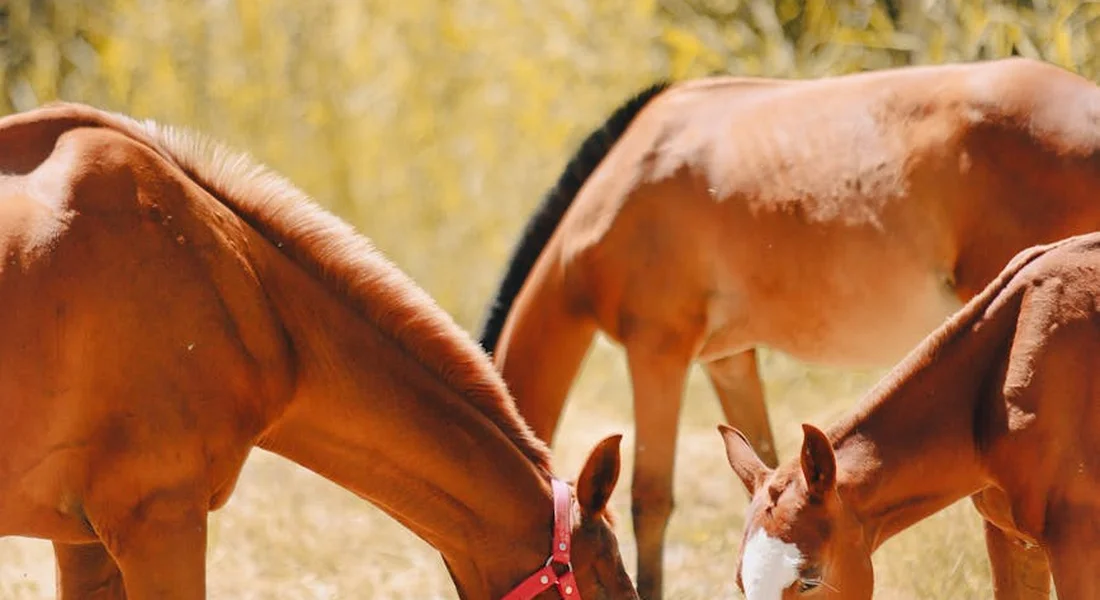
Think of your horse’s stomach like a washing machine; what you put in changes the cycle time. A scoop of grain spins fast, while a flake of hay is a slow, steady soak. The type of feed and how much you give directly dials up or down your safe waiting period before riding.
Grain is a concentrated burst of sugars and starches that gets to work quickly in the foregut. Hay, on the other hand, is all about roughage and moves slowly, relying on fermentation in the hindgut. I learned this the hard way with Luna; a small meal of oats made her fizzy if I worked her too soon, while hay kept her steadier.
Water plays a sneaky role here. A horse who tanks up on water right after a dry meal can create a heavy, sloshing bulk in the gut. I always offer water before grain or hay, so they drink moderately and don’t shock their system right before exercise. That said, hydration mistakes can sneak in and prevent a horse from drinking enough. A concise guide highlights the five reasons your horse might not drink enough and how to fix them.
Meal size is your other big lever. A large grain meal is a major project for digestion, demanding more blood flow and time. A small, snack-sized portion is handled with far less fuss.
- Small Meal (e.g., 1-2 lbs of grain): Requires a significant, but shorter, wait.
- Large Meal (e.g., 4+ lbs of grain): Demands a much longer, more respectful pause.
- Hay Net Full: Acts like a large, fibrous meal that needs settling time.
- Light Grazing: Mimics natural digestion and allows more flexibility.
The Grain Hazard: Why It Requires Extra Time
Grain doesn’t just digest; it ferments. When those starches hit the hindgut, they can rapidly produce gas and lactic acid, tipping the delicate pH balance. Riding too soon pushes blood to muscles instead of the gut, slowing this process and letting gas build up, which is a straight road to discomfort or colic.
I’ve seen a horse try to work with a belly full of fermenting grain-they’re often sluggish, resistant, or show subtle signs of gut ache like pinned ears or tail swishing. That’s poor performance whispering about pain. Giving extra time, often a solid two hours, lets that fermentation peak pass and the system stabilize.
Hay and Continuous Grazing: What It Means for Riders
Horses like Pipin, my Shetland, teach us the best lesson: they are designed to always have a trickle of forage moving through them. If your horse lives on turnout or has constant hay access, their gut is in a perpetual, calm state of digestion, which is ideal. This naturally ties into whether horses are herbivores and how their digestion relies on constant grazing. Understanding that horses are herbivores helps explain why a steady trickle of forage suits their gut.
Riding after light grazing is very different from riding after they’ve just polished off a big, dense hay net. For the constant grazer, you can often ride with little delay, as their system isn’t shocked by a new meal. But after a horse has stood and consumed several pounds of hay from a net, I still give them 45 minutes to an hour for that bulk to begin its journey comfortably.
Matching Your Ride Intensity to the Waiting Period
Your ride’s demand is the other half of the safety equation. A calm walk asks little of the gut; a gallop or jump course commands its full attention. Always pair your feed timing with the effort you’re about to ask for. Use this as your guide:
- Light Work: Walking, stretching, gentle trail rides. Shorter wait possible.
- Moderate Work: Trotting, cantering, basic arena exercises. Mandatory longer wait.
- High-Intensity Work: Jumping, galloping, fast cardio work. Longest, most non-negotiable wait.
Leisurely Trail Rides or Slow Pace Work
For a quiet amble like I do with Rusty, you might get away with a shorter wait, especially if he’s just been grazing. My baseline rule is at least one full hour after a light meal, even for slow work, because a calm gut makes for a calm mind on the trail.
Watch your horse closely. If they seem distracted, groan, or break a sweat too easily, they might be telling you their breakfast is still settling. The smell of fresh pine and the thud of hooves on a soft path should be enjoyable for both of you, not a digestive distress test.
Arena Work, Jumping, or Fast Exercise
This is where you cannot cut corners. Strenuous activity diverts massive blood flow away from the intestines. Working a horse soon after eating, especially grain, risks gut stasis, where food stops moving, leading to serious colic or even torsion.
With Luna, before any focused arena work or jumping, I ensure it’s been a minimum of two hours after a grain meal and well over an hour after hay. The high energy and tight turns of such work require her gut to be quiet and settled. Anything less compromises her safety and her ability to perform well for you.
Reading the Signs: Is Your Horse Comfortable?
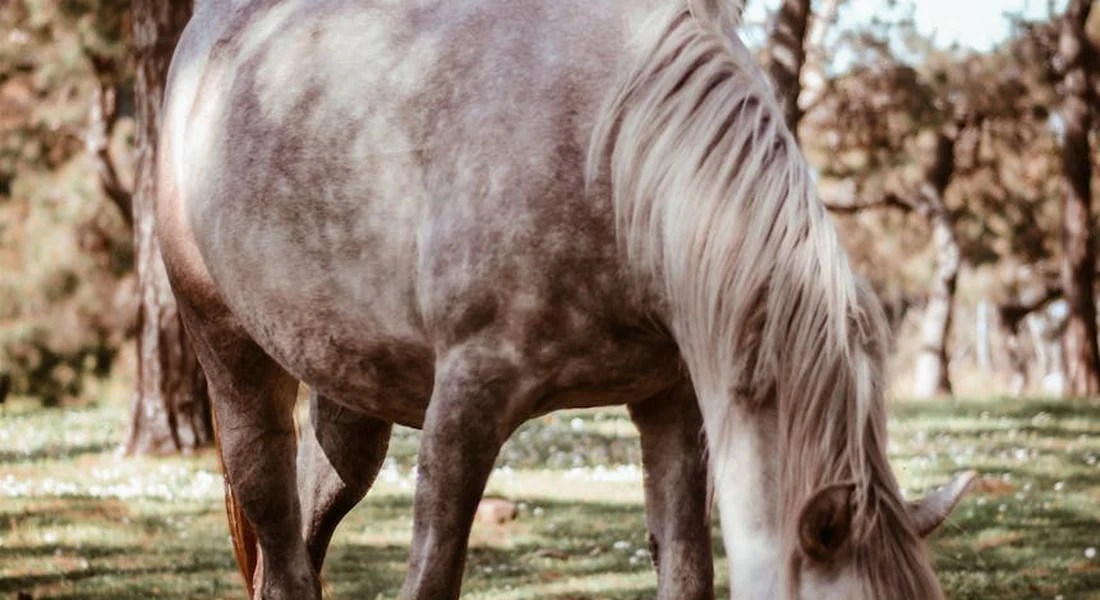
Your horse speaks volumes through their posture and actions, especially after eating. Ignoring these silent signals is like ignoring a check engine light before a long trip. Understanding their body language is key to knowing when something is amiss.
Before you even pick up a saddle pad, take a moment to observe. Look for these behavioral and physical red flags that suggest digestive upset.
- Pawing with purpose: This isn’t just boredom. Rhythmic, anxious pawing can indicate abdominal discomfort. I’ve seen Rusty do this after bolting his grain, a clear sign to halt my riding plans.
- Flank-watching: If your horse keeps twisting its neck to look at its belly, it’s not being curious. It’s a classic sign of pain, often related to gas or colic.
- Unexplained sweating: Beads of sweat on the neck or flanks in cool weather are a stress response. Luna might glisten at the mounting block if her stomach is crampy.
- Reluctance to move: A horse that feels “stuck” or walks with a stiff, hesitant gait is protecting a sore gut. They’re telling you they’re not ready.
- Newfound girthiness: Sudden sensitivity when tightening the cinch can signal ulcers or gas pain made worse by a full stomach. It’s their way of saying the pressure hurts.
Catching one sign means you should delay your ride and monitor closely. A combination of several is a direct request for veterinary attention.
Building a Barn Schedule That Works
Chaos is the enemy of a happy equine gut. A consistent daily rhythm minimizes stress and maximizes safe riding windows.
Turnout is your best scheduling tool. Horses digest best when they can move freely. I advocate for near-constant turnout, even if it’s in a paddock with a hay net, to keep the digestive tract in motion.
Plan your feeding and riding times like clockwork. Your horse will thank you with better health and a more willing attitude under saddle. It’s especially important to create a consistent feeding schedule to maintain their digestive health and energy levels.
Sample Morning Routine for a Ride
Mornings set the tone for the day. Here’s my step-by-step approach for a safe, post-feed ride.
- Start with a hay appetizer. Upon arrival, I offer a flake of grass hay. This stimulates saliva production, which buffers stomach acid, without creating a heavy meal.
- Embrace the waiting game. Use this time productively. I groom, pick stalls, and check fences. For a small grain meal, wait a full hour. For a larger hay breakfast, extend that to 90 minutes.
- Tack up and ride with confidence. After the wait, your horse’s digestion is active but not overwhelmed. This leads to a more attentive and physically comfortable partner.
Some horses do well riding first. My old reliable, Rusty, often goes for a light trail ride on an empty stomach with no issues, devouring his hay the moment we return.
Balancing Evening Feeds and Late-Day Rides
Afternoon rides require you to think backwards from dinner time. The key is to schedule the last significant meal so the stomach is empty during exertion.
If you aim to ride at 6 PM, offer any concentrated grain no later than 3 PM. For my thoroughbred Luna, I’ll give her a small grain feed at 2:30 PM and a slow-feed hay net at 4 PM for a 6 PM ride.
This strategic timing ensures the bulk of the meal has passed through the stomach, reducing colic risk. Always offer the main evening hay ration after your horse is fully cooled down and relaxed from the workout.
Barn Manager Wisdom: Personal Tips for Safety
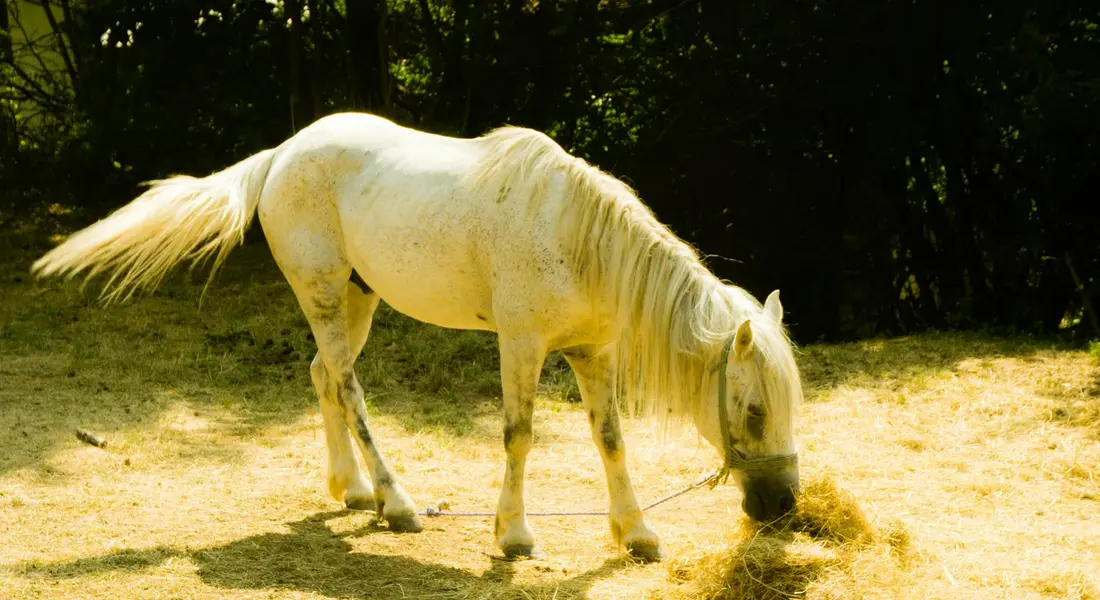
I learned my first big lesson about timing with old Rusty. He’d polished off his evening meal, and I was in a hurry to beat the sunset on a trail ride. Twenty minutes later, he was sluggish and kept trying to stop. That day, Rusty taught me that even a steady eddy can feel uncomfortable and distracted with a heavy meal sitting in his gut. I got off, walked him back, and gave him a full two hours before we tried again. He was back to his happy, puddle-avoiding self.
Luna requires a different playbook. Her thoroughbred metabolism is a sprint engine, not a diesel truck like Rusty’s. If I ride her right after she eats grain, her energy spikes into nervous tension. With a sensitive horse, feeding too close to work can turn focus into fretfulness, making your ride unsafe and unfair to them. I wait a solid hour after her small grain portion, but I always let her nibble hay first. It settles her mind and her stomach.
Your horse’s personality is your best guide. Watch for these signs they need more time:
- Pawing or restlessness when tacking up
- Uncharacteristic grumpiness about girth tightening
- Excessive sighing or looking at their flank
- Lethargy or unwillingness to move forward
Gentle horsemanship means putting their physical comfort before our riding schedule. I plan my barn days around their digestion now. For a light hack, I wait at least an hour after a grain meal. For serious arena work or a gallop, I push that to two or three. Hay is more forgiving, but a truly full belly of forage is still a burden.
My golden rule? Observe, don’t assume. Pipin the pony will pretend he’s starving minutes after breakfast, but that’s just his food-motivated act. Create a routine that includes quiet observation time after meals; you’ll learn your horse’s normal “I’m ready” posture versus their “I need a minute” stance. This habit does more for welfare than any rigid timer. It tells your horse you’re listening.
FAQ: How Long After Feeding a Horse Can You Ride Safely?
How does water intake affect the safe waiting time before riding?
Large water consumption can create a heavy, sloshing bulk in the gut, similar to a meal. Allow 15 to 30 minutes after your horse drinks significantly before riding to prevent discomfort or bloating. Offering water before feeding encourages moderate intake and reduces shock to the system during exercise.
Do older horses or those with health issues need more time after eating before riding?
Yes, older horses or those with digestive sensitivities often require extended waiting periods after meals. Their slower metabolism or existing conditions can increase the risk of colic or discomfort if exercised too soon. Always work with your veterinarian to customize feeding and riding schedules for your horse’s specific health needs, especially when feeding senior horses with special dietary needs.
What is the recommended waiting period after riding before feeding your horse?
Wait until your horse is fully cooled down, relaxed, and their breathing has returned to normal after riding before offering a meal. A general guideline is to allow at least 30 to 60 minutes post-exercise, with longer waits for intense workouts. This helps ensure proper digestion, reduces colic risk, and supports overall recovery.
Ride Safe
For most horses, allow a full hour after a grain meal before light work, and wait at least two hours for intense exercise like galloping or jumping. Always provide your horse with ample turnout and forage time, as a constantly moving digestive system is far healthier and safer than one that’s overloaded right before you mount up. Knowing how long to wait after eating before exercising can help prevent digestive issues.
Your horse will tell you if your timing is off-listen to them. A quiet sigh of contentment as you tack up is a far better sign than pinned ears or a tense, bloated belly, so let patience guide your routine.
Further Reading & Sources
- Is It Safe to Feed Horses Grain Before or After Riding?
- How long to wait to ride before/after feeding grain? | The Horse Forum
- r/Horses on Reddit: Please help me settle a horse debate!! 👀🐴
- How long after feeding my horse can I ride them? | The Horse Forum
At Horse and Hay, we are passionate about providing expert guidance on all aspects of horse care, from nutrition to wellness. Our team of equine specialists and veterinarians offer trusted advice on the best foods, supplements, and practices to keep your horse healthy and thriving. Whether you're a seasoned rider or new to equine care, we provide valuable insights into feeding, grooming, and overall well-being to ensure your horse lives its happiest, healthiest life.
Nutrition