
Can Horses Have Blue or Green Eyes? Understanding Equine Eye Colors
Hello fellow equestrians! Have you ever locked eyes with your horse and been startled by a cool blue or a soft green gaze? That moment of wonder often quickly turns to concern about vision issues, sun sensitivity, or even genetic health risks.
Let’s put those worries to rest. In this guide, I’ll walk you through the fascinating genetics behind uncommon equine eye colors, the true health and behavioral considerations for blue or green-eyed horses, and my proven, daily care routines to protect their sight and comfort.
My advice comes from years of barn management and training, filled with mornings spent squinting into the eyes of every horse from reliable Rusty to my own clever Pipin.
The Most Common Horse Eye Colors and What They Mean
If you spend enough time looking into the faces of horses, you start to see the subtle stories their eyes tell. The iris—that colorful ring around the pupil—is where the magic happens. Most horses have eyes in various shades of brown, from a deep, dark espresso to a warm, light amber. This color comes from melanin, the same pigment that gives skin and hair its color. A simple way to think of the iris is like a built-in sunshade; more pigment means a darker, more protective color. Here’s a quick look at what you’ll typically see in the pasture and how they relate to the horse’s overall coat color and vision.
| Color | Primary Cause | Prevalence |
|---|---|---|
| Dark Brown | High concentration of melanin | Extremely common |
| Amber or Hazel | Moderate melanin levels | Common in some breeds like Morgans |
| Light Brown | Lower melanin concentration | Fairly common, often in palomino or buckskin coats |
In my own barn, Rusty’s steady, dark brown eyes are the first thing I see each morning, always calm and watching from his stall. That rich brown color is a sign of a well-pigmented eye, which generally offers good protection against bright sunlight. Luna, my sensitive Thoroughbred, has a lighter, more amber-brown eye that seems to mirror her lively spirit.
Beyond Brown: Understanding Iris Pigmentation
Think of melanin in the iris like black paint mixed into a clear base. A full dose of pigment gives you that solid, dark brown eye, while diluting the paint creates the spectrum of ambers and light browns. This dilution is often tied to genes that also lighten the coat color, which is why you’ll notice lighter eyes on dun, champagne, or silver dapple horses. It’s mostly just a cosmetic difference. The vast majority of eye color variations are perfectly normal and don’t affect a horse’s vision or health. I’ve found that a horse’s personality, like Pipin’s mischievous sparkle, shines through regardless of iris shade.
Blue Eyes in Horses: Genetics and Reality
Yes, horses absolutely can have blue eyes-it’s not a myth! A blue eye in a horse is caused by a complete lack of pigment in the stroma, the fibrous layer of the iris. Without any brown melanin to absorb light, the eye appears blue due to the same light-scattering effect that makes the sky blue. This is often linked to specific coat color dilution genes. You might also hear the term heterochromia iridum, which simply means having two differently colored eyes, like one blue and one brown. Blue eyes are most commonly associated with coat patterns like frame overo in Paints, the leopard complex in Appaloosas, and the extreme dilutions seen in cremello and perlino horses.
What Causes a Horse to Have Blue Eyes?
The blue eye is a package deal, usually arriving with a particular set of genetic instructions for coat color. It’s not random. The key is a reduction or absence of melanin cells migrating to the eye during development. Here are the main genetic links:
- The Cream Dilution gene in its double form (homozygous) produces cremello, perlino, or smoky cream horses, which almost always have pale blue eyes.
- The Frame Overo (O) gene in Paint horses frequently produces blue eyes, often paired with a loud, white facial marking.
- The Leopard Complex (LP) gene in Appaloosas can result in blue eyes, especially when the horse has a lot of white sclera showing.
- Other dilution genes, like Champagne or Pearl, can sometimes lighten eye color to a greenish or blue-ish hue.
Remember, a blue eye itself is not a defect. However, some genes linked to blue eyes, like Frame Overo, require responsible breeding practices to avoid associated health risks.
Blue Eye vs. Wall Eye: Clarifying the Confusion
These terms get tossed around the barn and can cause real confusion. Let’s clear it up. A blue eye specifically refers to the iris itself being a pale blue color. A wall eye (or ‘walleye’) more accurately describes an eye where the white sclera-the part that’s normally white around the iris-is prominently and constantly visible, giving the eye a staring, wall-like appearance. Here’s how to tell them apart at a glance:
- Look at the iris color first. A true blue eye has a pale blue or grayish iris.
- Observe the sclera. In a wall eye, you’ll see a noticeable ring of white surrounding the iris, even when the horse is relaxed.
- Check for association. Wall eye is commonly seen in Appaloosas and is part of their breed character, while blue eyes are seen across several breeds.
A horse can have a blue eye without it being a wall eye, and a wall eye can have a brown, blue, or parti-colored iris. When I’m checking eyes during grooming, I always make sure to look for clear, bright appearance and normal reaction to light-that tells me more about health than color alone.
Green Eyes in Horses: Myth, Rarity, or Optical Illusion?
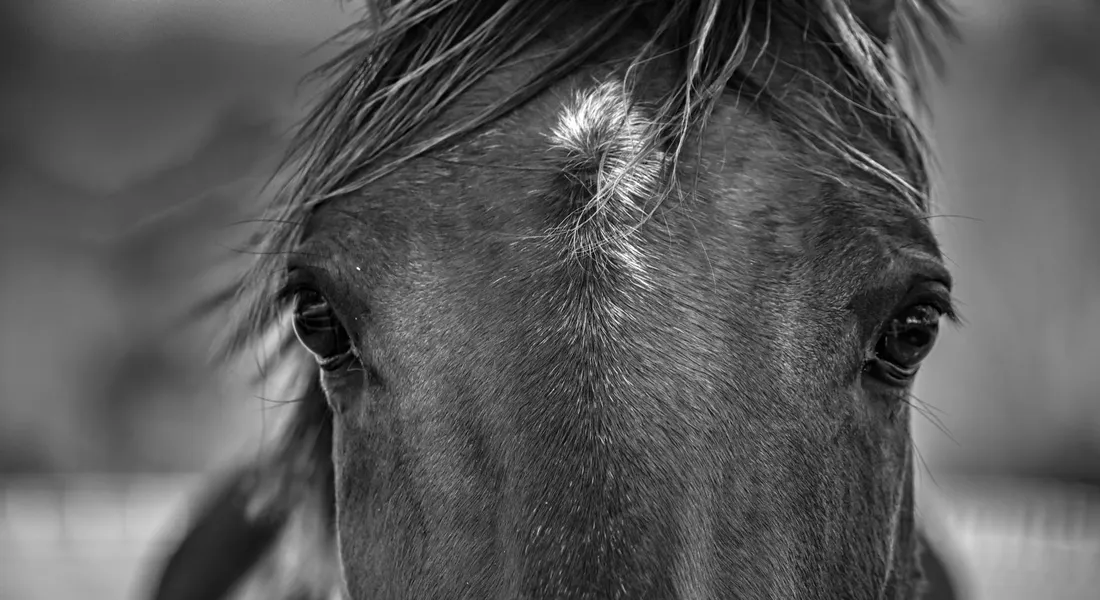
True green eyes in horses are exceedingly rare, to the point where most lifelong equestrians will never see a verified case. What we often perceive as green is usually a fascinating optical illusion, a play of light on a very pale blue or a light amber, hazel-like iris. The specific angle of the sun, the color of the surrounding foliage, or even the horse’s own coat can cast a temporary emerald hue. Across the equine world, breeders also chase the rarest horse breed color, a parallel realm where genetics and lineage shape striking palettes. Exploring these hues offers another window into how diverse horses can be.
I saw this firsthand with my pony, Pipin. One misty morning, his eyes looked positively moss-green as he peered over his stall door. But when I led him into the direct beam of the barn aisle light, that mysterious green melted back into the warm, whiskey amber I knew so well. It was a reminder that our eyes, like horses themselves, can sometimes surprise us.
Health and Vision Considerations for Unique Eye Colors
If your horse has blue or unusually light eyes, it’s natural to have questions about their health. Let’s address those directly. Light-colored irises have less melanin, the pigment that protects against ultraviolet light. This can lead to increased sensitivity to bright sun, a higher risk of sunburn on pink skin around the eye, and a potential statistical link to conditions like equine recurrent uveitis.
Proactive monitoring is your best tool for keeping those unique eyes healthy. Make these five checks a regular part of your barn routine:
- Scan for any increase in squinting or blinking, especially when moving from shade to sun.
- Look for abnormal discharge-watery is often okay, but yellow or sticky mucus is a red flag.
- Note any visible cloudiness or a change in the apparent color of the iris itself.
- Watch for new behaviors like becoming head-shy or rubbing the face on fences.
- Check the skin around the eye for redness or peeling, signs of sunburn.
Do Blue Eyes Affect a Horse’s Vision?
Blue eyes do not mean poor eyesight. The horse’s ability to see shapes and movement is generally unaffected by iris color alone. The real issue is comfort, not capability. That lack of pigment acts like a thin curtain instead of blackout blinds, letting in more glaring light. To protect the eyes, horses are often fitted with masks, fly veils, or blinkers. These tools reduce glare and distraction.
Managing this is straightforward. Invest in a well-fitting, UV-blocking fly mask for turnout on sunny days; I never turn Luna out without hers from May onward. Ensure pastures have reliable shade, and consider scheduling rides or work during the cooler, softer light of early morning or evening.
Monitoring Eye Health in Horses with Light Irises
A quick, daily visual check takes seconds but can prevent big problems. Incorporate this simple routine during your grooming or feeding time, when the horse is calm and settled. This daily habit aligns with the signs of a healthy horse you’ll find in the daily check guide. It helps you notice changes early and act quickly.
- Stand at the horse’s shoulder and calmly observe the eye from the side, noting its overall clarity.
- Look for a bright corneal reflection and a pupil that reacts evenly to changes in light.
- Gently lift the upper eyelid to check the moist pink tissue underneath for severe redness.
- Observe the third eyelid in the inner corner; it should be mostly out of sight, not prominently covering the eye.
- Take a mental snapshot of what’s normal for your horse, so you’ll instantly spot a change.
Any deviation from your horse’s baseline-increased cloudiness, persistent squint, or unusual discharge-means it’s time to pick up the phone and call your vet. Eye conditions can worsen rapidly, and prompt care is always the gentlest horsemanship.
The Genetics of Equine Eye Color Simplified
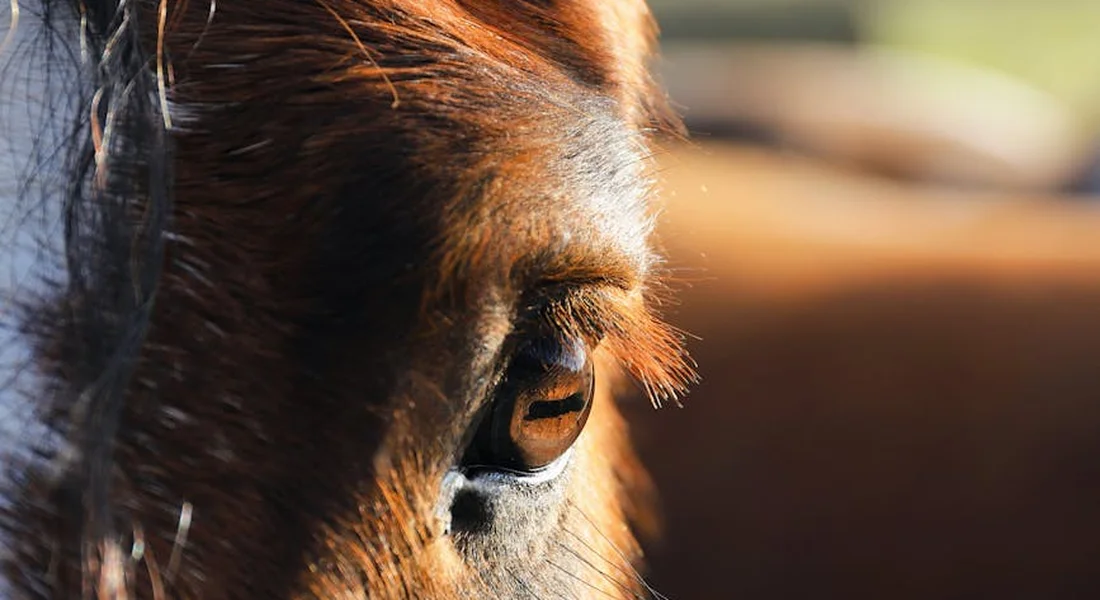
Think of eye color genetics like mixing paint in the barn aisle: a little of this gene, a dash of that, and you get the final shade. Blue or green eyes in horses aren’t a separate color pot; they’re usually the result of specific coat color genes limiting pigment in the iris. The main player is the “splash white” or “frame overo” pattern gene, which can block melanin not just in the hair but in the eyes too. I’ve seen this firsthand with pintos in our herd-a loud tobiano might have dark eyes, but a horse with splash markings often sports a stunning blue gaze. It’s a package deal.
Palominos, buckskins, and cremellos are another great example. The cream dilution gene lightens both coat and eye color. A single copy gives you golden hair with brown eyes, but a double copy on a chestnut base creates a cremello with pale blue eyes. It’s a clear reminder that what you see on the outside is a direct window into the genetic recipe happening inside.
Coat Color Versus Eye Color: Untangling the Link
You don’t inherit eye color separately from your horse’s coat pattern-it comes along for the ride. Here are the most common connections you’ll spot at the barn, but remember horses perceive color differently.
- Pinto Patterns (Overo, Splash White, Tovero): Horses with extensive white facial markings, especially from certain overo genes, frequently have one or two blue eyes. The gene affects pigment cells as they migrate during development.
- Double Dilutes (Cremello, Perlino, Smoky Cream): Two copies of the cream dilution gene massively reduce pigment, resulting in a very light cream coat and almost always blue eyes.
- Appaloosas: The LP (Leopard Complex) gene is famous for causing striped hooves, mottled skin, and sometimes visibly sclera (white around the eye). While many have dark eyes, it can also contribute to lighter or parti-colored eyes.
- Solid Bays or Chestnuts: True green eyes are rare and often a very light, hazel-brown that can look greenish in certain light. This is more individual variation and not tightly linked to a single, common coat gene.
My mare Luna, a dapple grey, has dark eyes, but her Thoroughbred sensitivity makes me extra observant-genetics give the blueprint, but every horse is an individual.
Practical Care for Your Blue-Eyed or Green-Eyed Horse
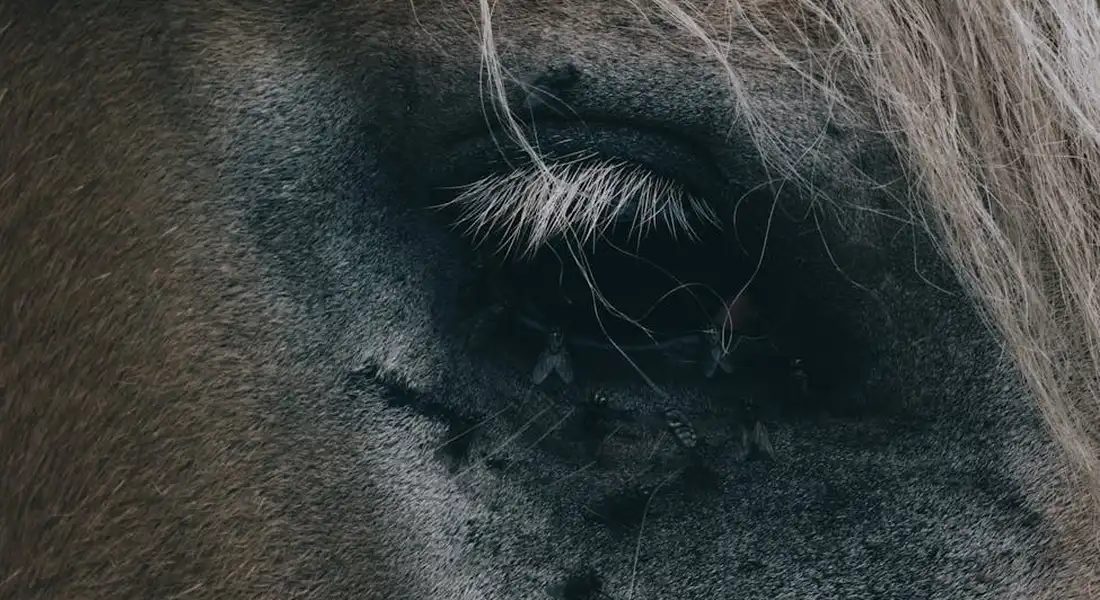
That beautiful, light-filled eye is more susceptible to bright sunlight and UV rays. Caring for it isn’t complicated, but it requires consistent, thoughtful management. Your primary job is to become a shield against glare and a detective for subtle squints. Here’s my daily protocol, built from years with light-eyed ponies like Pipin, who always seeks the shade.
- Invest in Quality Fly Masks: Don’t just grab any mask. Choose one with UV-protective lining that blocks harmful rays while keeping insects out. I prefer masks with long nose covers for pink-skinned noses too.
- Guarantee Shaded Turnout: This is non-negotiable for equine welfare. Ensure your paddock has a sturdy run-in shed or dense tree cover. Horses with light eyes will self-regulate and spend more time out of direct sun.
- Make Daily Eye Checks a Ritual: During grooming, gently hold their head and look for increased tearing, redness, or any cloudiness. Note if they’re shying from light more than usual.
- Be Mindful of Riding Times: Plan trail rides or intense work for early morning or late evening in summer to avoid the harsh midday sun. Rusty and I learned this the hard way on a bright, cloudless day-he was much happier once we adjusted our schedule.
- Keep a Clean Environment: Dust and airborne debris irritate all eyes, but light ones can be more reactive. Dampen aisleways before sweeping and avoid shaking out hay directly upstream of your horse.
Stable Hacks for Managing Light Sensitivity
You don’t need a big budget to make a big difference. These are my tried-and-true, affordable adjustments for keeping those eyes comfortable.
- Create Instant Shade: String up a sturdy tarp or canvas sailcloth over a corner of the paddock using fence posts and rope. It’s a cheap, effective sun block for midday hours.
- Use Stall Windows Strategically: If your stall has a window to the outside, apply a static-cling UV film to the glass. It cuts glare without making the space dark.
- Choose the Right Fly Gear: Have two masks: a lightweight, breathable one for cloudy days and a full-UV version for intense sun. Rotate and wash them weekly to prevent sweat buildup.
- Adjust Feeding Stations: Place water troughs and hay nets in shaded areas so your horse isn’t forced to stand in the sun to eat and drink.
- Observe and Adapt: The best hack is your own observation. If your horse consistently avoids the sunny side of the arena or paddock, take that as direct feedback and modify their environment.
Gentle horsemanship starts with seeing the world from their perspective, and for a horse with light eyes, that world is literally brighter.
Can Horses Have Blue or Green Eyes? Understanding Equine Eye Colors
Can eye color change as a horse ages?
Equine eye color is generally stable after the first few months of life, with most changes occurring during foal development as melanin settles. Significant color shifts in adult horses are uncommon and may indicate underlying health issues like uveitis or cataracts. Regular veterinary check-ups can help monitor any unusual changes and ensure overall eye health.
Is a horse with blue eyes considered a specific color?
Blue eyes are not a distinct coat color but a trait linked to genetic patterns like overo, splash white, or cream dilution genes. Horses with blue eyes are typically identified by their coat color, such as a blue-eyed paint or cremello, with the eye color noted as a characteristic. This trait enhances their appearance but does not classify them into a separate color category beyond standard equine color definitions, including paint horses.
What is the proper term for a blue-eyed horse?
The common descriptive term is “blue-eyed,” referring directly to the iris color without implying a breed or health condition. In some contexts, “wall eye” may be used if there is prominent visible sclera, but it specifically describes eye appearance rather than a proper name. For accuracy, it’s best to combine coat color with “blue-eyed” in descriptions, such as “a bay horse with blue eyes.”
Keeping an Eye on Things
Blue or green eyes are beautiful but often more sensitive to sunlight, making a quality UV-blocking fly mask non-negotiable for sunny days. Schedule regular check-ups with your vet to monitor eye health, as these unique colors can sometimes be linked to other conditions.
Watch for subtle signs like squinting or head-shyness-your horse will tell you what they need. Good horsemanship is built on this quiet observation, keeping you both safe and connected. By learning to read their body language, you can tell if your horse is happy. This awareness deepens trust and strengthens your partnership.
Further Reading & Sources
- How does a horse see color? | Stale Cheerios
- All The Different Horse Eye Colors
- Horse Vision Explained: How Horses See the World
- Common Equine Eye Myths in Colored Horses – Riding Magazine
At Horse and Hay, we are passionate about providing expert guidance on all aspects of horse care, from nutrition to wellness. Our team of equine specialists and veterinarians offer trusted advice on the best foods, supplements, and practices to keep your horse healthy and thriving. Whether you're a seasoned rider or new to equine care, we provide valuable insights into feeding, grooming, and overall well-being to ensure your horse lives its happiest, healthiest life.
Health