
How Often Do Horses Poop? Your Practical Guide to Gut Health
Hello fellow equestrians, staring at a fresh pile or a suspiciously empty stall floor can spike your worry faster than a spook at a plastic bag. Questions about poop frequency are not silly; they’re a frontline defense against digestive distress, vet bills, and behavioral quirks rooted in discomfort.
Let’s walk through the pasture together. I’ll share what I’ve learned from countless mornings mucking out and monitoring my own herd. We’ll cover:
- What a healthy daily poop count really looks like, and why it varies so much.
- How forage, water intake, and even pasture time directly set the digestive tempo.
- The specific changes in manure that signal it’s time to call the vet.
- Simple, daily routines I use to promote smooth digestion and prevent issues.
My years in the barn as a manager and trainer have taught me that the thud of a healthy manure ball is one of the most reassuring sounds there is.
The Daily Digestive Rhythm: What’s Normal?
The Standard Poop Schedule
Watch your horse’s manure piles like a daily newspaper. A healthy adult horse typically drops 8 to 12 piles every 24 hours. This frequency is a direct reflection of a smoothly running digestive system.
Where your horse lives changes the story. The choice between stall boarding and pasture boarding has a big impact on your horse’s well-being. An honest comparison helps you understand what each option means for daily movement, social time, and digestion. A stall-kept horse with limited movement and meal-fed hay might produce only 6 to 8 piles. A horse on full-time pasture, grazing constantly, will often hit that 10-12 mark. Turnout time isn’t a luxury; it’s digestive lubricant.
I see this every day at my barn. My Quarter Horse, Rusty, is a pasture creature through and through. He’ll leave a neat line of 10 to 12 piles along his favorite fence line. My Thoroughbred, Luna, is more nuanced. When she’s feeling calm and turned out, she matches Rusty. On a stressful day confined to her stall, her output can drop to six. Their individual rhythms teach me that “normal” is a range, not a single number.
How Much Comes Out?
Prepare your wheelbarrow. An average 1,000-pound horse generates about 50 pounds of manure each day. That’s one completely full, heavy wheelbarrow load per horse, per day.
This volume ties directly to the 1-2% body weight feeding rule. If your horse eats 20 pounds of hay, expect roughly 50 pounds of manure to come out the other end. Think of it like a very efficient, very large compost heap: what goes in must come out.
The numbers aren’t perfect because some mass converts to energy, heat, or gas. But the link is reliable. A suddenly light wheelbarrow is your first clue to check the hay net.
Inside the Horse’s Engine: A Quick Tour of Equine Digestion
The Hindgut Fermenter: Your Horse’s Power Plant
Your horse’s stomach is just the appetizer. The main course is served in the hindgut, a massive fermentation factory. The cecum acts like a 30-gallon brewing vat. Here, trillions of microbes diligently break down fibrous hay into volatile fatty acids, your horse’s primary fuel. Many people wonder: how many stomachs do horses have? Horses have a single stomach, not multiple stomachs.
The large intestine follows, absorbing water and remaining nutrients. This microbial ecosystem is so vital that disrupting it can shut down the whole operation.
I think of it like a busy bakery inside my horse. The hay is the flour, the microbes are the yeast, and the result is usable energy. Fiber isn’t just bulk; it’s the essential feedstock for this internal power plant.
The Food’s Journey: From Mouth to Manure
From the first crunch of hay to the final plop in the field, the trip takes 24 to 48 hours. Food zips through the stomach and small intestine in mere hours. The long, slow march happens in the hindgut, where fermentation does its careful work.
Gut motility-the rhythmic waves that push food along-requires constant fiber stimulation. An empty gut slows to a dangerous crawl. Horses are designed for a steady intake, not large, spaced-out meals.
This is why I am fanatical about free-choice hay. The sound of constant chewing from the stalls is music to my ears. Preventing colic isn’t complicated; it’s about never letting the digestive conveyor belt stop moving.
What Changes the Poop Schedule? Key Factors
Diet Dictates Output
What goes in directly shapes what comes out. The type of feed is the biggest driver of your horse’s bathroom routine. Monitoring manure is the easiest way to catch a dietary misstep before it becomes a vet bill. Let’s break down the common scenarios.
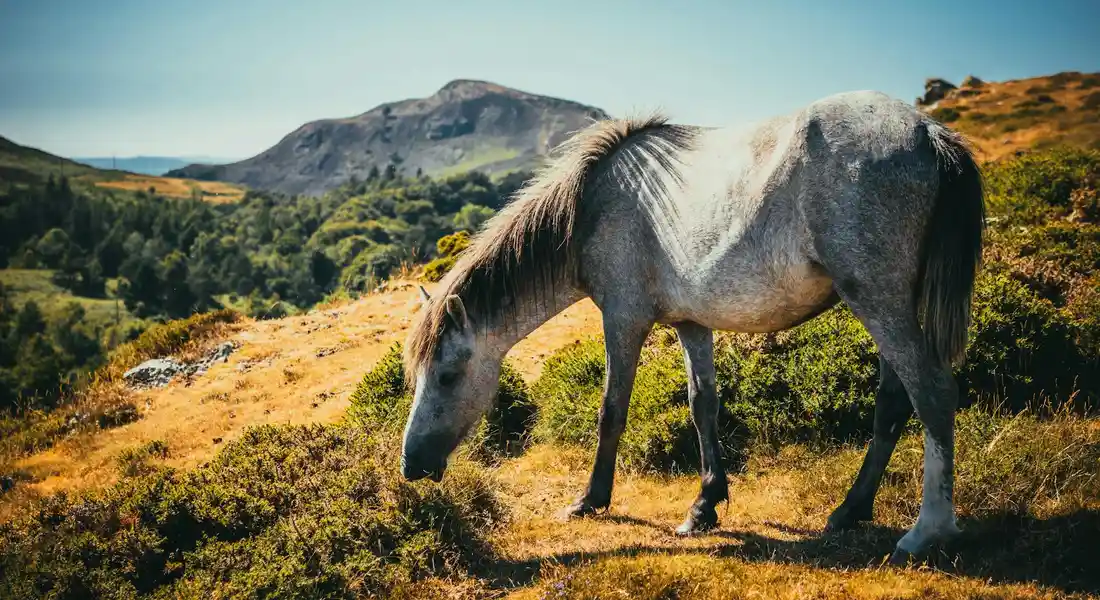
- Pasture Grazing: This is the gold standard. Fresh grass is high in water and fiber, mimicking a horse’s natural diet. You’ll see more frequent, softer, and greener piles. Horses like Luna on lush turnout might go every hour or two because they’re constantly nibbling.
- Hay-Only Diet: Dry forage means drier output. The manure balls will be firmer, browner, and may be passed less frequently. Always ensure unlimited fresh water is available, as hay absorbs moisture in the gut. This is Rusty’s winter routine, and I watch his water bucket like a hawk.
- Grain or Concentrates: High-starch meals can speed things up unnaturally. A small amount might not change much, but overdoing it leads to looser, stickier manure and can upset the delicate hindgut balance. If you see whole oats in the pile, your horse is eating too fast or has dental issues-time to slow feed or call the equine dentist.
Activity, Age, and Environment
Digestion isn’t just about food. A horse’s entire life affects their gut rhythm. A sudden change in poop frequency is often your first clue that something else is off. Understanding how a horse’s digestive system works helps you know what’s normal. That way you can spot trouble early.
Regular exercise keeps the gut moving. A horse in light work may poop more predictably than a stalled companion. Stress is a major disruptor; the anxious thud of hooves in a new stall often leads to loose stools. I’ve seen Luna produce runny manure just from a neighbor moving out-her sensitivity shows in her droppings.
Weather extremes play a role. In summer, sweat loss can lead to drier manure if water intake doesn’t increase. In bitter cold, horses may drink less, risking impaction. Age matters, too. Young, mischievous Pipin has a metabolism like a furnace, processing food quickly. Senior Rusty moves slower in every way, and his system needs more help from soaked hay and consistent turnout.
Any change in routine—travel, a new feed schedule, or even a different caretaker—can temporarily alter bowel habits until the horse adjusts. Consistency is kindness to their digestion, especially when transitioning between feeds.
Reading the Manure Pile: Your Daily Health Report
Assessing Stool Consistency: The Good, The Bad, The Runny
Think of each pile as a quick text message from your horse’s insides. You just need to know how to read it. The ideal manure pile is a thing of beauty: a cluster of moist, formed fecal balls that break apart easily when kicked.
Here’s your visual field guide:
- The Good: Distinct, damp balls that hold a slight shape. They should have a breakable texture, like a crumbly cookie. This means hydration and fiber are on point.
- The Dry: Hard, small, separate balls that look like marbles. This is a red flag for dehydration or the start of an impaction. Hear that dry, clattering sound as they hit the stall floor? Immediately encourage more water intake with wet mashes or electrolytes.
- The Runny: Cow-patty consistency or outright diarrhea. This signals distress, from sudden diet change to parasites or infection. It requires quick action to prevent dehydration.
- The Mucus-Covered: Jelly-like strands coating the manure indicate gut lining irritation. It can happen with sand ingestion or after a dewormer. Don’t ignore it.
The Color and Content Clues
Color variations are usually diet-related, but content tells the deeper story. Spotting undigested long stems in the manure was my clue old Rusty needed a dental float-he wasn’t chewing his hay properly.
Normal color swings from greenish-brown on spring pasture to a deeper brown on a hay diet. Unusual colors warrant attention: very dark, blackish manure can indicate bleeding high in the gut, while pale, clay-colored stool points to liver issues.
Look closely at what’s in the pile. Whole, undigested grains mean the food is moving too fast through the system, offering no nutritional benefit. Finding long, intact hay fibers is a sign of inadequate chewing, often due to dental problems, especially in seniors. A few bits are normal, but fistfuls of hay in the manure mean it’s time for a check-up. Your daily muck-out is the most important health check you’ll do.
Troubleshooting Digestive Upsets
When Poop Stops: Signs of Slowed Gut Motility
A silent stall floor is a silent alarm bell. When your horse’s usual pile stops appearing, it’s your first clue that gut motility-the internal conveyor belt-is slowing down. You’ll notice fewer, drier balls. The ones you do find might be small, hard, and covered in mucus.
Watch your horse’s behavior just as closely. Is he standing camped out, looking at his sides? Is he lying down and getting up repeatedly, or showing no interest in his hay? Any sign of true discomfort, like pawing, sweating, or rolling, means you pick up the phone and call your vet immediately. Even subtle cues—like a tucked tail, shifting weight, or a slight grimace—can indicate pain. Recognizing these small signals helps you act quickly and seek timely care.
If he seems merely off but not in acute pain, you have safe, first-response tools. Hand-walk him gently for 20-30 minutes. The movement can help stimulate his system. Offer fresh, warm water to encourage drinking. Remove any grain, but keep clean hay within reach.
Guidance: List early warning signs of constipation or impaction. Provide immediate, safe steps an owner can take (walking, hydration). State the clear “call the vet” triggers.
- Early warning signs: Drastically reduced manure output, small/hard/dry fecal balls, straining to defecate, loss of appetite, quiet or depressed demeanor.
- Immediate owner steps: Provide continuous access to fresh, clean water (offer warm water if it’s cold). Hand-walk the horse for 20-30 minutes to encourage movement. Remove all concentrated grain from the diet. Allow free-choice access to good-quality hay.
- Call the vet NOW triggers: Signs of colic pain (pawing, looking at flank, rolling, sweating). No manure output for more than 4-6 hours alongside behavioral changes. Distended abdomen. Elevated heart rate or gum color that is not a healthy pink.
When It’s Too Loose: Dealing with Diarrhea
The opposite problem is just as worrying. A sudden pile of cow-patty consistency in your Thoroughbred Luna’s stall needs a different kind of investigation. Stress-induced loose stool, like after a hard workout or a trailer ride, often clears up quickly once the horse settles. True, persistent diarrhea is a red flag.
Causes range from dietary indiscretion (that mischievous pony, Pipin, getting into the grain bin) to parasites, sand ingestion, or bacterial imbalance. My main concern is always dehydration and the loss of crucial electrolytes, which can weaken a horse faster than you think. When a horse stops eating or eats poorly, underlying issues often signal the need for practical solutions. Knowing why your horse isn’t eating properly helps guide effective remedies.
Monitor water intake closely. You can offer a soaked electrolyte mash to encourage drinking and replace losses. Remove rich spring grass or lush hay temporarily, replacing it with older, stemmier hay. If the diarrhea lasts more than a day, is accompanied by fever, or your horse acts dull, your vet needs to find the root cause.
Guidance: Differentiate between stress-induced loose stool and serious diarrhea. List potential causes. Emphasize electrolyte and water balance.
- Stress-induced: Temporary, often occurs after travel, intense exercise, or sudden feed change. Manure is softer but not purely liquid. Horse otherwise seems normal and it resolves within a few hours.
- Serious diarrhea: Watery, projectile, or persistent for over 24 hours. May have a foul odor. Often paired with other symptoms like fever, loss of appetite, or lethargy.
- Potential causes: Sudden dietary change, parasitic load (worms), sand accumulation, bacterial infection (e.g., Salmonella), colitis, or reaction to certain medications (like antibiotics).
- Critical Focus: Hydration and electrolytes. Ensure constant access to clean water. Provide a veterinarian-recommended electrolyte supplement, often best given in a wet mash to boost fluid intake simultaneously.
Supporting a Healthy System: Practical Barn Management
Feeding for Optimal Gut Function
The best troubleshooting is preventing problems before they start. It all comes back to mimicking how a horse is built to live: moving and munching. Here’s your four-step guide to feeding for a happy gut.
- Maximize Forage: Your horse should eat 1.5-2% of his body weight in hay or grass daily. This is non-negotiable. The constant fiber keeps the digestive conveyor belt moving and produces heat during digestion, which keeps him warm in winter.
- Provide Constant Water: A horse can drink up to 10-12 gallons a day. In winter, break tank ice twice daily and consider offering warm water. I’ve seen a picky drinker like Rusty drain a bucket after I added just a splash of apple juice to tempt him.
- Feed Small Grain Meals: If you must feed concentrates, never more than 4-5 pounds per meal. Smaller meals prevent overwhelming the stomach and hindgut, reducing the risk of starch overload and colic.
- Make Changes Slowly: Any switch in hay, pasture, or grain type should happen over 7-10 days. Start with 25% new feed mixed with 75% old, and gradually shift the ratios. The single fastest way to cause a digestive upset is by changing a horse’s diet overnight.
And always, always advocate for turnout. The movement of walking around a paddock is the best gut motility drug there is, and it’s free.
The Daily Stall Check Routine
Your most powerful tool is simple observation, woven into your morning ritual. As you walk down the aisle, listen to the soft thud of hooves and smell the sweet scent of fresh hay. Before you even pick up a pitchfork, do this:
First, count the piles. For my three, I know Rusty’s stall will have 8-10 neat piles, Luna’s will have 6-8 (she’s a tidier boarder), and Pipin’s will look like a minefield of tiny, cheeky droppings. A drastic change in number is my first data point.
Next, look at consistency and content. Are the balls formed and moist? I break one open with my boot-it should crumble apart, not be hard as a rock. I scan for anything odd: undigested grain, long strands of hay, or the dreaded presence of sand (gritty texture at the bottom of a wet pile).
This two-minute check, done with intention every single morning, will help you spot a problem long before it becomes an emergency. It turns routine chores into the most important conversation you have with your horse each day. Knowing what to look for can make all the difference.
FAQ: How Often Do Horses Poop? Understanding Their Digestive System
What is the typical frequency of bowel movements in a healthy horse?
A healthy adult horse typically defecates 8 to 12 times per day under normal conditions. This range supports efficient digestion and nutrient absorption from forage. Consistent frequency within this span indicates a well-functioning digestive system. Horses are herbivores, and their digestive system is adapted to continuous grazing and fibrous forage. Understanding horse digestion helps explain why regular bowel movements are a sign of good health.
What factors commonly influence how often a horse poops?
Key factors include diet, such as hay versus pasture, which directly affects gut motility and output. Activity level and stress can also alter frequency, with more movement often increasing bowel movements. Environmental changes, like weather or routine shifts, may temporarily impact poop schedules until the horse adjusts.
When should a change in poop frequency prompt a call to the vet?
Contact your vet immediately if your horse stops pooping for over 4-6 hours accompanied by signs of colic, like pain or rolling (early warning signs of colic in horses). Persistent diarrhea or drastic increases in frequency with loose stools also require prompt veterinary attention. Always pair frequency changes with behavioral observation to gauge severity and urgency.
Straight from the Stall: What Manure Tells You
Monitor the frequency and consistency of your horse’s droppings daily—it’s the most straightforward health check you can do. Any sudden increase, decrease, or change in appearance is a red flag requiring an immediate veterinary consultation. It’s one of the most important indicators of your horse’s overall health.
Patience and observation are your best tools for preventing digestive upset. Your horse’s daily rhythms speak volumes; prioritizing turnout and forage is the foundation of gentle, effective care.
Further Reading & Sources
- Your Horse’s Poop Tells A Story– FullBucket Health
- What Does Your Horse’s Manure Say About Their Health? | Mad Barn
- Evaluating Horse Poop: What’s The (Fecal) Matter? – The Open Sanctuary Project
- Horse Poop – Springhill Equine Veterinary Clinic
At Horse and Hay, we are passionate about providing expert guidance on all aspects of horse care, from nutrition to wellness. Our team of equine specialists and veterinarians offer trusted advice on the best foods, supplements, and practices to keep your horse healthy and thriving. Whether you're a seasoned rider or new to equine care, we provide valuable insights into feeding, grooming, and overall well-being to ensure your horse lives its happiest, healthiest life.
Health