
Barefoot vs. Shod: 7 Common Hoof Care Myths Busted by Farriers
Hello fellow equestrians! Deciding between metal shoes and natural hooves for your horse can tie your stomach in knots, especially when every barn chat seems to offer conflicting advice. The worry about causing lameness, facing sudden vet bills, or missing a subtle sign of discomfort is a burden every good horse owner carries.
Let’s clear the air. In this article, I’ll dismantle the biggest misconceptions that cloud our judgment about hoof care. We’ll get into the nitty-gritty on topics like:
- Whether shoes are a mandatory requirement for performance or trail riding.
- The myth that barefoot horses are somehow “tougher” and need less frequent care.
- The idea that a horse can never transition back to barefoot after wearing shoes.
- Believing hoof boots are just a crutch and not a legitimate tool.
- The assumption that every farrier automatically recommends shoeing.
- Thinking cold weather or dry terrain means you must shoe.
- Reading every crack or ring on the hoof wall as a dire emergency.
I’ve guided this decision for everything from my steady trail partner Rusty to my high-strung Thoroughbred Luna, combining years of barn management with a farrier’s practical wisdom.
Why Hoof Care Myths Can Harm Your Horse
I’ve seen the fallout from well-intentioned but misinformed choices in my own barn, and it never gets easier. Hoof myths are more than just stable gossip; they directly impact your horse’s comfort, soundness, and long-term health. Believing in a one-size-fits-all solution can lead to real, lasting damage.
Operating on a myth can mask underlying issues, from subtle lameness to developing metabolic problems, until they become a full-blown crisis. It pressures owners into quick fixes or rigid ideologies instead of encouraging thoughtful, individualized care. The cost of a myth isn’t just measured in farrier bills, but in your horse’s trust and willingness to move freely.
- Lameness Risk: Improper support can strain tendons and ligaments, leading to intermittent or chronic soreness.
- Hoof Deterioration: Applying the wrong philosophy can weaken hoof walls, cause cracks, or create unbalanced wear patterns.
- Wasted Time & Money: Pursuing a path based on a myth delays effective treatment, often making correction more complex and expensive.
- Compromised Welfare: Ultimately, a horse in foot pain cannot express natural behaviors, impacting their mental and physical well-being.
Myth 1: Barefoot is Always the Natural and Healthy Choice
This myth is pervasive and seductive. Of course, we want what’s “natural” for our horses! The sound of a bare hoof on good earth is a beautiful thing. But “natural” isn’t the same as “universally applicable.” The wild horse model ignores a critical fact: our domestic horses live in our world, not a pristine plain.
The healthiest choice is the one that supports a specific horse, on their specific terrain, doing their specific job-whether that’s a bare hoof, a shoe, or a glue-on. My sensitive Thoroughbred, Luna, might need front shoes for traction on our rocky trails, while Pipin the pony thrives barefoot year-round. Forcing barefoot on a horse who isn’t structurally suited for it is not natural; it’s neglectful. Understanding the intricacies of equine anatomy can help make the right choice.
Consider what “natural” truly entails for a domestic equine. They often travel shorter distances on richer feed over man-made surfaces, compared to the 20 miles a day on abrasive, sparse grassland their ancestors covered. A hoof that isn’t wearing down at the rate it’s growing needs protection or very meticulous maintenance, which is itself a human intervention.
- Terrain: A soft-sand pasture is not equal to gravel roads or rocky mountain paths. The hoof must be tough enough for its environment.
- Hoof Quality: Some horses inherit brittle, shelly feet that simply cannot hold up to consistent work without support.
- Workload: Concussion from regular riding, especially on hard surfaces, often requires more protection than the sole can provide.
- Health History: Horses with past laminitis, navicular changes, or certain injuries may require the mechanical advantage shoes offer to remain comfortable.
The goal is a healthy, functional hoof capsule, not a dogma. A great farrier will assess all these factors with you, without bias toward shoeing or barefoot, to find the right path. I’ve had horses transition successfully to barefoot, and I’ve had others where pulling their shoes was a swift route to a sore, reluctant partner. Listen to your horse’s movement and your farrier’s expertise over a catchy slogan every single time.
Myth 2: Shoes Smother the Hoof and Prevent It from Breathing
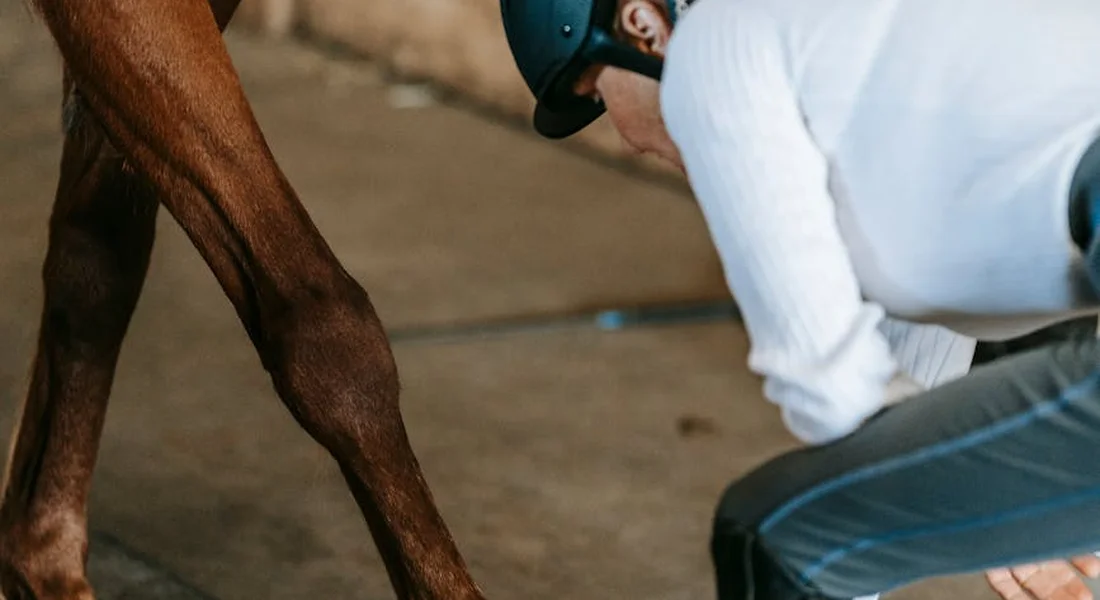
You’ve heard it at the tack shop or read it online: a hoof needs to “breathe,” and a metal shoe stifles that process. It sounds logical, like putting a sock over a sweaty foot. But here’s the farrier’s truth-hooves aren’t lungs. The primary moisture and health of the hoof come from within, from the blood pumping down from the leg, not from the air outside.
Think of the hoof wall like your fingernail. You can paint it or glue a fake nail on, but the living, growing part underneath gets its nourishment from your body. A properly fitted shoe is nailed into the insensitive hoof wall, the equivalent of that nail plate. It doesn’t seal anything off. I’ve watched my farrier work on Pipin’s tiny, tough feet and seen how a shoe sits on the surface, leaving the sole and frog completely exposed to the ground and air.
Where dry, brittle hooves come from isn’t shoes, but environment and management. A horse standing in a wet stall 24/7 will have soft, weak feet. One on parched, dry ground may have hooves that crack. The real key to hoof moisture is internal hydration-that means plenty of fresh water, good forage, and healthy circulation from movement and turnout.
I learned this with Luna, my sensitive Thoroughbred. We tried a period barefoot, but on our rocky trails, she became ouchy and reluctant. Putting shoes on her didn’t “smother” her feet; it protected them so she could move freely and build better circulation. The next time her shoes were pulled for a reset, her soles were healthy and supple. The difference was in her overall care, not the presence of metal.
How Hoof Health Really Works
Forget breathing. Focus on these pillars instead:
- Circulation: The hoof mechanism pumps blood with every step. Turnout and movement are non-negotiable.
- Hydration: From the inside out. Always provide clean water and quality forage.
- Balance: A skilled farrier trims or shoes to maintain optimal hoof geometry, which supports all internal structures.
- Environment: Aim for consistent, moderate conditions. Sudden shifts from swampy to arid are the real trouble.
A shoe is just a tool; it’s the care surrounding it that defines your horse’s hoof health.
Myth 3: Shod Horses Lose Sensitivity and Can’t Feel Their Feet
This myth paints a picture of a horse clomping around like it’s wearing concrete boots, utterly unaware of the ground. It’s a scary thought-no rider wants their partner to be numb to pain or terrain. Let’s get tactile: feel your own fingernail. Now pinch it. Feel anything? Not really. Now pinch the quick underneath. Big difference. The shoe is attached to the hoof wall, which is made of keratin and has no nerves, just like your nail.
The sensitive parts of the foot-the laminae, sole, and frog-are all underneath and behind that wall. A correctly applied shoe doesn’t press on these areas. Its job is to lift the weight-bearing edge of the wall slightly off the ground to prevent wear and provide traction. The horse still feels the ground through the sole and frog with every step.
I prove this to myself every time I ride Rusty on our winding, uneven trails. Shod in front, he remains my cautious, puddle-hating guide. He still places his feet with deliberate care over slippery roots and loose stones. If shoes caused numbness, he’d be stumbling through obstacles, not expertly avoiding them. His sensitivity is intact; his feet are simply armored.
Problems arise not from the shoe itself, but from poor application. A shoe that’s too small, has a dropped heel, or presses on the sole will cause pressure and pain. That’s a farrier issue, not an inherent flaw of shoeing.
Signs Your Shod Horse is Feeling Just Fine (or Not)
Monitor these to gauge comfort:
- Good movement: A confident, even stride on various surfaces.
- Sound behavior: No reluctance to turn, step onto hard ground, or pick up feet for cleaning.
- Healthy hoof signs: No heat in the hoof wall, no increased digital pulse at the pastern, and no tenderness when the sole is tapped with a hoof pick.
Your horse’s feedback is the best metric-watch their movement and listen to their behavior more than the myths. A well-shod horse is a protected horse, not a senseless one. The clink of the farrier’s hammer should signal precision care, not a loss of feeling.
Myth 4: Barefoot Horses Can’t Handle Performance or Rough Terrain
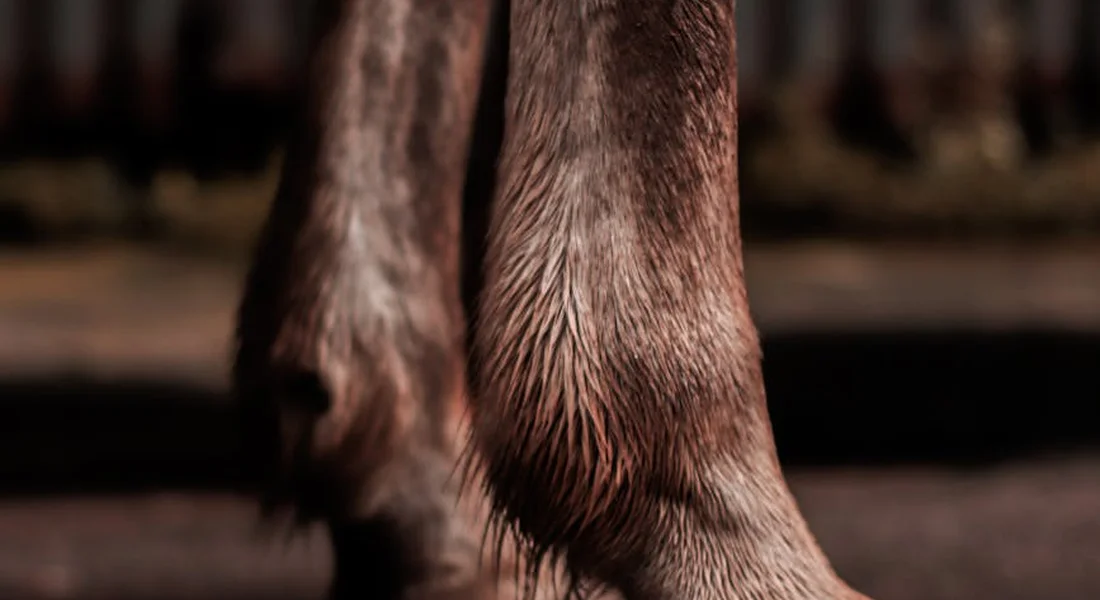
This myth is stubborn, like a pony who sees the vet box. I’ve taken my reliable old gelding, Rusty, over miles of rocky trails barefoot, and his soles are tougher than old boot leather. The key isn’t a shoe; it’s a conditioned hoof and a smart management plan.
A barefoot hoof is a living, adaptable structure. On consistent terrain, it becomes conditioned to that surface. The secret to a tough barefoot hoof is progressive conditioning over varied terrain, which encourages the sole to callous and the digital cushion to strengthen. You wouldn’t run a marathon without training; you don’t take a soft stall-kept hoof straight onto gravel roads.
Think of it like building callouses on your own hands. Start slow on softer ground, gradually introducing more challenging surfaces as the hoof responds. Many endurance and trail competitors choose barefoot for the superior proprioception and circulation it offers.
Some horses, due to conformation, workload, or existing hoof quality, may need boots for specific rides. That’s not a failure! I keep a pair of hoof boots for Luna for our longer, stonier adventures. It’s about the horse’s comfort, not ideology.
- Terrain is Your Training Tool: Mix up your riding surfaces-soft arena footing, firm tracks, grassy fields, and gentle gravel.
- Consistency is Non-Negotiable: A barefoot horse needs a meticulous, frequent trim cycle (often every 4-6 weeks) from a farrier who understands barefoot performance.
- Boots are Brilliant Backup: Modern hoof boots offer fantastic temporary protection for tough trails without the permanent commitment of a nail-on shoe.
- Listen to the Horse: A short, tender step on rough ground is feedback. It tells you they need more time, a boot, or a different path.
Myth 5: Hoof Care and Maintenance Stop When You Put Shoes On
If I had a dollar for every time I heard, “He’s shod, so we’re good for eight weeks,” I could buy a new saddle. Shoeing is the start of a maintenance cycle, not the end of it. Putting shoes on a horse is like putting tires on your car; you still must check the pressure, alignment, and tread wear regularly.
I check Pipin’s shod feet every single day when I muck his stall. A loose shoe can cause serious damage in a single playful buck or a wrong step in the paddock. That familiar *ping-clink* of a thrown shoe in the gravel is a sound every horse owner knows, and it usually happens at the least convenient time.
Hooves grow at the same rate shod or barefoot. The shoe is nailed to that growing hoof wall. Without regular trimming, the foot can become unbalanced, leverage increases on the nails, and the chance of a sprung shoe rises. The frog and sole still need cleaning, and thrush doesn’t care if there’s iron over the hoof.
Your farrier visit shifts from a trim to a reset, but the between-visit responsibility remains squarely on your shoulders.
- The Daily Pick & Check: Clean out all feet daily. Look for lodged stones, check for loose clinches (the folded-over nail ends), and feel for any warmth or pulses that might indicate brewing trouble.
- The Weekly Probe: Run your hand around the hoof wall where it meets the shoe. Can you feel any gaps or rising? Gently tap the shoe with a hoof pick. It should sound solid, not hollow or loose.
- Mind the Schedule: Most shod horses need a farrier every 6-8 weeks, without fail. Growth and wear wait for no one.
- Environment Matters: A wet, muddy paddock can rot the hoof wall and soften the white line, making it easier for a shoe to pull off. A dry, rocky one can wear shoes down prematurely.
Myth 6: Shoes are a Guarantee Against Lameness and Hoof Problems
I once watched a shod horse take a hesitant step on soft ground, its head bobbing with each painful thud. The owner was baffled; the horse had shoes, so shouldn’t it be sound? Shoes are a fantastic tool, but they are not an insurance policy. Metal on the hoof wall does not inoculate against poor biomechanics, subpar nutrition, or the simple need for a correct trim.
Think of it like this: putting shoes on a poorly trimmed hoof is like building a house on a cracked foundation. The problem is merely hidden, not solved. I’ve pulled shoes from horses like Rusty only to find thrush brewing underneath, trapped moisture and debris silently undermining his hoof health. Proper hoof care is a holistic system where shoes are just one potential component, not the entire solution—it’s about proper trimming and maintenance.
Lameness often stems from issues shoes can’t touch. Here are the real guardians of soundness:
- Dynamic movement: Daily turnout lets the hoof mechanism pump blood, delivering nutrients for strong growth.
- Precision trimming: Every six to eight weeks, a farrier must balance the hoof to the leg, shod or not.
- Internal nutrition: Quality forage and balanced minerals build resilient hooves from the inside out.
- Vigilant observation: That daily ritual of picking feet and running your hands down the legs catches heat, swelling, or tenderness early.
With Luna, her shoes were contributing to a too-long toe and underrun heel, creating strain. Removing them and focusing on pasture time and corrective trimming was our real fix. Sometimes, the path to soundness involves removing an intervention, not adding one.
Myth 7: Hoof Boots Are Just a Passing Fad, Not Real Equipment
I recall the skeptical snort from a fellow boarder when I first strapped hoof boots on Pipin for a wet trail ride. An hour later, her shod horse was sliding while Pipin marched sure-footedly through the muck. Today’s hoof boots are sophisticated, durable pieces of athletic gear. They represent a shift towards adaptable, horse-centric care, not a temporary trend.
Modern boots offer targeted protection without permanently altering the hoof. They provide shock absorption on pavement, grip on slick rocks, and a clean environment for a healing sole. Their greatest strength is versatility; you can offer protection for a specific task and then let the hoof breathe and flex naturally afterward.
Forget the fad label. Here is where boots become essential equipment:
- Barefoot transition: They protect the tender sole as the hoof toughens and changes shape.
- Terrain management: Use them for a granite-strewn trail, then remove them for soft arena work.
- Emergency kit: A boot in your trailer can get a horse who’s thrown a shoe safely home.
- Therapeutic support: They can securely hold a poultice or pad for treating an abscess or bruise.
Fitting a boot requires care. Measure the clean, trimmed hoof according to the brand’s chart. A good fit feels snug, with no pinching at the coronet or gaping at the heel. You should hear a firm click when fastening them and see a confident, unrestricted stride from your horse. It’s just as important as choosing the right boots in the first place.
From my tack room, I now keep boots alongside saddles and bridles. They are as real as any other tool. Embracing options like boots means prioritizing the horse’s immediate comfort and long-term hoof integrity over tradition alone.
How to Make the Right Hoof Care Decision with Your Farrier
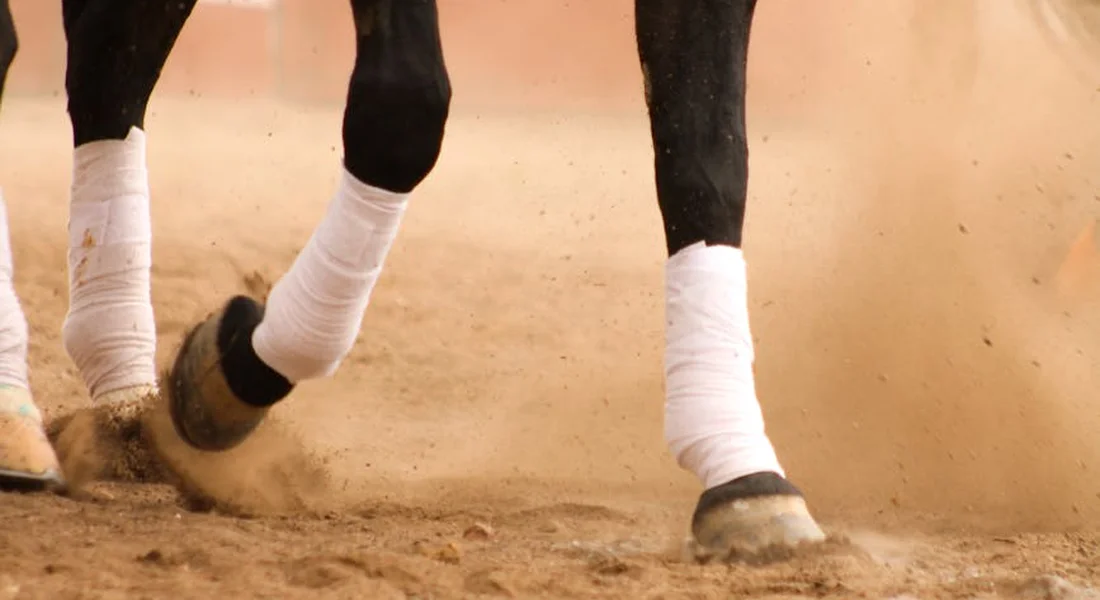
Deciding between barefoot and shod isn’t a coin toss. It’s a strategic choice you make with your farrier, not for them. I’ve stood in many a barn aisle, coffee in hand, watching a farrier work and peppering them with questions. The right decision rests on three pillars: your horse, your terrain, and your partnership with the hoof professional.
1. Start with a Hoof Health Audit
Before you even mention shoes, take a good, hard look at what you’ve got. Get down on a knee and really see those feet. Are the soles concave or flat? Are there cracks, chips, or signs of thrush? How does your horse move on different surfaces? This isn’t just looking-it’s gathering evidence.
Your horse’s current hoof integrity is the single biggest factor in whether they can transition to or remain barefoot successfully. A horse with weak, shelly walls and a tender sole needs a different plan than one with rock-crunching feet.
2. Map Your Terrain and Riding Goals
Be brutally honest about where those feet need to go. Your horse’s job dictates their footwear. My trail veteran, Rusty, does fine barefoot on our soft woodland paths, but the moment we plan a rocky mountain trip, on go the boots.
- Barefoot-Friendly Terrain: Soft arena footing, groomed trails, grassy pastures, and limited road work.
- Shoeing-Necessary Terrain: Frequent rocky trails, hard-packed gravel roads, extensive pavement, or high-impact sport like jumping or reining on abrasive footing.
- The Middle Ground: Consider hoof boots. They offer protection for rough rides while letting the hoof function naturally the rest of the time.
3. Have “The Talk” with Your Farrier
This is a collaboration, not a service order. Come prepared with your observations and questions. A good farrier will welcome this.
- State Your Goals: “I’d love to see if Pipin can go barefoot this summer,” or “Luna seems sore on stones during our hill workouts.”
- Ask for Their Assessment: “What is the quality of his hoof wall?” “How is her sole depth?”
- Discuss a Plan: If transitioning, ask, “What timeline should we expect?” “What changes in terrain should I manage during this period?”
- Understand the Maintenance: “Will she need more frequent trims?” “What signs of discomfort should I watch for?”
A great farrier doesn’t just shape hoof; they educate the owner, creating a team focused on the horse’s long-term soundness. If they dismiss your questions or insist on a one-size-fits-all approach, it might be time to seek a second opinion. That’s why choosing the right farrier for your horse’s hoof care matters. The next steps will guide you in evaluating candidates and finding the best fit.
4. Commit to the Process (Whichever Path You Choose)
Hoof care is a marathon, not a sprint. A barefoot transition can take 9-12 months for a full hoof capsule to regenerate. Shod horses require meticulous, regular reset schedules to prevent issues.
- For Barefoot: You commit to consistent trim cycles, environmental management, and possibly using boots. Your horse’s diet and turnout time become even more critical for hoof growth.
- For Shod: You commit to never letting a shoe go too long, vigilant cleaning to prevent thrush under pads, and watching for any shift in the shoe’s position.
The sound of a correctly set shoe clinking on stone is a good sound. The sight of a barefoot horse striding out confidently on trail is a good sight. Both are victories when arrived at thoughtfully, together.
FAQ: Barefoot vs. Shod – Hoof Care Myths Busted
How does being barefoot versus shod affect a horse’s movement and biomechanics?
A barefoot hoof can flex and expand naturally with each step, which may promote better circulation and proprioception. A shoe provides a consistent, rigid platform that alters the hoof’s natural flex but offers protection from wear and concussion. The best choice depends on the individual horse’s hoof structure, workload, and the terrain it regularly encounters.
Can going barefoot change how a horse’s leg absorbs impact during walking?
Yes, a barefoot hoof may allow for a more gradual loading rate as the digital structures expand and absorb shock upon ground contact. A shod hoof meets the ground with a more immediate impact due to its rigid rim, which can change force distribution. However, a well-trimmed barefoot hoof or a properly fitted shoe with appropriate support aims to optimize this loading for the horse’s comfort and soundness.
Is one option inherently better for all horses’ feet?
No, there is no universal “better” option for all horses’ feet. The decision must be based on the individual horse’s conformation, hoof quality, health history, and primary activities. A collaborative assessment with a knowledgeable farrier is essential to determine whether a barefoot, shod, or hybrid (using boots) approach best supports that specific horse’s long-term hoof health and soundness.
Your Horse’s Hooves Tell the Story
Forget the rigid debate and focus on what your individual horse requires for their specific job and comfort. The single most important factor for healthy hooves is a consistent partnership with a qualified farrier who understands your horse’s entire lifestyle.
Progress in hoof health is a marathon, not a sprint, and safety for your horse is the only finish line that matters. The best advice always comes from watching your horse move freely and listening to what their stride tells you.
Further Reading & Sources
- Barefoot vs Shod – Which is best for your horse? – Scootboot Content
- The Barefoot vs. Shod Debate
- Barefoot vs Shod | The Equine Documentalist
- Should Horses Be Barefoot or Shod
At Horse and Hay, we are passionate about providing expert guidance on all aspects of horse care, from nutrition to wellness. Our team of equine specialists and veterinarians offer trusted advice on the best foods, supplements, and practices to keep your horse healthy and thriving. Whether you're a seasoned rider or new to equine care, we provide valuable insights into feeding, grooming, and overall well-being to ensure your horse lives its happiest, healthiest life.
Hoof Care