
What is the Smallest Horse Breed in the World? A Care-Focused Guide for Owners
Published on: July 19, 2026 | Last Updated: July 19, 2026
Written By: Henry Wellington
Hello fellow equestrians! If you’re dreaming of a miniature equine companion or simply baffled by breed sizes, you might be wrestling with where to start. Many owners feel a twinge of anxiety over the specialized care these small horses need, worrying about costly health issues or safety around kids.
Let’s settle those stallside nerves right now. In this article, I’ll provide clear answers and practical steps, covering the definitive smallest breed and its surprising history, daily care routines tailored for tiny physiology, why turnout time is non-negotiable for their mindset, and how gentle horsemanship builds trust with a pocket-sized partner.
Having managed barns for over a decade and trained everything from fiery thoroughbreds to our own clever Shetland pony, Pipin, I’ve learned that the smallest frames often hold the biggest personalities-and deserve the most thoughtful care.
Meet the Falabella: Argentina’s Diminutive Treasure
The title of the world’s smallest horse breed belongs firmly to the Falabella, a pint-sized marvel developed by the Falabella family in Argentina. After decades of meticulous selective breeding, they created a perfectly proportioned, tiny equine. The origin history of miniature horses spans several regions and breeds, with the Falabella contributing a pivotal early chapter. These origins show how breeders have long sought to preserve true horse anatomy, movement, and temperament even as size was reduced. I remember the first time I saw one at a show; its delicate, precise movements and intelligent gaze were utterly captivating. This isn’t a pony, but a true horse in every genetic sense, just packaged in a remarkably small frame.
- Height: Must measure under 34 inches (86.5 cm) at the last hairs of the mane.
- Weight: Typically ranges from 70 to 100 pounds.
- Colors: All equine colors are found, including pinto, appaloosa, and solid shades like bay and black.
- Lifespan: Often live into their 40s with excellent care, a testament to their hardiness.
- Status: A distinct, registered breed with its own studbook, recognized globally.
A Brief History of Selective Breeding
The story begins in the mid-19th century with Patrick Newtall, but it was the Falabella family, particularly Antonio Falabella, who perfected the breed. They didn’t just breed small horses together; they selectively introduced Shetland and Welsh pony blood, then meticulously chose the smallest, most refined offspring for generations. The goal was never just tiny size, but also a sound, balanced conformation and a gentle temperament. This wasn’t a quick process; it was a multi-generational commitment to a singular vision, resulting in the consistent breed we know today.
Physical Traits of the Falabella
Picture a refined, athletic horse shrunk down. They possess a sleek coat, a gracefully arched neck, and a back that is short and strong. Their legs are slender but correct, with fine bone and tiny hooves that make a delicate clip-clop on the hard ground. You’ll see the same skeletal structure and proportions as a full-sized riding horse, which is what separates them from ponies and miniature horses with dwarfism characteristics. From a horse anatomy biology perspective, the bones and joints reveal how form supports movement. Tendons and muscles amplify that efficiency in every stride. They move with a quick, energetic step, and their expressive eyes hold a surprising depth of character.
Falabella vs. Miniature Horse: Untangling the Terms
This is where many get tangled in the lead rope. “Falabella” is a specific breed, like a Thoroughbred or a Quarter Horse. “Miniature Horse” is a height classification that includes many breeds and types. All Falabellas are miniature horses, but not all miniature horses are Falabellas. Think of it like champagne versus sparkling wine. One has a very specific origin and breeding standard, while the other is a broader category defined primarily by size.
| Aspect | Falabella | General Miniature Horse |
|---|---|---|
| Definition | A distinct, pure breed. | A height classification for scaled-down versions of various breeds. |
| Height | Strictly under 34 inches. | Under 34-38 inches (divided into “A” and “B” divisions). |
| Breed Standard | Very specific conformation, like a tiny horse. | Varies; some aim for horse proportions, others may have pony-like traits. |
| Common Health Focus | Breeding aims to eliminate dwarfism genes. |
What Defines a Miniature Horse?
In general terms, a miniature horse is any equine that stands at or below a certain height, typically measured at the last hairs of the mane. In the American Miniature Horse Registry, Division ‘A’ is for horses 34 inches and under, and Division ‘B’ is for those 34-38 inches. They are bred primarily for companionship, driving, and show, and their temperaments are famously gentle and people-oriented. Their care, from dental work to hoof trimming, requires specialized knowledge due to their small size, something I learned quickly when helping with a mini’s intricate hoof abscess. That experience underscores why many people weigh the pros and cons of owning a miniature horse as a pet. While they make loving companions, prospective owners should consider space, ongoing care, and costs before committing.
Spotting the Differences: A Quick Guide
- Pedigree: A Falabella will have registered Falabella parents. A miniature horse may have a mix of breeds like Shetland or Miniature Horse in its background.
- Build Consistency: Falabellas are remarkably uniform in type. Miniatures can vary widely from refined to stocky.
- Origin: True Falabellas trace directly to the Argentine herds. Miniature horses have diverse global origins.
- Typical Use: Both are companions, but Falabellas are often seen as a “living work of art” and heritage breed, while minis are hugely popular in driving and therapy work.
Care Fundamentals for the World’s Smallest Horses
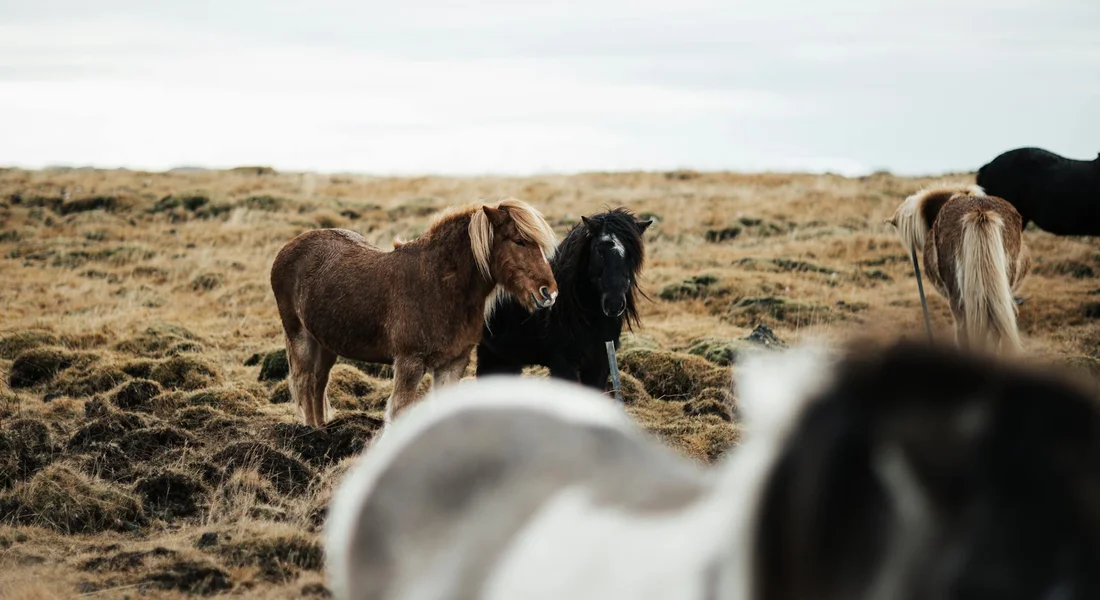
Caring for a miniature horse is like caring for a detailed model-every part is functional, just on a smaller, more delicate scale. Their tiny bodies require you to magnify standard horse care principles, focusing on precision to prevent big problems from small oversights. I adjust my barn routines daily for our mini boarders, and the difference is in the details. Even light weight needs a careful, gradual plan for minis. We condition mini horses slowly to carry weight safely, with close attention to form and health.
Nutrition: Preventing Obesity in a Small Frame
Miniature horses are efficiency experts, turning even modest meals into extra pounds with alarming speed. Their diet must be built on a foundation of low-sugar, high-fiber grass hay, with pasture access strictly managed to avoid laminitis. A simple, consistent plan to manage your horse’s weight through diet can prevent these issues. That’s why ongoing monitoring and adjustments are essential. I learned portion control the hard way when Pipin figured out how to open feed bins-his round belly was a clear sign I needed a better system.
Follow these steps to feed your mini correctly:
- Calculate daily hay at 1.5-2% of their ideal body weight, using a scale, not a guess.
- Employ a small-hole hay net to slow consumption and encourage natural foraging behavior.
- Eliminate grain entirely unless a veterinarian prescribes it for a specific deficiency.
- Use a weight tape or body condition score every month to track changes.
- Divide their daily ration into at least three smaller meals to aid digestion.
Safe treats are sparse-think a single baby carrot or a sprig of mint. An overweight mini faces a high risk of metabolic syndrome, a condition where their body struggles to process sugars, leading to chronic pain and founder.
Hoof and Dental Maintenance: Small but Critical
In miniatures, a millimeter of overgrowth or a single trapped pebble can cause major lameness. You must commit to a professional farrier every six weeks and an equine dentist for an annual float without fail. Their compact jaws often lead to dental overcrowding, where teeth erupt in odd angles, creating sharp points that ulcerate cheeks.
Common issues include retained deciduous caps-baby teeth that don’t shed-and thrush in their petite frogs. I recall a mini who stopped eating; a dental exam revealed a hidden cap causing such pain he’d only swallow mush.
The Daily Hoof Check Routine
This two-minute ritual is your first line of defense. Here is how to do it safely:
- Position yourself at the horse’s shoulder, facing the tail, and run your hand down the leg.
- Apply gentle pressure on the tendon to ask for the hoof, cradling the cannon bone for support.
- Use a pick designed for minis to clean from the heel toward the toe, clearing the collateral grooves.
- Look for punctures, cracks, or a foul odor indicating thrush.
- Feel the hoof wall for unusual heat, which can signal inflammation or abscess.
Making this a calm, predictable part of the day teaches your horse to accept handling and gives you a baseline for what is normal.
Grooming Your Tiny Companion
Grooming a mini requires tools that match their proportions-a full-sized brush can be overwhelming. Invest in a soft goat brush for the body and a human baby hairbrush for the mane and tail to prevent breakage. My time with Luna, the sensitive Thoroughbred, taught me that pressure matters; minis can startle just as easily from a too-hard curry.
Start grooming sessions at the neck, using slow, deliberate strokes and constant, quiet chatter. Let them investigate each tool with their nose before you use it, turning a chore into a trust-building exercise. For muddy legs, a warm, damp towel works better than a forceful hose spray.
Your mini grooming kit should include:
- A rubber curry comb the size of your palm
- A soft-bristled dandy brush
- A fine-toothed comb for mane and tail
- A shedding blade for seasonal coat changes
- Hoof pick and conditioner
This daily contact is not just about shine; it is a full-body inspection that reinforces your bond and their comfort with being handled.
Health and Longevity: What to Expect
A well-managed miniature horse can be a lifelong companion, often living between 25 and 35 years. Their extended lifespan means you are making a decades-long commitment to managing their unique physiological vulnerabilities. I’ve welcomed minis into our barn as yearlings and celebrated their 30th birthdays with a carrot cake made from their own ration. Curious about the lifespan of miniature horses? Their longevity hinges on genetics, nutrition, and preventive care.
Common Health Challenges in Miniature Equines
Dwarfism is a serious conformational defect; affected horses may have bent legs and respiratory issues requiring specialized care. Dental problems are so frequent that I equate a mini’s mouth to a crowded drawer-everything gets jammed and damaged without regular smoothing. Miniature mares often have dystocia because foals can be too large for their small pelvic canals.
Hyperlipemia is a critical concern where stress or starvation causes the body to mobilize fat too rapidly, overwhelming the liver. Watch for subtle cues like a slight droop in the ears or a reluctance to move, as minis are masters at masking discomfort until they are very sick. Other issues include umbilical hernias in foals and a predisposition to insulin resistance.
Your Preventive Healthcare Schedule
Proactive care is the cheapest insurance. Stick to this schedule:
- Farrier: Every 6-8 weeks for trim and balance, without exception.
- Equine Dentist: A full examination and float once a year.
- Veterinarian: Wellness exams twice yearly, including vaccination boosters and metabolic blood panels.
- Vaccinations: Core protocol includes Eastern/Western Encephalomyelitis, Tetanus, and Rabies-your vet will advise on risk-based shots.
- Parasite Control: Perform fecal egg counts four times a year to guide deworming, avoiding random chemical use.
- Daily Monitoring: Note appetite, water consumption, manure consistency, and general demeanor before morning feeding.
- Weight Management: Monthly graphing of weight and body condition score to spot trends.
This regimen is not optional; it is the blueprint for ensuring your tiny friend enjoys every one of those potential thirty-five years.
Housing, Behavior, and Turnout for Tiny Equines
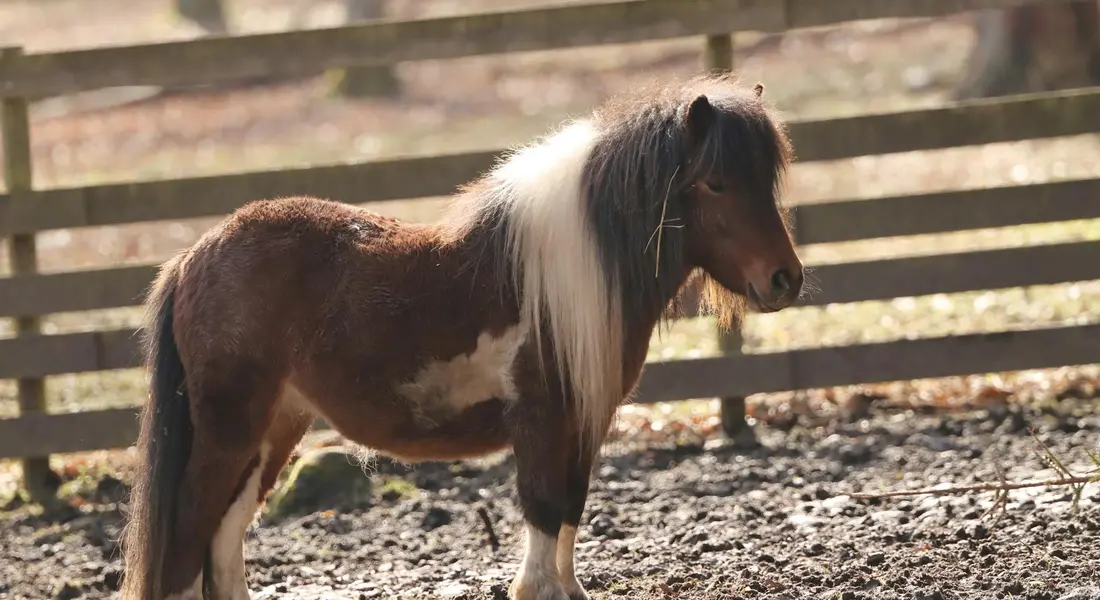
Small stature never means small needs, especially when it comes to space and freedom. I’ve seen ponies like Pipin turn into furry Houdinis when bored in a stall. Ample daily turnout on safe pasture is the bedrock of their health, preventing vices and keeping their minds and bodies sound. Gentle horsemanship starts with respecting their need to move and graze as nature intended, not with treats alone but with consistent, kind leadership.
Building a Safe and Spacious Environment
Your fencing needs to be pony-proof, not just horse-high. After Pipin’s third clever escape, we upgraded to tightly woven no-climb mesh, four feet tall. Stalls must be spacious enough for comfortable lying down and rolling-a 10’x10′ minimum for most miniatures. Always provide a dry, deeply bedded stall or a three-sided run-in shed so they can choose shelter from rain or summer sun. Their paddocks require regular mucking and rotation to avoid parasite hotspots and overgrazing.
Essential housing specs:
- Fencing: Use solid boards or woven wire with openings no larger than 2×4 inches; height should be at least 4 feet.
- Stall Size: A 10’x10′ area is the bare minimum for a miniature horse to move safely.
- Pasture Management: Allow at least 1/4 acre per animal and practice rotational grazing to maintain grass quality.
- Footing: Ensure dry, level ground in turnout areas to prevent tiny hooves from sinking or slipping.
Understanding the Petite Equine Mind
Intelligence in a small package often means a clever, willful partner. They can be as sensitive as my Thoroughbred Luna or as stubbornly smart as Pipin. Training demands patience and creativity, not force. I build trust with short, positive sessions, using clear cues and rewarding the try, whether it’s with a soft word or a carrot piece. They remember slights and successes equally, so fairness is everything.
Effective training approach:
- Establish rock-solid ground manners first: leading, tying, and picking up feet.
- Keep sessions under 15 minutes to match their attention span and prevent frustration.
- Use positive reinforcement for desired behaviors, but set clear, consistent boundaries.
- Provide mental enrichment like trail walks or simple obstacle courses to engage their curiosity.
Is a Small Horse Breed the Right Fit for Your Life?

That adorable face hides a major long-term commitment. While they offer deep companionship and lower feed costs than a full-sized horse, their care is not miniature. You must weigh the joy of their company against the reality of daily chores, specialized vet care, and escape-artist tendencies. Be brutally honest with your assessment before you buy.
The Real Cost of Ownership
The purchase price, from $1,000 to over $5,000, is just the entry fee. Ongoing costs add up quickly. Budget for quality grass hay, which forms the bulk of their diet, and remember that dental floats and hoof trims are non-negotiable regular expenses. Emergency colic surgery costs the same for a mini as for a bigger horse, so an emergency fund is critical. Insurance can help with major emergencies, but deductibles and coverage limits mean you’ll still face out-of-pocket costs. So, plan an accessible emergency fund to cover what insurance won’t.
| Expense Category | Estimated Annual Cost |
|---|---|
| Hay & Balanced Feed | $600 – $1,200 |
| Routine Veterinary (shots, dental) | $300 – $600 |
| Farrier (every 6-8 weeks) | $250 – $450 |
| Deworming & Basic Supplements | $150 – $300 |
| Insurance or Emergency Savings | $500+ (highly advised) |
Your Lifestyle Compatibility Checklist
Grab a coffee and answer these questions truthfully. Your future horse’s welfare depends on it. If you can’t check most of these boxes, consider volunteering at a rescue first to get hands-on experience with their care. When you’re ready for the next step, explore buying or adopting a horse.
- Do I have secure, appropriate fencing and at least 1/2 acre of land for turnout?
- Can I dedicate time each day for feeding, mucking, and observation, for 20-30 years?
- Is my annual budget able to handle both routine care and a $3,000+ emergency vet bill?
- Do I have a support network, like a knowledgeable farrier and an equine vet?
- Am I patient and consistent enough to train a smart, sometimes stubborn, animal?
- Is my primary goal companionship, light driving, or therapy work, rather than just novelty?
Frequently Asked Questions About the World’s Smallest Horse Breed
What is the smallest horse breed in the world?
The Falabella, developed in Argentina, is universally recognized as the smallest horse breed in the world. It is a distinct breed with a strict height standard under 34 inches and a true horse conformation. Through generations of selective breeding, Falabellas are prized for their refined appearance and gentle temperament.
Are the smallest horse breeds like Falabellas available for sale?
Yes, Falabellas and other miniature horse breeds are often available for sale through reputable breeders, registries, and specialized online platforms. Prospective buyers should verify breeding practices, health records, and registration details to ensure ethical acquisition. Visiting the facility in person is recommended to assess the horse’s environment and compatibility.
What is the typical price range for the smallest horse breed?
The purchase price for a Falabella or similar miniature horse can range from $1,000 to over $5,000, depending on age, pedigree, training, and show history. Ongoing annual costs for feed, veterinary care, and hoof maintenance must also be budgeted carefully. Additionally, owners should anticipate potential emergency expenses, as medical treatments for small equines can be as costly as for larger horses.
Small Stature, Big Responsibility
For breeds like the Falabella or Shetland, their compact size means carefully managing their diet and ensuring their environment is safe and escape-proof. Their metabolism is highly efficient, so base their diet on quality forage and limit high-sugar feeds to prevent founder and obesity.
Move slowly and speak softly to build confidence with your miniature equine. A happy horse communicates clearly through its body language, so make listening your primary training tool. By learning to read your horse’s body language, you can tell if your horse is happy. This awareness helps you adapt your approach to keep them comfortable.
Further Reading & Sources
- The 12 Smallest Horse Breeds Around the World
- r/Awwducational on Reddit: Falabellas are the worlds smallest horse breed. This tiny Argentine horse breed measures on average between 28 and 34 inches.
- The 12 Smallest Horse Breeds Around the World | Dial A Vet
- Miniature Horse Breed Guide: Health, Nutrition & Characteristics | Mad Barn
At Horse and Hay, we are passionate about providing expert guidance on all aspects of horse care, from nutrition to wellness. Our team of equine specialists and veterinarians offer trusted advice on the best foods, supplements, and practices to keep your horse healthy and thriving. Whether you're a seasoned rider or new to equine care, we provide valuable insights into feeding, grooming, and overall well-being to ensure your horse lives its happiest, healthiest life.
Choosing the Right Breed