
American Paint Horse Costs: A Realistic Price and Ownership Breakdown
Published on: July 18, 2026 | Last Updated: July 18, 2026
Written By: Henry Wellington
Hello fellow equestrians. That vision of a Paint Horse in your barn is dazzling, but the whisper of vet bills and feed costs can quickly temper the excitement. Your concern about the financial plunge is valid and smart-I’ve balanced the books after Luna’s sudden colic scare and Rusty’s unforgiving allergy season.
Let’s walk through the real numbers together, from initial price tag to yearly upkeep. This guide will cover:
- The average purchase price: what you’ll pay for a backyard companion versus a show prospect.
- Monthly non-negotiables: hay, grain, boarding, and the true cost of daily stewardship.
- Routine health investments: farrier, dentist, vaccines, and why you can’t skip them.
- Planning for the unexpected: building a buffer for emergencies without panic.
With years of barn management and training horses like the clever Pipin to the sensitive Luna, I’ve helped many owners map out these costs while advocating for ample turnout and gentle care.
What Goes Into the American Paint Horse Purchase Price?
The Average Price Range for an American Paint Horse
Let’s talk real numbers. For a registered American Paint Horse, think of three tiers: budget, middle-of-the-road, and premium. A sound, unproven or older mount might start around $2,500, while a reliable trail or family horse often sits between $5,000 and $12,000. The eye-popping figures-$15,000 to $30,000 or more-are for proven show horses or those with exceptional bloodlines. Your location drastically shifts these brackets, with prices near major equestrian hubs or coastal areas often carrying a hefty premium.
Where you buy changes the game. A registered breeder’s price reflects predictable genetics, health screenings, and often early handling. I’ve written checks in barn offices smelling of fresh hay and leather, knowing I was paying for that certainty. Auction prices can be lower, but the thud of hooves on the sale ring floor masks unknowns. Rescue adoption fees, typically $500 to $1,500, are the most budget-friendly, but you must be ready to invest time in rehabilitation and trust-building. So, how do these upfront rescue costs compare to buying? A Rescue adoption fees comparison reveals that over time, care, training, and medical expenses can change the total price more than you’d expect.
- Breeders: Higher initial cost ($8,000+), but includes papers, health history, and support.
- Auctions: Variable cost ($1,000-$10,000), requiring expert eyes to avoid soundness or temperament issues.
- Rescues: Lowest upfront cost, a noble choice, but budget immediately for dental, hoof, and nutritional catch-up.
Where to Find an American Paint Horse for Sale
Finding “the one” means knowing where to look. Start with the American Paint Horse Association website; their breeder directory is gold for finding healthy, well-bred stock. Private sales through word-of-mouth or trusted online boards can turn up gems-I found my steady Eddy, Rusty, this way. Never underestimate local horse rescues; they are full of overlooked talents waiting for a soft landing and daily turnout.
Each source has trade-offs. A breeder offers a known history, but you might pay for a fancy pedigree you don’t need. Private sales allow negotiation, but you must arrange your own vet check. Rescues provide profound satisfaction, but the horse’s past may require gentle horsemanship to unravel. For a “horse for sale near me,” tap into local Facebook groups, farrier networks, and feed store bulletin boards-the best deals are often passed along with a handshake.
- APHA Breeders: Pro: Verified bloodlines and often better early care. Con: Highest price tag.
- Private Sales: Pro: Direct owner insight and potential for negotiation. Con: Requires your own due diligence.
- Horse Rescues: Pro: Affordable fee and saving a life. Con: Potential for hidden health or behavioral needs.
Key Factors That Swing the Price of an American Paint Horse
Age and Training: From Foal to Finished Horse
Age and training are the biggest levers on price. A weanling is a blank slate, costing $3,000 to $7,000, but remember you’re buying years of board and training before a saddle even touches its back. A yearling might be $4,000 to $10,000, often with basic handling started. The real value jumps with a trained adult; a “green” horse that knows basics may be $6,000, while a trail-safe, dependable partner like my old Rusty can command $10,000 to $18,000. However, the price also depends on breed and pedigree.
Training is where you see the dollar signs. A horse that loads calmly, stands for the farrier, and has a steady whoa is worth its weight in gold. I’ve seen prices double for a truly “finished” horse that can handle a spooky trail obstacle or a busy show environment. Always match the training level to your own experience-a cheaper, green horse can cost more in lessons and patience than buying a finished mount.
- Weanling/Yearling: Lower purchase price, but high future costs for training, feed, and time.
- Green-Broke (60-90 days): Mid-range price. Suitable for a confident rider who enjoys the training process.
- Finished Horse (120+ days): Premium price. Ideal for the rider wanting a safe, immediate partnership.
Bloodlines, Color, and Conformation
Flashy color might catch your eye, but bloodlines and build pay the bills. A paint sired by a reining champion or out of a halter winner will have a price boost. Color patterns like classic tobiano or flashy overo can add thousands, especially with rare markings. But the smart money is on conformation: correct leg angles, a strong back, and balanced movement prevent vet bills and ensure a long riding career.
I learned this with a sensitive thoroughbred-cross named Luna; her elegant build was beautiful, but it required careful saddle fitting. A paint with poor conformation, no matter how colorful, will cost you in lameness and frustration. Prioritize a sound, structurally correct horse over a perfectly patterned one-your farrier and your horse’s comfort will thank you.
- Bloodlines: Proven performance or halter champions in the pedigree increase value significantly.
- Color: Rare patterns (frame overo, splash white) or minimal white can command higher prices.
- Conformation: A balanced, correct build with strong hooves and joints is non-negotiable for long-term health.
The Initial Setup: Costs Beyond the Purchase Price
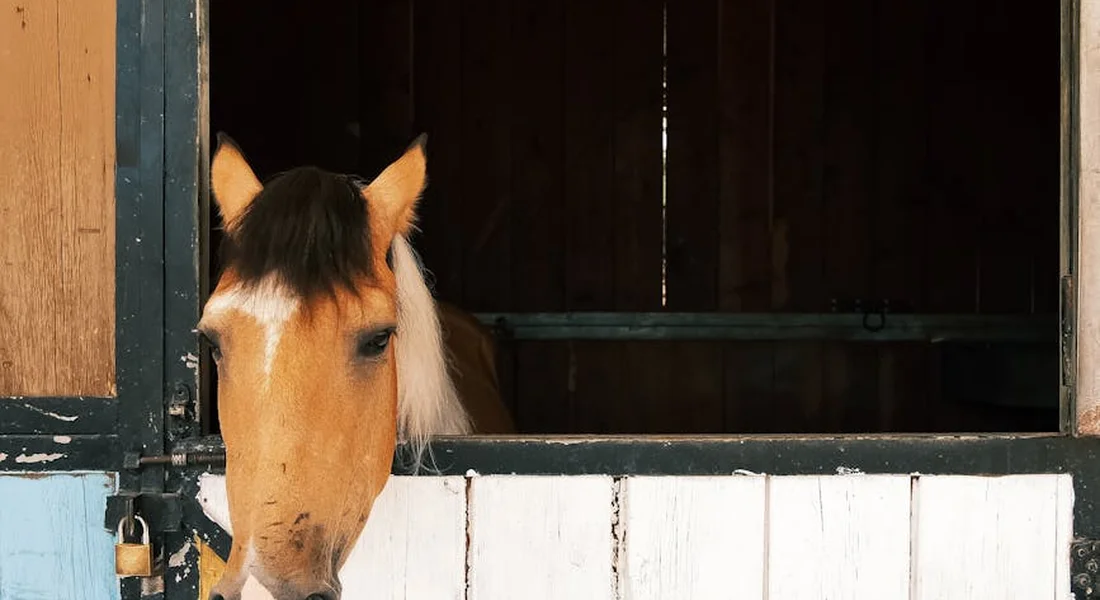
Writing that check for the horse itself is just the opener. The real financial story begins with the immediate, necessary steps to bring your Paint home safely and legally.
Pre-Purchase Veterinary Exam and Transportation
I never buy a horse without my vet’s okay. I remember a pretty Paint I almost bought years ago; he seemed perfect until the vet found a subtle hitch in his gait. Consider the pre-purchase exam a mandatory investment in your future partnership and financial sanity. It typically runs $300 to $600, which is just a fraction of ongoing veterinary costs you’ll incur over time.
Here is how the process usually works:
- The Hands-On Inspection: The vet checks eyes, listens to heart and lungs, and assesses overall condition.
- The Movement Analysis: Your horse will be walked and trotted in hand, often on a lunge line, with flexion tests to spot lameness.
- The Deep Dive (Optional): For riding horses, you may add X-rays of legs or feet, adding $200-$400 but revealing hidden history.
Next, you must get your horse home. Professional equine transport, while pricey, offers climate control and experienced handlers for roughly $1.50 to $3.00 per loaded mile. Keep in mind transportation costs—fuel, trailer rental, and any shipping fees—when weighing your options. A long-distance move is a major stressor; a quiet, well-ventilated trailer is worth the cost for your horse’s comfort.
One-Time Essentials: Registration and First Tack
Once your vet gives the all-clear, tackle the paperwork and gather your first round of gear. Registering your horse with the American Paint Horse Association (APHA) secures their identity. The current fee for a single registration is around $75, plus any transfer fee from the previous owner.
Your initial shopping trip to the tack store will focus on fundamentals. Here is a basic list with estimated costs:
- Halter and Lead Rope: A durable nylon halter ($20-$40) and a 10-foot cotton lead ($15-$25) are your first tools of connection.
- Grooming Kit: A set with a curry comb, stiff brush, soft brush, and hoof pick starts around $50. The smell of clean leather and horsehair is the smell of good care.
- Initial Feed Supplies: You will need a hay net ($15), a rubber grain tub ($20), and a salt block holder ($10). The feed itself is a recurring cost.
I still use the simple rubber tub I bought for Luna years ago; it has survived her spirited kicks and countless washes. Buying quality basics once is cheaper than replacing flimsy gear every season.
Monthly and Annual Upkeep: The Heart of Ownership Costs
This is where your budget lives and breathes. These recurring expenses define your horse’s daily well-being and your financial planning.
Board and Stabling: Your Biggest Regular Expense
Housing is your largest monthly line item. I always advocate for facilities that prioritize daily turnout; a horse that can move and socialize is a healthier, saner partner. Your choice here drastically affects cost and horse happiness.
- Full Board: The barn handles all feeding, stall cleaning, and turnout. Expect to pay $400 to $800+ monthly, with price rising for amenities like indoor arenas or trainer oversight.
- Pasture Board: Your horse lives outdoors with run-in shelter. This is often more natural and economical, ranging from $150 to $350 per month. My thoroughbred, Luna, bloomed both mentally and physically when we switched her to pasture board.
- Self-Care: You rent a stall or paddock and do all the work. Rent might be $100-$200, but you supply all feed, bedding, and labor. It saves money but demands significant time.
The sound of content horses munching hay in a sunny paddock is worth more than any fancy wash rack. Choose a stable that aligns with your horse’s need for movement, not just your convenience.
Feed, Hay, and Supplements
Forget fancy grains; the core of every equine diet is roughage. A horse must eat 1.5% to 2% of its body weight in forage daily, so a 1,000-pound Paint needs 15 to 20 pounds of good hay every single day. This keeps their gut moving and their mind calm. For a complete feeding guide on a horse’s daily hay intake, you’ll find tailored recommendations for different horses. It also covers timing, hay quality, and how to adjust portions as needs change.
Let us build a sample monthly budget for an average adult Paint in light work. Prices vary by region.
- Hay: At 20 pounds per day, that is 600 pounds per month. With hay priced from $0.10 to $0.20 per pound, plan on $60 to $120 monthly.
- Grain or Concentrate: Many pleasure horses do not need it. If your horse does, a 50-pound bag of a decent pellet or textured feed costs $15-$25 and may last a month.
- Salt and Minerals: A plain white salt block is about $10 and lasts for months. A tailored mineral supplement, if needed, adds $20-$30 monthly.
My Shetland, Pipin, is a master of converting air to fat, so his entire diet is carefully measured grass hay. Start with the hay your horse actually needs, then add supplements only if your vet recommends them.
Non-Negotiable Care: Veterinary and Farrier Budgets
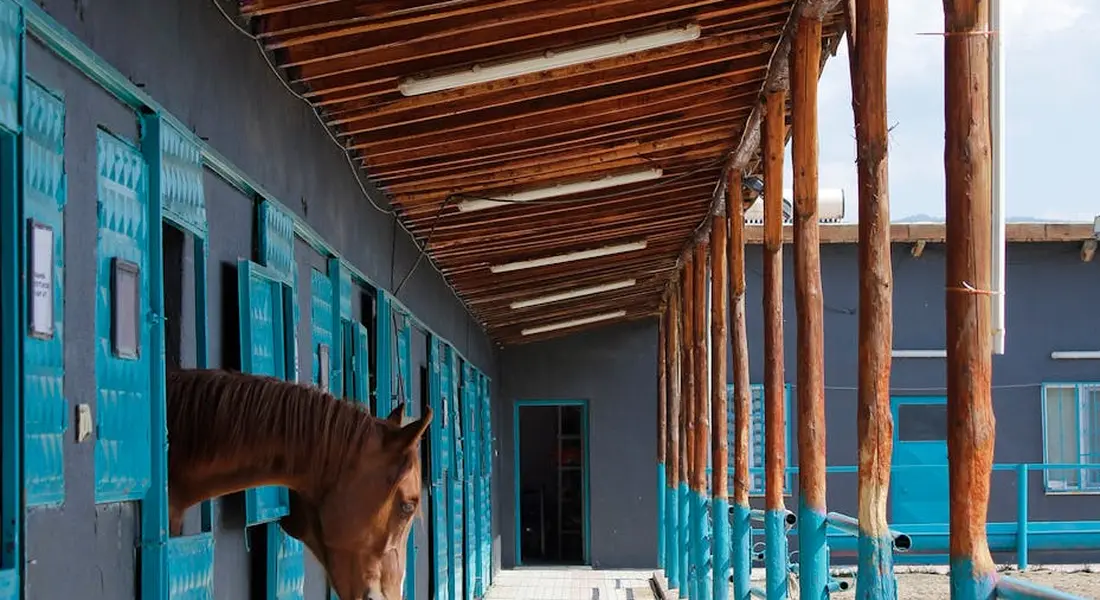
Routine Veterinary Care: Vaccinations and Dentistry
Think of your vet and farrier as your horse’s primary utility players. Their work isn’t flashy, but the whole team falls apart without them. Skipping this care is like deferring oil changes on your truck-you’ll pay far more later.
Your Paint will need core vaccines every year. These protect against regional threats. A standard package often includes Eastern/Western Encephalitis, Tetanus, West Nile Virus, and Rabies. Your vet may also recommend risk-based shots for influenza or strangles based on your travel plans.
Budget between $150 and $300 annually for these core vaccinations and the farm call.
Then there’s dentistry. A horse’s teeth continually erupt and wear unevenly, creating sharp points that hurt their cheeks and tongue. I’ve seen a grumpy attitude turn sweet overnight after a good float. An annual dental exam and float by a vet or certified equine dentist typically runs $150 to $300. Regular dental floats are an essential part of a horse’s routine care, preventing pain from sharp points. This simple, preventive care supports comfort, appetite, and performance.
Preventive dentistry stops weight loss, avoids bit resistance, and ensures your horse can properly digest all that expensive hay you’re buying.
Hoof Care: Farrier Visits and Emergency Funds
Whether your Paint is barefoot or shod, their hooves grow like our fingernails. They need regular attention. A typical schedule is every 6 to 8 weeks. A basic trim for a barefoot horse might cost $40 to $65. If you need front shoes for trail riding or all-around shoes for more wear, prices jump to $120 to $200 or more per visit.
Mark your calendar and budget for this recurring expense; a consistent schedule prevents long toes, cracks, and strained tendons.
Now, for the emergency fund. Hooves meet rocks, stalls, and mysterious forces. A simple abscess can cost a few hundred dollars for the vet and farrier to diagnose and treat. A more serious lameness issue? That can quickly reach thousands.
I keep a separate “hoof and ouch” savings fund. When Pipin decided to test the stability of a stall door with his hoof, that fund paid for the radiographs and anti-inflammatories without touching my main budget.
Strive to save a starting emergency fund of $500 to $1,000, then build from there-it’s the best sleep aid a horse owner can buy.
Tack and Gear: Investing in Comfort and Safety
The Saddle and Bridle: Fit is Everything
A poorly fitted saddle causes behavioral issues, muscle atrophy, and pain. It’s not a luxury item; it’s orthopedic support. Your Paint’s wide, muscular shoulders need a tree that accommodates them without pinching. Look for signs of a poorly fitting saddle—restricted movement, rubs, or soreness after rides. Addressing these signs early helps you find a truly supportive fit.
Finding the right fit involves steps:
- Get your horse’s back traced or measured by a professional fitter.
- Try saddles on your actual horse, with a pad, after they’ve been worked.
- Check for clear, even contact along the panels, two to three fingers of clearance at the withers, and no bridging (gaps) along the spine.
Prices are a wide spectrum. A quality used Western or English saddle can be found for $800 to $1,500. New production saddles start around $1,800 and climb. A fully custom saddle built for your horse’s unique shape runs $3,000 to $5,000+. Your bridle is simpler but still critical; ensure the browband isn’t tight and the bit sits comfortably in the mouth without wrinkling the lips.
Seasonal Gear and Maintenance
Your horse’s wardrobe changes with the weather. For a Paint, a good turnout blanket for wet, cold winters is a must. A durable, waterproof mid-weight blanket runs $150 to $300. A lightweight fly sheet for summer pest protection is another $80 to $200.
Don’t forget the basics that touch your horse daily:
- Saddle pads: Have at least two for rotation. Expect $50 to $150 for a good quality, shock-absorbing pad.
- Grooming kit: Brushes, hoof pick, mane comb. A solid set is $75-$150.
- First-aid supplies: Digital thermometer, stethoscope, vet wrap, antiseptic.
Gear maintenance is its own line item. Blankets need washing and re-waterproofing annually ($30-$50 each). Leather tack requires regular cleaning and conditioning to prevent rot. Inspect all straps and stitching monthly; a $20 repair now prevents a $200 disaster later when a billet strap breaks mid-ride. I set aside a small monthly sum just for tack upkeep-it’s cheaper than replacement.
Additional Expenses: From Training Rings to Retirement Pastures
Ongoing Training and Show Costs
That initial purchase price is just your entry fee. The real investment begins in the training ring. I’ve learned this through countless sessions with horses like Luna, where soft, consistent guidance builds a reliable partner. A weekly riding lesson for you typically runs $50 to $100. Professional training for your horse, a must for refining gait or building confidence, adds $500 to $1,200 to your monthly board bill.
Then comes the glitter and dust of the show circuit. Entry fees are just the beginning. A local show class might cost $50, while a rated event jumps to $200 per go. You must budget for hauling, stall fees, and hotel stays. Preparing Rusty for a trail challenge taught me that fuel and snacks alone can tally hundreds. Treat competition as a separate line item in your yearly plan, or it will quietly consume your care budget.
Insurance and Long-Term Planning
Protecting your living asset is a cornerstone of responsible ownership. Mortality insurance, covering the horse’s agreed value, generally costs 2.5% to 4% of that value annually. Major medical insurance for surgery or colic adds another $200 to $600 per year. Many owners also ask: does horse insurance typically cover much, and what does it cost? Understanding typical coverage and cost helps you plan and compare options. This coverage transforms a potential financial catastrophe into a manageable claim, saving you from impossible choices during a crisis.
Your vision must stretch to the peaceful pasture years. Retirement care, like the quiet setup I found for an old lesson horse, averages $200 to $400 monthly for basic pasture board. Also, accept that most horses depreciate as they age or step away from competition. Forward-thinking owners start a “sunset fund” early, ensuring their partner’s comfort never becomes a burden.
Building Your American Paint Horse Ownership Budget
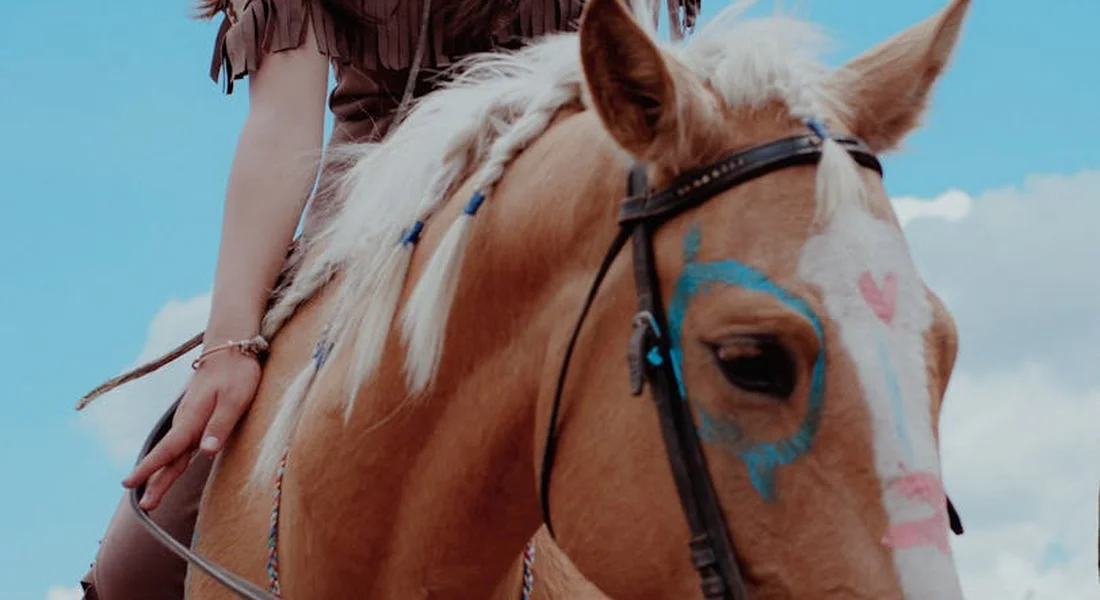
Creating a Realistic Annual Maintenance Budget
Let’s move from abstract ideas to concrete numbers. This sample budget outlines annual costs for a Paint in full board with light training. Adjust these figures for your local economy and your horse’s specific needs.
| Expense Category | Estimated Annual Cost |
|---|---|
| Board (Full Care) | $6,000 – $9,600 |
| Feed & Supplements | $1,000 – $1,800 |
| Routine Veterinary & Dental | $600 – $1,200 |
| Farrier (Every 6-8 weeks) | $900 – $1,500 |
| Insurance (Mortality & Medical) | $800 – $1,500 |
| Training & Lessons | $2,400 – $6,000 |
| Tack Replacement & Bedding | $1,000 – $2,000 |
| Total (Before Shows or Emergency) | $12,700 – $23,600 |
Your budget must include a contingency line of 10-15% for surprises. I learned this after Pipin’s clever fence test resulted in an urgent vet call. This cash cushion is what lets you sleep soundly, knowing a minor crisis won’t wreck your finances.
Smart Financial Planning for Horse Owners
Managing costs requires the same cleverness you use to outsmart a pony. Partner with barn mates to buy hay and grain by the pallet, savoring the smell of fresh hay and lower prices. Share trailer rides for vet visits to split fuel costs. Barn camaraderie turns individual expenses into communal savings, leaving more for quality feed or farrier care.
Invest upfront in prevention. A regular dental float is cheaper than treating a mouth ulcer. I auto-transfer a small sum each month to a “Hoof & Health” savings account. Smart planning isn’t about being cheap; it’s about ensuring your horse’s welfare is never compromised by a tight wallet.
- Schedule group vet and farrier days to earn barn discounts.
- Learn to do basic braiding and hoof picking yourself.
- Buy durable, washable gear that lasts, avoiding constant replacement.
Hearing the contented thud of hooves in a well-managed pasture is the ultimate reward for a budget well-planned. True horsemanship means securing their comfort today and their security for all the tomorrows.
FAQ: American Paint Horse Price and Ownership Costs
How does the price of an American Paint Horse in South Africa compare to the U.S. average?
Prices in South Africa are typically higher than U.S. averages due to import costs, limited local breeding stock, and higher overall equine care expenses. A comparable quality horse can often cost 20-40% more, with reliable trail horses starting in the range of R80,000 to R150,000. It is crucial to factor in these regional economic differences when budgeting from abroad.
Why is there such a price difference between breeders and other sellers?
Reputable breeders invest significantly in genetic testing, preventative health care, and foundational training from birth, which is reflected in their higher prices. You are paying for predictability, documented lineage, and professional support, which reduces your initial risk. In contrast, private sales or auctions may offer lower upfront costs but come with more unknowns, potentially leading to higher unexpected expenses later.
What are the financial pros and cons of owning an American Paint Horse?
A major financial pro is their versatility, as a well-trained Paint can excel in multiple disciplines, maximizing your investment in training and tack. Their generally calm temperament can also mean fewer behavioral issues and related costs. A significant con is that horses with desirable, rare color patterns often command a premium price, and some color-related genetic conditions may require specific management or testing.
Stable Wisdom on the True Cost
Look beyond the flashy price tag and plan for the lifelong expenses of feed, veterinary care, and routine hoof maintenance. The true cost of ownership is found in the daily details—prioritizing a preventative care budget is what keeps your horse sound and saves money on emergencies. Knowing how to save money without compromising their health is essential.
Build your budget with patience, and let your horse’s behavior and health guide your spending decisions. A happy Paint is the best return on investment, and that comes from tuning in to their needs above all else.
Further Reading & Sources
- How Much Does an American Paint Horse Cost in October 2025?
- American Paint Horse Association: A Rich Legacy – APHA: American Paint Horse Association
- American Paint Horse | PetMD
- How Much Does An American Paint Horse Cost? – Strathorn Farm Stables
At Horse and Hay, we are passionate about providing expert guidance on all aspects of horse care, from nutrition to wellness. Our team of equine specialists and veterinarians offer trusted advice on the best foods, supplements, and practices to keep your horse healthy and thriving. Whether you're a seasoned rider or new to equine care, we provide valuable insights into feeding, grooming, and overall well-being to ensure your horse lives its happiest, healthiest life.
Breed-Specific Care