
Building the Ideal Diet for Your American Paint Horse: A Simple, Sustainable Plan
Hello fellow horse owners. That moment of doubt when you dump grain into the bucket, wondering if it’s too much or not enough, is something we all know. Getting your Paint’s diet wrong can lead to costly vet visits, behavioral fireworks, or a lackluster coat, and that worry is absolutely valid.
Let’s fix that. We’ll cover the practical steps to create a balanced diet that fuels their unique spirit. You’ll learn how to visually and physically assess your horse’s body condition, a skill more reliable than any scale. We’ll discuss why the choice of hay is your single most important decision. I’ll show you my method for integrating grains only when necessary, based on actual workload. Finally, we’ll demystify the world of supplements, so you only buy what your horse truly needs.
This guidance is forged from years of barn management and training, adjusting meals for everything from fiery Thoroughbreds to clever ponies, always with their long-term welfare as the top priority.
The Foundation: Forage is Everything
Let’s get this straight: your Paint’s belly was designed for a slow, steady parade of fibrous grasses, not for two big grain meals a day. I start every morning with the same ritual-a walk to the hay shed, the smell of sweet timothy and orchard grass filling the air. That’s the real stuff. The thud of hooves on the pasture, the contented munching, that’s the soundtrack of a healthy gut. Your number one job is to provide high-quality, clean forage, making it the cornerstone of every single meal.
How much? Aim for 1.5% to 2% of their body weight in forage daily. A 1,200-pound horse needs 18 to 24 pounds of hay. Don’t just eyeball it; use a scale for a week until you can reliably recognize what that weight looks and feels like in your flakes. For Paints with an easy-keeper metabolism, the lower end of that range is often perfect. I keep a hay probe in my tack room, and testing a few bales each season gives me peace of mind about what I’m really feeding. A complete feeding guide breaks down daily hay needs by weight, age, and activity.
Always feed hay before grain. This simple act slows them down, kick-starts digestive juices in the right order, and prevents grain from racing through an empty stomach. Watch for dust or mold-if you wouldn’t bury your face in it, don’t ask your horse to. Shake a flake over your pants; if your legs are coated in fine debris, that hay isn’t suitable for any equine respiratory system.
Decoding the Paint Horse’s Daily Nutritional Needs
Think of your Paint’s diet in layers. The broad base is forage. The next layer addresses what that forage lacks. Most of my crew, like old Rusty, gets a splendid ration balancer instead of traditional “sweet feed.” It’s a dense, low-starch pellet that packs in vitamins, minerals, and protein without the extra calories he doesn’t need. Luna, the more energetic Thoroughbred boarder, gets a different formulation. The goal is to supplement the hay, not overwhelm it with buckets of cereal grains.
Their needs shift with work, age, and the seasons. A Paint in light trail work may only need more hay. One in heavy training might need a calibrated boost of fat for slow-release energy. A senior Paint with worn teeth requires soaked pellets or a complete senior feed. I adjust rations by the scoop based on the feel of their ribs and the spark in their eye, not just the calendar.
Essential Vitamins and Minerals
Your hay is not a complete multivitamin. The soil it grew in dictates its mineral profile, which is almost always deficient or imbalanced. That’s why we add a balancer or a quality mineral supplement. Salt is non-negotiable. Provide a plain, white salt block in the stall and in the field. They know what they need. I watch Pipin, the Shetland, lick his block methodically after a playful romp.
Fat-soluble vitamins (A, D, E, K) are stored in the body. Water-soluble ones (like the B-complex) are not, so they need daily replenishment. A good balancer covers this. Trace minerals like copper and zinc are vital for hoof health, coat color, and metabolic function. Neglecting these microscopic nutrients is where dull coats, weak hooves, and subtle health issues begin.
The Crucial Calcium and Phosphorus Ratio
This is the rockstar mineral pair for any horse, but for a stocky, growing, or lactating Paint, it’s critical. Get this ratio wrong, and you risk developmental orthopedic diseases in youngsters or weak bones in adults. The golden rule: Calcium should always be equal to or greater than Phosphorus in the total diet, ideally in a 1.5:1 to 2:1 ratio.
Most grasses are naturally higher in calcium, which is good. The problem often comes from feeding bran or grains high in phosphorus without balancing it. A quality fortified feed or balancer is formulated to correct this. Don’t guess.
| Forage Type | Typical Calcium (Ca) Level | Typical Phosphorus (P) Level | Notes for Your Paint |
|---|---|---|---|
| Legume Hay (Alfalfa) | High | Moderate | Excellent Ca source. Can be too rich for easy keepers. Mix with grass hay. |
| Grass Hay (Timothy, Orchard) | Moderate | Low | The staple. Requires phosphorus supplementation to balance. |
| Pasture (Spring Growth) | Varies | Varies | Often well-balanced. Test your pasture to be sure. |
If you feed a scoop of alfalfa pellets or a flake of alfalfa hay, you’re adding a big boost of calcium. Always run your total diet-hay, grain, supplements-through a calculator or have your equine nutritionist check the overall ratio. It’s one of the most impactful things you can do.
Feeding Your Paint Horse Through Every Life Stage
Nutrition for the Growing Paint Horse
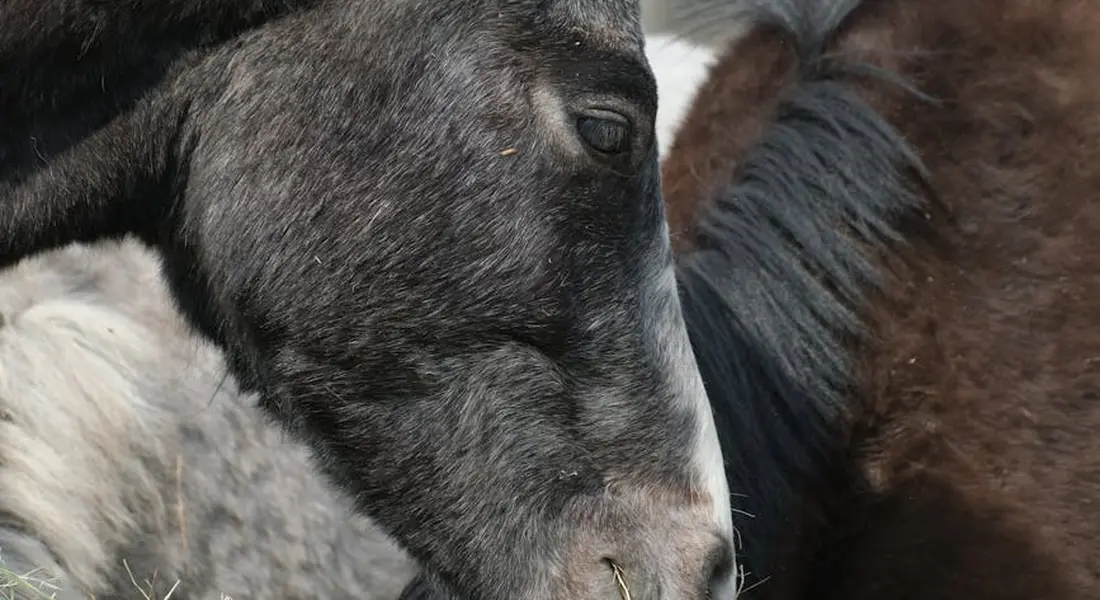
Watching a young Paint horse grow is a joy, but it comes with responsibility. Their bodies are building bone and muscle at a rapid pace, and what you feed them now sets the stage for their entire life. Too many calories can force growth spurts that strain developing joints, leading to long-term issues like osteochondritis. I learned this with a Paint yearling who grew too fast on rich alfalfa; we switched to a balanced grower feed and plenty of turnout to let him move freely.
Focus on these key nutrients for steady, healthy development. Protein should be 14-16% in the total diet for weanlings and yearlings to support lean muscle. Calcium and phosphorus must stay in a 2:1 ratio to build strong bones without deformities. Trace minerals like copper and zinc are non-negotiable for cartilage and hoof formation. Always choose a fortified feed designed for growth over mixing your own, as imbalances are easy to miss.
Forage is the foundation. Offer free-choice grass hay to make up at least half their diet. This keeps their gut moving and mimics natural grazing. Turnout time is not just bonus exercise; it is essential for developing coordination and bone density in young horses. Let them be horses-running and playing builds the athlete you want later. A healthy exercise turnout schedule helps balance work and rest for steady, safe progression. In the next steps, we’ll link practical guidelines for implementing a turnout schedule for horses.
Caring for the Senior Paint Horse
As your Paint horse ages, their metabolism slows and teeth wear down. I’ve cared for seniors like old Pipin, our Shetland, who needed his hay soaked to a mush so he could eat comfortably. Schedule dental floats with your vet at least twice a year to ensure your senior can properly chew and digest their food. Poor dentition leads to weight loss and quidding, where they drop half-eaten hay.
Adjust their diet to include easier-to-process options. Soaked hay cubes or beet pulp provide gentle roughage and aid hydration. Senior feeds are formulated with higher fiber, digestible protein, and added joint supporters. I still offer some long-stem hay for mental stimulation. Adding a fat source like rice bran or vegetable oil boosts calories without taxing their system, helping maintain weight.
Monitor their body condition weekly by feeling for ribs and watching their topline. A slight dip over the hips or a cresty neck signals it’s time to adjust calories. Keep them moving with daily gentle turnout. Stiffness improves with consistent, low-key movement, which also supports their digestive health. Gentle horsemanship means adapting their routine to their comfort.
Adjusting Diet for Work and Exercise
Diet for the Leisure or Trail Horse
For horses like Rusty, my steady trail partner, diet is about maintenance, not peak performance. These horses don’t need high-octane fuel; they thrive on simplicity. Most leisure horses meet all energy needs from good-quality hay or pasture alone, avoiding the spookiness that comes from unnecessary grain. I start with forage and only add concentrates if weight drops.
Provide 1.5-2% of their body weight in hay daily. If they need more calories after trail days, add them smartly. Choose high-fat supplements like stabilized flaxseed over starchy grains for sustained energy. Offer a salt block or electrolytes on hot days to replace sweat losses. Always adjust feed amounts slowly over weeks to prevent colic or founder, especially in easy keepers.
Turnout is their best conditioner. Letting your horse move freely in a paddock builds the fitness they need for trail riding without stressing their system. Regular turnout mimics natural foraging behavior, keeping their mind calm and their gut healthy. It’s a simple, effective stable hack for a happy horse.
Feeding the Performance or Show Horse
Horses in regular training, like Luna my sensitive Thoroughbred, have higher demands. Their diet must support muscle repair, energy output, and quick recovery. Balance is key-too much starch can make a hot horse unmanageable, while too little energy will leave them lacking spark. I feed smaller, more frequent meals to keep blood sugar steady and prevent ulcers.
Structure their diet around these principles. Start with a base of forage, offering 1% of body weight in hay before exercise to buffer stomach acid. Choose concentrated feeds with digestible fibers and fats, like “cool” or “low-starch” formulas. Consider supplements for joint support and daily electrolytes during heavy training. Feed the largest grain meal at least three hours before intense work to allow for digestion and reduce colic risk.
Watch for signs of stress or weight loss as workloads change. Performance horses benefit from gradual feed adjustments and consistent turnout time to unwind and stretch sore muscles. Listen to your horse-their coat, energy, and attitude will tell you if the diet is working, especially when making seasonal changes for peak performance.
Practical Guidelines: Hay, Grain, and Supplements
Choosing and Feeding Quality Hay
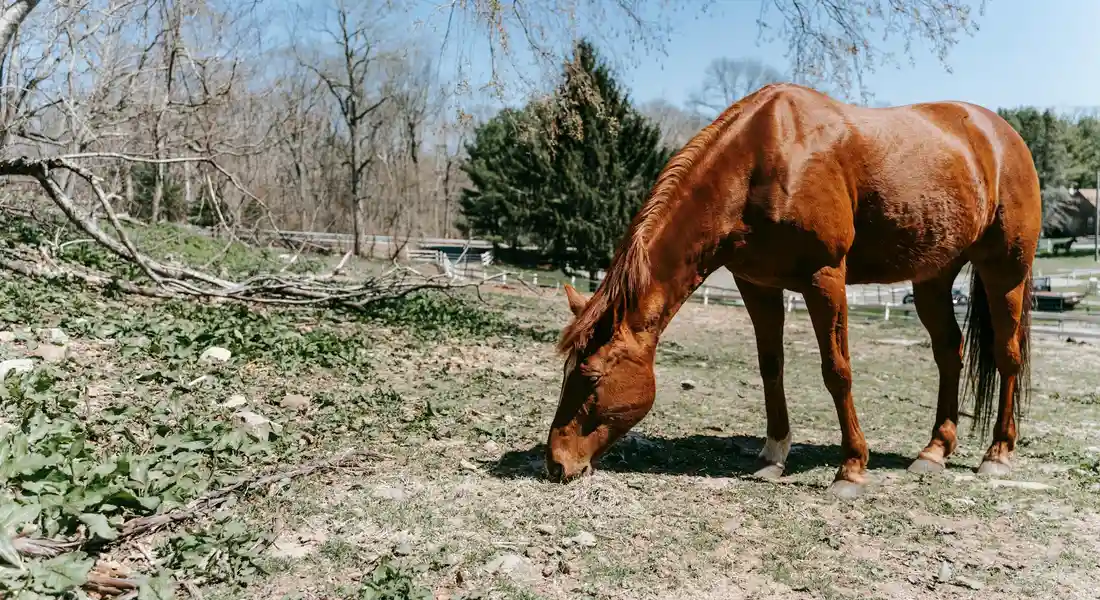
Think of hay as the bedrock of your Paint’s health. Their gut is a fermentation vat designed for a near-constant, slow trickle of roughage. I’ve watched horses bloom on terrific hay and look dull on mediocre stuff, even when the grain bucket was full. Different hay types have different benefits, and a complete comparison helps you pick the best for your horse. Knowing which type fits your horse’s age, workload, and dental health makes a big difference. The best investment you make isn’t in a fancy supplement; it’s in sourcing the cleanest, freshest hay you can find.
For most Paints, a good grass or grass/alfalfa mix hits the sweet spot. Use your senses. Good hay smells sweet, like a sunny meadow, not musty or moldy. It should be leafy with fine, palatable stems. Shake a flake. Does it release a cloud of dust that makes you cough? Your horse’s lungs won’t like it either.
Feeding is about rhythm as much as ration. I aim to mimic grazing. For Rusty, my easy-keeper, I use a slow-feed net to make his ration last through the night. For a harder keeper, you might need to offer hay more frequently. The goal is to never have the hay manger sit empty for more than a couple of hours, keeping that digestive conveyor belt gently moving.
When and How to Use Grain and Concentrates
Here’s a barn truth: many Paints don’t need grain. If your horse maintains a healthy weight on hay or pasture alone, you can skip it. Grain is for filling calorie gaps, not for entertainment. I see this mistake all the time. That scoop of feed is often more about our ritual than their requirement. It’s a common misconception in equine nutrition.
Feed grain only if:
- Your horse is working hard (regular training, competition).
- They are a “hard keeper” who drops weight on forage alone.
- They are a senior who can’t chew or digest hay effectively.
My thoroughbred, Luna, gets a small, low-starch concentrate to hold her condition. My quarter horse, Rusty, gets none. Choose a feed formulated for your horse’s life stage. Always measure by weight, not volume, using a kitchen scale. And split the daily ration into multiple small meals. Dumping a giant meal of grain is asking for colic or founder.
Supplement Smarts: What Your Paint Really Needs
The supplement aisle is overwhelming. Start with a plain salt block and a clean source of water. That covers two massive needs. Beyond that, think like a detective. Base your choices on your specific horse, your specific hay, and your specific soil, not on glossy marketing.
Consider these commonly needed supports:
- A Balanced Vitamin/Mineral Pellet: This is my top pick for most horses. It fills in the nutritional blanks your hay might have, providing peace of mind.
- Joint Support (Glucosamine/Chondroitin/MSM): For older Paints, those in regular work, or ones with past injuries. Starting a maintenance program early is smarter than waiting for stiffness.
- Hoof Supplements (Biotin, Methionine, Zinc): If your horse has crumbly feet, this can help. But remember, no supplement fixes terrible trimming or chronic wet/dry cycles.
I avoid “kitchen sink” supplements with a dozen ingredients. You end up paying for things your horse doesn’t need. When in doubt, get a hay analysis or talk to your vet-treat supplements like medicine, not candy.
Weight Management and Common Feeding Mistakes
How to Score Your Horse’s Body Condition
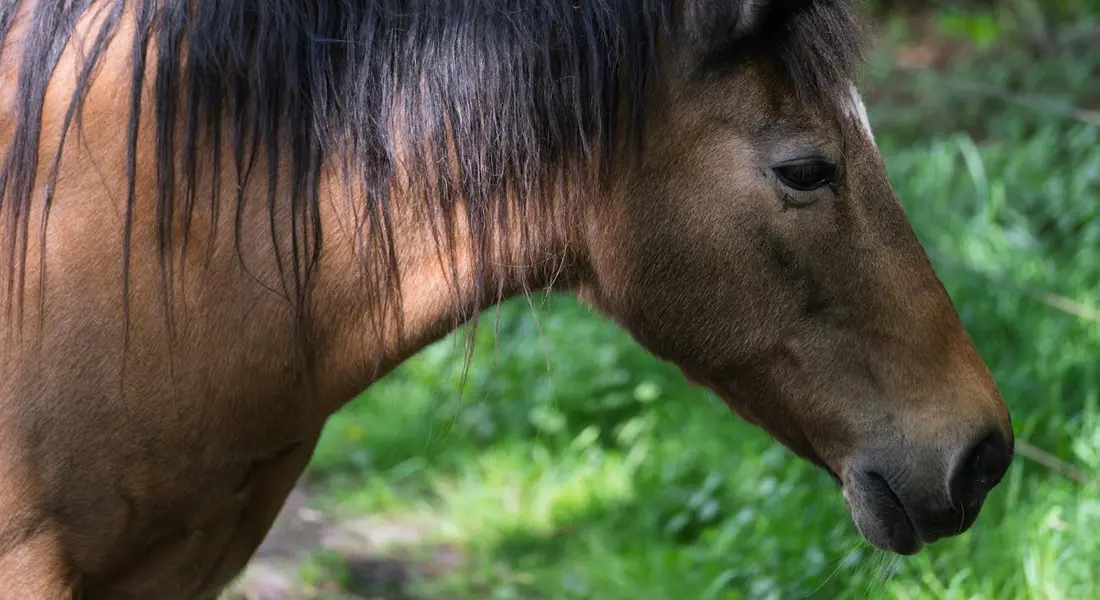
Your eyes and your hands are the best tools. The Henneke Body Condition Score (BCS) scale runs from 1 (emaciated) to 9 (obese). You want your Paint in the 5-6 range. I do this check every two weeks. Run your hands over their ribs. You should be able to feel them easily, but not see them sharply. There should be a smooth covering, like a velvet blanket over a set of rails.
Check these key areas:
| Area to Check | What to Feel For |
|---|---|
| Ribs | Easy to feel with light pressure, not visible. |
| Neck & Shoulders | Smooth transition, no cresty fat ridge. |
| Withers | Rounded, not sharp or buried in fat. |
| Tailhead | Padding, but bones aren’t prominent. |
| Behind the Shoulders | No gutter or deep dip. |
A common error is letting a horse become “fat and fuzzy” in winter, where the thick coat hides weight gain until spring sheds it all out. Get your hands under that hair regularly. Pipin, my Shetland, can look at grass and gain weight, so I have to be ruthless in my assessments.
Avoiding These Common Feeding Errors
We all want to do right by our horses, but kindness can sometimes miss the mark. Watch out for these stable pitfalls.
- Overfeeding Grain Out of Love: That soulful look at treat time is hard to resist. But extra calories lead to obesity, metabolic issues, and laminitis. Give a carrot, not another scoop of sweet feed.
- “One-Scoop-Fits-All” Feeding: Treating every horse in the barn the same is convenient but wrong. The young, growing horse, the senior, and the weekend trail horse have wildly different needs.
- Irregular Feeding Schedules: Horses thrive on routine. Erratic meal times stress their system and can contribute to ulcers. Feed at the same times each day, rain or shine.
- Ignoring Forage Quality: Feeding plenty of poor-quality, stemmy, or dusty hay is like filling your pantry with stale crackers. It fills the belly but doesn’t nourish the body.
- Making Sudden Changes: A new load of hay or a different grain should be introduced over 7-10 days. Their delicate gut microbes need time to adjust, or you risk a colic episode.
The simplest rule is also the hardest: learn to say “no” to those pleading eyes when you know the hay net is sufficient. Their long-term health is the truest form of love you can offer.
FAQ: What is the Ideal Diet and Nutrition Plan for an American Paint Horse?
What is the ideal forage-to-grain ratio for an American Paint Horse?
Forage should constitute 1.5% to 2% of their body weight daily, forming the bulk of their diet. Grain or concentrates should only be added if necessary, such as for hard keepers, performance horses, or seniors with digestion issues. Always introduce any grain slowly and measure by weight to prevent colic or obesity.
How should I adjust my Paint Horse’s diet for seasonal changes?
In colder months, slightly increase forage intake to provide internal warmth and maintain body condition. During hot weather, ensure constant access to fresh water and offer electrolytes to compensate for sweat losses. Monitor their weight and energy levels closely, adjusting grain portions based on reduced or increased activity with the seasons.
Are there specific nutritional needs to support a Paint Horse’s coat color and overall vitality?
Provide a balanced vitamin and mineral supplement to address common deficiencies in hay, focusing on copper and zinc for coat pigment and shine. Ensure proper calcium-to-phosphorus ratios in the total diet to support overall health and prevent dullness. Always prioritize a salt block for electrolyte balance and consult an equine nutritionist to tailor supplements to your horse’s individual needs.
Your Paint’s Dinner Plate: Wrapping It Up
Feed your Paint Horse a diet built on abundant, excellent hay or pasture, only topping up with grain for hard work. Weight-conscious feeding supports long-term health and steady performance. Nothing supports their physical and mental health like daily turnout, where they can move and graze as nature intended.
I’ve seen with my own herd that the right feed schedule brings out the best in a horse, from Pipin’s shiny coat to Luna’s steady focus. Your most important job is to watch and listen—your Paint will show you what’s working. For more tips on feeding routines, check out creating the perfect horse feeding schedule.
Further Reading & Sources
- American Paint Horse | PetMD
- American Paint Horse Breed Characteristics, Health & Nutrition Guide | Mad Barn
- The American Paint Horse | Conley and Koontz Equine Hospital
- Meet the Flashy Paint Horse Breed
At Horse and Hay, we are passionate about providing expert guidance on all aspects of horse care, from nutrition to wellness. Our team of equine specialists and veterinarians offer trusted advice on the best foods, supplements, and practices to keep your horse healthy and thriving. Whether you're a seasoned rider or new to equine care, we provide valuable insights into feeding, grooming, and overall well-being to ensure your horse lives its happiest, healthiest life.
Nutrition