
Understanding and Preventing Impaction Colic in Winter: Your Barn-Side Guide
Hello fellow equestrians. When the temperature drops, the risk of a painful, costly impaction colic episode in your horse climbs steadily. That knot of dread in your stomach is familiar-we’ve all faced the midnight vigil and the staggering vet bill.
Good news: this common winter worry is largely preventable. I’ll walk you through the straightforward changes that safeguard your horse’s gut. We will cover:
- The direct link between cold weather, dehydration, and a sluggish digestive system
- Practical, daily hacks to ensure your horse actually drinks enough water
- How to adjust forage and feeding routines to support gut motility
- Why prioritizing turnout and movement is your best defense
I’ve navigated this seasonal challenge for years in the barn, keeping everything from sensitive Thoroughbreds to sturdy Quarter Horses healthy through the deepest freezes.
What Exactly is Winter Impaction Colic?
Think of your horse’s intestines as a quiet, meandering stream. For digestion to work, everything needs to keep flowing. Winter impaction colic is what happens when that stream dams up: a dense, dry plug of feed or material blocks the pathway, creating a painful digestive traffic jam. This gut stasis means the normal wave-like motions that push food along stop, allowing gas to build and discomfort to spike.
I’ve watched for these signs in my own herd, especially with Rusty, who can be stoic. That subtle loss of interest in hay or the frequent, restless shifting of weight can be the first whispers of a gut slowdown before full-blown colic hits. It’s more than a bellyache; it’s a system-wide halt that demands immediate attention.
Why Does Winter Make Horses More Prone to Impaction?
Winter conspires against the horse’s digestive tract in three key ways: water becomes a chore to drink, hay abruptly replaces grass, and cozy stalls limit movement. This trifecta slows intestinal motility and dries out gut contents, making a blockage far more likely than in warmer months. The season itself reshapes their basic care needs. That’s why a year-round guide on seasonal health concerns for horses matters. It outlines practical adjustments for hydration, forage, and turnout across the seasons.
The Cold Water Conundrum: Hydration and Impaction
Horses often drink less when water is cold, a survival instinct that backfires in domestication. Dehydration from reduced intake turns digesting forage into a dry, sluggish paste that’s prone to sticking in the intestines. It’s the most common trigger I see for winter impaction. Knowing the common hydration mistakes can help you prevent this issue.
Here are the strategies I use daily at the barn to encourage drinking:
- Offer water that is cool but not icy. A bucket heater or adding warm water twice a day makes a world of difference.
- Mix a tablespoon of plain salt into daily grain. This naturally prompts horses to seek out more water.
- Provide multiple water sources. Sometimes a fresh bucket is more appealing than the automatic trough.
Luna, my thoroughbred, taught me this. She would visibly shiver after a cold drink. Now, her winter water is always tempered, and her consumption stays steady, keeping her sensitive system on track.
Forage and Fiber: Your First Line of Defense
Fiber is the roughage that scrubs and stimulates the entire digestive highway. Constant access to good-quality hay is non-negotiable, as it maintains the fibrous bulk needed for the gut to grip and move material through. The rumble of hay being chewed is the sound of digestive health.
Implement these forage-focused practices:
- Feed hay before grain. This ensures the gut is lined with fiber first, slowing sugar absorption and promoting motility.
- Make any feed changes over a week or more. A sudden switch from last year’s hay to a new batch can upset the microbial balance.
- Use slow-feed nets to extend chewing time. This mimics natural grazing and keeps saliva production high, which aids digestion.
I keep hay in front of Pipin around the clock. His clever, food-motivated nature means he’s always nibbling, which acts as a constant gentle massage for his intestines and helps prevent stalls.
The Exercise Equation: Movement vs. Confinement
A horse’s digestion is physically aided by movement; each step helps churn and advance gut contents. Stall confinement during bitter weather is a major risk factor, as inactivity lets material settle and compact in the large colon. Even a little movement is far better than none, especially considering that a horse’s digestive system relies on constant movement to function properly.
Get creative when turnout isn’t an option:
- Hand-walk or do in-hand groundwork for 15 minutes. This isn’t just exercise; it’s internal stimulation.
- Create a “track” system in a safe paddock or indoor by placing hay piles at opposite ends to encourage walking.
- Perform simple stretches or massage in the stall to engage the core and promote blood flow.
On freezing days, I’ll often hand-walk all three horses down the barn aisle. The simple act of walking helps reset their digestive rhythm and breaks up the monotony of stall rest for both of us.
Spotting the Signs: Is Your Horse in Trouble?
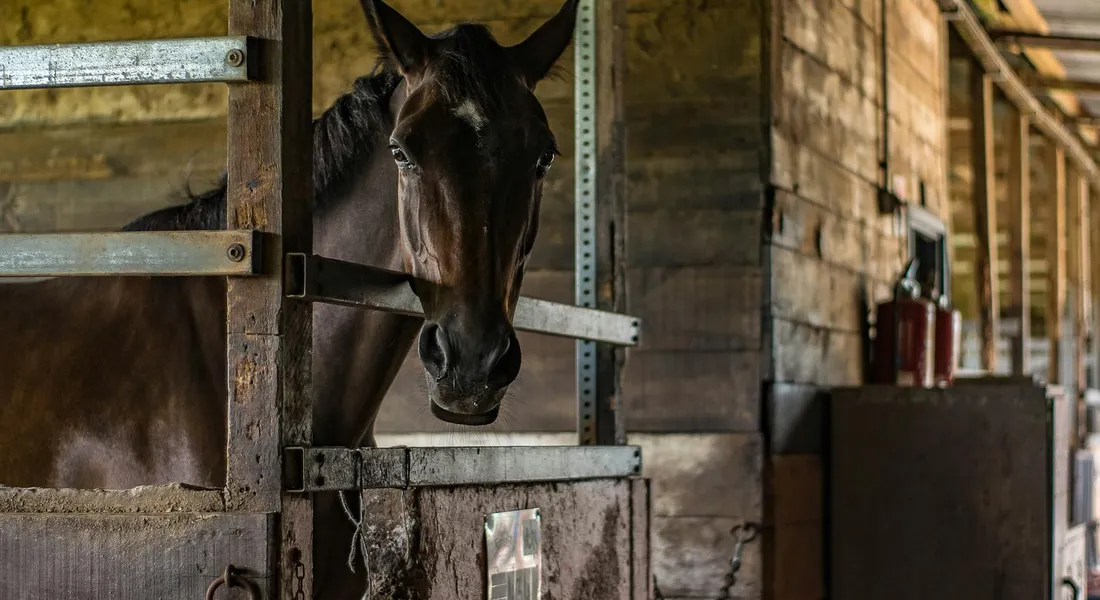
Winter colic often whispers before it shouts, and learning its language has saved me more than one midnight vet call. You become a detective, piecing together clues from manure piles and barn aisle behavior. The shift from normal to concerning can be subtle, so I keep a mental checklist based on years of watching my own herd-from steady Rusty to high-strung Luna.
Early Warning Signals
These are the changes that make me pause and watch a horse more closely throughout the day. The first sign is often in the manure: smaller, drier piles that break apart like dusty muffins instead of moist plops. I recall a chilly morning with Pipin where his output had slowed; a quick feel of his droppings confirmed they were too dry. Other early hints include a slight dip in energy during turnout, or a horse who is a bit less eager for their morning grain. They might stand quietly in a corner, just not quite themselves. That’s why a quick daily health check matters—it helps you spot these shifts early. A brief daily check guide on signs of health can keep you consistent in monitoring and prompt in seeking help when needed.
- Reduced frequency or number of manure piles.
- Drier, crumbly stool consistency.
- Mild lethargy or a subdued attitude.
- Subtle decrease in water bucket levels.
Clear Red Flags
When a horse progresses to these behaviors, it’s time for immediate action and a call to your vet. Repeated, urgent rolling or lying down and getting back up is a classic sign of serious pain. I’ve seen Luna begin to sweat in patches on her neck and flanks despite the cold, a sure red flag. A complete loss of appetite, especially for hay, or no manure production for over six hours are critical indicators. Pawing at the ground or looking back at their flank are clear signals of distress.
- Repeated rolling, kneeling, or thrashing.
- Profuse sweating unrelated to exercise.
- Total refusal of food and water.
- Frequent pawing or obsessive flank-watching.
- Absence of manure for several hours.
Your Winter Prevention Plan: Keeping the Gut Moving
Prevention is about consistent, daily habits that support digestion. My winter strategy revolves around three pillars: water, forage, and routine, which I adjust for each horse’s personality and needs. This isn’t complicated theory; it’s the gritty, daily stuff that keeps guts humming through the frozen months.
Water Wisdom: Ensuring Adequate Hydration
Cold water is a major deterrent to drinking. I invest in heated buckets or tank heaters because I’ve seen water intake double when it’s barely warm to my touch. Check the temperature yourself; if it’s painfully cold for your hand, it’s too cold for them. I also use plain white salt blocks year-round, but in winter, I sometimes add a loose salt to their grain to encourage water consumption. Always break and remove ice at least twice a day.
- Use heated water sources to keep water above 45°F.
- Personally check water temperature morning and night.
- Provide free-choice salt blocks or add a tablespoon of loose salt to feed.
- Clean buckets daily to prevent a stale taste that discourages drinking.
Hay Day: Managing Forage for Digestive Health
Forage is your horse’s internal furnace and gut motivator. My rule is to provide free-choice, good-quality grass hay to all horses, as the constant chewing generates saliva and keeps the digestive tract physically moving. For easy keepers like Rusty, I use slow-feed nets to stretch intake. For a thoroughbred like Luna, I might add a higher-calorie alfalfa mix. The goal is never a bare hay rack; horses should have hay in front of them for 18-20 hours a day to mimic natural grazing.
- Choose leafy, dust-free hay. Moldy or stemmy hay can itself cause impaction.
- Offer hay before grain to ensure fiber is moving through first.
- Monitor each horse’s actual intake-some may need more to maintain weight and gut health.
- Consider soaked hay for older horses with dental issues, as it adds water intake.
Routine Matters: Dental, Parasite, and Vet Checks
Mechanical issues in the mouth or a burden of worms can silently set the stage for colic. An annual dental float is non-negotiable, as sharp points can cause poor chewing and larger, harder hay wads that are difficult to digest. I schedule fall fecal egg counts to target deworming only where needed, avoiding unnecessary chemical use. A regular vet conversation about your individual horse’s risk factors is part of smart ownership. A quick check of vital signs when you groom helps you establish a normal baseline.
- Schedule a dental exam and float every 12 months, especially for seniors.
- Perform fecal egg counts to guide a strategic deworming program.
- Maintain a consistent vaccination schedule with your veterinarian.
- Integrate gentle exercise or daily turnout, even if just walking in hand, to stimulate gut motility.
When to Sound the Alarm: Calling the Vet
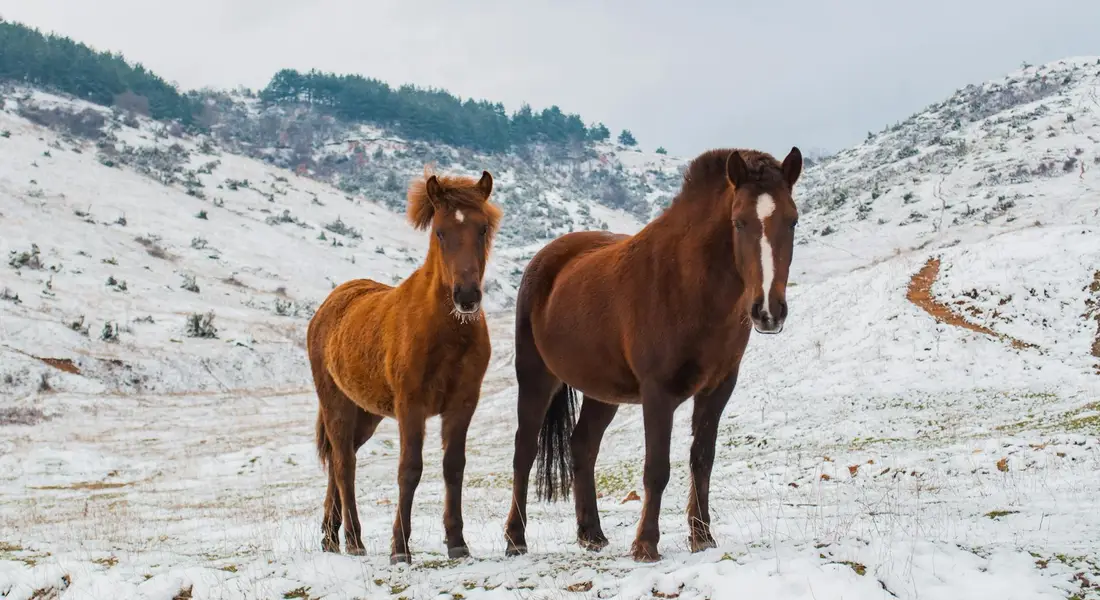
Winter colic has a sneaky way of escalating from a quiet bellyache to a full-blown crisis while you’re still deciding if you’re overreacting. Trust your gut: if your horse’s behavior seems off, it probably is, and waiting for morning is a gamble you never want to take. Spotting early signals—restlessness, pawing, or a tense stance—can warn of trouble long before a crisis hits. If you’re wondering about the early warning signs of colic in horses, recognizing them now can give you a vital head start on treatment. I learned this the hard way with old Rusty one frosty evening; his usual eager snort for dinner was replaced by a distracted stare at his flank, a subtle change that screamed for the vet phone, not a wait-and-see approach.
Impaction colic is a plumbing problem where gut contents become a dry, solid plug, and time is the enemy. Your veterinarian can provide pain relief and fluids that you simply cannot, and early intervention often prevents surgery. The rule in my barn is simple: a phone call is free, but hesitation can be costly.
Don’t Wait: When Immediate Action is Needed
Watch for these specific red flags. If you see one, stop reading and call your veterinarian immediately.
- Signs of Severe Pain: This isn’t mild discomfort. Look for violent rolling, thrashing, sweating profusely on patches of skin, or repeatedly pawing as if digging to China. Luna, with her thin skin and nervous system, once showed us a textbook case with sudden, frantic sweating we couldn’t ignore.
- Zero Manure Production: Check the stall or paddock. If you haven’t seen any new manure piles for over three to four hours, and the horse seems withdrawn, the system may be fully blocked. A quiet horse with an empty manure pile is often in more danger than a loud one.
- Mild Signs That Linger: A few stretches, decreased appetite, or fewer droppings than normal can be subtle. If these mild cues haven’t resolved themselves within two to three hours, consider the clock up and make the call. Pipin the pony taught me this; his “off” feed attitude lasted just long enough for me to worry, and the vet found the start of an impaction.
Remember, colic doesn’t follow a convenient schedule. Your vet would rather get a midnight call for a false alarm than a dawn call for a critical emergency. Keep your vet’s number saved in your phone and posted in the tack room-this small step is a giant leap for horse welfare. Know the emergency signs that warrant a vet call. If you notice severe colic symptoms, sudden weakness, or inability to stand, call your vet immediately.
Frequently Asked Questions: Understanding and Preventing Impaction Colic in Winter
What are the key signs and symptoms of impaction colic to watch for?
Early, subtle signs include a noticeable decrease in manure production and the passing of drier, crumbly fecal balls. A horse may show mild lethargy, a subdued attitude, or a decreased interest in its feed, especially hay. Clear red flags requiring immediate action include repeated rolling or lying down and getting back up, profuse sweating, pawing, and a complete cessation of both eating and manure passage. Spotting these early signs can help catch serious problems before they escalate.
How does a horse’s diet need to be adjusted in colder months to prevent impaction?
The foundation of the winter diet should be constant access to good-quality, leafy grass hay to maintain gut motility and generate body heat. Any changes in hay type or batch must be made gradually over 7-10 days to avoid disrupting the delicate hindgut microbiome. Soaking hay can add moisture for older horses, while slow-feed nets help extend chewing time and stimulate digestion.
Why is ensuring adequate water consumption critical, and what are effective strategies to encourage drinking in cold weather?
Adequate water is critical because dehydration directly leads to drier, firmer gut contents that are prone to forming a blockage. The most effective strategy is to provide water warmed to a palatable temperature above 45°F (7°C) using bucket or tank heaters. Further encouraging intake can be achieved by offering free-choice salt and ensuring water sources are clean and ice-free at all times.
A Warm Barn in Winter
Focus on warm water, soaked feed, and consistent movement to keep your horse’s gut working. Your most important daily chore is ensuring they drink enough, so break ice and offer slightly warmed water often. Winter hydration matters even more in the cold. Explore 7 practical tricks to keep your horse drinking in freezing temperatures.
Good horsemanship is built on quiet observation and a patient routine. Your horse will tell you what he needs, if you take the time to listen to the quiet signals between the morning nickers and evening hoof thuds. Understanding these subtle cues is an important part of building better communication with your horse.
Further Reading & Sources
- Four simple rules for preventing winter colic
- Impaction Colic & Tips for Prevention as the Seasons Change | EquidDoc veterinarians
- Genesee Valley Equine Clinic | Impaction Colic
- Winter Colic Prevention | South Mountain Equine
At Horse and Hay, we are passionate about providing expert guidance on all aspects of horse care, from nutrition to wellness. Our team of equine specialists and veterinarians offer trusted advice on the best foods, supplements, and practices to keep your horse healthy and thriving. Whether you're a seasoned rider or new to equine care, we provide valuable insights into feeding, grooming, and overall well-being to ensure your horse lives its happiest, healthiest life.
Health