
Practical Horse Feed and Water Guidelines: Meeting Daily Needs for Health
Published on: December 28, 2025 | Last Updated: December 8, 2025
Written By: Henry Wellington
Hello fellow equestrians, staring at a feed chart or an empty water tank can spark real anxiety. Getting the amounts wrong risks colic, founder, or a dull, lethargic partner, and those vet bills add up fast.
I will help you cut through the confusion. We will cover how to calculate your horse’s daily forage intake based on simple body weight percentages, the critical gallons of water needed for digestion and temperature regulation, and straightforward methods to monitor consumption and adjust for weather or work.
My advice is forged from decades of barn management and training, balancing the diets of everything from steady quarter horses to finicky thoroughbreds.
The Core Principles: Why Limits Matter
Think of your horse’s digestive system like a car’s fuel tank. You wouldn’t keep pumping gas after the tank is full, and you wouldn’t run it on fumes. Feeding your horse the right amount isn’t just about cost; it’s about respecting the biological limits of their one-of-a-kind engine. Overfilling that tank leads to serious risks like laminitis and obesity-related joint stress. Underfilling it means weight loss, a dull coat, and poor performance. I learned this the hard way with Pipin, our Shetland pony. His clever hooves once popped open a grain bin latch, and the resulting bellyache was a loud, expensive reminder that more food is never better food.
Your Horse’s Engine: The Digestive Design
A horse is not a human, a dog, or a cow. Their gut is a continuous, fermenting forage processor designed for almost constant trickle-feeding. The key to a healthy horse is keeping slow, steady roughage moving through their system, which maintains crucial hindgut fermentation and prevents dangerous acid spikes. That raises a simple question: does a horse’s digestive system work as a seamless, continuous process? Understanding how it works helps explain why steady roughage is essential. When their stomach is empty for too long, the acidic environment can lead to ulcers and colic. Their biology demands patience and consistency, not large, sporadic meals.
Body Weight: The Starting Tape Measure
Every feeding plan starts with one number: your horse’s weight. The golden rule for forage is 1.5% to 2% of their body weight daily. To find this, you need a good estimate. Here’s how to get it:
- Use a weight tape: Measure the heart girth, just behind the withers and elbows.
- Use a formula: (Heart Girth in inches x Heart Girth in inches x Body Length in inches) / 330 = Weight in pounds.
- When in doubt, estimate high. It’s safer to slightly overestimate weight for feeding calculations.
This quick-reference table gives you a ballpark for common types:
| Breed Type | Average Weight Range |
|---|---|
| Light Horse (Thoroughbred, Arab) | 900 – 1,200 lbs |
| Stock Horse (Quarter Horse) | 1,100 – 1,300 lbs |
| Draft Cross | 1,400 – 1,800 lbs |
| Large Pony | 700 – 900 lbs |
Weighing your horse is the single most responsible first step you can take in managing their nutrition and planning for safe weight gain.
Building the Ration: Forage First and Foremost
Before you think about a single scoop of grain, look to the hay loft and the pasture. Forage is the foundation of every equine diet, and everything else is just a supplement to it. Good forage provides calories, essential fiber for gut health, and satisfies their natural chewing instinct. Let’s break down your two main sources.
Hay: The Staple in the Stall
Hay quality varies wildly. Stick your hand into a bale-it should smell sweet, like dry grass, not musty or damp. The stalks should be long and leafy, not dusty or full of stems. Your nose and eyes are your best tools for judging hay before you ever buy it. To calculate daily needs for a stalled horse, take their weight and multiply by 0.015 (for 1.5%) or 0.02 (for 2%). A 1,200-pound horse needs 18 to 24 pounds of hay per day. Feed it in multiple small piles or a slow-feed net to mimic grazing and prevent boredom. For a complete feeding guide on how much hay a horse should eat daily, see our full guide.
When Hay is Short: Safe Roughage Substitutes
Bad hay year? Horse with dental issues? You have options to fill the fiber gap. Always introduce any new feed slowly, over a week or more, to avoid digestive upset. Here are reliable stand-ins:
- Soaked Hay Cubes or Pellets: Expand with water to create a mash. Perfect for seniors who can’t chew well.
- Beet Pulp Shreds: Always soak thoroughly. Provides great fiber and is slightly higher in calories.
- Chopped Forage: Commercial blends like chaff. Excellent for encouraging slow eating.
I keep soaked beet pulp on hand for our older lesson horses; it’s a hydrating, fibrous meal that keeps their systems moving smoothly.
Pasture: Nature’s Buffer
Turnout isn’t a luxury; it’s a requirement for mental and physical health. But rich spring grass is like candy. You must manage grazing to prevent founder, especially for easy keepers like my gelding Rusty. Introduce horses to lush pasture gradually-start with just 15 minutes a day, increasing slowly over two weeks. For horses who pack on pounds easily, a well-fitted grazing muzzle is a kindness, not a punishment. It allows them to move and socialize while sharply limiting their grass intake.
Adding Concentrates and Supplements Wisely
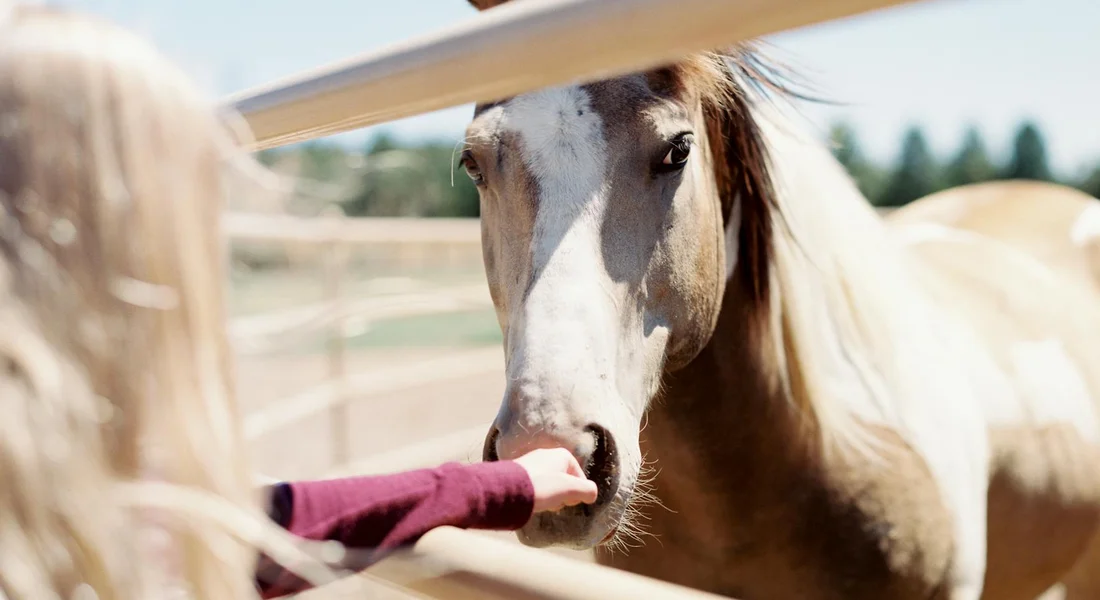
Let’s be clear: grain is not a default setting for horses. I’ve watched too many good-doers like Pipin turn into woolly tanks because well-meaning owners thought a scoop of sweet feed was just part of the daily routine. Concentrates like grains and pellets exist to fill a calorie or nutrient gap that hay alone cannot meet, primarily for horses in serious work, hard keepers, or those in specific life stages. For the average pleasure horse living the good life with ample turnout, that bag in the feed room might just be an expensive recipe for fizzy behavior or weight gain. That question—do horses need grain?—is at the heart of the do horses need grain debate, a central pillar of the great equine diet myth debunked. For many horses, a forage-first approach can meet their needs without routine grain.
Deciding if your horse needs a concentrate is a simple process of elimination. Follow these steps before you ever open a feed bag.
- Assess Body Condition: Use the Henneke scale. Is your horse at a ideal score of 5, or is he leaner? You can’t see ribs, but you should easily feel them with light pressure.
- Evaluate Workload Honestly: Is your horse in consistent, sweat-inducing work four or more days a week, or is he a weekend trail warrior? My guy Rusty falls into the latter category; his “job” is leisurely walks, so his fuel comes from pasture and hay.
- Test Your Forage: Get a hay analysis. This tells you what’s missing. If your hay is deficient in key vitamins or protein, a balancer pellet is a smarter, more targeted choice than a generic grain mix.
- Rule Out Dental and Health Issues: A thin horse might not need more grain-he may need his teeth floated or be tested for parasites. Always consult your vet.
Grains and Pellets: Measuring by Weight, Not Volume
This is the hill I will die on in the feed room. A “scoop” is meaningless. Flaked corn, whole oats, and pelleted feed have wildly different densities. Investing in a simple kitchen scale is the single most responsible thing you can do for precise feeding; it removes all the guesswork and prevents accidental over or under-feeding. I keep one right on my feed cart-it’s saved me from countless mistakes.
Here’s a basic guide. These are starting points for a 1,100 lb horse in good condition. Always follow your specific feed bag’s instructions and adjust for your individual animal.
| Workload Level | Example Concentrate | Daily Amount (by weight) | Notes |
|---|---|---|---|
| Maintenance (Light/No Work) | Vitamin/Mineral Balancer Pellet | 1-2 lbs | Provides missing nutrients without extra calories. Perfect for easy keepers like Pipin. |
| Moderate Work (1 hr riding, 5 days/week) | Whole Oats or Commercial Low-Starch Feed | 3-5 lbs, split into 2+ meals | Offers digestible energy. Oats are a traditional, lower-risk choice for many. |
| Heavy/Performance Work | Performance Pellet or High-Fat Feed | 6-8+ lbs, split into 3+ meals | Dense calories for high demand. This is where my mare Luna might live during peak training, with her meals carefully split to avoid digestive upset. |
Navigating Minerals, Vitamins, and Electrolytes
The supplement aisle is a confusing jungle of promises. Your number one tool for navigation is that forage analysis report. Supplementing blindly is a waste of money and can create dangerous imbalances, like too much selenium or iron blocking the absorption of copper. Start with a good-quality salt block available at all times, then build from known deficiencies.
Supplements fall into three clear categories of need:
- Forage-Based: A regional mineral mix or a ration balancer corrects what your local soil and hay lack.
- Sweat-Based: Electrolytes (salt, potassium, magnesium) are only needed after heavy sweating. A sweaty coat after a summer ride or a damp neck after a lesson means it’s time for a dose in their next meal.
- Life-Stage or Condition: These include joint supports for older athletes, biotin for hoof quality, or probiotics for a horse on antibiotics.
Watch for signs that might indicate a deficiency: a dull coat, slow hoof growth, poor topline muscle despite good feeding, or lackluster energy. When in doubt, less is more, and your veterinarian or an equine nutritionist is your best guide, not the flashy label on a supplement tub. I’ve seen more positive change from correcting a basic mineral imbalance than from any single “magic bullet” powder.
Water: The Silent, Critical Requirement
Think of water as the quiet foreman running the whole barn of your horse’s body. It drives digestion, moving feed through the gut, and it’s the primary coolant for temperature control. When water intake drops, nutrient absorption stalls and the risk of colic spikes dramatically. A resting, average-sized horse will typically drink 5 to 10 gallons daily. This baseline shifts with exercise, diet, and the temperature you feel on your own skin. So, how much water does a horse need daily? A practical answer depends on activity, climate, and diet, so daily intake should be monitored and adjusted.
Tracking What Goes In the Bucket
You can’t manage what you don’t measure. I use a permanent marker to draw gallon lines on stall buckets, giving me a quick glance at morning and evening checks. For troughs, I note the water level with a stick or a mental mark at the same time each day. Consistent observation is simpler than you think and it reveals your horse’s personal normal.
Daily needs swing based on several key factors:
- Needs increase with: hot or humid weather, intense work, lactation for mares, and a diet high in dry hay.
- Needs may decrease with: cold weather, rest days, and a diet rich in fresh pasture or soaked feeds.
Troubleshooting Poor Water Intake
Catching dehydration early is a critical skill. Perform a quick check if you’re worried: pinch a fold of skin on the neck; it should snap back instantly. Lift their lip-gums should be slick, not tacky. Those two checks take seconds and can signal a need for action long before lethargy sets in.
If your horse isn’t drinking enough, try these steps in order:
- Provide always-clean, algae-free water. Scrub buckets daily-no one likes a stale drink.
- Add a tablespoon of plain salt to their grain. This stimulates thirst naturally.
- Soak their hay or feed mashes. This adds hidden water intake.
- In winter, use a trough heater. Iced water is a major deterrent.
My sensitive Thoroughbred, Luna, once decided her water bucket was suspect after a barn move. She’d sip just enough to worry me. I finally tempted her by adding a handful of fresh peppermint tea (cooled, of course) to her water, which masked the new-pipe taste and got her back on track. Sometimes the solution is about appealing to their quirks, not just their needs.
Adjusting for the Individual Horse
Cookie-cutter feeding plans lead to fat ponies and skinny Thoroughbreds. I learned this the hard way my first year managing a barn. Your horse’s metabolism, age, and job demand a tailored menu, not a one-size-fits-all scoop from the feed room. Let’s break down common profiles using the characters from my own shed row.
The Easy Keeper vs. The Hard Keeper
In one corner, we have Rusty, my Quarter Horse. Look at grass, and he gains weight. In the other, Luna, the Thoroughbred, who can eat a hay bale and still have ribs showing. Managing these opposites starts with accepting their natural wiring, not fighting it.
For the easy keeper like Rusty, the goal is slowing consumption and limiting access to rich pasture.
- Use a grazing muzzle on lush spring grass to prevent founder.
- Switch to a slow-feed hay net to make him work for every mouthful.
- Choose a mature, stemmy grass hay lower in sugars and calories.
- If you need a carrier for supplements, use a handful of soaked beet pulp instead of grain.
For the hard keeper like Luna, the focus is on dense, digestible calories without sparking nervous energy.
- Provide free-choice, high-quality alfalfa or orchard grass hay.
- Add fat sources: a cup of vegetable oil or a measured scoop of rice bran over her feed.
- Consider a high-fat, fiber-based commercial feed instead of a high-starch grain.
- Always ensure she eats alone so more dominant horses don’t steal her ration.
The thud of hooves at feeding time tells you who’s first to the bucket, but watching their waistlines over weeks tells you if your plan is working.
Senior Smarts: Feeding the Older Horse
Our Shetland, Pipin, is 15 going on mischievous. With age, his teeth wear down and his digestion becomes less efficient. Senior horse care is less about fancy supplements and more about fundamental comfort and absorbable nutrition. The smell of his soaked senior feed is a staple in our barn.
Your checklist for the older horse should include:
- Bi-annual dental checks: Hooked teeth or painful points mean hay goes to waste.
- Soaked meals: A pelleted senior feed soaked into a mush hydrates them and requires no chewing.
- Prioritize protein: Look for feeds with higher, quality protein (14-16%) to support fading topline muscle.
- Consider a joint supplement: Ingredients like glucosamine can help keep them moving comfortably to their favorite sunny spot.
A senior horse with a warm, soaked meal is a content horse, and contentment is the cornerstone of good health in their golden years. For Pipin, we also soak his hay cubes, ensuring every bite is easy and safe to swallow.
Fueling Performance and Work
Luna’s workouts demand fuel, but the wrong kind turns her focus from dressage to fireworks. Feeding for performance is a ballet of timing, energy type, and recovery, not just pouring in more grain. The creak of leather during a warm-up should come from a supple body, not a gassy gut.
Follow this sequence for a horse in regular work:
- Time meals around exercise: Feed the bulk of their grain or concentrate at least three to four hours before hard work to let the stomach empty.
- For calm, sustained energy: Base the diet on forage and add fats (like beet pulp or flax oil) and fermentable fibers.
- Replace what’s lost: After a sweaty workout, provide a salt block always and add electrolytes to water or feed during heavy training.
- The post-work snack: Offer a flake of hay about 30 minutes after cooling down to restart gut motility and satisfy their natural grazing instinct.
Remember, a well-fueled horse isn’t just energetic; they are mentally prepared and physically resilient, ready for the partnership you’re building. For Luna, a small meal of alfalfa and beet pulp after morning turnout gives her the steady burn she needs for our afternoon sessions without the jitters.
Daily Checks and Red Flags
Your feed and water plan is only as good as the horse it’s for. A simple, consistent daily check takes just minutes but tells you everything about how your program is working. I weave mine into the morning ritual, right between hearing the crunch of fresh hay and the creak of the stall door. Look with a purpose-your horse’s body is giving you a report card.
- Scan the stall or paddock for manure piles. Are there fewer than yesterday?
- Listen to the water tank. Is it being touched, or is the level static?
- Watch the horse’s approach at feeding time. Is it eager or indifferent?
These quick observations are your first line of defense. Changes in routine behavior are often the earliest and most honest feedback you’ll get.
Manure, Weight, and Demeanor
Think of manure as a window into the gut. Healthy digestion produces a steady stream of formed, moist balls that break apart on impact. I’ve learned that dry, hard manure often signals dehydration, while cow-pie consistency can mean too much rich pasture or grain. Count the piles; a sharp drop in output is a red flag.
Weight is your long-term gauge. Run a weight tape over the withers weekly, and use your hands. Can you feel ribs with light pressure, or are they buried? A sudden change, especially weight loss, often points to feed that isn’t being absorbed properly or inadequate water intake.
Demeanor completes the picture. A horse that turns its nose up at dinner, like Luna sometimes does when anxious, is sending a message. A normally cheerful eater who becomes sluggish or aggressive at meal time is telling you something is physically wrong. Trust this attitude check-it’s directly tied to their comfort and gut health.
The Colic Clock: When to Call the Vet
Time is muscle when gut motility slows. Know the urgent signs. If your horse shows any combination of these behaviors, stop guessing and call your veterinarian immediately.
- Repeatedly looking at, nipping, or kicking at its flank.
- Pawing relentlessly or lying down and getting up frequently.
- Rolling with intent, especially if it seems violent or obsessive.
- A complete lack of manure production for several hours.
- Turning away from all feed, even favorite treats.
Never ignore a sudden, unexplained shift in water drinking. Rusty once went off his water for a day, and it was the only clue before a mild impaction colic set in. Rapid gulping of large amounts can be equally dangerous. Your daily check on that water bucket isn’t just about quantity; it’s a critical monitor of impending trouble.
FAQ: Horse Feed and Water Consumption Limits
How does salt intake directly influence my horse’s daily water consumption?
Salt naturally stimulates thirst, encouraging your horse to drink more and maintain proper hydration. Adequate salt intake is crucial for replacing electrolytes lost through sweat, especially in hot weather or during work. Always provide a clean, white salt block free-choice to support this natural process.
When switching between hay types, how should I adjust the daily forage amount?
The weight of the forage remains the primary measure, so you should still provide 1.5-2% of your horse’s body weight daily. However, you must account for differences in nutrient density and moisture content between, for example, rich alfalfa and mature grass hay. Introduce any new hay gradually over 7-10 days by mixing it with the old to prevent digestive upset.
Can I estimate daily intake if I don’t know my horse’s exact weight?
Yes, you can use the provided breed weight ranges as a responsible starting point for calculations, always erring on the side of a slightly higher estimate. Closely monitor your horse’s body condition score and manure output to gauge if your estimated amounts are correct. For long-term management, however, using a weight tape regularly is the most accurate method.
Water and Hay: The Foundation of Everything
Focus on providing unlimited clean water and quality forage, letting that form the solid base of every diet. Calculate your horse’s daily hay ration at 1.5-2% of their body weight and let that number guide all other feeding decisions.
Watch your horse more than the chart, noting the shine of their coat and the consistency of their manure. Their feedback, seen in their energy and overall demeanor, is your most reliable guide to getting it right. By learning to read their body language, you can tell if your horse is happy. Understanding those signals turns everyday cues into a clear gauge of their wellbeing.
Further Reading & Sources
- Nutritional Requirements of Horses and Other Equids – Management and Nutrition – Merck Veterinary Manual
- How to Feed a Horse: – CAES Field Report
- How to Feed Horses: General Guidelines – Kentucky Equine Research
- 10 Rules for Feeding Horses – Alabama Cooperative Extension System
At Horse and Hay, we are passionate about providing expert guidance on all aspects of horse care, from nutrition to wellness. Our team of equine specialists and veterinarians offer trusted advice on the best foods, supplements, and practices to keep your horse healthy and thriving. Whether you're a seasoned rider or new to equine care, we provide valuable insights into feeding, grooming, and overall well-being to ensure your horse lives its happiest, healthiest life.
Nutrition