
Identifying the Largest Horse Breed for Informed Care and Safe Handling
Published on: August 19, 2026 | Last Updated: August 19, 2026
Written By: Henry Wellington
Hello fellow equestrians. Standing next to a horse that makes others look pony-sized is awe-inspiring, but it also brings practical worries-from higher feed bills and specialized tack to safety during handling. Your concern for managing such a powerful animal responsibly is exactly where good horsemanship begins.
In this article, I’ll cut through the speculation and give you the straight facts. You’ll get a clear breakdown of: which breed truly holds the title for largest in the world, the key historical jobs that shaped their immense build, precise care adjustments for their unique anatomy and welfare, and hands-on safety tips for building a trusting partnership with a gentle giant.
My advice comes from a tack trunk filled with years of barn management and training, where I’ve balanced the needs of sensitive thoroughbreds and sturdy quarter horses alike.
Understanding Draft Horses: The Heavyweight Class
Forget racing; draft horses are all about pure, grounded power. These living tractors have backs broad enough to rest a bucket on and legs like sturdy timber. I’ve shared a barn with a few, and their calm, rhythmic chewing is a sound that defines contentment. Their steady, patient nature is a testament to centuries of breeding for reliable work alongside humans, distinguishing draft horses from other types of horse breeds.
Caring for a draft horse means thinking bigger. Their daily hay ration looks like a bale meant for three regular horses. My Percheron friend, Duke, could empty a hay net in what seemed like minutes. A quick monthly hay bale calculation reveals how many hay bales a draft horse like Duke actually consumes, guiding monthly purchases and storage. That number also informs a sustainable feeding plan. Their digestive health hinges on a constant, slow trickle of quality roughage, mimicking natural grazing.
Turnout isn’t optional. These heavy bodies are designed to move. Confinement in a stall leads to stiff joints and a bored mind, and a bored draft horse can rearrange fencing just by leaning on it. Provide them with a safe, spacious paddock where they can amble and roll every single day.
Listen to their feet. The clop of a draft horse hoof is a deep, resonant thud you feel in your chest. That size demands a expert farrier. Consistent, skilled hoof care every 6-8 weeks is non-negotiable to prevent strain on their legs and back. Between visits, know-how in essential hoof care—especially proper trimming techniques helps you support their soundness. This knowledge complements the farrier’s work.
The Shire: Crowned the Largest Horse Breed
If draft horses are the heavyweight class, the Shire is the undisputed champion. Originating in England, these horses were the semi-trucks of history. Standing next to one, the world seems to shrink. The top of a Shire’s withers can be level with your eyes, offering a truly unique perspective.
They routinely reach over 18 hands and weigh more than a small car. Despite this, their reputation as “gentle giants” is earned. Their typical temperament is serene and willing. This immense size paired with a docile mind requires a handler who projects calm, confident leadership to ensure mutual respect.
You can’t miss their signature feathering-the long, silky hair cascading from their knees and hocks. It’s beautiful but high-maintenance. After a muddy day, I’ve spent hours carefully washing and drying the feathers on a Shire named Atlas to prevent itchy, painful skin infections. This grooming isn’t just for show; it’s a critical part of their preventive healthcare routine.
Their welfare demands specialized equipment. Standard stalls feel like closets, and typical halters won’t fit. Everything must be supersized and durable. Prioritize their mental health with varied enrichment and companionship, as their intelligence matches their physical stature.
Shire Horse Profile at a Glance
Here’s a snapshot of what defines this colossal breed. Use this as a quick reference guide.
| Attribute | Details |
|---|---|
| Average Height | 17 to 19+ hands (68 to 76+ inches at the shoulder) |
| Average Weight | 1,800 to 2,400 pounds |
| Common Colors | Black, bay, grey, often with white leg and face markings |
| Key Physical Traits | Massively muscular build, arched neck, pronounced feathering on lower legs |
| Core Temperament | Docile, calm, eager to please, and remarkably gentle for their size |
| Historical Use | Farm work, pulling brewery wagons, and heavy carting |
| Modern Role | Show and driving competitions, promotional events, pleasure for experienced owners |
| Top Care Priority | Meticulous grooming of feathering, specialized farriery, and ample space for movement. |
These stats are a blueprint, but every horse is an individual. Just like my sensitive Thoroughbred, Luna, needs a soft touch, a Shire’s care must be tailored to its unique personality and health. Understanding the temperament is crucial for this, which is why I always refer to a good temperament guide when matching a horse to a rider.
Other Notable Giant Equine Breeds
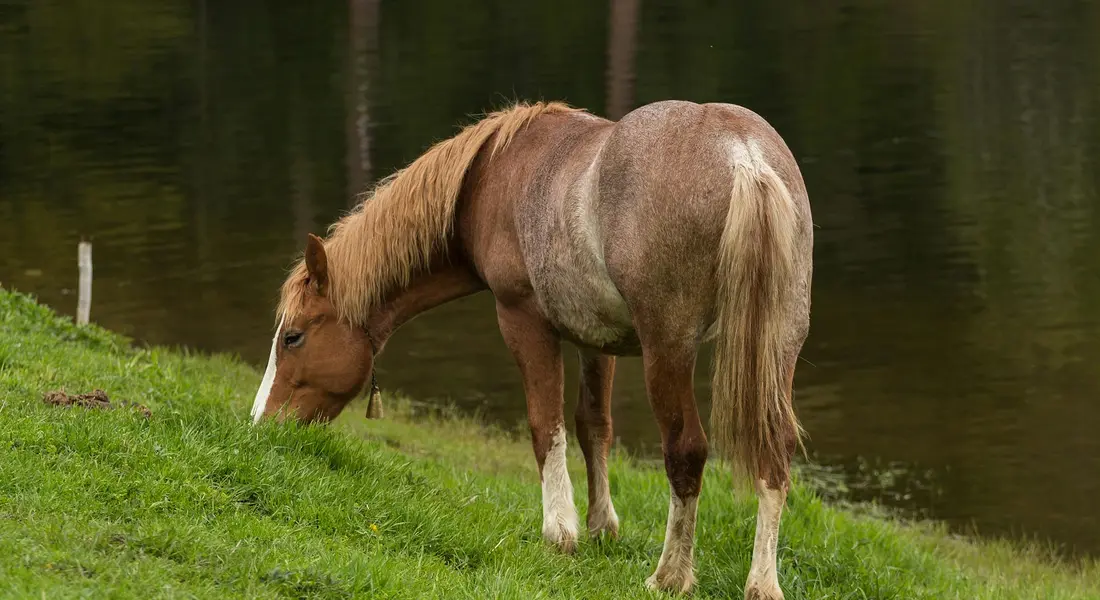
While the Shire often takes the height title, several other drafts command respect for their sheer power and impressive stature. Living with giants teaches you that size isn’t just about measurement-it’s about presence, appetite, and a unique kind of gentle strength.
Belgian Draft Horse
If the Shire is the elegant knight, the Belgian is the powerhouse linebacker. Bred for raw pulling strength, these horses are often slightly shorter but incredibly dense and muscular. Their coats are most commonly a beautiful, solid chestnut or roan, and they possess one of the most agreeable temperaments in the equine world. Their legendary work ethic and docile nature make them a favorite for farm work and even therapeutic riding programs where a steady, unflappable partner is key. I’ve found their patient demeanor often makes them wonderful teachers for nervous handlers.
Clydesdale
You know them from the beer commercials, but up close, a Clydesdale is pure poetry in motion. Famous for their high-stepping “action,” feathered legs, and bold white face and leg markings, they combine strength with flash. That feathering requires dedicated care to prevent mud fever. Beneath that glamorous exterior is a willing worker, but their spirited carriage-horse heritage means they often have a bit more spring in their step than other drafts. Temperament is a defining characteristic of Clydesdales—steady, trainable, and people-oriented. That combination helps them excel as both workers and partners with handlers. They need a job to stay happy, even if that job is just focused groundwork.
Percheron
This French breed is the agile athlete of the draft world. Often appearing in gray or black, Percherons have slightly less leg feathering and a more refined head, contributing to their surprising agility. Historically used as war horses and later for heavy hauling in cities, they are known for their intelligence, strength, and adaptability to different disciplines, including driving and even dressage. They tend to be a practical choice for owners who want power but appreciate a more moderate maintenance coat.
Suffolk Punch
The Suffolk Punch is a British treasure and one of the oldest and purest draft breeds. They are always a distinctive chestnut color, ranging from golden to liver, with minimal feathering. Their build is uniformly solid-“a barrel on legs”-bred for centuries for farm work on heavy soils. They are renowned for their stamina, longevity, and incredibly sweet nature, often maintaining a strong work ethic well into their senior years. Their consistency in type and temperament is a testament to careful, purposeful breeding.
Essential Care Considerations for Large Breeds
Caring for a draft or giant breed isn’t simply scaling up your pony care regimen. Their size creates unique physiological demands. Proactive management focused on prevention is the absolute cornerstone of keeping these giants sound and healthy for the long haul. Forgetfulness here can lead to big problems, both figuratively and literally.
Feeding Your Gentle Giant
That massive body requires fuel, but their digestive system is just as delicate as a Thoroughbred’s. The goal is steady calories without digestive upset or excessive weight gain.
- Roughage is King: They need a constant, slow trickle of high-quality hay. I aim for 1.5-2% of their body weight daily, spread across multiple slow-feed nets to mimic natural grazing and prevent boredom.
- Concentrate Wisdom: Many drafts do well on a low-sugar, high-fiber feed or a specially formulated draft pellet. The key is splitting their daily ration into three or more smaller meals to avoid overloading their gut. I learned this after a scary bout of gas colic with a boarder’s draft.
- Supplement Smartly: Joint support with glucosamine, chondroitin, and MSM is often a wise investment early on. Always provide a clean salt block and consider a balanced vitamin/mineral supplement if your forage is lacking.
Hoof and Leg Care
Those dinner-plate hooves carry immense weight, and their leg structure is under constant stress. A proactive farrier is your best ally.
- Farrier Frequency: Stick to a strict 6-8 week trimming schedule without fail. Letting toes get long changes breakover and increases strain on tendons and joints.
- Consistent Footing: Avoid deep, muddy paddocks that suck at their feet and strain ligaments. Provide a well-drained, firm area for them to stand on. I keep a gravel pad near the gate for this reason.
- Daily Inspections: Make checking legs and hooves for heat, swelling, or cracks a non-negotiable part of your routine. Catching a small abscess early prevents a world of lameness.
Shelter and Space Requirements
A draft horse’s living environment must be built for scale and durability. Pipin the Shetland might escape through a loose board, but a bored Percheron can rearrange your entire stall.
- Stall Dimensions: A standard 12×12 stall is a tight fit. Aim for 14×14 or larger, with doors at least 4 feet wide. Ceilings must be high enough for them to toss their head safely.
- Turnout is Non-Negotiable: Daily movement is critical for mental health and circulation. They need spacious, safe paddocks with robust fencing-think heavy-duty post and rail or closely woven wire without dangerous gaps. Electric tape alone rarely contains their power.
- Structural Integrity: Everything must be stronger. Feed tubs, waterers, and hooks should be mounted securely into studs, not just stall walls. I’ve seen a playful head toss rip a flimsy hay ring right from its bolts.
The Temperament and Uses of Draft Horses
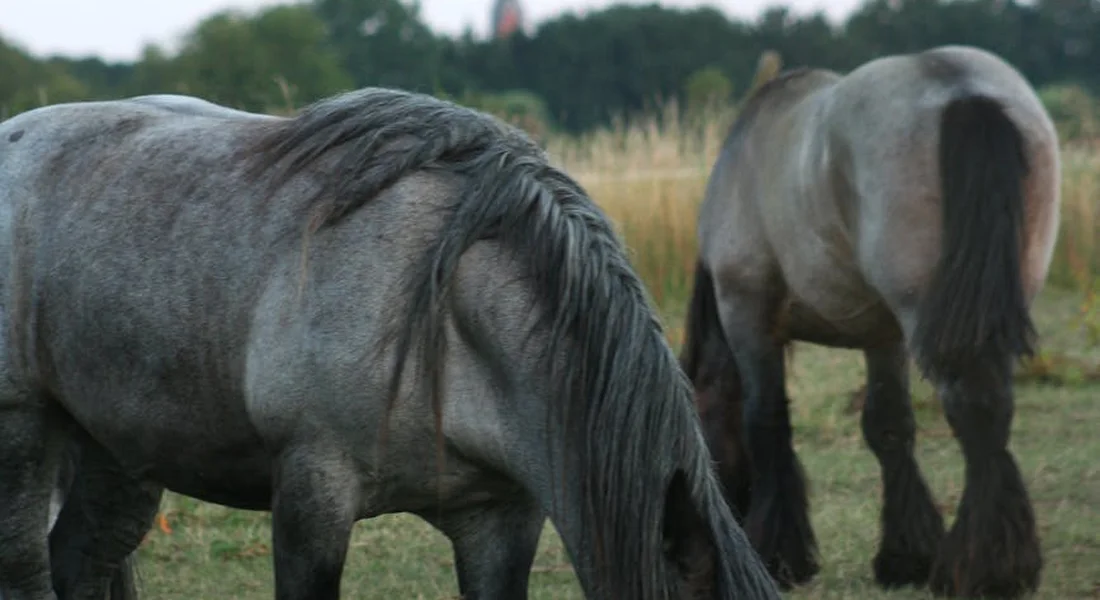
I remember the first time I walked a Shire mare named Bess into the cross-ties. Her back was as wide as my kitchen table, and her feathered hooves thudded on the aisle floor with a steady, comforting rhythm. Draft horses, like Bess, possess a temperament forged for partnership. They are famously steady, patient, and willing, with a calm intelligence that makes them excellent teachers for nervous handlers. Their gentle nature is a testament to centuries of breeding for reliable work alongside humans, not flightiness.
Their uses have evolved from pure farm power to multifaceted roles. You’ll still see them in logging operations where their strength is unmatched, but now they’re just as common in driving competitions, therapeutic riding programs, and even as serene trail companions. I’ve used a Percheron gelding to calmly introduce young riders to the feeling of a powerful stride, and their patience is unparalleled. This versatility makes them valuable not as relics, but as adaptable partners in modern equestrian life.
Consider their common roles today:
- Recreational and competitive driving: Their power and steady gait are ideal for carriages.
- Therapeutic riding: Their calm demeanor and broad, secure backs provide confidence.
- Trail riding: A draft cross can offer a smooth, unflappable ride through noisy environments.
- Farm work and logging: Where machinery can’t go, their brute strength still reigns.
- Show ring: From halter to hitch classes, they are celebrated for their majesty and form.
Is a Draft Horse Right for You?
Owning a draft horse is a commitment to a different scale of everything. It’s not just about loving their gentle eyes; it’s about logistics. Ask yourself these questions before falling for those fuzzy feathers. Your boarding facility or farm must have stalls and doorways built for a small elephant, and your pasture needs to support substantial grazing. That planning also clarifies essential horse housing land requirements for your property. Getting the layout right now saves headaches later.
Their care routine is more intensive. Those beautiful feathers on their legs require daily drying and cleaning to prevent scratches or mud fever. Their hooves are dinner plates, meaning farrier costs are higher, and finding a blacksmith comfortable with that size is key. I learned this the hard way with a Clydesdale who needed a special order for shoes! Feed bills are significant, as they can consume 1.5 to 2 times the hay of a light horse, and their nutritional balance must be meticulously managed to prevent issues like azoturia. That upfront price is only part of the picture. Ongoing costs—feed, farrier work, and general care—shape the true investment of owning a Clydesdale.
Here’s a quick checklist to gauge your readiness:
- Space: Do you have a 12×14 foot stall or larger and robust fencing?
- Budget: Can you cover higher feed, farrier, and veterinary costs?
- Time: Are you prepared for extended grooming and hoof care sessions?
- Experience: Are you confident handling 1,800+ pounds of peaceful power?
- Purpose: Do you have a job or activity that suits their talents and energy level?
They are wonderfully gentle, but their size alone can make basic medical care or a spook a major event. For a first-time owner, I often recommend leasing or volunteering with a draft breed first. Spending a season mucking their stall and feeling the heft of their hoof pick gives you a real sense of the daily reality.
Breeding and Population of Heavy Horses
Breeding these giants is a careful science aimed at preserving type while prioritizing soundness. Historically, selection focused on pull power and bone density. Today, ethical breeders also screen for genetic conditions like Junctional Epidermolysis Bullosa (JEB) in Belgians or chronic progressive lymphedema in some feathered breeds. The goal is to produce a horse that is not only massive but also structurally able to carry its own weight comfortably into old age.
Population numbers tell a story of resurgence and concern. While the Percheron has a fairly robust global population, breeds like the American Cream Draft are critically rare, with estimates in the low hundreds. The Shire horse, once nearly extinct, has seen numbers climb thanks to dedicated breed societies. Supporting these breeds often means choosing to buy from preservation-minded breeders who prioritize health over extreme size.
Modern breeding considerations include:
- Maintaining genetic diversity to prevent bottleneck effects.
- Selecting for correct leg conformation to support massive joints.
- Balancing a calm temperament with the athleticism needed for modern sports.
- Utilizing advanced reproductive technologies to aid rare breed conservation.
When you see a draft horse today, you’re looking at a living piece of agricultural history that has been carefully stewarded into the present. Choosing to support responsible breeders is a direct investment in the future of these gentle giants. People often consider the reasons behind horse breeding—preserving temperament, strength, and healthy lineages. These reasons underscore why responsible breeders matter.
What is the largest horse breed?
What is the largest horse breed in America?
While the Shire is globally the tallest breed, the Belgian Draft is the largest horse breed commonly found in America by population and is a titan of sheer mass. They are incredibly muscular and dense, often rivaling or exceeding the weight of other draft breeds. Their docile temperament and strength have made them a longstanding favorite on American farms and in shows.
What is the largest horse breed by weight?
The title for heaviest horse breed is typically a close contest between the Shire and the Belgian Draft. Both breeds can easily exceed 2,000 pounds, with some individuals reaching over 2,400 pounds. The Belgian often has a more compact and massively muscular build, contributing to its incredible scale and pulling power.
Is the Percheron considered the largest horse breed?
The Percheron is a substantial and powerful draft breed, but it is not generally considered the absolute largest. They are known for being slightly more agile and refined than some other drafts, though they still command impressive size and strength. They are rightly celebrated for their intelligence and versatility rather than holding the record for maximum height or weight.
Caring for Gentle Giants
Owning a draft or other large breed means adapting your care to their size, from investing in extra-strong fencing to finding a farrier experienced with their substantial hooves. The most critical step is always consulting with your vet and equine nutritionist to formulate a diet that supports their massive frame without causing metabolic issues. Also, learning how to manage your horse’s weight diet can be a key part of their ongoing care. This approach sets the stage for practical steps on maintaining optimal weight and nutrition for large breeds.
Their calm nature is a gift, but never a substitute for consistent, gentle training and daily observation. Your biggest responsibility is to learn their unique language-a subtle shift in weight or a soft sigh can tell you more about their comfort than any textbook ever will.
Further Reading & Sources
- Shire horse – Wikipedia
- Top 5 Largest Horse Breeds: Discover the Majestic Giants of the Equine World
- 10 Largest Horse Breeds In the World – Wild Jolie
- r/Horses on Reddit: Is there a horse breed that can carry a man 7’8” tall, 450lbs weight?
At Horse and Hay, we are passionate about providing expert guidance on all aspects of horse care, from nutrition to wellness. Our team of equine specialists and veterinarians offer trusted advice on the best foods, supplements, and practices to keep your horse healthy and thriving. Whether you're a seasoned rider or new to equine care, we provide valuable insights into feeding, grooming, and overall well-being to ensure your horse lives its happiest, healthiest life.
Choosing the Right Breed