
Can Horses Eat Weeds? Your Practical Identification Guide for Safe Pastures
Hello fellow equestrians. Seeing your horse mouth a strange leaf in the field can instantly spike your heart rate. That nagging fear of poisoning, colic, or a staggering vet bill is a universal sign you care deeply for your herd’s welfare.
Let’s clear the confusion. This guide will equip you with a barn manager’s eye for pasture safety. We’ll cover:
- Spotting the most common toxic weeds that threaten your horse’s health
- Recognizing benign or even beneficial plants that mix with their forage
- Building a simple, effective routine for weekly pasture checks
- Taking immediate, calm action if you find a dangerous plant has been eaten
I’ve managed pastures for everything from clever ponies like Pipin to sensitive thoroughbreds like Luna, and that decade of hands-on experience shapes every tip here.
Can Horses Eat Weeds? The Straight Talk from the Barn
Let’s cut through the pasture gossip right now. The answer isn’t a simple yes or no. Horses are curious nibblers by nature, and whether a weed is a snack or a hazard depends entirely on the plant staring back at them. I’ve spent countless hours mending fences and watching my crew graze, and I can tell you Pipin the pony has a PhD in finding the one questionable leaf in a ten-acre field. Grass clippings can tempt a curious eater, but they carry safety risks if not managed properly. Mold, fermentation, or large piles can upset a horse’s stomach.
Think of your horse’s field like a salad bar. Some greens are fine, some give you a stomachache, and a few can land you in the hospital. Your job as the barn manager of their world is to learn the menu and remove the dangerous items before they ever reach the plate (especially those known to be toxic to horses). Rusty might cautiously avoid a strange weed, while sensitive Luna could react more strongly to a tiny amount of toxin.
Absolute weed-free pasture is a fantasy for most of us. The real goal is vigilant management, knowing that regular turnout on diverse, well-maintained pasture is still one of the greatest gifts for your horse’s mental and physical health. We work with the land we have, eyes open and weed puller in hand. Beyond weed control, this mindset helps create an enriching pasture environment for horses, with diverse forage and safe, stimulating turnout. A well-designed pasture supports curiosity, social interaction, and lifelong health.
The Good, The Bad, and The Toxic: Understanding Weed Risks
Weeds fall into three rough categories: benign, mildly irritating, and downright deadly. The risk hinges on the specific toxin, how much is eaten, and your individual horse’s size and sensitivity. A mouthful might do nothing, but a hungry horse left in a patch of poison can suffer devastating consequences.
Never assume a horse will “naturally avoid” what’s bad for them. Boredom, overgrazed pasture, or simple curiosity can lead to tasting. To curb this, coach them away from non-food items and obvious hazards with gentle guidance and supervision. Prevention is always simpler and kinder than emergency treatment, making your weekly pasture walk a non-negotiable act of care. Listen to the rustle of grass, smell the earth, and look for invaders.
Toxins can attack the nervous system, damage the liver, or destroy red blood cells. Symptoms like drooling, stumbling, colic, or sudden behavior changes are your cue to call the vet immediately and grab a sample of what they ate. Time is never on your side in these cases.
Common Toxic Weeds You Must Recognize
Commit these troublemakers to memory. I keep a photo guide on my phone because seeing is believing. When you spot one, wear gloves, pull it from the root, and bag it for disposal-don’t just toss it in the manure pile where it can reseed.
- Ragwort (Tansy): A yellow-flowered menace with ragged leaves. It causes irreversible liver damage that builds up over time. It’s palatable when dried in hay, making it a silent threat.
- Hemlock (Poison and Water): Tall with purple-spotted stems and fern-like leaves. It’s a neurotoxin. Just a few pounds can cause trembling, respiratory failure, and a rapid, tragic end.
- Yew: Often found in landscaping hedges. Every part is lethal. Ingestion causes sudden cardiac collapse, often with no warning-a stark reason to fence off ornamental shrubs.
- Bracken Fern: A widespread, leafy fern that causes thiamine deficiency. Chronic eating leads to weight loss, incoordination, and a panic-inducing “star-gazing” posture.
- Johnsongrass & Sudangrass: Tall, coarse grasses that can produce deadly cyanide after a frost or when stressed. The risk is prussic acid poisoning, which suffocates the horse at a cellular level.
Weeds That Are Usually Safe for Occasional Nibbling
These common plants are generally not toxic in small amounts, but “safe” isn’t a license for neglect. Even benign weeds can cause issues if they dominate the pasture and crowd out nutritious grasses, leading to a unbalanced diet. Moderation is the key principle here.
I’ve watched Luna delicately pick dandelion leaves, and Rusty will happily munch on plantain. A diverse smorgasbord of plants can actually provide trace minerals, but your horse’s primary nutrition must come from good hay or quality pasture grass. Think of these as the garnish, not the meal.
- Dandelion: The entire plant is edible. The leaves are diuretic, but not harmful. Those yellow flowers are a sure sign of spring and a harmless curiosity for most horses.
- Broadleaf & Narrowleaf Plantain: Those low-growing, ribbed-leaved plants are tough and ubiquitous. They’re often called “horse’s bandage” for their historical use on minor cuts and are perfectly fine to eat.
- Chickweed: A small, sprawling plant with tiny white flowers. It’s juicy and soft. It pops up in cool, damp areas and is a harmless, if watery, bit of greenery.
- Clover (White & Red): Generally safe, but beware of moldy or fermented clover, which can cause slobbers. Overconsumption of certain clovers in drought conditions can also lead to photosensitivity.
When in doubt, pull it out. If you can’t identify a plant with 100% confidence, err on the side of caution and remove it from your horse’s environment-their health is worth that extra bit of weeding. Your peace of mind during turnout is priceless.
Your Weed Identification Toolkit: How to Tell Plants Apart
Key Features to Look For: Leaves, Stems, and Flowers
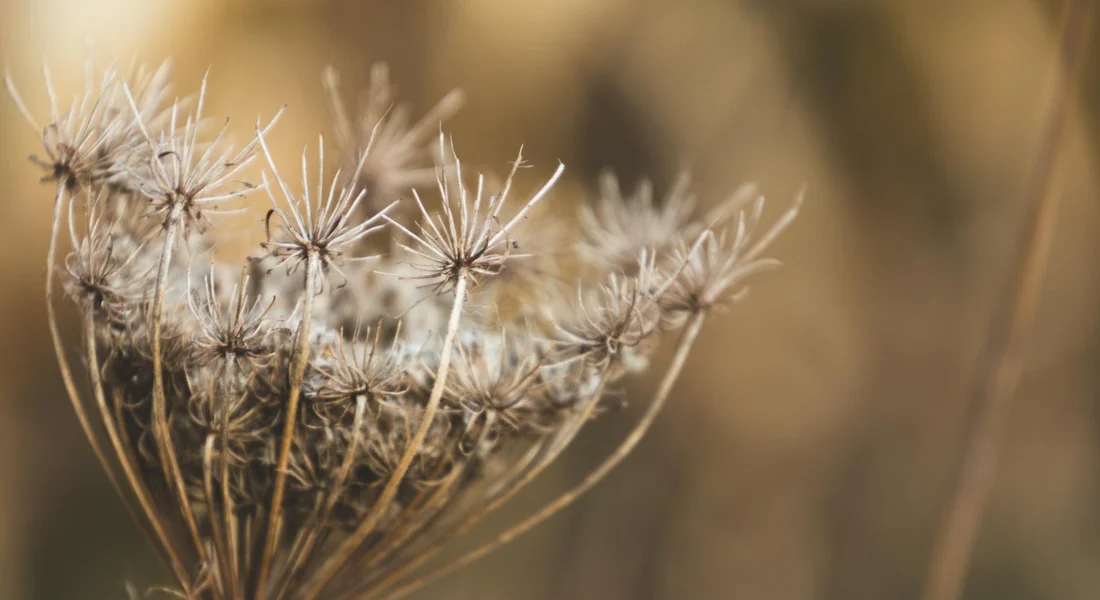
Think of weed spotting like recognizing a horse from across the field. You don’t just see a “brown horse,” you note the blaze face, the stocky build, the way it moves. Start your plant ID by getting down on their level-literally kneel in the pasture and look closely. That same careful eye helps you identify common horse pasture weeds and plan practical management. In the next steps, you’ll learn how to identify, manage, and safely control them. Your three best clues are always leaves, stems, and flowers.
Leaf shape tells you a lot. Are they smooth like a buttercup’s glossy green, or hairy and ragged like ragweed? Feel the edge; serrated leaves can cut a horse’s mouth, while waxy leaves often signal trouble. I learned this the hard way when Luna nibbled a suspicious plant with saw-toothed edges, requiring a quick vet call.
Stems can be round, square, hollow, or solid. Some, like poison hemlock, have distinctive purple splotches. Always wear gloves and run your fingers along the stem to check for texture or markings. A hollow stem often means a plant in the carrot family, which includes highly toxic varieties.
Flowers are the final giveaway. Note the color, number of petals, and how they cluster. Bright yellow flowers might be the benign dandelion or the toxic yellow star thistle-count the petals to be sure. I keep a simple guide in my tack room, with pressed samples from our land, to compare when I’m unsure.
- Leaf Inspection: Look at arrangement (opposite or alternating), surface (hairy, smooth, sticky), and margin (smooth, toothed, lobed).
- Stem Study: Check for ridges, color, sap (milky sap is often a red flag), and whether it branches or stands alone.
- Flower Focus: Observe color, shape, and season. Many toxic weeds bloom in late summer when pasture grass gets thin.
Regional Weed Spotting: What Grows in Your Area
Weeds are like local gossip; every region has its own troublemakers. Your county’s agricultural extension office is your best friend for a free, localized weed list. What plagues a barn in Oregon won’t be the same headache in Florida.
In my years managing a stable in the Midwest, we constantly fought creeping charlie and leafy spurge. These invasive plants spread through rhizomes, creating mats that choke out good grass. Meanwhile, my friend in Arizona watches for locoweed, which horses can develop a taste for with tragic results.
Walk your fences line regularly with a regional guidebook. Early spring is prime time to spot new seedlings before they establish deep roots. I make it a weekly ritual with my coffee, scanning Pipin’s paddock for his clever attempts to dig up and sample anything new.
- Northeast & Midwest: Watch for tall, feathery poison hemlock, broad-leaf dock, and milkweed with its distinctive pods.
- South & Southwest: Be vigilant for silverleaf nightshade, senecio groundsels, and the deceptive, pretty red sesbania.
- West Coast: Keep an eye out for tansy ragwort, yellow starthistle, and deadly water hemlock in wet areas.
Managing Weeds in Your Horse’s Pasture
Safe Removal Techniques for Toxic Weeds
Finding a toxic weed can spike your adrenaline, but don’t just grab and pull. Proper removal protects both you and the pasture’s long-term health. I suit up in long sleeves, sturdy gloves, and eye protection before tackling anything unknown.
For most perennials, you must get the entire root system. Use a dedicated dandelion digger or hori-hori knife to loosen soil and extract the plant whole. If you leave even a small root fragment, many weeds like thistle will cheerfully regrow. I have a “weed bucket” I carry for disposal, well away from where curious noses like Rusty’s can reach.
Never burn toxic weeds in a pile where smoke can be inhaled. Bag them securely and dispose of them with your household trash, not in compost piles. For large infestations, targeted mowing before seeds set can help, but mowing alone often just spreads the problem.
- Identify with certainty. When in doubt, snap a clear photo of leaves, stem, and flower and text it to your vet or extension agent.
- Remove manually on a damp day. Moist soil gives up roots more easily, minimizing breakage.
- Dispose immediately and securely. This prevents drying and seed dispersal by wind.
- Monitor the spot for regrowth. Check back weekly for new shoots. A bit of diligence saves endless work later.
Encouraging Beneficial Plants for Better Grazing
The best defense against bad weeds is a thick stand of good grass. Healthy pasture competes for sunlight and nutrients, naturally suppressing weed seeds. Think of it as giving the good guys a home-field advantage.
Overseed in the fall or spring with horse-safe mixes. I prefer blends with timothy, orchard grass, and a touch of white clover for durability and nutrition. Good grazing management is key; rotate pastures to prevent overgrazing, which opens the door for weeds. Luna’s sensitive gut does best on diverse, leafy forage, so we work hard to maintain it.
Simple soil testing tells you what your land needs. Balancing pH and adding recommended nutrients makes your grass vigorous and resilient. A well-fed pasture is less stressed and more likely to crowd out invaders. I scatter seed by hand after rain, a peaceful task that pays off in steady munching sounds.
Encouraging natural foraging behavior through ample turnout is the cornerstone of equine welfare and weed control. Horses like Pipin will selectively graze, but a full belly of good grass reduces the temptation to sample questionable plants. Keep their world green, diverse, and interesting. Enrich their grazing environment to promote healthy foraging habits and overall well-being.
- Plant These: Timothy grass, bermuda grass (in warm regions), rye grass, and non-invasive clovers. They provide steady calories and are easy on the digestive system.
- Pasture Maintenance: Regular dragging to break up manure piles, rotational grazing, and resting sections for 30-day periods.
- The Stable Hack: If a spot is bare, toss down some straw and a handful of seed. Let the horses’ hooves do the work of pressing it in-they’re natural tillers.
What to Do If Your Horse Eats a Suspected Poisonous Weed
The moment you see your horse munching on an unknown plant, a cold wave of worry is a normal reaction. I’ve been there, watching Luna’s inquisitive muzzle investigate a shady patch of something unfamiliar. Your first actions are critical.
Stay frosty and move your horse immediately to a safe, bare area like a dry lot or a clean stall to prevent further nibbling. Panic helps no one, least of all your horse.
Next, you need to call for professional help without delay. Do not wait for symptoms to appear.
- Call your veterinarian or an equine poison control hotline immediately.
- Describe exactly what you saw, including the part of the plant consumed (leaf, seed, root).
- Give your horse’s approximate weight, age, and any known health conditions.
- Note the time you witnessed the ingestion and any changes you see, however slight.
While you wait for the vet, keep your horse calm and quiet. Do not attempt to induce vomiting unless explicitly instructed by the veterinarian. Having a well-stocked equine first aid kit and your vet’s number saved in your phone is non-negotiable for moments like this. In the meantime, you can perform basic first aid to help stabilize your horse: keep them calm and still, and apply clean, firm pressure to any visible bleeding if present. Monitor closely for early signs of distress, which can be subtle: excessive salivation, lethargy, stumbling, or changes in how often they pass manure.
Keeping a Plant Sample for Your Veterinarian
A clear plant sample is like gold for your vet. It turns a guess into a diagnosis. I always keep a few clean zip-top bags and a pair of gloves in my barn jacket for this exact reason.
Proper identification is impossible with a mangled, partial leaf; you need to provide a complete sample, including leaves, stems, flowers, and seeds if present. Use gloves to handle the plant to protect your own skin.
Follow these steps to collect a useful specimen:
- Put on gloves and carefully pull up the entire plant, roots and all, if possible.
- Gently shake off excess soil, but do not wash or wet the sample.
- Place it in a zip-top bag, press out the air, and seal it.
- Label the bag with the date, location in the pasture, and the name of the horse that ate it.
- Keep the sample cool and out of direct sunlight until you can give it to your vet.
If you can’t get the whole plant, take clear, well-lit photographs from multiple angles next to a common object like a hoof pick or your hand for scale. Snapping a quick photo of the weed where it grows can also help your vet understand the environment and soil type, which aids identification. This simple, systematic process removes the guesswork and gets your horse targeted help faster. To broaden the context, our Safe Flowers and Herbs for Horses guide offers quick safety tips. The Complete Edible Plant Guide provides a full reference for horse-safe plants.
FAQ: Can Horses Eat Different Types of Weeds? Weed Identification Guide
How can I identify horseweed in my pasture?
Horseweed, commonly known as Canadian fleabane, is identified by its tall, fibrous stem and narrow, hairy leaves that alternate along the stalk. Mature plants produce clusters of small, white to pale pink flowers at the top, typically in late summer or fall. Always verify with a local weed guide or app, as correct identification prevents confusion with toxic look-alikes and guides safe removal.
What does horseweed look like in its rosette stage?
In the rosette stage, horseweed forms a flat, circular base of leaves close to the ground, often resembling a dandelion rosette but with hairier, lance-shaped foliage. The leaves may have slightly toothed edges and a gray-green hue, distinguishing them from surrounding grasses. Spotting and removing rosettes early stops the plant from developing a deep taproot and spreading seeds across your pasture.
Why are pictures important for identifying horseweed rosettes?
Pictures offer a clear visual benchmark to compare against regional variations, such as those in California, Colorado, or Michigan, where soil and climate affect leaf size and hairiness. They help you document subtle differences during pasture walks, ensuring accurate identification without relying on memory alone. Sharing these images with local extension services or vets can confirm suspicions and inform targeted management strategies.
A Final Nose-to-Ground Check
Make regular walks of your pasture a habit, learning the leaves and flowers of local hazards like hemlock or yellow star thistle. Your safest bet is to assume an unknown weed is guilty until proven innocent—pull it first and ask questions later.
Good pasture management is a slow, steady dance of observation and action, not a one-time fix. Trust that your horse will often tell you what’s wrong long before a vet call is needed, if you’re paying attention. If you’re unsure about whether to call the vet, a quick decision‑making guide on when to call the vet can help.
Further Reading & Sources
- r/Equestrian on Reddit: How to keep your pasture weed free?
- Weed Control in Horse Pastures | Extension Horses
- Toxic Weeds and Trees in Horse Pastures | CAES Field Report
- Weed Management Plans for Horse Pastures | Equine Programs
At Horse and Hay, we are passionate about providing expert guidance on all aspects of horse care, from nutrition to wellness. Our team of equine specialists and veterinarians offer trusted advice on the best foods, supplements, and practices to keep your horse healthy and thriving. Whether you're a seasoned rider or new to equine care, we provide valuable insights into feeding, grooming, and overall well-being to ensure your horse lives its happiest, healthiest life.
Nutrition