
Fescue Grass and Horses: Your Safety-First Pasture Management Guide
Published on: September 5, 2026 | Last Updated: September 5, 2026
Written By: Henry Wellington
Hello from the barn aisle. If you’ve ever felt a twinge of doubt watching your horse graze that lush fescue, you’re in good company. The worry over potential health issues-from subtle weight gain to serious founder or reproductive troubles-is a burden every caring horse owner carries.
Let’s clear the field together. This guide will give you the straight talk on fescue, covering:
- How to identify toxic endophyte-infected fescue versus safer varieties.
- Practical, budget-conscious steps to manage or transition risky pastures.
- Proven alternative forages to cultivate for a safer grazing buffet.
I’ve made these calls for my own herd for years, from the steady geldings to the sensitive mares, blending hands-on experience with solid equine science.
The Fescue Question: A Tale of Two Grasses
Walk any pasture in my region and you’ll likely hear the soft crunch of fescue underfoot. This hardy grass is a pasture staple, but here’s the barn truth: not all fescue is created equal. Think of it as two distinct grasses wearing the same green coat. The difference lies in a tiny, hidden fungus called an endophyte.
Endophyte-infected tall fescue is the old-school variety, tough as nails and drought-resistant. That same fungus that makes the grass resilient also produces alkaloids that can silently harm your horse. I’ve seen pastures dominated by this type, and while they stay green when others brown, the horses on them often have dull coats and seem just a bit “off.”
Then there’s the safer sibling: endophyte-free or novel-endophyte fescue. These modern varieties are bred for safety without sacrificing all the hardiness. Planting these safer grasses is one of the simplest acts of preventative care you can do for your pasture. It’s a choice that prioritizes gentle horsemanship from the ground up, alongside selecting safe and non-toxic plants for horses.
So, how do you know what’s growing in your field? You can’t tell by looking. Here are your first steps:
- Get a Test: Contact your local extension office for a pasture assay. It’s affordable and tells you exactly what you’re dealing with.
- Observe Your Herd: Watch for subtle signs like reduced grazing time or horses preferring other forage areas.
- Consider Renovation: If you have the old, toxic type, plan to gradually overseed with safer varieties over time.
I learned this the hard way with Pipin, our cheeky Shetland. He was the first to avoid a patch of older fescue, a clear sign from a food-motivated pony that something wasn’t right. Trust your horse’s instincts-they’re often the best barn managers.
Understanding the Real Risk: Fescue Toxicosis
Fescue toxicosis isn’t a sudden, dramatic illness. It’s a slow, creeping issue that stems from daily consumption of those fungal alkaloids. The risk is very real, especially for certain horses. Pregnant mares are the most vulnerable, with risks including prolonged pregnancies, thick or retained placentas, and even foal loss. It’s a sobering thought that changed how I manage our broodmare pastures.
But it’s not just broodmares. All horses can suffer from what we call “summer slump” on toxic fescue. The symptoms are easy to miss if you’re not looking closely:
- Reduced feed intake and weight loss despite good forage
- A rough, hairy coat that doesn’t shed out properly
- Lowered milk production in nursing mares
- Increased standing time in shade and general lethargy
- Poor heat tolerance and reduced circulation (you might feel cool ears or legs)
Managing this risk starts with honest pasture assessment and doesn’t require removing all fescue. To read your pasture well, you’ll learn to assess forage quality and identify dangers. Here’s my practical playbook, honed from years of balancing horse health with pasture reality:
- Test and Identify: Know which pastures have the highest concentration of toxic fescue. Map them out.
- Strategic Grazing: Rotate sensitive horses, especially pregnant mares, off risky pastures for the last 90 days of gestation. Use these fields for non-breeding stock with careful monitoring.
- Dilution is Key: Always provide abundant, clean hay in the field. This encourages horses to consume less of the fescue and more safe forage.
- Promote Movement: Ensure ample turnout space so horses can selectively graze and move away from denser fescue patches. Constant movement aids circulation and overall health.
I remember Luna, our dapple grey Thoroughbred, showing a classic sign during a hot spell on a fescue-mixed field. She was listless and her usually shiny coat turned stubby. Moving her to a diverse pasture with more clover and orchardgrass brought her spark back in under a week. Your management can make that same difference. It’s about working with the land you have while fiercely advocating for the comfort in your herd’s every day.
How to Spot Trouble in Your Field
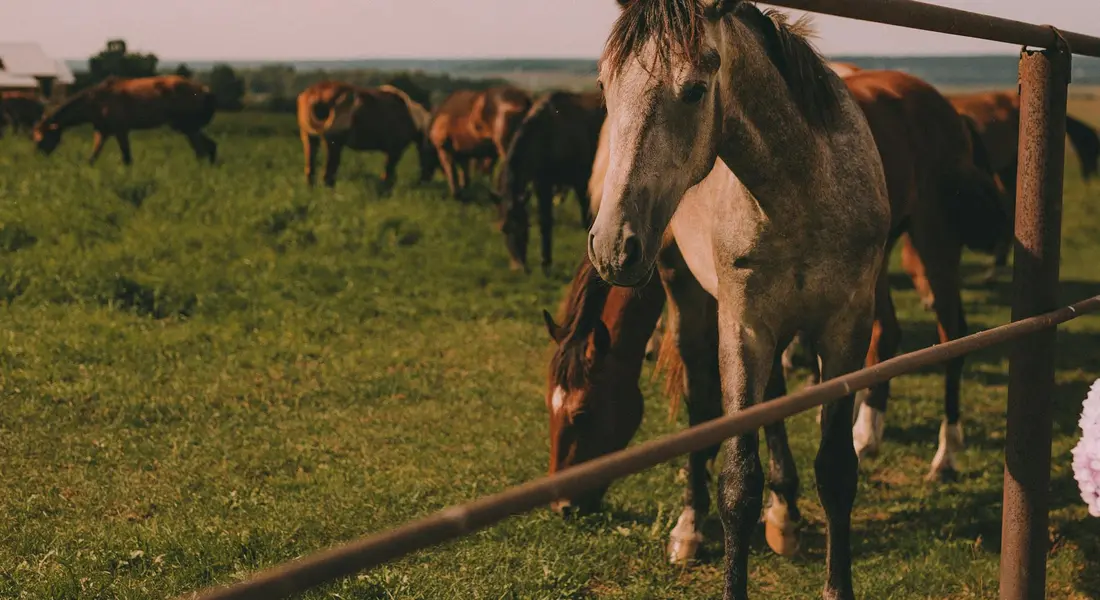
The first sign of a fescue problem often isn’t something you see, but something you don’t see. I’ve watched mares on infected pasture carry their foals weeks past their due date, their udders mysteriously dry. It’s a quiet, waiting dread. For broodmares, the most glaring red flag is reproductive trouble: prolonged gestation, difficult births, thick or absent placenta, and no milk production. It’s a scenario every breeding farm fears.
But what about your riding horse? The signs are subtler. Walk your pasture with a critical eye, especially in the heat of summer when the fungus is most active. Look for these clues:
- Retained Summer Coat: A horse who is slick and shiny in the barn but stays oddly fuzzy in the field, as if they can’t shed out properly.
- Poor Hoof Quality: You’re fighting constant cracks, slow growth, and brittle walls despite good farrier care.
- General “Unthriftiness”: A dull coat, low energy, and losing weight despite adequate hay and grain. They just look… off.
- Heat Stress: Excessive sweating, labored breathing, and higher body temperatures in hot weather, as their bodies struggle to cool down.
I remember a boarder’s gelding, a steady fellow, who spent one summer looking perpetually ragged. We blamed everything from worms to his blanket. The problem was right under our noses, literally-it was the grass he was grazing on every day. Once we moved him off that paddock, he transformed within a month.
Getting a Definitive Answer: Testing Your Pasture and Hay
Guessing has no place here. Your eyes can spot poor condition, but only a lab can confirm the toxin. Think of it like a vet check for your field. You have two main testing targets: the living pasture grass and your stored hay.
For pasture testing, your local cooperative extension office is your best friend. They can guide you on how to properly collect a composite sample from multiple areas of your field. You’re not just testing for the presence of fescue, but for the specific endophyte fungus, so you must request an “endophyte test.” This tells you the infection percentage.
Hay testing is just as critical. That “beautiful, clean” first-cutting hay could be a hidden risk. Here’s my process:
- Use a core sampler or simply grab handfuls from 10+ bales in the stack.
- Mix all samples in a clean bucket to create one composite sample.
- Seal it in a plastic bag, label it clearly, and send it to a certified lab.
- Request a full analysis, including endophyte presence and alkaloid levels.
This data is power. A negative test gives you peace of mind. A positive test gives you a clear action plan. Don’t skip this step.
Managing a Fescue-Containing Pasture
So your test came back positive. Don’t panic-you have options short of a scorched-earth policy. The goal is to minimize your horse’s consumption of the seed heads (where the toxin concentrates) and reduce their overall intake of infected grass.
My primary management rule is simple: Never let a pregnant mare set foot on an endophyte-infected fescue pasture, period. The risks are far too great. For other horses, diligent management can reduce risk.
- Mow Before Seed Heads Form: Keep the grass clipped short, below 6 inches, to prevent it from ever reaching the mature, seed-head stage. This is a weekly chore during peak growth.
- Promote Grass Diversity: Overseed with compatible grasses like timothy or orchardgrass. This dilutes the fescue in the overall pasture stand.
- Rotate and Rest: Use smaller paddocks and rotate horses frequently. This allows for mowing and prevents overgrazing, which stresses the fescue and can increase toxin levels.
- Provide Clean Hay: Even during turn-out on pasture, always offer endophyte-free hay in the field. This gives horses a safe choice and fills their gut with good stuff.
The Long-Term Fix: Pasture Renovation
When management becomes too much work, or your peace of mind demands it, renovation is the answer. This isn’t a quick weekend project; it’s a commitment to resetting your land. I helped a friend through this after her mare had a scary foaling. Here’s the hard-won blueprint we followed.
Year One: The Kill and Reseed. You must completely destroy the existing stand. Spray with a non-selective herbicide, wait, and then spray again. Till the dead sod under. This is the time to soil test and amend. Then, seed aggressively with a certified endophyte-free fescue blend or a completely different grass mix. Keep all animals off until the new grass is firmly established, at least 6-8 inches tall.
Year Two: Vigilant Maintenance. The new grass is tender. Practice strict rotational grazing to avoid stressing it. Continue mowing to encourage thick, lush growth and outcompete any stubborn old fescue that tries to come back. The sound of a tractor mowing became our soundtrack that second summer, but the sight of healthy, grazing horses made every dusty hour worth it.
Renovation is expensive and labor-intensive. But sometimes, turning over a new leaf-or rather, a whole new field-is the only way to ensure the thud of hooves out there is always a sound of safety, not hidden risk.
Planting for Safety: Endophyte-Free and Novel Endophyte Fescues
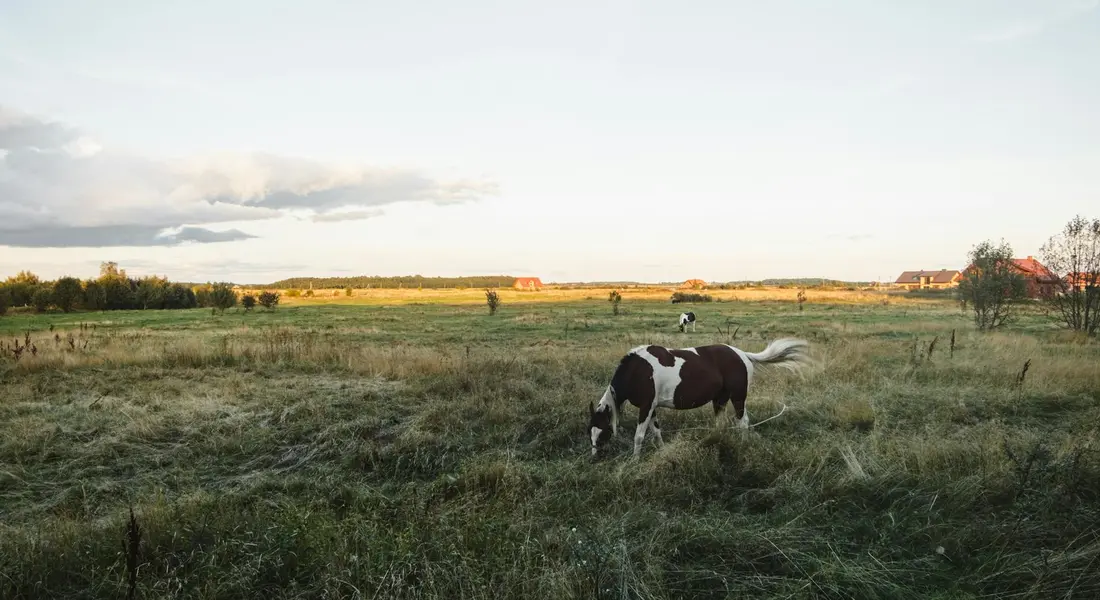
That old stand of fescue in your back field might be hiding a problem. Traditional tall fescue often carries a wild endophyte, a fungus inside the plant stem. To a horse, especially a pregnant mare, this fungus produces toxins that can lead to serious trouble like prolonged gestation and poor milk production. Choosing the right seed is your first, most powerful act of prevention against fescue toxicosis.
I renovated a broodmare pasture years ago after a scary brush with agalactia. The switch was a revelation. You have two safe paths forward: endophyte-free and novel endophyte fescues. Endophyte-free seed is exactly what it sounds like-the fungus is gone. This is your go-to for mares in late pregnancy, but know that the grass itself can be less resilient to insect pests and summer drought.
Novel endophyte fescue, sometimes called “friendly” fescue, is my preferred workhorse. Scientists swapped the toxic fungus for a benign one. This gives you a tough, persistent sod that survives hard grazing and dry spells without the associated health risks. It’s the durable, safe choice for year-round turnout.
Planting isn’t just scattering seed. Follow these steps to do it right:
- Test First, Plant Second: A simple soil test reveals pH and nutrient gaps. Fixing these ensures your investment actually grows.
- Source Certified Seed: Demand the label. “Endophyte-free” or “Novel Endophyte” must be stated clearly on the bag, with a certified seed tag.
- Eradicate the Old Stand: Spray or plow under existing toxic fescue. This prevents it from choking out your new, safe seedlings.
- Seed at the Correct Depth: Fescue seed needs soil contact but shouldn’t be buried. A drill seeder set to a quarter-inch deep is ideal for even establishment.
Even with safe fescue, I never plant a monoculture. The smell of freshly tilled earth and the sight of new grass sprouts represent a direct investment in your herd’s future comfort.
Beyond Fescue: Building a Balanced Pasture
Think of your pasture as a salad bar, not a one-item menu. Horses are selective grazers, and a mix of grasses and legumes supports their health and satisfies their curiosity. A diverse pasture landscape promotes natural foraging behavior, which is fundamental to equine mental welfare and digestive function. Natural foraging enrichment supports additional mental engagement and physical activity. Healthy grazing tips, such as varied forage and controlled access, help maintain balanced diets.
In my fields, I blend species to create a buffet. For steady eddies like Rusty and clever minis like Pipin, variety keeps them moving and engaged. Here are reliable performers to combine with your safe fescue:
- Orchard Grass: A sweet, highly palatable grass that horses often graze first. It’s a nutritious base layer.
- Timothy: Excellent for sensitive systems. It’s lower in sugars than some grasses, making it a thoughtful choice for easier keepers.
- Kentucky Bluegrass: It forms a tight, forgiving sod that holds up to the thud of hooves, perfect for high-traffic areas near gates.
- Legumes like White Clover: They fix nitrogen in the soil, reducing fertilizer needs. Offer them in moderation to avoid gas-related colic.
Planting is half the battle; management is the rest. Strategic rotation is the cornerstone of sustainable pasture management, preventing overgrazing and breaking parasite cycles. I move my crew every few days, a rhythm that lets grass recover.
Build your balanced pasture with this routine:
- Divide and Conquer: Use temporary fencing to create smaller paddocks. This forces even grazing and reduces wasted forage.
- Mow After Rotating: Cutting down the ungrazed leftovers and weeds encourages dense, leafy regrowth and discourages unpalatable stems.
- Respect Rest Periods: Grass needs time to rebuild its root reserves. Aim for a minimum 21-day rest during the peak growing season.
- Manage Manure: Regularly harrow or pick up droppings. This spreads natural fertilizer and controls internal parasites lurking in the grass.
The gentle rustle of horses grazing a mixed field is a sound of pure contentment. By investing in pasture diversity, you are actively supporting robust gut health, reducing behavioral vices, and fostering a more natural life for your horse. To take this further, learn how to create an enriching pasture environment for horses. A well-designed layout balances forage, space, and enrichment opportunities to support natural behavior.
The Barn Manager’s Grazing Playbook
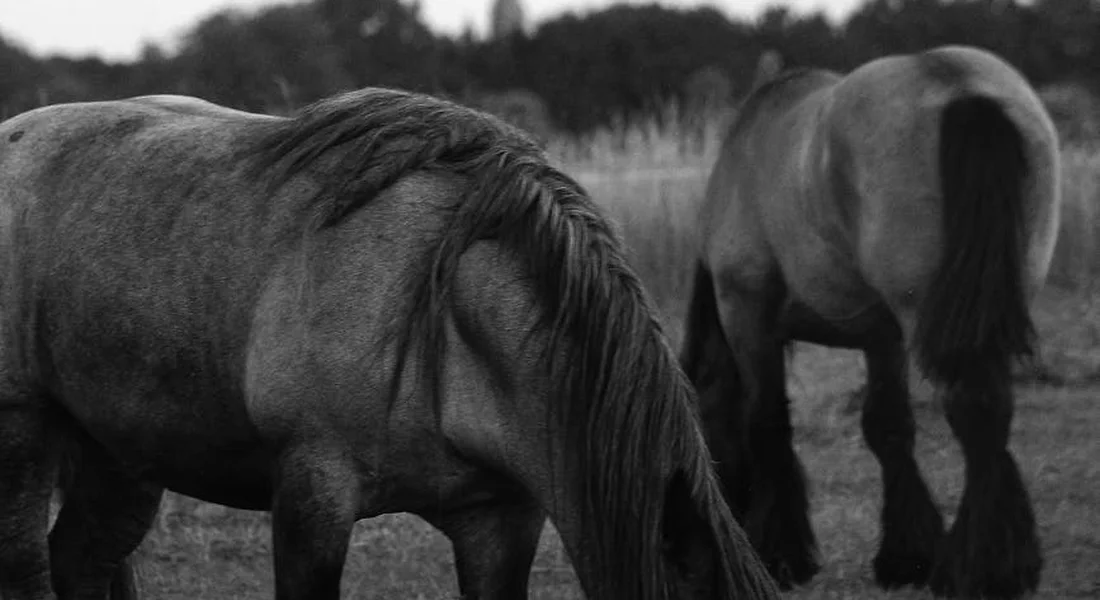
Running a pasture with fescue in the mix is less about following a rigid manual and more about learning a daily rhythm. You become a grass detective, a weather watcher, and a horse psychologist all before lunch. That daily rhythm also translates into designing a safe, effective pasture that supports healthy hooves. Good pasture design balances forage, water access, shade, and sturdy fencing for a calm, productive herd. My own barn management style was forged in the quiet hours of morning checks, listening to the steady thud of hooves as Rusty led the herd out to graze.
Reading the Field: More Than Just Green Stuff
Not all that is green is good. Endophyte-infected tall fescue is the main concern, as its hidden fungus can disrupt circulation and cause breeding issues. I learned this the hard way years ago, and now I treat pasture testing with the same seriousness as checking tack fit. The smell of healthy grass after a rain is sweet, but risky fescue often looks tougher and grows in unruly clumps.
Your horses will give you clues. Luna, my dapple grey, is a sensitive barometer-she’ll often avoid questionable patches altogether. Trusting their instincts, paired with a professional forage test, is your strongest safety protocol.
Spotting Potential Trouble
- Look for coarse, bunched-up growth patterns amidst finer grasses.
- Note any seed heads with a dark or purplish tint.
- Monitor mares closely; early signs of fescue toxicity include a retained winter coat and poor udder development.
The Rotation Rhythm: Keeping Grass (and Horses) Happy
I rotate my pastures like I’m moving furniture-frequently and with purpose. This prevents the horses from grazing the tasty bits down to dirt and gives the fescue a chance to rest. Consistent rotation dramatically reduces internal parasite loads without needing constant chemical treatments. I time the moves with grass height, aiming to graze it down to about four inches before moving on.
Listen to the sound of contented munching when they hit a fresh paddock. For Rusty, who despises puddles, I always check drainage first. Good pasture management is proactive, not reactive, and it’s the bedrock of equine welfare—especially during mud season.
A Simple Two-Paddock System
- Use electric tape to split a larger field into two sections.
- Graze the first section for 7-10 days, or until the grass is evenly trimmed.
- Shift horses to the second section, allowing the first to recover for 3-4 weeks.
- Drag the rested paddock to break up manure piles before the herd returns.
Personalized Grazing: One Size Never Fits All
Every horse in my care has a different grazing plan. Pipin, my Shetland, would happily eat himself into laminitis, while Luna needs extra calories to keep her condition. I use temporary fencing to create a ‘pony prison’ within the larger pasture, giving Pipin limited access while the others roam. This gentle horsemanship approach respects their individual needs.
The creak of the hay feeder being filled is our evening soundtrack. I always provide free-choice hay in the pasture, even when grass looks plentiful, to ensure steady fiber intake and prevent gorging on potentially risky fescue. It’s a simple hack that keeps digestive systems calm and routines predictable.
The Daily Walk-About: Your Most Important Tool
Your boots on the ground matter more than any spreadsheet. I walk the fence lines every single day, feeling for loose posts and scanning for new weeds. This hands-on check is where you’ll find the hidden hazards, from a stray piece of wire to a patch of toxic buttercup. It’s also where you observe the herd’s social dynamics and overall mood.
Notice the details: the way the grass bends, the firmness of the soil, the flight of insects. This daily ritual is non-negotiable for safe turnout time and early problem detection. It’s how I found and removed a dangerous plant before curious Pipin could taste it.
60-Second Pasture Scan
- Check water troughs for cleanliness and debris.
- Look for holes, washouts, or standing water.
- Verify all gates latch securely and fences are taut.
- Observe manure piles for consistency and parasite signs.
Frequently Asked Questions: Is Fescue Grass Safe for Horses?
How should I test my pasture for endophyte levels?
You must specifically request an endophyte test from your local cooperative extension office or a certified forage lab. Collect a composite grass sample from several areas in your pasture, mix them, and send them for analysis. This test is the only definitive way to know the infection percentage and assess your risk level.
What are the best practices for managing fescue pastures for horses?
The core practice is to never allow pregnant mares to graze on infected pastures, especially in the last 90 days of gestation. For other horses, keep grass mowed below six inches to prevent toxic seed head development and always provide abundant, clean hay in the field to dilute their intake. Overseeding with other grasses like timothy or orchardgrass can also help reduce the overall proportion of risky fescue in the pasture.
What alternative grasses are safe to plant with or instead of fescue for horse pastures?
Excellent non-fescue options include timothy, orchardgrass, and Kentucky bluegrass, which are highly palatable and form good sod. You can also safely blend a novel endophyte fescue variety with legumes like white clover in moderation. Creating a diverse pasture mix supports better equine nutrition and mimics their natural grazing behavior.
Barn Door Wisdom on Fescue
Test your pasture for the toxic endophyte and maintain diverse, well-drained grasses for balanced grazing. These checks fit into your annual pasture health checklist and seasonal plan for safe forage. Maintaining this routine supports balanced grazing throughout the year. For broodmares, the non-negotiable rule is to provide endophyte-free hay and remove them from risky fescue pastures a full three months before foaling.
Managing land for horses asks for a watchful eye and a willingness to adapt your plan with the seasons. Your horse’s contentment at the fence line-or their lack of it-will always be your most honest guide. This is the heart of horse property pasture management—rotating paddocks and adjusting stocking rates. Healthy pastures mean a happier horse.
Further Reading & Sources
- Fescue Toxicity and Horses | Oklahoma State University
- The Pros and Cons of Tall Fescue – The Horse
- Endophyte-infected tall fescue is toxic to horses
- Managing Broodmares on Fescue Hay or Pasture – Kentucky Equine Research
At Horse and Hay, we are passionate about providing expert guidance on all aspects of horse care, from nutrition to wellness. Our team of equine specialists and veterinarians offer trusted advice on the best foods, supplements, and practices to keep your horse healthy and thriving. Whether you're a seasoned rider or new to equine care, we provide valuable insights into feeding, grooming, and overall well-being to ensure your horse lives its happiest, healthiest life.
Stable Management