
Is Alfalfa Hay Good for Horses? Benefits and Feeding Recommendations
Published on: September 20, 2026 | Last Updated: September 20, 2026
Written By: Henry Wellington
Hello fellow barn buddies. If you’re weighing a bale of alfalfa, tangled in worries about colic, founder, or a hot horse, take a deep breath. That concern for your horse’s health and your wallet is exactly where smart feeding starts.
Let’s settle the stall talk. I’ll walk you through: the clear-cut benefits that make alfalfa a valuable tool, the specific horses it helps or hinders, and precise, safe methods to introduce and feed it.
I’ve balanced diets for over a decade as a barn manager, finding the right hay for every personality from my steady Eddy Quarter Horse to my finely-tuned Thoroughbred.
What is Alfalfa Hay?
Alfalfa hay is a legume, a cousin to peas and beans, not a grass. I’ve spent countless afternoons splitting bales, the rich, sweet scent filling the barn aisle. You can identify it by its deep green color and leafy texture, a stark contrast to the finer, stemmier look of grass hays like timothy. That vibrant color hints at the nutrient density within.
In my experience, it’s a feed that demands intention. I recall the first time I gave a full flake to Luna; her sensitive system needed a slower introduction than steady Rusty. Treat alfalfa not as a baseline forage but as a nutritional supplement you can actually see and smell. The weight of the bale-that solid thud on the concrete-tells you it’s packed with more than just fiber.
Some folks call it lucerne, and its use goes back generations for good reason. This isn’t just bulk feed; it’s concentrated sustenance that can build muscle and bone when used with a clear plan. Watching my horses chew its leafy stems, I’m always mindful of how a little change in their diet writes a story in their energy and coat.
The Nutritional Profile of Alfalfa Hay
Understanding this profile stops you from guessing and lets you feed with confidence. Alfalfa’s numbers are impressive, but they aren’t a universal fit. Feeding it blindly is like giving a powerful herb to every patient without a diagnosis-potentially helpful, potentially wasteful. Let’s look under the hood.
Key Nutrients and What They Do
Here’s what makes alfalfa tick, broken down into practical terms. I keep these basics in mind every time I mix a meal.
- High-Quality Protein (15-22%): This is the muscle and tissue builder. It repairs workout micro-tears and supports hoof growth. For a horse in hard training or a senior like Rusty who needs to maintain topline, this protein is a cornerstone. But for a pasture puff, excess protein is just expensive calories the kidneys must process.
- Calcium (1.2-1.8%): Critical for strong bones, teeth, and nerve function. Alfalfa is famously calcium-rich. This high calcium level must be balanced with adequate phosphorus from other feed sources to avoid mineral lock-up. I always check my grain tag to ensure the overall ratio is close to 2:1 calcium to phosphorus.
- Concentrated Calories (Digestible Energy): Alfalfa provides more energy per pound than most grass hays. This is my go-to for putting weight on a lean horse or fueling through a bitter winter, but I scale back for easy keepers like Pipin the pony. A handful can make a big difference.
- Bioavailable Vitamins: It’s a natural source of Vitamins A, D, E, and K. Vitamin A supports vision and immune health. Properly cured alfalfa preserves these vitamins, but a faded, brown bale has lost its nutritional punch. The nose knows-good hay smells clean and faintly sweet.
- Highly Digestible Fiber: While lower in crude fiber than some grasses, its fiber is very digestible. This efficient digestion often results in firmer manure, which is normal and indicates good nutrient uptake. Always ensure plenty of fresh water is available to keep everything moving smoothly.
I often blend a flake of alfalfa into Rusty’s grass hay to give him a boost without overfacing his system. This simple stable hack delivers sustained energy for trail riding without the jitters that straight grain can sometimes cause. Many riders wonder whether grain is really necessary. The ‘do horses need grain‘ discussion often debunks that myth and highlights balanced alternatives. Your feed strategy should be as individual as your horse’s personality.
Is Alfalfa Hay Safe for Your Horse?
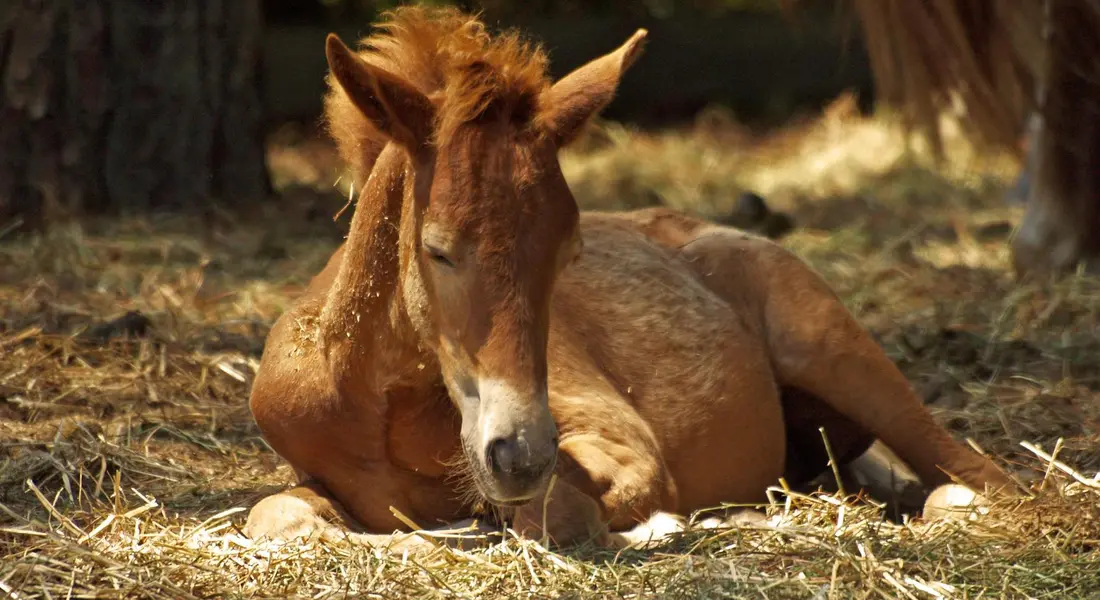
Alfalfa hay is generally safe for horses, but treating it as a universal feed is a mistake I’ve seen cost owners in vet bills and hoof problems. Think of alfalfa like a potent supplement, not a baseline forage—it packs a punch in protein and calories that can either build a horse up or break its metabolic balance. My barn rule, forged from years of managing everything from steady Rusty to fiery Luna, is to always match the hay to the horse’s individual needs, not the other way around. This is especially important because can horses founder on hay that doesn’t suit their system.
When Alfalfa is an Excellent Choice
For the right horse, alfalfa is a brilliant tool. Its high protein and calcium content makes it a top pick for building and repairing muscle, which is why I’ve relied on it for specific cases in my care.
- Hard Keepers and Performance Horses: Luna, my Thoroughbred, burns calories like a furnace. During intense training, I mix alfalfa with her grass hay to maintain her weight and support muscle recovery without making her hot.
- Growing Youngsters: Foals and yearlings need quality protein for development, and alfalfa provides a dense source when balanced properly.
- Seniors with Dental Issues: Soaked, leafy alfalfa cubes can be a lifesaver for older horses who struggle to chew long-stem hay, ensuring they get essential nutrients.
- Mares in Late Pregnancy or Lactation: The increased nutritional demands of breeding stock are often met efficiently with alfalfa’s nutrient profile.
When to Exercise Caution with Alfalfa
This is where your management skills get tested. Overfeeding alfalfa to an unsuitable horse is an invitation for trouble, from founder to urinary issues. I keep a sharp eye on these candidates.
- Easy Keepers and Ponies: My Shetland, Pipin, would turn into a wooly barrel on free-choice alfalfa. For horses prone to obesity and laminitis, alfalfa should be severely limited or avoided.
- Horses with Metabolic Conditions: Those with PPID (Cushing’s) or insulin resistance often do better on lower-sugar, lower-starch grass hays. Alfalfa can be too rich.
- Horses with Kidney Problems: The high calcium content can be problematic for horses with pre-existing renal issues. Always consult your vet.
- Overly Energetic Horses: While alfalfa doesn’t directly cause “hot” behavior, the excess calories can fuel excitability in some sensitive souls. Monitor your horse’s energy levels closely.
How to Feed Alfalfa Hay: Practical Guidelines
Feeding alfalfa isn’t just dumping a flake in a stall. A thoughtful routine prevents waste and promotes health, turning feeding time from a chore into a cornerstone of care. Here’s the system I use daily.
Step 1: Determine the Right Portion
Start with the basics: weight and workload. I never guess my horses’ weight; I use a weight tape weekly and adjust hay accordingly. A general rule is that total hay (alfalfa and grass) should be 1.5-2% of body weight daily. For alfalfa specifically, it’s often a partial replacement. For a full guide on how much alfalfa your horse should eat, you’ll find tailored recommendations. It covers amounts by weight, workload, and individual needs.
- Maintenance Horse: Might only need 25% alfalfa mixed with grass hay.
- Performance Horse: Could handle 50% or more, depending on energy output.
- Senior or Dental Issue: May require all forage as soaked alfalfa cubes, measured by weight, not volume.
Step 2: Assess and Prepare the Hay
Good alfalfa smells sweet, like fresh-cut grass, not musty or sour. I always break open a bale and look for clean, leafy green stems, checking for any dust or mold that could trigger respiratory issues. Preparation is key for safety and palatability.
- Soak for Dust: For a horse like Luna who is prone to dust sensitivity, I soak alfalfa flakes for 10-15 minutes to settle particles. This also reduces some sugar content.
- Chop for Seniors: For older horses, I use a hay chopper to make alfalfa easier to eat, ensuring they ingest every valuable leaf.
- Use a Scale: Measure portions by pounds using a simple hanging scale. “Flakes” vary wildly in weight.
Step 3: Establish a Feeding Routine
Horses thrive on predictability. I space alfalfa feedings into multiple small meals to mimic natural grazing and keep the digestive tract moving smoothly. This prevents gorging and reduces colic risk.
- Integrate with Turnout: If possible, feed alfalfa during quieter periods. I’ll often give a portion of the daily alfalfa when horses come in from turnout, pairing feed with rest.
- Use Slow-Feed Methods: For a horse like Rusty who eats too fast, I use a slow-feed net for his alfalfa mix. This stretches meal time and satisfies his chewing instinct.
- Constant Water Access: Alfalfa is higher in protein, which requires more water for metabolism. Always, always have clean, fresh water available.
Alfalfa Hay for Horses with Specific Needs

Alfalfa isn’t a universal fix; it’s a tool in your barn kit that shines for certain equine puzzles. Matching the hay to the horse’s individual condition is where real horsemanship begins. I’ve spent years tweaking diets based on who’s looking ribby, who’s feeling sore, and who’s just plain picky. That means weighing not just the hay type, but how hay bales stack up against pellets and cubes in nutrition. A clear nutritional breakdown is coming next.
Feeding Alfalfa to Senior Horses
For the golden oldies in your herd, alfalfa can be a blessing or a burden. Its high protein and calcium are excellent for maintaining topline and bone density, which often decline with age. The key is to monitor their weight and kidney function closely, as too much protein can stress aging systems. I remember our senior gelding, Rusty, who needed that extra oomph in winter but would start stockpiling fat if I got generous in spring.
Consider these points for seniors:
- Softer leafiness is easier for worn teeth to process than tough grass hay stems.
- Mix it with a softer grass hay to boost calories without overdoing protein.
- Always provide ample fresh water to help kidneys process the additional nutrients.
Alfalfa for Horses with Gastric Ulcers
Here’s where alfalfa earns its keep in my medicine box. Its higher calcium content acts as a natural buffer against stomach acid. Offering a flake of alfalfa hay 30 minutes before grain or riding can help line the stomach and reduce acid splash. With my sensitive Thoroughbred, Luna, this pre-work snack became a non-negotiable ritual to keep her comfortable and focused.
For ulcer management:
- Use alfalfa as part of a frequent, forage-based feeding program.
- Ensure it’s high-quality and free of mold or dust that could irritate further.
- Remember, it’s a dietary aid, not a substitute for veterinary diagnosis and treatment.
Alfalfa and Weight Management
Alfalfa is dense, like a rich chocolate cake for horses. For the hard keepers, that’s fantastic news. For the easy keeper, it’s a fast track to an overweight, insulin-resistant animal. I’ve used it to put a shine on a rescued mare’s coat and watched our cheeky pony, Pipin, balloon on just a few extra handfuls. You must be the judge of your horse’s metabolism and choose the right feed accordingly.
Weight management strategies:
- Underweight horses: Alfalfa can provide concentrated calories and encourage eating.
- Overweight horses: Limit or avoid alfalfa; choose a mature, low-energy grass hay.
- Always feed by weight, not by volume, to accurately control intake.
Alfalfa, Laminitis, and Metabolic Health
This is the delicate dance. Alfalfa is often lower in soluble sugars than cool-season grasses, which is good for metabolic horses. However, its high calorie count can still promote obesity, a major laminitis risk factor. For a horse with a history of founder or metabolic issues, every bite of alfalfa should be considered and measured. For horses with Cushing’s or a history of laminitis, grass intake and grazing time must be managed as part of a special diet. This careful approach helps keep sugar exposure in check while supporting hoof health. I work with my vet to test all my hay, because guessing isn’t an option when their hoof health is on the line.
Safety guidelines for metabolic concerns:
- Choose later-cut, stemmier alfalfa which is typically lower in energy.
- Never feed alfalfa exclusively to these horses; blend with appropriate grass hay.
- Prioritize ample turnout and movement over any dietary tweak to manage weight and insulin sensitivity.
Comparing Alfalfa to Other Common Hays
Choosing hay is like selecting the right fabric for a saddle pad-each has its own texture and purpose. The smell of fresh alfalfa, sweet and almost nutty, is distinctly different from the clean, grassy scent of a timothy field. Let’s break down how they stack up for daily use.
| Hay Type | Protein Level | Calcium Level | Best For | Watch Out For |
|---|---|---|---|---|
| Alfalfa (Legume) | High (15-20%) | Very High | Growing horses, lactating mares, hard keepers, ulcer management | Overweight horses, those with kidney issues, or high-performance horses not needing extra energy |
| Timothy (Grass) | Moderate (7-11%) | Low | Adult maintenance, easy keepers, senior horses with good weight | May not provide enough calories for hard-working or thin horses |
| Orchard Grass (Grass) | Moderate (7-12%) | Low to Moderate | Most pleasure horses, good palatability, often less dusty | Can be high in sugar depending on cut and season; test for metabolic horses |
| Mixed Grass/Legume | Moderate to High | Moderate | A balanced middle ground, good for general use | Quality and ratios vary greatly between bales; inspect carefully. |
Feel the hay in your hands-alfalfa is leafier and softer, while grass hays have more hollow, fibrous stems. Your horse’s condition, workload, and even their personal taste (Pipin would sell his soul for alfalfa) should guide your final choice. Always introduce any new hay slowly over a week to avoid digestive upset.
Managing Potential Downsides of Alfalfa Hay
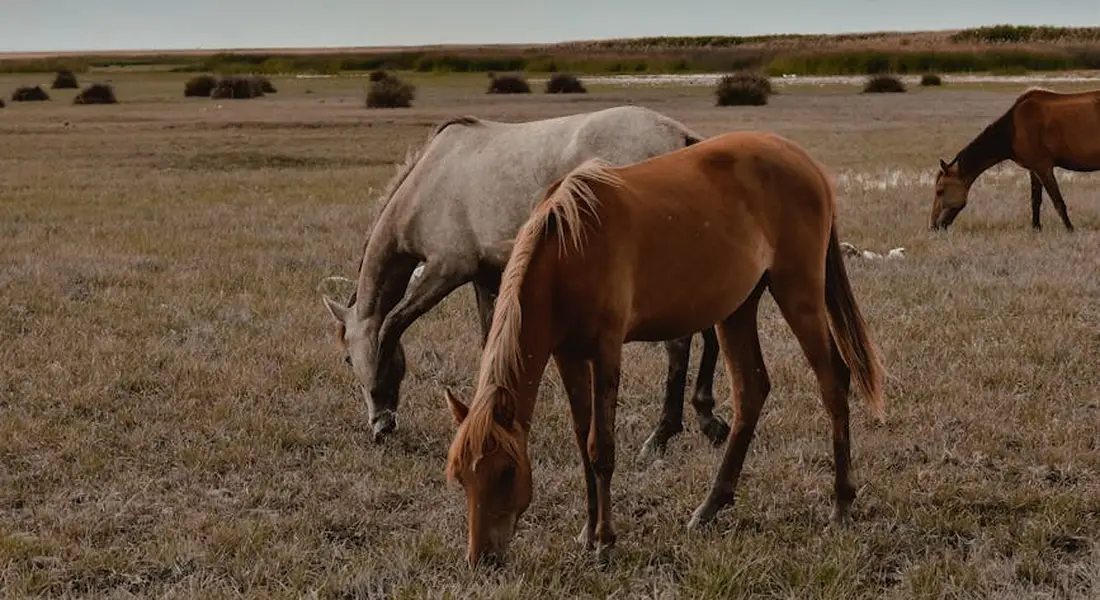
Alfalfa is powerful, and like anything powerful, it demands respect. I’ve seen a well-meaning barn mate nearly turn their pony into a ping-pong ball by switching to straight alfalfa overnight. The key to using alfalfa successfully isn’t avoiding it, but managing its intensity with observation and strategy. Think of it like a strong coffee-great for some mornings, but too much will have anyone jittery.
Monitoring Your Horse’s Response
Your horse will tell you if the alfalfa is working. You just need to listen with your eyes, hands, and nose. This isn’t a “set it and forget it” feed. I make it a habit to run my hands over Rusty’s ribs every few days when he’s on an alfalfa-mix, ensuring he’s staying fit, not fat.
Watch for these specific signals:
- Weight & Condition: Rapid weight gain is the most obvious sign. You shouldn’t be able to see ribs on most horses, but you should easily feel them with light pressure.
- Urine & Stall Bedding: That strong, ammonia-like smell in the stall? That’s excess protein being excreted. Noticeably wetter bedding can also signal your horse is drinking and urinating more.
- Energy & Temperament: Does your steady Eddy suddenly feel like he’s mainlining espresso? Behavioral changes like excess spookiness or “hotness” under saddle can be diet-related.
- Digestive Sounds: A quiet gut is a worrying gut. Place your ear against your horse’s flank. You should hear consistent gurgles and pops-the soundtrack of a healthy digestive tract.
If you notice thick, yellow urine, unusual stocking up in the legs, or a sudden lack of interest in drinking, consult your vet, as these can be flags for more serious metabolic issues. My rule is simple: any dramatic change in behavior or condition after a feed change is my cue to reassess.
Balancing the Diet
Few horses need a 100% alfalfa diet. The magic almost always happens in the mix. Balancing is about dilution and complementing nutrients. I keep a simple bale of timothy on hand specifically for this-it’s my dietary “coolant.” For a performance horse, that balance matters even more for stamina and recovery. If you’re aiming to optimize performance, you’ll want to know how to create a balanced diet for a performance horse.
Start with these practical balancing acts:
- The Mixing Method: For most adult pleasure horses, a 50/50 blend of alfalfa and a good grass hay (like timothy or orchard grass) is a superb starting point. It moderates protein and calcium while preserving that lovely energy lift.
- The Soaking Hack: For seniors or easy keepers who need the softness of alfalfa but not all the protein, soak a flake of alfalfa in cold water for 30 minutes. This leaches out some sugars and proteins, making it milder.
- The Phosphorus Partner: Alfalfa is sky-high in calcium. To maintain a proper calcium-to-phosphorus ratio (ideally between 1:1 and 3:1), ensure your grain or mineral supplement contains adequate phosphorus. A plain grass hay diet often has the opposite problem.
- The Forage First Rule: No matter what, alfalfa should not replace the bulk foraging time your horse needs. Their mental health and gut motility depend on the slow, steady chewing of long-stem forage, not just the calorie intake.
| Horse Type | Sample Alfalfa Strategy | Why It Works |
|---|---|---|
| Senior Horse (Poor Dentition) | Soaked alfalfa cubes, fed separately from grass hay. | Provides easy-to-chew, palatable calories and protein without relying on tough stems. |
| Performance Horse (High Energy Needs) | 2 parts alfalfa to 1 part grass hay, increased during heavy work. | Fuels muscle repair and energy reserves with dense calories and quality protein. |
| Easy Keeper (Prone to Weight Gain) | Handful of alfalfa as a “vitamin supplement” mixed into sparse grass hay. | Delivers crucial minerals and protein without the calorie overload of a full flake. |
| Young Growing Horse | Free-choice grass hay with measured alfalfa pellets for balanced growth. | Controls total intake while ensuring precise levels of lysine and calcium for bone development. |
Remember, all changes should be slow. A sudden switch from grass to rich alfalfa is a direct invitation to colic, no matter how much your horse loves the taste. Transition over 7-10 days, slowly increasing the new hay while decreasing the old. Your horse’s well-being is always worth the extra week of patience.
Frequently Asked Questions: Is Alfalfa Hay Good for Horses?
What are the main pros and cons of feeding alfalfa hay to horses?
The primary pros are its high-quality protein for muscle development and its rich calcium content for bone health. The cons include its high caloric density, which can lead to weight gain in easy keepers, and the need to carefully balance it with phosphorus from other feed sources. It is a powerful supplement best used with a clear purpose for specific horses.
Is alfalfa hay beneficial for a horse with gastric ulcers?
Yes, alfalfa hay can be very beneficial as its higher calcium content acts as a natural buffer against stomach acid. Offering a small portion before grain or exercise can help protect the stomach lining. However, it should be part of a veterinary-recommended management plan and not a sole treatment.
As a UK horse owner, where can I find good alfalfa hay for sale?
In the UK, alfalfa is commonly sold as lucerne hay or haylage through specialist feed merchants, agricultural suppliers, and many online equine retailers. To find alfalfa near you, such as around Poole, consult local equestrian forums, ask your farrier or vet for supplier recommendations, and always personally inspect bales for quality, freshness, and a clean, sweet smell.
Final Thoughts from the Stable
Alfalfa hay is a valuable feed for horses needing extra energy or protein, but it must be introduced carefully and fed in balance. Base your decision on your individual horse’s life stage, workload, and health, and always mix alfalfa with good-quality grass hay to mimic a natural foraging diet. Proper feeding amounts can be found in our complete feeding guide.
True horsemanship is built on patience and paying attention to the animal in front of you. Over the years, I’ve seen that Rusty’s steady weight and Luna’s calm demeanor are the most honest reviews of any feeding plan.
Further Reading & Sources
- All About Feeding Horses Alfalfa | Equine Programs
- HAY FOR HORSES: ALFALFA OR GRASS? Anne Rodiek1 ABSTRACT
- Feeding Alfalfa to Horses: Pros & Cons of this Forage in the Diet | Mad Barn
- Alfalfa: The High-Quality Hay for Horses
At Horse and Hay, we are passionate about providing expert guidance on all aspects of horse care, from nutrition to wellness. Our team of equine specialists and veterinarians offer trusted advice on the best foods, supplements, and practices to keep your horse healthy and thriving. Whether you're a seasoned rider or new to equine care, we provide valuable insights into feeding, grooming, and overall well-being to ensure your horse lives its happiest, healthiest life.
Nutrition