
Can Horses Eat Pineapple? Tropical Fruit Safety for Equine Diets
Published on: September 22, 2026 | Last Updated: September 22, 2026
Written By: Henry Wellington
Hello fellow equestrians. That bright, sweet pineapple on your kitchen counter has you wondering if it’s a safe snack for your horse. It’s a smart worry-tossing the wrong treat can lead to a sour stomach or a pricey vet visit faster than you can say “colic.”
I’ve been there in the aisle, with a curious muzzle nudging my hand, and I’ll help you sort the facts from the barnyard myths. In this guide, I’ll cover:
- The straightforward yes or no on pineapple safety for equine digestion.
- How to properly prepare pineapple to avoid choking and waste.
- Smart portion control to keep sugar intake in check.
- Which other tropical fruits are safe bets and which are strict no-gos.
This advice comes from my years of barn management and horse training, where I’ve balanced treat rewards with steadfast equine welfare every single day.
Can Horses Eat Pineapple? The Straight Answer
Yes, horses can safely eat pineapple, but it must be fresh, peeled, and served in strict moderation as an occasional treat. I keep a container of pre-cut fresh pineapple in the tack room fridge during summer, and my Quarter Horse, Rusty, will practically tap-dance for a single cube. This tropical fruit is a “sometimes” food, not a dietary staple, and how you prepare it is non-negotiable for safety. The spiky skin and tough core are major choking hazards and are difficult to digest, so they must be completely removed. Not all fruits are safe for horses, so it’s important to know which ones you can offer as treats.
Pineapple Nutrition: Benefits and Risks for Equine Diets
When we offer a treat, we’re trading a moment of joy for a tiny nutritional impact. Pineapple brings a unique mix to the stable.
- Vitamin C: An antioxidant that supports immune function, though healthy horses produce their own.
- Manganese: Supports bone development and metabolic function.
- Bromelain: A natural enzyme found in the fruit that may offer mild anti-inflammatory properties.
- High Water Content: Offers a hydrating boost on a hot day, which is why my mare Luna sometimes gets a piece after a sweaty workout.
These benefits come with a catch. The risks associated with pineapple almost entirely stem from overfeeding, which is why a few small pieces once a week is my firm barn rule.
The Sweet Truth: Sugar Content and Your Horse’s Health
The sweet taste horses love is a red flag for us as caregivers. Pineapple is high in natural sugars. For a metabolically sensitive horse, even a handful can be problematic.
I think of it like this: giving a sugar-loaded treat to a horse with Insulin Resistance or a history of laminitis is like pouring gasoline on a smoldering fire. It’s simply not worth the risk. Even for the easy keeper, these sugars add empty calories. Always weigh the momentary pleasure against your horse’s long-term metabolic health, especially if they are overweight or prone to founder. For horses with Cushings or a laminitis history, grass intake and diet require extra care and specialist guidance. We’ll explore grass management and other diet considerations in the next steps.
Here’s a quick comparison to put it in perspective:
| Treat | Relative Sugar Content | Barn-Rating for Frequency |
|---|---|---|
| Carrot (medium) | Low | Daily, in moderation |
| Apple (slice) | Medium | A few times a week |
| Fresh Pineapple (1/2 cup cubes) | High | Once a week or less |
Hydration and Digestion: How Pineapple Affects the Gut
This is where the bromelain enzyme and acidity come into play. In tiny amounts, the moisture and enzymes might offer a slight digestive assist. However, the natural acidity of pineapple can easily upset the delicate pH balance of the hindgut if offered in quantity.
I learned this the hard way with Pipin, my clever Shetland. He managed to snatch a larger chunk than I intended, and the resulting loose manure the next day was a clear message. A horse’s digestive system is a finely tuned fermentation vat, and sudden acidic inputs can disrupt the microbial balance, leading to soft stool or even colic. This makes you wonder: does a horse’s digestive system really work the way we expect it to? Understanding how it processes food helps explain why small dietary slips can have big effects.
Follow these steps to serve it safely:
- Select a ripe, fresh pineapple. Avoid canned pineapple in syrup-the added sugar is excessive and preservatives are unnecessary.
- Cut off the entire tough, spiky outer skin with a sharp knife.
- Remove the dense, fibrous core completely.
- Chop the remaining flesh into small, bite-sized cubes (about 1-inch).
- Start with just one or two cubes to observe your horse’s reaction before ever offering more.
That final step is your most important tool. Watch your horse’s manure and their general demeanor after trying any new food. Their body will tell you what their mind cannot. Treats are about connection, not consumption, and the safest treat is always the one given with mindful observation, especially when trying new treats or favorite foods.
Feeding Guidelines: How to Offer Pineapple Safely
Step-by-Step: Introducing Pineapple to Your Horse
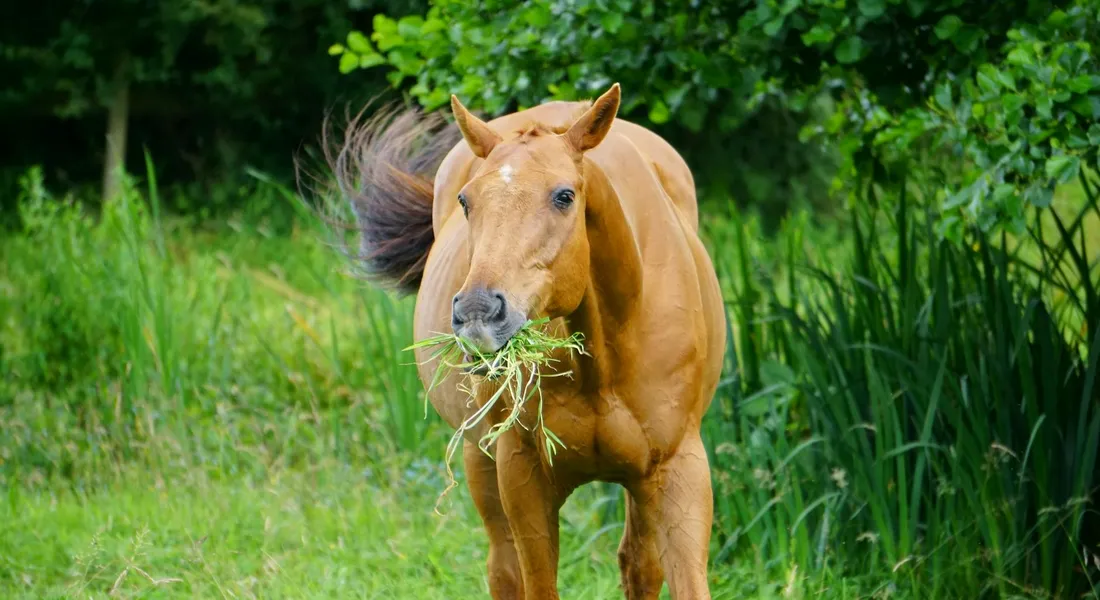
The first time I brought pineapple to the barn, Rusty gave it a skeptical sniff. New foods require a gentle introduction. Your horse’s first taste of pineapple should be a cautious event, not a free-for-all. Follow these steps to keep it safe and stress-free.
- Start with a small, fresh piece. Offer one cube, no larger than a dice, from your flat palm.
- Observe for any adverse reaction. Watch their mouth for discomfort and monitor their manure for the next day.
- Limit frequency to once or twice a week. Treats are for bonding, not for filling their belly.
I learned patience with Luna, whose sensitive gut needs slow introductions. Spacing out new treats helps you spot problems before they become emergencies. If Pipin gets hold of something new, his greedy chewing is my cue to be extra vigilant.
How Much Pineapple is Too Much?
Think of pineapple like a rich dessert. A little is a delight; a lot causes trouble. For an average 1,000-pound horse, a handful of chopped pineapple once a week is a safe maximum. I never give Rusty more than five or six small cubes.
The high sugar content is the real concern. Overfeeding sugary fruits can quietly contribute to weight gain and metabolic issues, even in active horses. I adjust treats based on the day’s work and the horse’s condition. On a lazy turnout day, Luna might get just a sliver.
Listen to your horse’s body. If their energy spikes or their manure softens, you’ve given too much. Always balance treat calories by reducing grain slightly, not their hay. That balance is essential for managing your horse’s weight. A well-planned diet keeps energy steady and supports overall health. Their digestive health depends on that steady flow of roughage.
Pineapple Parts: What About the Rind, Core, and Leaves?
The Safe Way to Prepare Fresh Pineapple
Prepping pineapple for your horse isn’t complicated, but it demands care. You must remove the inedible parts. Always strip off the tough, prickly outer skin and cut out the woody, fibrous core completely. These parts are choking hazards and can cause impaction.
Slice the remaining yellow flesh into uniform, bite-sized cubes. Consistent pieces prevent your horse from bolting a large chunk that could lodge in their throat. I often do this prep in the barn kitchen, with Pipin watching every move through the window.
Serve it fresh at room temperature or slightly chilled. Rinsing the cut fruit removes any lingering stickiness that could attract dirt to their muzzle. The sweet, tropical aroma will have them nickering, but hold firm on the portion size.
Dried Pineapple and Pineapple Juice: A Sticky Situation
Dried pineapple is a different beast. The drying process concentrates the sugars dramatically. I avoid all dried fruits for my herd because the sugar hit is too intense and rapid for their systems. It offers none of the hydration or fiber benefits of fresh fruit.
Pineapple juice is equally problematic. It’s pure sugar water without the fiber to slow its absorption. Even a small amount of juice can disrupt the delicate microbial balance in your horse’s hindgut. I saw a pony colic after sneaking a drink of leftover juice; it was a hard lesson.
Stick to the fresh fruit. The minimal, natural sugars in a fresh pineapple cube are a safer choice than any processed version. Your horse will enjoy the juicy crunch just as much, and you’ll sleep better knowing their snack is simple and clean.
Beyond Pineapple: Other Tropical Fruits for Horses

Pineapple is just one player in the tropical lineup. My crew, from Rusty to Pipin, has sampled a few under careful watch. Mango flesh is a hit, but that large, slippery pit is a choking hazard I never risk. Always separate sweet flesh from dangerous seeds and tough skins before offering any tropical fruit.
Ripe papaya is soft and palatable, but its seeds contain traces of compounds that can be toxic in volume. I scoop them out entirely. For a sensitive soul like Luna, the mild flesh is a safer choice, but only in postage-stamp portions.
Fresh coconut meat offers a fun, crunchy texture, but its high fat content can easily upset a hindgut. Think of it as a rich holiday food, not a regular snack. Moderation with fatty treats is key to avoiding digestive mischief and unwanted weight gain.
Quick Guide to Tropical Fruit Safety
Keep this reference handy next time you’re cutting fruit salad. Your horse’s snack should be just as prepared as your own. Make sure to check the safety of any fruit you plan to feed them.
| Fruit | Safe Parts | Precautions & Tips |
|---|---|---|
| Mango | Flesh only | Remove skin and pit; high in sugar, so feed sparingly. |
| Papaya | Flesh only | Discard all seeds; introduce a teaspoon-sized amount first. |
| Coconut | Fresh meat, unsweetened water | High in fat; limit to one thin slice occasionally. |
| Banana | Flesh (peel is optional) | Peel can be fibrous; mash for older horses like Pipin. |
| Kiwi | Flesh only | Peel off fuzzy skin; acidity may bother some stomachs. |
This table is your shortcut, but your own observation is the ultimate guide for what suits your individual horse. When you choose the right horse for your experience level and lifestyle, the match will feel right from the start. In the next steps, you’ll find pointers and resources that support that choice.
Recognizing and Preventing Problems
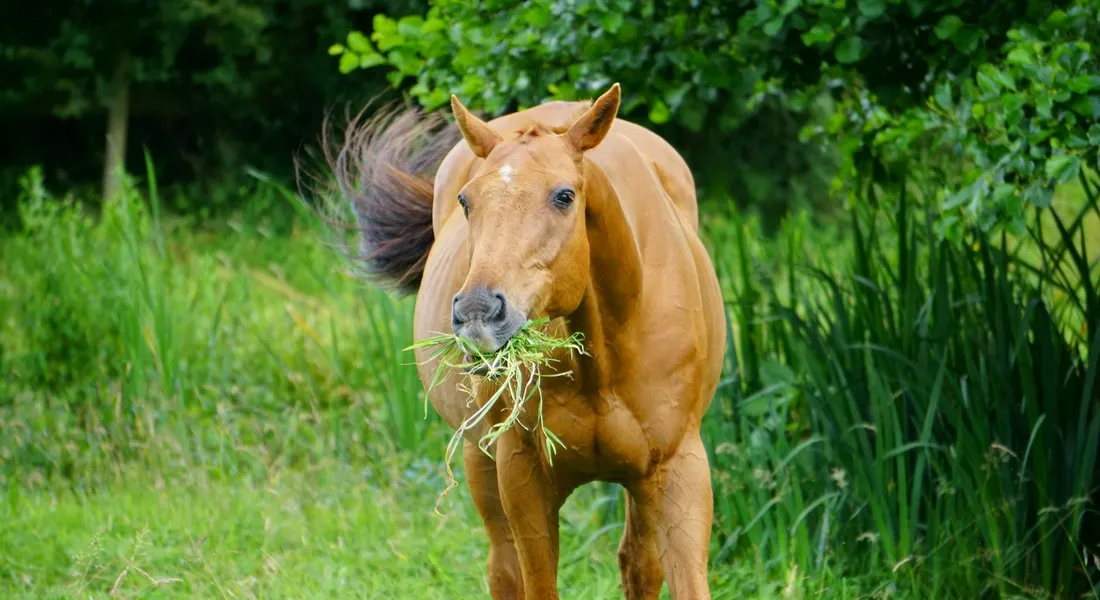
A horse’s gut is a finely tuned engine not built for sugar bombs. Watch their manure and mood like a hawk after a new treat. A slight change in dropping consistency or a new reluctance to finish hay can be the first whisper of trouble.
Prevention is straightforward: wash all fruit, cut it small, and keep quantities tiny. I pre-chop treats into pea-sized bits and store them in my barn fridge. This simple system prevents greedy gulping and lets you track exactly how much they’ve had.
Introduce only one new fruit at a time, waiting a few days before trying another. This method isolates the culprit if an upset does occur, saving you and your vet detective work.
When to Call Your Vet
Some signs move beyond watchful waiting into immediate action. Have your vet’s number ready.
- Signs of colic: frequent lying down and rising, pawing, or staring at the flank.
- Diarrhea that lasts more than two manure cycles or is watery and profuse.
- Any hint of choke: coughing, neck stretching, or food and saliva dripping from the nostrils.
- Lethargy or refusal to drink that continues past a few hours.
Trust your instincts-if your horse’s behavior seems off after a treat, a quick vet call is the most responsible path.
The Golden Rule of Treats: Variety and Moderation
Treats are a supplement, not a staple. I rotate between fruit bits, carrot nubs, and a handful of soaked beet pulp to keep things interesting. This variety prevents nutrient imbalances and stops your horse from fixating on a single, sugary reward.
Use treats intentionally, like rewarding calm behavior for Luna or patience for Rusty at the mounting block. A treat given with purpose strengthens your bond far more than mindless hand-feeding ever will.
The very best treats are often not food at all. Extra turnout time, a good scratch, or a quiet grooming session often provide more lasting satisfaction than any piece of fruit.
FAQ: Can Horses Eat Pineapple? Tropical Fruit Safety for Equine Diets
Is pineapple safe for horses with metabolic issues like insulin resistance?
Pineapple’s high natural sugar content makes it generally unsafe for horses with insulin resistance or a history of laminitis. Feeding even small amounts can risk blood sugar spikes and exacerbate metabolic conditions. Always prioritize your horse’s long-term health by consulting a vet before offering any sugary treats.
Can horses eat pineapple leaves or the spiky green top?
No, pineapple leaves and the green top are not safe for horses due to their tough, fibrous texture and potential to cause choking or digestive blockages. These parts lack nutritional benefits and may lead to mouth injuries or impaction colic. Only the peeled, cored flesh should be offered as an occasional treat, similar to banana peels for horses, which are also unsafe.
How do I introduce pineapple to a horse that is hesitant or picky?
Begin with a minuscule amount, such as a single small cube, offered from your palm to allow curious sniffing and tasting without force. You can mix a tiny piece into their regular feed or pair it with a familiar treat like a carrot to build positive associations. Monitor their response and manure consistency for 24 hours to ensure tolerance before any repeat offering.
A Word on Tropical Treats
Fresh pineapple can be a fun, vitamin-rich snack for your horse when offered correctly. Always serve it peeled, cored, and in thumb-sized pieces to prevent choking and digestive upset.
Introduce any new treat patiently and watch for your horse’s unique reaction. True care means listening to your horse’s feedback more than following any fixed rule.
Further Reading & Sources
- Can Horses Eat Pineapple? Health & Nutrition Guidelines | PangoVet
- Fruits & vegetables for horses – edible or not? | ehorses Magazine
- Can My Horse Eat That Treat? Ultimate Guide to Safe & Healthy Horse Treats – [Guide] | Mad Barn
- r/Equestrian on Reddit: Can horses eat bananas? Any other fruit recommendations?
At Horse and Hay, we are passionate about providing expert guidance on all aspects of horse care, from nutrition to wellness. Our team of equine specialists and veterinarians offer trusted advice on the best foods, supplements, and practices to keep your horse healthy and thriving. Whether you're a seasoned rider or new to equine care, we provide valuable insights into feeding, grooming, and overall well-being to ensure your horse lives its happiest, healthiest life.
Nutrition